Photo credit: WHO_TEE_WHO/Youtube
A rifle does not have to be cheap to shoot well anymore. That is what makes disappointing expensive rifles so frustrating. These days, budget bolt-actions, entry-level ARs, and plain synthetic hunting rifles can turn in surprisingly good accuracy right out of the box.
So when a rifle costs twice as much and shoots worse, owners notice.
Sometimes the problem is inconsistent quality control. Sometimes the stock is too flimsy, the bedding is poor, the trigger is disappointing, or the rifle is built more around name recognition than real performance. These are the rifles that often leave buyers wondering why a cheaper gun at the next bench is printing tighter groups.
Weatherby Mark V Backcountry
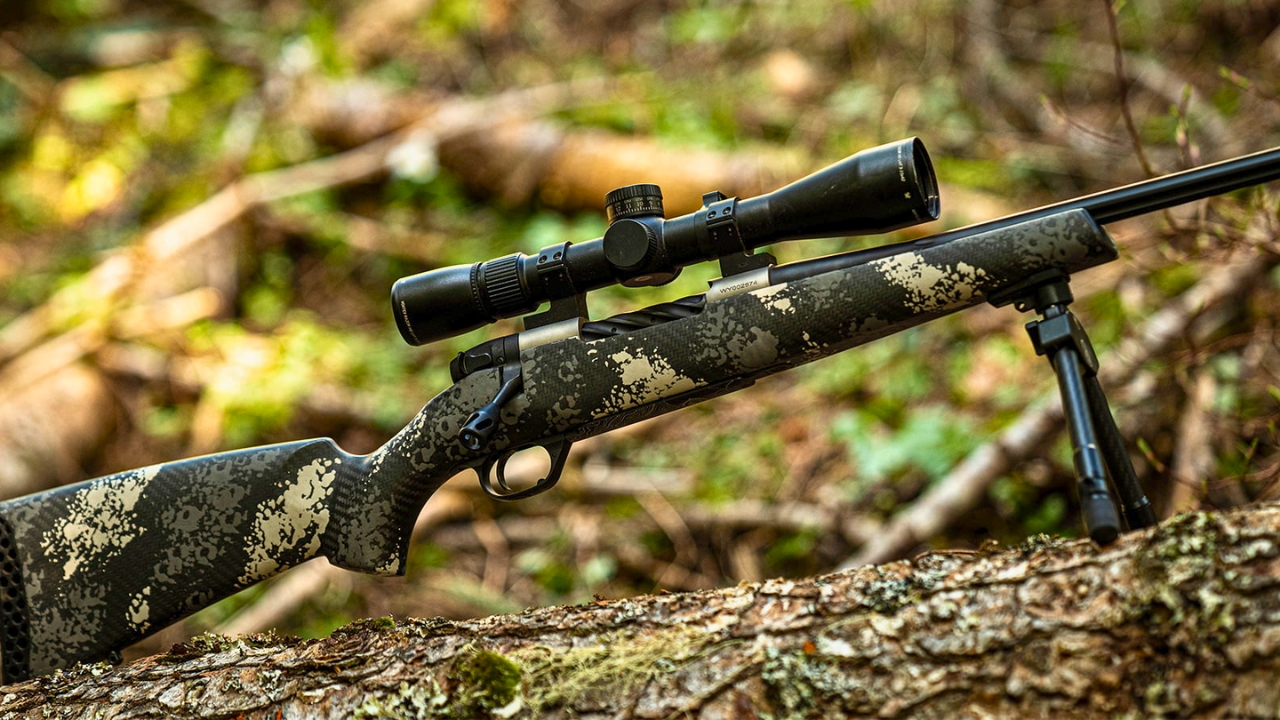
The Weatherby Mark V Backcountry looks like it should be nearly perfect. It is lightweight, expensive, and built around the idea of serious mountain hunting. The name alone carries expectations. When someone spends that kind of money, they expect a rifle that carries beautifully and shoots with confidence.
The issue is that very light rifles can be unforgiving. Recoil is sharper, shooter input matters more, and thin barrels can heat quickly. Some owners get excellent accuracy, but others find that the rifle is much harder to shoot well than a cheaper, heavier rifle like a Tikka T3x, Ruger American, or Savage 110. That does not mean the Mark V is a bad rifle. It means the price does not automatically make it easier to shoot. A mountain rifle that saves weight can still lose the benchrest comparison to a gun half its price.
Kimber Montana
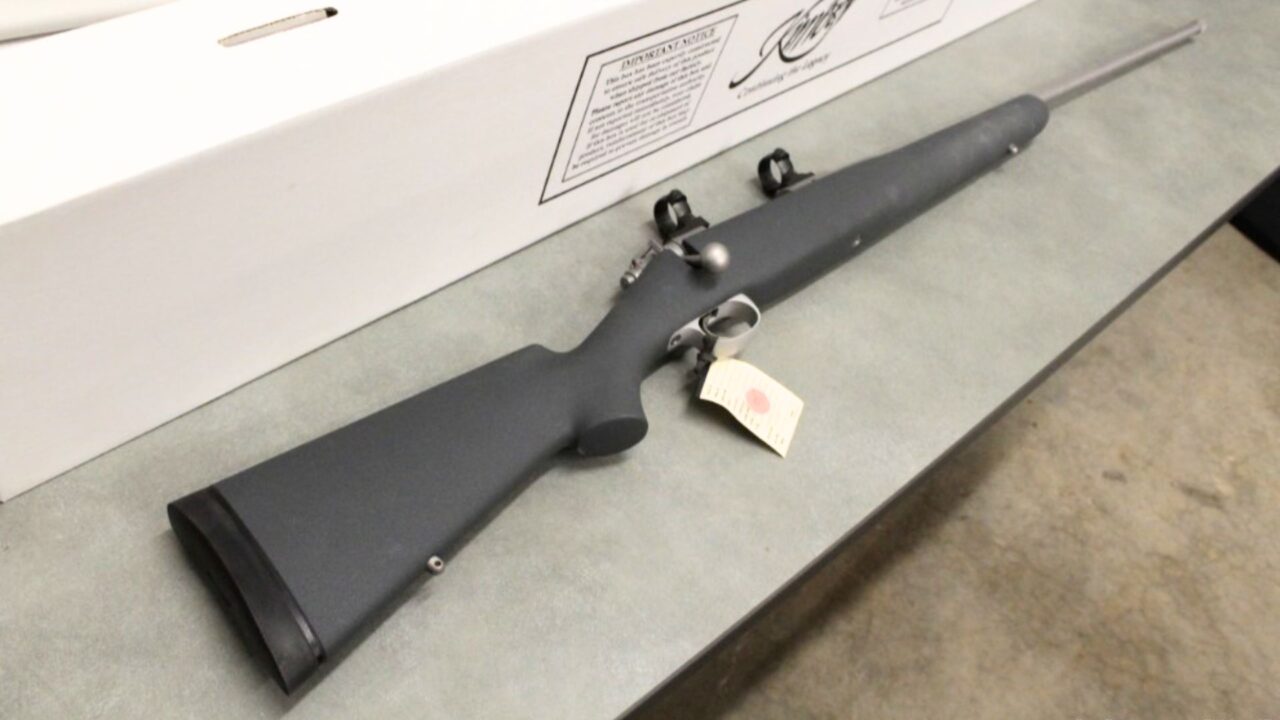
The Kimber Montana earned a loyal following because it is light, handy, and built for hunters who care about ounces. On paper, it is exactly the kind of rifle a serious backcountry hunter wants. Stainless construction, synthetic stock, controlled-round-feed appeal, and low weight make it very tempting.
But Kimber rifles have long carried a reputation for being hit-or-miss in accuracy. Some shoot beautifully. Others leave owners frustrated after trying different loads, scope mounts, bedding work, and careful bench technique. That inconsistency hurts because the Montana is not priced like a budget gamble. A cheap rifle that needs load testing is expected. A premium lightweight rifle that gets outshot by a basic Savage Axis or Ruger American can make owners wonder whether they bought a mountain dream instead of a dependable shooter.
Browning X-Bolt Pro

The Browning X-Bolt Pro feels refined the moment someone picks it up. It is sleek, light, well-finished, and clearly positioned as a higher-end hunting rifle. Browning’s reputation helps too. Buyers expect a rifle that looks good, carries well, and shoots better than entry-level options.
For some owners, it does. For others, the accuracy does not feel special enough to match the price. The X-Bolt Pro is still a lightweight hunting rifle, and lightweight rifles are rarely as easy to shoot from the bench as heavier, cheaper guns. The carbon-fiber-style stock, fluted barrel, and Cerakote finish look premium, but none of those features guarantee tiny groups. When a plain Tikka or Howa shoots tighter for far less money, the owner may start feeling like the Pro part was mostly in the invoice.
Springfield Armory Waypoint

The Springfield Armory Waypoint made a big entrance because it looked like a modern premium hunting rifle done right. Carbon-fiber stock, optional carbon barrel, good trigger, and serious accuracy claims all made it sound like a rifle that could bridge hunting and precision roles beautifully.
Many shooters have had good experiences, but the price creates a very high bar. If a Waypoint does not shoot exceptionally well with the loads an owner wants to use, disappointment comes fast. A rifle in this price range is not being compared only to budget hunting rifles. It is being compared to custom builds, proven Tikkas, Bergaras, and semi-custom options. When a cheaper Bergara or even a standard Howa starts stacking shots better, the Waypoint owner may feel like they paid for the modern rifle aesthetic more than guaranteed performance.
Christensen Arms Ridgeline

The Christensen Arms Ridgeline is one of those rifles that attracts buyers with carbon-fiber appeal. It looks high-end, saves weight, and carries the kind of modern mountain-rifle image that makes hunters imagine long climbs and confident shots across open country.
The frustration comes from mixed owner experiences. Some Ridgelines shoot very well, but others have left buyers chasing accuracy with different loads, torque settings, optics, and bedding checks. Carbon-wrapped barrels and premium styling do not automatically mean easy precision. When a rifle costs this much, buyers are less forgiving. If a basic Bergara B-14, Tikka T3x, or Ruger American Predator shoots better with less drama, the Ridgeline starts feeling like an expensive lesson in marketing versus consistency.
Remington 783
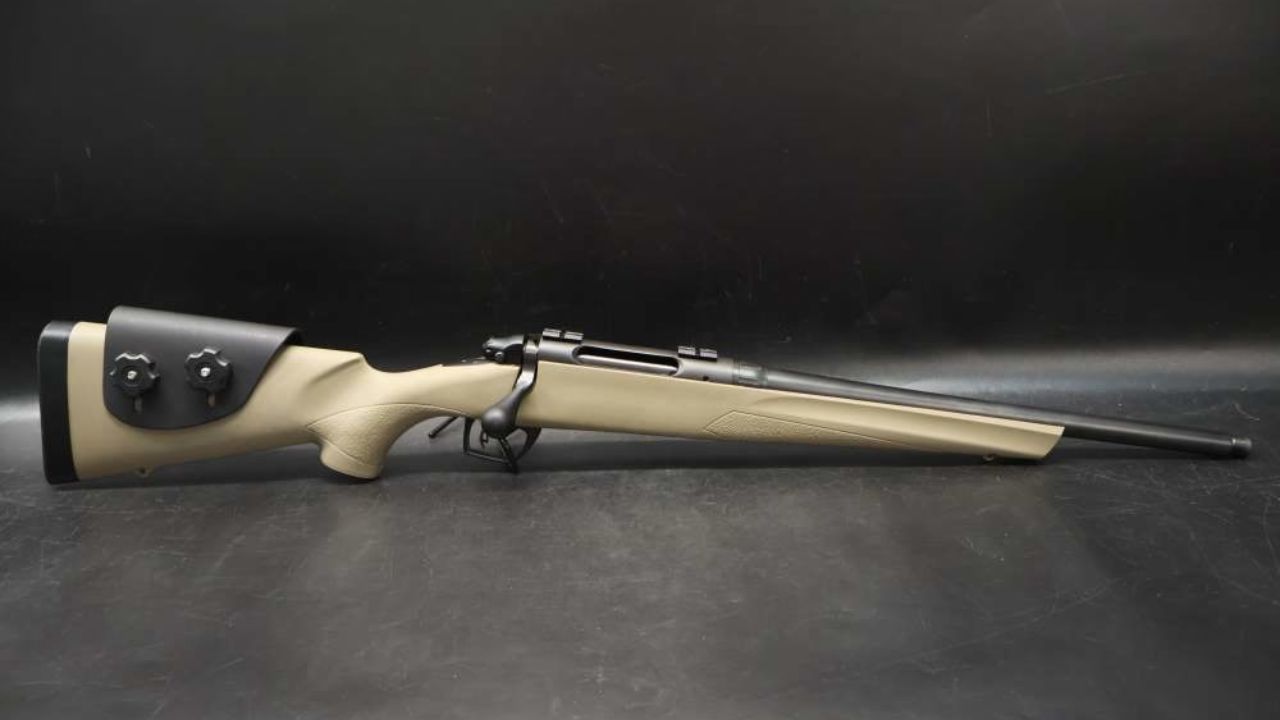
The Remington 783 is not usually priced as a premium rifle, but it still makes this list because it often gets judged against guns that are cheaper or similarly priced and shoot better. It was designed as an affordable hunting rifle, but the market became brutally competitive in that category.
The problem is that budget rifles got very good. Savage, Ruger, Mossberg, and Thompson/Center all pushed affordable accuracy hard. A 783 may shoot fine, but some examples feel rough, plain, or unimpressive compared with cheaper rifles that offer better triggers, smoother actions, or more consistent groups. When a rifle is inexpensive, buyers can forgive a lot. But if it does not clearly beat the other budget guns around it, it feels like money spent on the wrong economy option.
Savage Impulse
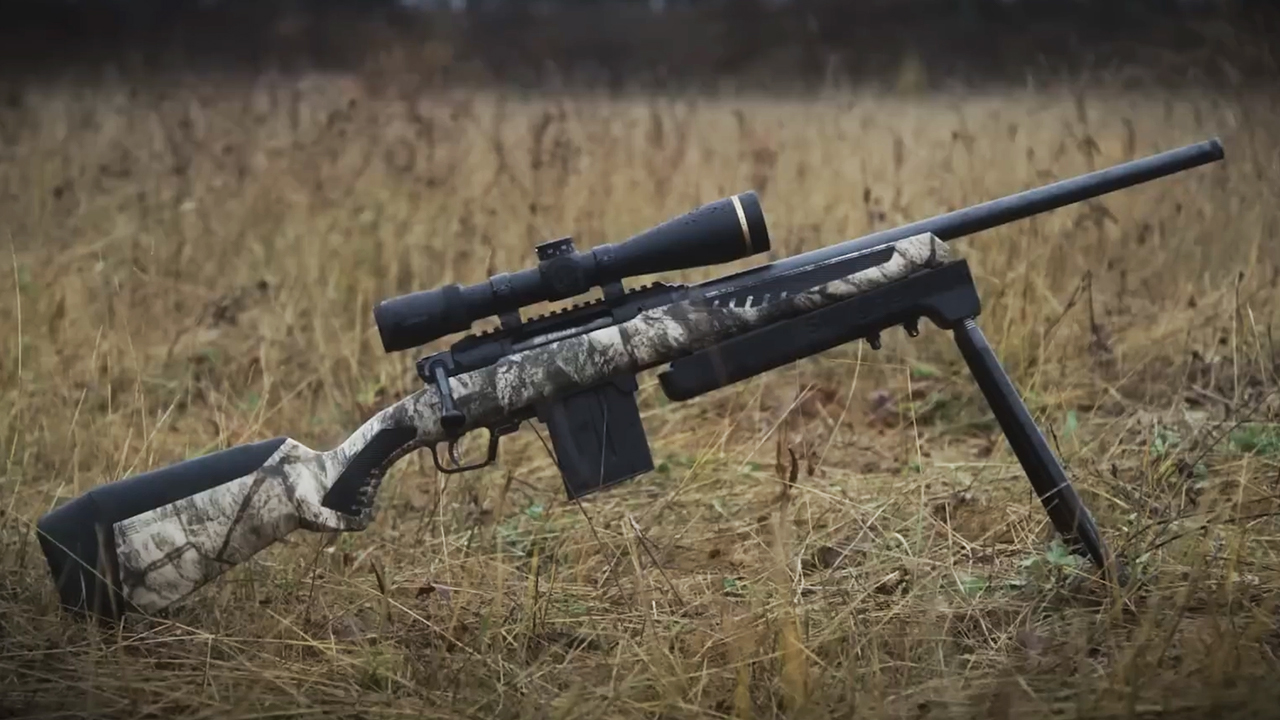
The Savage Impulse is interesting because straight-pull rifles are still uncommon in the American hunting market. The design is fast, different, and mechanically intriguing. It gives shooters something other than the same old turn-bolt layout.
But interesting does not always mean more accurate. The Impulse costs enough that buyers may expect a major performance jump over ordinary bolt-actions. In reality, a standard Savage 110, Tikka T3x, or Bergara B-14 may shoot just as well or better for less money. The straight-pull action may be fun, but it does not automatically shrink groups. If the rifle is heavier, pricier, and not noticeably more accurate, owners may wonder whether speed of cycling mattered less than basic precision.
Ruger Hawkeye Long-Range Target
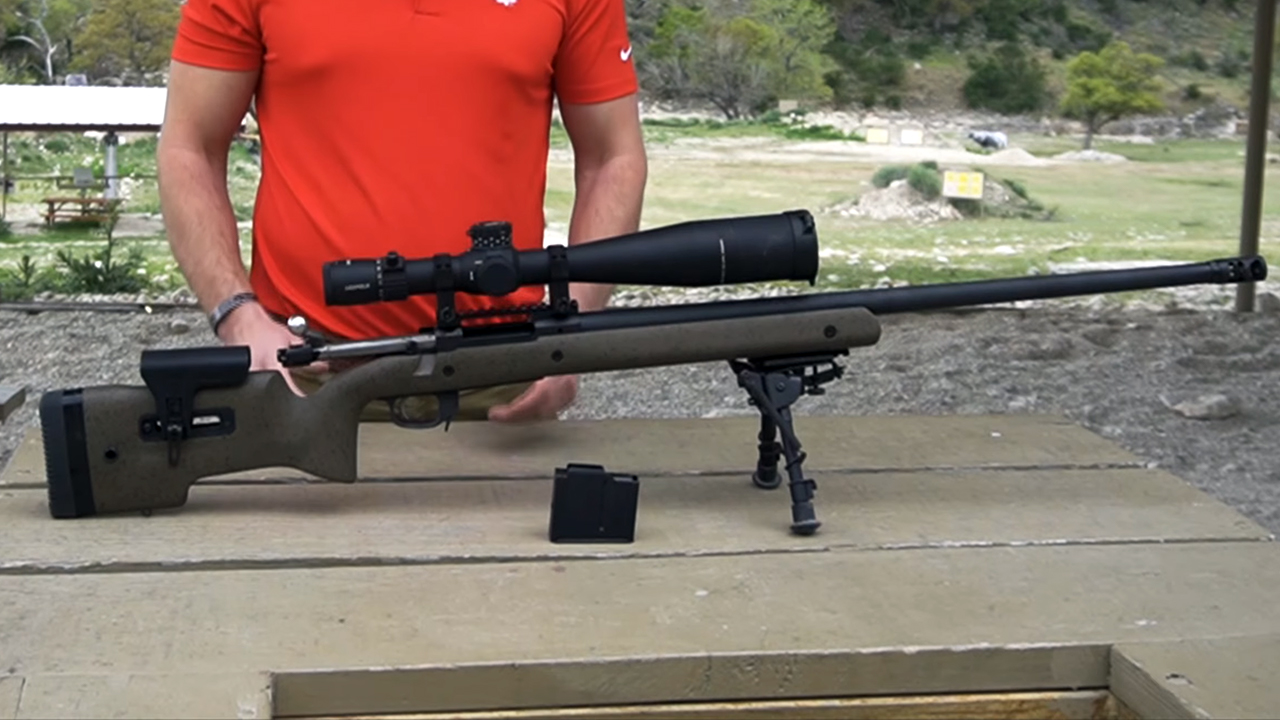
The Ruger Hawkeye Long-Range Target looks like it should deliver serious precision. It has a heavy barrel, target-style stock, and a name that promises accuracy. Ruger’s controlled-round-feed action gives it a rugged foundation, and the whole rifle seems built for shooters who want to stretch distance.
The downside is that it can be heavy, awkward, and not always as refined as competing precision rifles. Some shoot very well, but others do not deliver the easy accuracy buyers expect from such a purpose-built setup. When a less expensive Bergara, Savage 110 tactical model, or even a well-set-up Ruger American Predator shoots tighter, the Hawkeye Long-Range Target feels hard to justify. Heavy rifles are supposed to make precision easier. If they do not, owners notice immediately.
Nosler Model 48
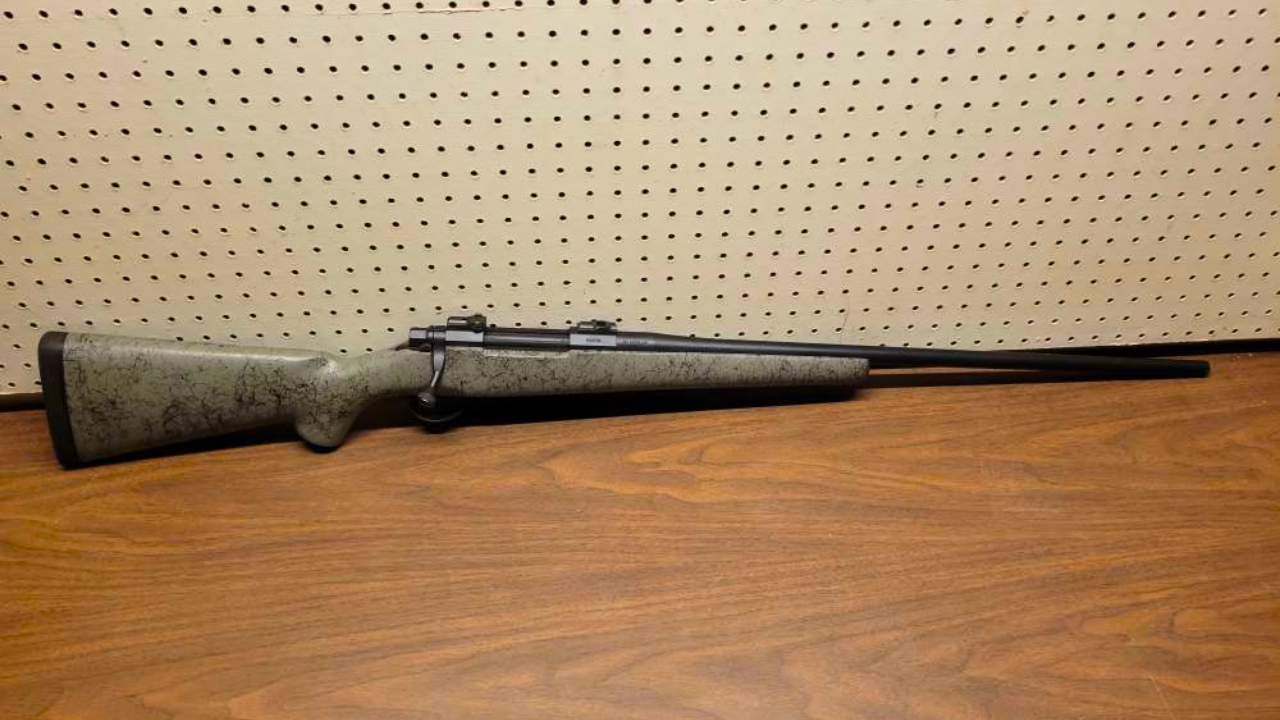
The Nosler Model 48 carried a premium image because Nosler is so closely tied to high-quality bullets and serious hunting performance. A rifle wearing that name naturally creates expectations. Buyers expect accuracy, reliability, and refinement that match the brand’s ammunition reputation.
The problem is that the rifle market is full of excellent shooters at lower prices. A Model 48 that performs well may satisfy its owner, but one that shoots merely average can feel disappointing fast. At premium pricing, “decent hunting accuracy” may not feel like enough. When a cheaper Tikka, Howa, Bergara, or Savage starts punching tighter groups, the owner may wonder whether the Nosler name added more cost than practical accuracy. Premium branding has to be backed up on paper targets.
Mossberg Patriot

The Mossberg Patriot is another rifle that sits in a tricky budget lane. It is affordable, often attractive for the money, and available in plenty of useful chamberings. Some versions even come with walnut stocks or scoped packages that look like good deals.
But accuracy and overall feel can be inconsistent enough that owners sometimes regret not choosing another budget rifle. A Patriot may shoot acceptably for deer season, but if the trigger, stock flex, or group size disappoints, it gets compared against rifles at the same or lower prices that perform better. The problem is not that every Patriot shoots poorly. It is that the affordable rifle market has very little patience for mediocrity. If a Ruger American or Savage Axis II outshoots it, the Patriot loses its argument quickly.
Winchester XPR

The Winchester XPR is usually a good practical rifle, but some buyers expect more from the Winchester name than the rifle is designed to deliver. It is not a Model 70. It is a budget-friendly modern hunting rifle, and it should be judged that way.
The issue comes when owners pay for upgraded variants or expect classic Winchester magic. The XPR can shoot well, but it may not always feel refined, smooth, or special. If accuracy is only average, a cheaper rifle with a better trigger or better stock feel can make the XPR seem underwhelming. It is not a bad gun in the right context. But when the name creates expectations the rifle does not meet, buyers may feel like they paid for a logo more than performance.
Browning BLR

The Browning BLR is loved because it offers lever-action handling with modern rifle cartridges. That is a genuinely useful concept. It lets hunters use pointed bullets and cartridges like .308 Winchester, .270 Winchester, and .30-06 Springfield in a lever-action platform.
But the BLR is not usually the rifle people buy for tiny groups. The trigger is often heavier or less crisp than a good bolt-action trigger, and the design is more complex than a simple bolt gun. It can be plenty accurate for hunting, but if someone expects it to shoot like a cheaper bolt-action, disappointment can follow. A basic Tikka or Savage may group better for far less money. The BLR earns its keep through handling and uniqueness, not benchrest superiority.
Marlin Model 336 New Production Examples
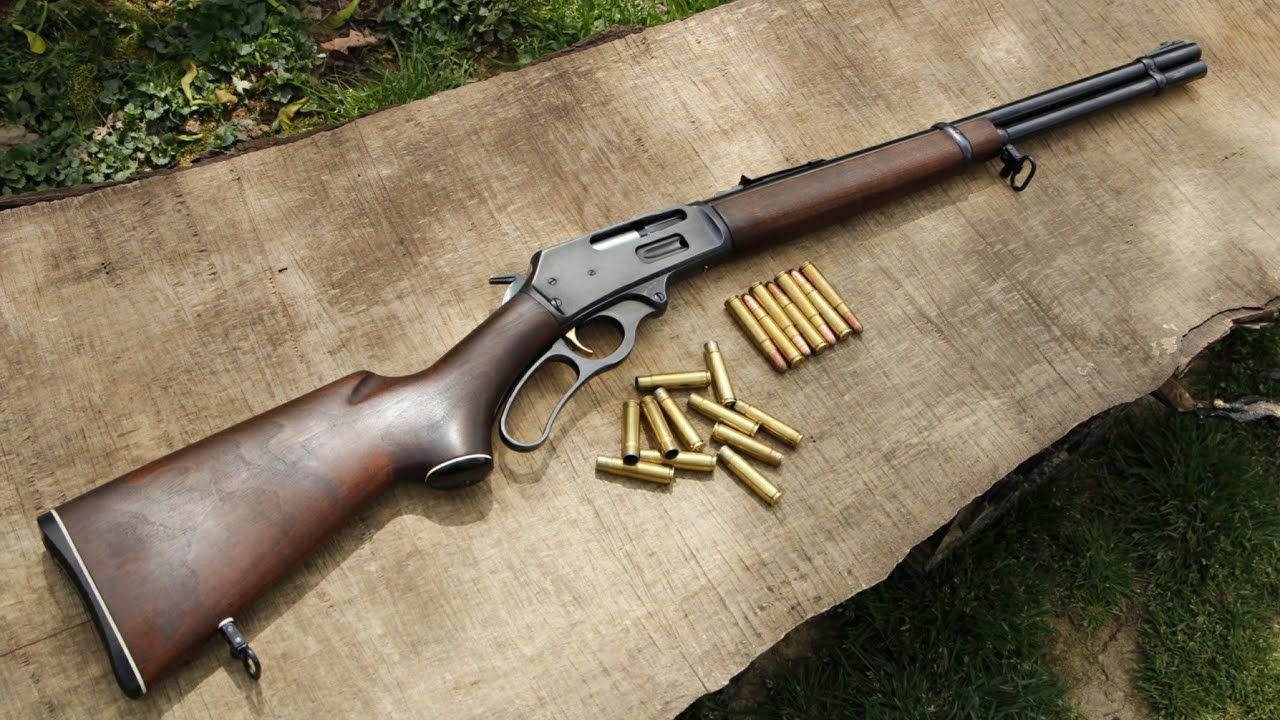
The Marlin 336 has a legendary reputation, but not every production era or individual rifle lives up to the romance. Older JM-stamped Marlins carry a lot of affection, while later examples from troubled production periods made some buyers cautious.
A lever-action .30-30 is not usually expected to shoot like a precision bolt gun, but buyers still expect consistent hunting accuracy. When a newer or rougher 336 struggles, has fit-and-finish problems, or needs attention before it groups well, owners can feel let down. The frustrating part is that cheaper bolt-actions often shoot circles around lever guns. A 336 still has a great role in the woods, but if the owner bought it expecting nostalgia and accuracy in one neat package, the target may cool the enthusiasm.
Semi-Custom AR-10 Builds
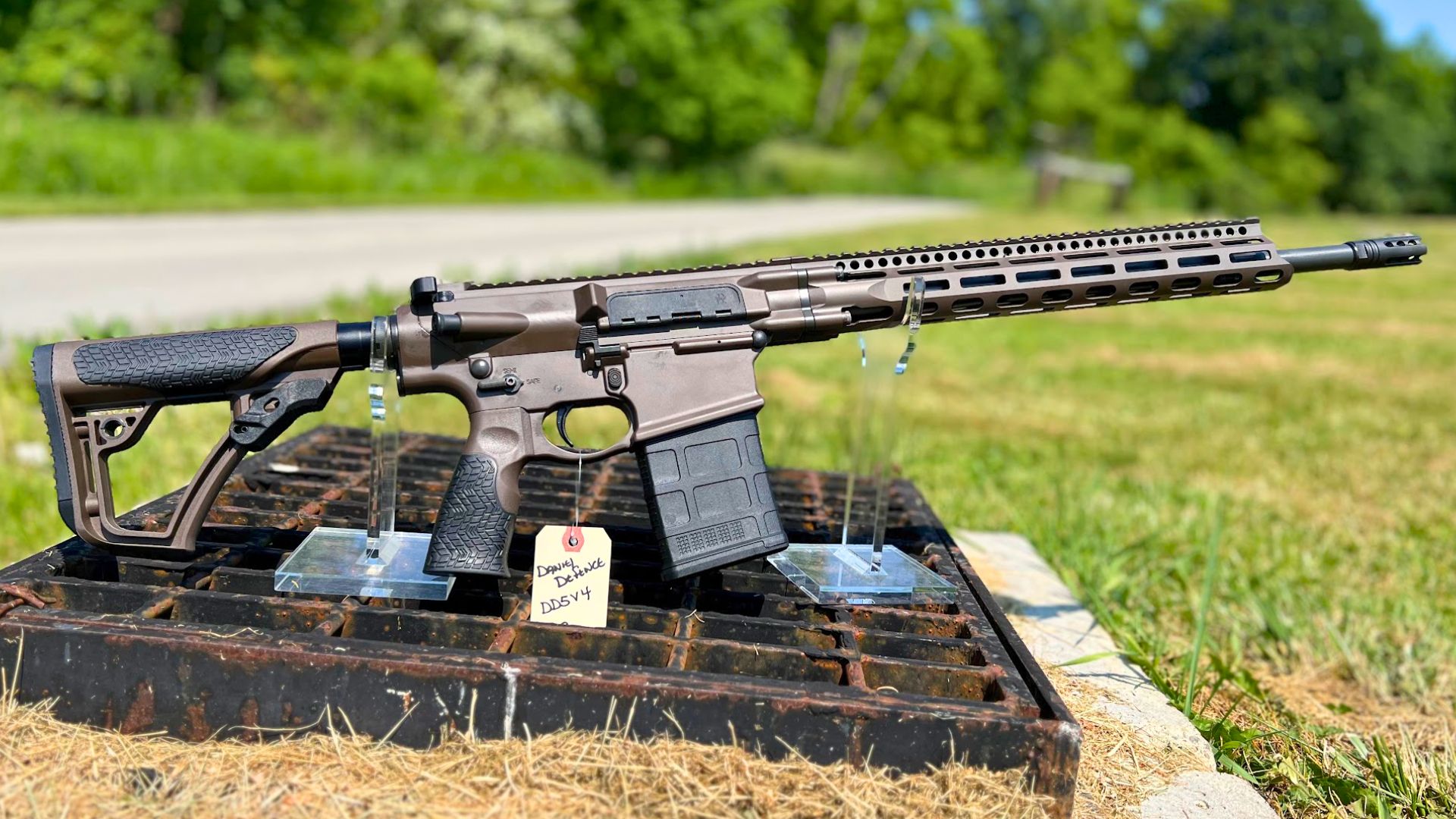
A semi-custom AR-10 can become expensive very quickly. Upgraded barrels, triggers, handguards, stocks, optics mounts, coatings, and small parts can turn the rifle into a serious investment. Owners often expect that money to translate directly into accuracy.
Sometimes it does. Other times, the rifle becomes a picky, heavy, overgassed, ammunition-sensitive project that shoots worse than a cheaper bolt-action or even a factory AR-10. The AR-10 platform is less standardized than the AR-15, so parts compatibility and tuning matter. A rifle can look impressive and still struggle to produce the groups the owner expected. When a plain bolt gun half the price outshoots it, the expensive build starts feeling like a pile of receipts with a barrel attached.
Lightweight Magnum Hunting Rifles
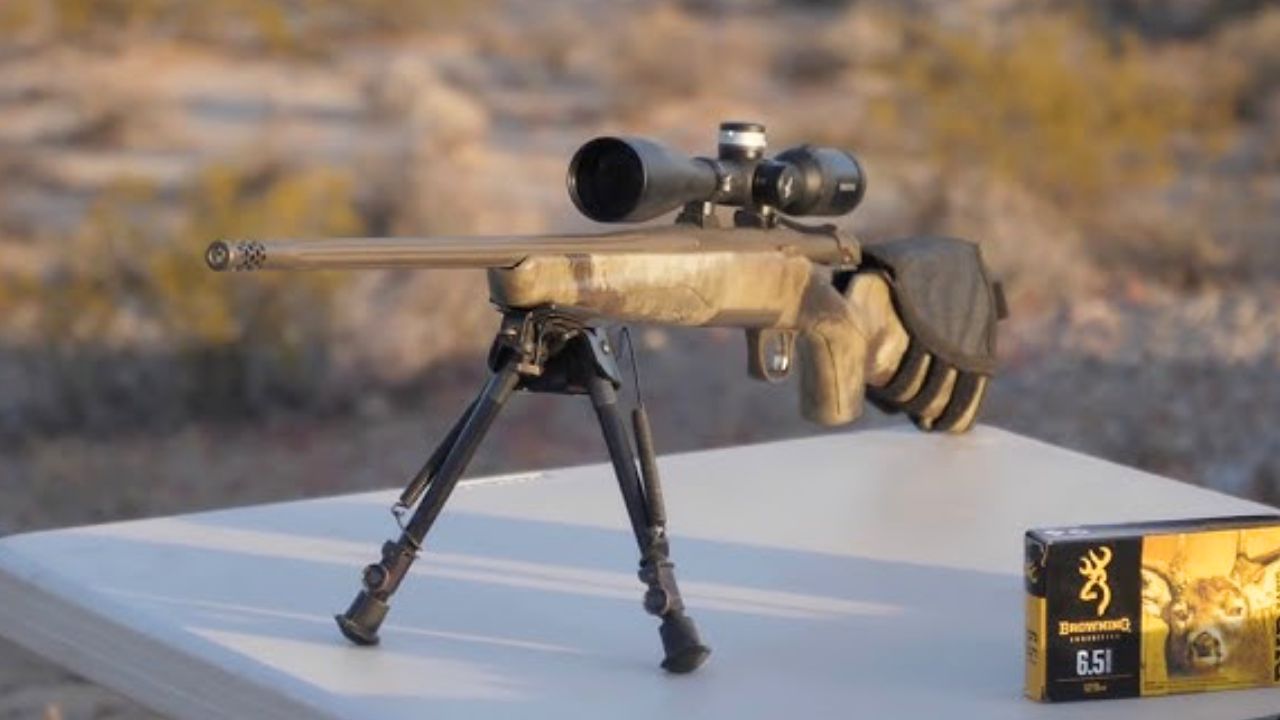
Lightweight magnum rifles are often sold as the perfect mountain-hunting solution: easy to carry, powerful enough for big game, and modern enough to justify a high price. The trouble is that lightweight and magnum do not always create accuracy in normal human hands.
A rifle chambered in .300 Winchester Magnum, 7mm Remington Magnum, .300 PRC, or similar cartridges can be hard to shoot well when it is extremely light. Recoil, muzzle blast, and shooter anticipation all open groups. The rifle may be mechanically accurate, but if the owner cannot shoot it comfortably, the result on paper looks worse than a cheaper, heavier rifle in a milder caliber. Many hunters eventually learn that a rifle they shoot confidently beats a powerful rifle they dread.
Like The Avid Outdoorsman’s content? Be sure to follow us.
Here’s more from us: