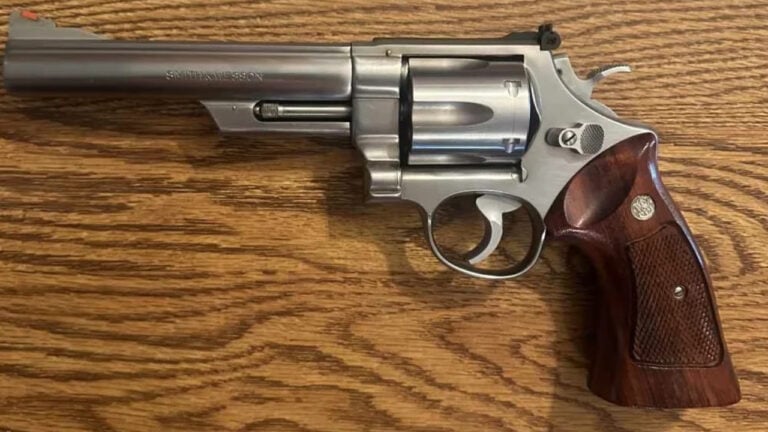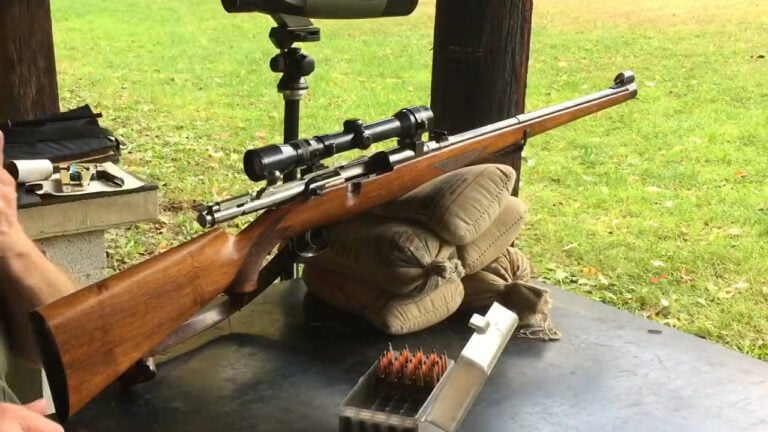
Photo credit: The Turkey's Opinion/Youtube
You can own a pistol that eats anything, runs dirty, and never gives you a hiccup… and still find yourself grumbling every time you pick it up. Usually it’s one design choice that makes no sense for how regular outdoorsmen actually use handguns: a safety that’s backwards, a trigger that feels like a staple gun, a weird magazine release, sights you can’t see at dusk, or a grip that prints like a brick under a jacket.
This isn’t a “these guns are junk” list. It’s the opposite. These are pistols that generally run great, have good track records, and still manage to irritate owners with one feature that just won’t quit.
1. Glock 19 Gen5
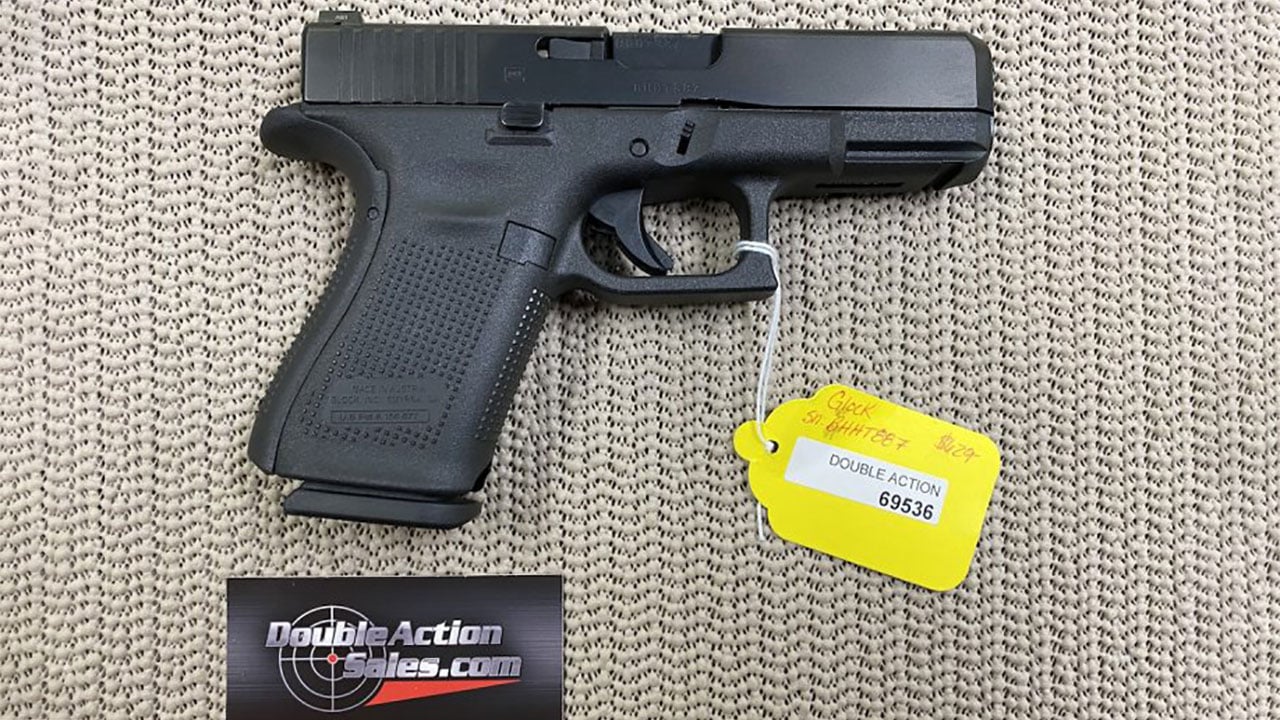
The Glock 19 is the poster child for “it just works.” It’ll run hard classes, cold mornings, and glovebox neglect better than most folks want to admit. Magazines are everywhere, holsters are everywhere, parts are everywhere, and you can find someone in any county who can keep one going.
The feature that rubs buyers wrong is the grip shape and “Glock hump.” For a lot of hands it points a little high, and the blocky grip can feel like holding a two-by-four. Yes, you can adapt, and plenty do. Still, I’ve watched new owners shoot low-left all day, blame themselves, and then pick up a different pistol and magically tighten their groups. That one hurts, because everything else about the gun is so dependable.
2. SIG Sauer P365
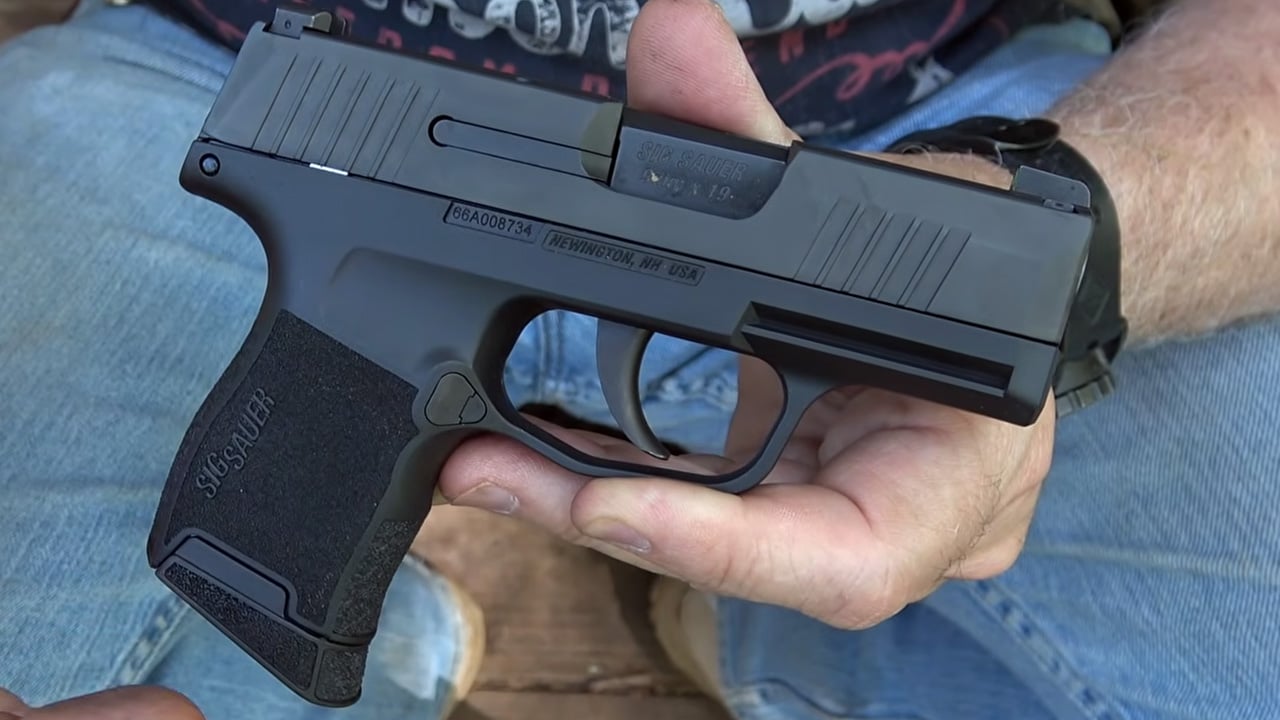
The P365 changed the carry game. Small gun, real sights, real capacity, and it usually runs like a sewing machine. It’s easy to toss on for a quick run to town, and it’s one of those pistols that’s so convenient you actually carry it instead of “meaning to.”
The complaint I hear most is the tiny grip and how snappy it feels, especially in lighter variants. It’s controllable, but it’s not relaxed shooting, and long range sessions can feel like work. The other sore spot is how some folks dislike the narrow, short trigger reach under stress—great for concealment, not always great for big hands. It’s a fantastic tool, but it can be an annoying one if you’re trying to shoot 200 rounds in an afternoon.
3. Smith & Wesson M&P Shield Plus
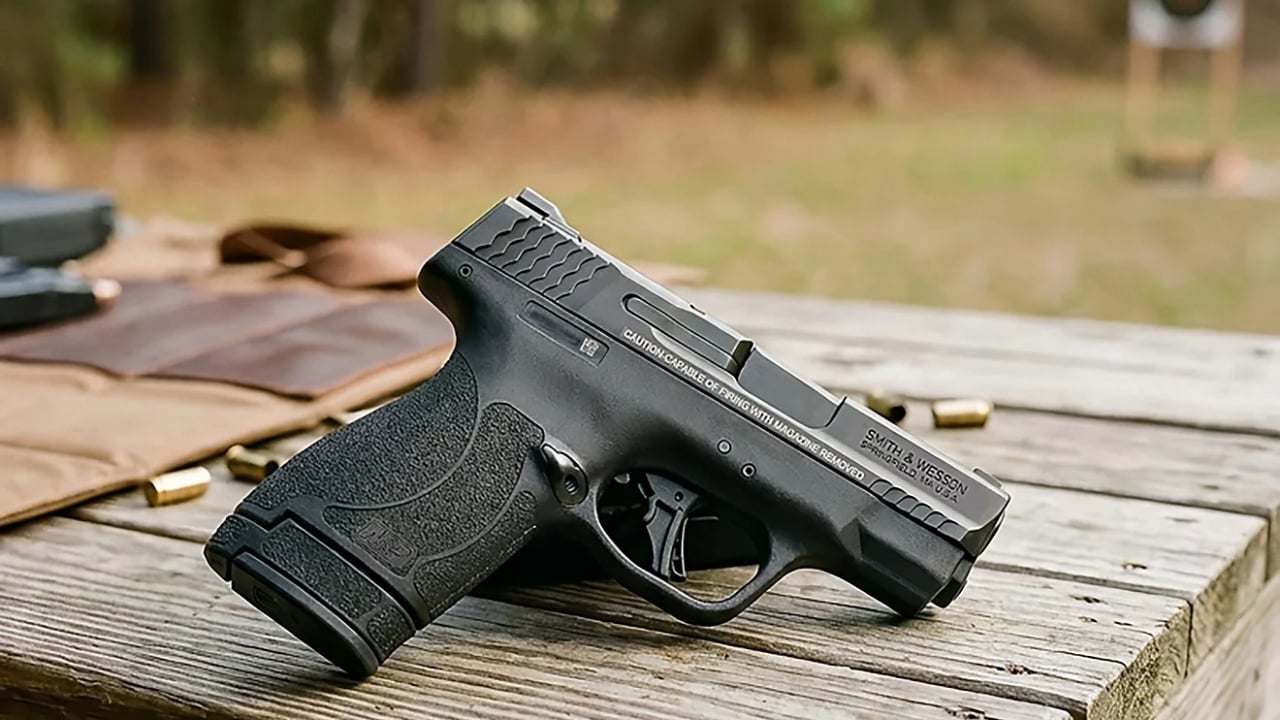
The Shield line has saved a lot of folks from carrying nothing. The Plus version gives you capacity without turning into a brick, and reliability is generally solid. It carries flat, points naturally for many shooters, and the aftermarket is deep enough you can set it up without getting weird.
The one feature buyers gripe about is the stiff magazine loading and, for some, the magazine release feel. Those new mags can be a thumb workout, and if you don’t practice with your actual carry mags, you’ll notice it at the worst time—on the tailgate, loading up before a long drive. Some shooters also dislike the narrow grip texture being either too slick or too abrasive depending on the day and shirt. Great pistol, but it can be picky about your hands and your patience.
4. Ruger LCP II
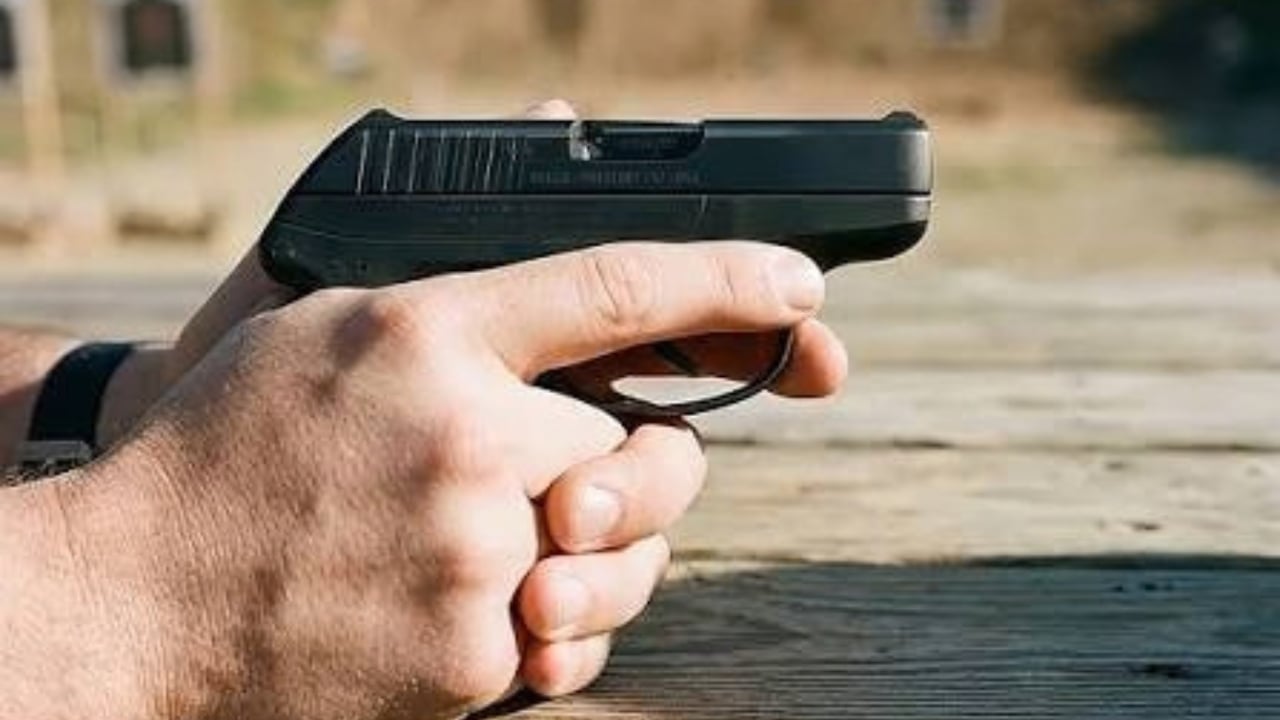
The LCP II is one of the most useful “always” guns out there. Pocket carry is real life for a lot of rural folks—working around the place, running fences, checking trail cams. The little Ruger is light enough you forget it’s there, and it’s surprisingly reliable with decent ammo and decent magazines.
The hated feature is the sights and the overall shootability. The gun is built to disappear, not to be fun. Those tiny sights can vanish against a dark target, and the short grip makes recoil feel sharp even in .380. Ask me how I know: it’ll make you flinch if you try to shoot it like a range toy. It runs, it carries, it’s handy—then you go shoot it and remember why bigger pistols exist.
5. Springfield Armory Hellcat
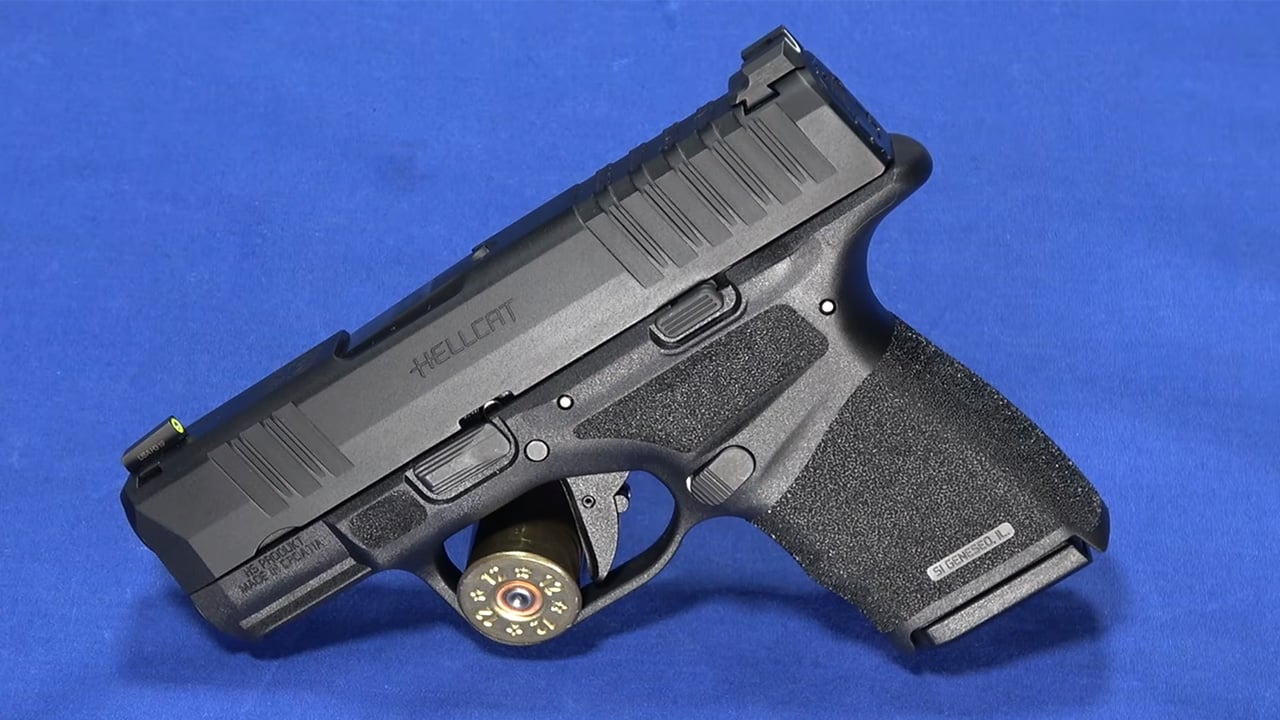
The Hellcat is another micro-compact that can flat-out perform. Capacity is strong, reliability is typically good, and the gun carries well in real-world holsters. Springfield did a lot right with the shape and the options, especially if you want an optic-ready carry pistol in a small package.
The feature buyers complain about is the trigger feel and the “busy” grip texture. Some Hellcats have a trigger that feels a little gritty or stacks oddly compared to competitors, and that throws off newer shooters. The aggressive texture also chews up cover garments and bare skin if you carry it tight in summer. It’s not a deal-breaker, but it’s the kind of thing that makes a guy trade it off even though it never malfunctioned once.
6. CZ 75B
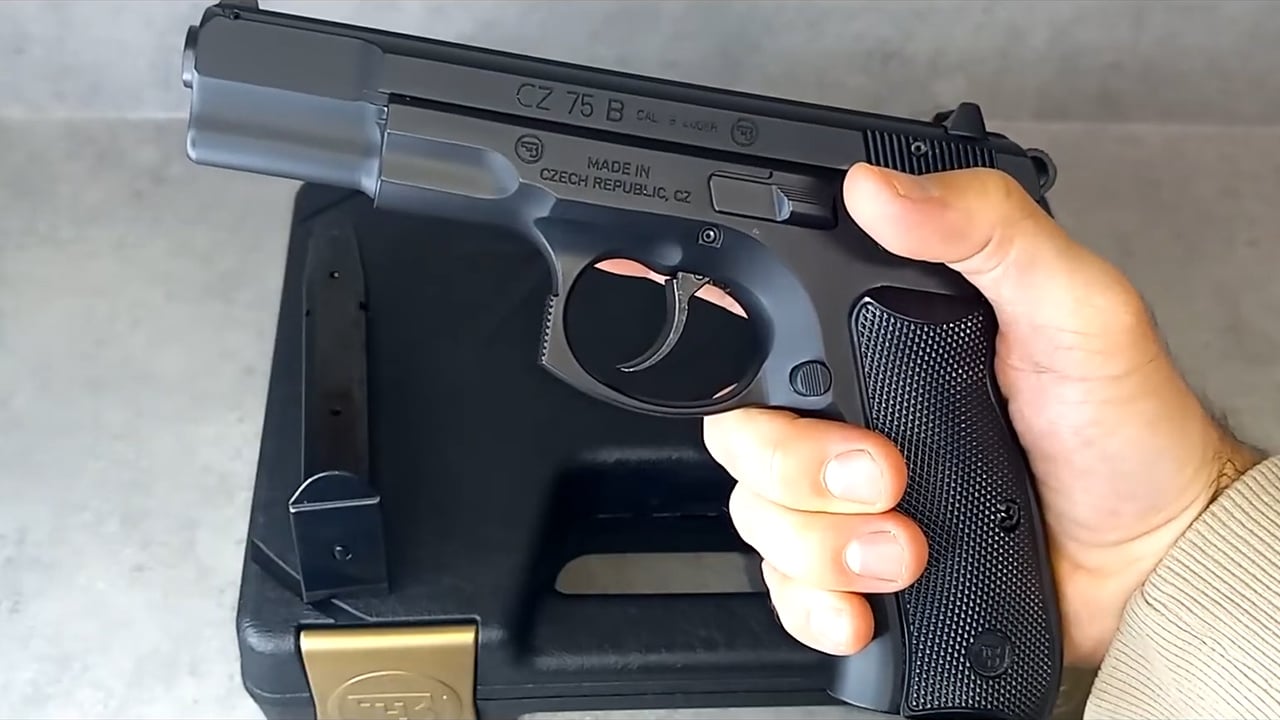
When folks talk about pistols that feel like they were carved for human hands, the CZ 75 is always in the conversation. They run well, they shoot soft, and they have that steady, heavy confidence that makes you want to shoot slower and hit more. It’s a classic for a reason.
The feature that frustrates buyers is the slide design—low profile with little grab area. If you’ve got wet hands, cold hands, gloves, or you’re doing overhand manipulations the way many trainers teach, the CZ can feel cramped. Some guys also hate the safety/decocker variations because they bought the “wrong” version for how they actually carry. Great shooter, but it can be annoying to run hard if your hands don’t match it.
7. Beretta 92FS
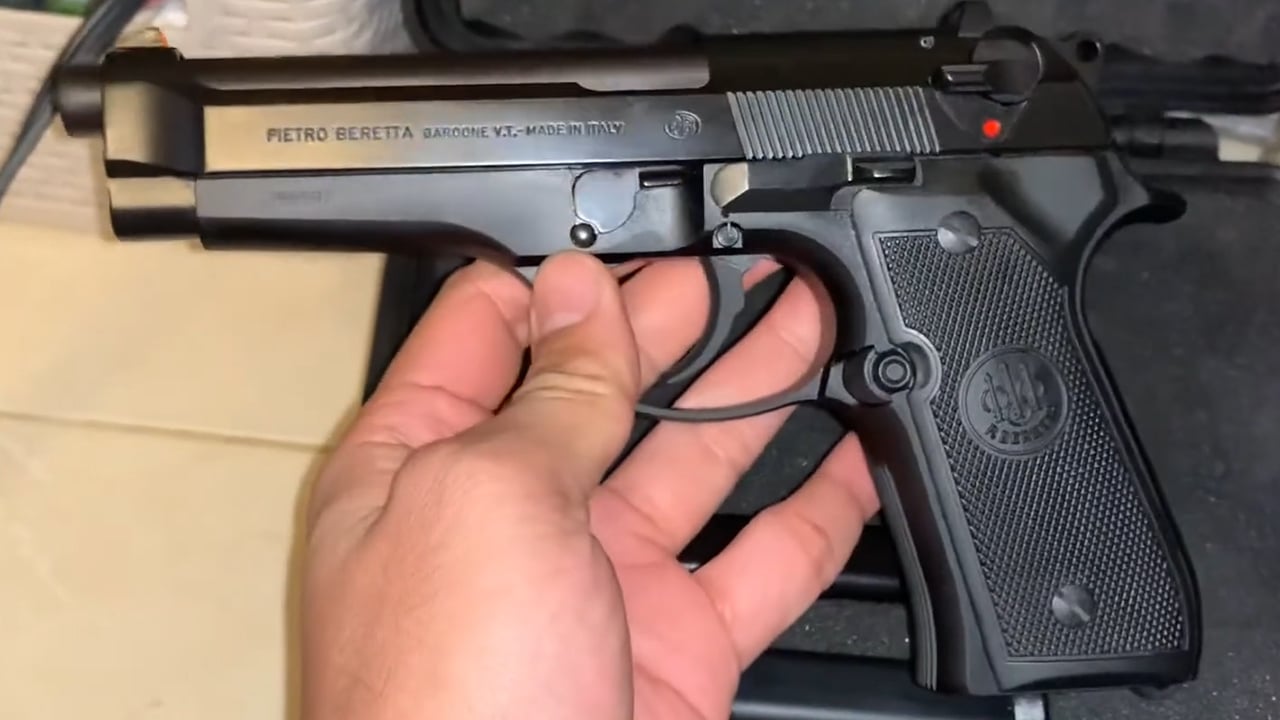
The 92FS has been proving itself for decades. It’s accurate, smooth, and when it’s fed decent magazines it tends to just keep cycling. For a house gun or a range pistol it’s hard not to like. The recoil impulse is friendly and the sight radius helps normal people shoot better.
The feature buyers hate is the slide-mounted safety/decocker. A lot of shooters don’t like the idea of flipping a lever down on the slide and potentially putting the gun on safe during manipulations. It’s also not the most natural place for many thumbs, especially if you’re used to frame safeties. Plenty of owners love it and it’s perfectly safe when used correctly, but it’s a common reason the Beretta ends up sitting in the safe while a different 9mm gets the nightstand job.
8. Walther PDP
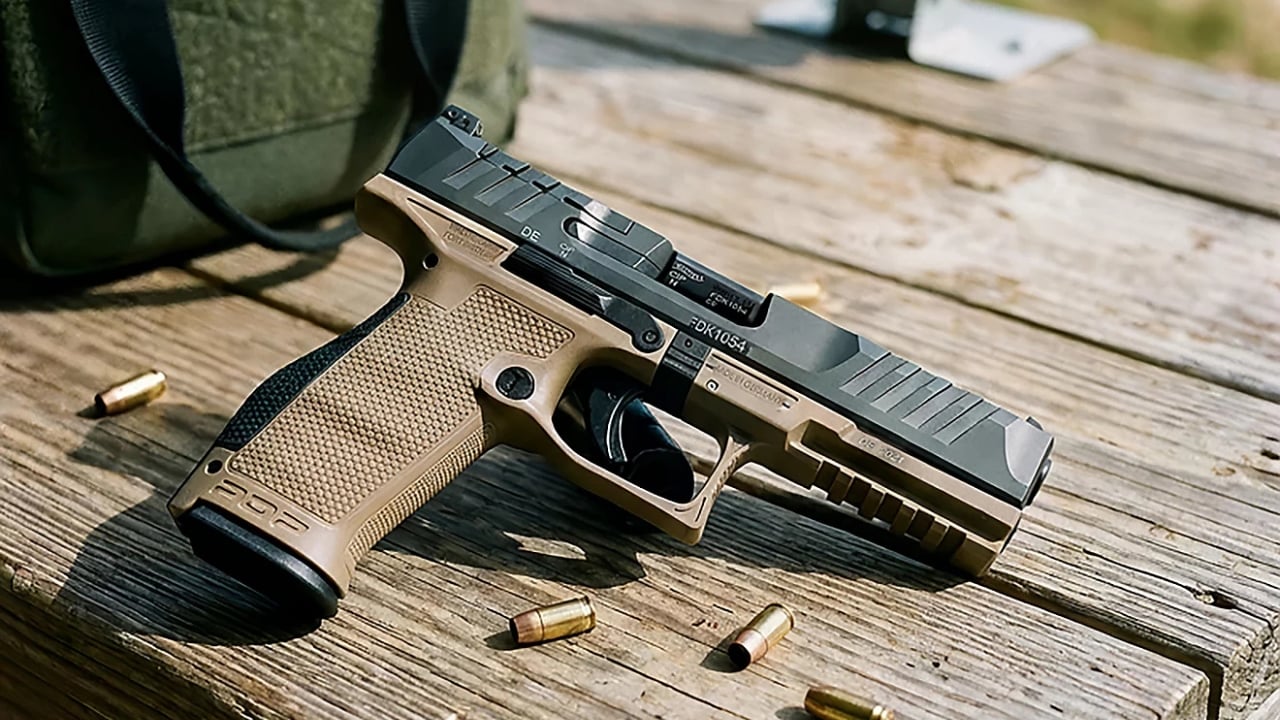
The PDP is one of the best “out of the box” striker guns going right now. The trigger is good, the ergonomics are strong, and it’s accurate without you having to chase parts. It’s a serious shooter’s pistol that still works fine for plain old carry and home defense.
The feature that annoys buyers is how chunky the slide is up top. That big, tall slide works great for optics and grip serrations, but it can feel top-heavy and it can print more than folks expect. In some holsters, the width and height combo is just enough to make concealed carry feel like a project instead of a habit. It runs great, no question, but some buyers realize they wanted “carry-friendly,” not “duty-sized with style.”
9. FN 509
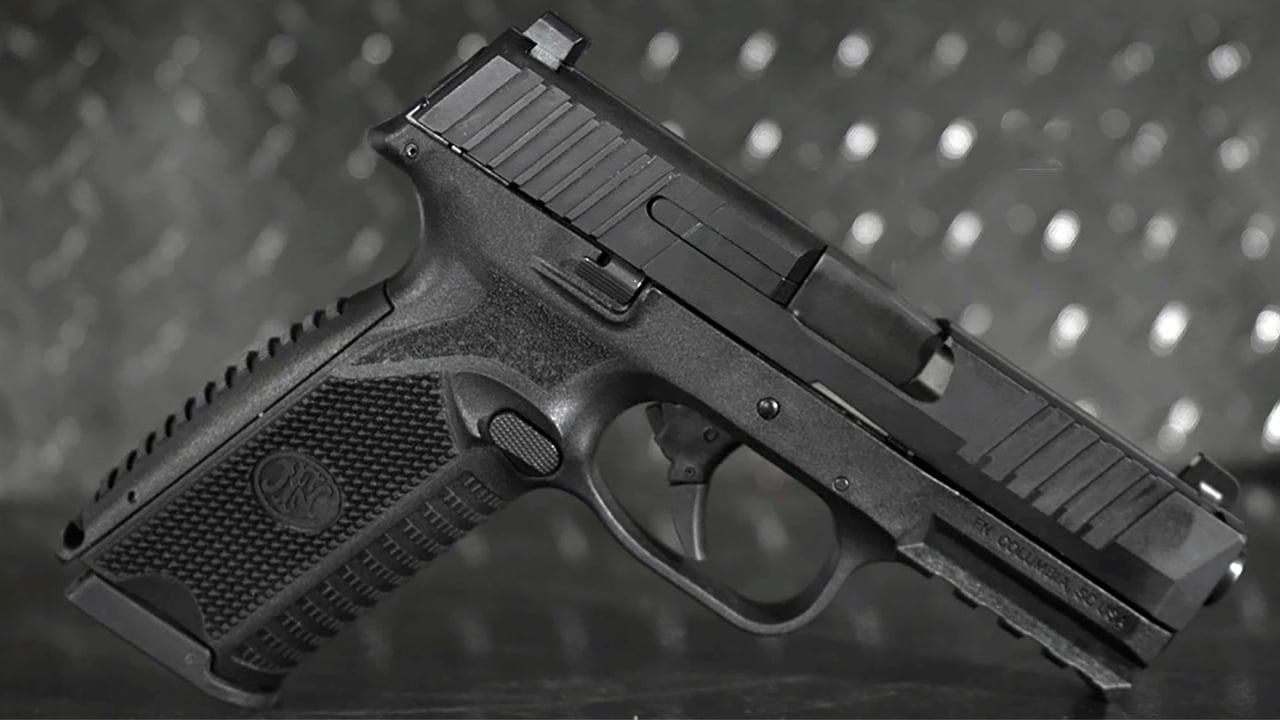
FN builds service pistols for hard use, and the 509 follows that pattern. They’re generally reliable, built tough, and they handle abuse. If you want something that feels overbuilt in a good way, the 509 does.
The feature buyers gripe about is the trigger. It’s not always bad, but it’s often not what people expect for the price tag. A mushy break or long reset can make a good shooter feel like he’s dragging a chain. I’ve also heard consistent complaints about the aggressive grip texture being rough on skin. It’s the kind of pistol you respect, but not always the one you enjoy.
10. Heckler & Koch VP9
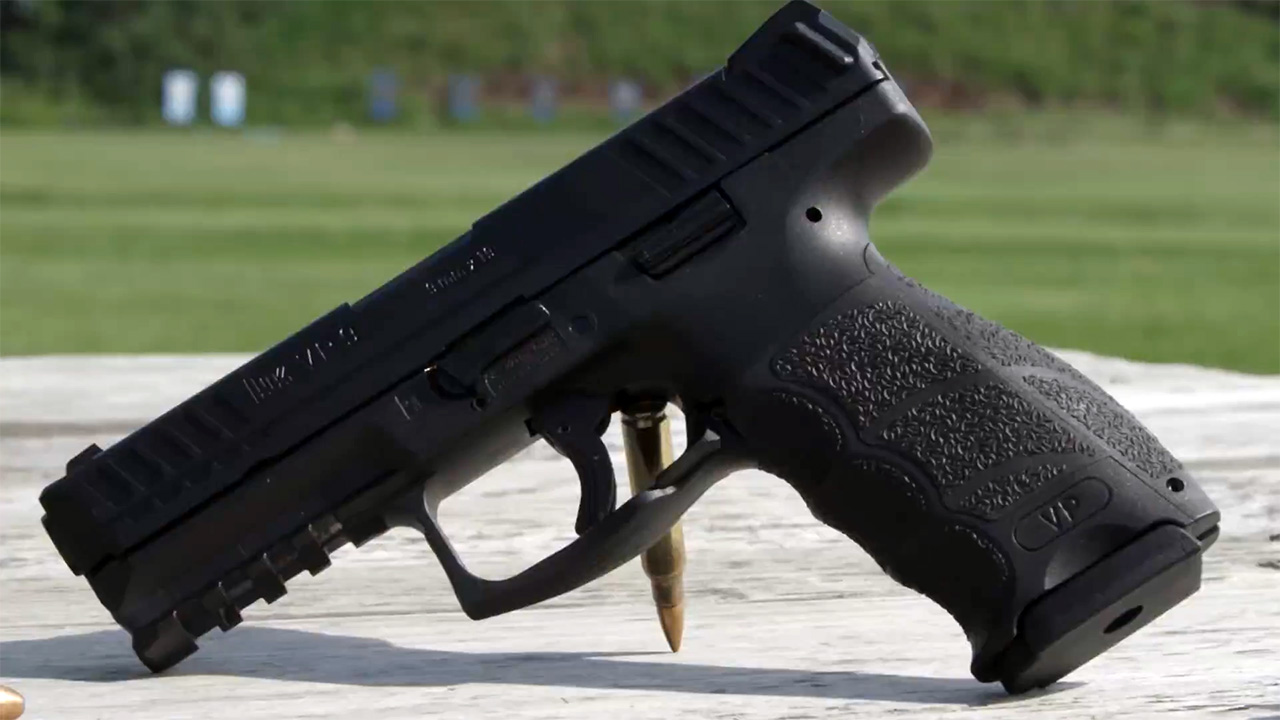
The VP9 is easy to shoot well. The grip panels let you fit it to your hand, the recoil is manageable, and reliability is typically excellent. If you hand one to a buddy who “can’t shoot pistols,” they often shoot the VP9 better than they expected.
The one feature that gets side-eye is the paddle magazine release on many variants. Some shooters love it and swear it’s faster once you learn it. Others hate it because it doesn’t match their other guns and it can be awkward with gloves or under stress if you’ve trained on button releases forever. Add in HK’s usual pricing on mags and accessories, and you’ve got a pistol that performs great but asks you to commit to its system.
11. HK P30
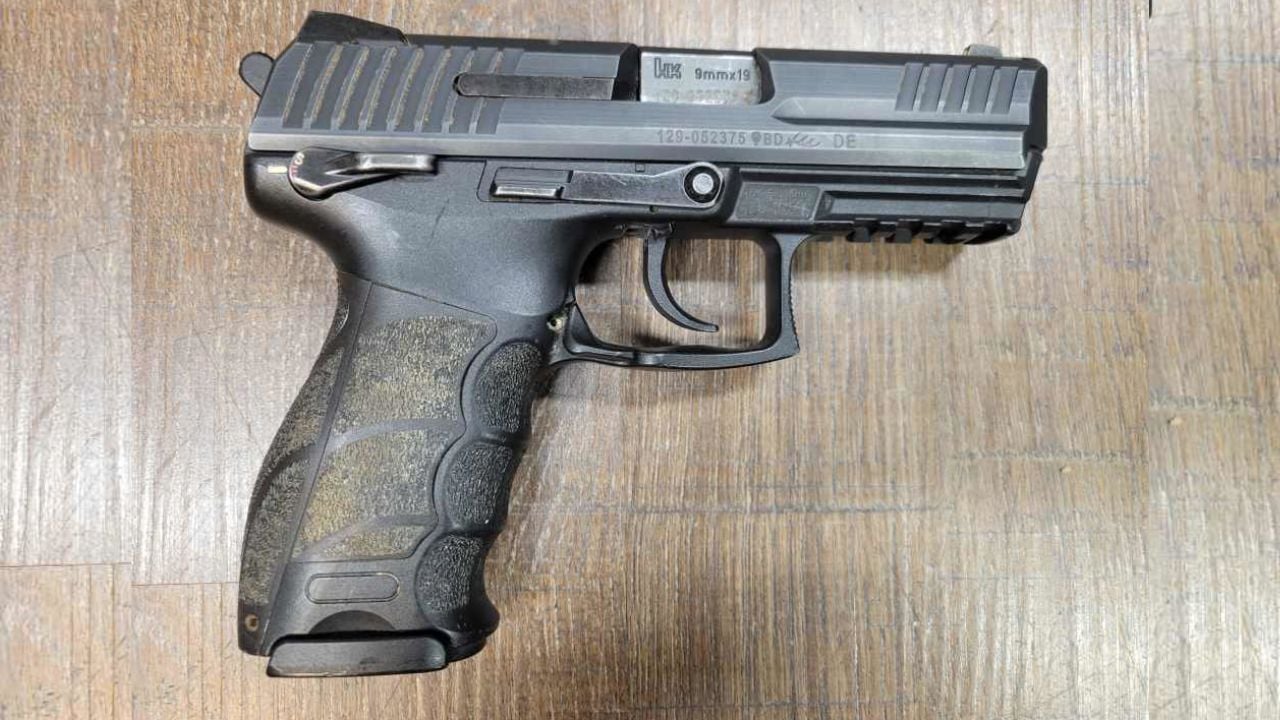
The P30 is one of those pistols that feels like it was designed by people who actually shoot. It’s durable, reliable, and comfortable. The DA/SA versions can be extremely safe for a woods-side belt gun, and the gun has a reputation for running even when it’s not pampered.
The hated feature is the trigger—especially the long, heavy double-action and the “just okay” single-action compared to what folks want today. There are shooters who master it, and they shoot it very well. But for a lot of buyers, the trigger is a constant nagging feeling that the gun could be better. It’s not that it won’t hit; it’s that it doesn’t feel as clean as the rest of the pistol deserves.
12. Ruger Mark IV
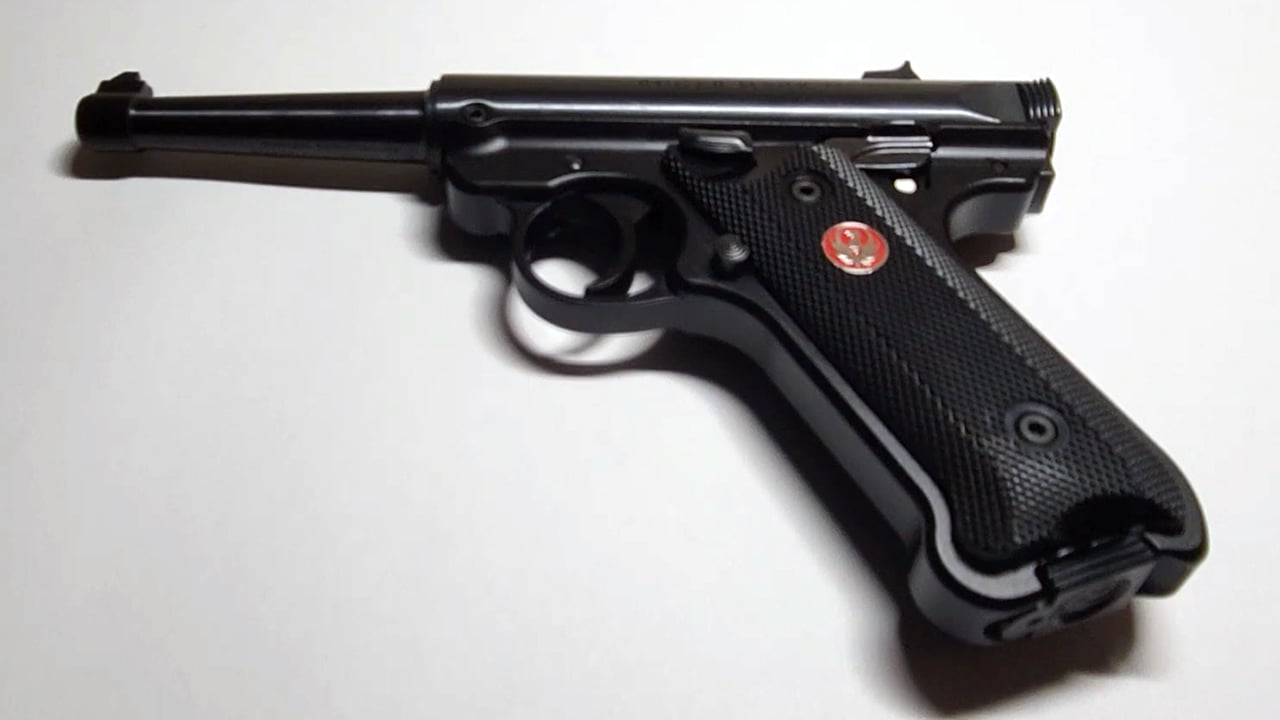
If you want a .22 pistol that will turn cheap practice into real skill, the Mark IV is hard to beat. They’re accurate, reliable with the right ammo, and they’ll put rabbits or squirrels in the pot without drama. The takedown system is also far better than the older Mark series. Ruger finally fixed that headache.
The feature buyers still complain about is the magazine disconnect and related “lawyer” parts on many models. It can make the trigger feel a little different and it complicates the manual of arms compared to simpler .22s. Another gripe is that some variants have controls that feel small or stiff until broken in. None of it keeps the pistol from running. It just keeps owners from loving it the way they thought they would.
13. Browning Buck Mark
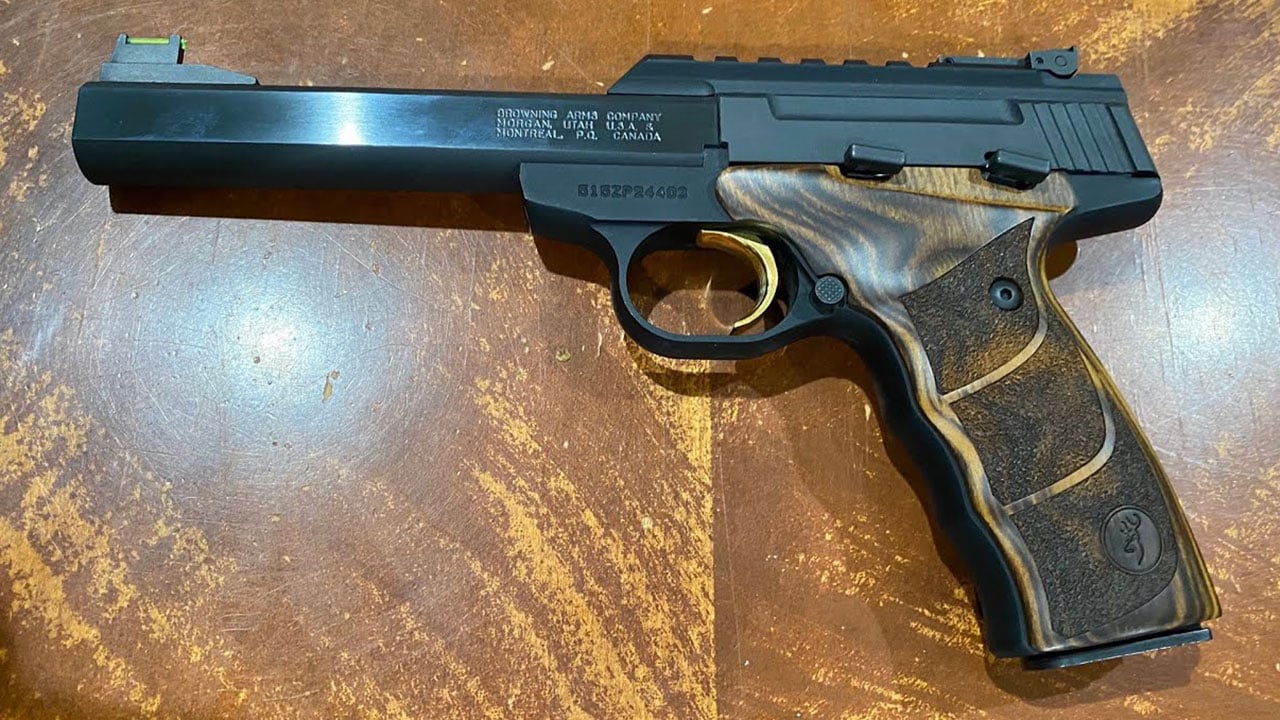
The Buck Mark is a tack driver. For a camp .22, a trapline companion, or a pistol you keep around for teaching new shooters, it’s a steady performer. The grip angle is natural, and the gun tends to just shoot where you look.
The feature buyers hate is how maintenance can turn into a little project. On many models, you’re dealing with top-strap screws and parts that can loosen if you don’t keep an eye on them. It’s not hard work, but it’s fussy compared to other rimfires. More than one owner has brought a “perfectly reliable” Buck Mark to the range and spent the afternoon chasing a wandering sight base because screws backed out. Great pistol, but it asks for attention.
14. Glock 44
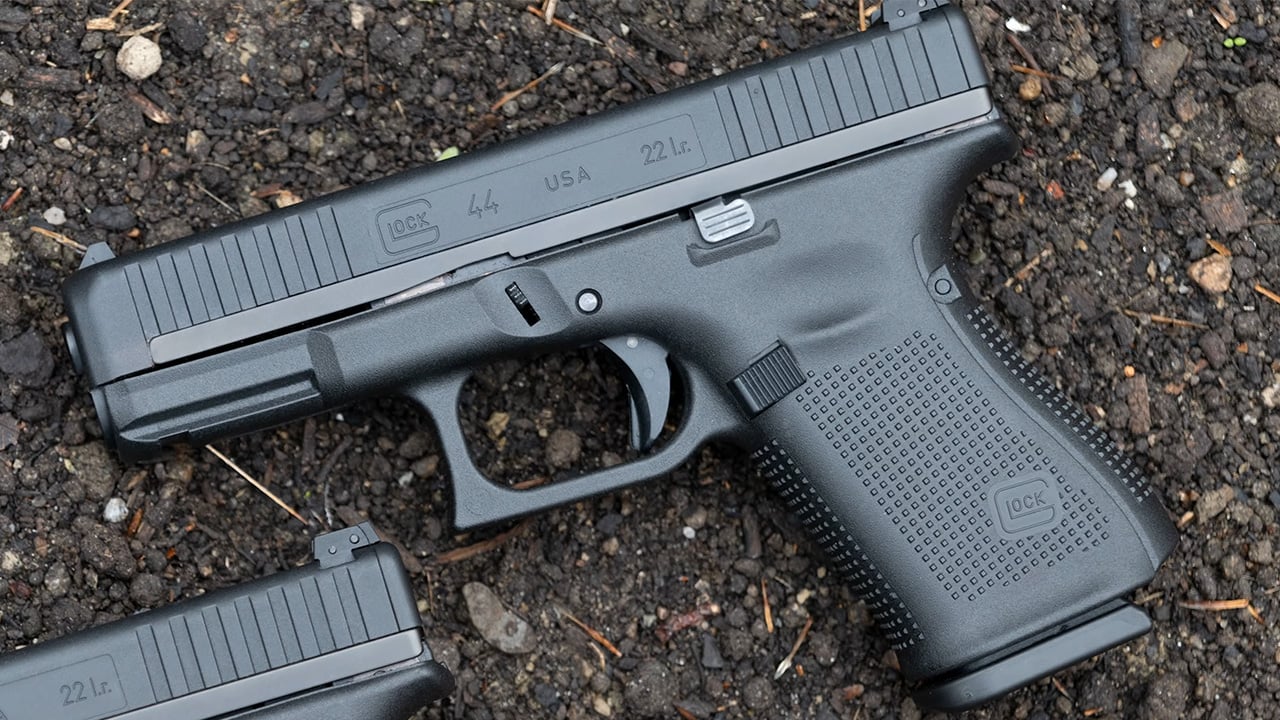
When the Glock 44 runs right, it’s a handy trainer. Same basic feel as other Glocks, cheap .22 practice, and a simple manual of arms. For folks who carry a Glock daily, a .22 version makes sense for fundamentals and cheap reps.
The feature buyers gripe about is ammo sensitivity. Rimfire is rimfire, I get it, but buyers expect “Glock reliability” and some are disappointed when it needs hotter ammo to be happy. Light target loads can cause inconsistent cycling, especially when the gun is new or dirty. It’s not unsafe, it’s just annoying. You end up buying the ammo the pistol likes instead of the ammo that’s on sale, and that defeats the point a little.
15. Taurus G3C
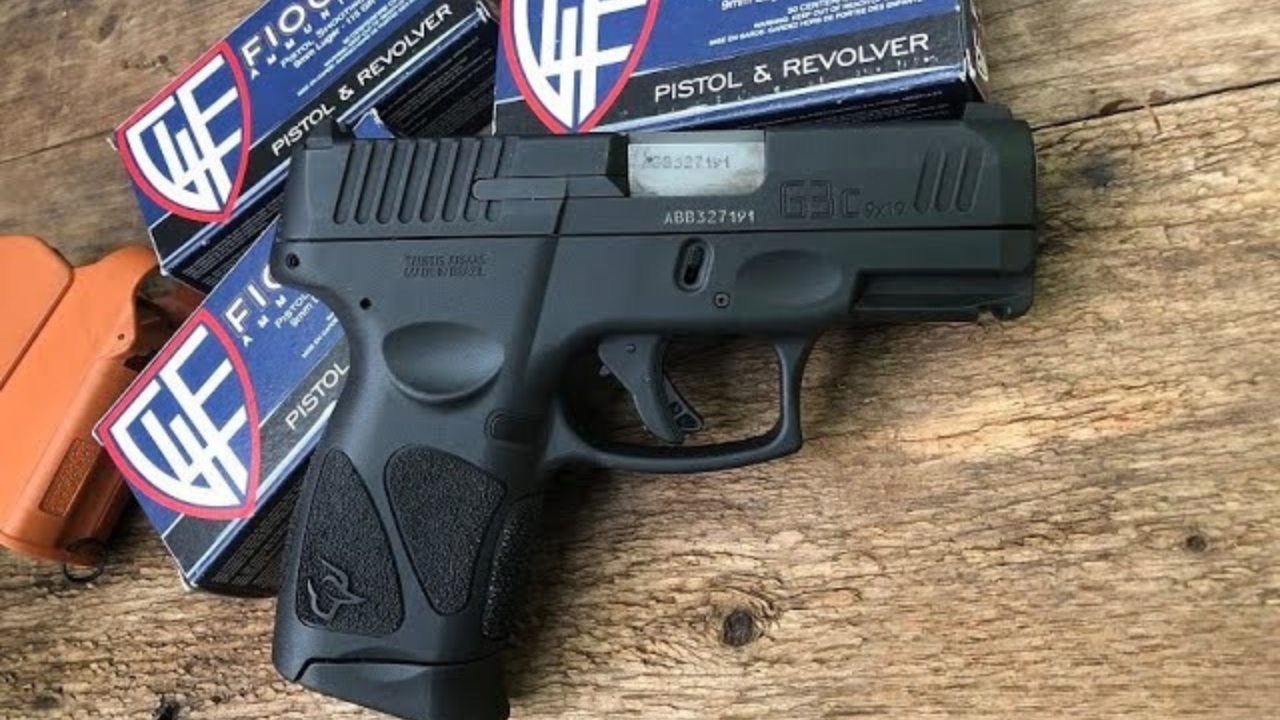
The G3C has put a lot of functional pistols in working folks’ hands without making them skip a bill. Many of them run surprisingly well. They’re compact, easy to carry, and the gun usually does what it’s supposed to do if you stick with good magazines and basic upkeep.
The hated feature is the trigger and the manual safety placement for some users. The trigger can feel long and a bit spongy, which makes accurate shooting harder than it should be. The safety is also something buyers either want badly or hate completely, and it’s easy to bump if your grip rides high. This is one of those pistols where the “value” is real, but the feel is what sends owners shopping again later.
16. Canik TP9SF Elite
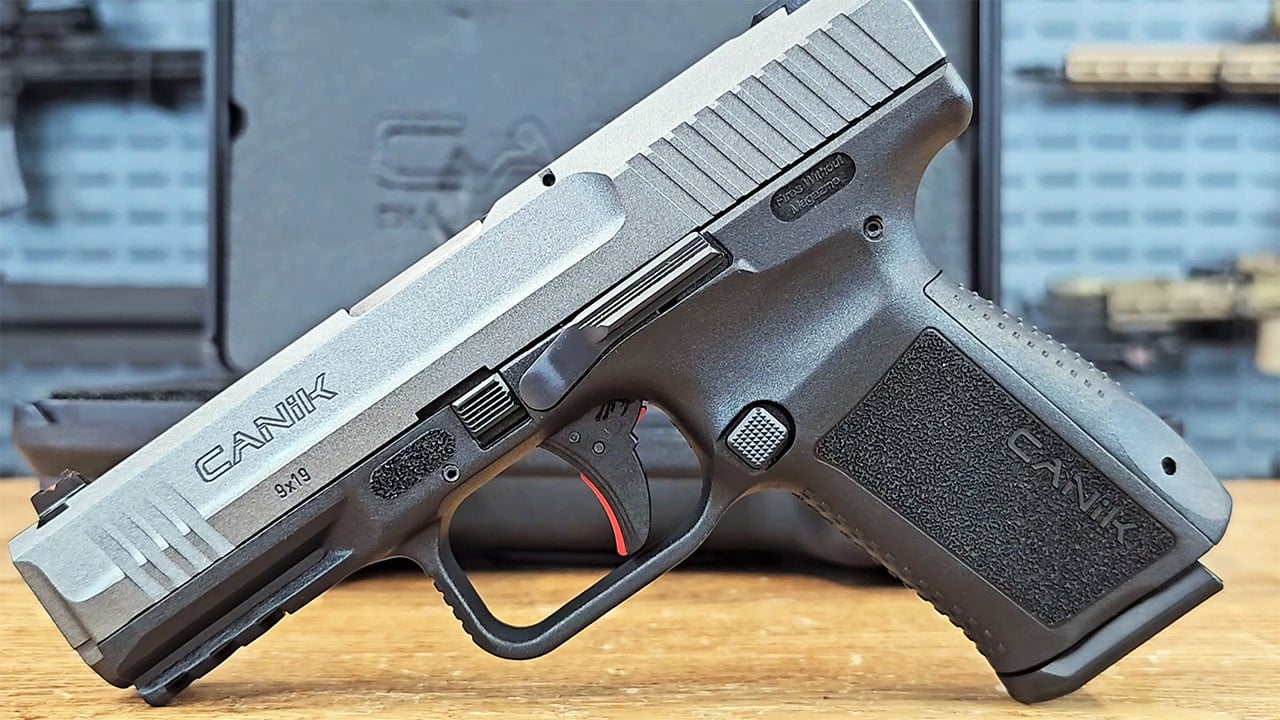
Canik has earned a reputation for giving you a lot of pistol for the money. The TP9SF Elite is generally reliable, shoots flat, and often comes with decent extras compared to other brands at the same price. For range time and home defense, it’s a strong buy.
The feature that annoys buyers is the magazine situation and, on some models, the chunky control feel. Depending on the variant, mags can be pricier or harder to find than the usual Glock/SIG/M&P stack. Some shooters also dislike the decocker setup on certain TP9 models (not all) because it doesn’t match their training and can be confusing. When everything is clicking it’s a great shooter, but the ecosystem isn’t always as smooth as the big-name American staples.
17. Kimber Micro 9
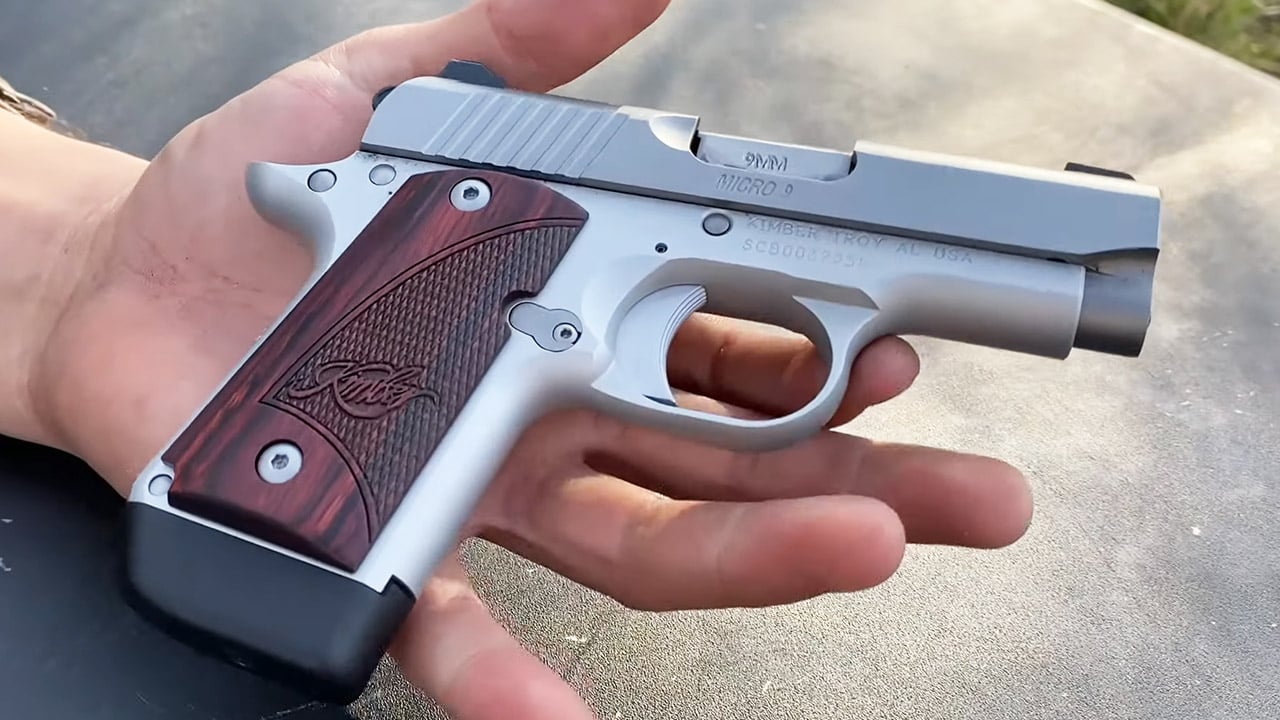
The Micro 9 carries like a dream when it’s behaving. Slim, familiar 1911-ish controls, and it points nicely for a little gun. When you get a good one, it can be accurate enough for real work and easy to live with day to day.
The feature buyers hate is that it can be picky about magazines and ammo, and the little 1911-style format brings its own quirks. Some owners end up chasing reliability with specific loads or extra mags, and that gets old in a hurry for a carry gun. The safety lever and small controls can also be too small under stress or gloves. It’s one of those pistols that can be “perfect” for one guy and a headache for the next, even if the overall design is solid.
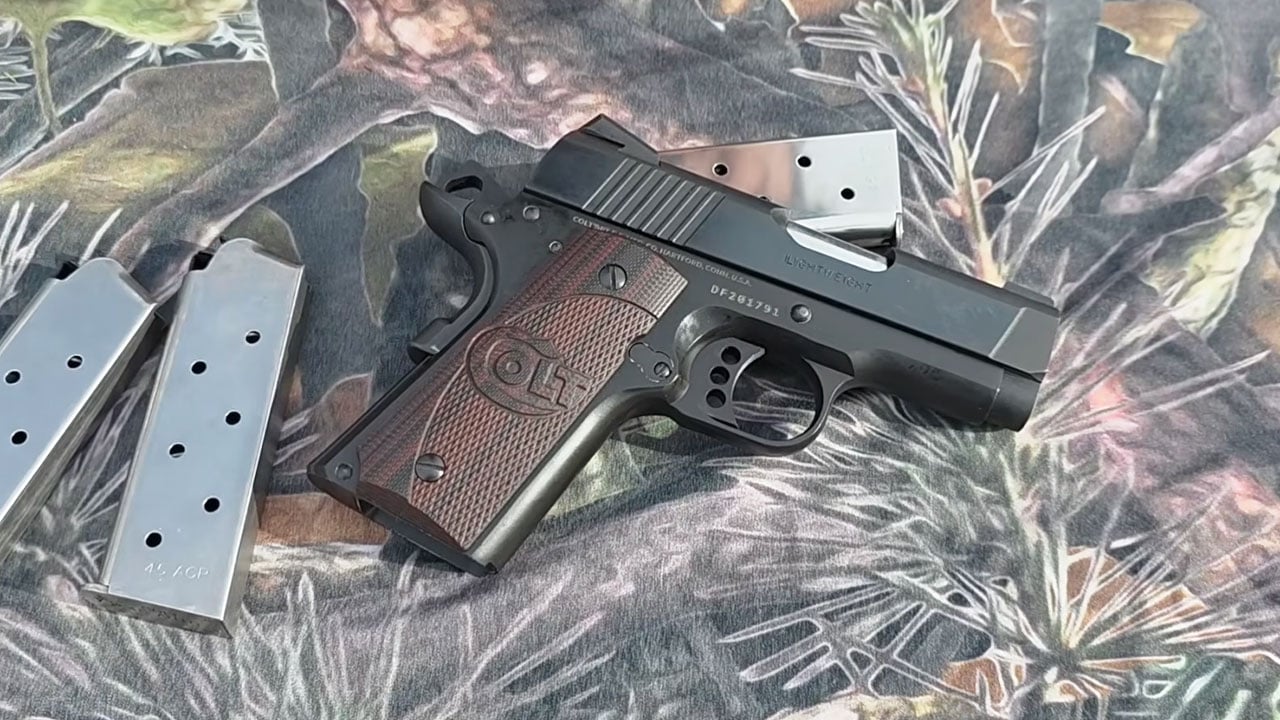
18. Colt Defender (1911)
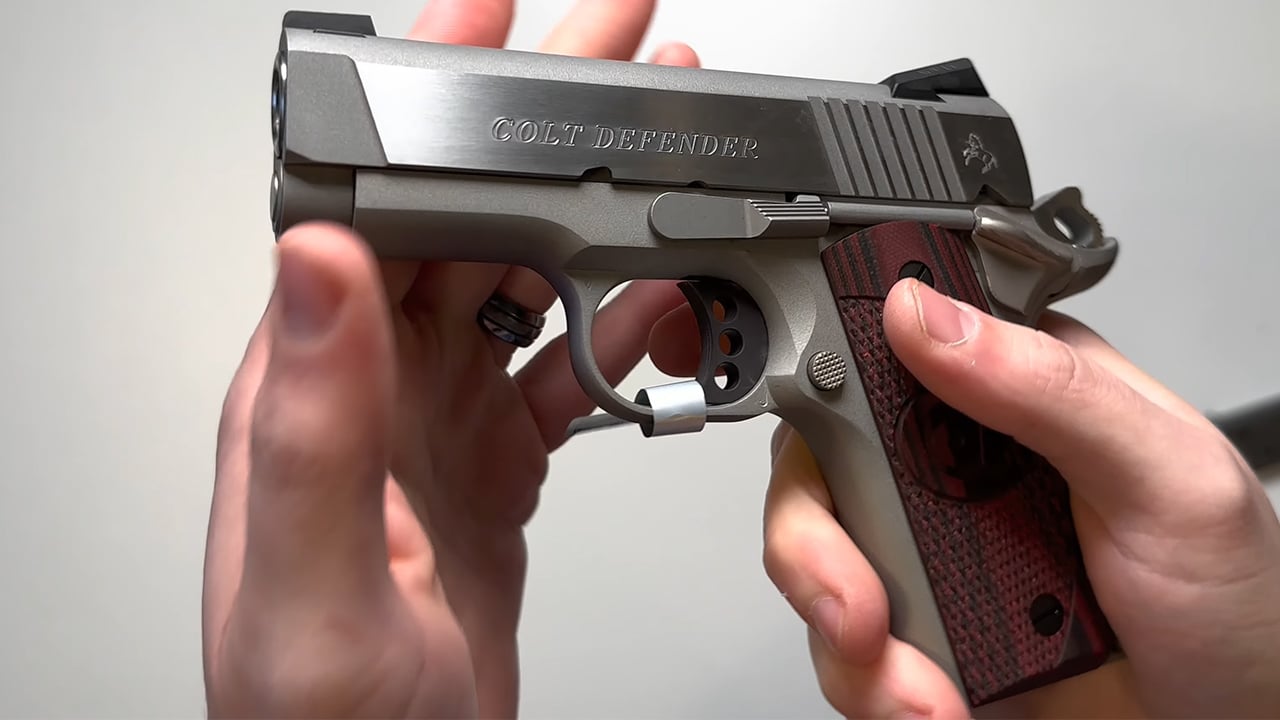
A short 1911 has a lot of appeal: slim, good trigger, classic feel, and it carries flatter than many double-stacks. The Colt Defender in particular can be a very capable carry gun, and when it’s set up right it shoots better than a small pistol has any business shooting.
The feature buyers hate is the maintenance and fussiness that can come with compact 1911s. Short slide travel and tight timing mean spring changes matter more, and some owners don’t want a pistol that asks for a schedule. Add in that 1911 magazines can be a whole topic by themselves, and a new buyer can get frustrated fast. The Defender can run great, but it’s not as forgiving of neglect and random ammo as a boring striker gun.
19. Smith & Wesson Model 642 Airweight
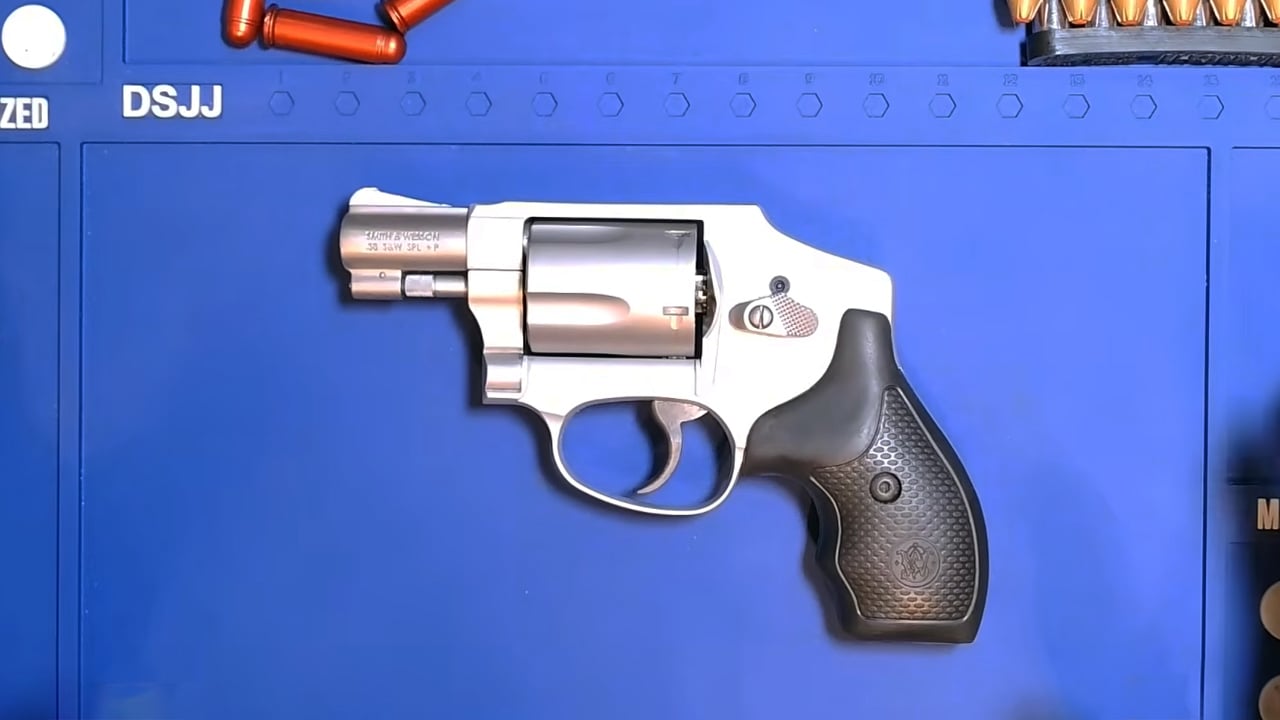
The 642 is one of those revolvers that just keeps getting carried. It’s simple, it’s light, and it works when pockets are the only real option. For an “always gun” on the farm or in town, it’s a classic for good reason.
The feature buyers hate is the heavy double-action trigger combined with light weight. The trigger is a safety feature in its own way, but it takes practice to shoot well, and the recoil with +P ammo is not friendly. A lot of folks buy one thinking it’ll be easy, then realize it’s easy to carry and harder to master. It’s still a solid choice, but it demands range time if you want hits instead of noise.
20. Walther PPK/S
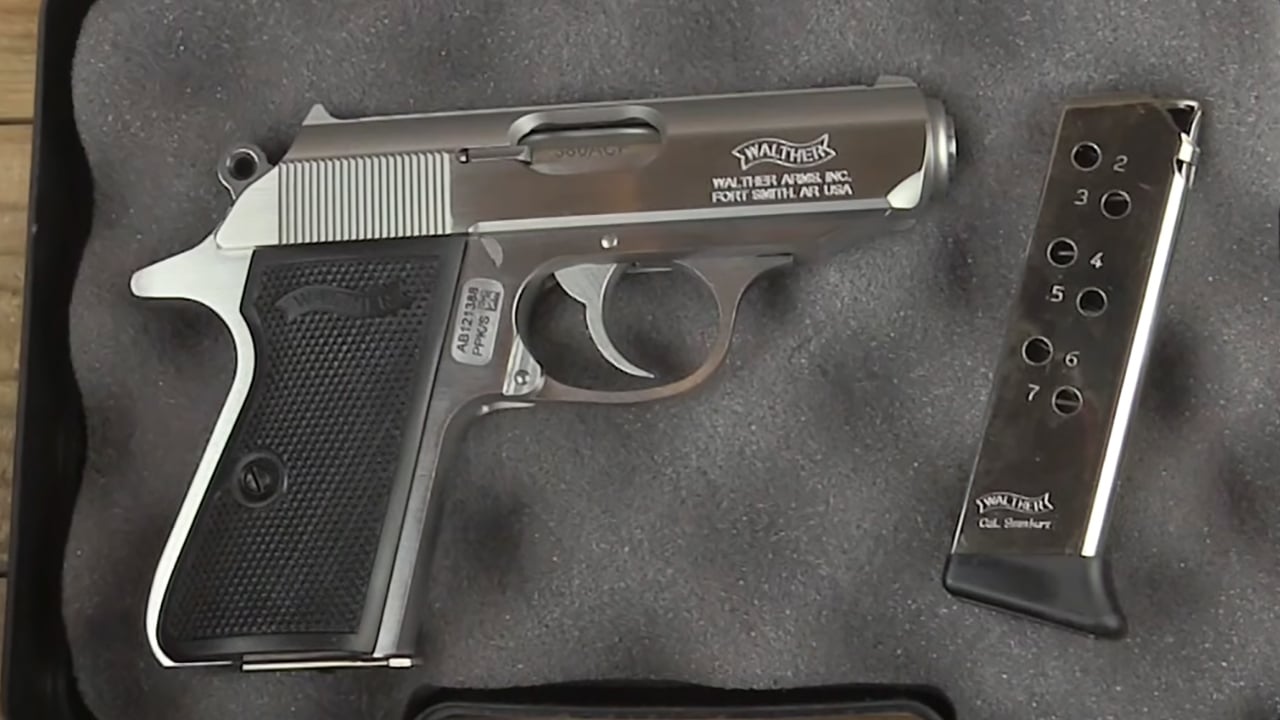
The PPK/S has style, history, and it can be a dependable little pistol when maintained. It’s compact, it conceals, and it has that all-steel feel that many modern carry guns just don’t. For some owners, it’s as much nostalgia as it is a tool.
The feature buyers hate is “slide bite” and the sharp ergonomics. If your hand rides high, the PPK/S can punish you. That’s not just internet whining either; it can draw blood and turn practice into flinching. The DA/SA trigger can also feel heavy in double-action and small in the hand, which doesn’t help. It’s a pistol that can run great and still make you not want to shoot it much, and that’s a problem for anything you might bet your hide on.
The funny part is how these gripes usually show up after the honeymoon phase. A gun can be stone reliable and still be wrong for your hands, your carry style, or the way you actually practice. If you’re shopping, don’t just read reliability reports. Handle it with your normal grip, run the controls like you mean it, and think about cold weather, gloves, sweat, and real-life carry. That’s where the “one feature” starts to matter.
Like The Avid Outdoorsman’s content? Subscribe to our newsletter so you never miss an article.
Here’s more from us: