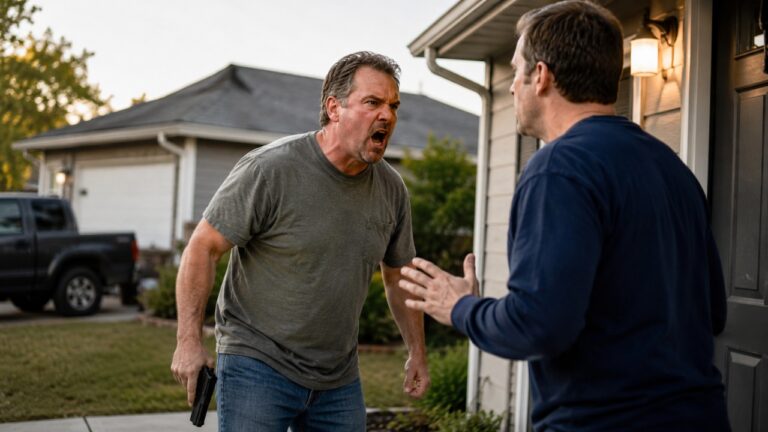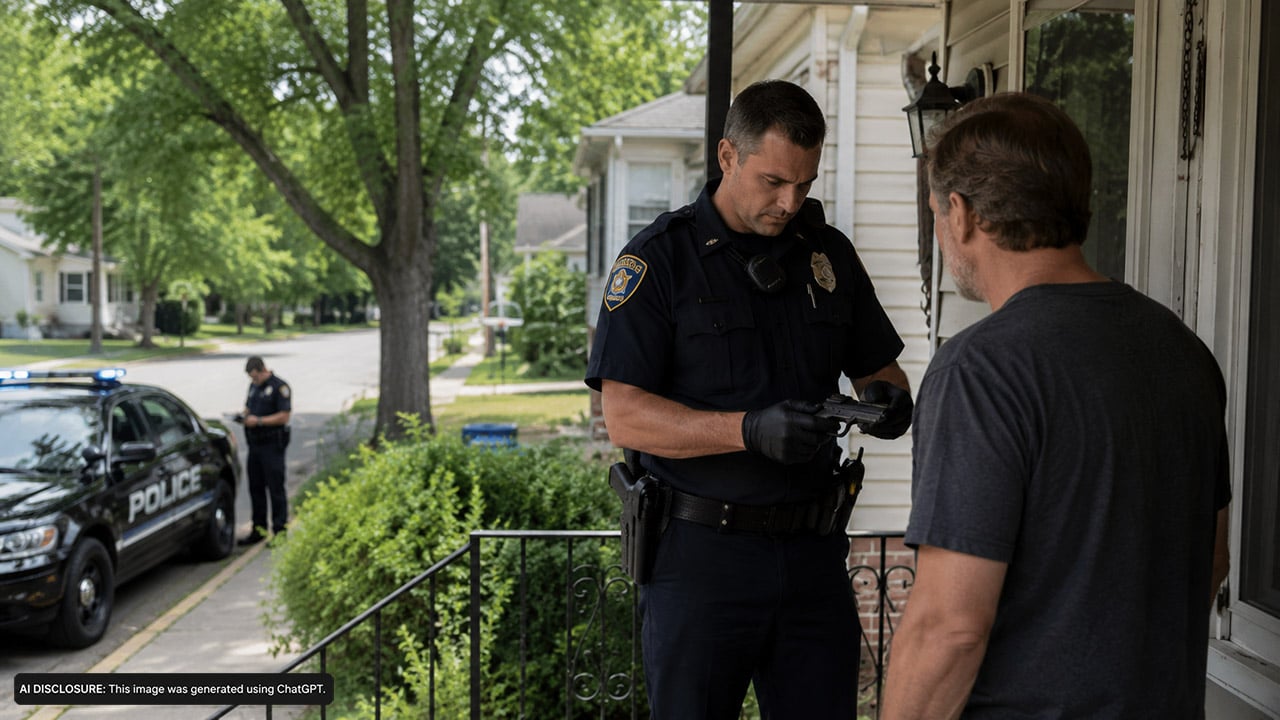
Photo credit: AI-generated image created using ChatGPT. Illustrative only
Most gun owners figure a stolen firearm is gone for good. So when one owner got a call from local police saying his handgun had been recovered and he could expect it back in about a week, it sounded like the rare kind of good news you don’t get twice.
Then the follow-up call came. The details had been “misread,” the owner wrote in the original post. The handgun wasn’t simply found on “some loony.” It had turned up during a felony drug bust when officers executed a search warrant at an apartment. And because the drugs were allegedly in felony quantity, the case was being handled by ATF.
A “Swiss cheese” chain of mistakes led to a stolen pistol
The owner didn’t sugarcoat how it happened. He described the theft as a “Swiss cheese accident scenario,” which is a pretty honest way to say multiple little lapses lined up into one big problem. A lot of us have had moments where we realize we got comfortable, left something unsecured “just this once,” or assumed a lock, a door, or a routine would cover us.
Back in January, the handgun was stolen. He reported it, which is the first step that matters—both for trying to recover it and for protecting yourself if it gets used in a crime later. In the gun world, paperwork isn’t exciting, but it can be the difference between a headache and a full-blown nightmare.
The recovery call sounded simple—until the details changed
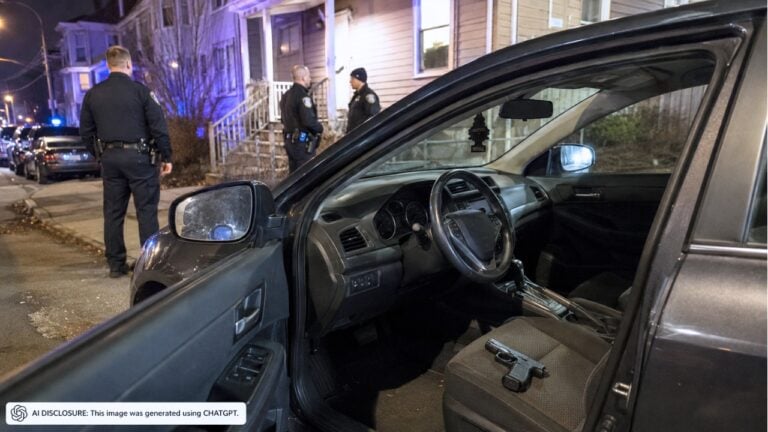
When local PD called him and said the gun had been recovered, the initial story sounded straightforward: it was found in the possession of someone described as a “loony,” and the owner would get it back in roughly a week. That’s about how long it takes in a lot of places once property is cleared and an evidence tech signs off.
But the second call flipped the script. The case had been misread, and the pistol was actually recovered during a search warrant at an apartment tied to a felony drug case. That single detail changes everything, because now the gun isn’t just “found property.” It’s potential evidence in a bigger investigation.
Why ATF involvement can slow your property return way down
In plain terms, when a firearm is connected to a larger criminal case—especially a felony-level drug investigation—law enforcement may treat it as evidence until they’re done building the case. That can mean months, and sometimes longer, depending on how the case moves through the system.
The owner’s biggest concern wasn’t impatience as much as reality: he didn’t want his property to vanish into an evidence locker “for the next 10 years.” Anyone who’s ever tried to get a seized bow, rifle, or even a phone back after an incident understands that worry. Evidence rooms are busy places, and once an item gets logged under a different agency and case number, it can take persistence to keep it from getting forgotten.
A practical gun-owner problem: proving it’s yours and keeping the trail clean
Even when you’re the victim, getting your firearm back usually comes down to documentation and follow-through. The owner said he was trying to get the new case number that ATF would assign. That’s a smart move, because when control shifts from local PD to a federal agency, the “who has it” question can become harder to answer with one phone call.
On the owner’s side, the cleanest path usually looks like this: keep your original theft report number, keep whatever proof of ownership you have (receipt, purchase record, photos, serial number documentation), and keep a written log of who you spoke with and when. None of that forces an agency to release evidence early, but it does keep you from starting over every time someone new answers the phone.
It also helps to stay calm and professional. You can be firm without being a problem caller. When the gun is tied to a drug warrant, nobody on the other end of the line is going to rush because the owner is frustrated. They will, however, sometimes respond better to clear questions: Which agency has physical custody? What is the evidence item number? Who is the assigned case agent or property officer? What are the steps for a victim/owner property request once it’s releasable?
The gun itself: a Gen 4 Glock 17, and the bigger concern behind it
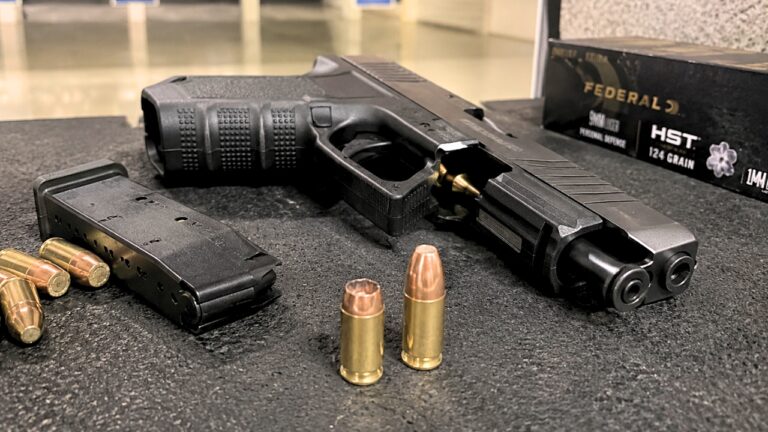
The handgun in question was a Gen 4 Glock 17. That’s a common, dependable pistol, and it’s common enough that it doesn’t have collector value built into it. The owner even said it had “no value to me other than what I paid.” That’s an honest admission a lot of people don’t want to say out loud: sometimes a tool is just a tool.
But the real value is what could have happened while it was out of his control. A stolen gun showing up in a felony drug search is a sobering reminder that when firearms get loose, they don’t float into harmless situations. Even when nobody is hurt, you’re left hoping your serial number didn’t become part of something worse.
There’s also the practical question once it comes home: do you trust it? If a pistol has been handled by unknown people, possibly stored poorly, maybe even used, most owners will want it thoroughly inspected and function-checked before it goes back into a nightstand, holster, or truck console. Not because Glocks are fragile—they aren’t—but because you don’t know what’s been done to it or what it’s been exposed to.
What the owner can realistically do while the case runs its course
The frustrating part is that patience is often required, but “patience” doesn’t mean “do nothing.” What the owner seemed to be aiming for—getting the correct ATF case number and keeping the paper trail straight—is exactly the kind of steady pressure that helps.
If you’re ever in the same spot, the best use of your energy is usually: confirm custody, confirm identifiers (case number and property/evidence number), and confirm the release process for victims/owners when the item is no longer needed. After that, periodic check-ins beat daily calls. Evidence policies vary by location and case type, but steady, organized follow-up tends to keep your firearm from becoming a box on a shelf with nobody’s name attached to it.
And on the front end—before anything ever happens—this is one more reminder to tighten up storage. Layered security (locked container, cable lock if appropriate, alarms, and not leaving guns unattended in easy-grab places) matters because “Swiss cheese” scenarios are real. Most people don’t make one huge mistake. They make three small ones in a row.
For this owner, the best-case outcome is simple: the pistol is eventually cleared, properly returned, and goes back to being what it was supposed to be in the first place—a reliable tool that stays under its owner’s control.
Like The Avid Outdoorsman’s content? Be sure to follow us.
Here’s more from us: