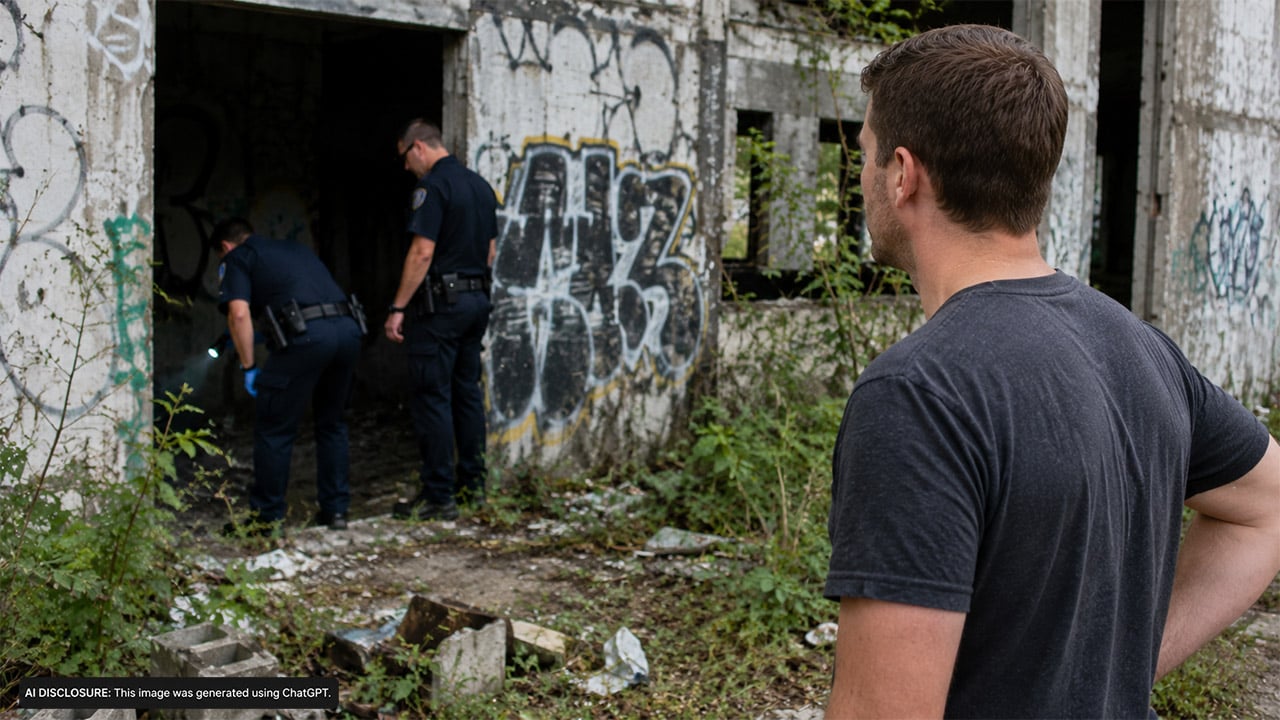
Photo credit: AI-generated image created using ChatGPT. Illustrative only
When a firearm gets stolen, most folks brace for the worst: you’ll never see it again, and you’ll spend a long time wondering where it ends up. That’s exactly where one Dallas gun owner’s head was after his gun disappeared and he did what you’re supposed to do—filed a police report and tried to move on.
But within weeks, he got a call he didn’t expect. In the original post, he explained that a detective contacted him to say the gun had been recovered inside a building, and the next step wouldn’t be a simple handoff. Before he could get it back, the gun had to go through ballistics testing.
A theft report, and the assumption it was gone for good
The owner said the gun was stolen “last month,” and he immediately filed a police report. That’s not glamorous, but it’s the foundation for everything that happens afterward—especially if the gun turns up in someone else’s hands or at another location.
Like a lot of gun owners who’ve heard the horror stories, he expected silence from that point on. Stolen guns can disappear into private sales, get ditched, or bounce around from person to person. Once that happens, getting one back can feel like hoping your lost trail camera shows up on your porch.
The surprise call from a detective in Dallas
Instead of a dead end, he got a phone call from a detective who told him the gun had been found. The details were simple but telling: it was recovered in “a building of some sort,” which reads like one of those situations where a property is searched, cleared, or checked after a complaint and something turns up that shouldn’t be there.
He described the detective as “really cool about it,” and that matters more than people think. When you’re dealing with stolen property—and especially a firearm—clear communication and a straightforward process keep things from turning into months of phone tag.
Why ballistics came first before a return
The detective told him the gun would be run through ballistics, and that it could take a couple weeks. That step is what a lot of gun owners don’t consider until it happens to them: once a stolen gun is recovered, it’s not automatically “yours again” on the spot. It’s evidence until it’s cleared.
Ballistics testing is part of making sure the firearm wasn’t used in another crime. Even if the gun owner did everything right, law enforcement still has to treat the gun like it might be tied to something bigger than the theft itself. If it comes back “all clear,” the owner said the detective would pick it up and the owner would then go up there, run a background check, and take it back.
The practical reality: timelines, paperwork, and a background check
Two weeks can feel like a long time when it’s your property sitting in an evidence room, but it’s also a reminder that stolen-gun recovery isn’t like reclaiming a stolen cooler. Firearms come with extra steps, and those steps can be slow even when everyone is acting in good faith.
One detail that stood out is the background check requirement. The owner said he’d have to go in, complete it, and then take the firearm back. Depending on how a department handles releases, that kind of process can be a safety net to ensure the gun goes back to the right person, and that the return is documented cleanly.
It’s also a good reason to keep your records squared away—serial number, original paperwork if you have it, photos, and a copy of the theft report. If you’re ever standing at a counter trying to reclaim a gun, you want to be the easiest person in the room to verify.
The best-case outcome still comes with a sobering reminder
The detective told him he didn’t think the gun had been used to shoot anyone. If that holds true, it’s as good of an ending as a stolen firearm story gets: recovered quickly, no ugly history attached, and a path to lawful return.
But even in a best-case scenario, there’s a hard lesson for gun owners—once a gun is stolen, you lose control of where it goes and what it’s associated with. That’s why secure storage isn’t just about keeping a gun away from kids or visitors. It’s about preventing your firearm from becoming somebody else’s tool and your problem to untangle later.
If there’s a silver lining here, it’s that doing the basic, unexciting stuff early—reporting the theft, providing the right information, and staying reachable—can actually pay off. This owner expected to never hear another word. Instead, he got the call, a clear process, and a realistic timeline. That’s not luck alone; that’s what happens when the paperwork exists and the recovery connects to a report that was filed the right way.
Like The Avid Outdoorsman’s content? Be sure to follow us.
Here’s more from us: