Photo credit: GunBroker
A “collector’s edition” pistol isn’t always the rarest thing in the room. Most of the time it’s the gun that checks three boxes at once: it mattered when it came out, it still runs like it should, and people keep looking for clean examples years later. The price tags follow that kind of demand, especially when a model has a short production window, a known military or police history, or a design that never really got copied well.
If you’re building a collection, you’re not only buying steel and springs. You’re buying a story you can verify with markings, configuration, and condition. Original finishes, correct parts, and the right magazines or grips matter more than speed parts and “upgrades.” The good news is you don’t need to chase museum pieces to start. You can hunt for honest shooters with collector upside, learn what “correct” looks like, and build a lineup you’ll still be proud of ten years from now.
Browning Hi-Power (Belgian and Early FN Builds)
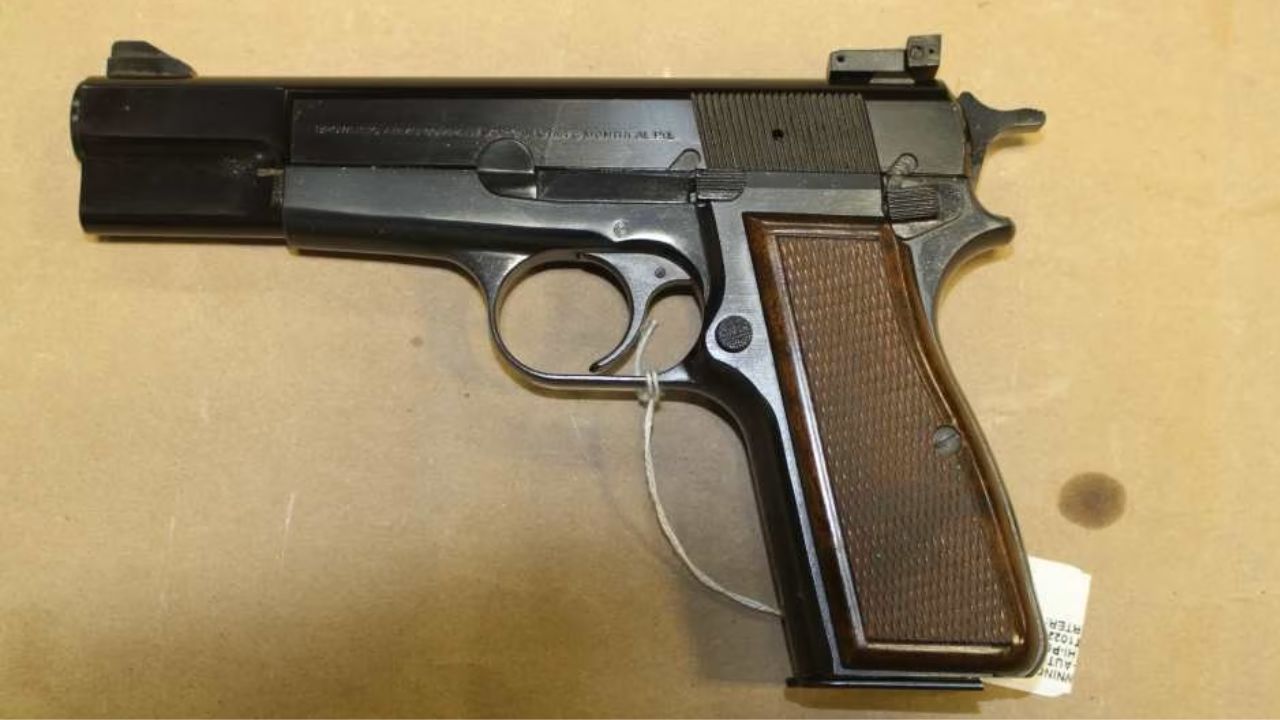
The Hi-Power is one of those pistols you can appreciate even if you’re not a history guy. The ergonomics still feel right, the balance makes sense, and the design had a long run in military and police circles across the world. When you handle a clean Belgian or early FN example, you can tell it came from a time when makers cared about fit and finish.
Collector value comes from originality and configuration. Early markings, correct sights, and matching-era parts matter, and untouched examples keep climbing. You can still find shooter-grade Hi-Powers that run great, but the nicer ones don’t sit long. If you want a classic 9mm that’s more than a range toy, this one belongs on the short list. Buy condition first, then chase variants once you’ve learned the basics.
SIG P210 (Swiss and Early Production Styles)

The P210 earned its reputation the old-fashioned way—by being absurdly accurate and well-made. Slide-to-frame fit tends to feel like it’s on rails, and the trigger quality on good examples can spoil you. It’s also one of those pistols that looks understated until you actually shoot it, then you understand why serious collectors keep circling back.
What makes the P210 a collector target is consistency and craftsmanship, plus a strong following that never really fades. Original finish, matching parts, and correct magazines are big deals here. Even if you buy one as a shooter, you’ll probably treat it like a collectible because it feels too refined to abuse. It’s not a cheap entry, but it’s one that holds interest for the long haul.
Heckler & Koch P7 (PSP and P7M8)

The HK P7 is a true conversation starter because it does things its own way. The squeeze-cocker system feels strange for about five minutes, then it starts to feel fast and safe at the same time. Add in the fixed barrel and you get accuracy that’s easy to see on paper. It’s also a pistol that tends to run well when it’s maintained correctly.
Collector demand stays strong because production is long over and parts aren’t getting easier to find. Condition matters, especially with finish wear and heat-related use marks from heavy range time. Original mags can be pricey, and complete packages bring a premium. If you want a collectible that’s still a real shooter, the P7 is hard to beat. You’re buying engineering, not fashion.
Colt Python (Classic Production Runs)

The Python has been chased for decades because it looks good, feels good, and carries a reputation that never went away. The older ones, especially in high condition, bring real collector attention. Even people who aren’t revolver fans tend to stop and stare when a clean Python shows up.
If you’re buying for collecting, condition and originality are the whole game. Refinished guns usually lose the magic, and timing matters more than people admit. A proper Python should lock up correctly and feel smooth without odd drag or slop. The market rewards examples with correct markings, correct grips, and honest provenance. You can buy one to shoot, but most folks end up babying it. That’s the reality of a handgun that has become a benchmark.
Colt Series 70 1911 (And Correct Period Variants)

A Series 70 Colt 1911 hits the sweet spot for collectors because it’s old enough to matter but common enough to find—if you’re patient. The appeal is straightforward: classic Colt markings, strong build quality, and a configuration that represents an important era of commercial 1911 production. It’s also a platform people understand, which keeps demand steady.
Collector value leans heavily on originality. Factory finish, correct small parts, and period-correct grips make a difference. A lot of Series 70 guns got customized in the 80s and 90s, so unmodified examples are the ones people chase now. If you want a 1911 with collector gravity that still feels like a practical shooter, this is a smart lane. Avoid “improved” examples unless you’re buying purely for range use.
Smith & Wesson Model 29 (Pinned and Recessed Era)

The Model 29 will always ride that line between collector gun and cultural icon. It’s a serious .44 Magnum revolver with real hunting and field credibility, and older pinned-and-recessed examples draw collector attention because they represent a manufacturing era people trust and admire.
When you shop, you’re looking for honest condition and correct configuration. Heavy use can show up as endshake, timing issues, or forcing cone wear, so you want a revolver that locks up the way it should. Original stocks and finish help value, and clean guns don’t tend to get cheaper. The Model 29 also scratches the itch for a revolver that feels powerful without being a novelty. Even if you never shoot full-house loads, owning one is like owning a chunk of American handgun history.
Walther PPK / PPK/S (West German and Earlier Builds)

The PPK is a classic for a reason: compact, recognizable, and tied to a long stretch of European carry history. Older West German production examples, in particular, keep collector interest because of markings, build quality, and the way they represent a different era of concealed-carry thinking. It’s not a modern performer by today’s standards, but collectors aren’t buying it for match splits.
What you want is a clean, original pistol with correct markings and minimal parts swapping. These guns often lived in drawers and coat pockets, so finish wear is common. Boxes, papers, and correct magazines push value higher. The PPK is also easy to appreciate as a “carry classic” even if you own better carry guns. It’s one of those pistols that doesn’t need explaining when someone spots it on your bench.
Luger P08 (Authentic, Matching, Correct)

The Luger isn’t a practical modern handgun, and that’s exactly why it’s a collector magnet. The shape, the toggle action, the markings—everything about it screams “history.” A correct, matching Luger in good condition draws attention from across the room, even from people who barely know what they’re looking at.
This is a category where details matter. Matching numbers, proper proofs, correct magazines, and honest condition make or break value. Refinished guns and mismatched parts change the whole conversation. You also want to be careful about over-cleaning and “restoration” work that hurts originality. If you want a collectible with real historical weight, the Luger is hard to top. It’s the kind of gun that turns into a rabbit hole, and that’s part of the fun.
Mauser C96 “Broomhandle” (Period-Correct Examples)

The C96 is one of the most recognizable handguns ever made, and it feels like a mechanical artifact in your hands. The balance is different, the action is different, and the whole experience is part firearm, part time machine. Collectors chase them because they represent an early leap in semi-auto handgun development.
Condition and correctness matter a lot here, especially because many were used hard, modified, or mixed together over time. You want clear markings, proper parts, and a configuration that matches what the gun claims to be. Accessories like original stocks can change value dramatically, but you don’t want to get burned by mismatched or reproduction pieces. A good C96 isn’t an impulse buy. It’s a “learn first, buy once” handgun that rewards patience.
Beretta 92FS (Early Italian Production and Notable Variants)

The Beretta 92 family earned its place through real service use, and collectors tend to focus on early production examples, specific markings, and variants with a story. Even if you don’t chase military history, the 92FS is a pistol that feels like it belongs in a lineup because it represents a major era of duty handgun design.
For collecting, look for clean condition, correct factory configuration, and matching details that haven’t been swapped around. Many 92s were carried a lot, so holster wear is common. That wear doesn’t always mean the gun is worn out. If you can find one with good internals and honest cosmetics, you can own a pistol with collector interest that you’ll also enjoy shooting. That mix is what makes it a smart target.
Ruger Mark I / Mark II (Early, Clean, Correct)
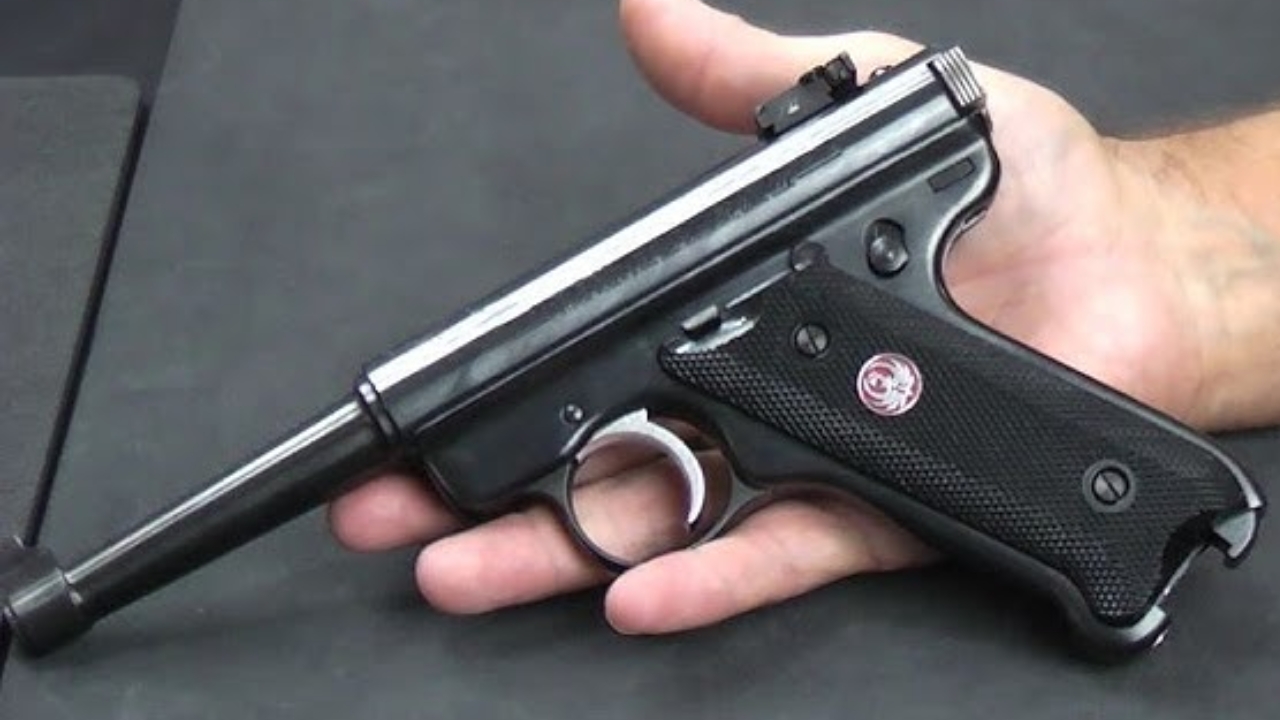
Ruger .22 pistols don’t always get the collector respect they deserve, but the early Mark series has real appeal. They’re reliable, accurate, and tied to decades of American shooting culture. A clean early example with correct parts is a great “working collectible”—a gun you can shoot regularly without feeling like you’re risking a fragile antique.
Collector value often comes from condition, original configuration, and how complete the package is. Many were modified with aftermarket parts, so an unaltered pistol stands out. You’re also buying a platform that’s fun to own: cheap to feed, easy to shoot well, and good for bringing new shooters along. A solid Ruger .22 in the collection isn’t filler. It’s one of the guns you’ll actually use, and that matters more than people admit.
Smith & Wesson Model 19 (Classic K-Frame .357)

The Model 19 sits in a sweet spot: it’s a classic fighting and field revolver with a size and balance that still feels right. Collectors like it because it represents a long era of American law enforcement carry, and shooters like it because it’s controllable, accurate, and easy to live with.
When you’re buying, you want a revolver that locks up correctly and shows honest care. Many were carried a lot and shot a moderate amount, which can be a good sign. Original stocks and finish help, and clean examples don’t stay cheap. It’s also a revolver that makes sense to own even if you aren’t a wheelgun specialist. You get collector appeal without needing to baby it like a fragile safe queen.
CZ 75 (Early Production and Notable Variants)

The CZ 75 has a loyal following because it shoots well and feels natural in the hand, and certain early production examples and variants draw real collector interest. The design has a strong reputation, and it carries a Cold War-era aura that keeps people digging into serial ranges, markings, and small differences.
For a collector, originality matters more than add-ons. A lot of CZs were used hard in competition or modified for carry, so unmodified examples stand out. Pay attention to finish condition, correct sights, and matching magazines when possible. The CZ 75 is also an easy gun to justify because it’s still a great shooter. You’re not buying something that only looks good behind glass. You’re buying a handgun you can run at the range and still feel good about owning long-term.
Springfield Armory 1911 (Early Production Runs and Limited Models)

Certain Springfield 1911s have become collector targets because they came from specific production windows, feature sets, or limited configurations that people recognize immediately. The 1911 market is crowded, but that’s exactly why the collectible ones stand out. When a model has a known reputation for quality and consistency, the used market remembers.
To keep it true “collector edition,” you want factory-correct parts, original finish, and minimal owner modifications. A lot of 1911s get swapped triggers, safeties, and sights, which can hurt collector appeal fast. When you find an example that’s still in its original form—especially with box and papers—you’re buying something that holds interest beyond current trends. You can still shoot it, but the value tends to live in keeping it correct.
SIG Sauer P226 (West German and Early Marked Examples)

The P226 became a staple because it worked, and early marked examples carry collector appeal thanks to history, build quality, and the way they represent the classic service pistol era. People still chase them because they’re durable guns with a strong reputation and a look that hasn’t gone out of style.
Collectors care about markings, condition, and correct configuration—especially if the pistol hasn’t been heavily modified. Many P226s were carried for years, so external wear is common. What matters is the mechanical condition and whether it has stayed original. If you want a collectible handgun that still feels relevant on the firing line, the P226 fits that role well. It’s a practical classic, and practical classics tend to age better than trend-driven buys.
Colt Detective Special (Classic Snubnose Lineage)

The Detective Special is one of the snubnose revolvers that helped define concealed carry before polymer pistols ruled the world. It’s compact, it points well, and it carries that old-school Colt feel that collectors notice immediately. Clean examples have become harder to find because so many lived hard lives in pockets, holsters, and gloveboxes.
Collector value is tied to condition and originality. A crisp example with correct grips and finish stands out fast. Timing and lockup matter, and you want one that runs the way a Colt should. The Detective Special also has something many modern guns lack: character you can feel in the action. If you want a collectible handgun that still makes sense as a carry-history piece, this one is worth chasing while you can still find honest examples.
Like The Avid Outdoorsman’s content? Subscribe to our newsletter so you never miss an article.
Here’s more from us: