
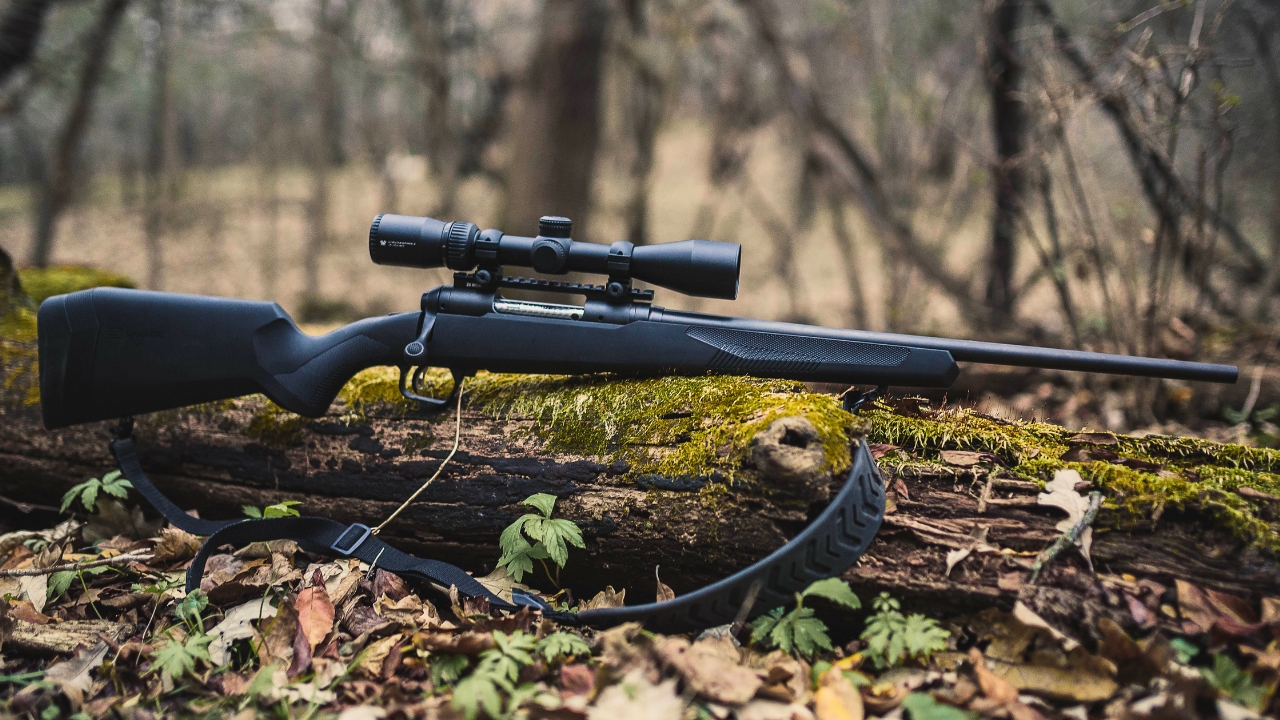
Photo credit: Savage Arms
When it comes to American bolt-action rifles, the Remington 700 and the Savage 110 are two names that keep coming up. Both have decades of history, plenty of calibers to choose from, and proven accuracy. Hunters, competitive shooters, and long-range enthusiasts have used both successfully for years. The differences aren’t about whether one can get the job done—they can. It’s about which platform fits your needs, your budget, and the way you plan to shoot. Here’s how they compare head-to-head.
Accuracy Potential
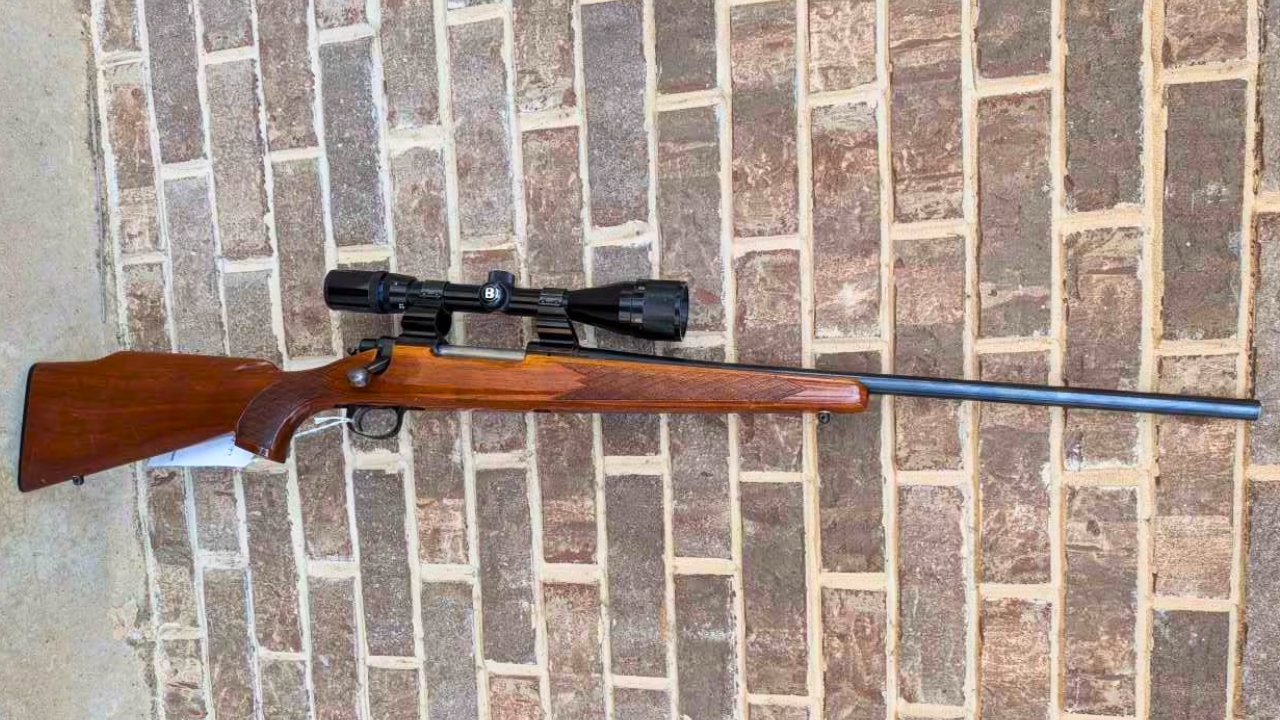
The Savage 110 built its reputation on out-of-the-box accuracy, largely thanks to its floating bolt head and consistent headspacing. Many shooters report sub-MOA groups without any tuning. The Remington 700 can also shoot extremely well, but it may require more tweaking—like bedding the action or swapping the trigger—to reach its full potential. If you want a rifle that’s ready to print tight groups immediately, the Savage might have the slight advantage. Both can be tuned into true tack drivers with the right setup.
Trigger Quality
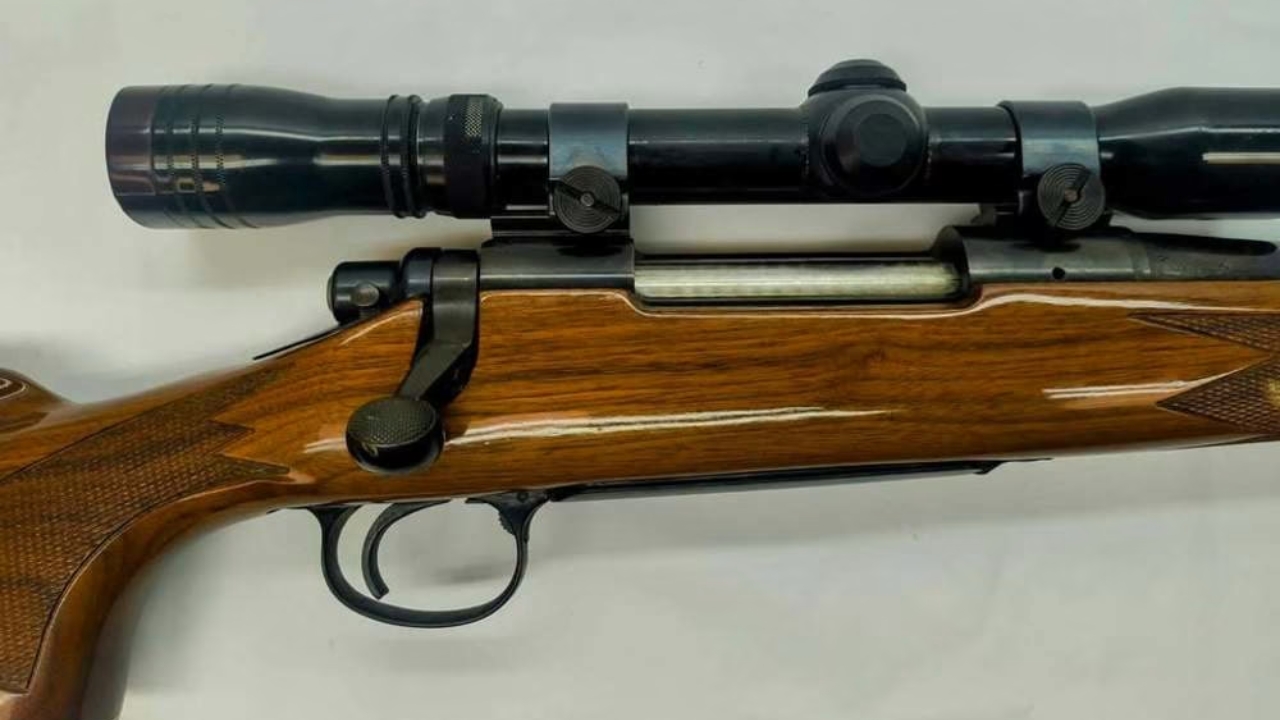
Savage equips most 110 models with the AccuTrigger, which allows you to safely adjust pull weight down to a light, crisp break without gunsmithing. It’s a big selling point for shooters who want control over their trigger feel. The Remington 700’s factory triggers vary by model and year, with newer ones generally being better than older X-Mark Pro versions. Aftermarket triggers for the 700 are abundant, so you can dial it in exactly how you want, but that means more investment.
Action Smoothness
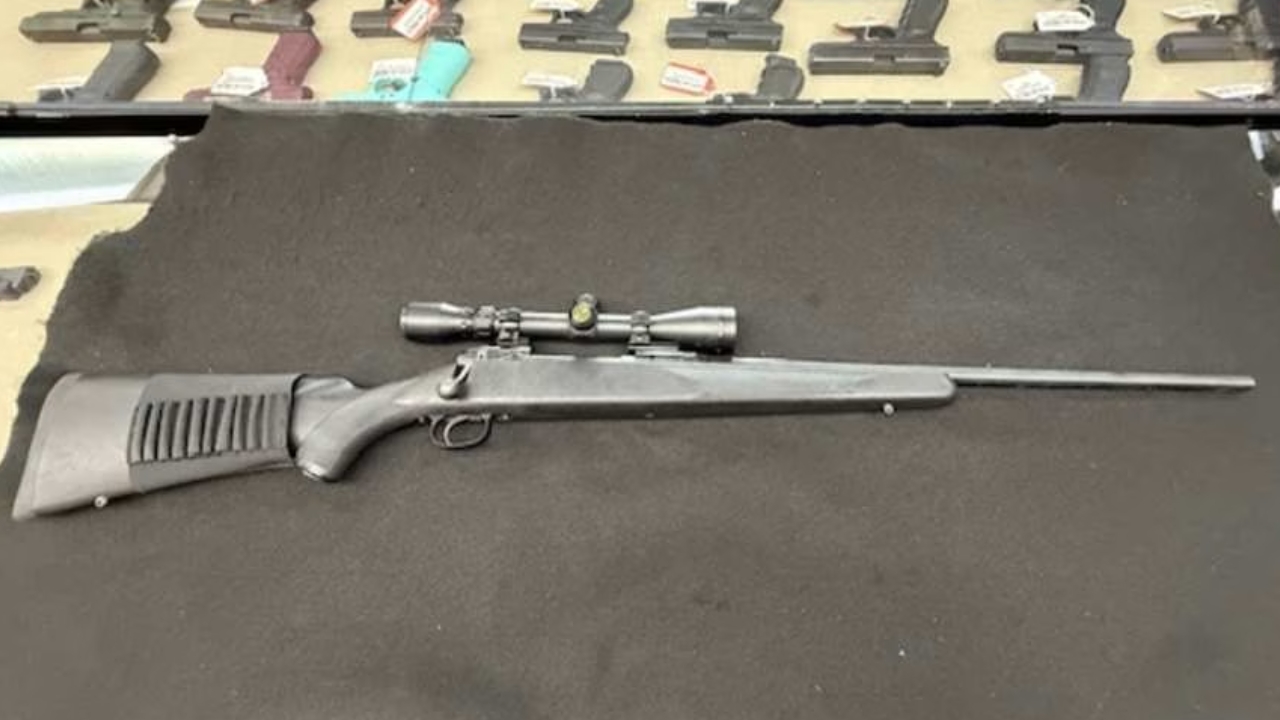
The Remington 700 is known for its smooth, reliable action and strong lock-up. Cycling the bolt feels natural, especially on broken-in rifles. The Savage 110’s bolt throw isn’t quite as refined, but it’s functional and strong. Some shooters prefer the 110’s feel because of its solid extraction and ejection. In real-world use, both cycle well enough for hunting and target shooting, but if bolt feel matters most to you, the 700 tends to get more praise for smoothness.
Barrel Options and Replacement
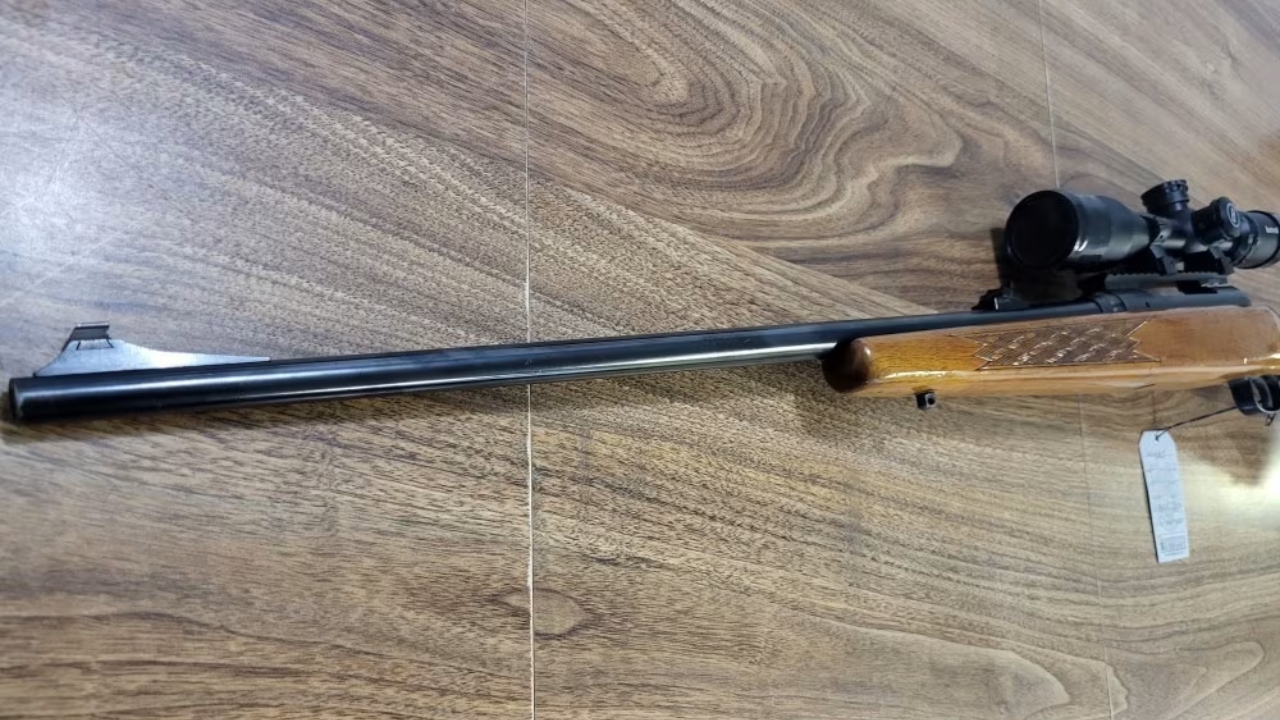
Both rifles come in a wide range of factory barrel lengths and calibers, but Savage has a big advantage when it comes to barrel swaps. The 110’s barrel nut system makes it easy for experienced shooters to change barrels at home with the right tools. The Remington 700 requires a gunsmith for most barrel work, which adds cost and downtime. If you like to experiment with calibers or replace worn barrels yourself, the Savage setup makes that process much easier.
Aftermarket Support

The Remington 700 has one of the biggest aftermarket ecosystems of any bolt-action rifle. Stocks, triggers, barrels, scope bases—if you can think of it, someone makes it. The Savage 110 also has good aftermarket support, especially in recent years, but not quite at the same scale. If you want to heavily customize, the 700 gives you the widest parts selection. If you’re planning to leave the rifle mostly stock, both platforms offer enough accessory options to cover the basics.
Price and Value
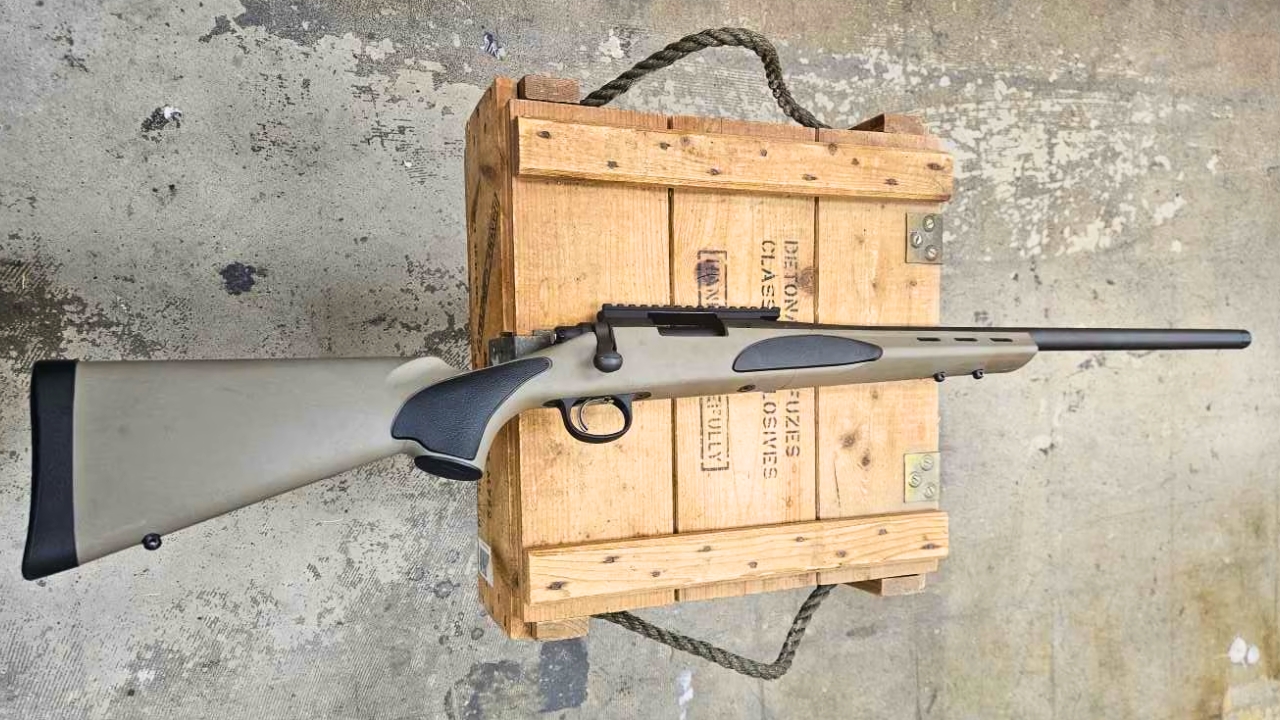
Savage 110 rifles generally come in at a lower price point than comparable Remington 700 models, especially if you’re looking at newer production. That means you can often get a very accurate rifle for less money upfront. The 700 might cost more, but it can hold its value better on the used market due to name recognition. If budget is a deciding factor, the Savage may be the better buy out of the gate, while the Remington might make more sense for resale potential.
Real-World Durability
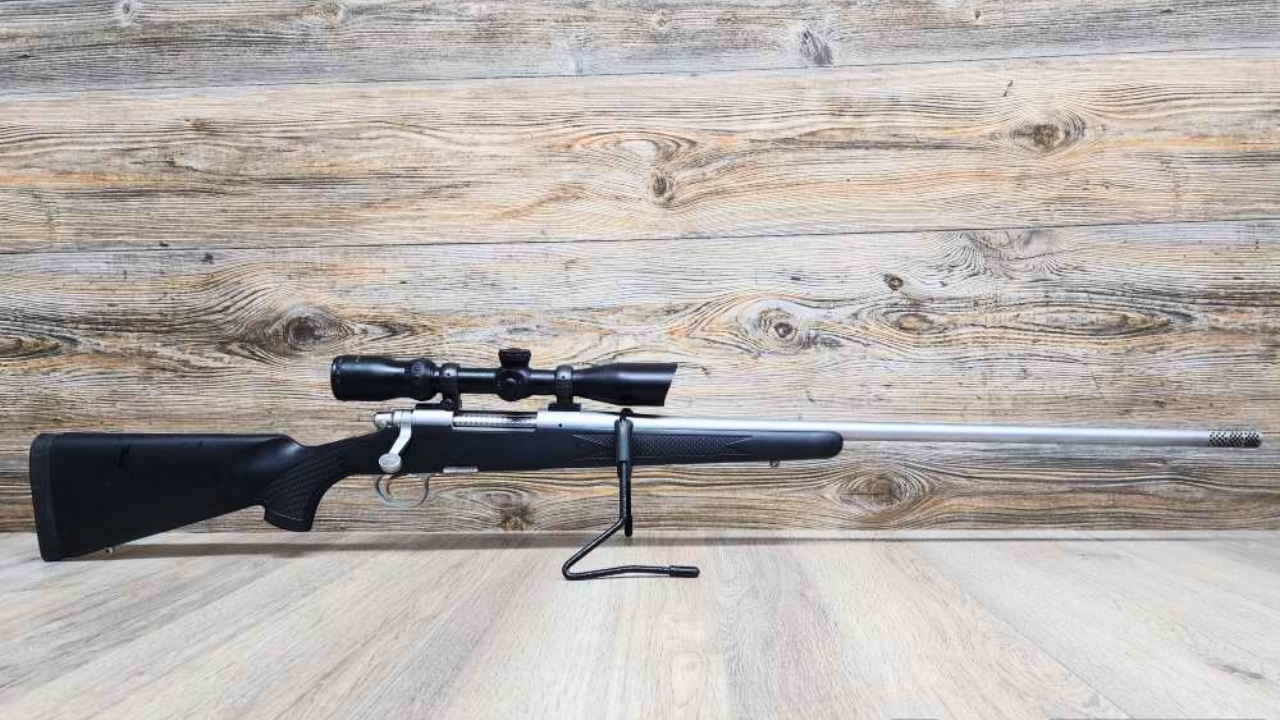
Both rifles have decades of proven field performance, with hunters taking them into harsh weather and rough terrain without trouble. The Remington 700 has been used by military and police snipers, which speaks to its ruggedness. The Savage 110 has fewer high-profile tactical contracts but still has a long track record with civilian hunters. In terms of reliability, either can take abuse if maintained properly. Choosing between them comes down more to features and fit than to concerns about toughness.
*This article was developed with AI-powered tools and has been carefully reviewed by our editors.


