Photo credit: SUNDAY GUNDAY/Youtube
Every rifle has a “yeah, but…” attached to it. The internet acts like the right model, the right cartridge, and the right scope solve everything, but hunters know better. The rifles that stick around aren’t always the slickest or newest. They’re the ones you’ve carried in the dark, bumped on a ladder stand, laid across a pack in shale, and still trusted when hair showed up in the scope. The funny part is a lot of those go-to rifles have one flaw that drives owners nuts. They just quit caring because the rifle keeps doing its job.
1. Remington Model 700 (post-2007 production)
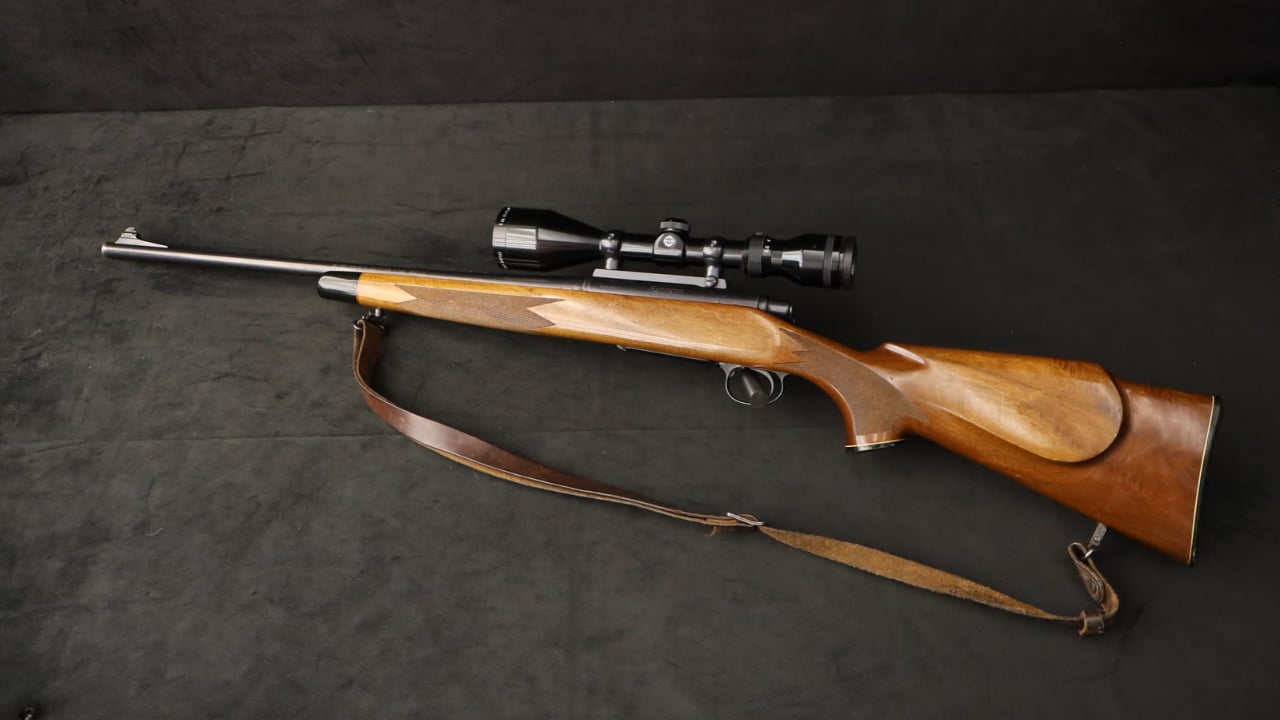
The Model 700 is still the default “do everything” hunting rifle for a reason. It points naturally, it’s easy to bed and tune, and it has more stock and trigger options than most folks will ever need. A plain SPS in .30-06 with a decent 3-9x has probably killed more whitetails than the trendy stuff ever will. When a hunter says, “I just want something that works,” this is usually what they mean.
The flaw is the consistency on some later guns and the baggage that comes with it. You’ll run into rough chambers, stiff bolts, and triggers that feel like they were set up by someone who never hunted in gloves. Plenty of guys “solve” it by swapping triggers and not thinking about it again. Still, you’re buying a rifle that might need a little sorting before it earns full trust.
2. Winchester Model 70 (controlled-round feed)
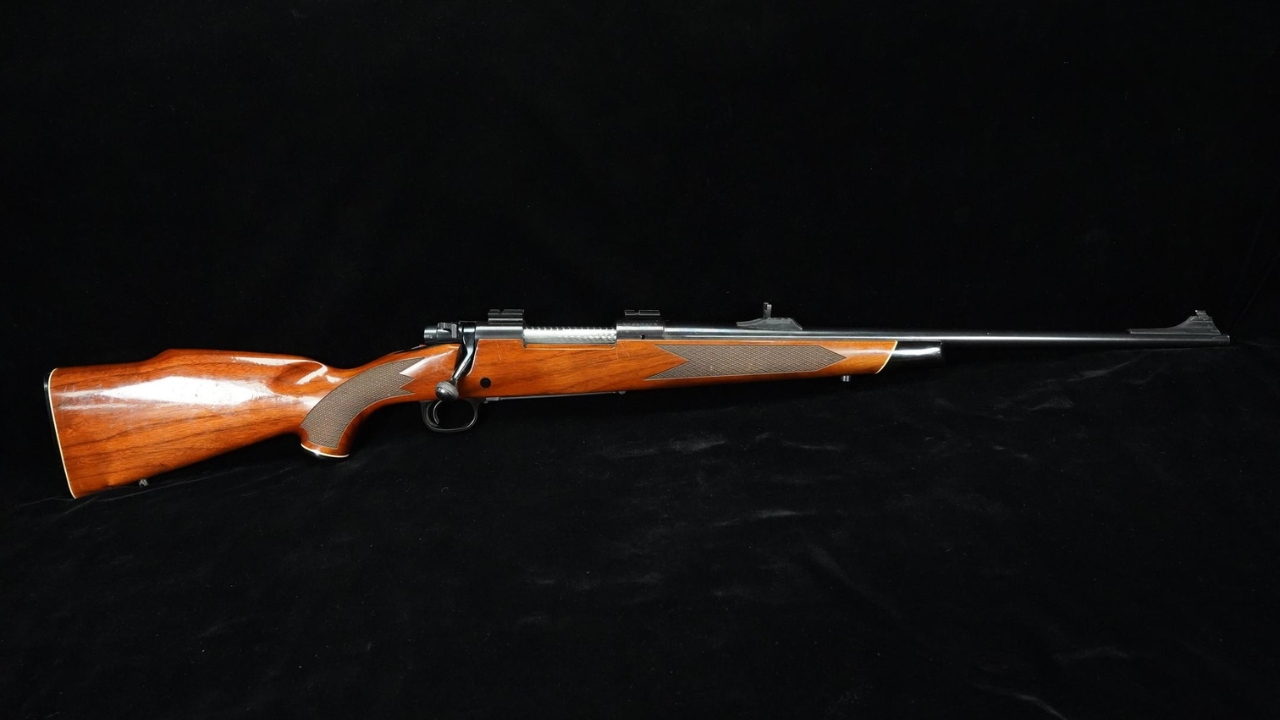
A good Model 70 feels like a serious rifle the second you run the bolt. The controlled-round feed is confidence-inspiring when you’re working the action at an odd angle, in snow, or from a cramped blind. It’s also one of those rifles that carries well in the hand, not just on a sling. For elk or mule deer in rough country, it’s hard not to like.
The flaw is weight and bulk compared to the modern mountain-rifle crowd. Even the “feels right” stocks can be a little clubby, and a scoped Model 70 can start feeling like a fence post by day three. Hunters live with it because it feeds like it means it and it rarely does anything weird. If you’re the kind of person who would rather have solid than cute, you’ll tolerate the ounces.
3. Ruger M77 Hawkeye (LC6 trigger)
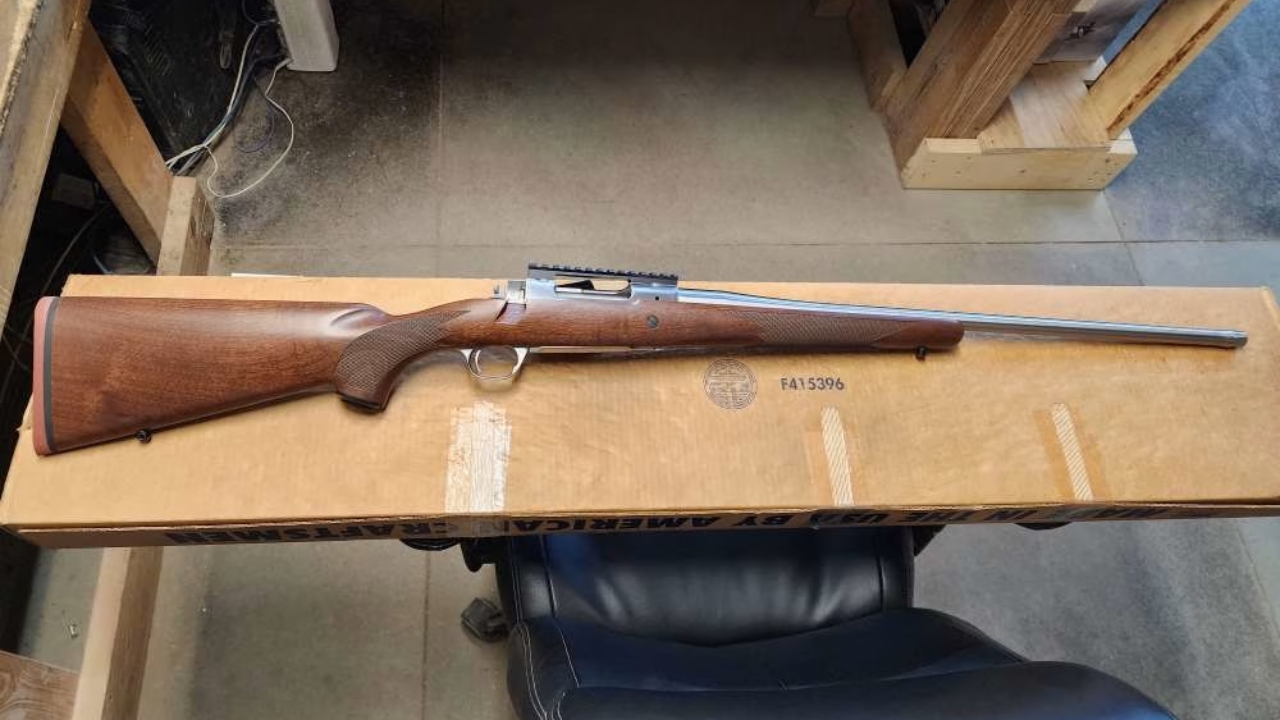
The Hawkeye is built like it’s meant to ride in a truck, lean in a corner, and go hunting anyway. The action is stout, the integral rings are simple and strong, and the whole rifle just has that “Ruger tough” vibe. In bad weather, that matters. A stainless Hawkeye in .270 or .308 is a no-drama tool.
The flaw is the factory trigger feel on a lot of them. The LC6 is safe and usable, but it’s not what anyone calls crisp, and it can make a good rifle feel mediocre from the bench. In the woods it’s less noticeable, but it’s still there. Most hunters just learn the break, keep their finger honest, and stop trying to make it a target rifle.
4. Savage 110 (especially older models)

If you want a rifle that usually shoots better than it “should” for the money, the Savage 110 family is always in the conversation. Barrel nuts aren’t sexy, but they work. Plenty of these rifles will stack hunting bullets into tidy groups with basic load development, and they keep doing it season after season. They’re also easy to keep running when something finally wears.
The flaw is they can feel clunky. The bolt lift and action feel aren’t smooth like a polished classic, and the looks don’t win beauty contests. Some older stocks were flimsy enough to make you roll your eyes. Guys keep them anyway because dead is dead, and a rifle that consistently prints where it should is hard to argue with.
5. Tikka T3x (polymer “feel” and magazine cost)
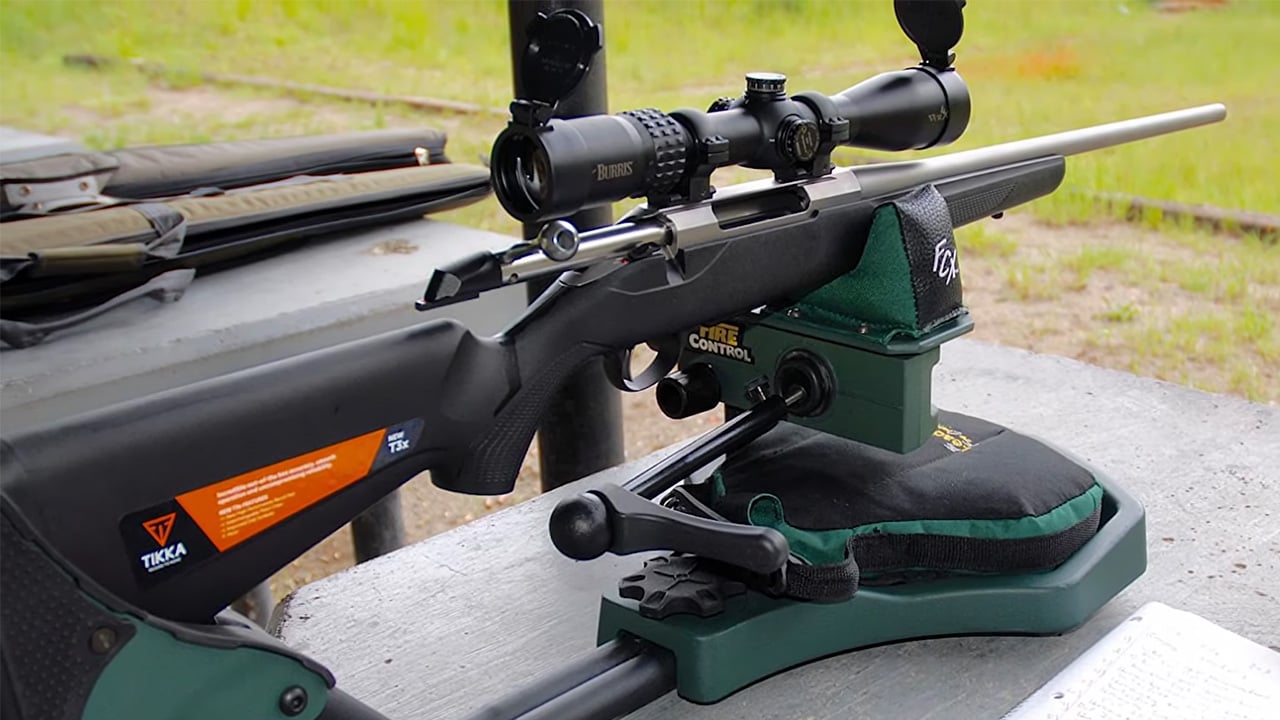
Tikkas have a way of embarrassing more expensive rifles. The action is slick, the barrels generally shoot, and the whole setup feels light without feeling cheap in the field. For the hunter who hikes a lot and actually shoots from real positions, the T3x makes a lot of sense. It’s one of the easiest rifles to shoot well quickly.
The flaw is the “plastic” vibe in the small parts and the sting of spare magazines. The factory mag works fine, but losing one hurts, and not everybody loves proprietary systems. Some hunters also never warm up to the feel of the stock, even if it fits them. They live with it because the rifle shoots straight and carries like it’s supposed to.
Free for gun owners: If something happened to you tomorrow, would your family know where the guns are, who has the safe combination, or what to do first? Our free Gun Owner’s Family Checklist walks them through it. It takes about 15 minutes to fill out. Get your free copy here.
6. Browning X-Bolt (bolt throw and magazine system)

The X-Bolt is a very good hunting rifle that often gets overlooked because it isn’t loud online. They tend to be accurate, the fit and finish is strong, and they handle well in tight timber. If you’re the kind of hunter who values a clean, balanced rifle more than internet points, you notice an X-Bolt right away. They also tend to feed smoothly with hunting bullets.
The flaw is the detachable rotary magazine setup and the way some rifles feel “different” if you’re used to traditional floorplates. It’s not bad, just another thing to keep track of in the dark. The shorter bolt lift is nice, but it can feel odd to some folks who run actions hard. Hunters keep coming back because the rifle simply behaves in the field.
7. Ruger American Rifle (stiffer bolt and “budget” stock)

I’ve seen more Ruger Americans in deer camps lately than I ever expected, and I get it. They’re affordable, they shoot, and you don’t feel like you need to baby them. In .308, 6.5 Creedmoor, or .243, they’re the kind of rifle you can hand to a new hunter and not worry. Put a dependable scope on top and go hunt.
The flaw is the feel. The bolt can be a little rough, and the factory stock is nothing to brag about, especially with a sling and bipod hanging off it. Some shooters chase their tail on accuracy until they learn consistent torque and support. But for the money, it’s hard to complain when it keeps putting tags on bucks.
8. Mossberg Patriot (trigger and overall refinement)

The Patriot is one of those rifles that surprises you when you actually shoot it instead of just handling it at the counter. Many of them group well enough for any sane hunting distance, and the weight is reasonable. If you’re building a simple “one box of ammo a year” rifle, it fits the role. It also tends to balance better than you’d expect in the woods.
The flaw is refinement. The action doesn’t feel like a high-dollar rig, and the trigger can be hit or miss depending on the specific rifle. Some models have styling choices that don’t do it any favors. Hunters keep them because they’re functional, accurate enough, and they aren’t afraid to drag them through brush.
9. CZ 527 (magazine sticks down)
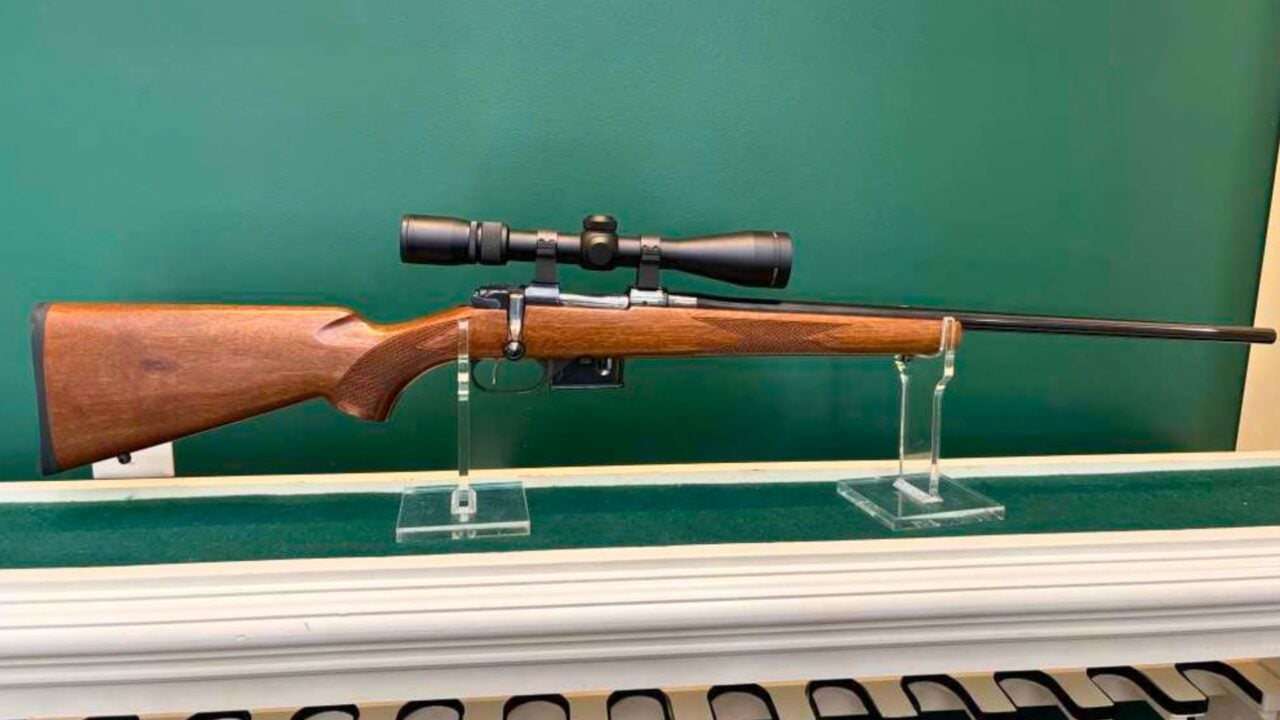
The CZ 527 in .223 or 7.62×39 is a small-game and predator hunter’s friend, and it’s just plain fun. The set trigger can be excellent once you understand it, and the mini-Mauser vibe has real charm. They carry like a light sporter should, and they point quickly when a coyote pops out of nowhere. A lot of these rifles shoot way better than their owners do.
The flaw is the detachable magazine that hangs down and loves to catch on things. It’s not a deal breaker, but you notice it when you’re trying to keep a low profile on sticks or in snow. Spares aren’t always cheap, either. Even so, guys hang onto them because the rifle has personality and it performs where it counts.
10. Marlin 336 (scope mounting and lever-gun quirks)

A Marlin 336 in .30-30 is about as honest as a deer rifle gets. It carries flat, comes to the shoulder naturally, and it’s fast in thick cover. In places where shots are inside 100 yards and the woods are tight, this rifle is still hard to beat. There’s nothing fancy about it, and that is kind of the point.
The flaw is optics and the little lever-gun compromises. Top-eject isn’t the issue here like it is on some other levers, but scope height and cheek weld can still get awkward fast. The trigger isn’t a target trigger, and the sights can be an afterthought on some guns. Hunters live with it because the rifle handles like a walking stick and hits like a hammer at woods ranges.
11. Henry Big Boy X (weight)
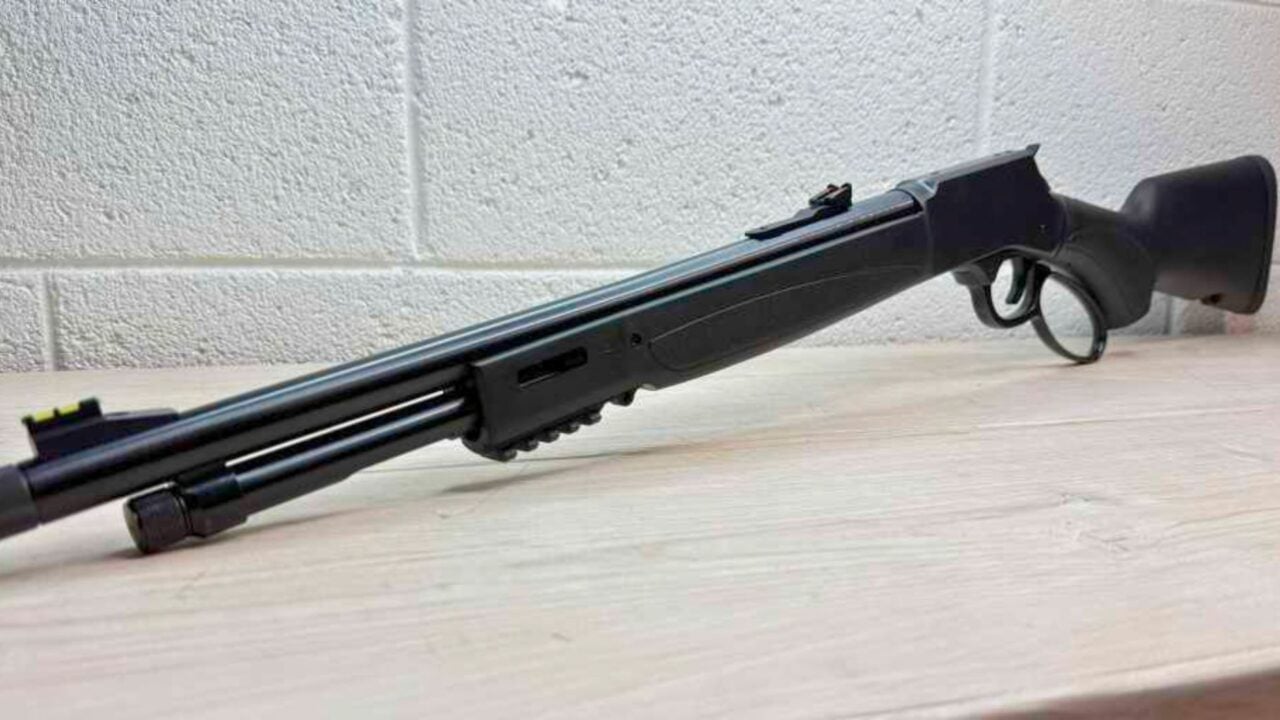
The Big Boy X brought a lot of modern practicality to a lever gun: threaded muzzle, decent furniture, and a setup that works well with a low-power optic. In .357 or .44, it’s a legitimate close-range hunting rifle, and it’s enjoyable to practice with. If you run dogs, still-hunt, or sit over thick funnels, a lever gun that cycles smoothly is a pleasure.
The flaw is that it’s heavy for what it is. Add an optic and a sling and it can start feeling like you packed more rifle than you needed. Some guys think it should weigh like an old carbine, and it doesn’t. They keep it anyway because it shoots, it’s reliable, and it scratches that lever-gun itch without being a safe queen.
12. Ruger Gunsite Scout (forward rail reality)
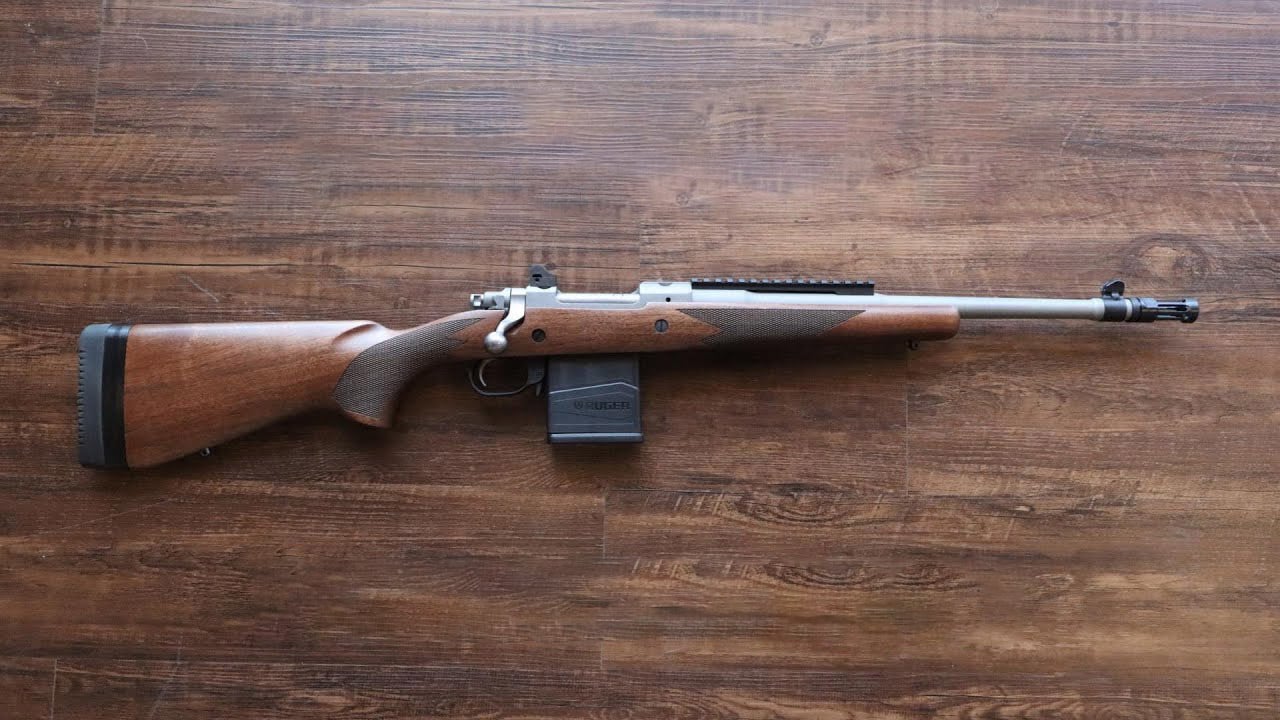
Ruger’s Gunsite Scout is a rifle a lot of hunters buy, sell, and then quietly buy again. The handy length, controlled-round feed, and detachable magazines make it a practical “do a little bit of everything” rifle. It’s also tough. Banged around in the back of a side-by-side or carried in nasty weather, it keeps going.
The flaw is that the forward-mounted optic concept doesn’t fit everybody’s eyes or hunting style. Some hunters try the scout scope idea, hate it at first light, and end up moving to a conventional scope mount. The rifle also isn’t as light as its “scout” name suggests. Still, as a durable .308 that feeds well and points fast, it earns repeat trips.
13. Springfield Armory M1A (accuracy expectations)
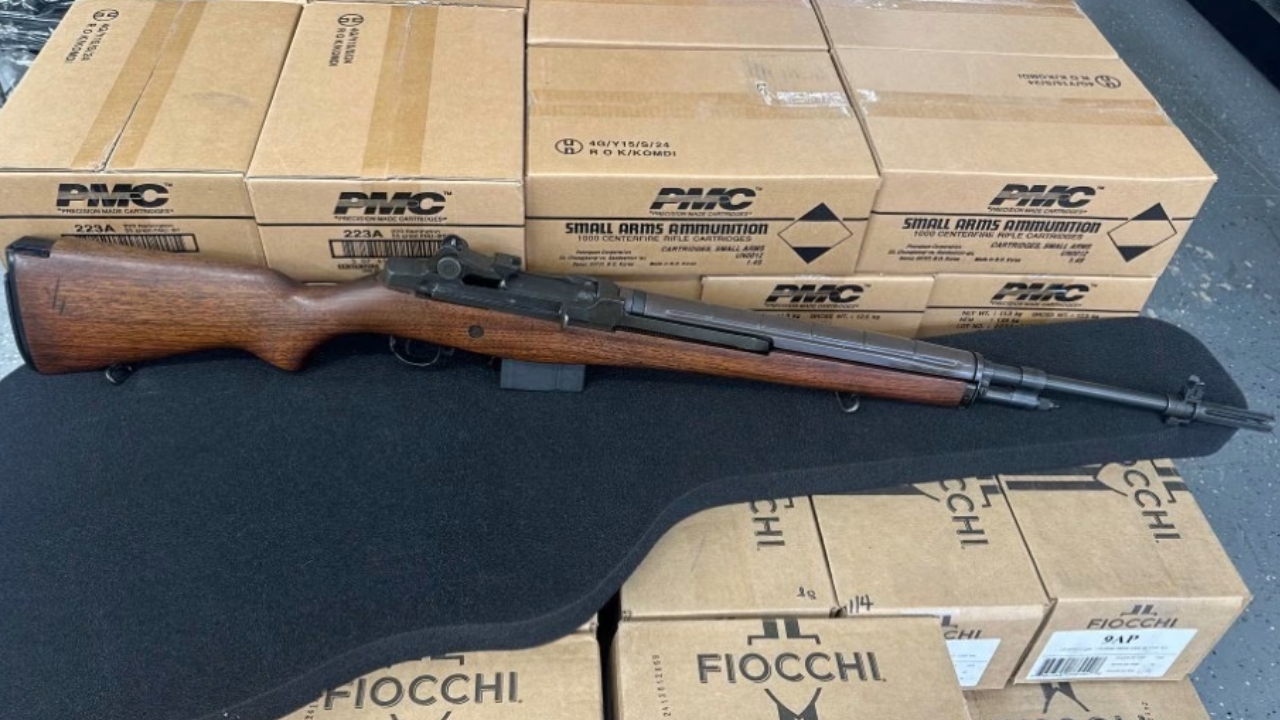
The M1A is one of those rifles that makes you want to go to the range even when you’re busy. It has history, it has feel, and it runs with a kind of mechanical confidence. For hogs, coyotes, or a ranch rifle role, it can make sense, especially if you’re already stocked on .308. It’s also a rifle that teaches you to run iron sights properly.
The flaw is that many owners expect bolt-gun accuracy and get disappointed. Bedding, optics mounts, and consistency can get complicated, and chasing tiny groups becomes a rabbit hole. It’s also not light, and it’s not cheap to feed. Hunters who keep coming back usually accept it as a field rifle, not a benchrest project, and enjoy it for what it is.
14. Ruger No. 1 (single-shot speed)
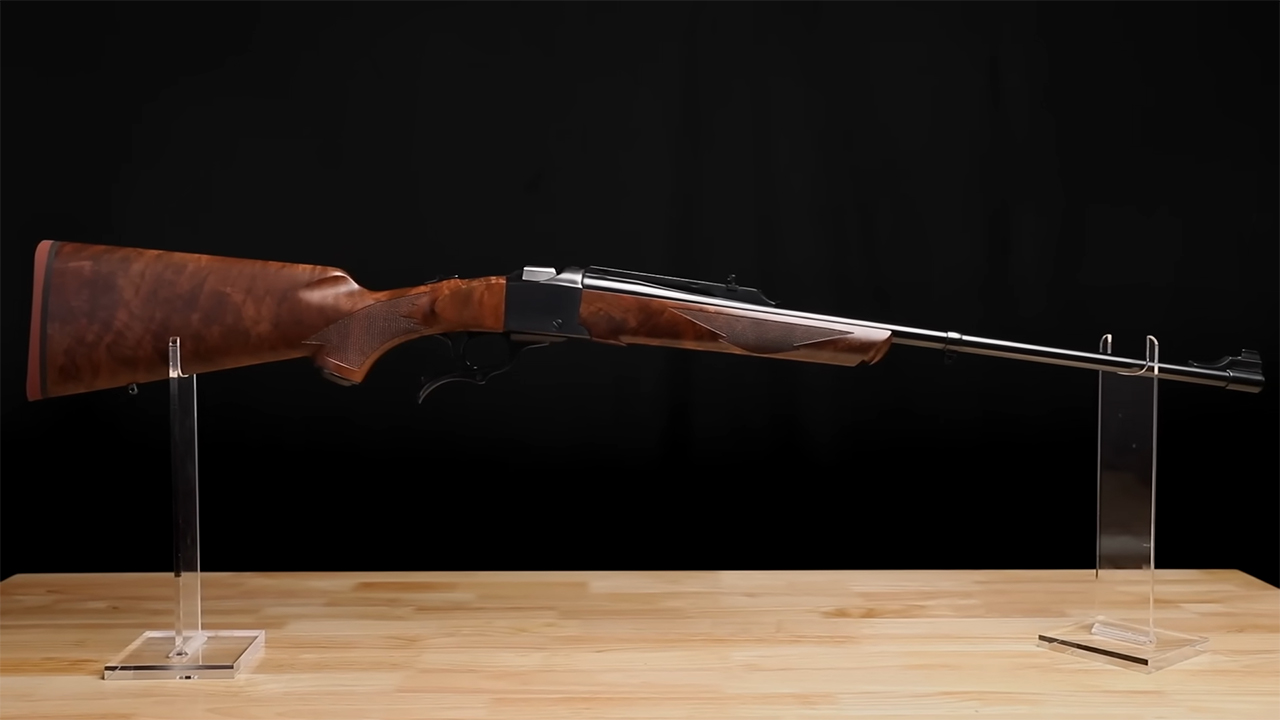
The Ruger No. 1 is the rifle you don’t need, but you end up wanting anyway. It’s compact for its barrel length, it’s classy without being fragile, and it carries like a dream. In cartridges like .270, .30-06, or 7mm Rem Mag, it’s a serious hunting tool. There’s also something about a single-shot that makes you slow down and shoot like you mean it.
The flaw is follow-up shots, plain and simple. If you’re used to running a bolt without thinking, a falling-block single-shot can feel like a handicap. Some rifles can also be picky about fore-end pressure and loads. Owners live with it because the rifle is a pleasure to carry and it makes the first shot matter, which is how hunting should go anyway.
Free for gun owners: If something happened to you tomorrow, would your family know where the guns are, who has the safe combination, or what to do first? Our free Gun Owner’s Family Checklist walks them through it. It takes about 15 minutes to fill out. Get your free copy here.
15. Remington Model 7600 (pump-action quirks)

The 7600 is still a favorite in thick country where shots are quick and deer don’t pose for you. If you grew up on shotguns, the manual of arms feels natural. They point fast, cycle fast, and in .30-06 or .308 they hit hard. In places where drives and still-hunting are common, they’ve earned their spot.
The flaw is that pump rifles can be finicky about smooth operation if you short-stroke them or baby them. The action bars and rails can wear, and they’re not as common as they used to be, so parts and magazines aren’t always on every shelf. Accuracy is usually hunting-accurate, not “show your buddies” accurate. Hunters keep them because speed in the woods is real, and the 7600 delivers it.
16. Weatherby Vanguard (weight and long action feel)
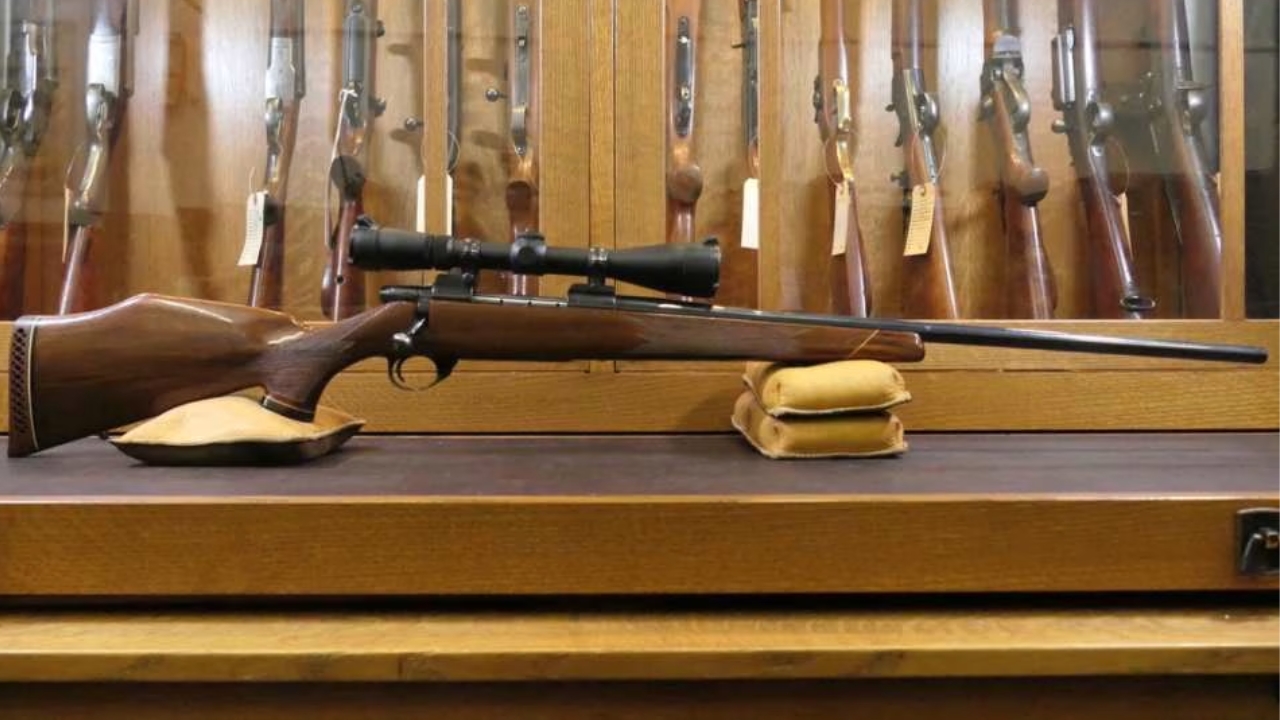
The Vanguard has quietly built a reputation for being dependable and accurate, especially for the price point it often sits in. They tend to shoot a wide range of factory loads well, and they’re built stout enough to last. A Vanguard in .270, .308, or .25-06 is the kind of rifle you can zero, verify once, and quit worrying. The two-stage trigger on many models is also easier to live with than a gritty single-stage.
The flaw is weight and a slightly “long” feel in the action on some setups. When you start hiking big elevation, you notice it. They also aren’t as sleek as the newest featherweight rifles. Owners keep them because they’re steady to shoot, forgiving from field positions, and they don’t turn into a maintenance project.
17. Sako 85 (price and “too nice” syndrome)

A Sako 85 is what happens when a hunting rifle is built with pride. The action is smooth, feeding is usually flawless, and the fit is the kind that makes you stop and look. In the field, they’re not magic, but they feel right, and that counts when your hands are cold and you’re breathing hard. If you shoot one well, you trust it.
The flaw is the price, and the weird thing that comes with it: some hunters are scared to scratch it. That one hurts because rifles are meant to be carried, not just admired. Magazines and parts are also not as easy to find as common American rifles. Serious hunters live with it because when you finally quit treating it like a collectible and start treating it like a tool, it’s a very good tool.
18. Kimber 84M/8400 (accuracy variability)
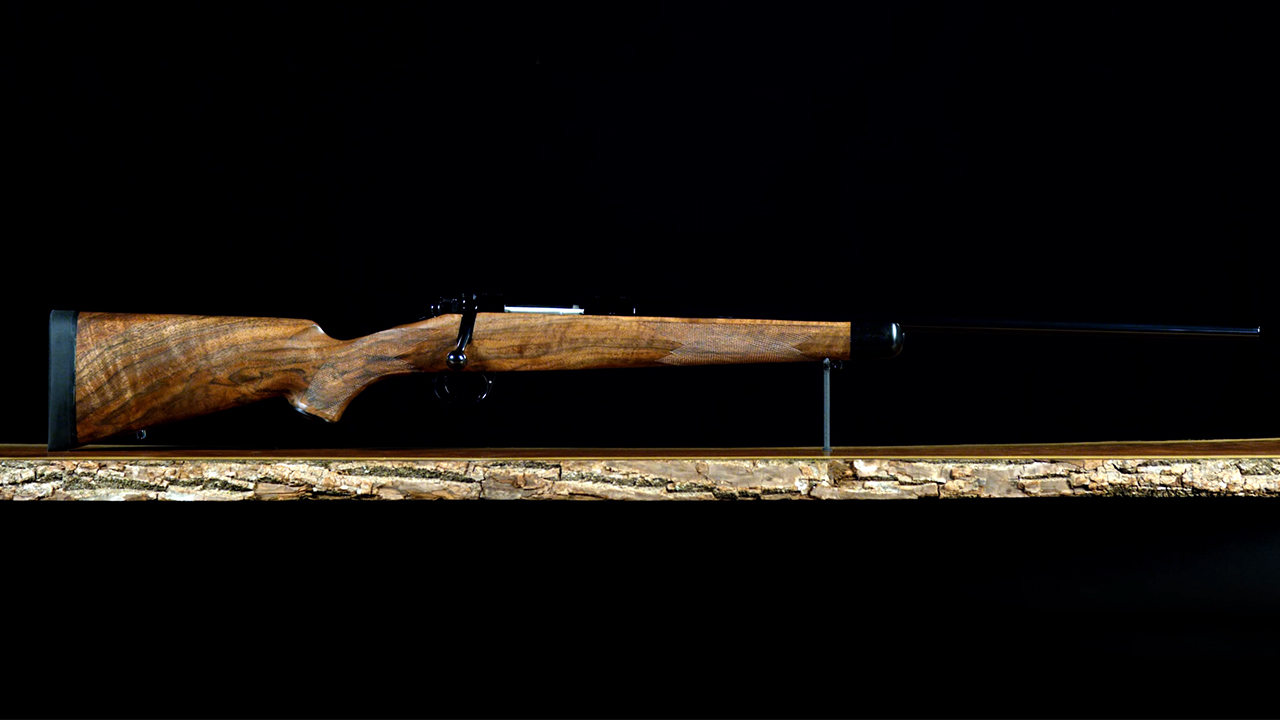
Kimber’s lightweight hunting rifles are exactly what a mountain hunter wants on paper: trim, easy to carry all day, and quick into action. When you get a good one, it feels like cheating on steep climbs. The balance is usually excellent, and the rifles are easy to pack tight to your body. For high-country mule deer or backcountry elk, ounces matter.
The flaw is that not every rifle is a “good one” right out of the gate. Some are picky about ammo, some need bedding help, and some just don’t shoot like their price tag suggests. That inconsistency frustrates folks, especially when a cheaper rifle prints tighter groups. Hunters who keep them accept that you may need to test loads and find what the rifle likes, then leave it alone once it’s sorted.
19. Ruger Precision Rifle (too heavy to be a hunting rifle)
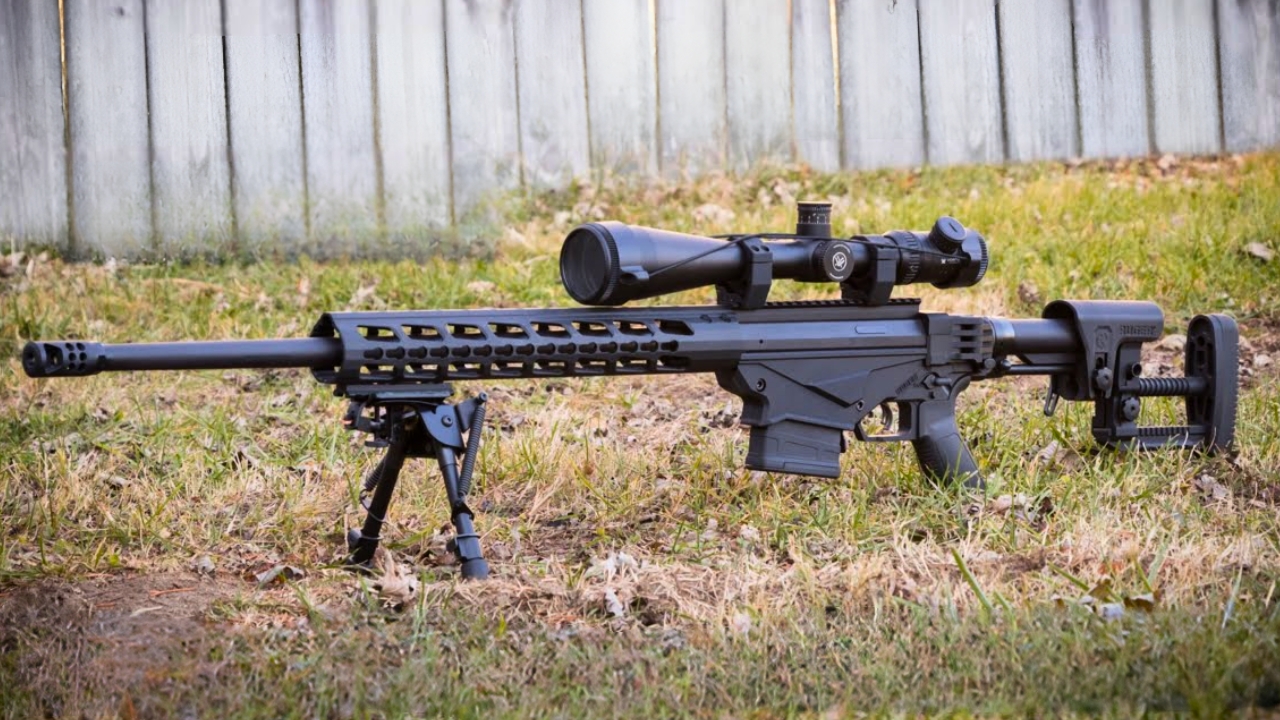
The Ruger Precision Rifle has probably started more long-range practice habits than any rifle in its class. It’s stable, adjustable, and it makes it easier for an average shooter to learn wind calls and positional shooting. In cartridges like 6.5 Creedmoor, it’s a legitimate training tool that can translate into better hunting shots inside sane distances. Time behind it builds confidence.
The flaw is obvious the first time you try to carry it anywhere: it’s a boat anchor. It’s not the rifle you want on your shoulder while side-hilling for miles. A lot of guys end up using it as a range rifle and taking something lighter hunting. They keep coming back to it anyway because it makes them better shooters, and that carries over when the season opens.
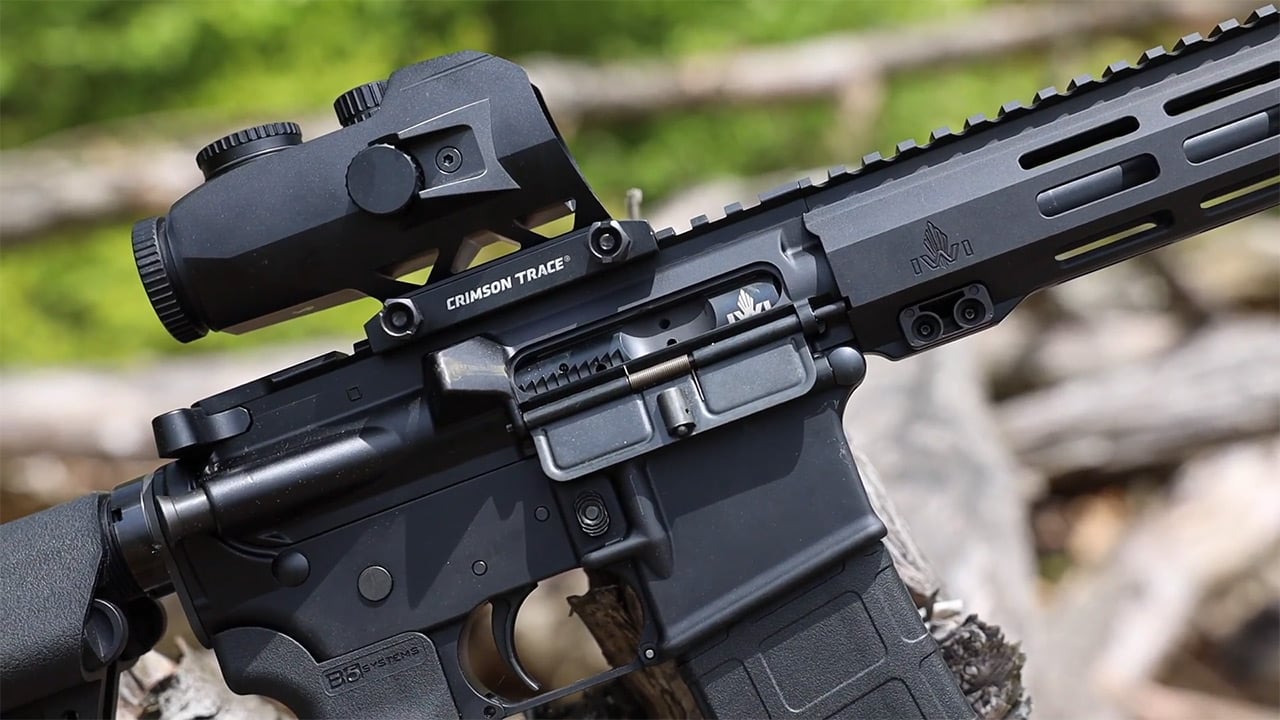
20. AR-15 (quality 16-inch carbine) for hogs and predators
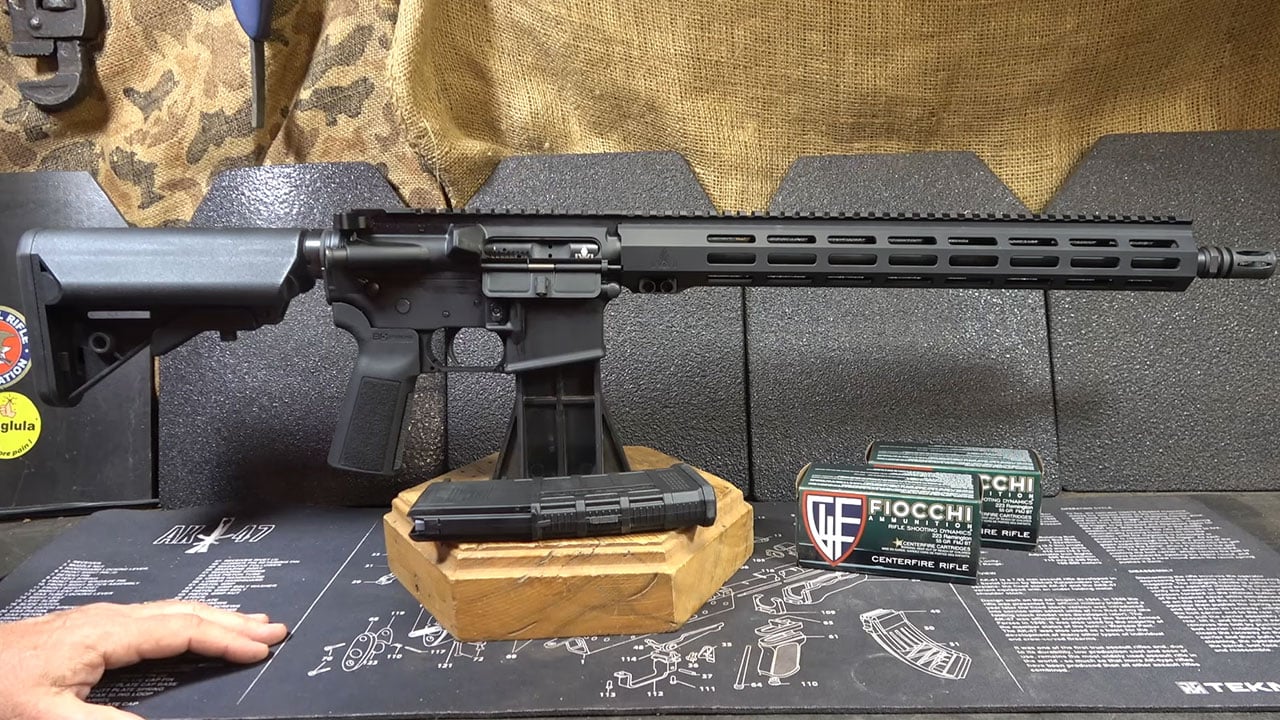
A good AR-15 has become a serious hunting rifle in a lot of places, especially for hogs, coyotes, and night work where legal. Fast follow-up shots, easy optics mounting, and manageable recoil are real advantages. With the right bullet and realistic distances, it works. It’s also one of the easiest platforms to keep set up the way you like, from sling placement to light positioning on a ranch gun.
The flaw is that it invites tinkering and can turn into a gear hobby instead of a hunting tool. It’s also loud and blastier than a lot of traditional rifles, especially with short barrels and brakes. Some hunters never get comfortable with the “black rifle” vibe in a deer camp, and that’s fine. The ones who stick with it do so because it’s effective, familiar, and easy to run when things get fast.
If you’re honest, you can name the one annoyance on your favorite rifle without even thinking. That doesn’t mean you picked wrong. It usually means you’ve carried it enough to know it for real. The trick is separating a flaw you can manage from a flaw that costs you opportunities or safety. Spend your money on reliability, a trigger you can control, and an optic that holds zero. Then go hunt, and quit expecting perfection.
Like The Avid Outdoorsman’s content? Subscribe to our newsletter so you never miss an article.
Here’s more from us: