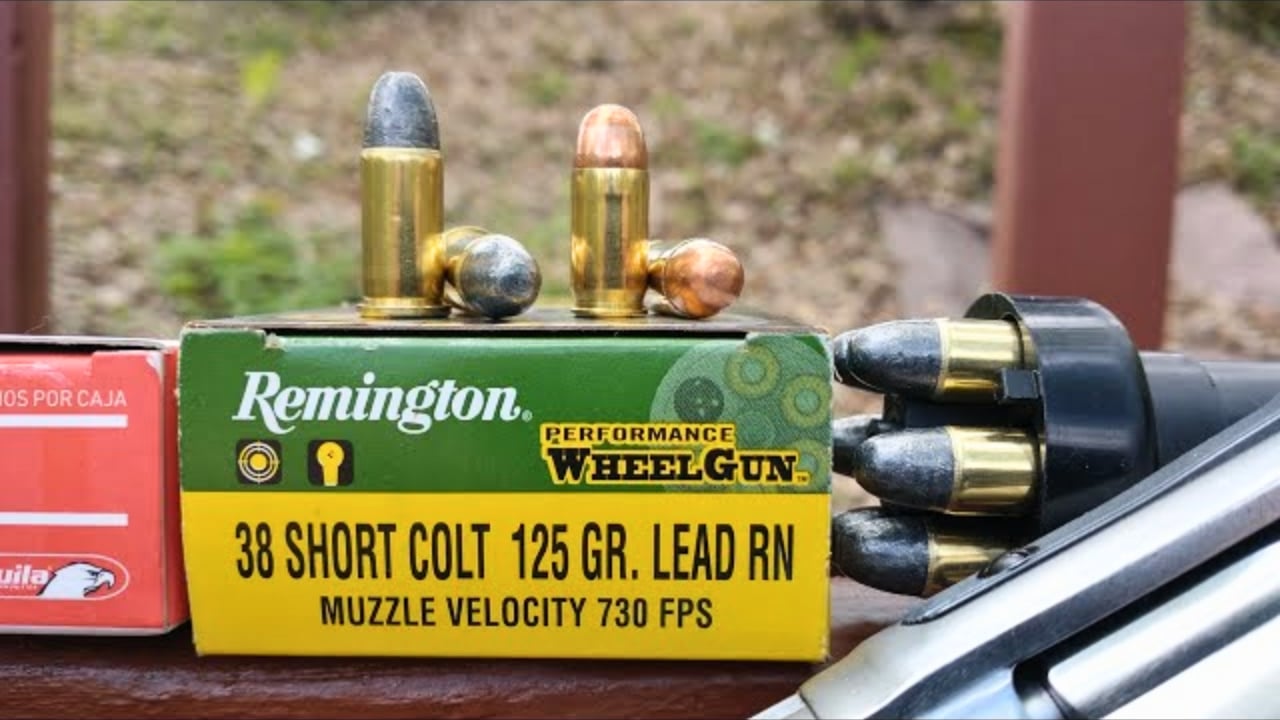
Photo credit: Gun Sam Revolver Ballistics/YouTube
Some handgun cartridges succeeded because they arrived at exactly the right moment. They filled a gap in the market, solved a problem shooters genuinely had, or benefited from military and police adoption that guaranteed enormous production numbers. A few became so established that nobody really questions them anymore, even though their original advantages would look much less convincing if manufacturers tried to launch them for the first time today.
Modern shooters expect more from a new cartridge. It has to offer clear advantages in capacity, recoil, terminal performance, ammunition cost, suppressor use, or compatibility with existing platforms. Simply being different is not enough. These 20 pistol calibers all have legitimate histories and can still work perfectly well, but if they appeared today with no existing guns, no nostalgia, and no decades of market support behind them, convincing buyers to adopt them would be a much tougher job.
.25 ACP
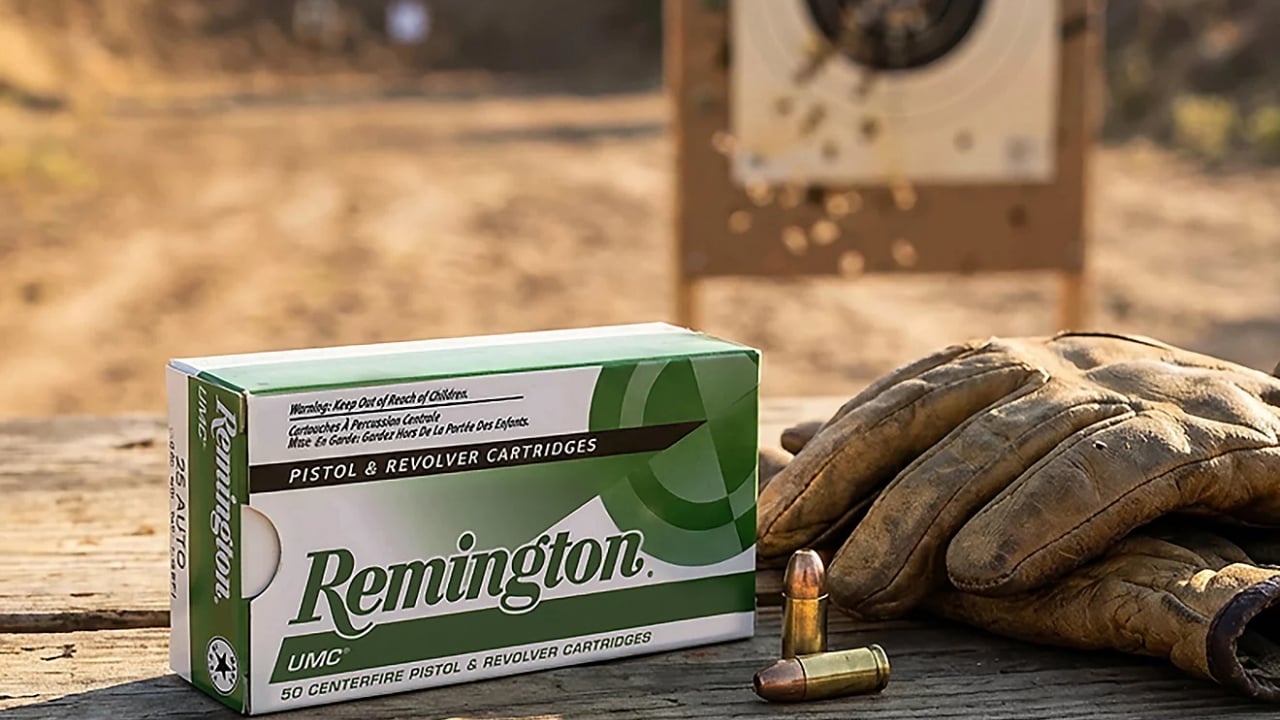
The .25 ACP made sense in an era when truly tiny centerfire pistols were difficult to build. It gave manufacturers a small cartridge that worked reliably in pocket-size semiautomatics and offered centerfire ignition when rimfire reliability was a bigger concern.
If it appeared today, buyers would immediately compare it with .380 ACP and modern micro 9mm pistols that are barely larger while offering dramatically better terminal performance. That comparison would be brutal. The .25 ACP has mild recoil and can function well in very small guns, but those advantages are not enough to overcome its limited power and relatively high ammunition cost. It survives because millions of older pistols already exist. Without that installed base, convincing modern shooters to choose it over .380 would be extremely difficult.
.32 ACP
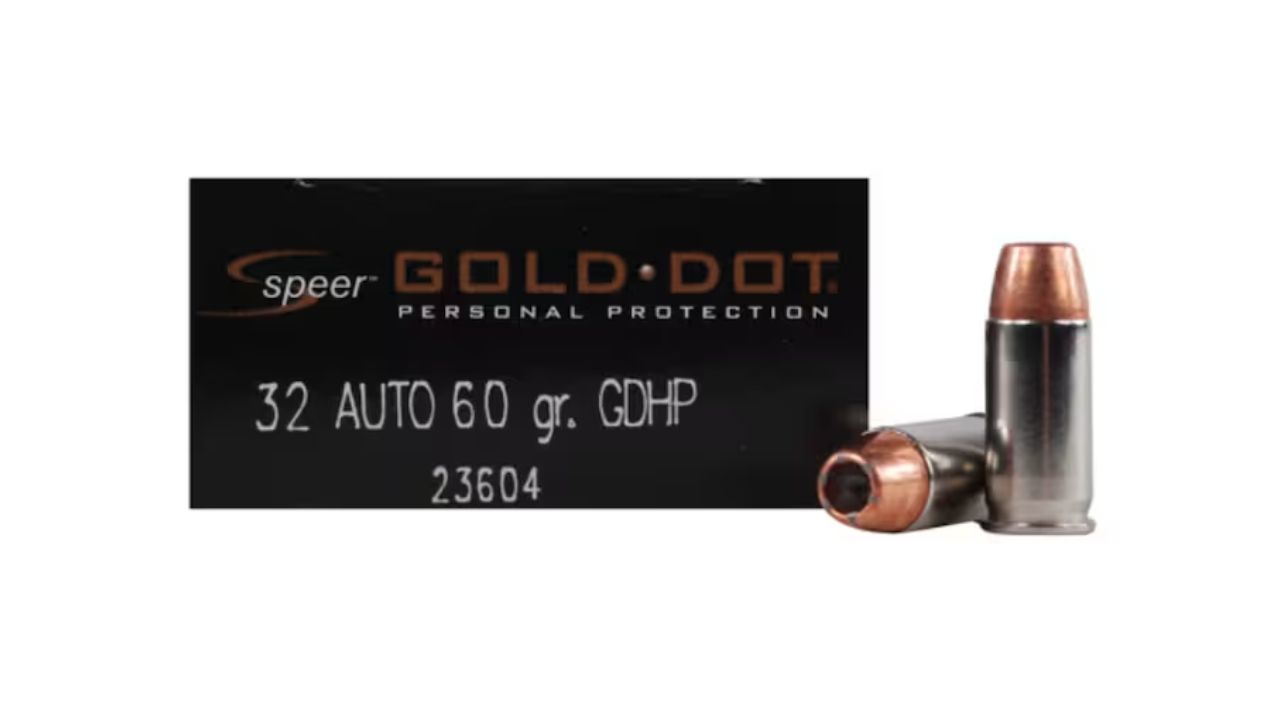
The .32 ACP has a much stronger case than .25 ACP because it offers better penetration and remains very pleasant to shoot. For decades it powered police pistols, military sidearms, and countless pocket guns throughout Europe.
The problem is that modern pistol design erased much of its size advantage. A new .32 ACP launched today would have to compete directly with compact .380s and small 9mms that offer better ammunition availability and significantly more energy. Recoil-sensitive shooters might still appreciate it, especially in slightly larger pistols, but that would be a narrow niche. The cartridge remains enjoyable and practical in many classic guns. Starting from zero in today’s market, though, it would probably struggle to convince manufacturers to build enough pistols around it.
.38 S&W
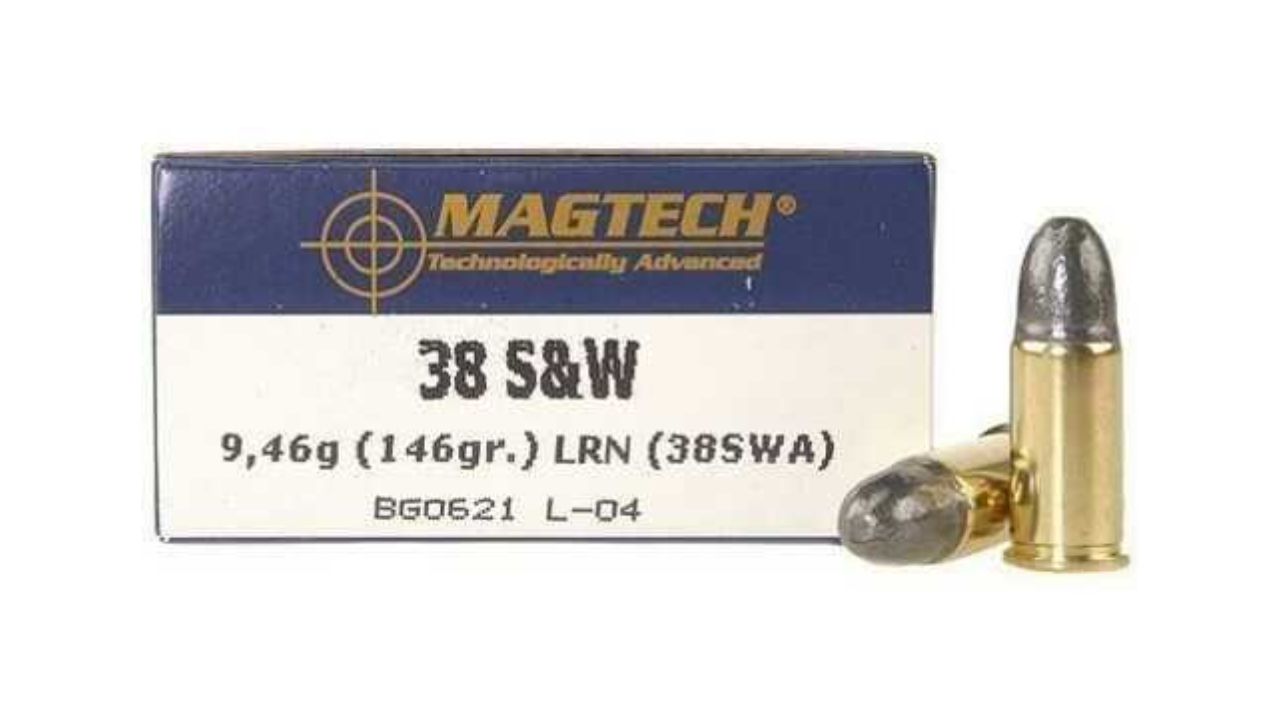
The .38 S&W was useful when compact revolvers dominated personal defense and metallurgy limited what small frames could comfortably handle. It offered mild recoil and adequate close-range performance in countless service and civilian revolvers.
A manufacturer trying to introduce it today would have a difficult time explaining why it should exist alongside .38 Special. The newer cartridge offers more case capacity, better ammunition selection, and compatibility with .357 Magnum revolvers. The .38 S&W would bring virtually no meaningful advantage besides slightly shorter dimensions. Modern buyers would likely view it as an unnecessary weaker alternative. It survives because historical revolvers still need ammunition, not because the market is crying out for another mild .38-caliber revolver round.
.38 Short Colt
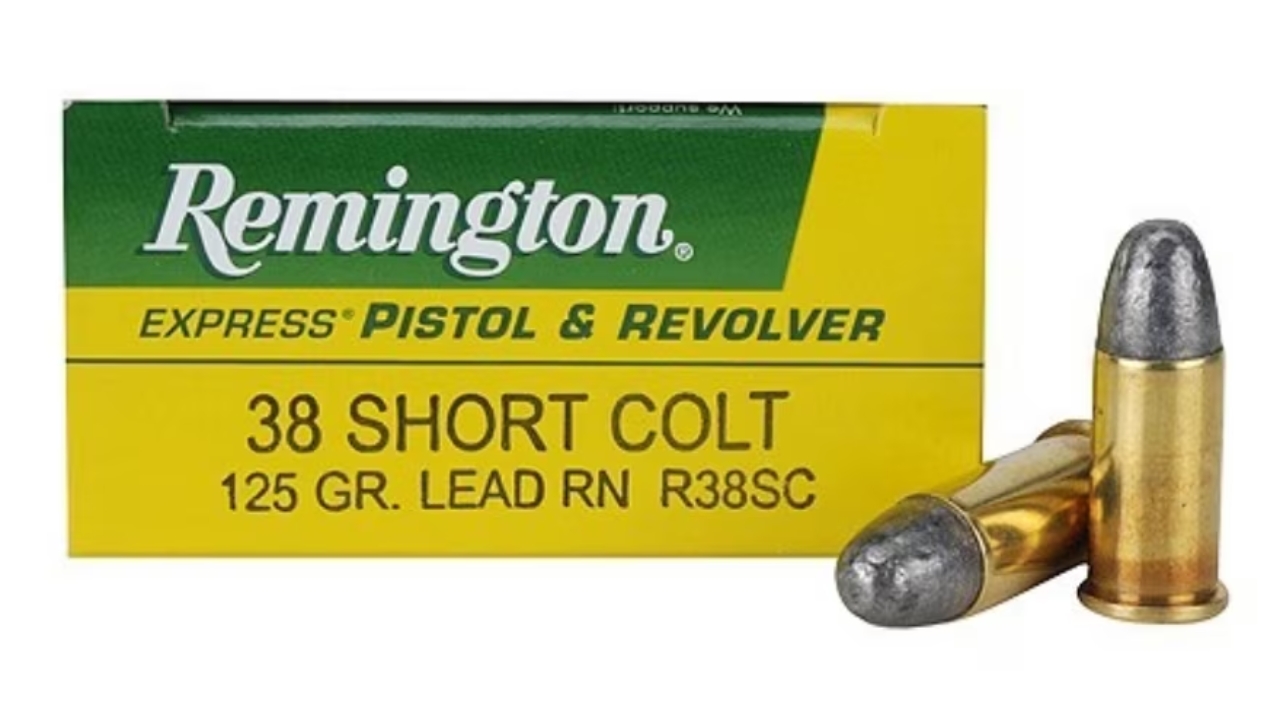
The .38 Short Colt has historical importance and remains useful in a few niche competition applications, but as a brand-new cartridge it would be a nearly impossible sell.
Its performance sits below .38 Special, while its shorter case offers little practical benefit in ordinary revolvers. Competitors sometimes use it because shorter cartridges can reload quickly in moon-clipped guns, but that is an extremely specialized reason for existence. A general handgun buyer would simply ask why they should buy a new revolver and new ammunition when .38 Special is everywhere and does the same job better. Without its historical lineage, the Short Colt would likely never survive a modern product meeting.
.32 S&W Long
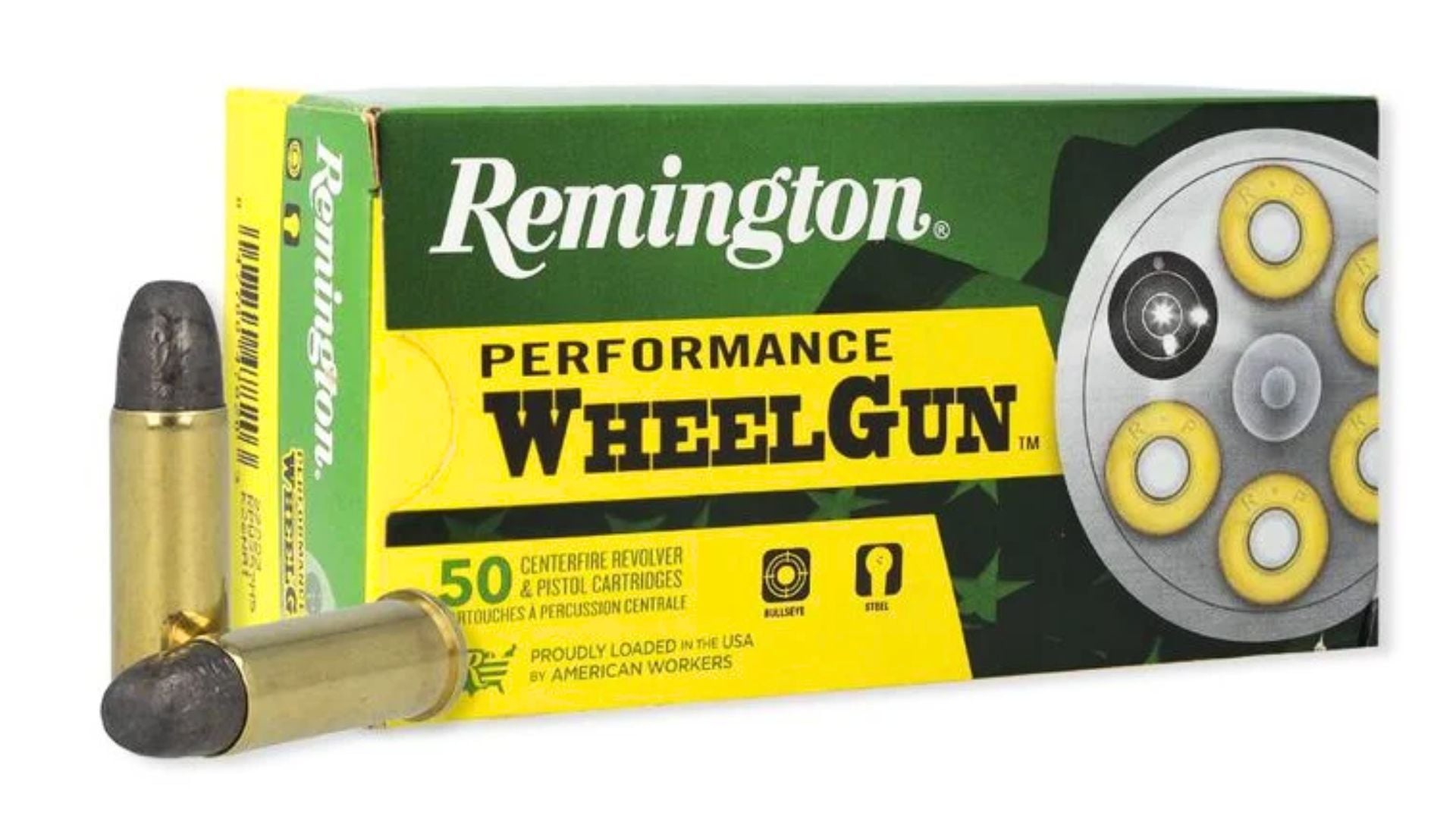
The .32 S&W Long is accurate, soft-shooting, and still respected in certain target disciplines. Those are legitimate strengths, especially in precision pistols where low recoil matters more than defensive power.
The challenge would be selling it outside that niche. If introduced today, it would face .22 LR for inexpensive target shooting and .327 Federal Magnum for shooters wanting a more capable .32-caliber revolver. Even .32 H&R Magnum would make a stronger general-purpose case. The Long survives because international competition, older revolvers, and dedicated enthusiasts continue to support it. With none of that history, it would probably be marketed almost exclusively as a target cartridge and struggle to move beyond that small audience.
.32 H&R Magnum

The .32 H&R Magnum was a sensible attempt to get more performance from small-frame revolvers without jumping all the way to .357 Magnum recoil. It offers mild shooting characteristics and useful performance for small game and defense.
If it appeared today, though, buyers would immediately ask why it was not simply loaded to .327 Federal Magnum dimensions and pressure. The .327 can fire .32 H&R ammunition, giving it a wider performance envelope with no need to maintain a separate weaker chambering. That would make the H&R look redundant from launch. Existing revolvers and loyal shooters keep it relevant, but as a new cartridge today it would likely be viewed as an intermediate step the market no longer needs.
.41 Magnum

The .41 Magnum has always suffered from living between two much more famous cartridges. It hits harder than .357 Magnum and recoils less than many .44 Magnum loads, which sounds ideal on paper.
The issue is that modern buyers generally want a clearer reason to switch calibers. Someone wanting a manageable revolver often chooses .357, while handgun hunters tend to move straight to .44 Magnum or larger. A brand-new .41-caliber cartridge would also require unique bullets, barrels, and ammunition manufacturing for a relatively narrow performance advantage. It would probably attract serious revolver enthusiasts, but mainstream adoption would be doubtful. Its historical reputation helps sustain it today. Without that history, the market would likely see it as an answer looking for a question.
.44 Special
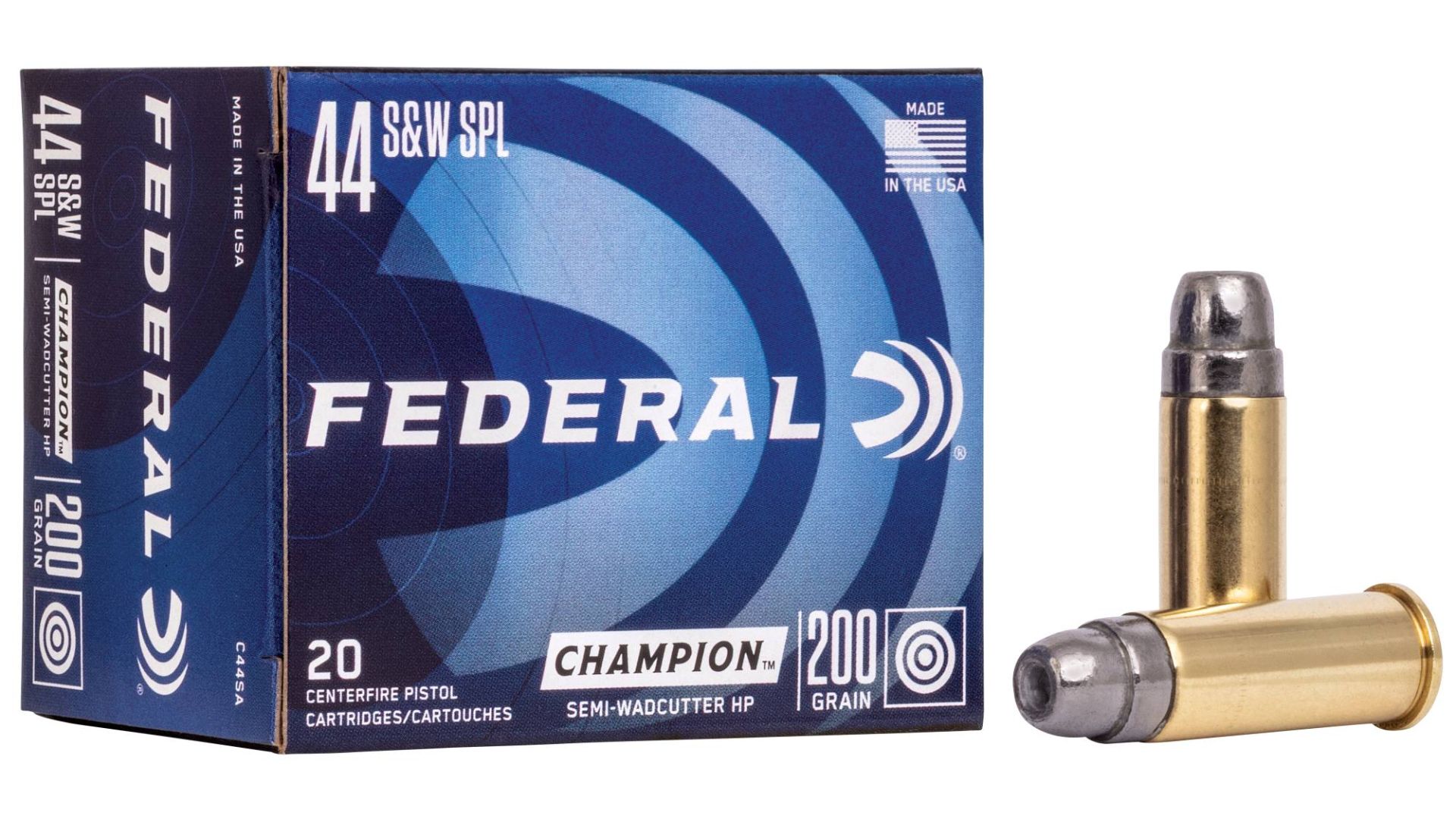
The .44 Special is one of the best examples of an old cartridge that works beautifully but would face an identity crisis if launched today. It is accurate, mild compared with .44 Magnum, and extremely pleasant in a full-size revolver.
The problem is that a .44 Magnum revolver already fires it. That compatibility means manufacturers would have little incentive to design guns specifically for the weaker cartridge unless they were targeting a very small concealment or nostalgia market. Modern buyers would probably ask for reduced-recoil .44 Magnum loads instead of adopting an entirely separate chambering. The .44 Special remains a great cartridge because decades of revolvers and handloading tradition support it. As a brand-new round with no history, it would be a hard sell.
.45 GAP
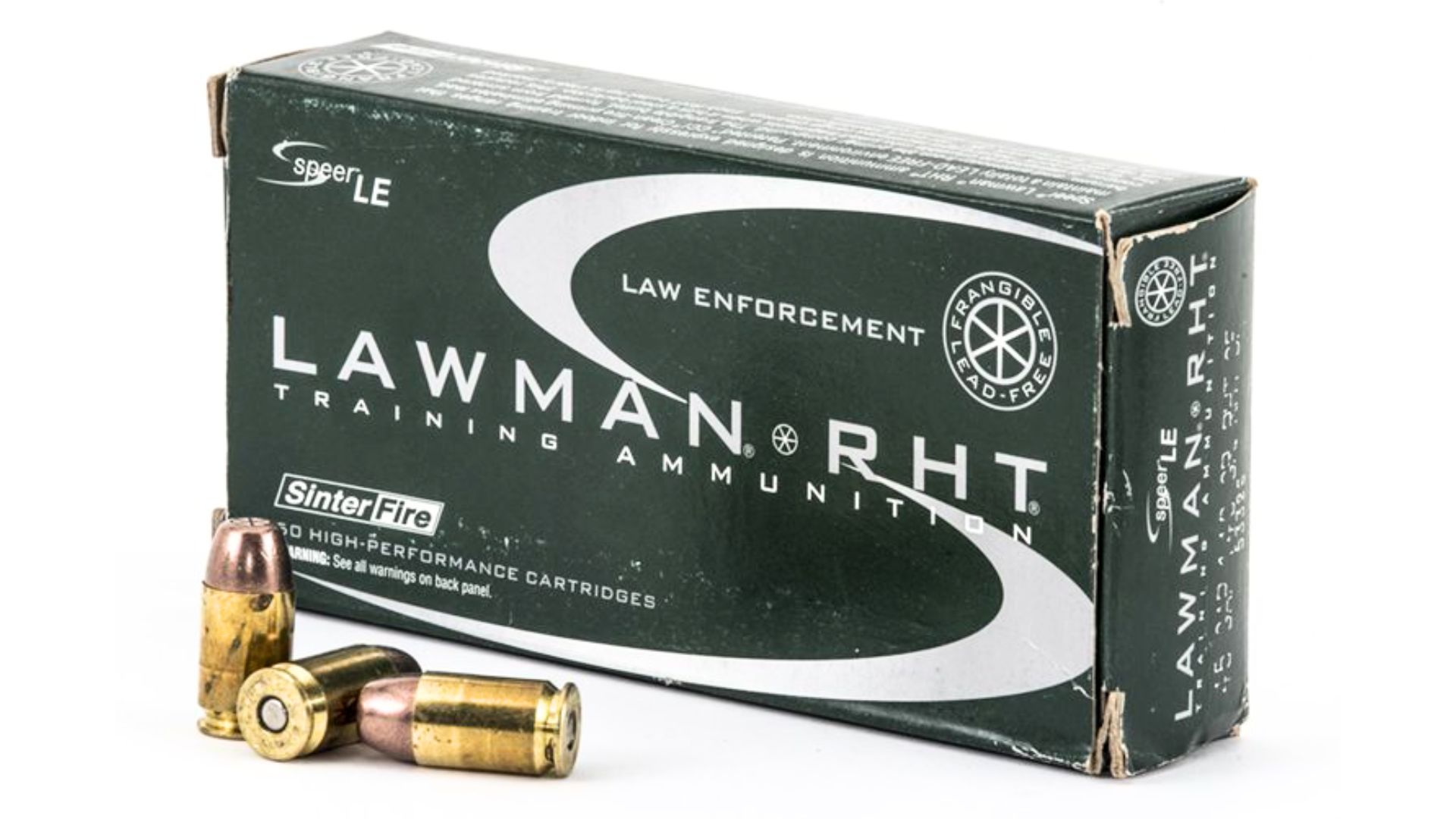
The .45 GAP already struggled even with major law-enforcement adoption behind it, which says a lot about how it would fare if introduced now. Its main selling point was fitting .45-caliber performance into a shorter cartridge and potentially smaller grip frame.
Modern pistol design has largely eliminated that advantage. Manufacturers now build very manageable .45 ACP pistols, while 9mm has become the dominant defensive choice due to capacity, recoil, and ammunition improvements. A new .45-caliber cartridge offering nearly the same performance as .45 ACP while using unique ammunition would be greeted with skepticism. The GAP was technically competent. It simply solved a problem that no longer feels important enough to justify an entire cartridge ecosystem.
.357 SIG

The .357 SIG has legitimate strengths, including high velocity, excellent feeding geometry, and strong barrier performance. Those traits helped it win law-enforcement contracts and gave it a serious reputation.
Launching it today would be much harder. Modern 9mm defensive ammunition has improved dramatically, and agencies have overwhelmingly prioritized capacity, recoil control, and training efficiency. A bottleneck pistol cartridge that costs more, reduces capacity in some platforms, and produces extra blast would face an uphill battle. Enthusiasts might appreciate its speed, but widespread agency adoption would be unlikely. Without that institutional support, the cartridge would probably remain a small premium niche rather than becoming a major service round.
.38 Super

The .38 Super still has a strong following in competition and among 1911 shooters because it combines high velocity with excellent magazine capacity in certain platforms.
A fresh launch today would face a crowded market. 9mm Major competition loads already cover much of the practical match niche, while 10mm provides significantly more power for hunters and outdoors use. For defensive carry, standard 9mm wins on price and availability. The .38 Super would likely find a dedicated competition audience, but convincing ordinary shooters to stock another pistol caliber would be difficult. Its long history and association with classic pistols are major parts of its current appeal.
9x18mm Makarov
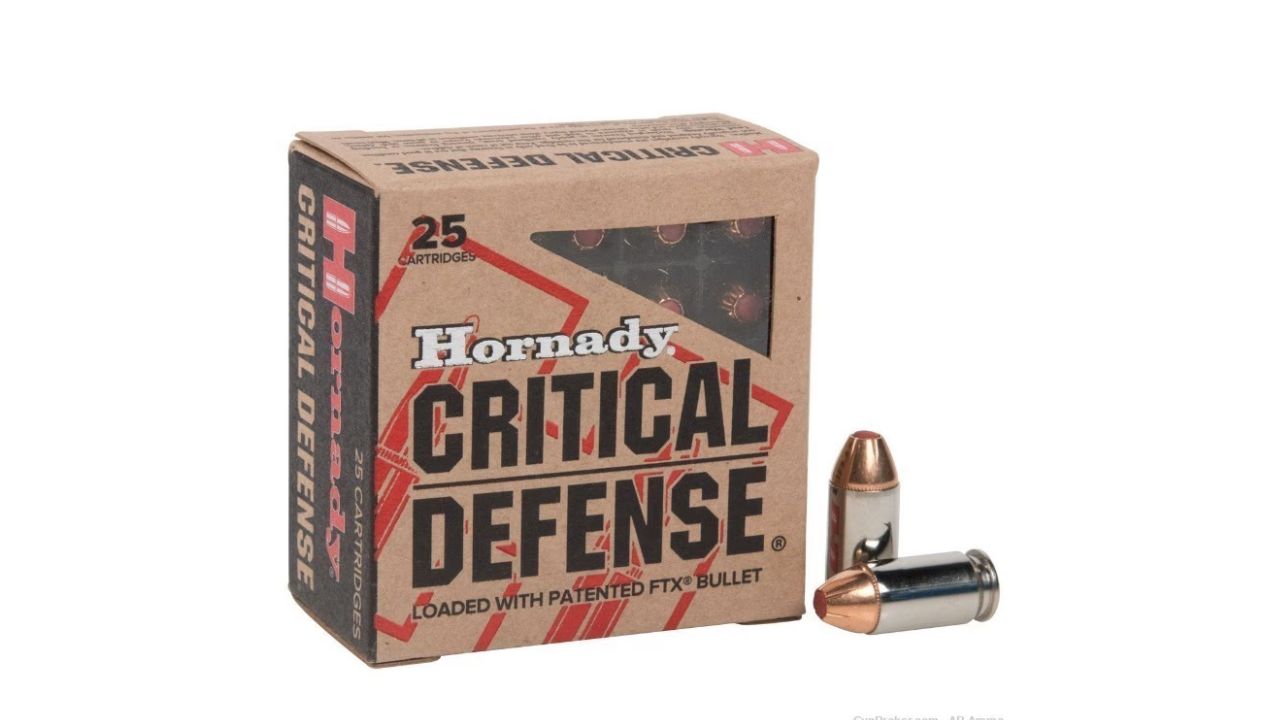
The 9×18 Makarov became widespread because entire military and police systems were built around it. That guaranteed pistols, ammunition, and decades of production.
Introduced today, its performance would be awkward to market. It sits between .380 ACP and 9mm Luger while requiring a different bullet diameter and dedicated chambering. That creates manufacturing complexity without giving buyers a dramatic advantage over either neighboring cartridge. A new pistol company would have little reason to choose it unless chasing deliberate novelty. The Makarov cartridge remains historically important and perfectly functional, but its original success was largely tied to government adoption rather than overwhelming commercial superiority.
7.62x25mm Tokarev

The Tokarev cartridge is fast, flat-shooting for a handgun round, and undeniably fun. Its speed gives it a personality very different from most traditional service cartridges.
That would not automatically translate into modern success. The narrow bullet limits common defensive bullet choices, the high velocity creates considerable blast, and the cartridge is long enough to complicate grip dimensions in some pistols. Modern buyers looking for speed already have lightweight 9mm loads, .357 SIG, and specialized cartridges such as 5.7x28mm. The Tokarev’s current appeal comes heavily from military surplus history. Without that connection, it might attract experimenters but would struggle to become a mainstream handgun option.
.30 Luger

The .30 Luger is historically fascinating because it helped lead into the 9mm Parabellum family, but its commercial argument today would be extremely weak.
A modern shooter would get less bullet diameter and generally less terminal performance than 9mm while paying more for ammunition and accepting a unique chambering. Recoil might be slightly reduced, but modern 9mm pistols are already easy to shoot. The cartridge would therefore need to compete mostly on novelty. That is rarely enough to sustain mass production. It survives because collectors want to shoot historically correct pistols. Without those guns, there would be little reason for the cartridge to exist in a modern catalog.
.455 Webley
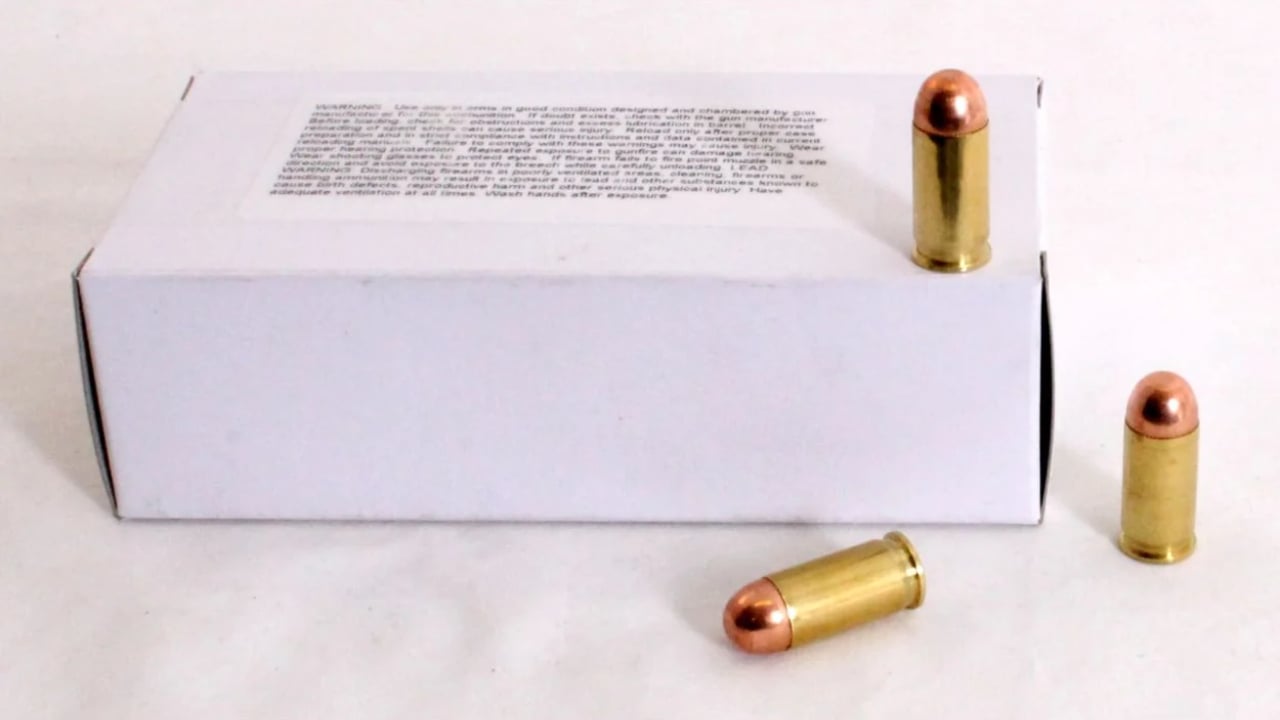
The .455 Webley was designed around large, slow bullets and relatively modest pressures, which made sense for early service revolvers and the metallurgy of the era.
A new cartridge with the same ballistics today would immediately be compared with .45 ACP, .45 Colt, and .44 Special. All three have broader support and more flexible performance. The Webley cartridge would offer almost nothing that those rounds cannot already do while requiring new revolvers and specialized ammunition. Historical importance is the reason people still care about it. If it showed up today with no military pedigree behind it, most shooters would probably dismiss it as an unnecessarily large cartridge delivering surprisingly modest energy.
.45 Auto Rim
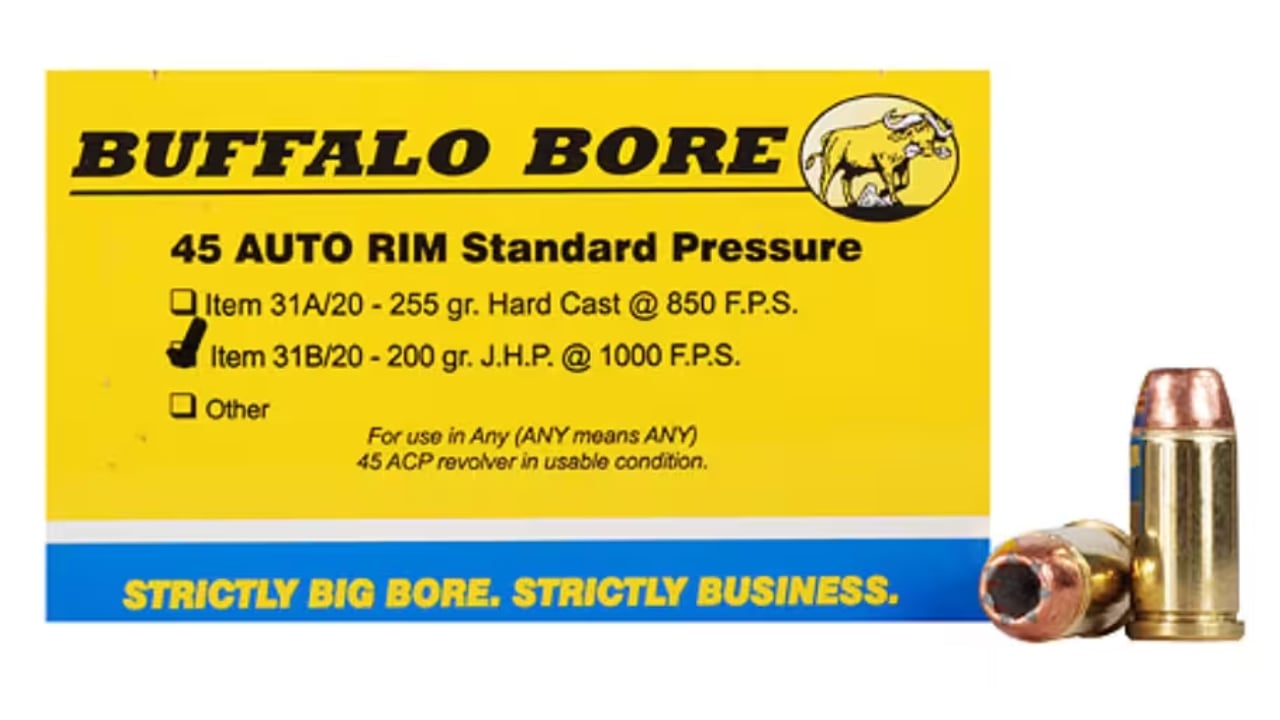
The .45 Auto Rim was created to solve a very specific problem: using .45 ACP revolvers without moon clips. Its thick rim allowed conventional extraction and made old service revolvers easier to operate.
That problem is far too narrow to support a modern cartridge launch. Moon clips are widely available, inexpensive, and familiar to revolver shooters. Manufacturers could also simply chamber a revolver in .45 Colt if they wanted a rimmed .45-caliber cartridge. The Auto Rim remains useful for existing guns, but without those historical revolvers there would be almost no reason to invent it today. It is a clever solution tied closely to a specific moment in handgun history.
.44 Russian

The .44 Russian played a major role in handgun development and helped influence later cartridges such as .44 Special and .44 Magnum. Its accuracy reputation was excellent in its era.
As a new cartridge now, however, it would be buried under more flexible descendants. A .44 Magnum revolver can already fire .44 Special, giving shooters access to mild loads without introducing an even shorter cartridge. The Russian’s lower power and limited modern application would make it extremely difficult to market beyond historical competition. It survives because enthusiasts appreciate its lineage. Without that heritage, there would be almost no commercial reason to create it.
.38 ACP
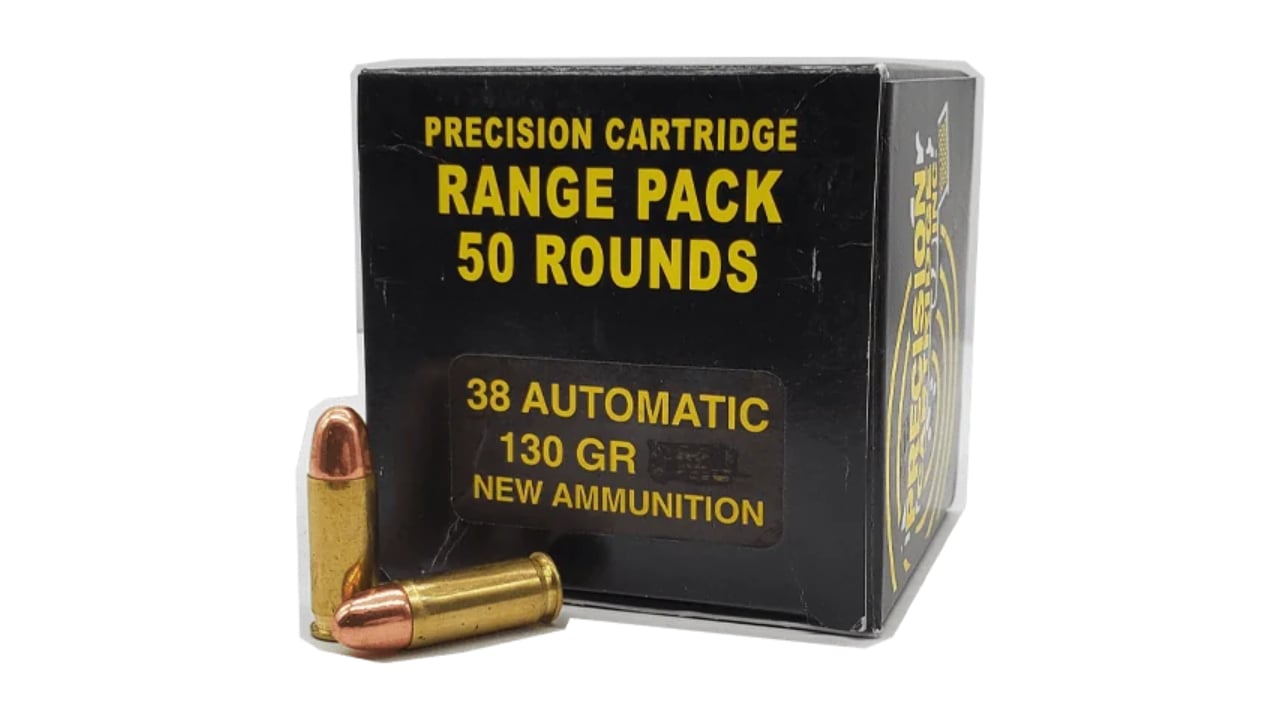
The .38 ACP has historical value but would be a confusing product today. Its dimensions are closely related to .38 Super, yet its pressure and performance are lower.
That creates exactly the kind of situation modern manufacturers try to avoid. Two cartridges that look nearly identical but operate at significantly different pressure levels introduce safety concerns and customer confusion. If a company wanted .38 Super performance, it would simply use .38 Super. If it wanted less recoil, 9mm already solves that problem with better availability. The .38 ACP exists because it came first. If history were reversed and someone proposed it now, there is almost no chance the market would accept it.
.380 ACP
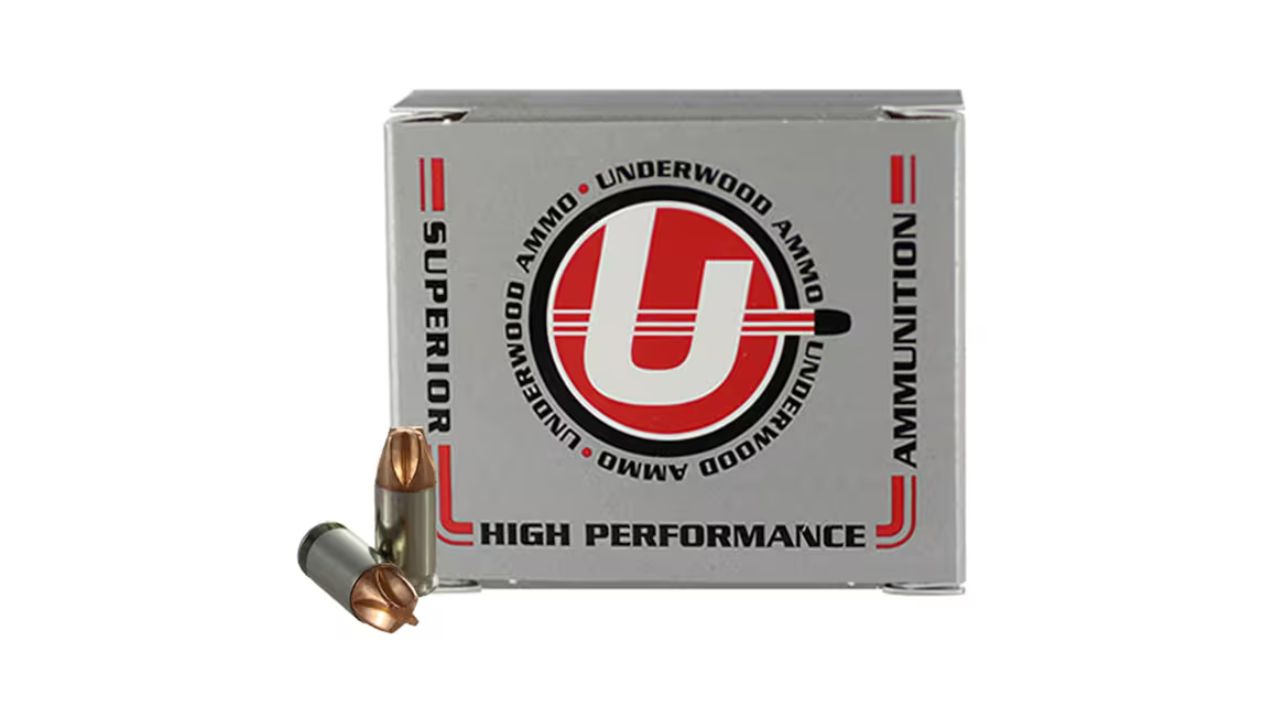
The .380 ACP is hugely popular today, so saying it would struggle sounds strange. The key is imagining it without more than a century of established pistols and ammunition behind it.
If a manufacturer introduced a new cartridge today that offered noticeably less power than 9mm while using many of the same basic pistol dimensions, buyers would demand a major advantage in gun size. Modern micro 9mms have reduced that advantage considerably. .380 still makes sense in genuinely tiny or extremely soft-shooting pistols, but its case would be much harder to establish from scratch now. The cartridge benefits enormously from an existing market, huge ammunition support, and decades of pocket-pistol development. Without those advantages, getting shooters to adopt another lower-powered centerfire would be difficult.
.40 S&W
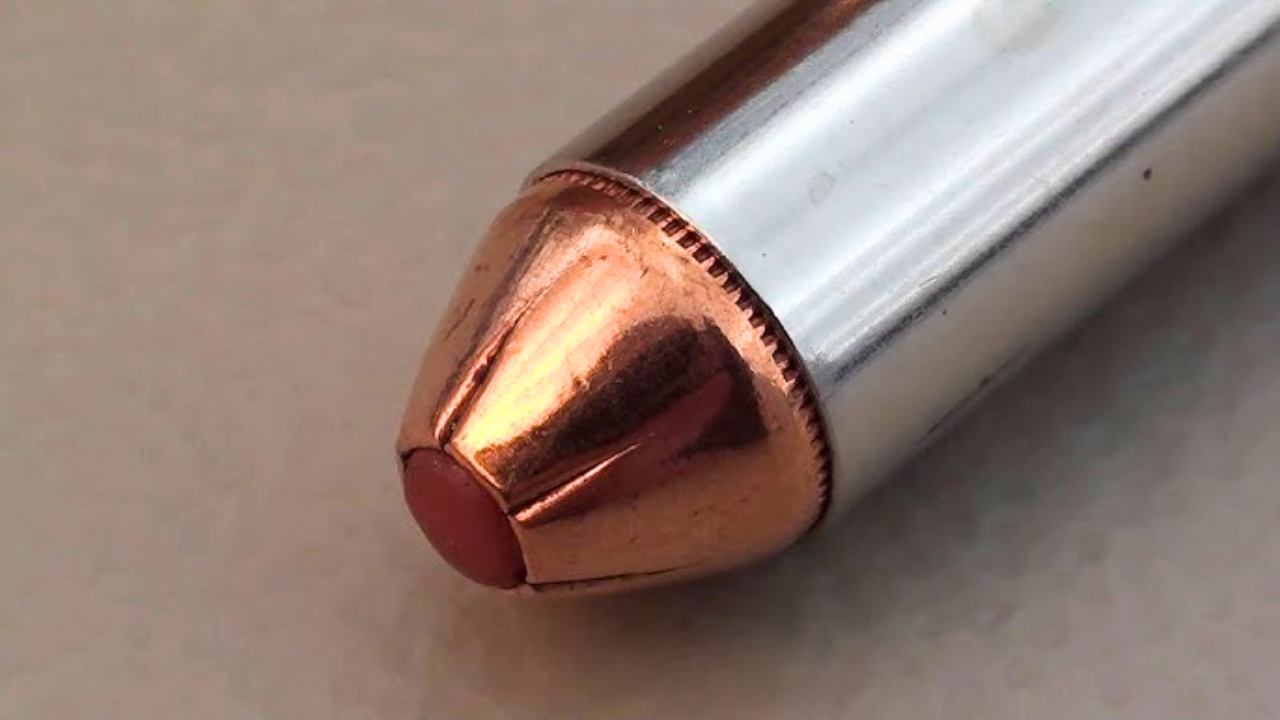
The .40 S&W once looked like the perfect compromise between 9mm capacity and .45 ACP bullet size. Law enforcement adoption turned it into one of America’s dominant service calibers for decades.
If somebody proposed it today, the reception would probably be far colder. Modern 9mm ammunition performs extremely well while offering more capacity, less recoil, lower cost, and reduced wear on firearms. Meanwhile, 10mm gives buyers a much clearer performance jump if they actually want more power. That leaves .40 caught awkwardly in the middle. Existing pistols and enormous historical production will keep it alive for years, but launching the same idea fresh in today’s market would be much harder. The compromise that once made it attractive is now the exact reason buyers might pass on it.
Like The Avid Outdoorsman’s content? Subscribe to our newsletter so you never miss an article.
Here’s more from us: