Photo credit: THE PEWPEW ZONE/YouTube
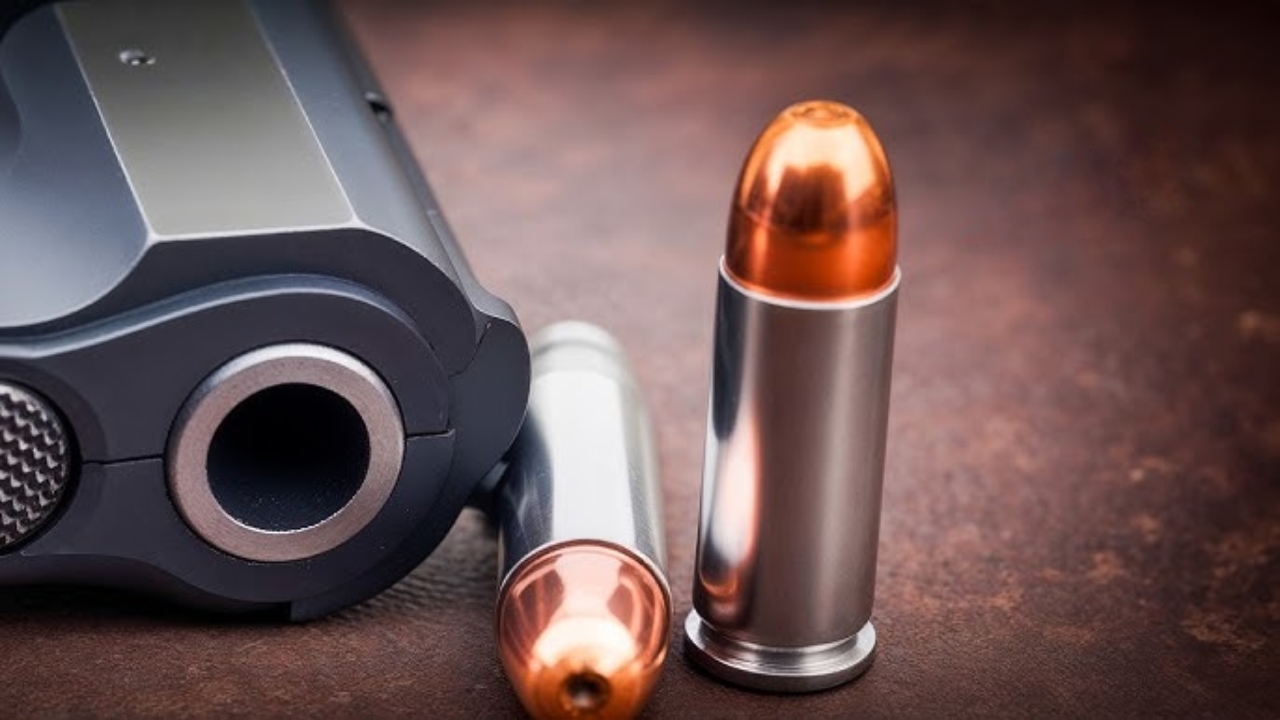
Walk into a well-stocked gun store and you can usually count on seeing stacks of 9mm, .45 ACP, .380 ACP, .38 Special, and maybe a decent selection of 10mm and .357 Magnum. Look for some of the cartridges that were common 20 or 30 years ago, though, and the situation changes quickly. A caliber does not have to be officially discontinued to become inconvenient. It only takes fewer new guns, fewer factory loads, and slower sales for retailers to stop dedicating valuable shelf space to it.
That is what is happening to several handgun rounds right now. Some remain easy enough to order online, and dedicated enthusiasts can keep almost anything alive through handloading. The difference is that you can no longer assume the local sporting-goods store will have a box waiting. These 20 calibers have not necessarily vanished, but their presence in ordinary retail stores is getting thinner, more sporadic, and increasingly dependent on specialty manufacturers.
.357 SIG

There was a period when .357 SIG looked like it might become one of America’s major defensive cartridges. State police agencies adopted it, SIG Sauer and Glock offered multiple pistols for it, and ammunition companies produced everything from inexpensive practice loads to premium defensive ammunition. Its ability to drive relatively light bullets at high velocity gave it a reputation for strong barrier performance and dependable expansion.
The law-enforcement market eventually moved back toward 9mm, and civilian demand followed. Once agencies stopped buying huge quantities of .357 SIG, manufacturers had much less incentive to dedicate production capacity to it. New factory pistols have also become uncommon. You can still find ammunition, especially online, but the selection at ordinary gun stores is noticeably thinner than it was. Current online inventories show only a small fraction of the variety available in mainstream service calibers. The cartridge still performs. The ecosystem around it is what keeps shrinking.
.45 GAP

The .45 GAP once had something few new cartridges ever receive: serious law-enforcement adoption and the support of one of the world’s biggest pistol manufacturers. Glock developed pistols around the cartridge, and several agencies adopted it because it offered .45-caliber performance in a shorter cartridge that could fit smaller grip dimensions than traditional .45 ACP designs.
Modern pistol design made that advantage much less important. Manufacturers figured out how to build manageable .45 ACP pistols, while 9mm ammunition improved enough that law enforcement overwhelmingly moved in the opposite direction. Once the agency contracts disappeared, .45 GAP lost the volume that had kept ammunition flowing into normal stores. Specialty production still keeps the caliber alive, and owners of Glock 37, 38, and 39 pistols can still feed them. Finding ammunition casually on a Saturday afternoon is another matter. It has become a cartridge you plan around rather than one you assume will be on the shelf.
.41 Remington Magnum
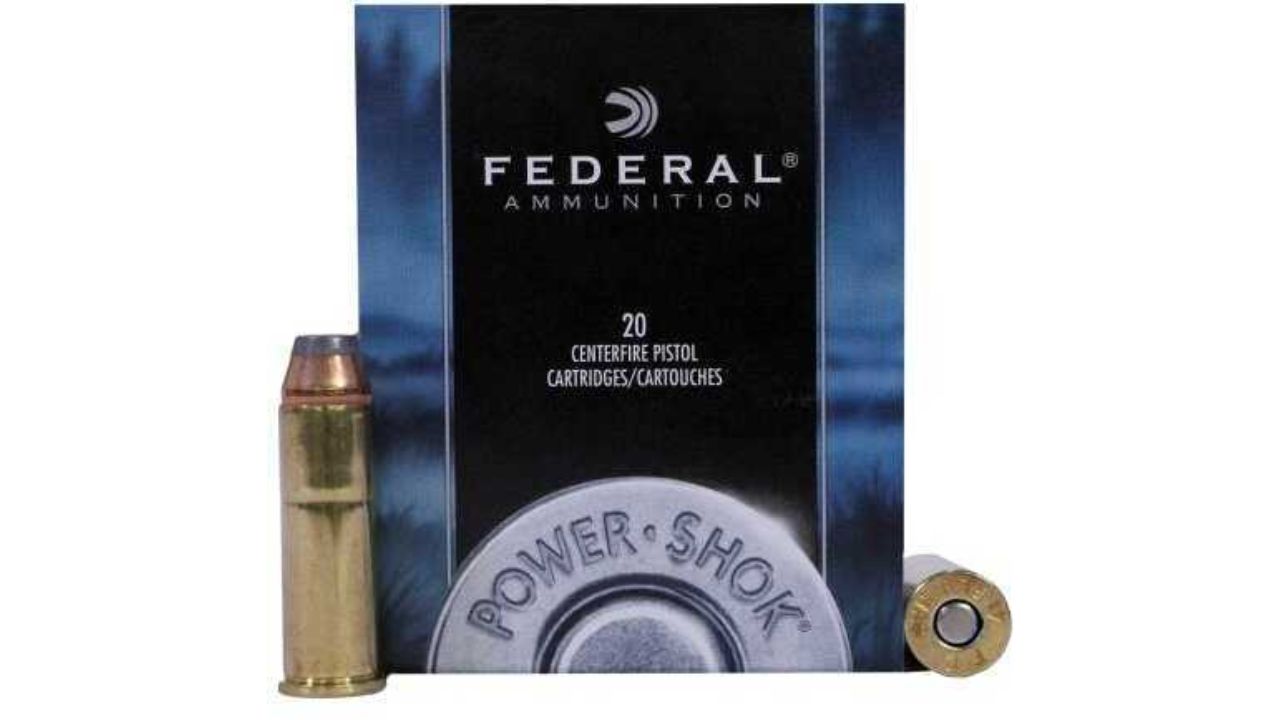
The .41 Magnum was supposed to split the difference between .357 Magnum and .44 Magnum. It offered heavy bullets, excellent penetration, and enough power for hunting while producing somewhat less recoil than the biggest traditional magnum revolvers. On paper, there was a legitimate place for it.
The market never embraced it at the same level as either cartridge surrounding it. .357 Magnum was easier to shoot and more versatile, while .44 Magnum had stronger name recognition among hunters and handgun enthusiasts. The .41 developed a loyal following, but loyal is not the same thing as large. New revolvers appear only occasionally, and factory ammunition tends to come from a relatively small group of manufacturers. Current ammunition inventories show dramatically fewer .41 Magnum choices than .357 or .44 Magnum. It is still an excellent revolver cartridge, but local stores increasingly treat it like specialty ammunition rather than something that earns permanent shelf space.
.327 Federal Magnum
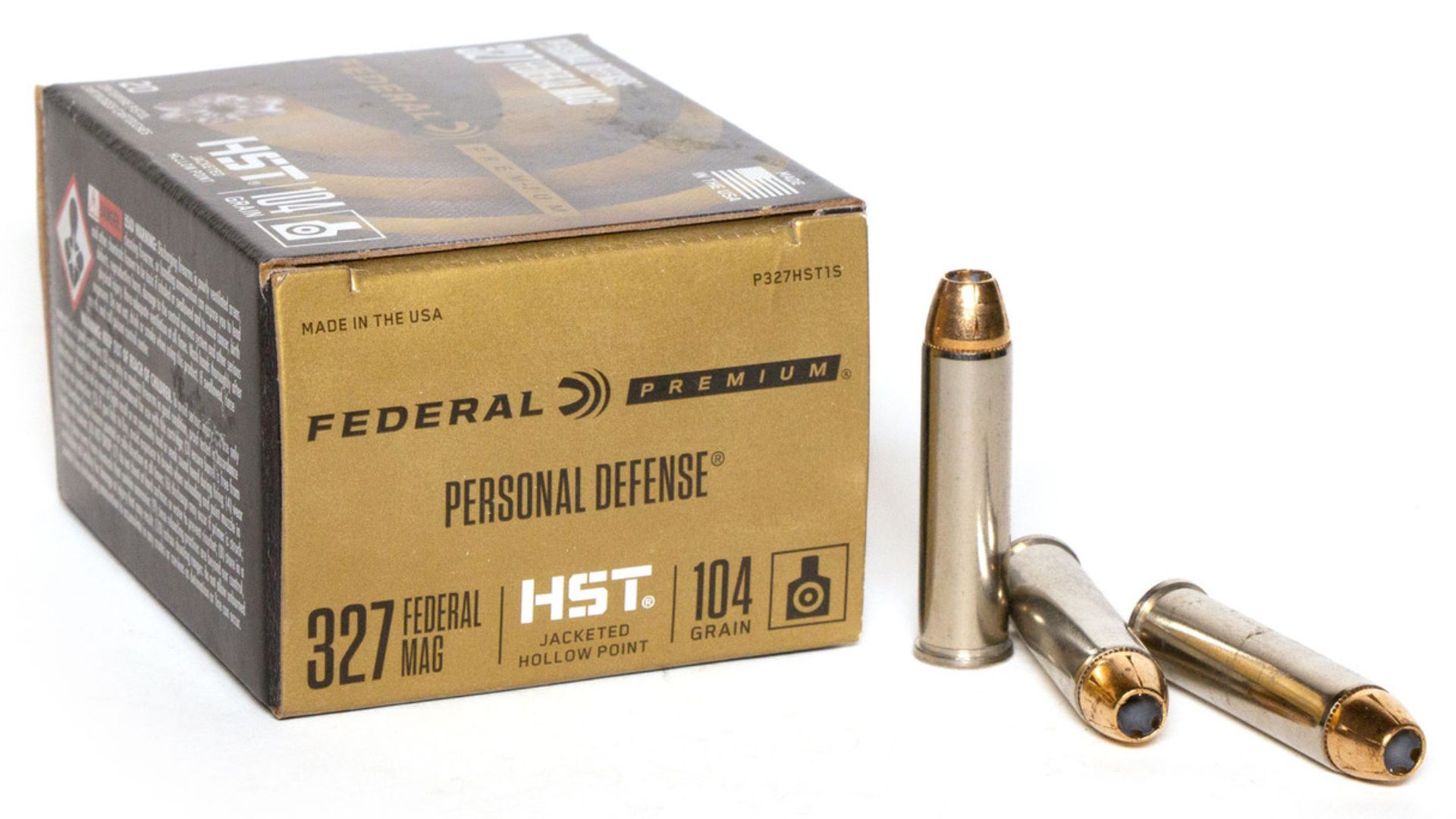
The .327 Federal Magnum solved a real problem. It gave small-frame revolvers considerably more power than .32 H&R Magnum while allowing one additional round in many cylinders compared with .357 Magnum. It also had the advantage of firing several shorter .32-caliber cartridges, making a .327 revolver unusually versatile.
That versatility has not translated into mainstream sales. Ruger has remained one of the cartridge’s strongest supporters, and Federal continues to keep it alive, but relatively few handgun manufacturers build large numbers of .327 revolvers. Without a broad installed base of firearms, stores have little reason to stock much ammunition. Online inventory remains available, but the number of loads is tiny compared with mainstream revolver cartridges. The .327 deserves more popularity than it has received because the performance is genuinely useful. Unless another major wave of new revolvers appears, though, it is likely to remain a cartridge enthusiasts order rather than one casual buyers regularly see at local shops.
.32 H&R Magnum

The .32 H&R Magnum was an intelligent improvement over older .32 revolver cartridges. It offered mild recoil, more velocity, and useful small-game or defensive performance without making lightweight revolvers unpleasant to shoot. It also gained a following among handloaders who discovered the little cartridge was capable of more than factory ammunition sometimes suggested.
The arrival of .327 Federal Magnum created an awkward situation. A .327 revolver can usually fire .32 H&R Magnum, but the reverse is not true, so manufacturers had a strong incentive to build new guns around the more powerful cartridge. That left the .32 H&R mostly supported by existing revolvers and a relatively small group of enthusiasts. Factory loads still appear, but you cannot count on finding them locally. The cartridge has not stopped being useful. It simply lost its position as the modern .32 revolver round, and once that happened, its share of gun-store shelves began shrinking.
.44 Special

The .44 Special is nowhere near dead, but it has become much easier to find a box of .44 Magnum than a good selection of dedicated .44 Special ammunition. That is slightly ironic because the Special is an extremely pleasant cartridge in a full-size revolver. It produces mild recoil, excellent accuracy, and plenty of performance for target shooting and defensive use.
Its biggest problem is compatibility with .44 Magnum. Because Magnum revolvers can fire .44 Special, many buyers simply purchase a .44 Magnum revolver and then use whichever ammunition they can find. Manufacturers know the larger cartridge serves both hunters and recreational shooters, so .44 Magnum receives more attention. Dedicated .44 Special revolvers still appear, but they are not high-volume products. The round survives strongly among handloaders and revolver enthusiasts, yet its normal retail presence has gradually declined. When stores have only enough room for a few .44-caliber options, Magnum ammunition almost always gets the space.
.32 ACP

The .32 ACP once powered an enormous number of pocket pistols and European police handguns. Walther, Beretta, Colt, FN, and many others chambered pistols for it, and carrying a compact .32 was completely normal for much of the 20th century.
The modern micro-pistol market nearly erased its size advantage. Manufacturers now build .380 ACP and 9mm pistols that are remarkably small, giving buyers more powerful cartridges without accepting substantially larger dimensions. That has reduced demand for new .32 ACP pistols and, consequently, ammunition. The cartridge is still far from extinct because millions of older handguns remain in circulation and a handful of newer pistols continue to support it. Even so, current inventories show dramatically fewer .32 ACP loads than the major defensive calibers. In many stores you may find one lonely box, if any, rather than several brands and bullet weights. It is becoming a legacy caliber that remains practical mainly because so many good old pistols still use it.
.25 ACP

The .25 ACP has been hit even harder by the evolution of tiny defensive pistols. It once made sense because a very small centerfire semiautomatic could be easier to manufacture reliably than a similarly tiny rimfire, and guns such as the Baby Browning and countless inexpensive pocket pistols gave the cartridge a huge installed base.
Today, buyers can get a lightweight .380 or micro 9mm that offers vastly more terminal performance without becoming dramatically larger. Very few serious manufacturers are introducing new .25 ACP handguns, so ammunition demand increasingly comes from people shooting older pistols. Factory ammunition still exists, but the variety is narrow and pricing can seem ridiculous compared with 9mm. Current online listings show only a handful of .25 ACP choices relative to mainstream cartridges. The guns are not going anywhere, especially as collectibles, but the caliber’s days as something every gun shop routinely carries seem to be fading.
.38 Super

The .38 Super is still very much alive in competition circles and among shooters who appreciate high-performance 1911-style pistols. It can drive bullets faster than standard 9mm while maintaining excellent capacity in appropriate magazines, and it has a long history in countries where civilian ownership of military calibers was restricted.
What it no longer has is broad American retail demand. 9mm has become extraordinarily capable and inexpensive, while 10mm serves shooters wanting a major jump in semiautomatic handgun power. That leaves .38 Super in a specialized space dominated by competition shooters, collectors, and dedicated 1911 enthusiasts. Stores located near those customers may keep several loads in stock. Plenty of others carry none. Ammunition manufacturers continue producing it, so extinction is unlikely, but the cartridge is becoming something buyers increasingly order by the case rather than casually pick up beside 9mm and .45 ACP at the local sporting-goods counter.
.38 S&W
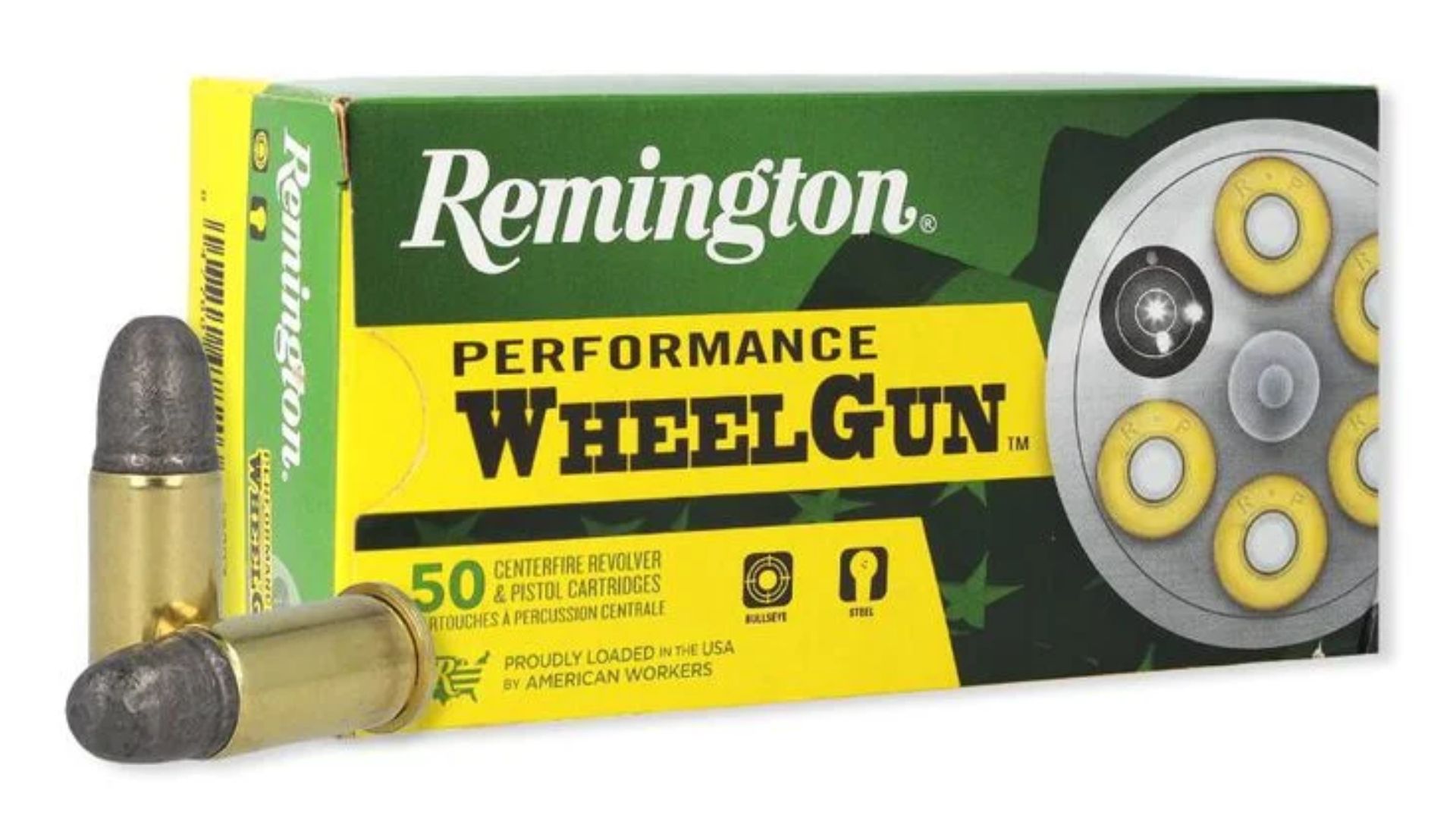
The .38 S&W was once an extremely common revolver cartridge and served in military, police, and civilian handguns around the world. Millions of revolvers were chambered for it, including British service guns and countless compact defensive revolvers.
Those firearms still exist, but virtually nobody is building a major modern handgun line around the cartridge. .38 Special does everything most current shooters would want from .38 S&W while offering better performance, vastly broader ammunition selection, and endless revolver choices. As a result, modern production exists primarily to keep older guns shootable. Some large ammunition companies still make periodic runs, and specialty manufacturers help fill the gaps, but stores have little incentive to reserve shelf space for it. A collector who owns an old Webley, Smith & Wesson, or Enfield revolver can still shoot it. They just increasingly need to buy ammunition whenever they see it rather than assuming another box will be easy to find next month.
.32 S&W Long
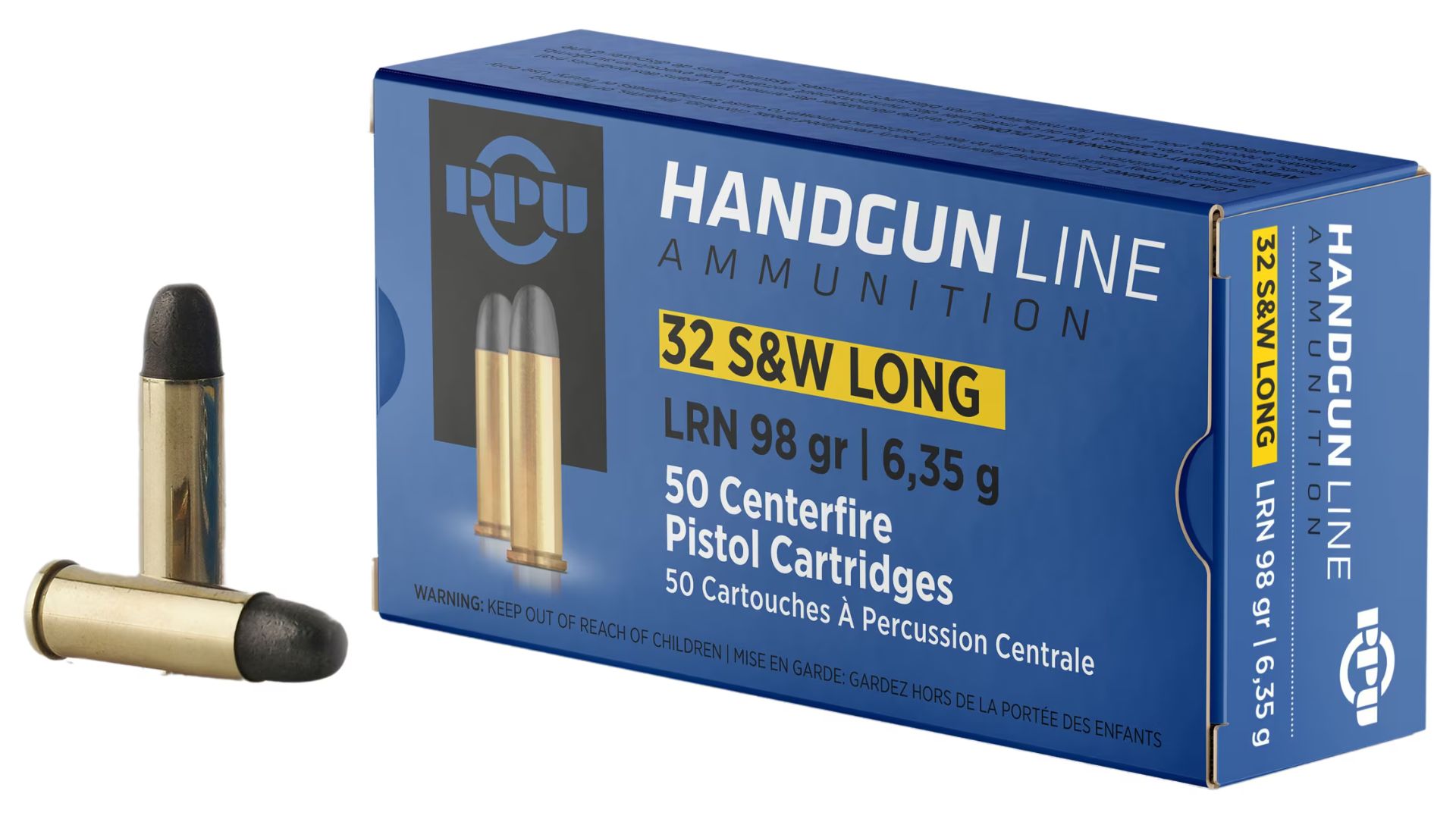
The .32 S&W Long occupies an unusual position because it remains popular in some international target-shooting disciplines while being almost invisible to the average American handgun buyer. It is extremely mild, generally accurate, and pleasant in revolvers and specialized target pistols.
That niche competition use is probably what prevents the cartridge from disappearing entirely. Outside those circles, however, new handgun support is limited. .327 Federal Magnum revolvers can often fire it, but owners usually buy those guns because they want .327 performance rather than because they are searching for .32 S&W Long. Retailers therefore see relatively little demand compared with .38 Special or .22 LR. The cartridge is still useful for target shooting and small-game work, particularly for recoil-sensitive shooters, yet it has become uncommon enough that many younger shooters have never encountered a box. Its future looks increasingly tied to specialty competition and legacy revolvers rather than ordinary gun-store traffic.
7.62x25mm Tokarev
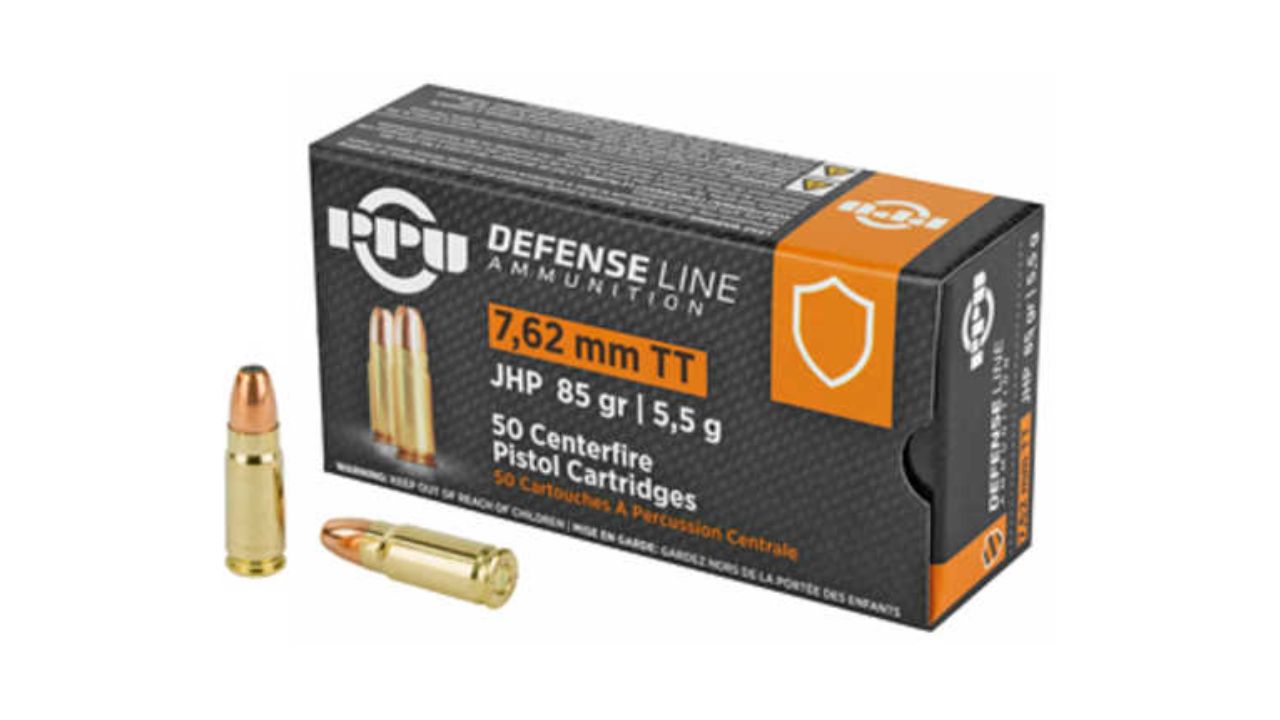
The 7.62 Tokarev was once extremely easy for American shooters to enjoy because surplus pistols and cheap surplus ammunition entered the country in large quantities. The cartridge is fast, flat-shooting by handgun standards, and genuinely entertaining from pistols such as the TT-33 and CZ 52.
The surplus era is largely gone. Cheap military ammunition dried up, fewer pistols are being imported, and modern commercial loads cost enough to eliminate much of the cartridge’s old appeal. Factories still produce ammunition, but it is increasingly a specialty item purchased by owners of historical handguns rather than a cartridge with any meaningful new-gun market. That distinction matters to retailers. A gun shop can sell 9mm every day, while a case of Tokarev ammunition may sit for months. The round remains interesting and capable, but its retail future depends almost entirely on keeping decades-old surplus pistols fed.
9x18mm Makarov
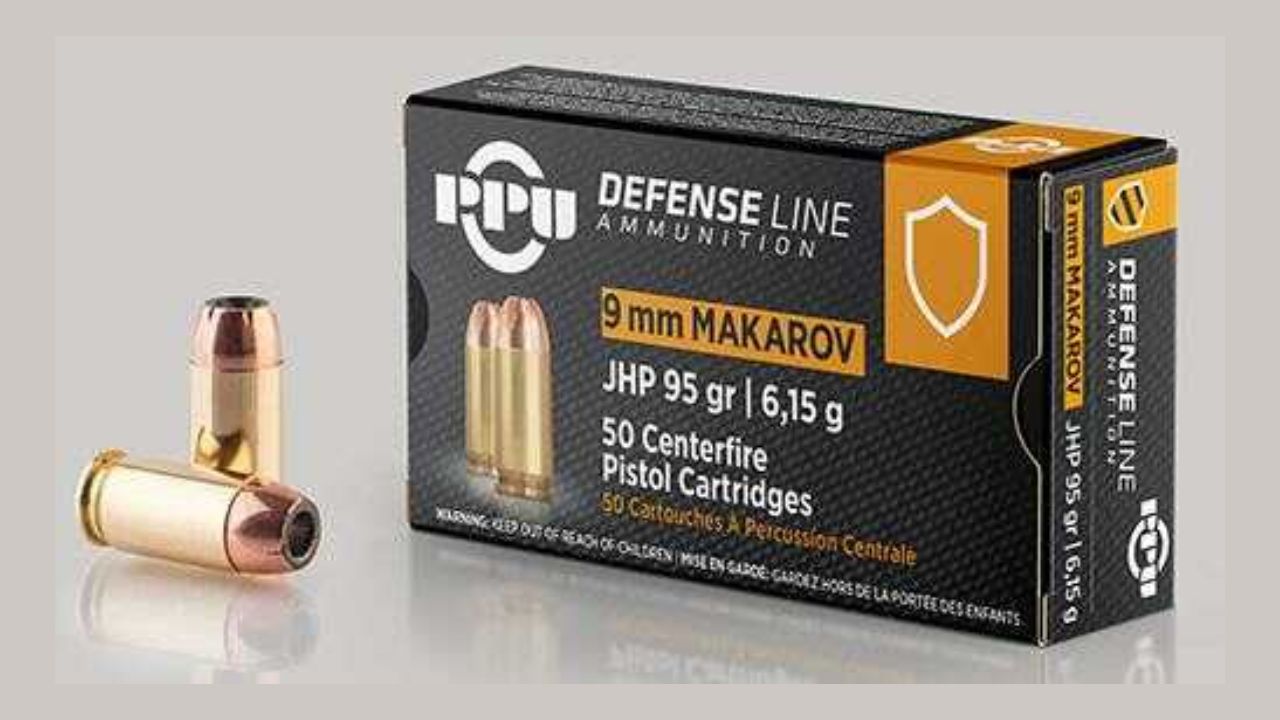
The 9×18 Makarov followed a similar path. Cheap Makarov, P-64, CZ 82, and other Eastern European pistols once made the cartridge extremely popular with budget-minded shooters. Ammunition was inexpensive enough that owning one as a range pistol made tremendous sense.
As surplus guns became more collectible and ammunition prices climbed, the economic argument weakened. There are almost no major new handgun designs chambered for 9×18, which means the caliber depends heavily on an existing population of Cold War-era pistols. Imported and domestic ammunition can still be found, particularly online, but many local stores no longer bother with it. The cartridge has enough historical importance that it will probably remain available for a long time. That does not mean it will remain visible. It is slowly becoming another round that owners buy deliberately rather than expect to find between .380 ACP and 9mm on an ordinary retail shelf.
.45 Auto Rim
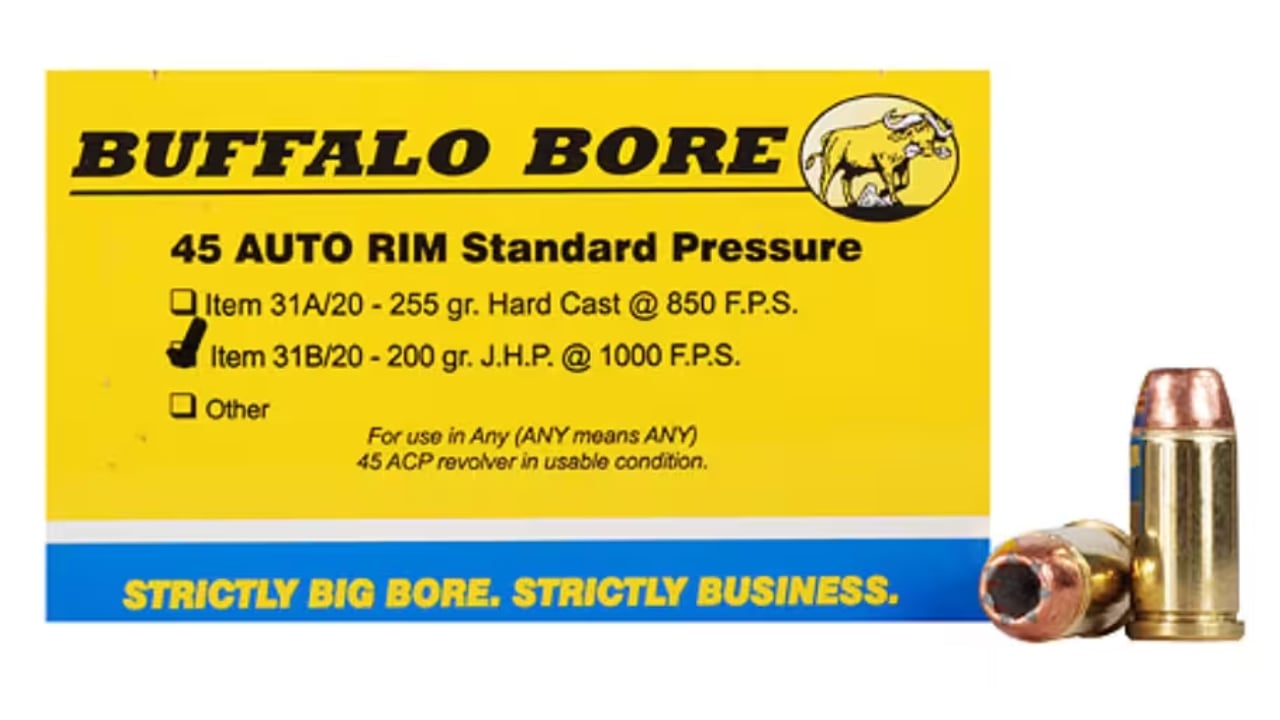
The .45 Auto Rim exists because revolver shooters needed an easier way to use .45-caliber ammunition in guns originally designed around .45 ACP and moon clips. Its thick rim allows extraction without clips, turning old Model 1917-style revolvers and certain modern guns into more conventional revolvers.
That is a clever solution to a very narrow problem. Modern moon clips are widely available, .45 ACP ammunition is common, and relatively few new revolvers are designed with .45 Auto Rim as an important selling point. Consequently, ammunition production tends to be limited and sporadic. Enthusiasts who own suitable Smith & Wesson or Colt revolvers appreciate it, but ordinary stores rarely see enough demand to justify stocking multiple loads. The cartridge will probably survive because specialty ammunition companies can produce it economically in smaller batches. Its days of being something you might stumble across routinely in a well-stocked handgun aisle are another matter entirely.
.454 Casull
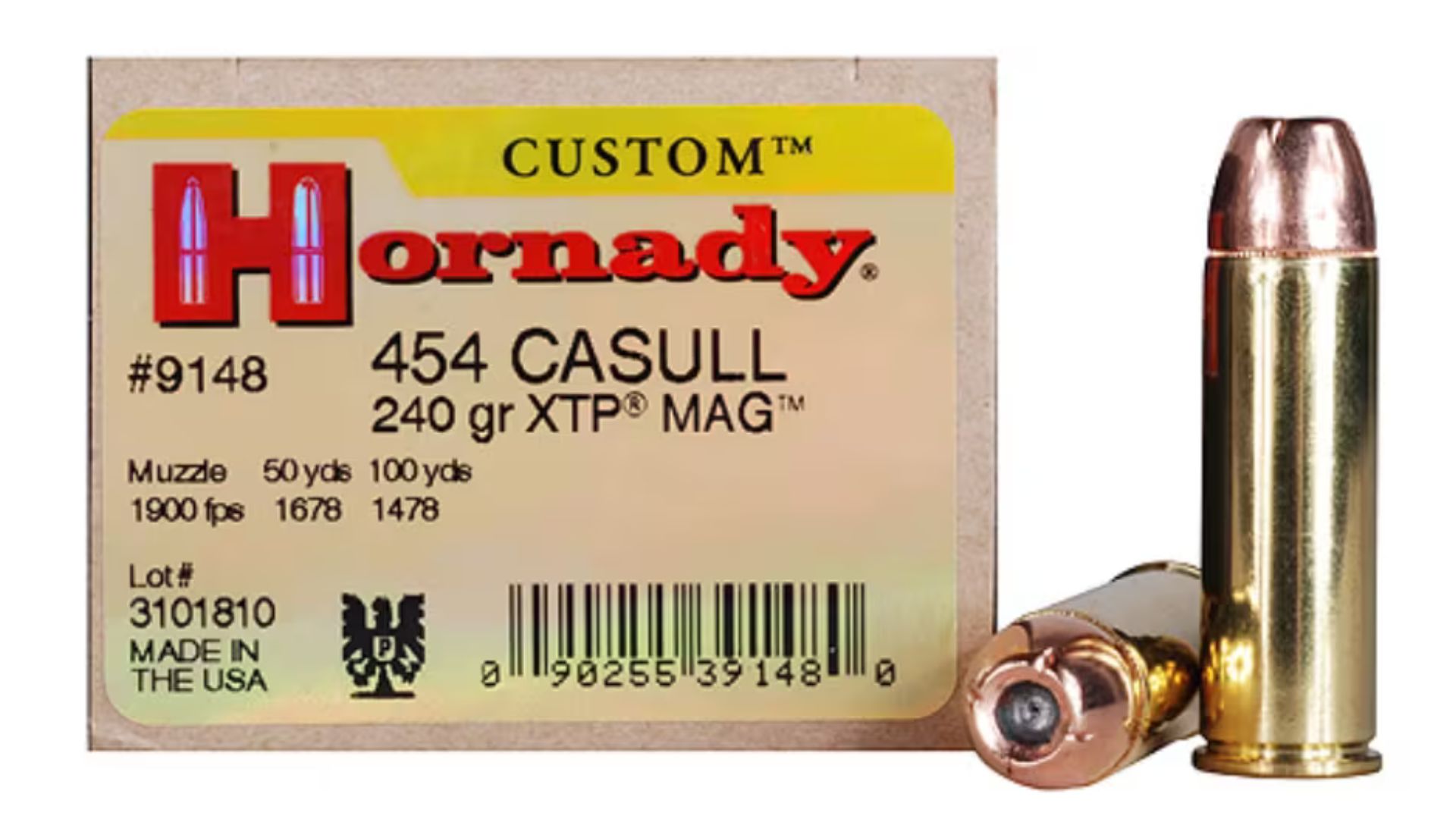
The .454 Casull is not obsolete, and it remains one of the most capable hunting revolver cartridges available. A heavy bullet at high velocity gives it enough authority for large game, while revolvers chambered for it can generally fire .45 Colt for lighter practice.
The issue is volume. Handgun hunting is already a relatively small part of the market, and shooters wanting extreme revolver power now have .460 S&W Magnum, .500 S&W Magnum, and several specialized alternatives competing for attention. Current inventories still show .454 ammunition, but the number of choices is tiny beside ordinary revolver cartridges. In many local shops it appears only when somebody specifically orders it or during hunting season. The cartridge is powerful enough to survive, particularly because Ruger, Freedom Arms, and others established such a strong reputation around it. Its shelf presence, however, increasingly resembles a specialty hunting cartridge rather than a standard handgun caliber.
.480 Ruger

The .480 Ruger was designed to give handgun hunters a very heavy, large-diameter bullet without the extreme pressures and recoil associated with some of the biggest magnum revolver cartridges. In the right revolver, it offers serious penetration and power with a somewhat more manageable shooting experience.
That sensible approach never translated into mass popularity. New revolvers chambered for .480 appear occasionally, but the cartridge has always lived in the shadow of .44 Magnum, .454 Casull, and the enormous Smith & Wesson magnums. Limited firearm sales naturally mean limited ammunition demand. A dedicated handgun hunter can still keep a .480 supplied, particularly through specialty ammunition companies or handloading, but it is rare to see broad factory selection locally. The cartridge may actually be better balanced than some of its more famous competitors, yet the market tends to reward name recognition and existing gun populations. The .480 has neither in large enough numbers to guarantee shelf space.
.30 Luger
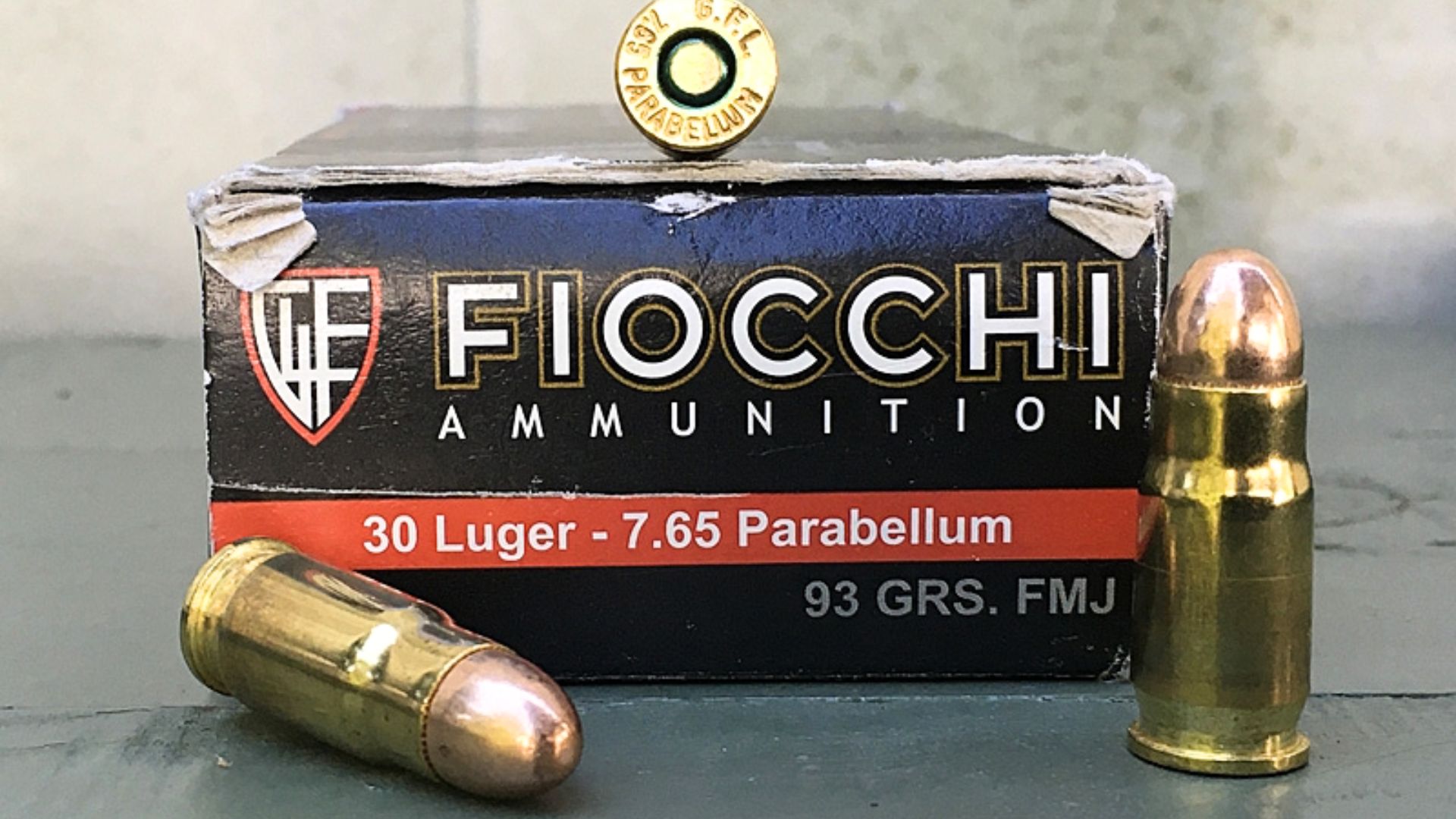
The .30 Luger was once a legitimate military and commercial pistol cartridge, particularly in Europe. It powered early Lugers and appeared in several other quality handguns, giving shooters a smaller-bore alternative to the 9mm Parabellum developed from the same basic family.
There is almost no reason for modern manufacturers to chamber a new defensive pistol for it. Standard 9mm offers more power, cheaper ammunition, more bullet choices, and an overwhelming selection of firearms. That leaves .30 Luger supported largely because collectible pistols still need ammunition. Current inventory data shows only a handful of loads available compared with hundreds in 9mm. That is enough to keep an old pistol shootable but nowhere near enough to make the caliber feel mainstream. Owners who enjoy firing vintage Lugers should probably purchase ammunition when they find a reasonable supply, because this is exactly the sort of cartridge retailers can drop without most customers ever noticing.
.44 Russian

The .44 Russian is historically important because it helped lead toward the .44 Special and eventually the .44 Magnum. It was accurate, relatively mild, and highly respected in its era. Modern revolvers chambered for longer .44 cartridges can also make use of it in appropriate circumstances.
That backward compatibility is not enough to create strong demand. Shooters wanting a mild .44 load can simply buy .44 Special, which is itself becoming less common but still has vastly more recognition. Dedicated .44 Russian revolvers are mostly historical firearms, reproductions, or specialty guns used by enthusiasts and cowboy-action shooters. Factory ammunition therefore tends to come in limited runs rather than continuous high-volume production. The cartridge is unlikely to vanish completely because historical shooting communities keep it relevant. It is nevertheless one of those rounds that can disappear from local shelves for years at a time, especially outside areas with active cowboy-action competition.
.38 ACP
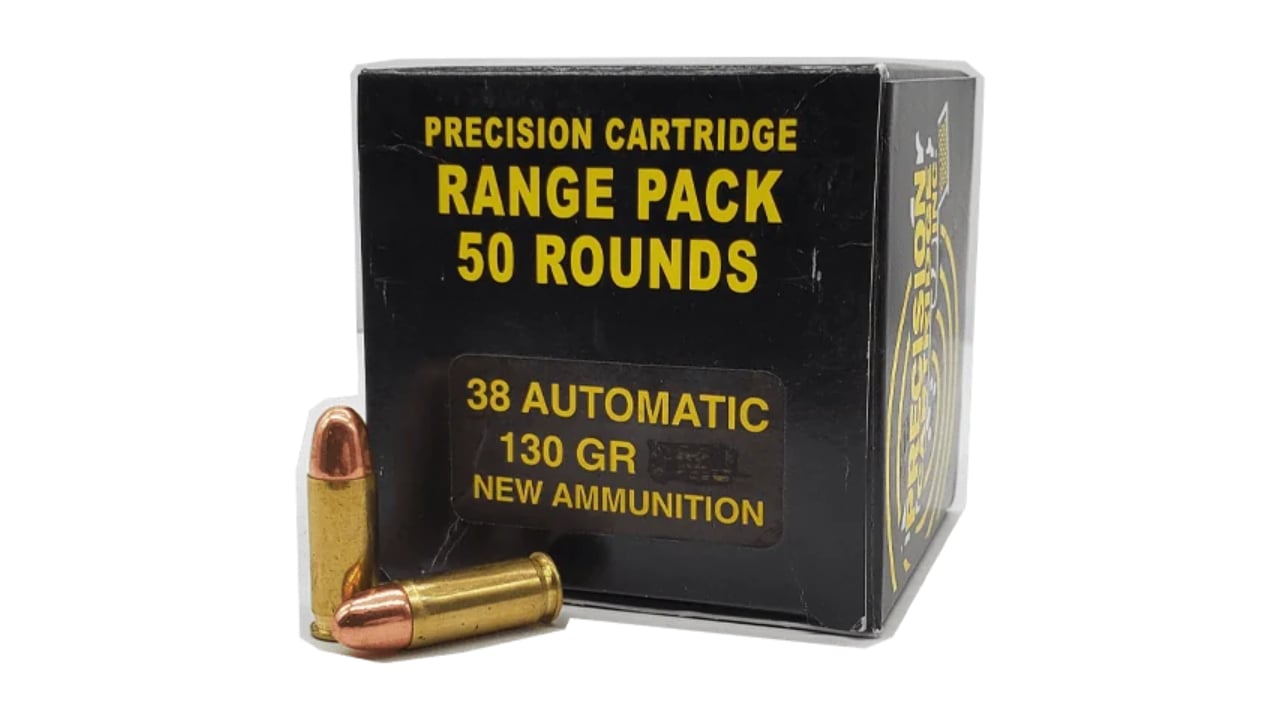
The .38 ACP has the unfortunate problem of looking almost identical to the much hotter .38 Super while being intended for older pistols that cannot safely handle the same pressure. That alone makes it a cartridge modern ammunition companies and retailers have good reason to treat cautiously.
New guns are essentially never designed specifically around .38 ACP, so demand comes from owners of early Colt automatic pistols and other historical firearms. Those shooters need ammunition loaded to appropriate pressure rather than simply substituting .38 Super. Factory options consequently remain very limited, and many stores never stock it at all. The cartridge is historically important because it helped lead directly to .38 Super, but its practical modern role is almost entirely preservation. Specialty manufacturers will probably keep providing safe ammunition for old guns. The likelihood of .38 ACP returning to ordinary handgun shelves in meaningful quantities is extremely low.
.455 Webley
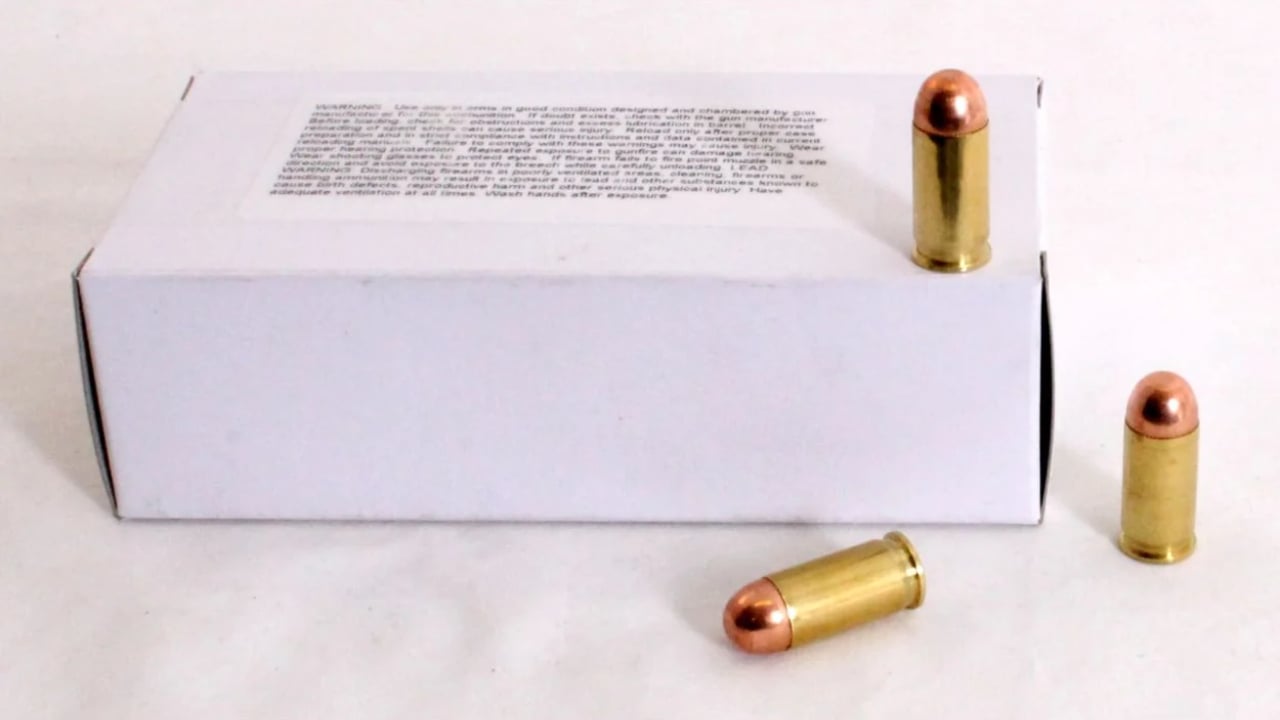
The .455 Webley was once a major British military cartridge and powered some of the most recognizable service revolvers of the late 19th and early 20th centuries. Its large, relatively slow bullet provided useful close-range performance without the extreme pressures of later magnum revolver rounds.
Today, nearly every gun chambered for it is a historical firearm. That creates steady collector demand but almost no new-firearm demand, which is an important distinction for ammunition companies. Factory production tends to be limited, imported, or handled by specialty manufacturers, and ordinary sporting-goods stores rarely have a reason to carry it. Owners also need to understand whether old revolvers have been modified for other ammunition, which adds another layer of complexity. The .455 Webley is historically significant enough that ammunition will probably never disappear completely. For practical purposes, though, it has already moved from normal handgun ammunition into the specialty shelf, and even that shelf is getting harder to find.
Like The Avid Outdoorsman’s content? Subscribe to our newsletter so you never miss an article.
Here’s more from us: