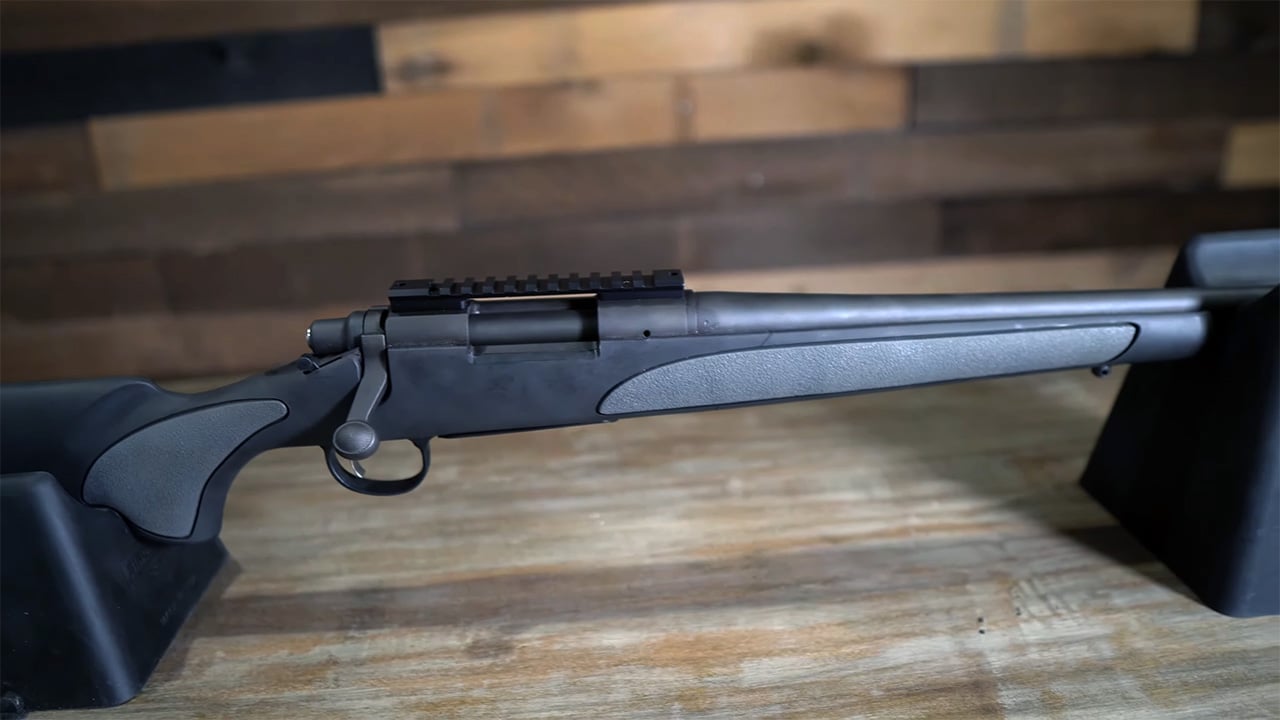
Photo credit: Backfire/Youtube
Every rifle kicks. We all know that. But every season I see the same thing at the range and at deer camp: guys blaming the cartridge when the real problem is the rifle setup making recoil sharper, louder, and more miserable than it has to be.
Some of these guns are good rifles with one big flaw. Some are “features” that look great in a catalog and feel terrible on the bench. And some are just plain mismatched to the way most hunters actually shoot—cold mornings, heavy coats, quick positions, and maybe a follow-up shot when the first one wasn’t perfect. Here are a handful of rifles that can turn normal recoil into a problem if you’re not careful.
1. Remington Model 700 SPS (with the factory injection-molded stock)
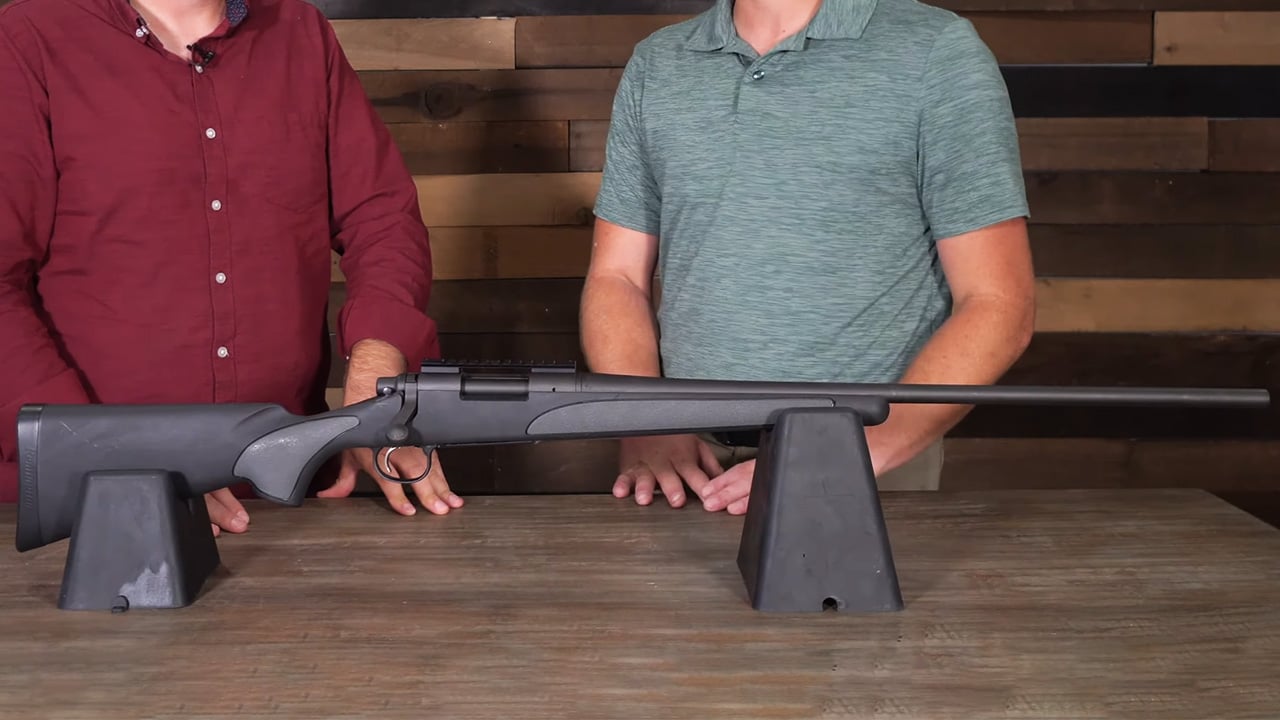
I’ve shot plenty of 700 SPS rifles that would flat-out shoot, but that hollow-feeling factory stock can make recoil feel snappy. It’s not just “kick,” either. It’s the way the rifle shifts and flexes under recoil and then smacks your cheekbone differently every shot.
Off a bench, that inconsistent contact is what makes a .30-06 feel like it’s trying to teach you a lesson. Add a hard factory pad and a scope set a touch too far back, and you’ve got the recipe for a flinch. A good stock and a decent pad tame these rifles down a lot, but out of the box they can be harsher than they need to be.
2. Ruger American Rifle (especially in .308 Winchester)

The Ruger American is one of the best values in hunting rifles, and I’ll say that all day long. But it’s light, the stock is pretty flexible, and most of them wear a basic recoil pad that’s “fine” right up until you start shooting groups.
In .243 or 6.5 Creedmoor, no big deal. In .308, that lightweight package can pop you harder than a heavier rifle in the same cartridge. For a walk-around woods rifle it makes sense, but if you’re a bench shooter or you practice a lot, you’ll notice it.
3. Tikka T3x Lite (in magnum chamberings)
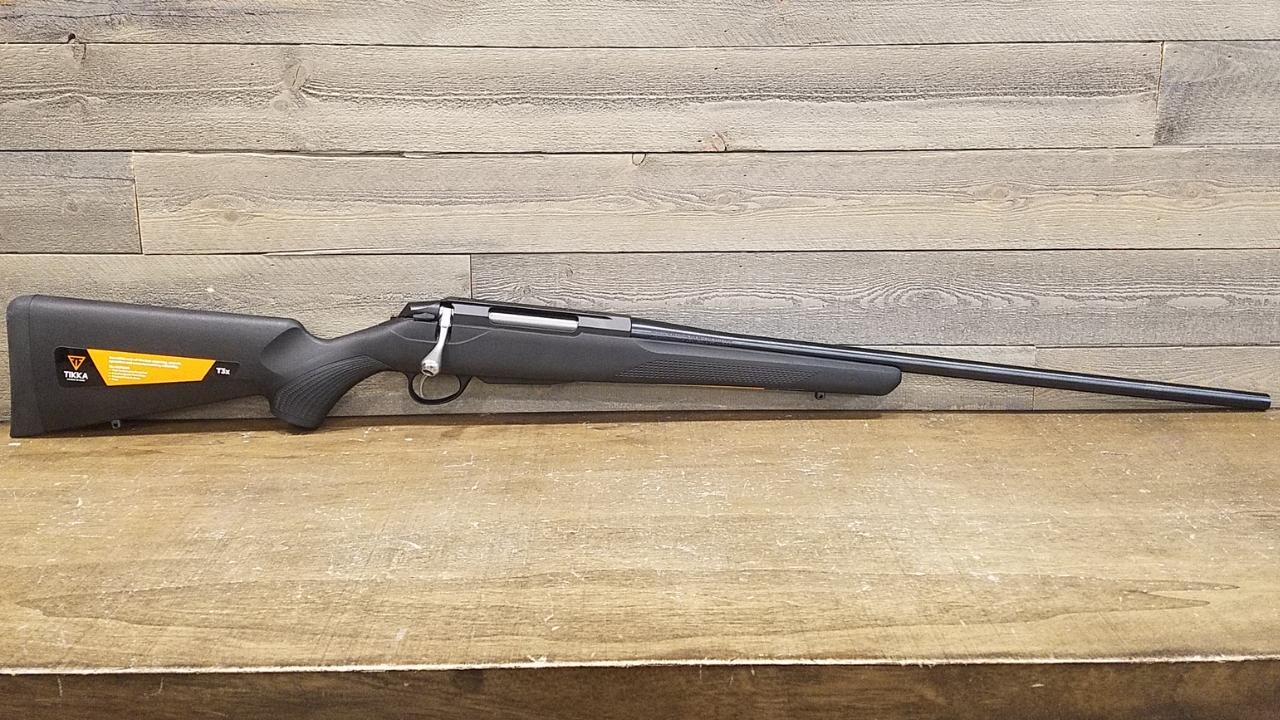
Tikkas carry like a dream and the actions are slick. That’s why so many hunters love them. The problem is the “Lite” part when you start talking 7mm Rem Mag, .300 Win Mag, or anything in that neighborhood.
A light rifle doesn’t just recoil more; it recoils faster. That quick impulse beats up new shooters and makes good shooters rush. If you want a Tikka in a magnum, the heavier variants make more sense for most people, because you’ll actually practice with it instead of dreading it.
4. Savage Axis (with the factory pad)
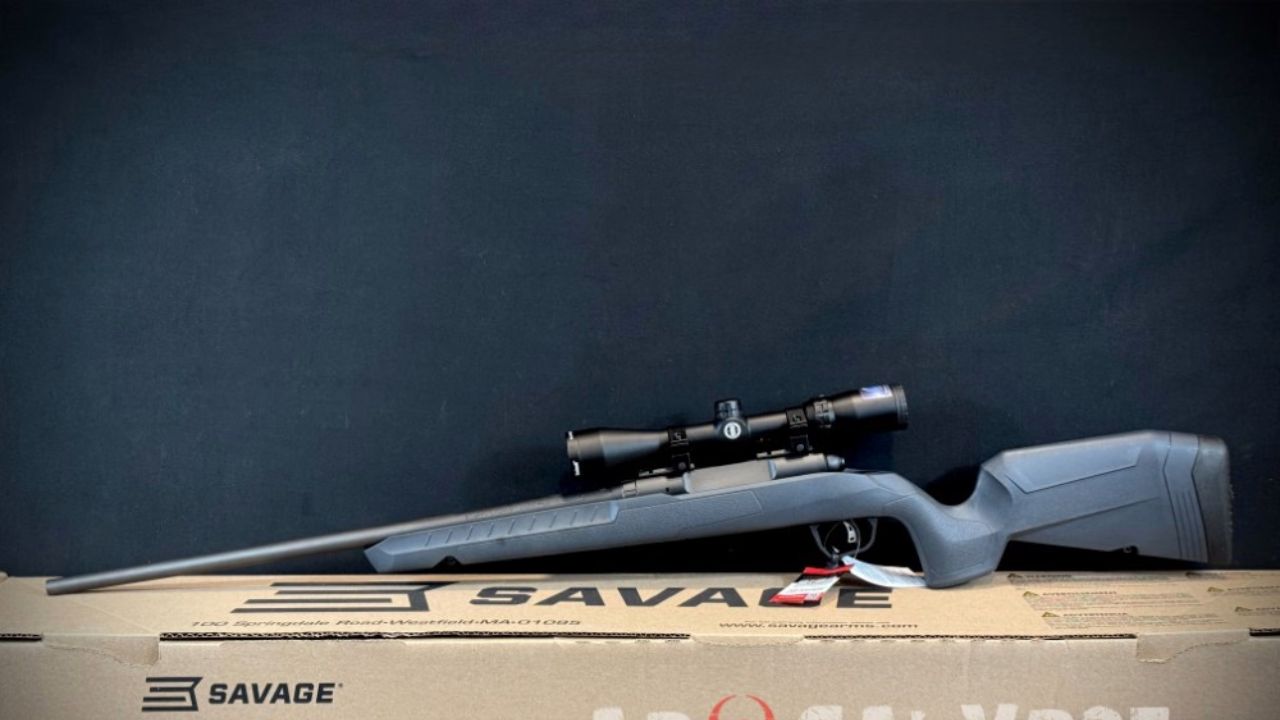
The Axis line puts meat in the freezer, and I’m not too proud to say I’ve seen them shoot better than they “should.” But the factory recoil pad on many of them is the kind you notice after ten rounds. It’s more like a spacer than a pad.
In .270 or .30-06 it can be a little rude, especially on a cold day when everything feels harder. The Axis also tends to be light, so the combo is what gets you: light rifle, basic pad, and usually a budget scope mounted too high. That one hurts.
5. Mossberg Patriot (lightweight hunting setups)
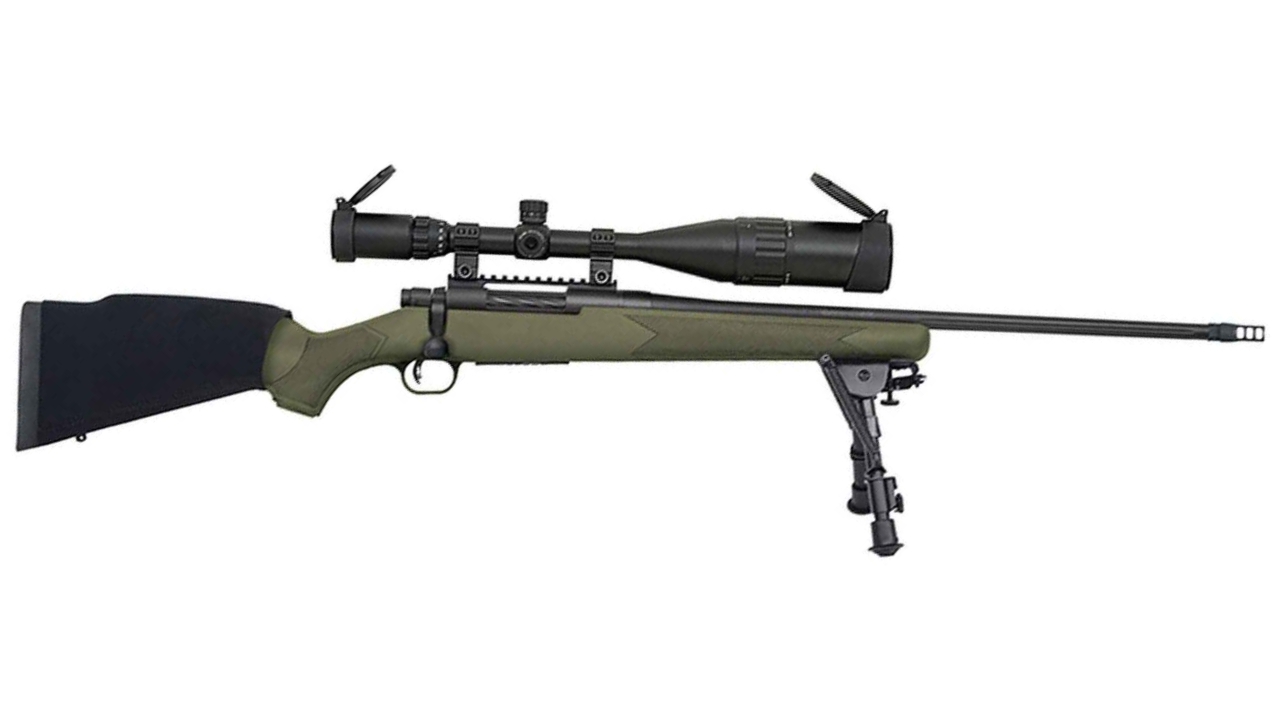
The Patriot is another budget bolt gun that can absolutely work. Where it gets people is the “cheap and light” configuration paired with common hard-kicking cartridges. A 6.5 Creedmoor Patriot is generally pleasant enough. A .300 Win Mag Patriot is a whole different conversation.
Some of them also have a bit more muzzle rise than you expect, which makes recoil feel worse even when the energy isn’t outrageous. If you’re buying one, handle it like you mean it—shoulder it, check your cheek weld, and don’t assume it will feel like your buddy’s heavier rifle in the same caliber.
6. Winchester Model 70 Featherweight (classic looks, sharp impulse)
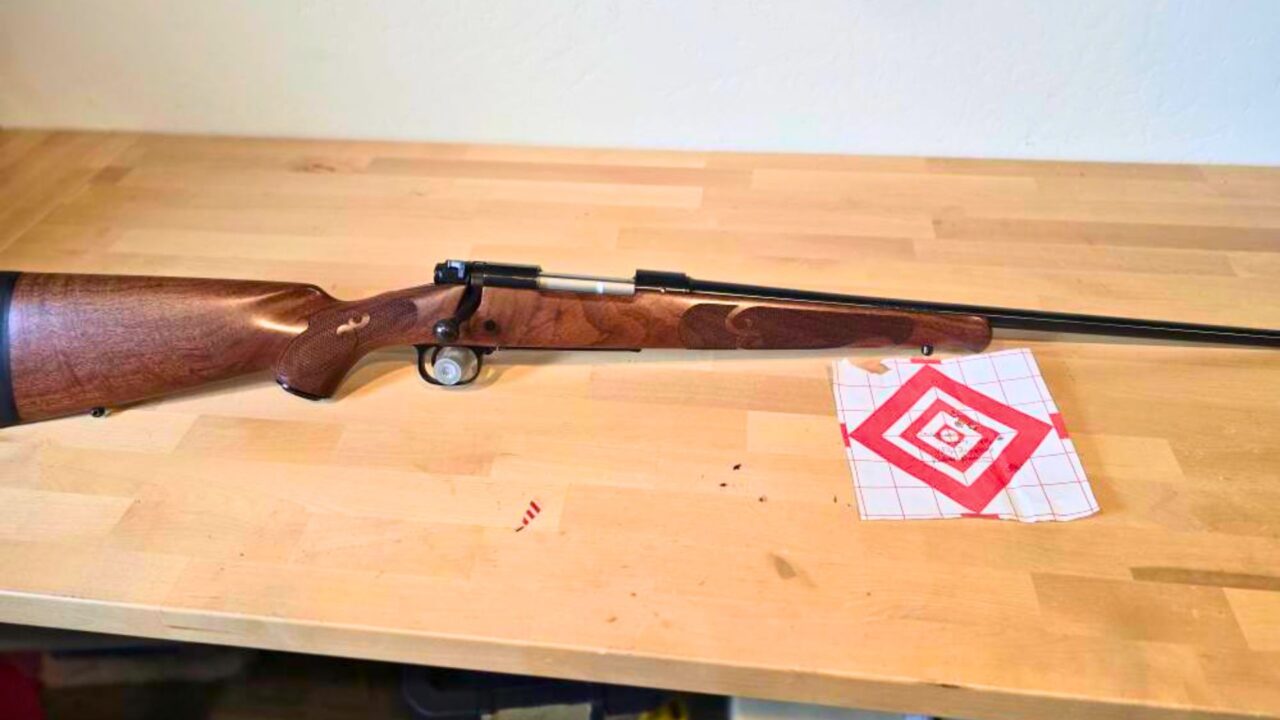
I like Featherweights. They carry well and they look right. But a traditional Featherweight in .30-06 is a perfect example of how a “good” rifle can still be punishing for some shooters.
The geometry is classic, the rifle is trim, and the recoil comes back with authority. In field positions it’s often fine because you’re braced and your adrenaline is doing its job. On a bench, the Featherweight can convince a guy he needs a muzzle brake when what he really needs is a heavier practice rifle or a better pad.
7. Kimber 84L/8400 (ultralights with big-game cartridges)
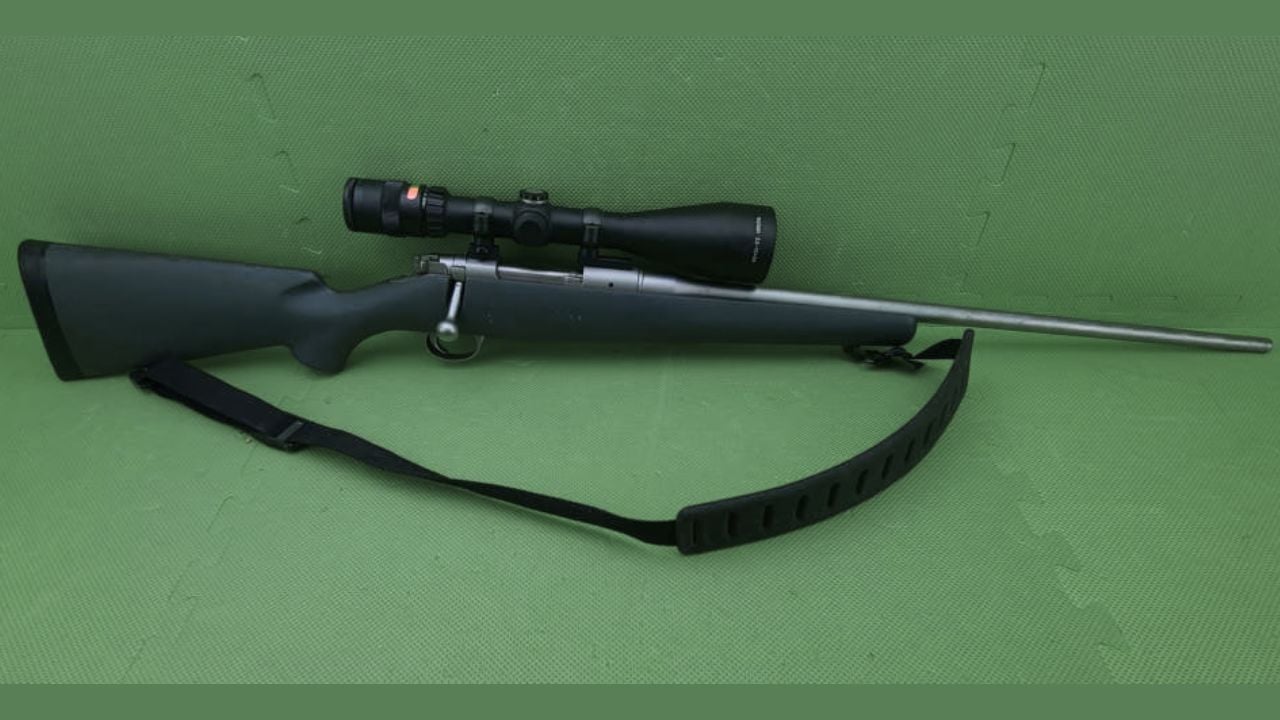
Kimber’s lightweight hunting rifles have a loyal following for a reason: they’re easy to carry all day. The downside is they can make perfectly reasonable cartridges feel mean. When you get into .30-06, .280 AI, or magnums in a very light rifle, the recoil isn’t “too much” so much as it’s abrupt.
That abrupt recoil is what builds flinches. It also makes it harder to spot your own impacts through the scope, which matters when you’re hunting open country and you want to know right now if you need a second shot.
8. Ruger Gunsite Scout Rifle (short length of pull for tall shooters)
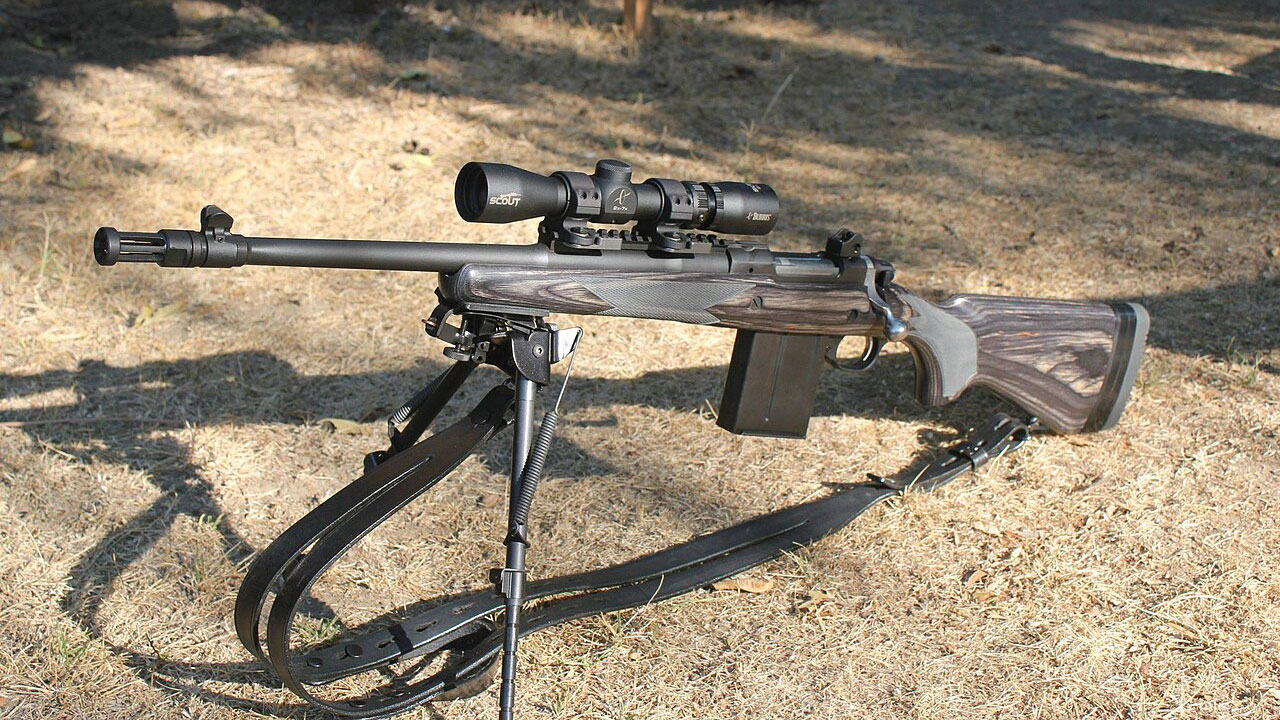
The Scout concept is handy, and the Ruger version is tough as a boot. But the stock dimensions don’t fit everyone. A shorter length of pull can make recoil feel worse because you end up crowded, with your head too close to the scope and your shoulder not set the way it should be.
In .308, it’s not brutal, but it can be uncomfortable fast if the rifle doesn’t fit you. And when a rifle doesn’t fit, you start doing little unconscious things—lifting your head, loosening your grip, rolling your shoulder—that make recoil feel sharper than it really is.
9. Marlin 1895 Guide Gun (full-power .45-70 loads)
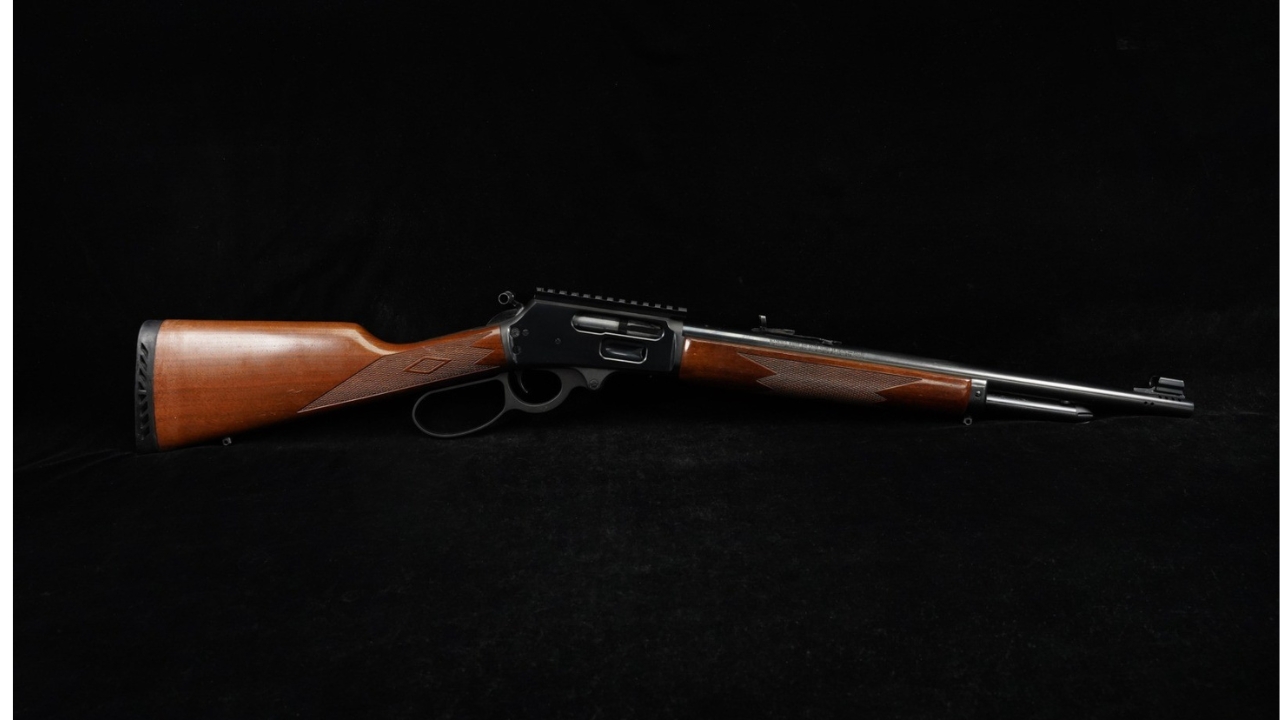
A short, handy lever gun in .45-70 is one of those rifles everyone wants until they shoot it with the wrong ammo. With hot loads, the recoil isn’t just heavy; it’s a big shove that can rock you if you’re not locked in.
The Guide Gun style rifles are meant to be compact and fast in thick stuff. That means less weight and often a buttstock shape that doesn’t spread recoil out as gently as a classic heavy rifle. With mild loads they’re a pleasure. With heavy loads they can turn a fun range day into a three-shot experiment.
10. Henry H010 X Model .45-70 (modern furniture, same physics)
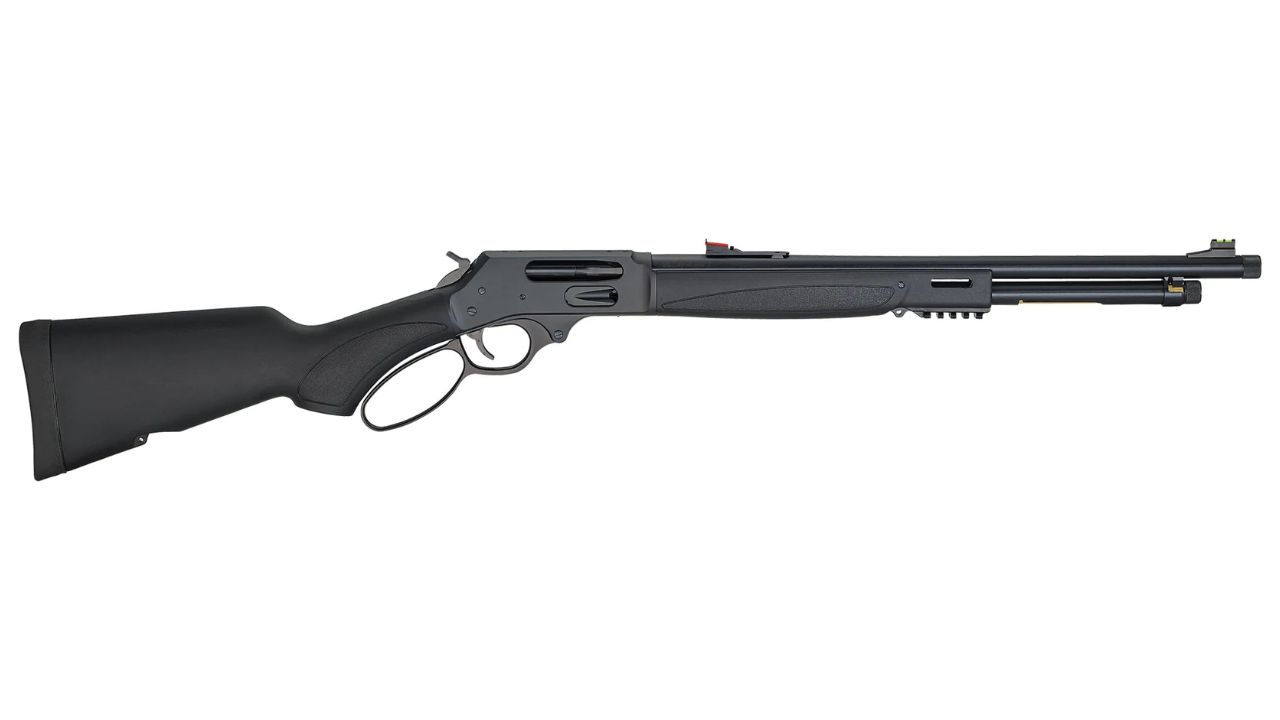
The Henry X models are cool rifles, and they’re built well. But the modern stock and straight-ish recoil path doesn’t magically erase what .45-70 can do. A lot of guys buy one, slap on an optic, and start testing “bear loads” off a bench like they’re sighting in a .243.
That’s when you see the eyebrow cuts and the flinch start to form. The rifle isn’t “bad.” It’s just a reminder that compact lever guns in big cartridges are tools, not toys, and recoil management matters more than internet bragging rights.
11. Springfield Armory M1A SOCOM 16 (short barrel blast and shove)
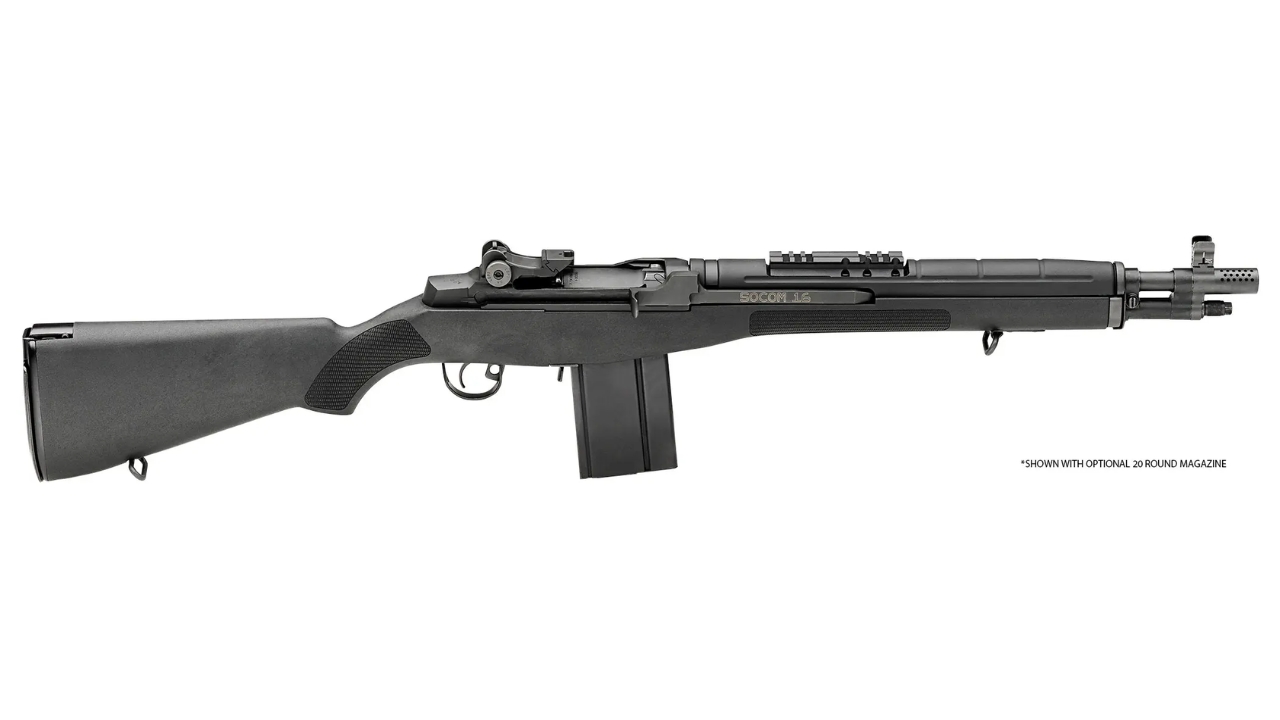
The SOCOM 16 is handy, and it points fast. But a short .308 with a loud muzzle and a punchy recoil impulse can feel rough compared to a longer, heavier .308. A lot of that is the blast and the way the rifle returns in recoil.
It’s also the kind of rifle that invites long range sessions because it’s fun—until it isn’t. The SOCOM is better as a “shoot a little, carry a lot” rifle than a “burn a case of ammo from the bench” rifle.
12. Ruger No. 1 (light single-shot in serious calibers)
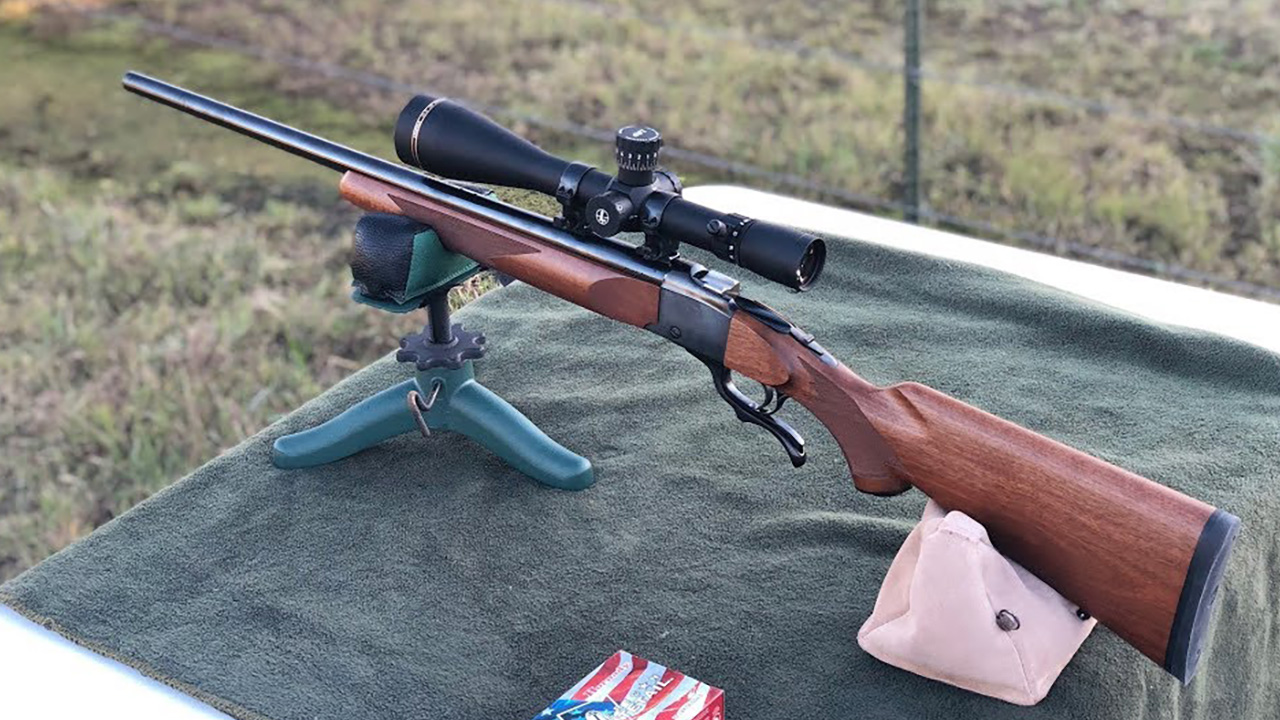
I’ve got a soft spot for the Ruger No. 1. They’re classy and they’re strong. But they can be surprisingly light for the caliber, and the stock design can concentrate recoil in a way that makes a .30-06 or .300 Win Mag feel extra direct.
Single-shots also tend to get shot from the bench more carefully, with more focus on tiny groups. That’s when recoil starts to matter, because you’re taking your time and letting your brain anticipate the hit. If you’re prone to flinching, a light No. 1 in a big cartridge will find you out.
13. Ruger 77/44 (light rifle, heavy-for-size recoil)

The 77/44 is a neat little carbine, and in the right role it’s a blast—literally. But it’s light, and .44 Mag out of a rifle is still .44 Mag. The recoil isn’t going to knock you down, but it can slap you harder than you’d expect for such a compact gun.
It’s also a rifle many folks hand to newer shooters because it “looks small.” That’s a mistake. If you want a beginner-friendly compact rifle, there are better choices. The 77/44 is more of a specialized woods tool.
14. CZ 600 Trail (in 7.62×39 with a minimalist setup)
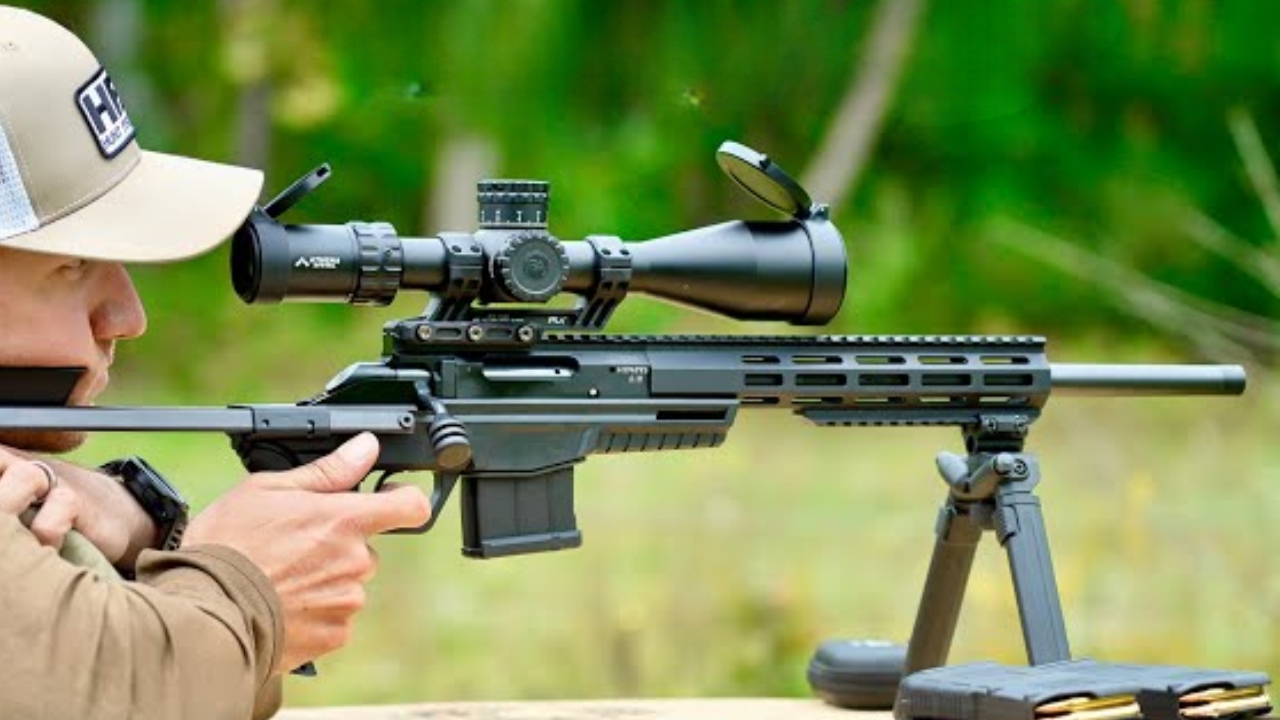
The 600 Trail is a handy little rifle, especially if you’re looking for compact and lightweight. But when you go minimalist—lightweight gun, minimal stock, sometimes a thin or less forgiving buttpad—recoil can feel sharper than it should for 7.62×39.
This isn’t about raw recoil energy as much as how the rifle interfaces with your shoulder. A traditional stocked rifle in the same cartridge can feel softer simply because it spreads the push out and sits more naturally in the pocket.
15. Barrett M82A1/M107 (muzzle brake punishment for everyone nearby)

Here’s the truth: the big Barrett semi-auto .50s are engineered to be shootable. The recoil to the shooter is not the worst part. The worst part is what the brake does to the world around you.
Anybody standing near you is going to feel it in their teeth and sinuses. That matters at public ranges and around buddies. A rifle can “manage recoil” and still make the shooting experience worse than it needs to be because the blast is so extreme.
Recoil isn’t just a number on a ballistics chart. It’s rifle weight, stock shape, pad quality, scope height, length of pull, muzzle devices, and whether you’re shooting off a bench like a statue or from real field positions.
If your rifle is beating you up, don’t let pride talk you into suffering through it. Fit the rifle to you, pick ammo you’ll actually practice with, and be honest about whether that lightweight magnum is helping your hunting—or just making you dread pulling the trigger.
Like The Avid Outdoorsman’s content? Be sure to follow us.
Here’s more from us: