Photo credit: Academy Sports
Lever-action rifles remain useful because they combine fast follow-up shots with a narrow, easy-handling design. A good lever gun can move through brush without catching on every branch, ride comfortably in a truck, and remain quick to shoulder when a hog, deer, predator, or dangerous animal appears at close range.
Choosing the right rifle depends heavily on where it will be used. A .357 Magnum carbine can handle small and medium game while remaining mild enough for frequent practice. A .30-30 Winchester gives deer hunters more reach, while a .45-70 Government rifle offers the penetration and power needed for the largest hogs and bears. These 20 rifles offer the strongest combinations of durability, useful chamberings, manageable dimensions, and practical features.
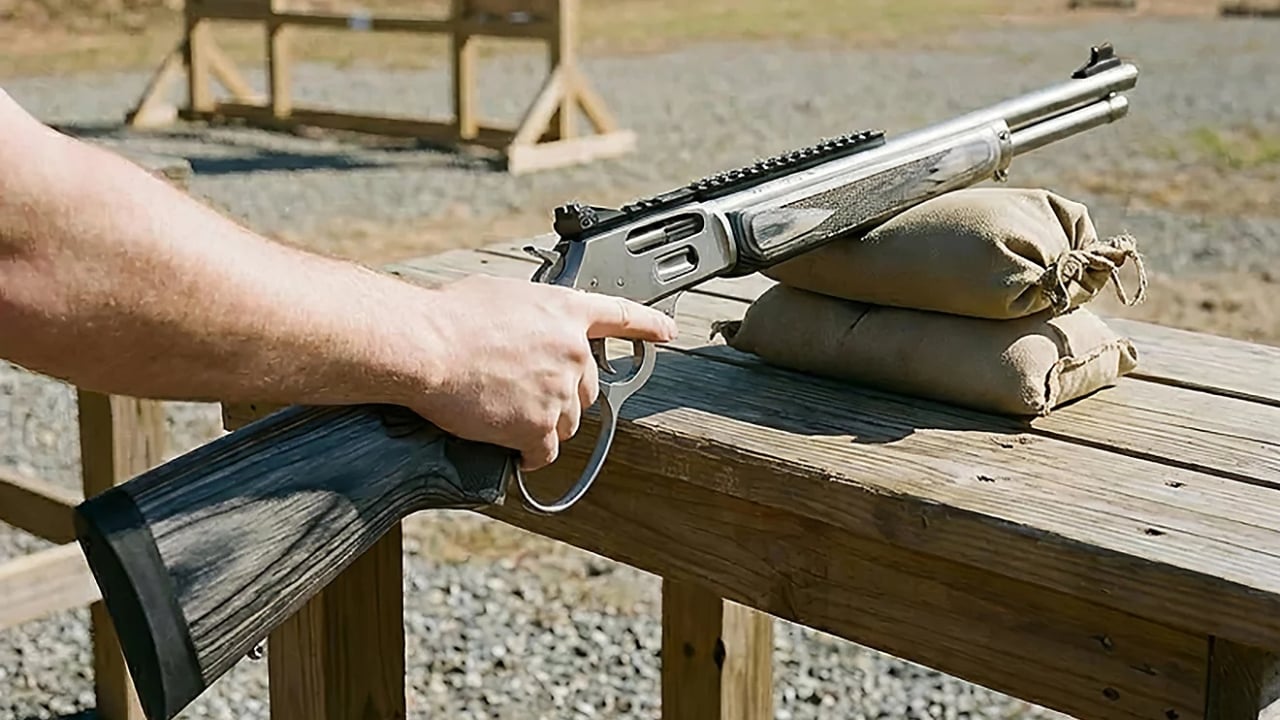
Marlin 1895 SBL

The Marlin 1895 SBL is one of the best choices for hunters who want maximum close-range authority. Its .45-70 Government chambering can handle heavy bullets that penetrate deeply through large hogs, black bears, elk, and other substantial game. The stainless-steel construction and laminate stock also make the rifle better suited for rain, mud, and rough field use than a traditional blued lever gun.
The SBL includes a short barrel, large-loop lever, extended optics rail, and threaded muzzle. Those features make it easy to add a low-powered scope, red dot, or suppressor without sending the rifle to a custom shop. Recoil can be heavy with full-power loads, but milder .45-70 ammunition makes the rifle far more manageable. Marlin continues producing the 1895 platform under Ruger, with current instruction material covering the modern 1895 and 336 rifles.
Marlin 1894 SBL .357 Magnum
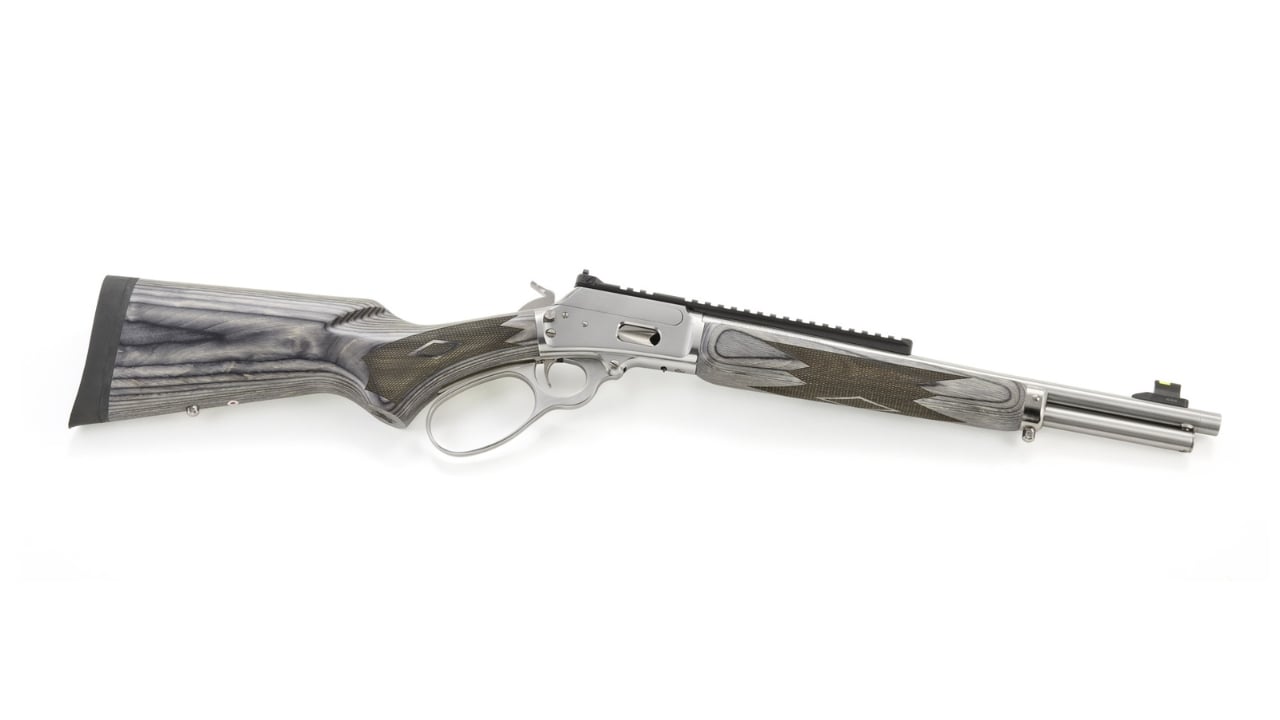
The Marlin 1894 SBL chambered in .357 Magnum is a more versatile choice for shooters who do not need the power of the .45-70. Fired from a rifle barrel, full-power .357 Magnum ammunition gains enough velocity to handle deer, hogs, coyotes, and defensive use at close distances. The same rifle can fire mild .38 Special loads for inexpensive practice and small-game work.
The stainless finish, laminate furniture, optics rail, and threaded barrel give it the same weather-resistant character as the larger SBL models. Recoil is mild, capacity is useful, and the rifle is easy for smaller or inexperienced shooters to control. It also pairs naturally with a .357 Magnum revolver, allowing both guns to share ammunition.
Marlin 336 Classic
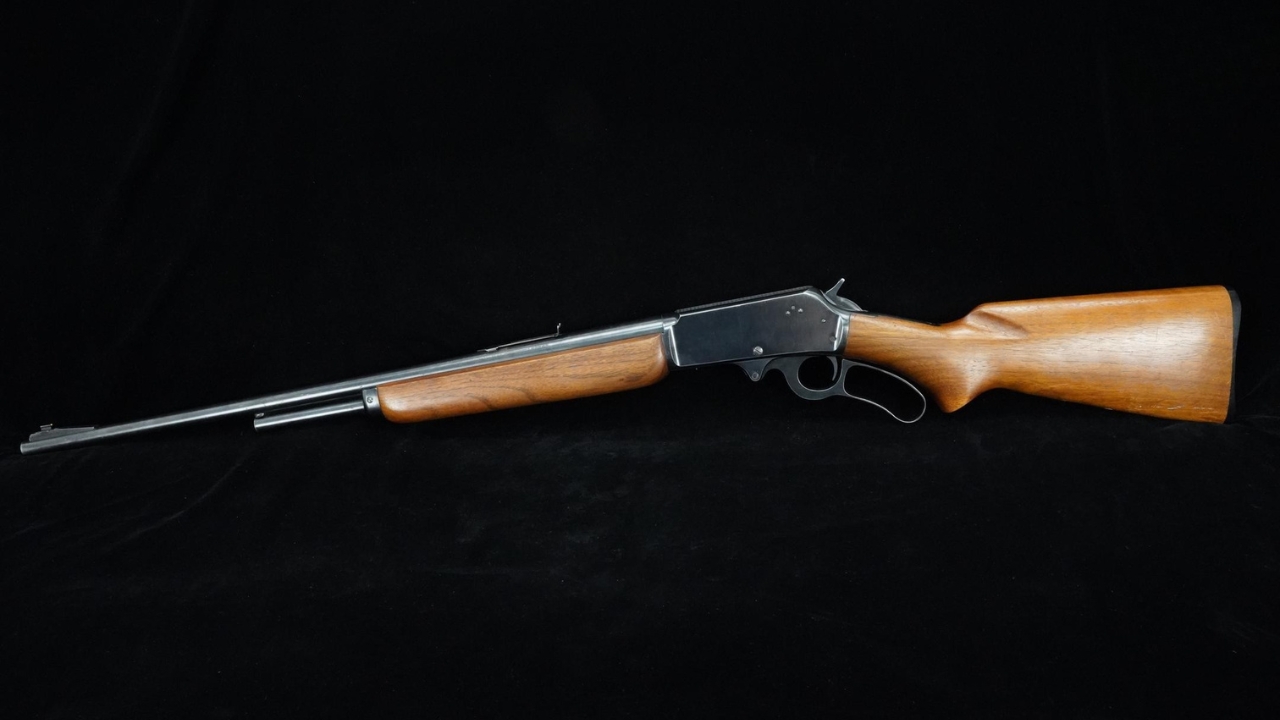
The Marlin 336 Classic remains one of the most natural deer rifles ever produced. Chambered in .30-30 Winchester, it delivers enough power for deer, hogs, and black bears without the recoil or weight of larger cartridges. Its receiver allows conventional scope mounting, while the side-ejection action keeps fired cases away from the optic.
The Classic version is best for hunters who want walnut and blued steel rather than rails and synthetic stocks. It carries well in the hand and balances naturally during quick offhand shots. The .30-30 is not a long-range cartridge, but inside roughly 200 yards it covers the distances encountered by most woods hunters. Ruger’s current Marlin support includes both the 336 and 1895 platforms.
Marlin Dark Series Model 336
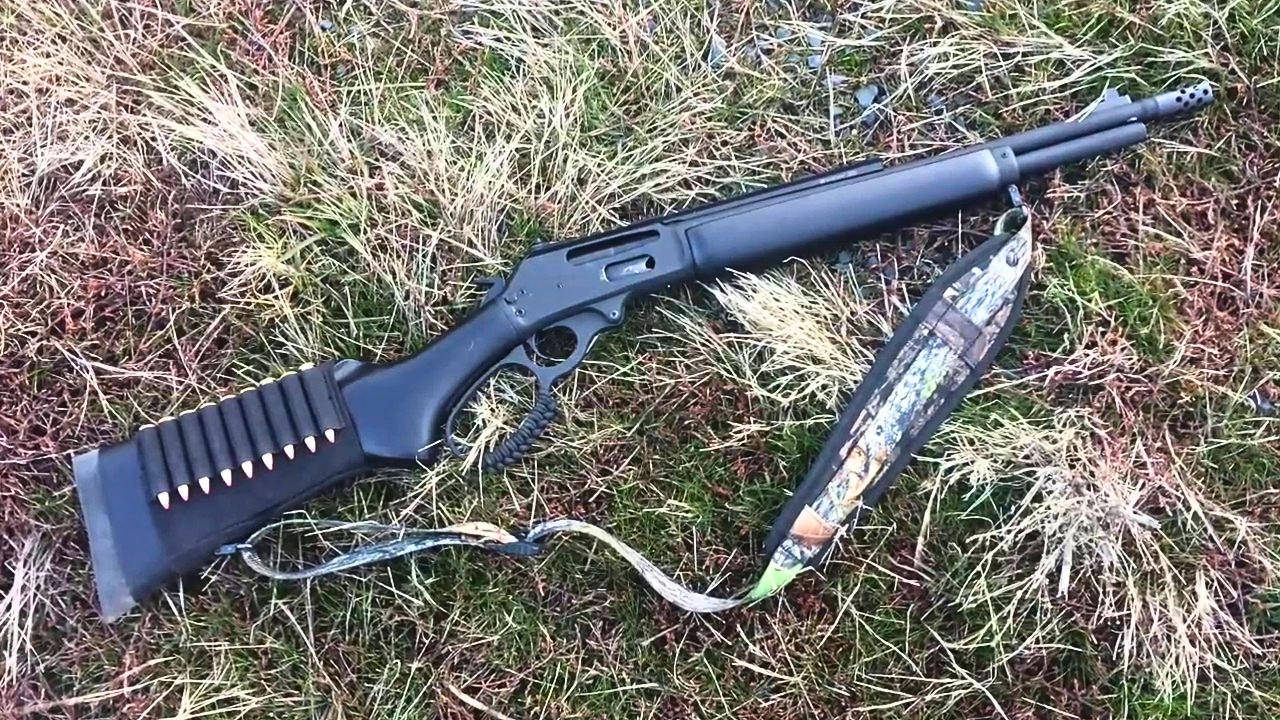
The Dark Series Model 336 modernizes the .30-30 platform without changing what makes the basic rifle effective. It combines a short barrel with a threaded muzzle, synthetic stock, enlarged lever loop, and mounting surfaces for optics and accessories. It is designed for hunters who want a traditional cartridge in a rifle prepared for modern equipment.
A red dot or low-power scope turns the rifle into a quick woods gun for hogs and deer. The threaded barrel also makes it a candidate for suppressed hunting, although .30-30 ammunition remains supersonic in most useful hunting loads. The synthetic furniture tolerates hard use better than decorative walnut, making the Dark Series easier to treat as a working rifle rather than a collectible.
Marlin 1894 Trapper .44 Magnum
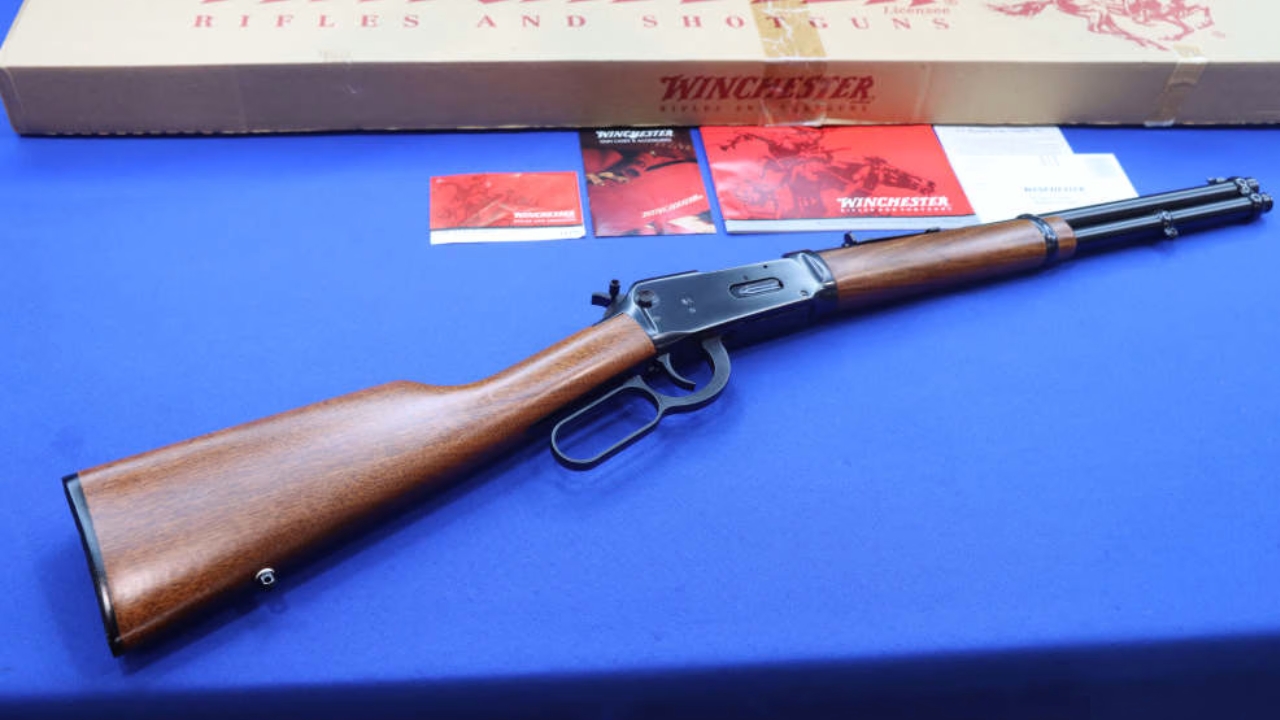
The Marlin 1894 Trapper is a short and powerful option for hunting inside dense cover. Chambered in .44 Magnum, it produces considerably more velocity than a revolver while remaining easier to control. Heavy hunting bullets can penetrate deeply enough for hogs, deer, and black bears at appropriate distances.
Its compact barrel allows the rifle to move quickly through timber, vehicles, and tight blinds. The stainless construction also suits wet hunting conditions. The .44 Magnum does not offer the trajectory of the .30-30, but it delivers a heavy bullet with moderate recoil. It is particularly appealing to hunters who already carry a .44 Magnum revolver and want to simplify ammunition storage.
Henry Big Boy X Model .357 Magnum
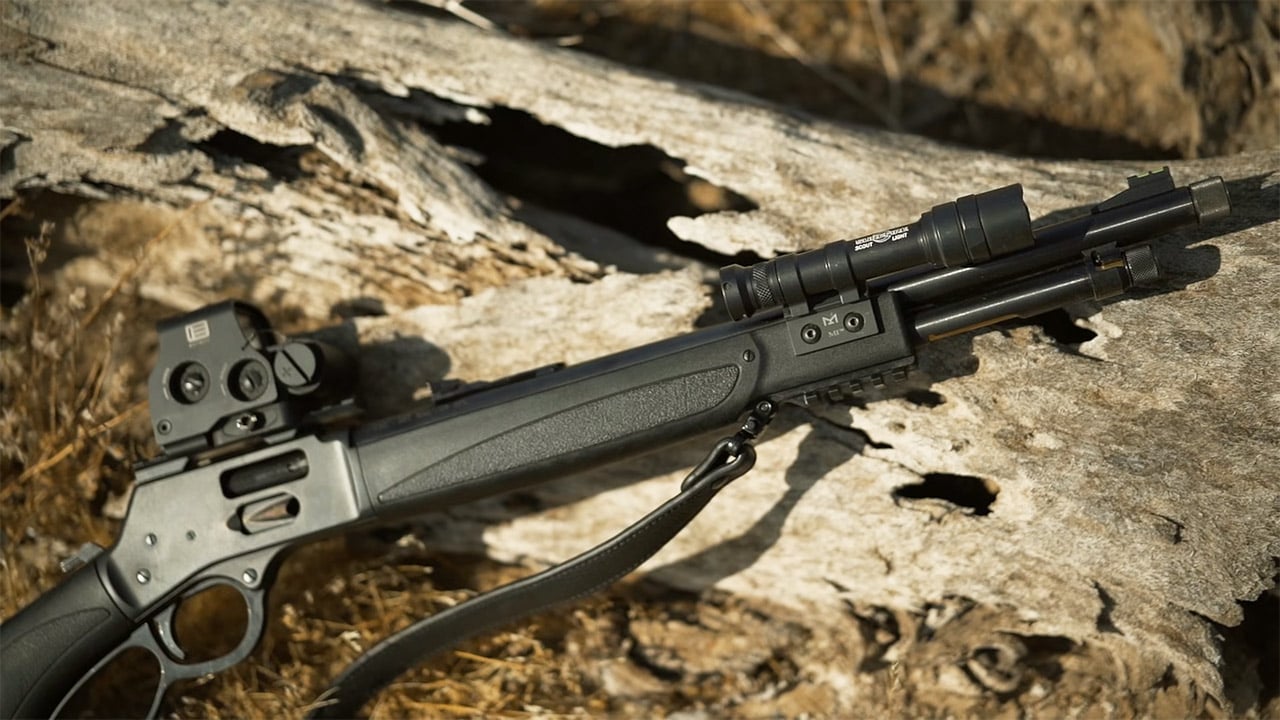
The Henry Big Boy X Model .357 Magnum is one of the most practical modern lever guns. It has a side loading gate, synthetic furniture, fiber-optic sights, a threaded barrel, and mounting points for lights or other accessories. Henry designed the X Model family to combine the handling of a lever action with features normally associated with modern defensive carbines.
The .357 Magnum chambering provides mild recoil and excellent ammunition flexibility. Full-power hunting bullets work for deer and hogs at close range, while .38 Special loads are quieter and inexpensive to shoot. Henry lists the Big Boy X Model with a 17.4-inch barrel, seven-round capacity, M-Lok slots, a Picatinny section, and a threaded muzzle.
Henry Big Boy X Model .44 Magnum
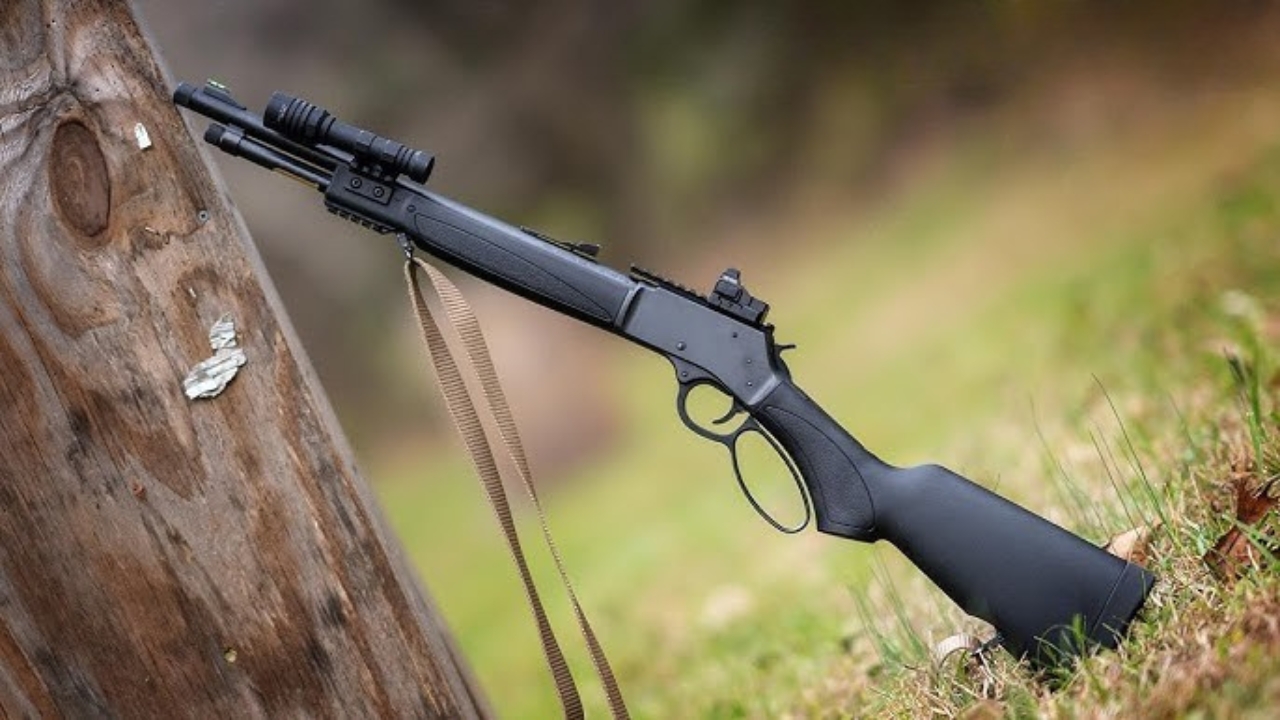
The .44 Magnum version of the Big Boy X Model offers more bullet weight and penetration than the .357 while retaining a compact rifle format. It works especially well for hogs, black bears, and deer in thick woods where shots are unlikely to stretch beyond 125 yards.
Recoil is noticeably stronger than it is from a .357 Magnum rifle, but it remains manageable for most experienced shooters. The synthetic stock and threaded barrel make it suitable for hunters who intend to expose the rifle to rain, brush, and vehicle travel. It can also fire .44 Special ammunition, giving the owner a mild option for practice or pest control.
Henry Lever Action X Model .45-70
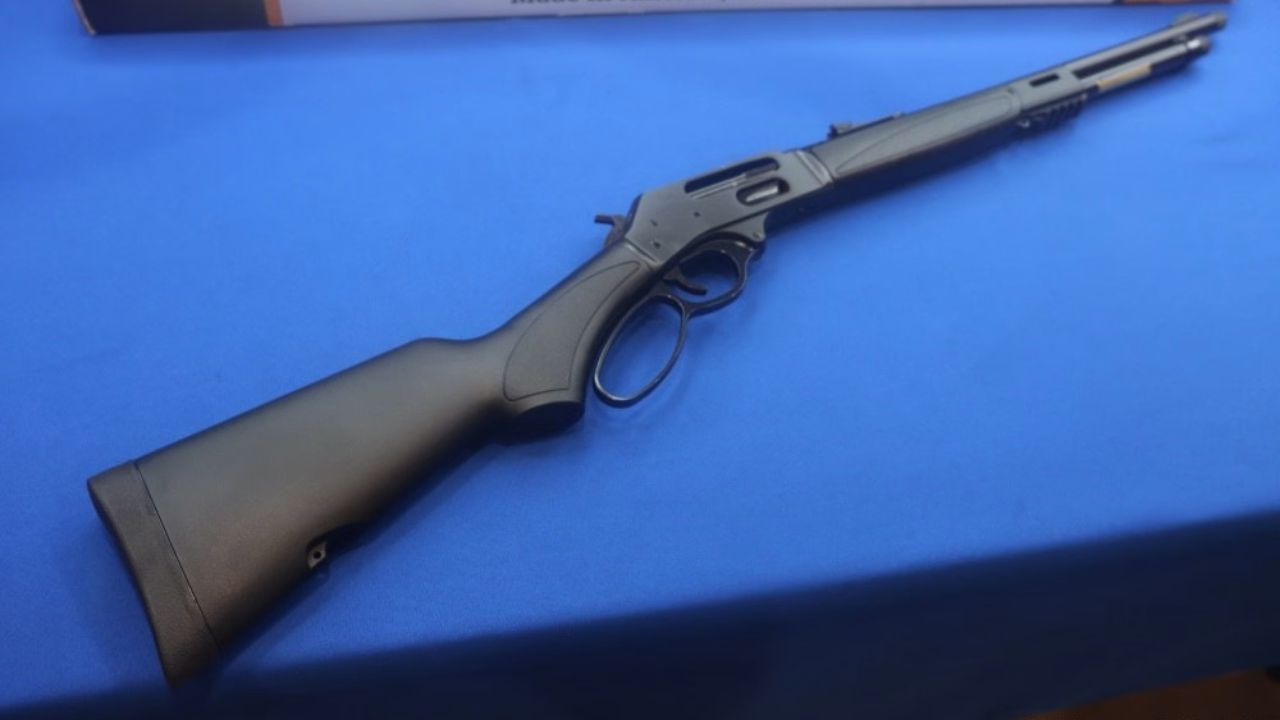
The Henry X Model .45-70 is built for hunters who want big-bore power with modern mounting capability. Its heavy bullets provide deep penetration on large hogs, bears, elk, and moose. The side gate allows the magazine to be topped off without removing the inner magazine tube, while the synthetic stock handles moisture and impact well.
The threaded barrel is one of the rifle’s most useful features because suppressed .45-70 loads can be surprisingly quiet when loaded to subsonic velocity. Full-power hunting ammunition produces much greater recoil and blast, so owners should select loads based on the game and expected distance. Henry’s X Model launch included both pistol-caliber Big Boy rifles and a .45-70 version.
Henry Steel Lever Action .360 Buckhammer
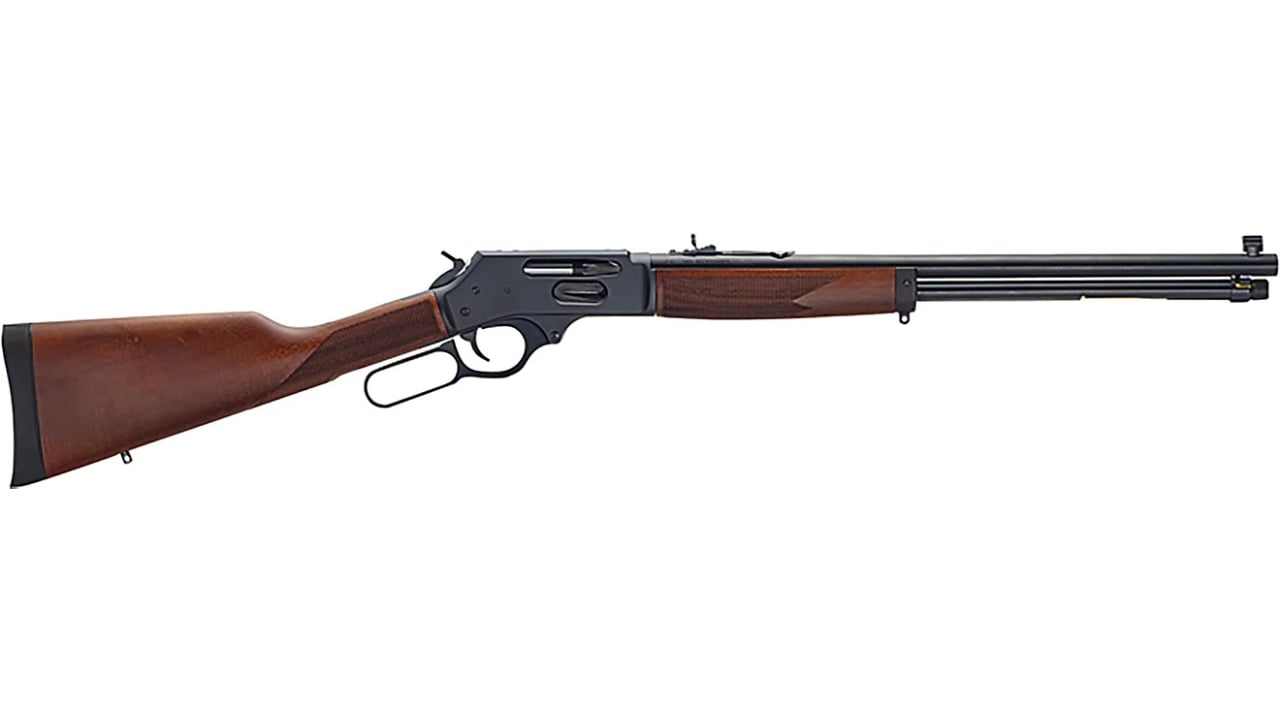
The Henry Steel Lever Action .360 Buckhammer is a strong choice for hunters who want more reach than a pistol-caliber rifle without moving to the recoil of a .45-70. The straight-wall cartridge was developed for deer hunting and offers useful power inside the ranges where most lever guns are used.
The traditional steel-and-walnut configuration keeps the rifle familiar and well balanced. Henry introduced both Steel and X Model versions of the .360 Buckhammer, with the steel rifle using walnut furniture and a five-round capacity. The cartridge is less common than .30-30 Winchester, so ammunition availability should be considered before choosing it as a primary rifle.
Henry Lever Action X Model .360 Buckhammer
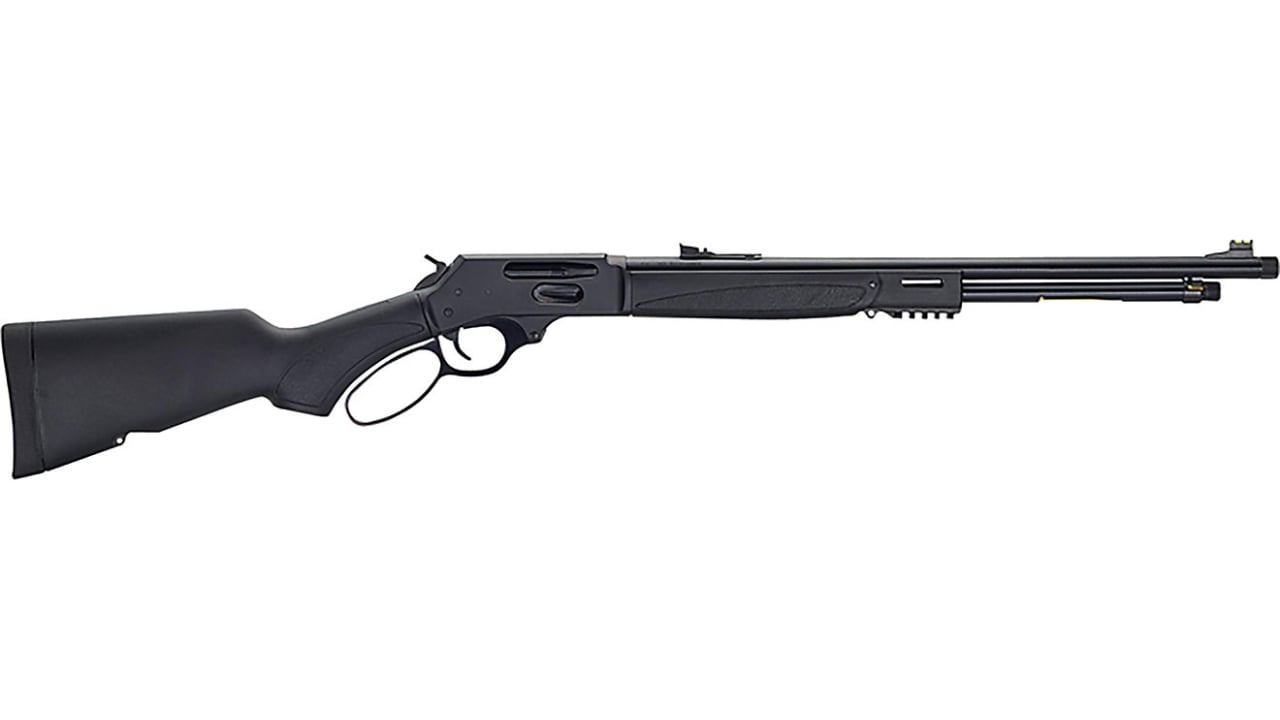
The X Model version of the .360 Buckhammer adds synthetic furniture, fiber-optic sights, accessory mounting points, and a threaded barrel. That makes it better suited for hunters who plan to use a suppressor, red dot, or weapon-mounted light while controlling hogs and predators after dark where legal.
The .360 Buckhammer hits harder than the .357 Magnum and shoots flatter than the .44 Magnum. It is still primarily a short- and medium-range hunting cartridge rather than a replacement for a flat-shooting bottleneck round. Henry introduced the X Model with a five-round capacity and 5/8×24 threaded muzzle.
Henry Long Ranger
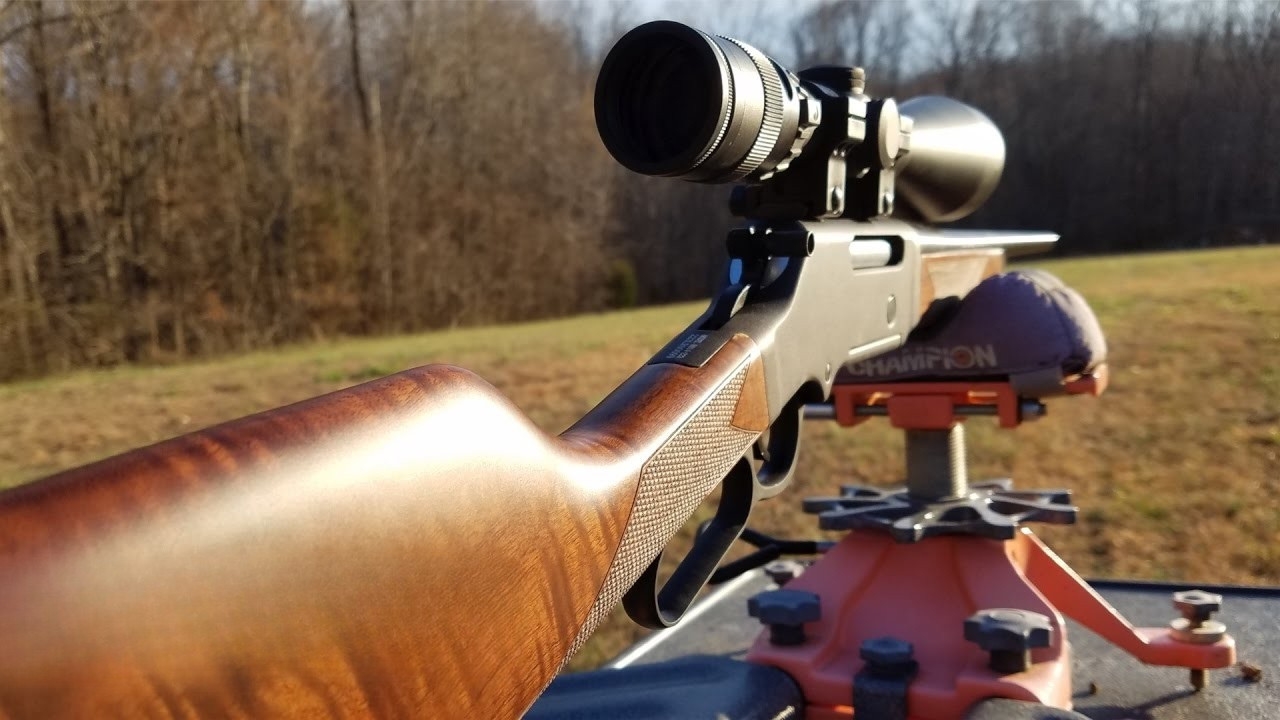
The Henry Long Ranger solves one of the traditional lever gun’s biggest limitations by using a detachable box magazine. That allows it to fire pointed bullets in cartridges such as .243 Winchester, 6.5 Creedmoor, and .308 Winchester without the concerns associated with stacking pointed ammunition in a tubular magazine.
This gives hunters better trajectory and extended effective range compared with .30-30 or pistol-caliber lever guns. The Long Ranger is useful for deer, hogs, antelope, and larger game depending on chambering. It is heavier and mechanically more involved than a traditional lever action, but it provides bolt-rifle cartridge performance with faster lever operation.
Henry Long Ranger Big Woods Carbine
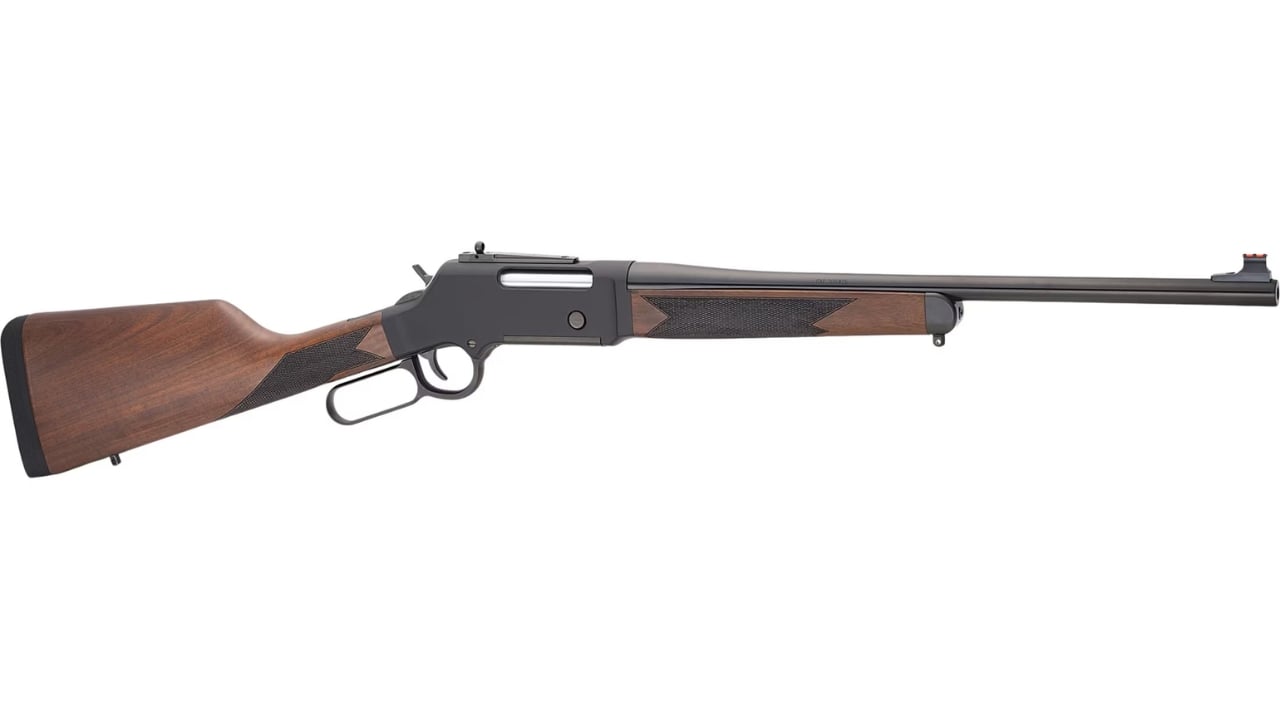
The Long Ranger Big Woods Carbine is intended for hunters who value fast handling more than maximum velocity. Henry describes the model as a compact version of the Long Ranger developed for close shots and quick opportunities in heavy timber.
A short rifle chambered in .308 Winchester provides substantially more reach and penetration than a pistol-caliber carbine while remaining manageable inside thick cover. The detachable magazine permits pointed hunting bullets and makes unloading easier than it is with many tube-fed rifles. It is particularly well suited for deer, hogs, black bears, and elk in terrain where shots appear suddenly.
Browning BLR Lightweight ’81
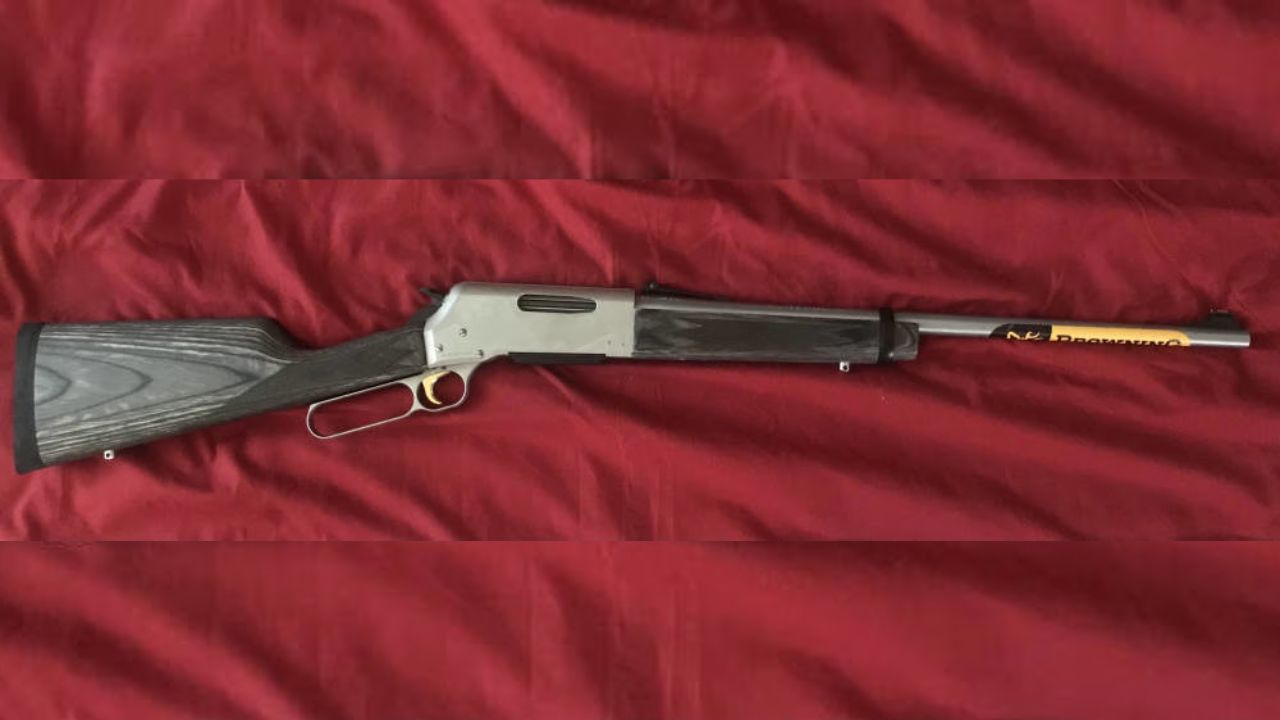
The Browning BLR Lightweight ’81 is one of the most capable hunting rifles in the lever-action category. Its rotating, multiple-lug bolt is strong enough for modern cartridges, while the detachable box magazine permits the use of pointed bullets. Browning offers the BLR in cartridges suitable for deer, elk, bear, and other large game.
The rifle’s aluminum receiver helps control weight, and the receiver is drilled and tapped for conventional optics. Its trigger moves with the lever, which helps prevent the shooter’s finger from being pinched while cycling the action. The BLR costs more than many basic lever guns, but it can handle chamberings and distances that traditional tube-fed rifles cannot.
Browning BLR Takedown
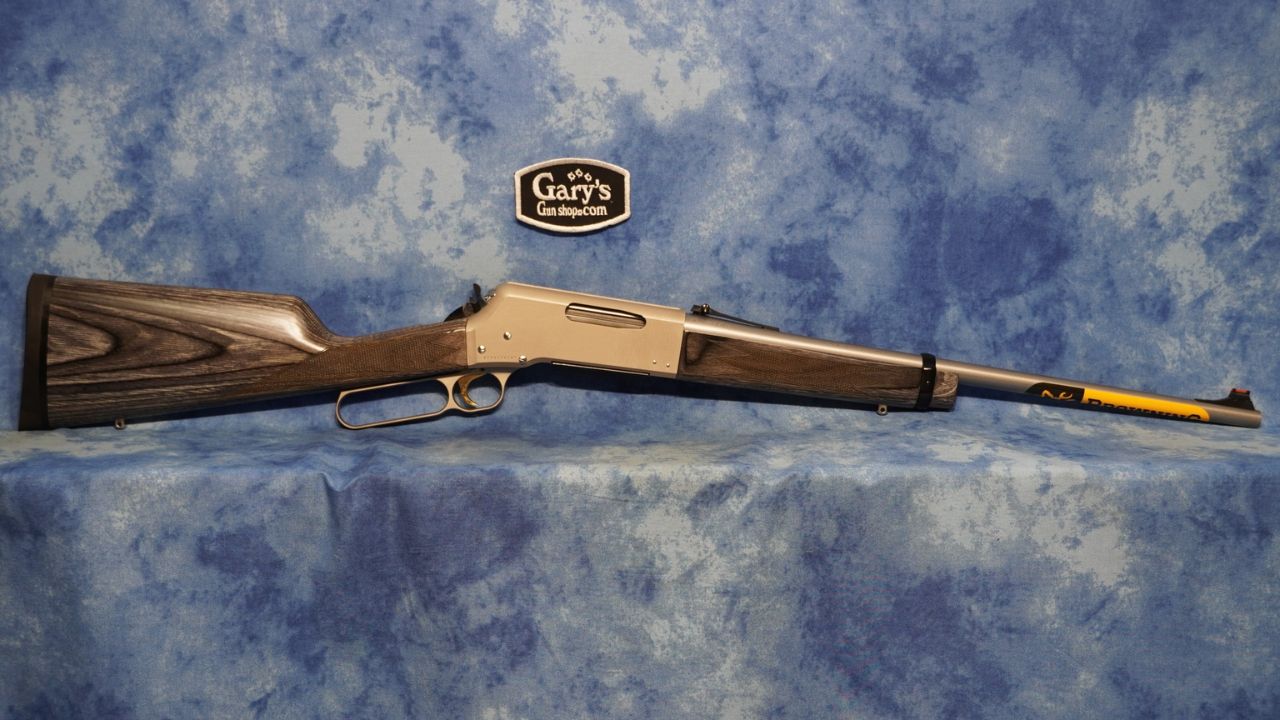
The BLR Takedown provides the power and magazine design of the standard BLR in a rifle that separates into two compact sections. That makes it easier to transport in a truck, boat, aircraft, or small storage compartment without using an unusually long case.
Browning states that the takedown system locks the barrel assembly firmly into the receiver and allows optics to be mounted either conventionally or in a forward scout position. It is an expensive solution, but the ability to transport a full-powered hunting rifle in a compact case can be valuable for travelers and backcountry hunters.
Winchester Model 1892 Carbine .357 Magnum

The Winchester Model 1892 is one of the smoothest and strongest traditional pistol-caliber lever actions. Its dual vertical locking lugs create a compact action capable of handling cartridges such as .357 Magnum and .44 Magnum. Winchester describes the 1892 as a smaller, faster-handling version of the Model 1886.
In .357 Magnum, the carbine is mild, quick, and useful for deer, hogs, predators, and property protection at close range. It also feeds .38 Special ammunition in many load configurations, although every rifle should be tested before relying on a particular cartridge length. The Winchester costs more than many competing pistol-caliber rifles, but the action quality and traditional handling are difficult to duplicate.
Winchester Model 1892 Carbine .44 Magnum
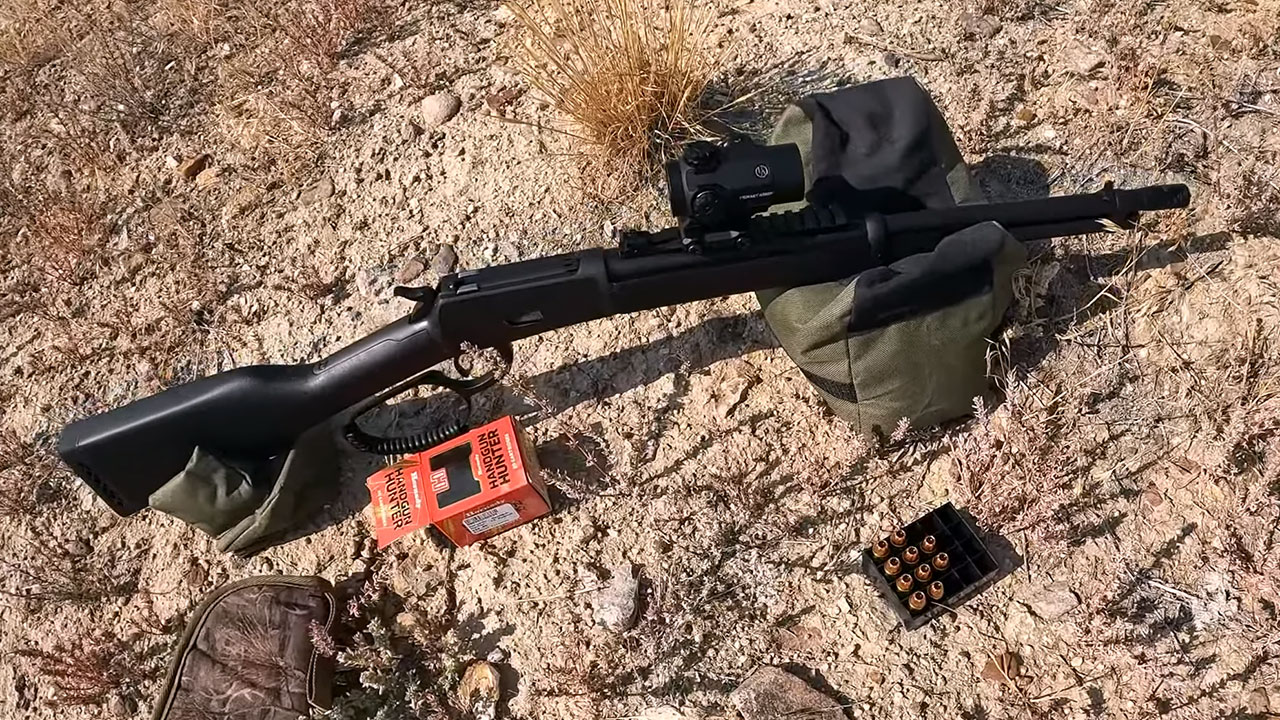
The .44 Magnum Model 1892 provides substantially more close-range authority without requiring the larger receiver of a .45-70 rifle. It is short, easy to point, and capable of firing heavy hunting bullets for deer, hogs, and bears.
Its tubular magazine and traditional sights keep the rifle narrow and uncomplicated. Optic mounting is less convenient than it is on a Marlin, so this model is best for shooters comfortable with iron sights or a carefully selected scout-style setup. The 1892’s strong locking system and compact dimensions remain its greatest advantages.
Winchester Model 94 Carbine

The Winchester Model 94 is one of the definitive .30-30 hunting rifles. It is slim through the receiver, carries easily in one hand, and points naturally during quick shots in timber. The .30-30 cartridge has enough power for deer, hogs, and black bears while producing recoil most hunters can manage.
Modern Model 94 rifles are built in Japan at Winchester’s partner facility, along with the company’s other current historic lever-action models. The rifle is less convenient to scope than a Marlin 336, though current angle-eject designs are more accommodating than older top-eject rifles. For hunters who prefer iron sights and traditional handling, the Model 94 remains hard to beat.
Winchester Model 1886 Short Rifle

The Winchester Model 1886 Short Rifle is built for powerful cartridges such as the .45-70 Government. Its action uses substantial locking components and was originally developed to handle cartridges that were too powerful for Winchester’s smaller lever rifles. Winchester continues listing the 1886 among its current lever-action platforms.
The Short Rifle version offers faster handling than a long, full-length hunting rifle. It is a serious choice for hogs, elk, moose, and bears at close ranges. The rifle is heavy and expensive, and its traditional stock can transmit considerable recoil. Buyers are paying for mechanical strength, workmanship, and history rather than lightweight convenience.
Rossi R92 Triple Black .357 Magnum
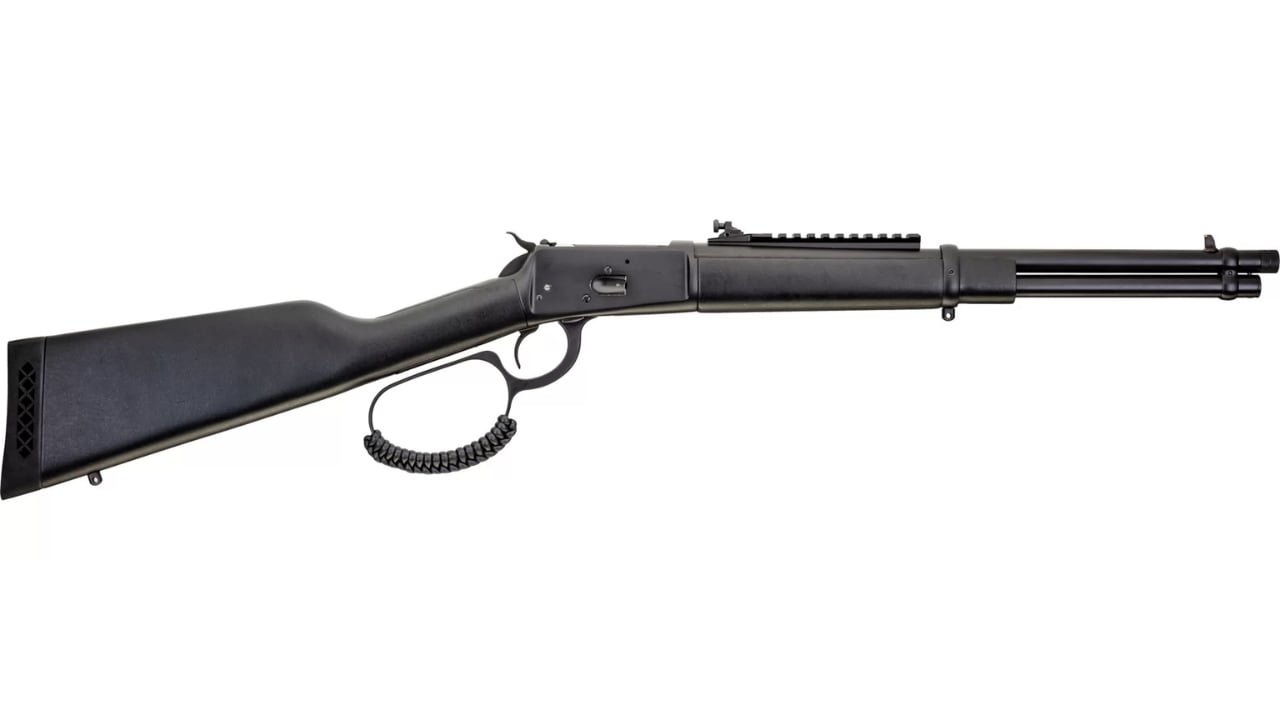
The Rossi R92 Triple Black provides many modern lever-gun features at a lower price than comparable Marlin, Henry, or Winchester rifles. It combines the compact Model 92-style action with dark furniture, an optics rail, a large-loop lever, and a threaded muzzle.
In .357 Magnum, it is mild enough for frequent practice and powerful enough for close-range deer or hog hunting with the proper bullet. Rossi actions can feel rougher than premium alternatives when new, but they often become smoother with use. The Triple Black makes sense for someone who wants a working modern lever gun without paying collector-grade prices.
Rossi R95 Triple Black .30-30 Winchester

The Rossi R95 Triple Black moves the company into a more powerful rifle-caliber platform. Chambered in .30-30 Winchester, it provides more reach than the R92 while retaining a compact barrel, dark finish, optics rail, and threaded muzzle.
The .30-30 chambering makes it better suited for deer and larger hogs beyond pistol-caliber distances. It also provides a broad selection of proven hunting ammunition. The R95 does not have the same established reputation as the Marlin 336 or Winchester 94, but it gives hunters a modern, suppressor-ready configuration at a comparatively approachable price.
Smith & Wesson Model 1854 .44 Magnum

The Smith & Wesson Model 1854 brings another major American manufacturer into the lever-action market. Chambered in .44 Magnum, it combines a stainless-steel action with modern sights, a threaded barrel, and furniture designed for real field use rather than historical appearance alone.
The .44 Magnum works well for hogs, deer, and black bears inside moderate distances. It also gives revolver owners the convenience of sharing ammunition between their handgun and rifle. The Model 1854 entered a crowded market, but its practical feature set and familiar manufacturer support make it a serious alternative to the Henry Big Boy and Marlin 1894.
Smith & Wesson Model 1854 Stealth Hunter

The Model 1854 Stealth Hunter takes the basic Smith & Wesson lever action and moves it further toward modern hunting and defensive use. Its dark finish, optics rail, threaded muzzle, and accessory-ready furniture make it easier to configure with a red dot, low-powered scope, suppressor, or light.
The rifle is best suited for hunters who want a factory-built modern lever gun rather than purchasing a traditional model and replacing the furniture later. Chamberings such as .44 Magnum provide strong close-range performance without the recoil of a .45-70. It is heavier and more expensive than a basic woods rifle, but the added equipment may save money for owners who would install the same parts anyway.
Like The Avid Outdoorsman’s content? Be sure to follow us.
Here’s more from us: