Photo credit: BoomStick Tactical/YouTube
Some guns earn real respect and then coast on it for way too long. That is how you end up with models people still talk about like they are automatic smart buys, even when the market moved on, quality slipped, support dried up, or the old strengths stopped feeling all that special. A strong reputation can take years to build, but once it takes hold, it can survive a lot longer than it should.
That does not mean every gun on this list is junk. Some were genuinely impressive in their day. Some still have loyal owners who had good luck with them. But there is a difference between respecting what a gun once was and pretending it still deserves the same praise now. Here are 15 guns that built reputations people still repeat, even though the reality no longer matches the legend.
Remington 700

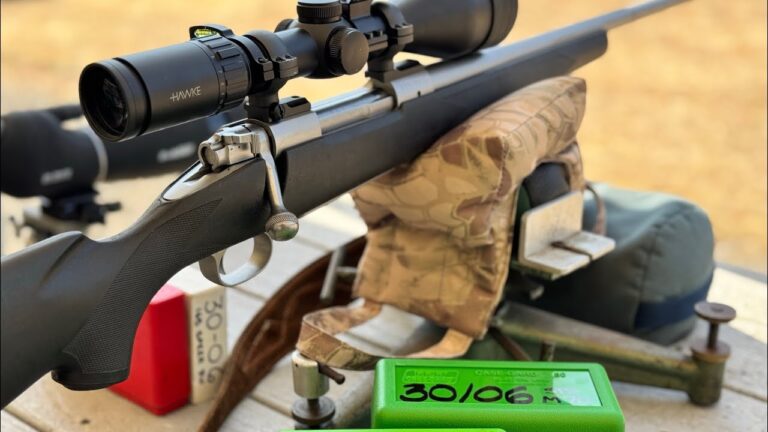
The Remington 700 built one of the strongest reputations any bolt-action rifle ever had. For years, it was the answer people gave without thinking. Hunters trusted it, builders used it as a foundation, and the aftermarket turned it into the default recommendation for everything from deer season to long-range tinkering. That kind of reputation does not happen by accident.
The problem is that the name kept more momentum than the rifle itself. Quality concerns, inconsistency across later production eras, and the simple fact that the market now offers smoother, more confidence-inspiring rifles right out of the box have changed the conversation. The 700 still gets praised like it is the obvious king. It is not. It has history, but history is doing more work now than the rifle is.
Taurus Judge

The Judge built a reputation by sounding more versatile than it really is. For a lot of buyers, it became the revolver that could supposedly do everything: shotshells, defensive use, trail use, and a little bit of showmanship on top. People repeated that story so often that the gun picked up a reputation far bigger than its actual performance ever justified.
At this point, the shine should be gone. The platform is bulky, compromise-heavy, and still living off a concept that made a stronger first impression than long-term case for ownership. Yet people keep talking about it like it remains some clever answer for buyers who want more than a normal revolver. It never deserved that level of praise, and it definitely does not deserve it now.
Springfield XD

There was a time when the XD line felt like a serious alternative in the striker-fired market. It looked modern enough, had enough fans, and managed to win a loyal following among people who wanted something different from Glock without getting too weird. For a while, that reputation made sense. The pistols felt competitive enough to stay in the conversation.
Now they mostly hang around on momentum. The market got better, triggers improved, optics-ready options became normal, and the whole category moved forward while the XD line kept feeling more and more like a recommendation from another era. People still defend them because they remember when they mattered more. That is not the same as them still deserving that same standing today.
Walther P22

The P22 built its reputation as the fun little rimfire everybody ought to own. It looked right, felt approachable, and carried the kind of name recognition that made buyers assume it would be an easy win. A lot of people still talk about it like it deserves a place in every casual handgun conversation.
That reputation has outlasted the pistol’s real value. Too many shooters have learned that the P22 can be fussier and less satisfying than its friendly image suggests. The rimfire market offers better options now, and continuing to recommend the P22 like it is still the easy answer feels lazy. Its reputation survived on first impressions long after the ownership experience stopped backing it up.
Mossberg Shockwave
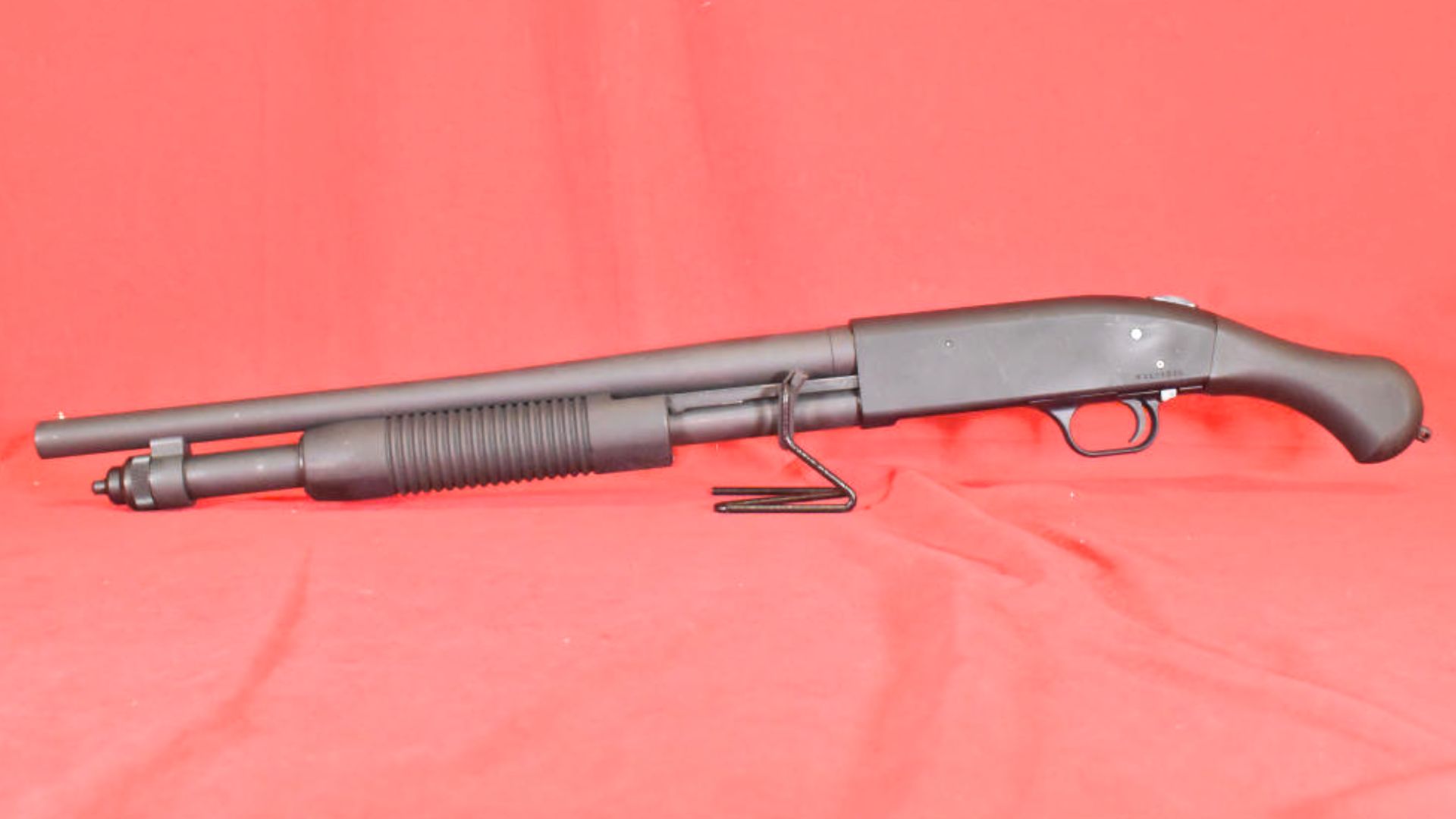
The Shockwave built a huge reputation because it looked like something smarter and more intimidating than an ordinary pump gun. Buyers loved the compact shape, the legal weirdness, and the idea that they found some sort of loophole-powered defensive powerhouse. For a while, people talked about it like it was a major step forward in practical shotgun thinking.
That reputation does not hold up nearly as well once you separate novelty from usefulness. The Shockwave is memorable, sure, but it is also a gun that many owners discover is more awkward and specialized than the hype suggested. It earned way too much praise for how eye-catching it was and not nearly enough scrutiny for how compromised it felt in real use.
Kimber 1911s

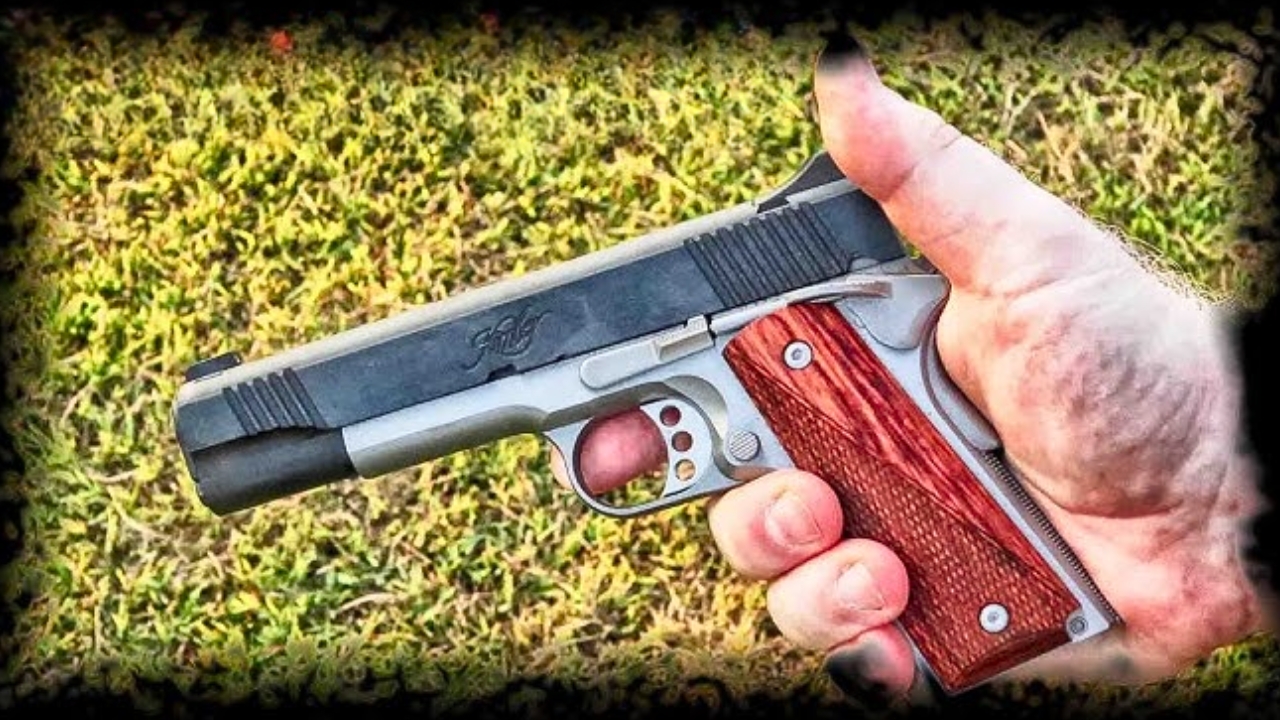
Kimber built a huge reputation by selling the idea of a premium production 1911 to buyers who wanted custom-shop flavor without going full custom-shop price. For a while, that reputation was strong enough that saying “Kimber” almost ended the conversation for a lot of buyers. The name carried weight, and the pistols looked the part.
That reputation has taken more abuse than some fans want to admit. Too many shooters now look at Kimber less as the obvious premium choice and more as a brand coasting on old status while the expectations around reliability, value, and consistency got harder to ignore. Kimber still benefits from the memory of what buyers thought it represented. That is not the same thing as still earning that same level of trust.
KelTec Sub-2000

The Sub-2000 built a reputation by being clever. Folding design, magazine compatibility, and an affordable entry point made it sound like one of those guns only practical thinkers would appreciate. For a while, people praised it like it was the smart man’s pistol-caliber carbine, the one that proved innovation could still mean something.
The trouble is that clever can only carry a gun so far. Once the novelty of the folding design fades, buyers start dealing with the ergonomics, the overall feel, and the reality that the whole package is more compromise than refinement. It still gets defended like a brilliant solution, but too often the idea of the gun is carrying a reputation the real shooting experience does not fully deserve.
Ruger LCP original

The original LCP built a massive reputation by arriving at exactly the right time. It made tiny pocket carry feel more practical and more attainable for a lot of people, and that impact mattered. Plenty of shooters still talk about it with deep respect because they remember what a big deal it was when it first showed up.
That respect has lingered past the point of usefulness. The original LCP now feels like a pistol that mattered more for what it started than for what it still offers. Better sights, better triggers, better shootability, and better overall carry experiences are easier to find now. Yet some people still recommend the old LCP like the category never improved around it. That is reputation outliving reality.
Beretta Nano

The Nano built a reputation mostly on timing and brand confidence. Beretta loyalists wanted a serious slim carry gun from the company, and once the Nano arrived, it got treated like a natural contender before it had really earned that standing. The Beretta name did a lot of heavy lifting, and for a while that was enough to keep the pistol in the conversation.
That old goodwill now feels misplaced. The Nano does not stand out in today’s carry market, and it never became the sort of pistol that owners speak about with lasting enthusiasm once better options entered the picture. It built a reputation because people expected it to matter. That is very different from a reputation that stays deserved after the market matures.
Taurus Millennium / G2-era budget carry reputation
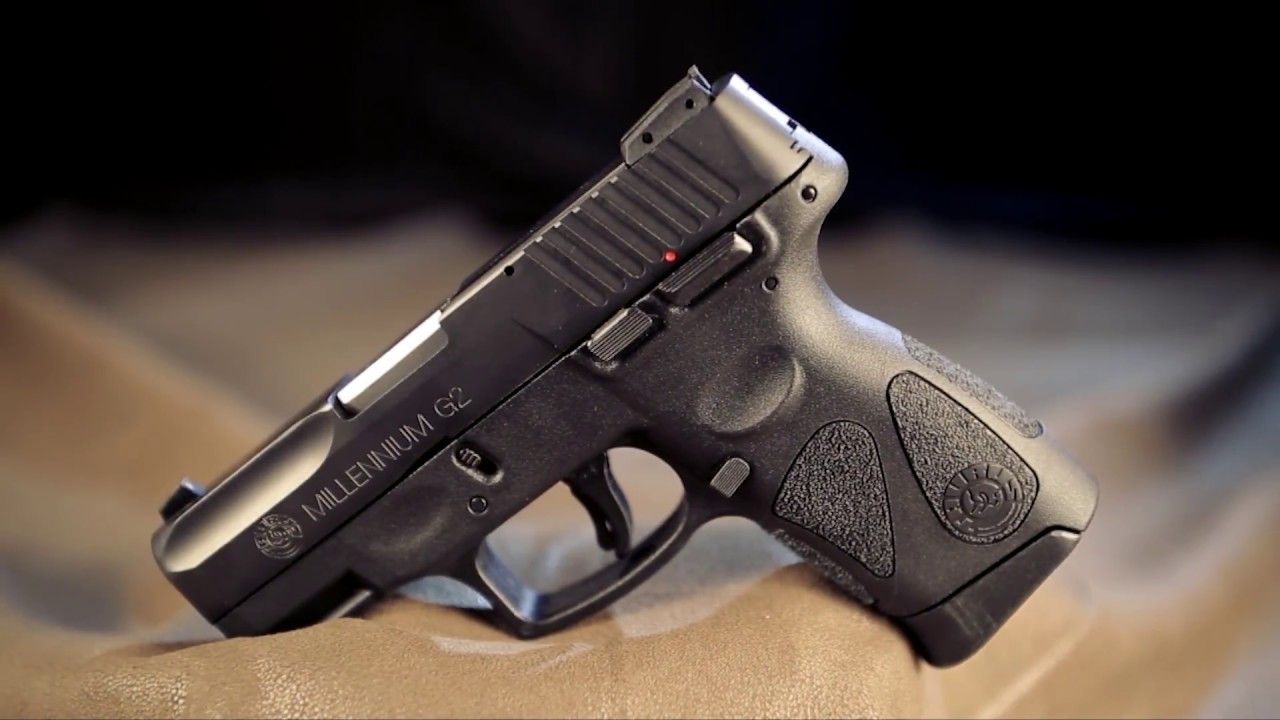
Taurus spent years building a reputation among certain buyers as the brand for “good enough” defensive pistols at a price regular people could afford. Models in the Millennium and early G2 family benefited from that mindset. People kept recommending them because they wanted affordable to mean smart, and Taurus built real momentum around that role.
The issue is that “budget credibility” turned into something broader than it deserved. Even when some pistols worked fine, the overall reputation often leaned on hope, price, and defensive loyalty more than consistent confidence. The brand built a lot of ground by being cheap and available, but that does not mean every carry-gun reputation it built in that era still deserves to be repeated like solid advice.
Desert Eagle
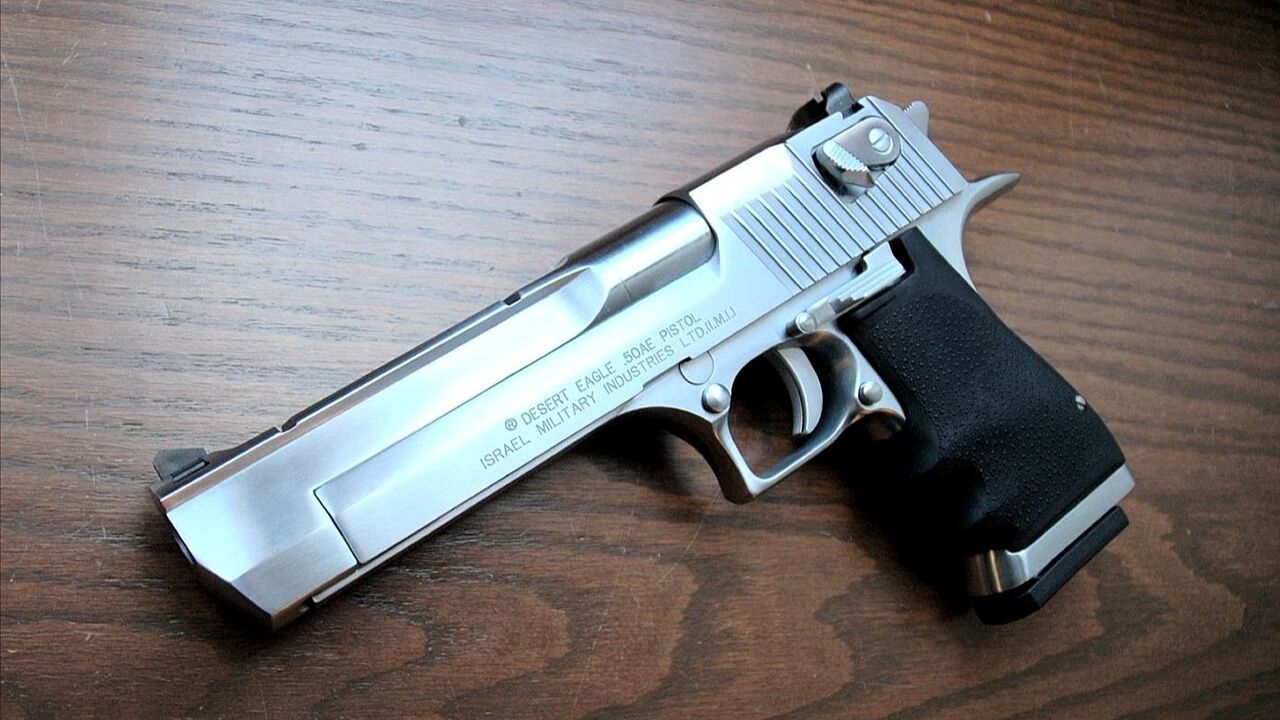
The Desert Eagle built one of the biggest reputations in the entire gun world. It became shorthand for power, cool factor, and over-the-top handgun appeal. Movies, games, and gun-counter mythology all helped create a reputation so strong that most people know the name before they know much about handguns at all.
That reputation still exists, but what it deserves now is a lot more honesty. As a practical handgun, it never matched the legend. It is huge, expensive to feed, awkward in real use, and mainly kept alive by image. The reputation says “ultimate handgun.” The ownership experience usually says “very expensive novelty.” That is a massive gap, and it has been there for a long time.
Charter Arms Bulldog

The Bulldog built a reputation as the simple, hard-hitting carry revolver for people who wanted big-bore punch without stepping into a much larger frame. That image stuck because the concept is easy to admire. A compact .44 Special revolver sounds like exactly the kind of thing seasoned shooters ought to respect.
The problem is that the gun’s reputation often stays cleaner than its real ownership story. Finish, refinement, long-term confidence, and overall consistency have all made it hard for the Bulldog to deserve the automatic praise it still gets in some circles. The idea remains stronger than the actual gun too often, and that is a classic sign of a reputation that kept coasting after the facts got messier.
Springfield Hellcat early hype reputation
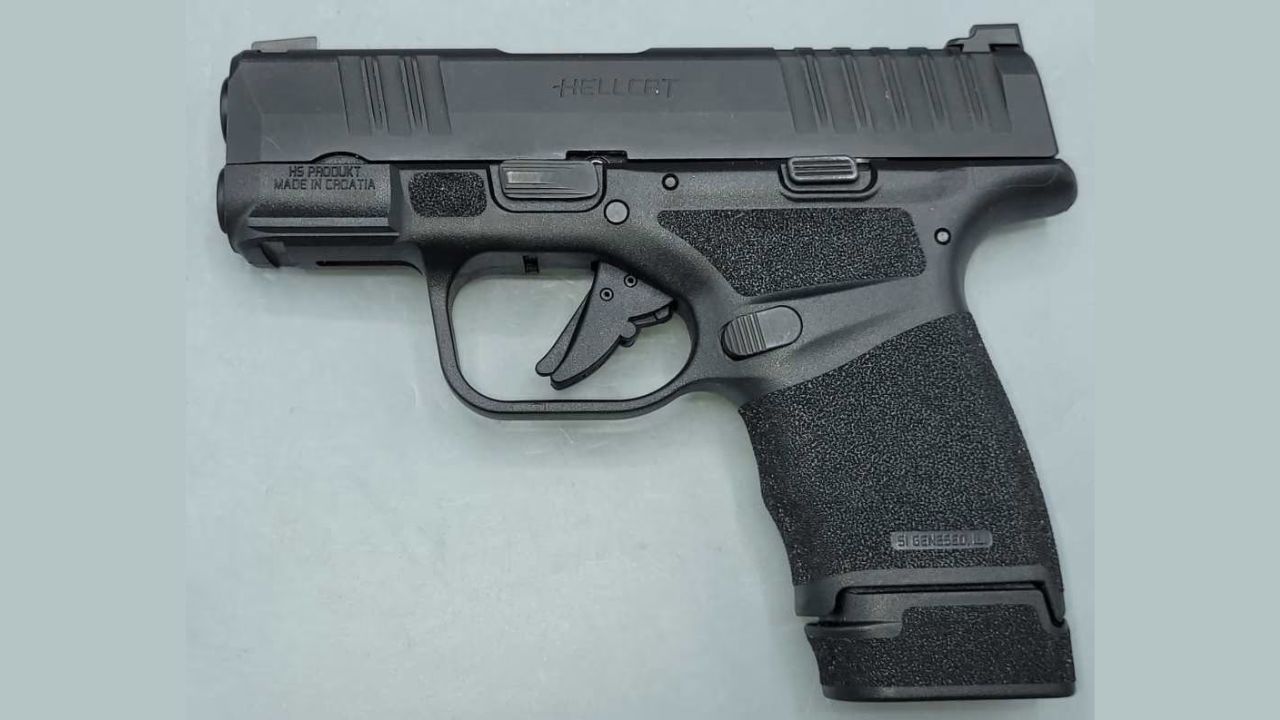
The Hellcat built a huge reputation fast because it landed in the micro-compact rush and got treated like one of the category-defining answers almost immediately. Capacity, size, and timing helped it become one of those pistols people started recommending on autopilot. For a while, the praise felt endless.
What made that reputation shakier is how quickly hype outran perspective. The Hellcat was talked about like the obvious answer before the dust had really settled and before many buyers had compared it honestly against the rest of the rapidly improving field. It is not a terrible pistol, but its reputation got inflated by timing and excitement in a way that still colors conversations more than it should.
Glock 26

The Glock 26 earned a serious reputation in the era when subcompact double-stacks made a lot more sense than they do now. It was reliable, sturdy, and backed by the same reputation that made Glock the default answer for countless buyers. A lot of people still recommend it with the same confidence they had fifteen years ago.
That is where the reputation starts overstaying its welcome. The market moved toward thinner, higher-capacity micro-compacts that changed what buyers can reasonably expect from a carry gun. The 26 still works, but it gets defended like it remains the obvious smart choice. That advice often says more about when the speaker formed their opinion than about what the category looks like now.
AK-pattern rifles in general “runs no matter what” mythology

AKs built one of the strongest reputations in rifle culture: they always run, they take abuse, and they are the no-drama answer when reliability matters most. That reputation got repeated so often it became almost untouchable. For many buyers, “AK reliability” still means you can ignore almost every other downside because the rifle is supposed to be unstoppable.
The reputation went broader than reality. Quality varies wildly, accuracy is often excused too easily, ergonomics matter more than fans admit, and not every AK deserves to ride on the mythology built by better examples from other times and places. The platform still has strengths, but the reputation has become too automatic. A lot of rifles got a free pass because people loved the story more than the specific gun in front of them.
Bond Arms derringers
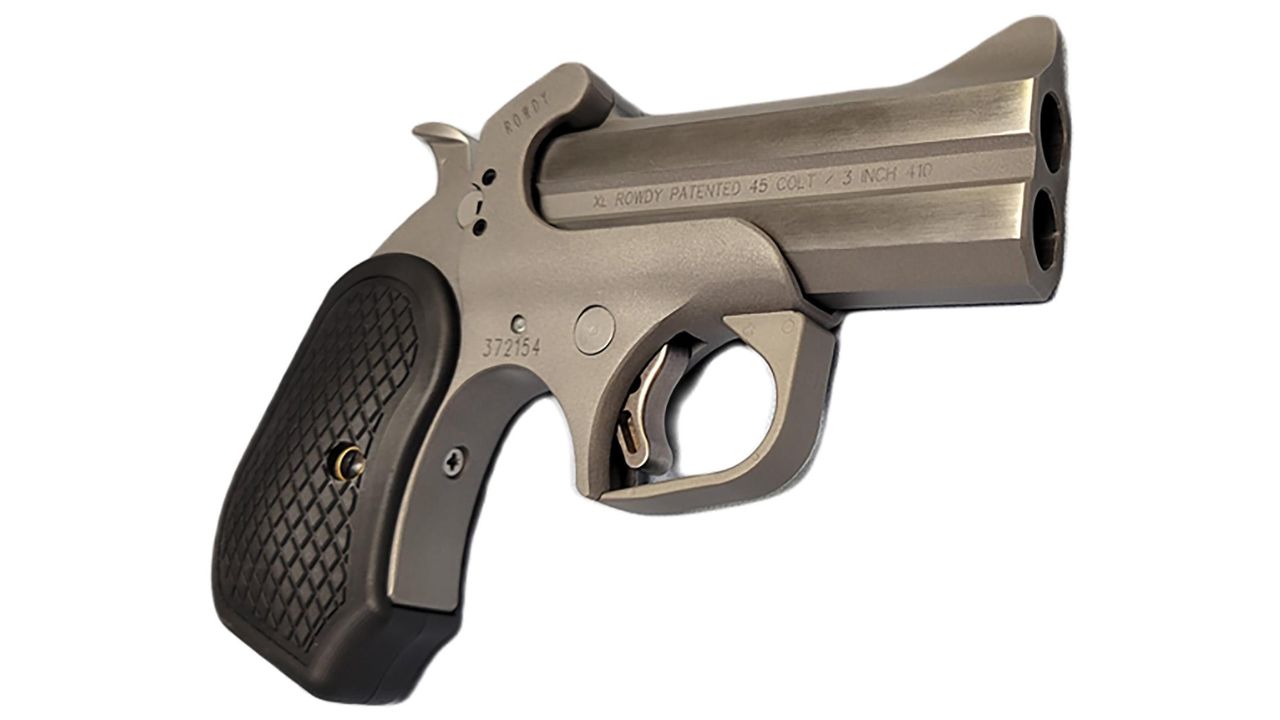
Bond Arms derringers built a reputation for ruggedness, toughness, and quality craftsmanship in a category most people already see as niche. That reputation is not completely fake. They do feel stout, solid, and better made than a lot of cheap novelty handguns. That strong first impression helps them earn more praise than the role really deserves.
The problem is that build quality turned into an oversized reputation for the whole concept. People talk about them like being sturdy makes them smarter buys than they really are. Two-shot derringers are still two-shot derringers. They are still limited, still harsh, and still more about niche appeal than strong handgun performance. The reputation sounds like practical toughness. The reality still looks a lot like expensive novelty.
Like The Avid Outdoorsman’s content? Subscribe to our newsletter so you never miss an article.
Here’s more from us: