Photo credit: Firearms Addict/YouTube
Handgun cartridges are usually created to solve a problem. Sometimes the problem is real: more capacity, less recoil, better performance from a short barrel, or enough power for hunting. Other times, the new round exists because somebody wanted a slightly different answer to a question the market had already solved.
That is where things get interesting. Some pistol calibers were technically clever but commercially unnecessary. Others duplicated older cartridges without offering enough improvement, while a few pushed performance so far into a niche that almost nobody actually needed what they delivered. None of that means they cannot work. Several work very well. The argument is simply that the handgun world probably would have been fine if these 20 had never made it past the drawing board.
.45 GAP

The .45 GAP was designed to provide .45 ACP-like performance from a shorter cartridge that could fit into a more compact grip. On paper, that made sense at a time when large-frame .45 pistols could feel too bulky for smaller hands.
The problem was that the market changed around it. Manufacturers figured out how to build slimmer, more ergonomic .45 ACP pistols without requiring a completely new cartridge, while 9mm defensive ammunition continued improving. That left .45 GAP trapped between two established answers. It never gained enough ammunition or pistol support to justify the extra complication. A cartridge can be mechanically sound and still feel unnecessary, and .45 GAP is one of the clearest examples.
.41 Action Express

The .41 AE tried to give shooters more bullet diameter and power from pistols originally designed around 9mm-sized frames. The rebated-rim case was clever because it allowed relatively simple conversions.
The problem is that .40 S&W arrived and took over almost the exact market niche. Once police departments and manufacturers embraced .40, the .41 AE lost nearly every commercial advantage it had. Ammunition support evaporated, pistols disappeared, and the cartridge became little more than an interesting footnote. It was not a bad idea. It was simply an idea that became obsolete almost immediately because another cartridge solved the same problem with vastly stronger industry backing.
.356 TSW

The .356 TSW was developed around competition rules and the desire to push 9mm-class bullets harder from a compact case. It could deliver impressive velocity and made sense within a very specific shooting-sport context.
Outside that niche, it struggled to justify itself. The cartridge offered more pressure and complexity without creating a broad defensive or sporting advantage over 9mm, .357 SIG, or other established rounds. Once competition rules changed and manufacturer support faded, so did the cartridge. It is a classic example of a round designed around one narrow set of circumstances rather than a durable long-term need. Clever engineering was not enough to create a lasting reason for ownership.
.30 Super Carry

The .30 Super Carry was built around a legitimate idea: increase magazine capacity while preserving more defensive performance than traditional .32-caliber pistol rounds. That is a smarter concept than many failed handgun cartridges ever had.
The issue is whether the gain was large enough to justify another ammunition ecosystem. Modern 9mm pistols already hold impressive capacity in very small packages, and 9mm ammunition is cheaper, more available, and supported by far more defensive loads. Getting another round or two in the magazine sounds useful, but not necessarily useful enough to overcome all those disadvantages. The cartridge works. The question is whether the market ever needed a new caliber to solve a capacity problem that modern pistol design had already mostly solved.
.327 Federal Magnum

The .327 Federal Magnum is one of the better cartridges on this list, which makes criticizing it harder. It offers impressive velocity, allows six rounds in some small revolvers that would otherwise hold five .357s, and gives shooters access to several milder .32-family cartridges.
The problem is that it asks buyers to support a niche ammunition market for an advantage that matters mostly in small revolvers. That is useful, but narrow. Ammunition is expensive, gun selection remains limited, and .38 Special plus .357 Magnum already cover a huge portion of the same ground. The .327 is technically excellent. Commercially, it may simply be too specialized to justify how much complexity it adds to the revolver world.
.32 NAA
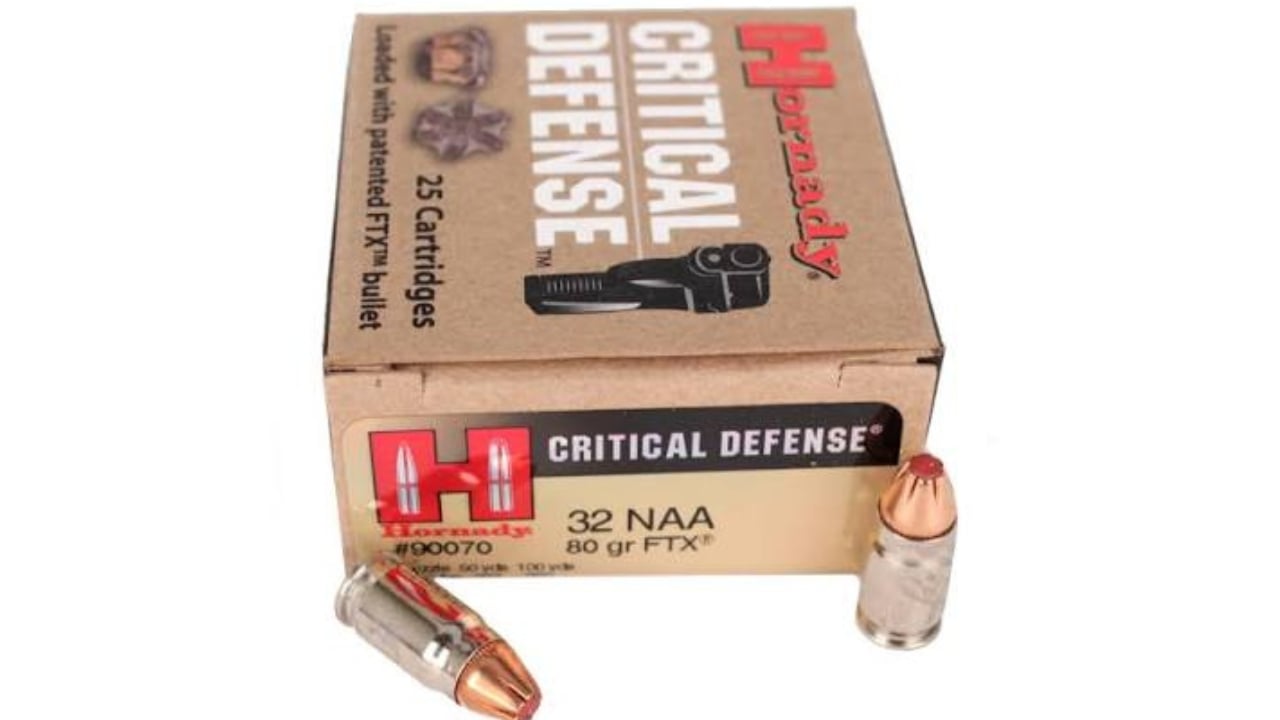
The .32 NAA necked a .380 ACP case down to .32 caliber in pursuit of higher velocity from compact defensive pistols. That gave the cartridge some interesting numbers from tiny guns.
The trouble is that it solved a very specific problem with a very uncommon answer. Ammunition support was limited from the start, pistol choices were few, and the ballistic gain never became compelling enough to convince mainstream buyers to abandon .380 ACP or 9mm. The cartridge also depended heavily on specialized ammunition to show its advantages. Once a caliber needs a long explanation before the average shooter understands why it exists, commercial success becomes an uphill battle. The .32 NAA was clever, but clever was not enough.
.25 NAA
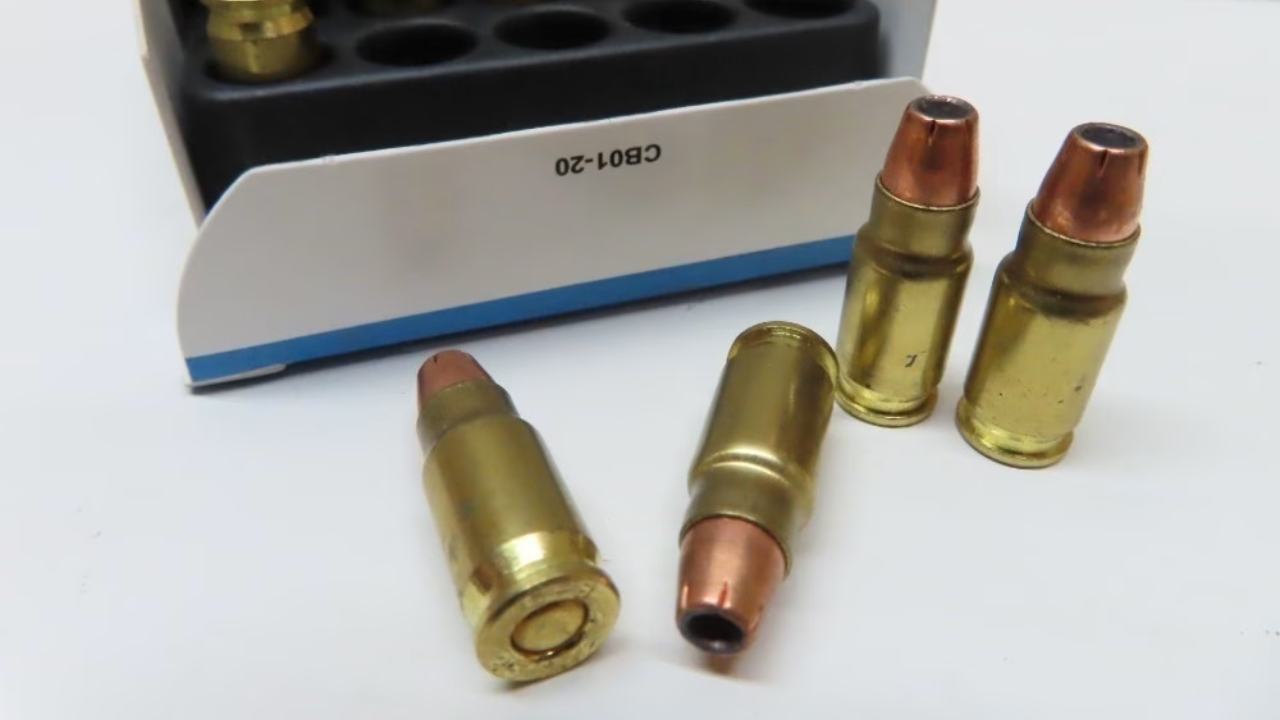
The .25 NAA took the same basic concept even further by necking a .32 ACP case down to .25 caliber. The goal was high velocity from a tiny pistol.
At that point, though, the cartridge had become deeply specialized. You were dealing with a very small bullet, extremely limited ammunition availability, and a pistol selection that never had a chance of becoming mainstream. The round could produce interesting velocity numbers, but velocity alone does not automatically create a useful defensive cartridge. The market already had .32 ACP and .380 ACP for tiny pistols. Adding another proprietary bottleneck round between them created more inconvenience than practical advantage.
9x21mm IMI
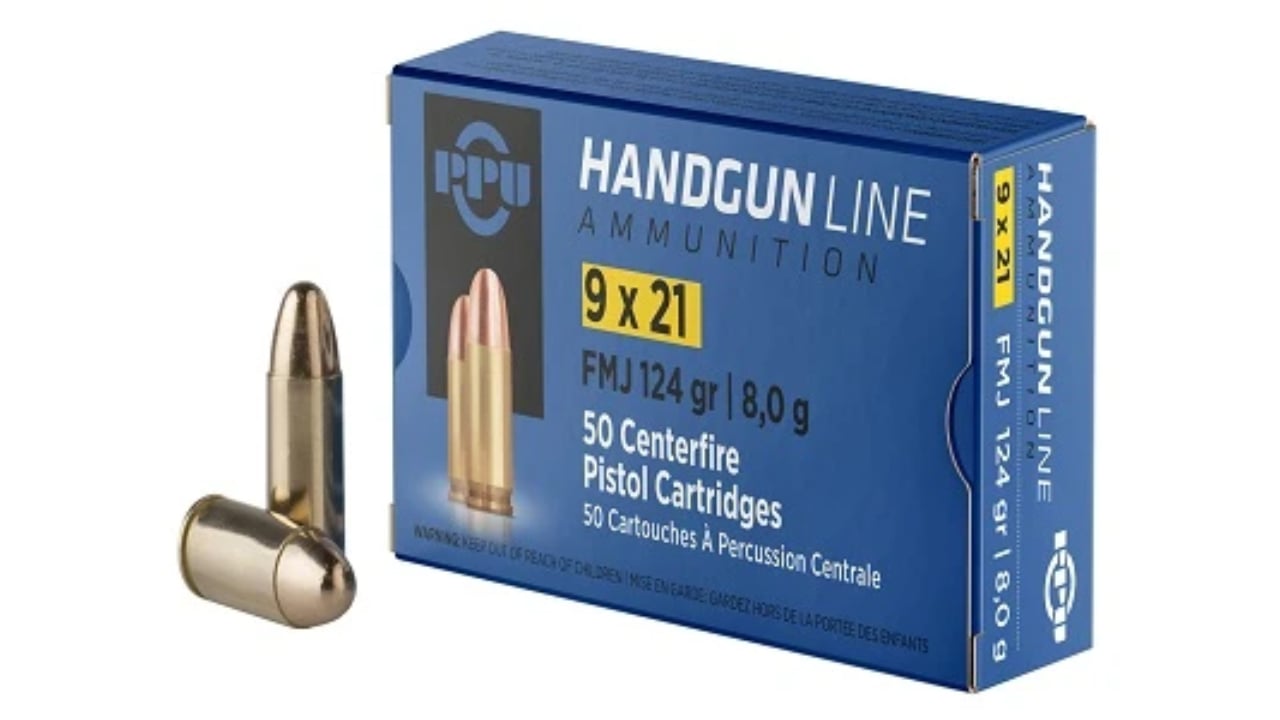
The 9x21mm IMI exists largely because civilian shooters in certain countries could not legally own firearms chambered in military cartridges such as 9x19mm. Lengthening the case slightly allowed manufacturers to create a legally distinct round with nearly identical practical performance.
That makes the cartridge understandable historically, but from a purely ballistic standpoint it was unnecessary. It does almost the same job as 9mm Luger while creating another chambering, another ammunition label, and more potential confusion. In markets where 9×19 was legal, there was very little reason to choose it. The cartridge was essentially a legal workaround rather than a ballistic improvement, which is about as close as you can get to a round that exists because regulation forced it into being.
9x23mm Winchester
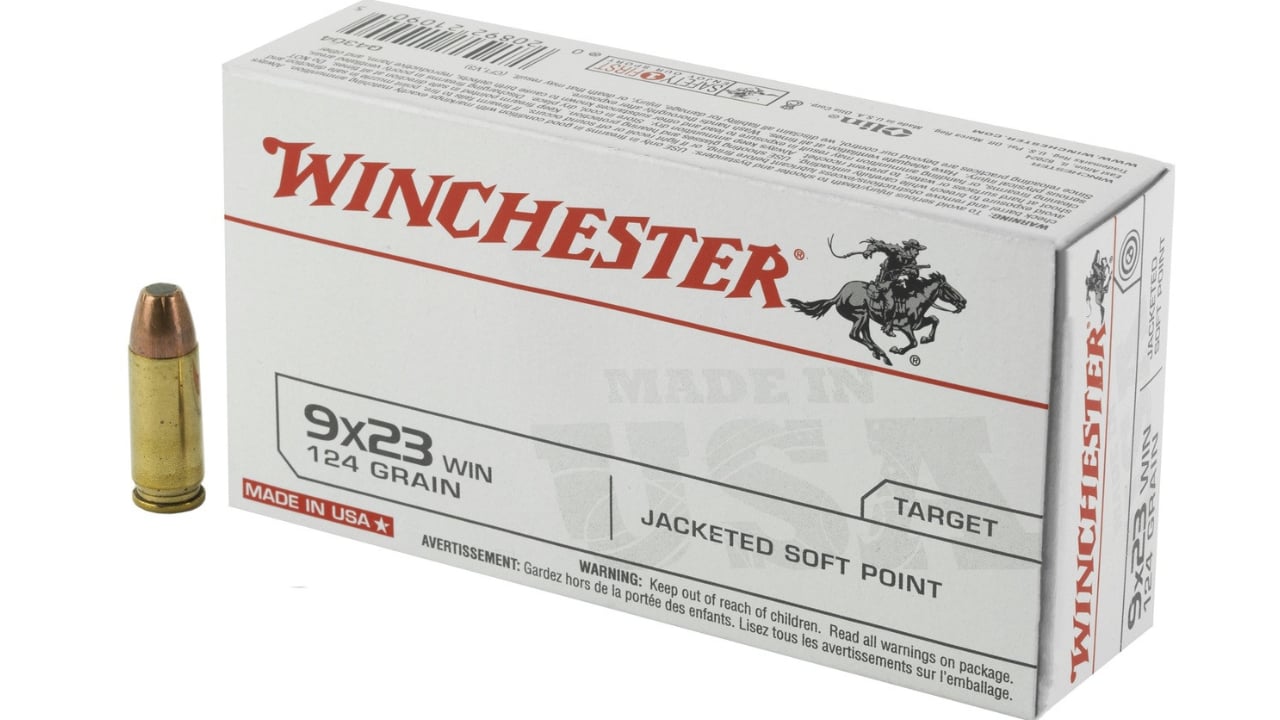
The 9×23 Winchester was designed to deliver very high performance from a strong straight-walled case, particularly for competition and high-velocity defensive use. It could push 9mm bullets impressively hard without some of the case issues associated with older high-pressure designs.
The problem is that it entered a crowded field. .38 Super already existed in competition, .357 SIG offered high velocity in defensive pistols, and 9mm remained cheaper and easier to support. The 9×23 was technically excellent but never created a broad enough reason for shooters to switch. It became another cartridge appreciated by enthusiasts who understood exactly what it could do while the general market moved on without it.
.357 SIG

The .357 SIG was meant to give semiautomatic pistols performance resembling hot .357 Magnum defensive loads. It accomplished that fairly well and became a legitimate law-enforcement cartridge for a time.
The question is whether the performance gain was worth creating an entirely new bottleneck pistol round. Recoil and muzzle blast increased, ammunition cost more, magazine capacity was lower than 9mm, and modern 9mm defensive loads narrowed much of the practical gap. Agencies that once embraced .357 SIG largely moved away from it. The cartridge still works, but it now looks like a complicated solution to a problem 9mm ammunition development eventually reduced dramatically.
.400 Cor-Bon
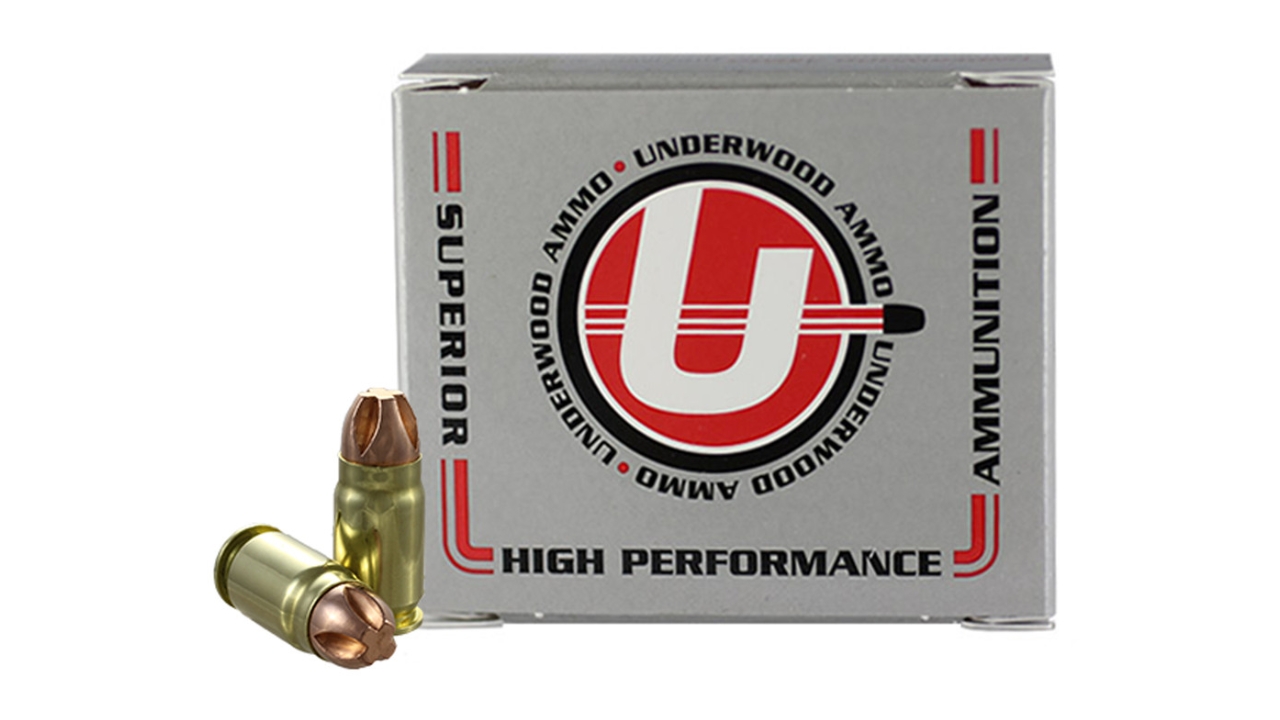
The .400 Cor-Bon necks a .45 ACP case down to .40 caliber, creating a bottleneck cartridge capable of higher velocity from pistols originally designed around .45 ACP.
That sounds interesting until you ask how many people actually needed it. .40 S&W, 10mm Auto, and .357 SIG already covered high-velocity semiautomatic performance, while .45 ACP remained simpler and vastly more available. The .400 Cor-Bon added another specialized chambering without establishing a clear enough role to support it. It became mostly a handloader and enthusiast cartridge, which is usually what happens when the performance advantage is real but the use case is not broad enough.
.45 Super
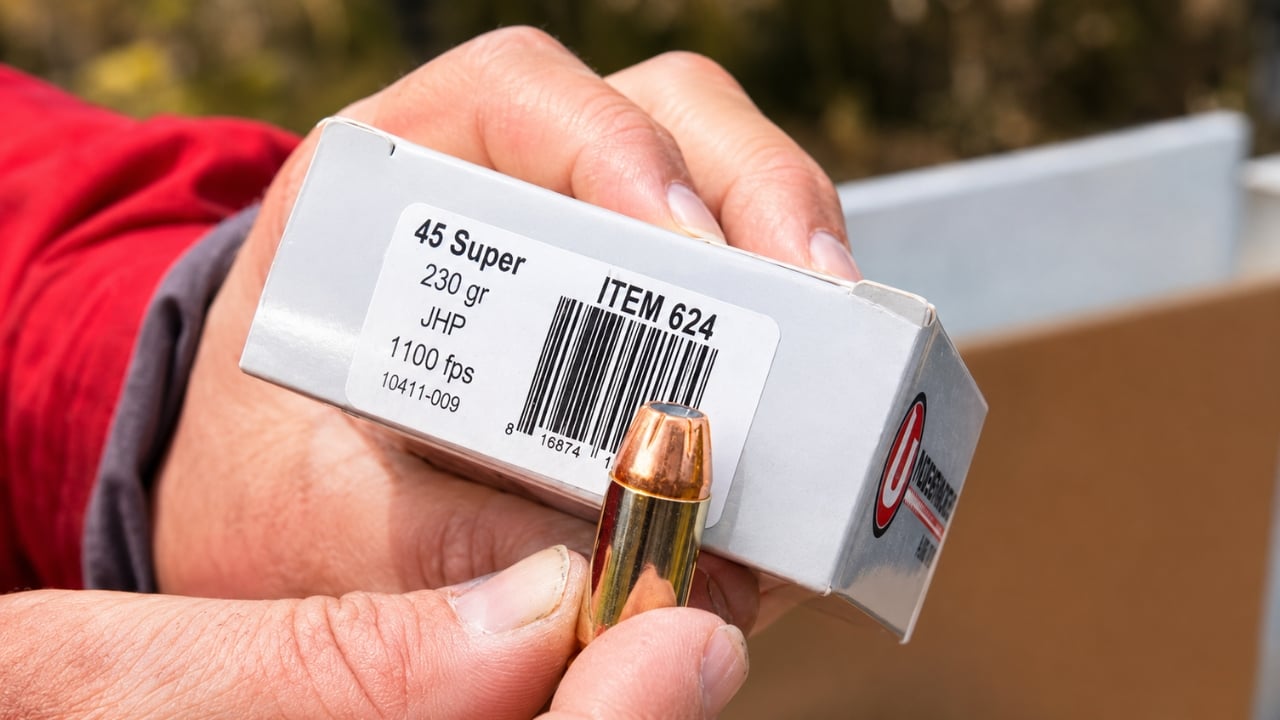
The .45 Super is essentially a higher-pressure evolution of .45 ACP designed to deliver substantially more velocity and energy from compatible pistols.
The problem is that once you need strengthened guns, heavier springs, and careful ammunition selection, the simplicity of .45 ACP starts disappearing. If significantly more power is the goal, 10mm Auto already provides a well-established answer with purpose-built pistols and broader support. The .45 Super can be impressive in the right setup, but it lives in an awkward space where it asks shooters to push an old cartridge beyond its original role rather than simply choosing something designed for higher performance from the start.
.460 Rowland

The .460 Rowland takes the same basic idea much further, pushing .45-caliber semiautomatic performance toward magnum-revolver territory. It can deliver serious energy and has legitimate hunting or woods-use potential.
The problem is that getting there often requires specialized barrels, compensators, springs, and properly set-up pistols. At some point, the conversion becomes more complicated than simply buying a powerful revolver or a purpose-built 10mm. The cartridge is impressive, but the entire system feels like an engineering exercise designed around proving what a semiautomatic .45 platform can be made to do. For most shooters, that is interesting rather than necessary.
.45 Winchester Magnum
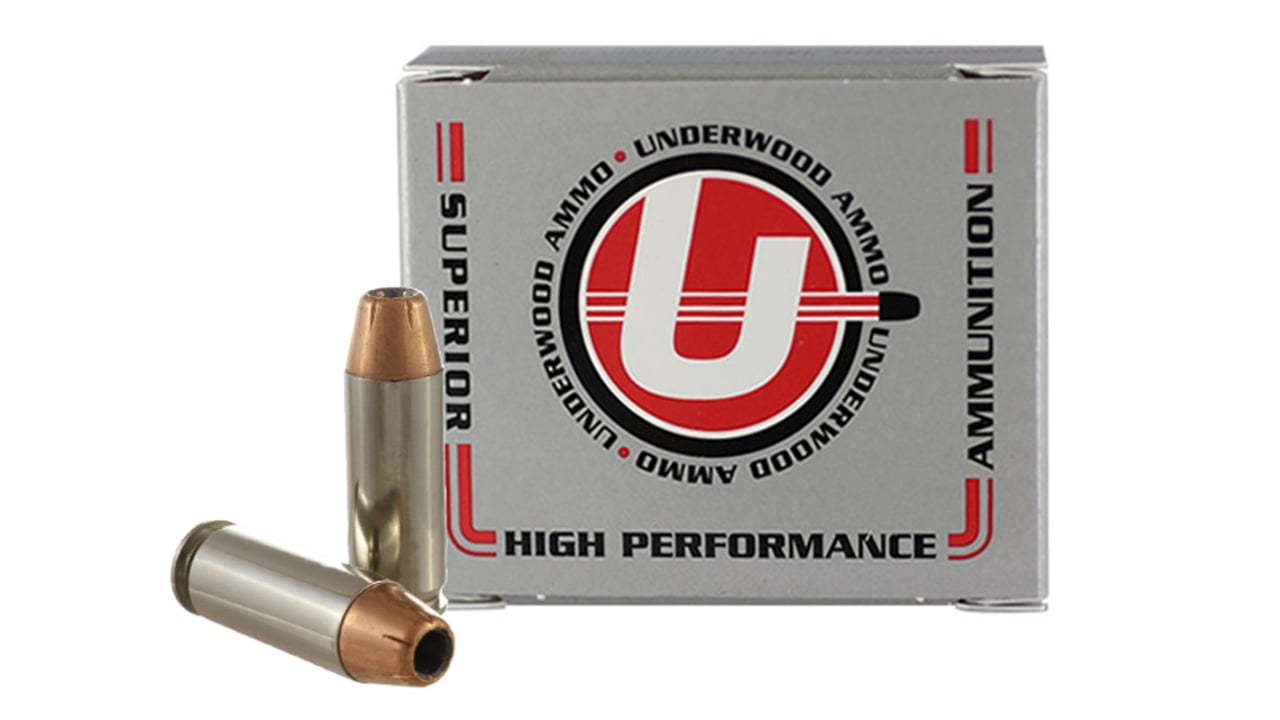
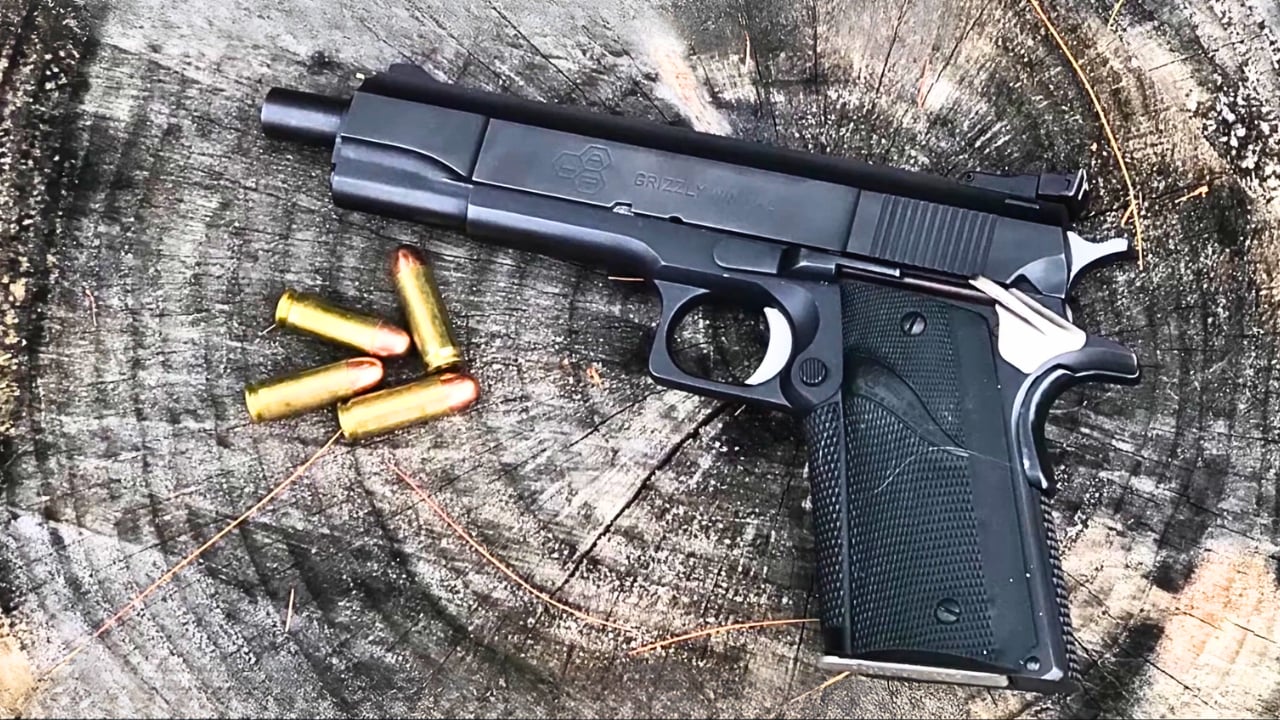
The .45 Winchester Magnum offered a serious step up from .45 ACP and was intended for large, powerful semiautomatic pistols. It produced real hunting-level energy and found a home in guns such as the Wildey and LAR Grizzly.
That was also the problem. The pistols were huge, ammunition was specialized, and the role overlapped heavily with magnum revolvers. Hunters already had established .44 Magnum and .454 Casull options, while ordinary defensive shooters had no need for something this large. The cartridge did what it promised, but it required oversized pistols to solve a problem revolvers had already solved very well. It became more of a curiosity than a mainstream answer.
.475 Wildey Magnum
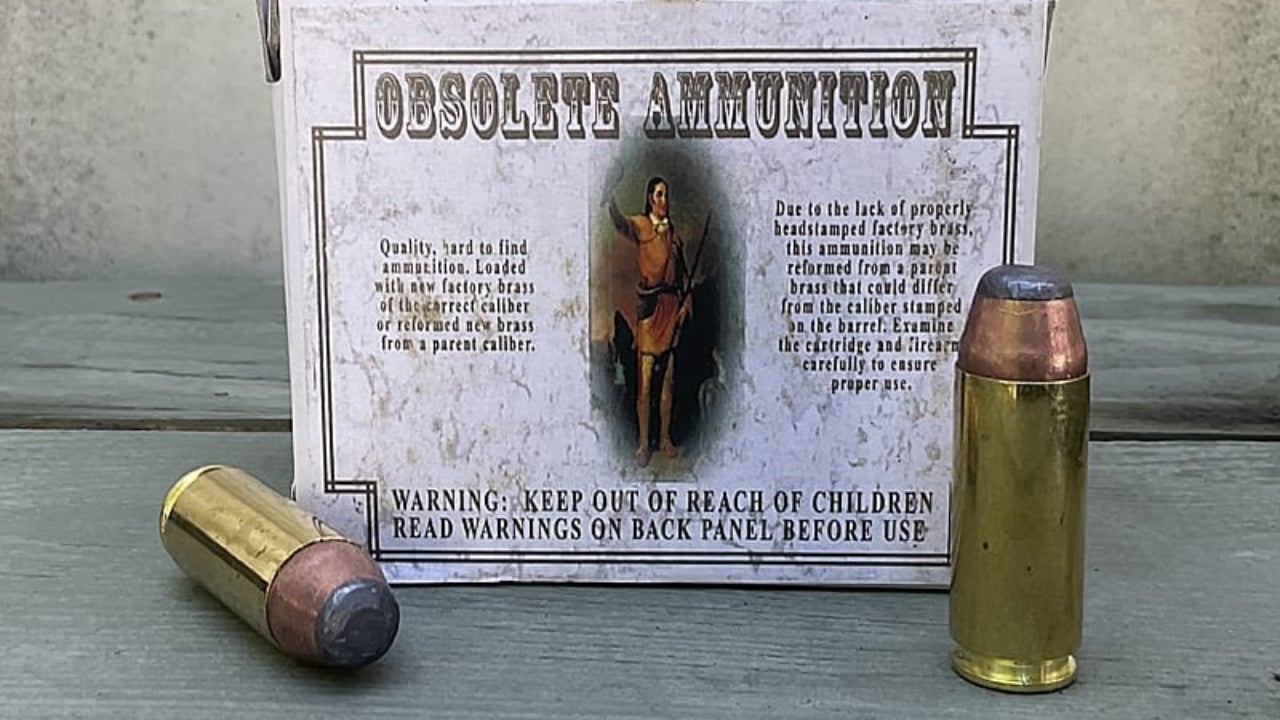
The .475 Wildey Magnum exists because the Wildey pistol itself was built around enormous semiautomatic power. The combination became famous partly through movies and partly because it was mechanically outrageous.
Practicality was always secondary. The cartridge is expensive, obscure, and tied closely to a huge handgun that few people would ever carry for ordinary use. It offers serious power, but so do established revolver cartridges with broader ammunition support and simpler platforms. The .475 Wildey is fascinating precisely because it is excessive. That makes it collectible and fun, but also a strong candidate for a caliber the world did not actually need.
.50 Action Express
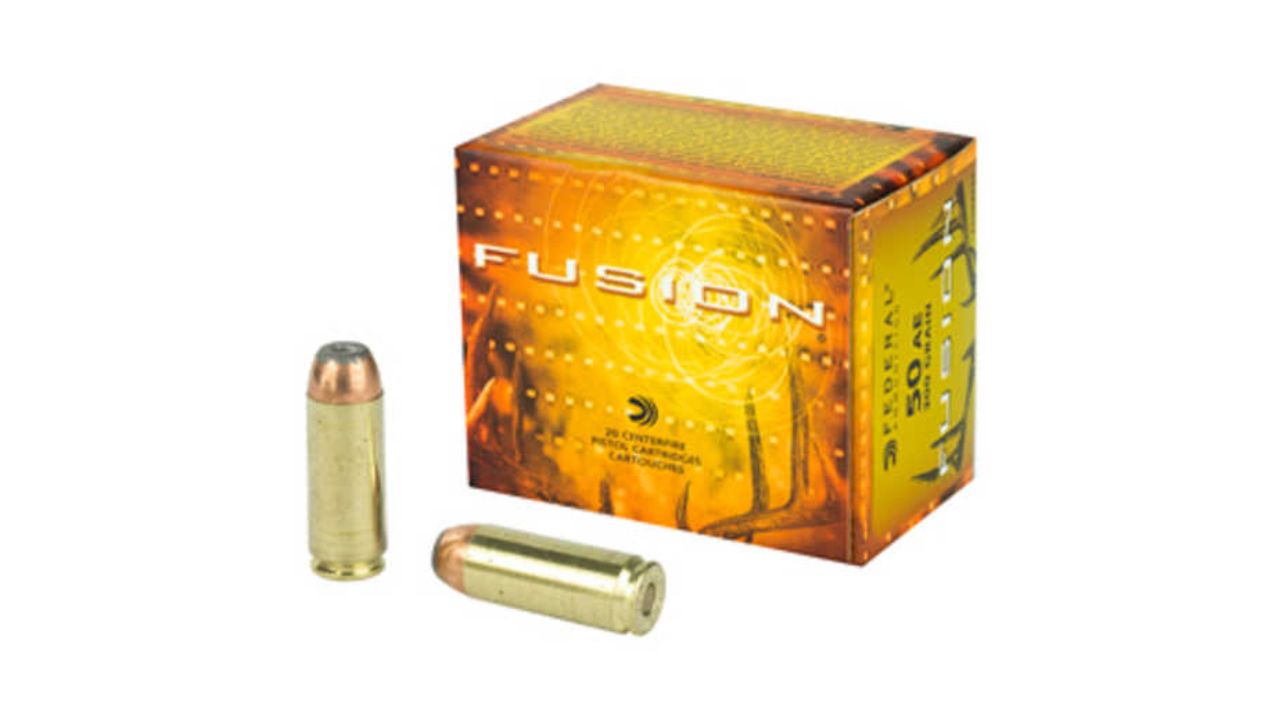
The .50 AE is one of the most recognizable excessive handgun cartridges ever created. Its association with the Desert Eagle guaranteed fame, and the round delivers genuinely enormous power from a semiautomatic pistol.
The question is what problem it solved. The handgun is massive, capacity is low, ammunition is expensive, and recoil is substantial. Hunters already had powerful revolvers, while defensive shooters had no realistic need for a half-inch semiautomatic cartridge. The .50 AE survived because it is spectacular, not because it is practical. That makes it one of the few cartridges whose commercial success may actually prove how unnecessary it is. People buy it because it is outrageous.
.50 GI
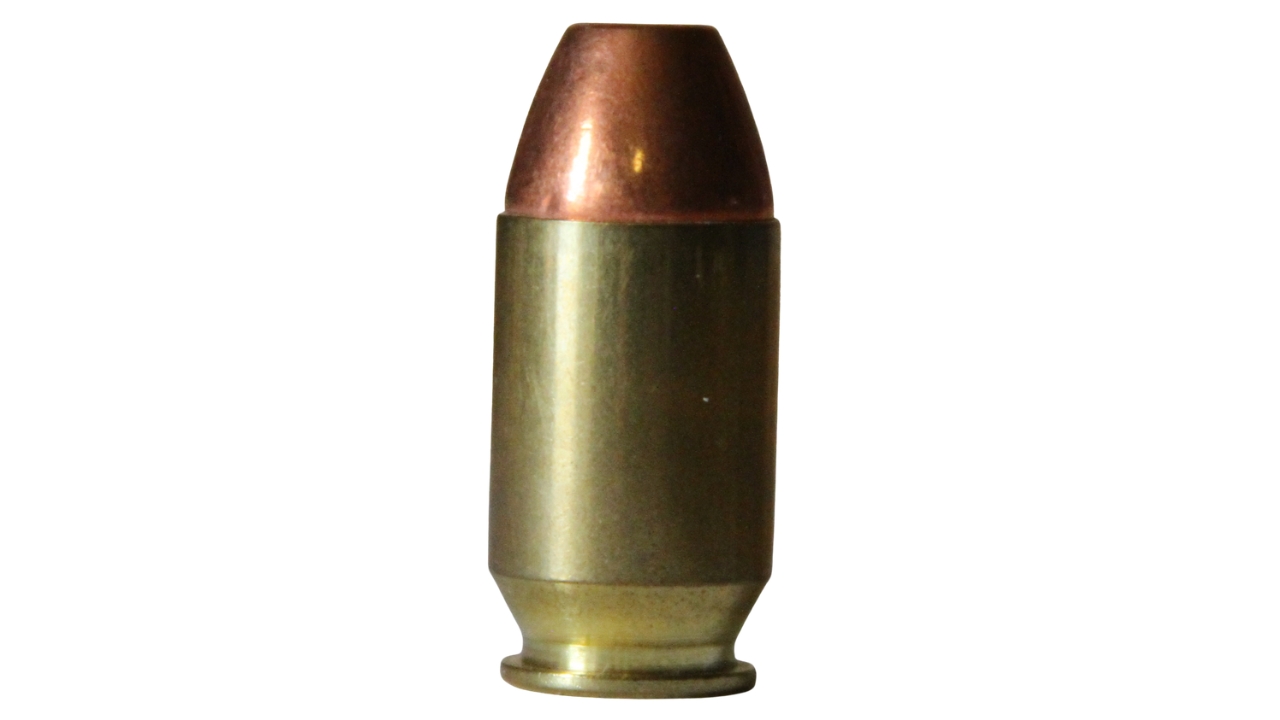
The .50 GI was designed to put a .50-caliber bullet into a handgun platform without chasing the extreme velocity of the .50 AE. That gave shooters a big-bore semiautomatic option with a somewhat more manageable recoil impulse.
The problem is that .45 ACP already offered a large bullet with vastly better support, while 10mm and magnum revolvers handled the high-power end. The .50 GI carved out a narrow middle ground that few shooters were asking for. Ammunition is specialized, pistol options are limited, and the performance advantage is more interesting than transformative. It is another cartridge that exists mainly because enthusiasts wanted to see how large a bullet could be squeezed into a practical semiautomatic format.
.440 Cor-Bon
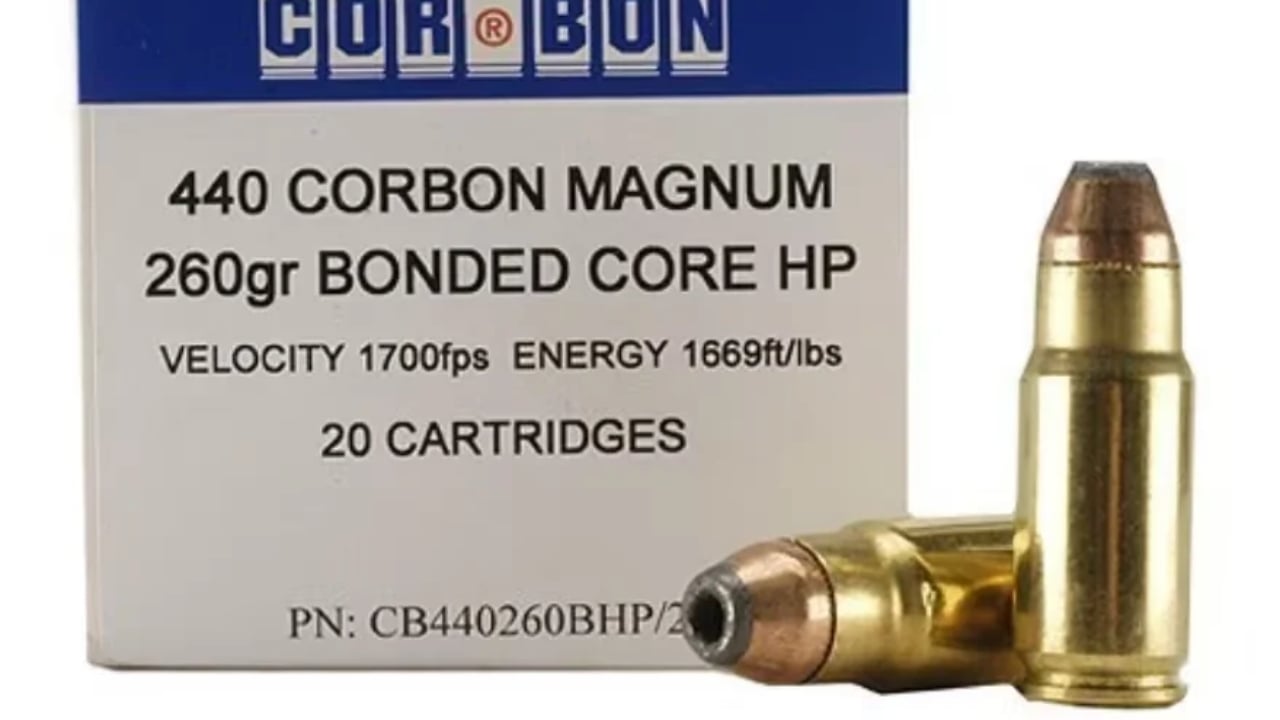
The .440 Cor-Bon necked the .50 AE case down to .44 caliber in an attempt to produce flatter trajectory and higher velocity from the Desert Eagle platform.
That is a fascinating engineering idea and an almost perfect example of unnecessary specialization. The shooter already needed a huge pistol and expensive ammunition, then added a proprietary bottleneck cartridge to gain ballistic performance that very few people actually needed from a handgun. Support never became broad, and the .50 AE remained far more recognizable. The .440 Cor-Bon is the kind of cartridge that makes sense on a ballistic chart and much less sense once you try to build an entire ammunition market around it.
.224 Boz
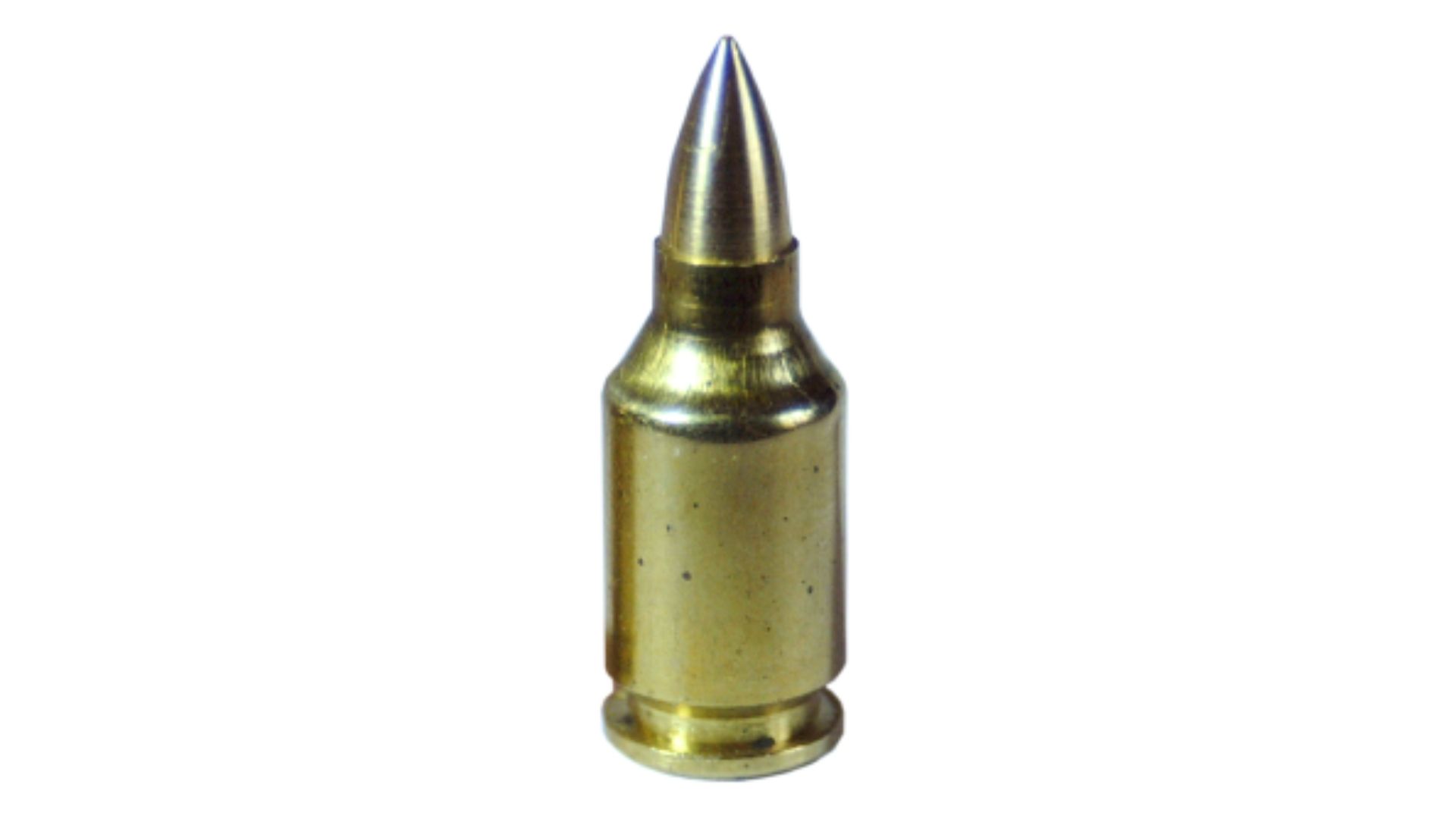
The .224 Boz was an experimental bottleneck handgun cartridge designed around extremely high velocity from a pistol-sized platform. It was intended for specialized law-enforcement or military applications, particularly where defeating certain types of protection was part of the requirement.
That alone tells you how narrow the use case was. For civilian shooters, the cartridge offered almost no practical reason to exist, and it never developed mainstream support. The concept was technically interesting, but creating a proprietary high-velocity handgun round for specialized institutional use was always going to limit it. It belongs more in discussions of experimental ammunition than in the normal handgun-caliber world.
5.7x28mm
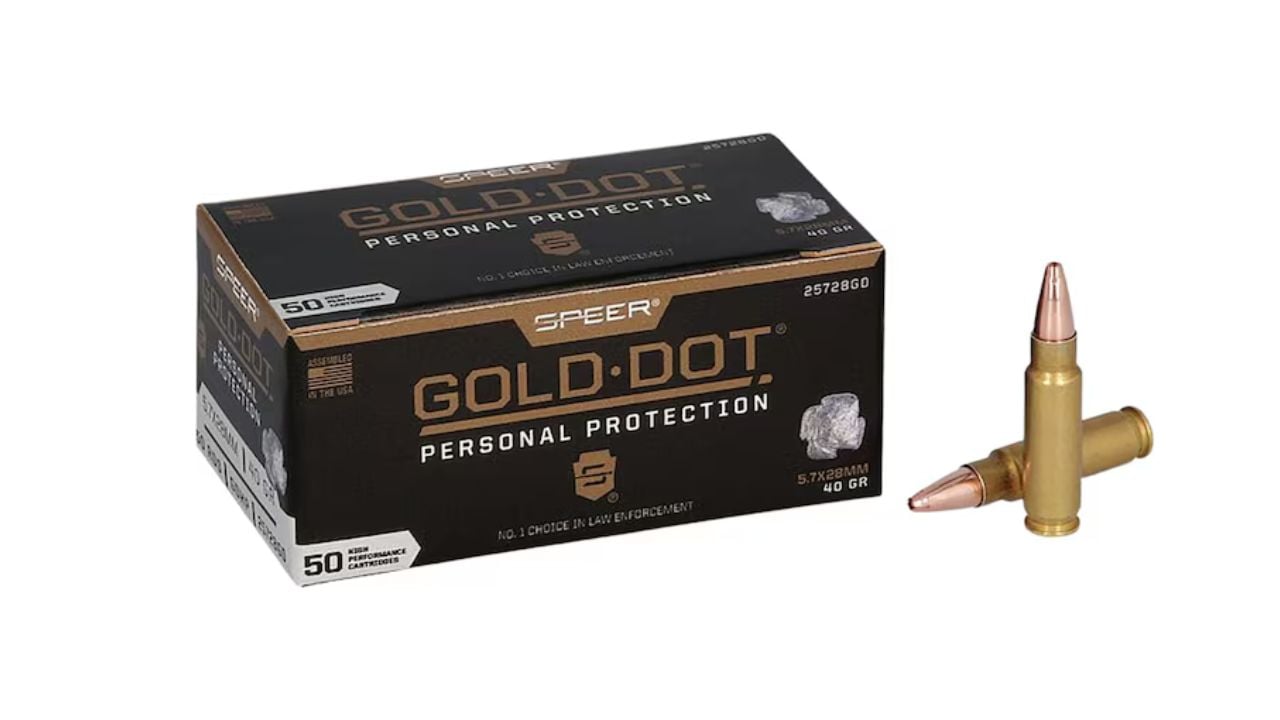
The 5.7x28mm is actually successful, which makes it a controversial inclusion. It offers extremely low recoil, high magazine capacity, flat trajectory, and a unique combination of characteristics that conventional handgun rounds do not exactly duplicate.
The question is whether the civilian pistol market needed it as badly as its popularity suggests. Ammunition is more expensive than 9mm, projectile performance depends heavily on load selection, and the small bullet does not automatically outperform traditional service cartridges in ordinary defensive use. The 5.7 makes a lot of sense in compact personal-defense weapons and specialized roles. As a mainstream handgun caliber, its popularity sometimes feels driven as much by novelty and capacity as by a clear need that 9mm could not already satisfy.
Like The Avid Outdoorsman’s content? Subscribe to our newsletter so you never miss an article.
Here’s more from us: