
When you’ve carried long enough, you learn quickly that some pistols are fine for the range but completely wrong for real emergencies. A gun can look good on paper, feel decent in the hand, and even run well when you’re shooting slow. But when the pressure spikes, your hands shake, and your draw needs to be clean and automatic, certain sidearms show every flaw they’ve been hiding.
Whether it’s poor ergonomics, inconsistent triggers, or reliability gaps that only show up when the gun is dirty or hot, these are the pistols seasoned shooters avoid when the stakes are high.
Taurus Spectrum

The Spectrum feels great on a countertop, but its problems show up the moment you try to run it hard. The trigger is long, vague, and inconsistent from shot to shot, which makes accurate follow-ups tough under stress. The tiny grip also makes it hard to keep the gun stable when your adrenaline spikes.
Reliability has always been hit-or-miss, especially with defensive ammo. Some guns won’t cycle hollow points cleanly, while others struggle once they get even a little fouled. In a stressful situation, those inconsistencies stack up fast. It’s a pistol that’s easy to carry but hard to trust when things go sideways.
KelTec PF-9

The PF-9 is lightweight and slim, but the trade-offs become obvious under real pressure. The recoil impulse is sharp enough to disrupt your grip, especially if your hands are sweaty or cold. The long trigger pull makes controlled shots difficult when your heart rate climbs.
Durability issues show up in high-round-count guns. Extractors wear quickly, magazines can fail to feed smoothly, and the gun’s small parts don’t inspire confidence when you’re rushing a draw. It’s a pistol that might get through a few magazines just fine, but relying on it during an actual emergency is a big gamble.
Jimenez JA 9

The JA 9 is one of those guns you see in pawn shops that looks acceptable until you start handling it. The slides on many examples feel rough and inconsistent, and the pot-metal construction has a long history of cracking under stress. These guns simply weren’t built to be abused.
Even when new, the feeding and extraction systems struggle with common defensive loads. Add dirt, heat, or rushed handling, and you’re almost guaranteed a stoppage. In a real emergency, you need predictability, and the JA 9 gives you the opposite. Most experienced shooters walk away from it without a second thought.
SCCY CPX-1 (manual safety version)

The CPX-1’s biggest issue in emergencies is its overly sensitive safety. You can bump it on without realizing it, especially during a rushed draw or while clearing clothing. That alone makes it a risky choice for defensive carry.
The long, heavy trigger also slows you down when every fraction of a second counts. Add in the occasional reports of feeding issues with hollow points, and the CPX-1 turns into a pistol that requires more attention than it should. When things get chaotic, you want fewer steps, not more.
Beretta Tomcat (.32 ACP)

The Tomcat has its fans, but experienced carriers know its limitations. The slide and frame were never meant for high-pressure ammo, and cracked frames aren’t uncommon. Under stress, that questionable durability becomes a real concern.
The wide grip combined with the small caliber makes it tough to control quickly. Add in the marginal stopping power of .32 ACP from such a short barrel, and you’re looking at a gun that works better as a backup than something you’d ever want to draw first. It’s charming, but charm doesn’t matter in emergencies.
Taurus PT111 G2 (early production)

The later G2c models improved things, but early PT111 G2s were plagued with issues that show up right when you least want them. Some examples struggled with light primer strikes, and others had trigger bar failures after extended use.
Even when running well, the trigger has a long, mushy pull that makes accurate pressure shots tough in defensive scenarios. Grip texture is aggressive, but under stress the gun doesn’t always track consistently in the hand. It’s a gun that requires too much management when everything is already happening too fast.
Rossi M68 (aged examples)

Many of the M68s you see on the used market are worn far beyond their intended lifespan. Lockup issues, endshake, and timing problems show up quickly when you run them hard. A revolver that spits lead or goes out of time mid-string is the last thing you want in a panic situation.
The small grips also make the gun difficult to shoot quickly. Under adrenaline, squeeze pressure goes up, and that usually causes shots to land wide. A well-maintained M68 can still shoot, but most of the surviving examples simply aren’t trustworthy when your life depends on them.
Zastava M70

The M70’s simple design can be reliable when clean, but under real-world conditions—dust, sweat, rushed reloads—it struggles. The gun dislikes many modern defensive loads, and the small safety lever isn’t easy to operate under stress.
The tiny grip also works against you. It’s difficult to establish a consistent hold, especially if your hands are moving quickly during a draw. Add in the heavy trigger and snappy recoil, and the M70 becomes a gun that demands more focus than you can afford in a real emergency.
Hi-Point C9 (for concealed carry)

The C9 runs better than its reputation suggests, but it’s not a gun experienced carriers draw when things get dangerous. The massive slide makes concealment awkward and slows down your draw stroke. Clearing clothing around that bulky profile takes more effort than most people realize.
Feed issues can also pop up with certain hollow points. While the gun may run fine on a clean range day, things change when you’re drawing from concealment, dealing with sweat, lint, or dirt, and firing under pressure. Reliability is inconsistent enough that most shooters avoid it for defensive carry.
Cobra CA-380

The CA-380 is cheap, lightweight, and widely available, but those are the only advantages. The gun’s construction makes it vulnerable to cracked slides and broken firing pins, and both tend to happen at the worst possible time.
The tiny controls aren’t well-suited for fast handling. In an emergency, your grip isn’t perfect, your hands aren’t steady, and your draw isn’t graceful. The CA-380’s sharp recoil and poor ergonomics combine to create a pistol that’s extremely difficult to control when everything is unfolding quickly.
Remington R51 (early runs)

The concept behind the R51 was promising, but the early production guns had significant issues. Feed ramps were inconsistent, slides bound during cycling, and some guns suffered from out-of-battery detonation risks. That’s not something you want hanging over your head in a crisis.
Even the guns considered “fixed” can feel unpredictable when fired rapidly. The recoil impulse is strange, and failures to feed still show up in some examples. In a real emergency, you need a platform that keeps running no matter how fast you move, and the R51 simply doesn’t provide that confidence.
Llama Micromax .380

The Micromax looks like a shrunken 1911, but it struggles under real pressure. Tolerances vary widely, and many examples choke on hollow points or fail to lock up consistently. The small parts inside wear quickly, especially if you train often.
The short sight radius and sharp recoil make follow-up shots slower than they should be. When your adrenaline spikes, that combination becomes a problem. A defensive pistol doesn’t need to look familiar—it needs to perform—and the Micromax often falls short right when you need smooth performance the most.
SIG Sauer Mosquito

The Mosquito was designed as a training pistol, not a defensive gun, and it shows. Reliability with anything but high-velocity ammo is notoriously inconsistent. Under stress, that unpredictability turns into a liability you can’t afford.
The controls are stiff, the trigger isn’t smooth, and malfunctions are common when the gun gets dirty. In a real emergency, you won’t have the luxury of perfect ammunition or a freshly cleaned chamber. You need a sidearm that runs regardless—and the Mosquito simply doesn’t.
Phoenix Arms HP22A

The HP22A is a fun range toy, but experienced shooters know better than to trust it with anything serious. The safety system is overly complicated, requiring multiple steps to operate cleanly. Under stress, those extra movements slow you down and create opportunities for failure.
The pot-metal construction also doesn’t hold up well to extended use. Slides crack, safeties break, and feeding issues become common with age. It’s a pistol meant for plinking, not emergencies, and asking more of it is a recipe for disappointment.
Walther P22 (early models)
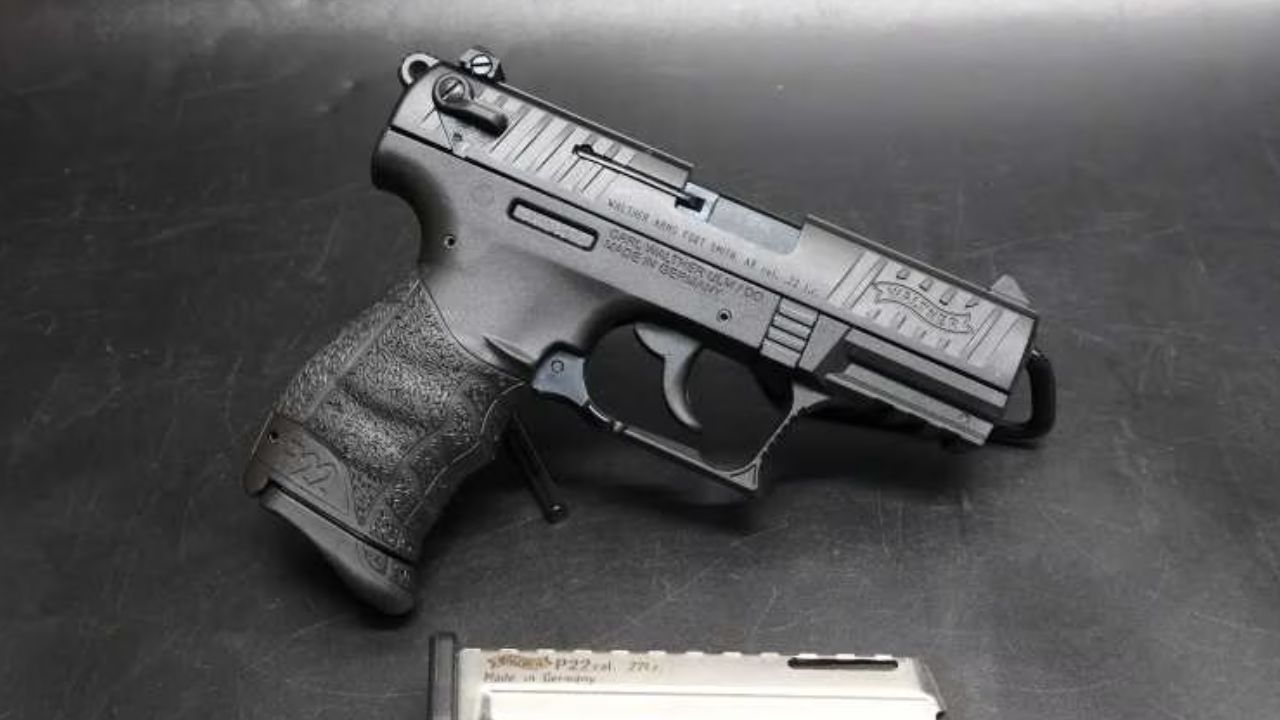
Early P22s suffered from slide cracks, extractor issues, and general wear problems that show up quickly. While later revisions improved the design, many older examples are still floating around—and they do not handle stress well.
The gun is extremely ammo-sensitive, and malfunctions show up fast when using anything outside its preferred loads. In a real emergency, you won’t have the luxury of perfect conditions or cherry-picked ammo. That alone makes the P22 a poor choice for anything beyond casual range sessions.
Like The Avid Outdoorsman’s content? Be sure to follow us.
Here’s more from us:


