Photo credit: Theavidoutdoorsman.com
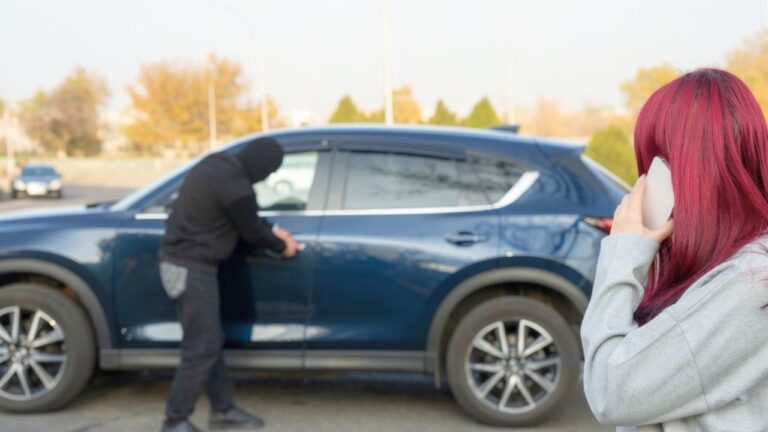
A guy does what most responsible gun owners say they’ll do if a handgun goes missing: he calls the police and reports it. He’s thinking about one thing—keeping a firearm out of the wrong hands and keeping his own name tied to a serial number that could show up somewhere ugly.
Then the wheels came off. Two days later, a detective came back around, said the pistol was never stolen at all, and the same guy who tried to do the right thing ended up in handcuffs. Whether you’re a hunter who keeps a sidearm in the truck during deer season or a concealed carrier who rotates pistols, this kind of case hits a nerve because it’s a reminder that “doing the right thing” still has to be done the right way.
The missing pistol and a report that seemed straightforward
From what was described, the gun owner noticed his pistol wasn’t where it was supposed to be. That might have been a bedside safe, a lockbox in a vehicle, or a cabinet in a garage—places that are common in rural homes where folks are in and out, gear is piled up, and life is busy.
He contacted law enforcement and filed a theft report, providing the usual details you’d expect: make, model, caliber, and serial number. That’s not just paperwork. It’s how a stolen firearm gets flagged if it’s recovered later, and it’s also how the owner protects himself from being the last “known” possessor if it’s used in a crime.
A lot of outdoorsmen have done the same thing with a stolen trail camera, a chainsaw, or a four-wheeler. With a gun, though, the stakes are higher and the scrutiny is different.
Why detectives don’t treat stolen-gun reports like stolen tools
When a firearm is reported stolen, it creates a ripple. That serial number goes into systems that other agencies can see. If it pops up during a traffic stop, a warrant service, or a pawn shop check, somebody’s going to ask questions.
That’s also why detectives tend to look hard at the details right away. A surprising number of “stolen gun” calls aren’t thefts at all—they’re misplaced firearms, messy handoffs between family members, or guns that were loaned out and never returned. And yes, sometimes they’re attempts to get ahead of a bad situation, like a prohibited person getting caught with a gun they “lost” last month.
So if any part of the report doesn’t add up—timelines, storage method, who had access, whether the gun was last seen on a specific day—an investigator may start checking for inconsistencies. It doesn’t mean the caller is guilty, but it does mean the story has to be tight.
The twist: the investigator claims the owner still had the pistol
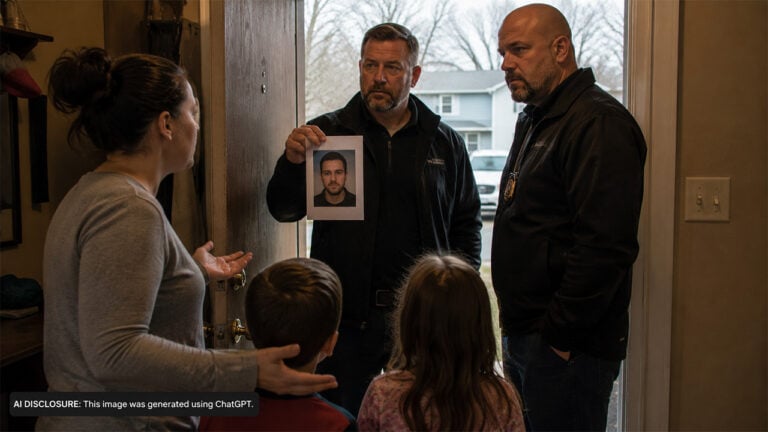
Two days after the report, the detective reportedly came back and asserted the gun owner still possessed the handgun. That’s not the kind of thing a detective says casually, because it implies one of two things: either the gun was located during follow-up and the owner’s story didn’t match, or someone produced information suggesting the firearm was never missing.
There are a few ways that can happen in real life. The pistol could have been seen in the owner’s vehicle during a separate contact. It could have been captured on security footage at a shop or range after the alleged theft. Or someone close to the owner—an ex, a roommate, a family member—could have told police the gun wasn’t stolen and pointed them to where it was kept.
Another common scenario is the “found it” moment. You report it stolen, then it turns up under a seat, behind a toolbox, or tucked into a hunting pack you forgot you swapped out last weekend. The problem is, if you “find it,” you need to notify the agency immediately and document that update. Waiting, carrying it around, or acting like nothing happened is how a mistake starts looking like a lie.
How a theft report can turn into an arrest fast
The arrest in this kind of situation usually hinges on the idea that the original report was knowingly false. That’s a serious allegation because law enforcement treats false reports as wasted resources at best and an attempt to obstruct an investigation at worst.
If a detective believes there’s proof the pistol never left the owner’s control, they may view the stolen-gun report as a deliberate move—maybe to create a paper trail before selling it privately, maybe to get ahead of questions about where it was carried, or maybe to distance the owner from a gun that might be involved in some other drama.
And sometimes it’s just a guy who panicked. Panic makes people do dumb things. In gun ownership, dumb things can turn criminal in a hurry.
The hard truth is that a stolen-gun report isn’t like calling in a missing cooler from deer camp. Once you sign a statement, it’s not just a “heads up.” It’s a formal claim.
What commenters and other gun owners zeroed in on
When stories like this make the rounds in gun circles, the same points come up every time. First is storage. People want to know if the pistol was left in a glove box, a console, or under a seat. Even in places where that’s legal, it’s one of the most common ways guns get stolen, and it’s also one of the easiest details for investigators to challenge.
Second is documentation. Folks ask whether the owner had photos, a recorded serial number, and a clear last-known location and time. The guys who keep a spreadsheet of serial numbers and receipts get teased—right up until something goes missing and they can provide everything in five minutes.
Third is the “found it later” problem. A lot of responsible people have misplaced gear. The difference is how you handle it once you’ve involved law enforcement. Most experienced gun owners will tell you the same thing: if you report a firearm stolen and it turns up, you don’t wait for the next convenient day to mention it. You call immediately, get the case updated, and ask what the proper next steps are so your report doesn’t hang out there like a lie.
Finally, some folks fixated on the idea that “they’re trying to get gun owners.” Maybe. But more often it’s simpler: investigators see enough bogus reports that they go into these cases skeptical, and skepticism plus sloppy details equals trouble.
The practical lessons every outdoorsman should take from this
If you own guns and spend time outdoors, you’re constantly transitioning—truck to field, field to cabin, cabin back to truck. That’s when stuff goes missing. A few habits keep you out of the danger zone.
One, lock it up like it matters. A real lockbox secured to the vehicle is better than a console. A small bedside safe beats a nightstand drawer. If you’ve got kids, company, or workers around the property, secure storage isn’t just smart—it’s protective in every sense.
Two, keep your own records. Write down serial numbers and keep them separate from the gun. Take a couple clear photos. If you ever have to report a theft, you’ll sound credible because you’ll have specifics, not guesses.
Three, when you make a report, treat it like testimony. Be accurate about dates and access. If you aren’t sure when you last saw it, say that. Don’t “tighten up” the timeline to make it sound better. Those are the little cracks detectives pry open.
And four, if the gun turns up, call back right then. Don’t assume it will “work itself out.” Clearing a stolen entry is part of protecting yourself, especially if you ever get stopped with that pistol later and it still comes back as stolen.
This whole mess is the kind of thing that can happen to a normal guy who’s juggling work, family, and outdoor time—and it can also happen to someone trying to play games with paperwork. Either way, the fix is the same: store your firearms properly, keep clean records, and don’t treat a stolen-gun report like a casual conversation. Once you pull that lever, it has consequences.
Like The Avid Outdoorsman’s content? Be sure to follow us.
Here’s more from us: