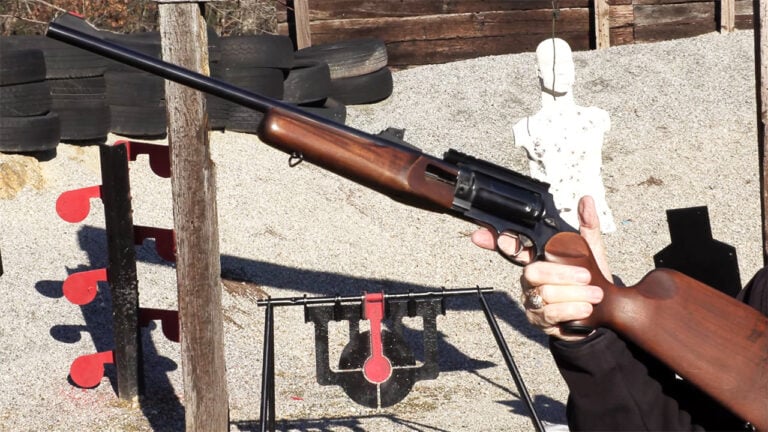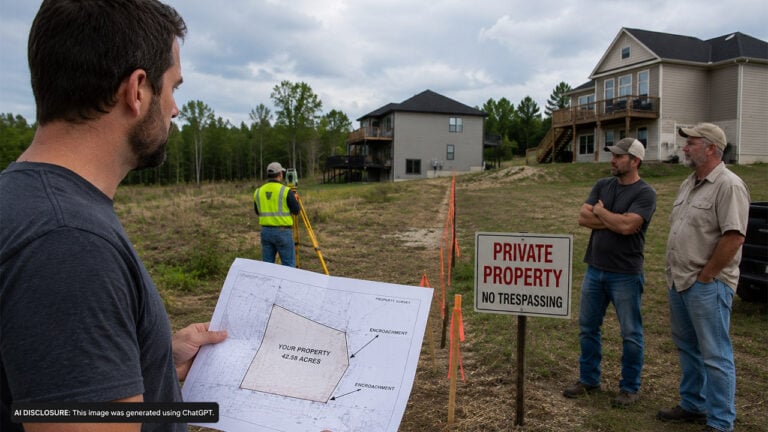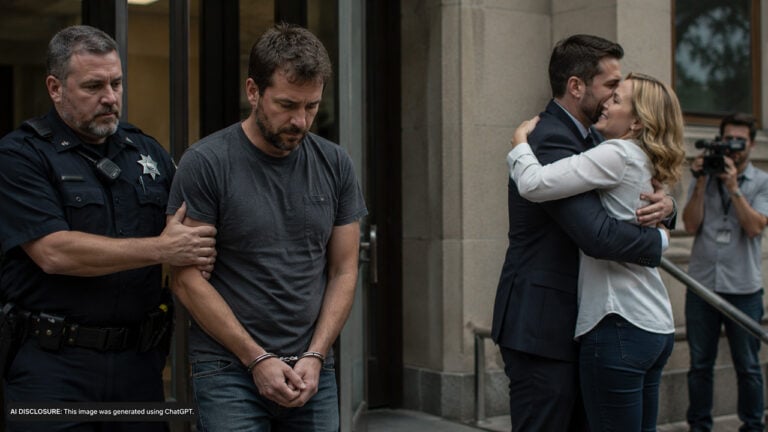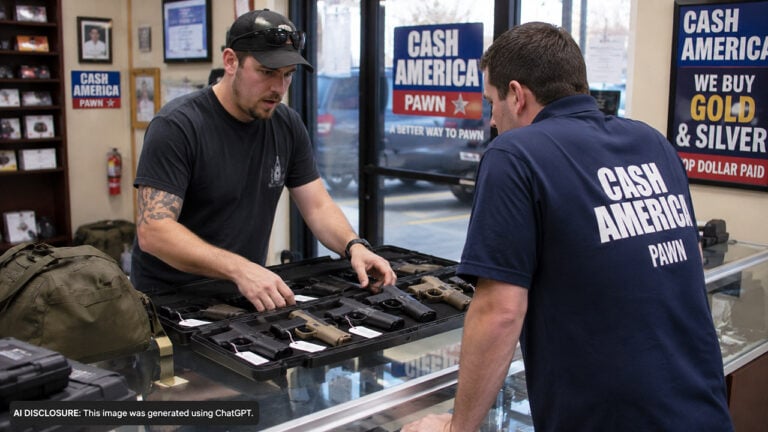
Photo credit: AI-generated image created using ChatGPT. Illustrative only
A stolen handgun has a way of sticking in your mind. Not just because it’s expensive, or because it was yours, but because once that serial number is out in the world, you don’t get to control where it goes or what it’s tied to.
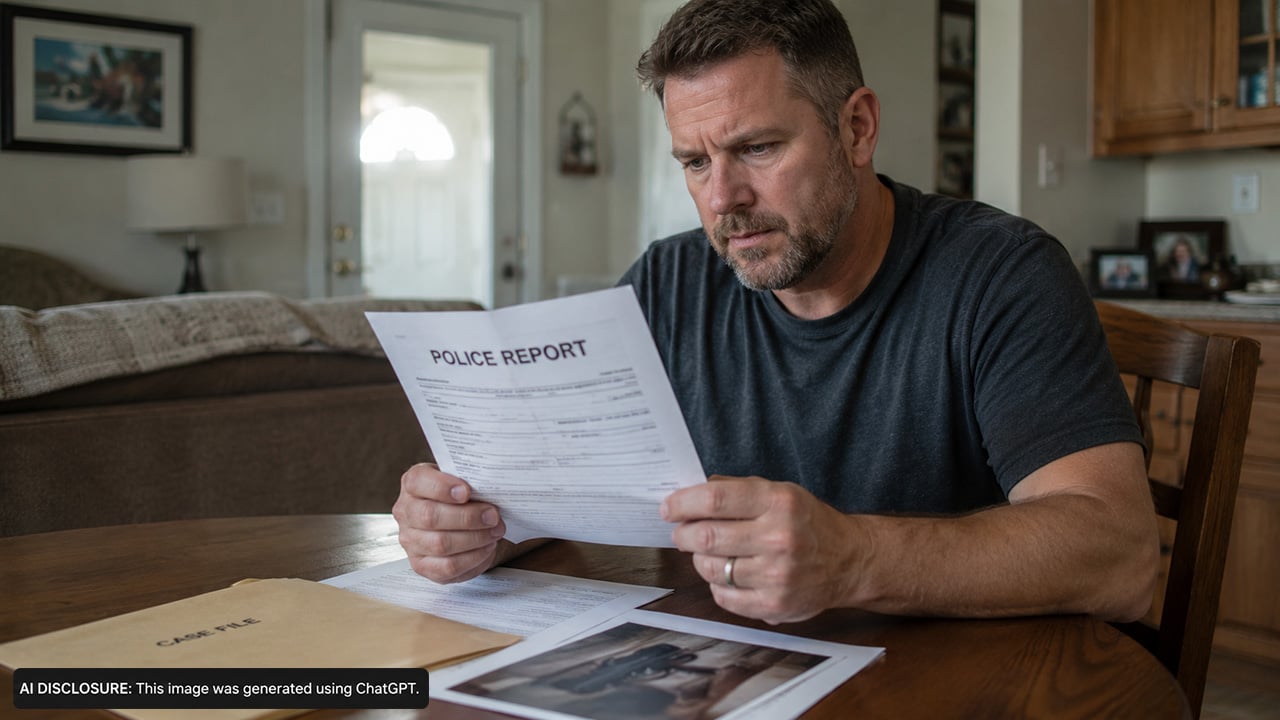
That’s where one Colorado gun owner found himself after a break-in years earlier. He reported the theft immediately, the police came out and took a report, and then life moved on—until he unexpectedly got the handgun back and realized he was pretty sure he knew exactly who took it. His full account is laid out in the original post, and it’s the kind of situation that forces you to weigh friendship, family, and the very real consequences of a firearm floating around unaccounted for.
The theft was reported right away, and then the trail went cold
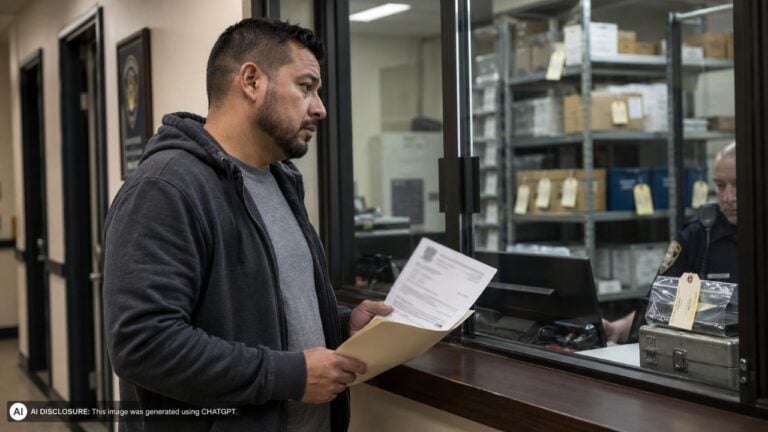
The gun owner said the handgun disappeared from his home a couple of years earlier. He noticed it the same day, called law enforcement, and officers responded and completed a report. After that, there weren’t any updates—no recovery, no suspect, nothing tying a name to it.
Folks around him told him what a lot of us would assume in a clean, targeted theft: it was probably someone who’d been in the house and knew what to look for. He didn’t want to believe it at the time, but he admitted the circumstances fit.
Years later, he had the gun again—along with a new problem
Eventually, he said he had possession of the handgun again. That’s a relief on one level, but it also creates an immediate paperwork problem. A firearm reported stolen doesn’t magically become “unstolen” just because it came back home.
His worry was straightforward and practical: if he ever got stopped, or if an officer ran the serial number for any reason, it could still come back flagged as stolen. Even though he was the one who filed the original report, he didn’t want to be standing there explaining why a “stolen” gun was now in his hands.
Knowing who likely took it made the decision harder, not easier
The twist is that he believed the person who stole the handgun wasn’t a stranger at all, but a longtime friend—someone he’d known for about 20 years. The other party denied stealing it and offered a story about how he came into possession of the pistol, but the gun owner didn’t buy that explanation.
And then came the part that makes this feel like a real-world campfire conversation instead of a simple police report. He wasn’t eager to “ruin” the guy. He described him as a single dad with a 13-year-old son, and he didn’t want the kid to pay the price for his dad’s dumb decisions.
At the same time, he noted the suspected thief was already on probation. In his mind, that meant if law enforcement decided this was a theft case, it wouldn’t be a slap on the wrist. It could be serious jail time, and that reality weighed on him.
The question most gun owners understand: Can you clear the record without naming names?
He kicked around a few options, and you can hear the push and pull in his thinking. One idea was simply reporting the gun recovered while refusing to identify who had it. Another was telling police he “found” it in his own home after two years—an explanation he didn’t like because it made him sound careless and, more importantly, because lying to law enforcement with a stolen firearm involved is a bad road to start down.
He also wondered what would happen if he did nothing and waited until the serial number was run later. Could he just tell an officer, “I got it back and chose not to press charges”? He was trying to find a path that removed the gun from the stolen database without automatically turning his friend into a criminal case.
That’s a pretty common instinct in rural and outdoors circles. A lot of people don’t want to call the law on somebody they’ve known forever, especially when there’s a kid in the picture. But a firearm isn’t a borrowed chainsaw. When a handgun is involved, the stakes are higher and the paper trail matters.
Why this isn’t just about friendship—it’s about liability and future headaches
Even without getting deep into statutes, the practical problem is obvious: a stolen-gun report is there to protect you, but it can also bite you later if it isn’t updated properly. If that gun ever got used in a crime while it was missing, your report is one of the few things that helps show you weren’t the one holding it. Keeping the record clean matters.
There’s also the matter of how the gun came back. If an officer asks where it was recovered from, that question isn’t small talk—it’s part of determining whether there’s still a crime to investigate. The gun owner understood that, which is why he recognized that having police “verify” the other party’s story would feel a lot like turning him in.
And then there’s the bigger safety piece. He wrote that he didn’t believe the person was violent and wasn’t worried the gun had been used in a crime. Maybe that’s true. But once someone is willing to steal a handgun and sit on it, you’ve already learned something important about their judgment. That’s not the kind of trait you ignore around firearms, kids, and households.
The response he got was shaped by one hard truth: you don’t control what police do with a theft report
While the post itself focused on his questions and didn’t include a full comment thread in the material provided, the underlying issue is one most experienced gun owners and attorneys will point out quickly: you can choose whether to cooperate as a complaining witness, but you don’t get to unilaterally “turn off” a criminal matter once law enforcement has the facts.
In plain terms, “I don’t want to press charges” isn’t a magic shield. If the facts support that a theft occurred, and especially if the person involved is already on probation, authorities may still act. The gun owner seemed to understand that reality, and that’s what made him hesitate. He wasn’t just deciding whether to forgive a friend—he was deciding whether to set a process in motion that he couldn’t fully control.
On the other hand, letting it ride and hoping the gun never gets checked is its own gamble. Most of us would rather deal with an uncomfortable conversation now than an even uglier one later on the side of the road or during an unrelated call.
There’s no clean-feeling option when a stolen firearm comes back into your hands and the likely thief is someone you’ve known for two decades. But the practical lesson is simple: the minute a gun is reported stolen, treat the recovery like a real event that needs to be documented the right way. Protect yourself first, because if that serial number pops later, it won’t be your good intentions doing the talking.
Like The Avid Outdoorsman’s content? Be sure to follow us.
Here’s more from us: