Photo credit: Muddy River Tactical
Big guns sell a story. More steel, more barrel, more capacity, more power—so it must be better, right? The problem is that most shooting and hunting happens in the real world, not on paper. Real world means awkward angles, thick cover, long walks, cold hands, fast decisions, and shooting positions that aren’t anywhere near a bench. That’s where “big” can turn into slow, heavy, and hard to manage.
The guns below prove the point in different ways. Some are compact carbines that do almost everything a full-size rifle does. Some are mid-size pistols that shoot flatter and faster than the big-frame bruisers. Some are light, handy field guns that get carried more, shot more, and trusted more—because you can actually live with them.
Ruger American Ranch

A short, handy bolt gun doesn’t look impressive until you start using one. The Ruger American Ranch carries like a tool, not a burden, and that means it’s with you when a heavy rifle would’ve stayed in the safe. In the real world, that’s a major advantage.
You also get practical accuracy without needing a long barrel or extra weight. It’s the kind of rifle you can throw behind a truck seat, hike into a stand with, or use around a farm without feeling like you brought a fence post. The point isn’t that it’s “better” than everything bigger—it’s that it does enough, easily, and that’s what wins most days.
Winchester Model 94

The Model 94 is proof you don’t need a long, heavy rifle to be effective in the deer woods. It’s light, quick, and it comes to the shoulder fast. In timber and brush, that matters more than raw velocity charts.
With the right load and a realistic range, it hits hard and keeps you moving. A lot of big rifles turn into awkward spears in thick cover, and they’re slower when the shot window is tight. The 94 stays handy, and it encourages the kind of shooting that actually happens during deer season—standing, kneeling, leaning around a tree, and getting it done before the animal vanishes.
Marlin 336

The Marlin 336 has put more venison in freezers than many “bigger and better” rifles ever will. It balances well, carries easy, and cycles fast for a follow-up. When you’re still-hunting or slipping through creek bottoms, it’s hard to beat.
The big takeaway is that it doesn’t demand perfect conditions. A longer, heavier rifle can be steadier, sure—but it also gets left behind more often and fights you in tight spots. The 336 is a rifle you actually keep in your hands, and that leads to better outcomes. It’s a reminder that a gun you handle well is usually more effective than one that looks impressive.
CZ 527 Carbine

Compact bolt rifles like the CZ 527 Carbine show you what “enough gun” looks like. You get a light, quick rifle with a trim action that carries like a dream. It’s the opposite of a bulky setup that feels great on a rack and lousy on a long walk.
In practical hunting terms, a carbine like this makes you faster and quieter. It’s easier to maneuver in a blind, easier to sling, and easier to keep controlled when you’re shooting off a pack or against a tree. Bigger rifles can be steadier, but they also punish you when the terrain gets steep. The CZ 527 proves that a compact rifle can still be deadly effective.
Ruger Mini-14

The Mini-14 is a good example of “light and handy beats big and heavy” for a lot of practical tasks. It’s easy to carry, quick to shoulder, and it points naturally. That alone makes it more usable for many shooters than heavier, bulkier rifles.
It’s also a rifle that fits real-life shooting. You can run it in and out of vehicles, carry it on a property, and handle it without feeling like you brought a bench gun to a field job. The point isn’t that it’s a long-range hammer. The point is that it stays comfortable, stays controllable, and stays practical—especially for people who don’t want a giant rifle dragging them down.
Glock 19

The Glock 19 is the classic case of “bigger isn’t always better” in the pistol world. Full-size handguns can be easier to shoot, but plenty of them turn into a hassle to carry all day. The G19 splits the difference and does it well.
You get enough grip to control recoil, enough sight radius to shoot accurately, and enough magazine capacity for serious use. But it’s still compact enough that you’ll actually carry it without constant wardrobe games. That matters because the best defensive pistol is the one you really keep on you. The Glock 19 proves you don’t need a giant duty gun to shoot well and stay prepared.
SIG Sauer P365

Tiny pistols used to be hard to shoot and easy to dislike. The P365 changed that by making a truly compact gun feel more shootable than it has any right to be. It carries easy, disappears under normal clothes, and still gives you respectable capacity.
That’s where “big doesn’t always mean better” hits home: a thicker, taller pistol can shoot softer, but it also prints more and gets left behind more. The P365 is the kind of gun you can carry every day without making it a production. If you actually practice, you can run it hard and stay accurate. It’s proof that smart design can beat sheer size.
Smith & Wesson M&P Shield
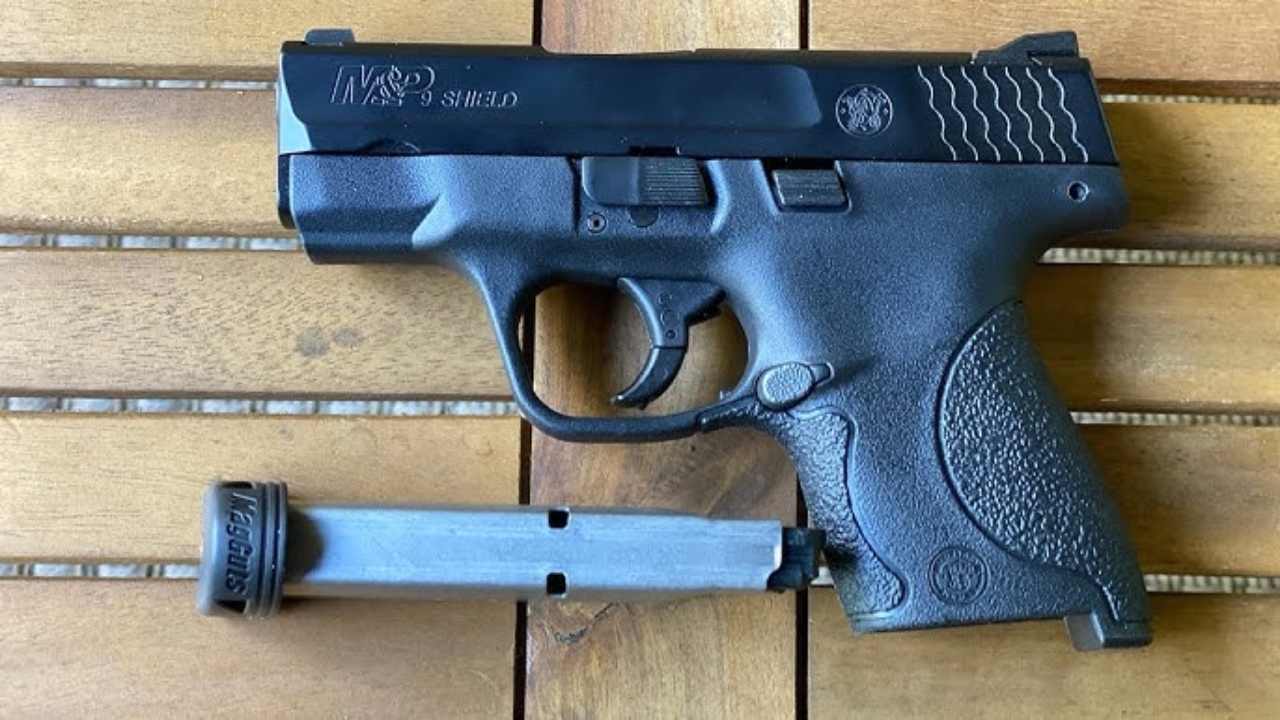
The Shield has earned its reputation by being boring in the right ways. It carries easily, it runs reliably, and it’s straightforward to maintain. A lot of bigger pistols feel great on the range but become annoying when you try to live with them daily.
The Shield’s advantage is that it encourages consistency. You carry it more, you practice with it more, and you’re less likely to talk yourself out of strapping it on. That counts for more than an extra half-inch of barrel or a bigger grip that doesn’t fit your body or your clothes. The Shield is proof that practical size often beats “more gun” when the goal is everyday readiness.
Ruger LCR

A lightweight revolver like the Ruger LCR doesn’t win beauty contests, and it doesn’t need to. It’s a gun that gets carried when other guns get excuses. In real life, that matters more than having a larger frame that shoots softer but stays in a drawer.
The LCR’s value is in its simplicity and weight. It’s easy to drop in a pocket holster, easy to carry on a hike, and easy to keep as a backup. Big revolvers can be fun, but they’re heavy and they pull at your belt all day. The LCR proves that a gun you’ll actually have with you can be the better choice.
Ruger SP101

The SP101 is a small-frame revolver that feels like it was built for people who actually shoot. It’s compact enough to carry without misery, but heavy enough to stay controllable compared to ultralight snubs. That balance is what makes it useful.
A larger revolver might be easier with full-power loads, but it’s also harder to carry and slower to draw in normal life. The SP101 fits the middle ground: it’s durable, it handles reasonable loads well, and it doesn’t feel fragile. If you want a revolver that makes sense as a real tool, this one is proof you don’t need a huge frame to get solid performance.
Mossberg 500

Big, heavy shotguns can shoot softly, but they can also wear you out fast—especially if you’re walking fields, busting brush, or covering miles behind dogs. The Mossberg 500 is a straightforward working shotgun that keeps things practical.
It’s not fancy, but it’s dependable and easy to set up for what you’re doing. A lighter, handier shotgun often gets into action faster, and it’s easier to keep moving with it all day. That adds up to more birds in the bag and less fatigue in your shoulders. The 500 proves a utilitarian gun can outperform “bigger” or more complicated options simply by being easy to live with.
Remington 870

The 870 is another reminder that a practical gun can beat a larger, heavier, “more tactical” setup in the field. It points naturally, it carries well, and it’s been trusted for decades by hunters and working folks who need a shotgun to run.
A longer, heavier shotgun might feel steadier, but it also gets slower in tight cover and more tiring over a long day. The 870 hits that sweet spot where it feels solid without feeling like work. It’s also easy to maintain and easy to keep fed with parts and accessories. The point here is simple: a classic pump that handles well can outperform “more gun” because you use it better.
Ruger 10/22

If you’ve ever taught a new shooter, you already know why the 10/22 belongs here. It’s light, easy to control, and fun enough that people actually want to shoot it. That leads to better fundamentals, better accuracy, and better confidence.
In practical terms, it’s also a useful field rifle—small game, pests, camp use, training, and general practice. You don’t need a big rifle to learn, and you don’t need big recoil to get competent. The 10/22 proves that a small, reliable .22 can do more for your shooting ability than a larger gun that intimidates you or punishes bad habits.
Henry Lever Action .22

A lever-action .22 is a lesson in how “small” can still be deeply useful. The Henry .22 rifles are light, quick, and easy to carry around a farm, a trap line, or a campsite. They’re also easy to shoot well, which is the whole point.
Bigger rifles can be louder, heavier, and overkill for the stuff you really do day to day. A .22 lever gun encourages practice, teaches smooth handling, and still takes care of real tasks without drama. It’s also a rifle you can hand to anyone without worrying they’ll get beat up by recoil. The Henry proves that a modest gun, used often, beats a big gun that stays parked.
Springfield Armory Hellcat

The Hellcat is another example of modern design making small guns far more capable. It’s compact enough to carry comfortably, yet it offers the capacity and features people used to think required a bigger pistol. That matters for real concealed carry.
A larger pistol can shoot softer, but it can also be harder to conceal and harder to commit to daily. The Hellcat makes it easier to stay consistent—carry it, train with it, and keep it on you when it matters. It’s not magic, and it still takes practice, but it proves the old assumption wrong: you don’t need a big pistol to get modern performance and serious capability.
Like The Avid Outdoorsman’s content? Subscribe to our newsletter so you never miss an article.
Here’s more from us: