Photo credit: Mark_Kostich/Shutterstock.com
Most “dangerous animal” lists aren’t very useful. They either obsess over rare freak accidents or talk about animals you’ll never see unless you buy a plane ticket and a guide. Real danger in the U.S. is usually more ordinary than people think. It’s the animal you surprise on a trail, the one you step over without noticing, or the one you hit at highway speed when you’re tired and it’s dark.
A truly risky animal is one you can realistically run into and one that can hurt you fast. Sometimes that’s teeth and claws. Sometimes it’s venom. Sometimes it’s a thousand pounds of muscle that doesn’t care you’re “not a threat.” If you spend time outdoors, these are the animals worth respecting.
Whitetail deer

You don’t think of deer as dangerous until you’ve seen what they do to vehicles and people. Deer collisions are one of the most common wildlife-related hazards in the country, and they can wreck your body faster than any predator. It’s not only the impact. It’s the secondary crash, the rollover, the seatbelt injury, and the chaos that comes after.
On foot, deer can still hurt you, especially bucks during the rut or does protecting fawns. Most problems happen when someone gets close for a photo or tries to push a deer away. Treat them like wildlife, not lawn ornaments. The biggest move is simple: drive smarter at dawn and dusk, and never assume that one deer means the road is clear.
Moose

A moose is the animal that makes tough people quiet. They’re not predators, but they’re big, fast, and easily provoked at close range, especially cows with calves and bulls during the rut. Most bad encounters happen because someone assumes a moose will act like a deer and just move off.
They don’t always. A moose can stomp, kick, and charge, and you don’t have many options when one decides you’re a problem. In Alaska and parts of the northern Rockies, moose also show up in towns and along road systems, which creates surprise close-range situations. Give them space, don’t get between a cow and calf, and don’t crowd one on a trail. If you need to back out, back out early.
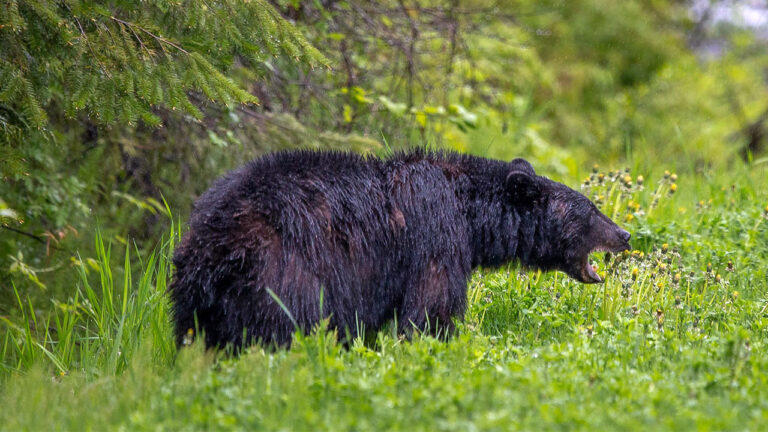
Black bear

Black bears are common across big chunks of the U.S., and that’s what makes them a real-world risk. Most bears want nothing to do with you, but food-conditioned bears and close-range surprise encounters can turn ugly quickly. The danger isn’t that every bear is hunting you. The danger is that you meet one at bad distance in thick cover.
Bears also become bolder around homes and camps when trash, bird seed, and pet food are easy calories. That’s where people get into trouble trying to “shoo” a bear off a deck or corner it near a doorway. Keep a clean camp, secure food, and respect the fact that a black bear is still a strong wild animal with sharp teeth. If you recreate in bear country regularly, bear spray is worth having.
Grizzly bear
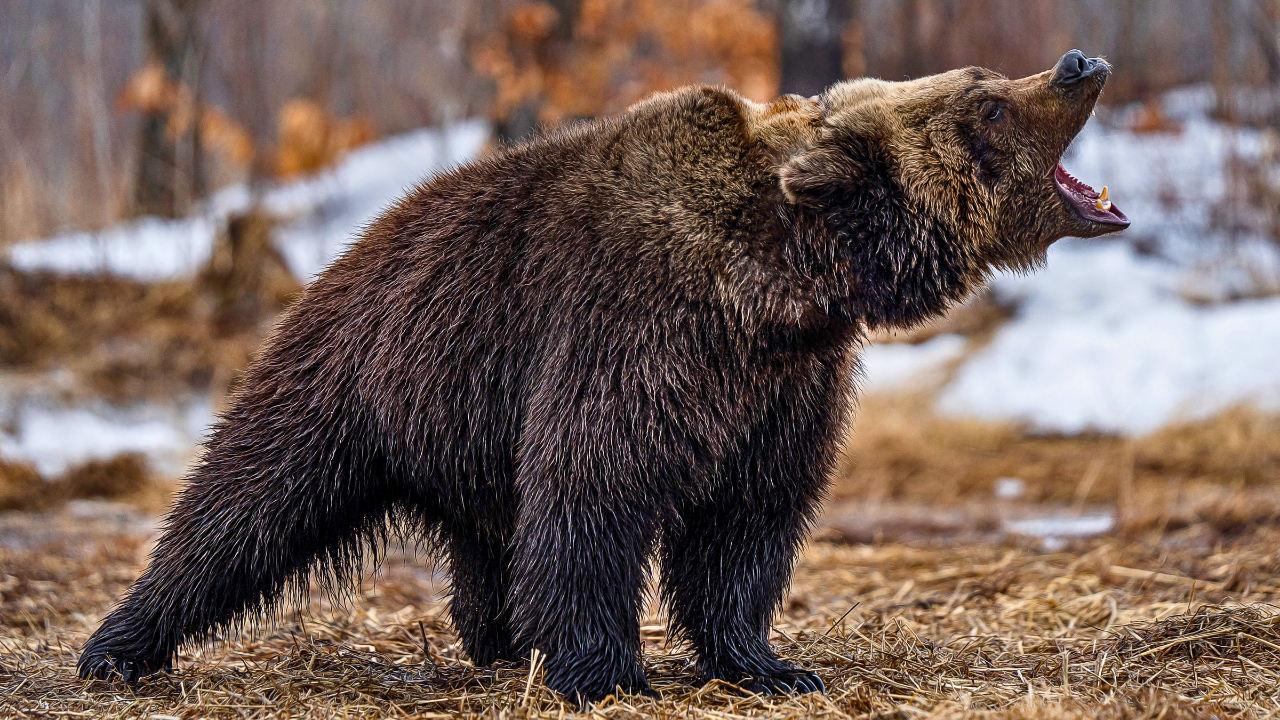
If you spend time in grizzly country, you already know the rules are different. Encounters are less forgiving, and the margin for error is smaller. The most dangerous situations involve surprise at close range, especially with a sow and cubs, or a bear defending a carcass.
The key detail is that grizzlies don’t always run off. A charge can happen fast, and you may only have seconds to react. Good habits matter: make noise in thick cover, pay attention to wind and visibility, and avoid carcass smells and gut piles. Bear spray has a strong track record for stopping charges when used correctly, and it’s easy to carry. The point isn’t to live scared. It’s to respect the animal and act like you belong in its country.
Mountain lion

Mountain lions are rare compared to bears, but you can run into them in the West and, increasingly, around the edges of cities where deer are thick. Most people never see one even when it’s close. That’s part of the risk. You often don’t get the warning you’d get with a bear.
Attacks are uncommon, but when they happen, they tend to involve a lion deciding you’re prey or a threat it can remove. Kids and small adults are more vulnerable. If you spot a lion, your job is to get big, stay upright, and keep eyes on it. Don’t run. Don’t crouch. Back away while keeping your body squared up. Hikers who move confidently and stay together reduce risk. The animal you “never see” is the one you plan for.
Feral hog

Feral hogs are a real problem in many states, and they can be genuinely dangerous up close. A big boar has cutters that can open you up fast, and hogs can charge when wounded, cornered, or surprised in thick brush. The danger spikes at night, around dogs, and near a sounder when you stumble into them at close range.
Most people get hurt trying to handle a hog like it’s a slow farm animal, or by getting too close after a shot. Give them respect. Keep distance. If you’re hunting them, have a plan for follow-up and don’t rush into brush with poor visibility. Hogs also carry diseases and parasites, which adds another layer of risk when handling carcasses. Gloves and clean habits aren’t optional with pigs.
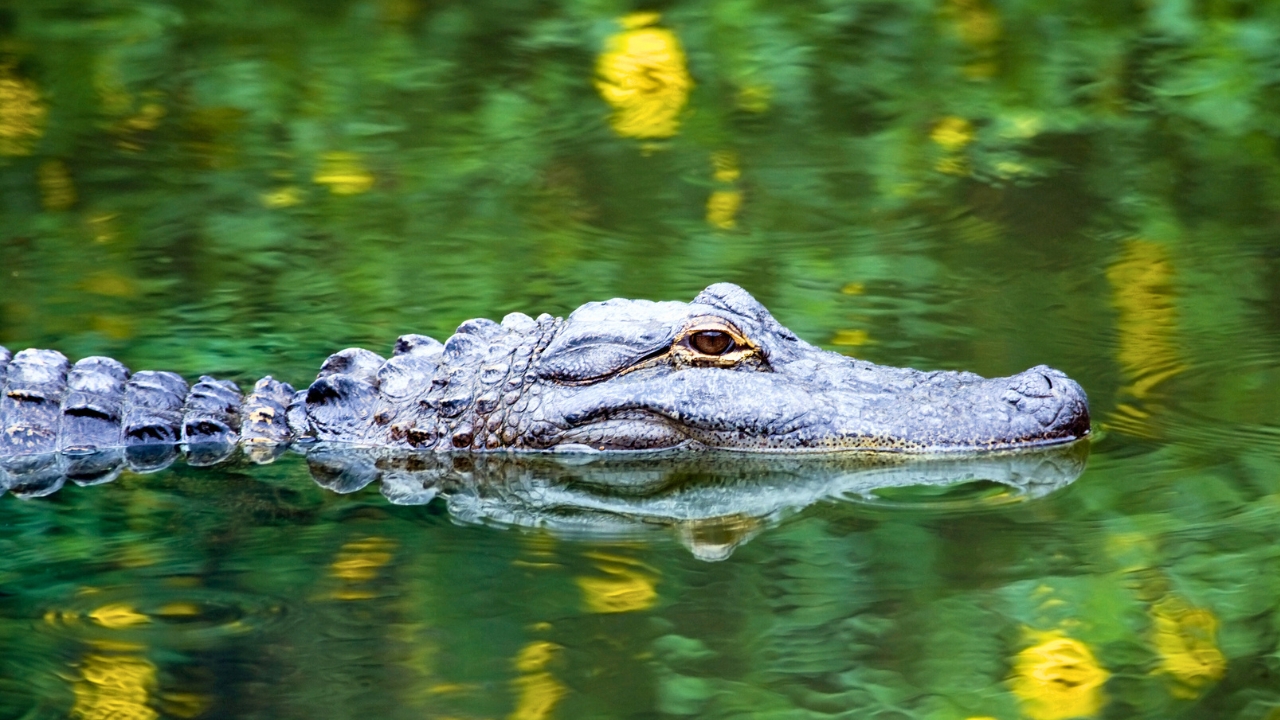
Alligator

If you live, hunt, or fish in the Southeast, alligators are part of the landscape. Most aren’t looking for a fight, but they’re ambush predators, and the risk is real around water edges, especially at night and during warmer months when people and gators overlap more.
The most common dangerous situations involve dogs, swimmers, and people cleaning fish at the bank. A gator that associates humans with food becomes a bigger problem fast. Don’t feed them, don’t let pets roam near the shoreline, and don’t wade where you can’t see. Even a “small” gator can do serious damage with a bite and a death roll. Treat every gator sighting like a reminder that water edges aren’t neutral ground in gator country.
Cottonmouth

Cottonmouths are one of the venomous snakes you can actually run into in real places people fish and hunt: swamp edges, creeks, river bottoms, and thick wet cover. Bites usually happen when someone steps too close, tries to move a snake, or reaches into brush without seeing what’s there.
The risk is not that cottonmouths are hunting you. The risk is that you surprise one in tight terrain. Wear boots when you can, watch where you place hands and feet, and don’t mess with snakes. If you get bitten, the right move is calm, fast medical care. Don’t cut, suck, or play cowboy. The venom can cause serious tissue damage and systemic issues, and time matters. Respect the habitat they live in and you’ll avoid most problems.
Rattlesnakes

Rattlesnakes are the classic American hazard because they’re widespread and they blend in. Hikers, hunters, and dog owners run into them across the West, Southwest, and parts of the South and Midwest. The bite risk is highest when you’re moving fast, stepping over logs, or grabbing rocks and brush without looking.
Most bites happen on hands and lower legs, which tells you people are getting too close without realizing it. Good habits prevent most accidents: watch your step, use a light at night, keep dogs close, and don’t put hands where you can’t see. If you hear a rattle, freeze and locate the snake before you move. If you’re bitten, get help fast and keep the limb still. Antivenom exists for a reason. You don’t want to test your luck.
Copperhead

Copperheads might be the most likely venomous snake to bite someone in much of the eastern U.S. because they live where people live and they’re masters of camouflage. They love leaf litter, woodpiles, rocky edges, and brushy yards. You can step right next to one and never know it until it moves.
Most copperhead bites happen because someone didn’t see the snake and got within strike range. The good news is that many bites are treatable and not usually fatal with proper care. The bad news is they’re painful and can still cause serious damage, especially for kids and smaller adults. Wear boots in snake country, keep your yard clean of brush piles, and teach kids to leave snakes alone. The goal is boring avoidance, not hero moves.
Western black widow
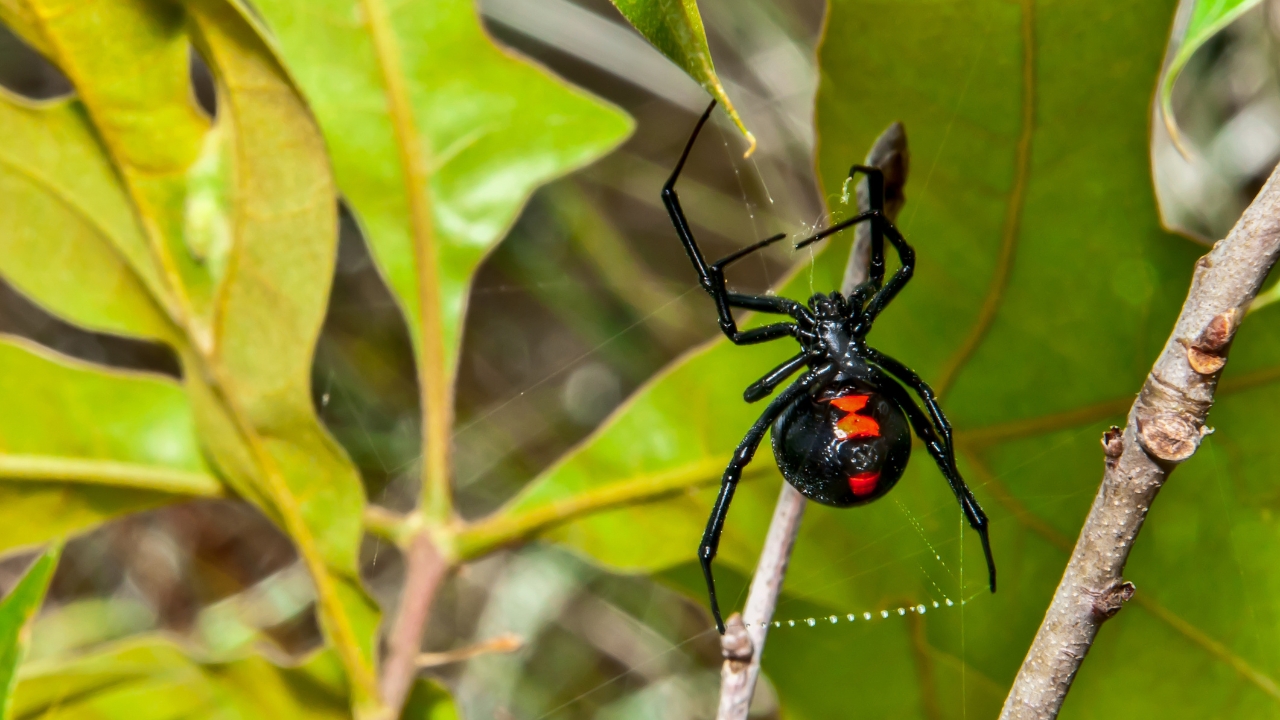
Spiders aren’t the first thing you picture on a dangerous animal list, but black widows are common in garages, sheds, woodpiles, and outdoor gear. That makes them the kind of risk you can actually run into without going “outdoorsy” at all. Most bites happen when someone sticks a hand into a dark corner or puts on gloves or boots that have been sitting.
A black widow bite can cause intense pain, muscle cramping, and systemic symptoms that can be serious for children and older adults. You don’t need to fear them, but you should respect them. Shake out gloves, boots, and gear. Wear gloves when moving wood or cleaning sheds. If you suspect a bite and symptoms ramp up, get medical care. People get into trouble when they ignore symptoms and try to ride it out at home.
Brown recluse

Brown recluse spiders are a real concern in parts of the central and southern U.S. because they like living close to people. They hide in clutter, boxes, closets, basements, and stored gear. Bites often happen when you put on clothing or grab something that’s been sitting.
Most bites aren’t catastrophic, but some can cause significant tissue damage and slow-healing wounds. The danger is mismanagement: waiting too long, or treating it like a minor irritation when it’s getting worse. Reduce risk by cutting clutter and being careful with stored items. If you get a suspected bite, take photos, mark the swelling, and get medical advice, especially if pain and discoloration spread. You don’t want to spiral into bad home remedies. Clean habits and early care are the smart move.
Ticks

Ticks don’t look dangerous, but they are one of the most realistic and widespread threats you can run into in the U.S. because the harm comes later. They can transmit diseases like Lyme and other infections depending on the region. The “dangerous animal” part is that you may not feel the bite at all.
If you hunt, hike, or even mow grass in tick-heavy areas, you need a routine. Use repellent, wear long socks and light clothing when you can, and do a full tick check afterward. Pull ticks promptly with fine tweezers, straight out, and clean the area. The goal is prevention and fast removal, because time attached matters for some diseases. Ticks are also a threat to dogs, which can bring them into your home. Treat them seriously and you’ll avoid most of the long-term trouble.
Coyotes

Coyotes are everywhere, and that’s what makes them worth mentioning. Direct attacks on adults are rare, but coyotes can be aggressive around pets, and in some cases they get bold in neighborhoods where people feed wildlife or leave food out. The “run into” part is real: you see them in parks, on trails, and behind subdivisions.
The practical risk is most often to small dogs and kids, especially if a coyote has become food-conditioned. Never feed them, keep pets on leash, and don’t let small animals out unattended at dusk and dawn. If a coyote approaches, make noise, stand tall, and drive it off. The bigger issue is complacency. Coyotes aren’t monsters, but they are wild predators that adapt quickly when humans make life easy for them.
Bison

Bison aren’t predators, but they hurt people every year because folks treat them like photo props. They’re fast, heavy, and unpredictable, and they live in places where tourists and hikers get too close. A bison can weigh over a ton and still move like a running back when it wants to.
Most injuries happen because someone ignores distance, tries to get a closer picture, or gets between animals. In parks, bison can look calm right up until they aren’t. If you see one, give it space and keep an escape route. Don’t approach, don’t crowd, and don’t assume a fence line equals safety. If you spend time in bison country, treat them like the largest wild animal in the room, because that’s exactly what they are.
Horses and cattle

This one surprises people, but it shouldn’t. More people are injured by domestic large animals than by most wildlife, and you can absolutely run into them on public land, ranch edges, trails, and in rural areas. A startled horse can kick, a bull can charge, and even a calm cow can knock you down without meaning to.
The danger comes from weight and proximity. You’re often close before you realize you’re in a risky spot. Give livestock space, don’t walk through a herd with a dog, and don’t get between a cow and calf. If you’re on horseback or near horses, respect that they spook at sudden movement and noise. These animals aren’t evil, but they’re powerful, and accidents happen fast. Outdoors experience includes knowing when to slow down and read the scene.
Like The Avid Outdoorsman’s content? Subscribe to our newsletter so you never miss an article.
Here’s more from us: