Photo credit: Theavidoutdoorsman.com
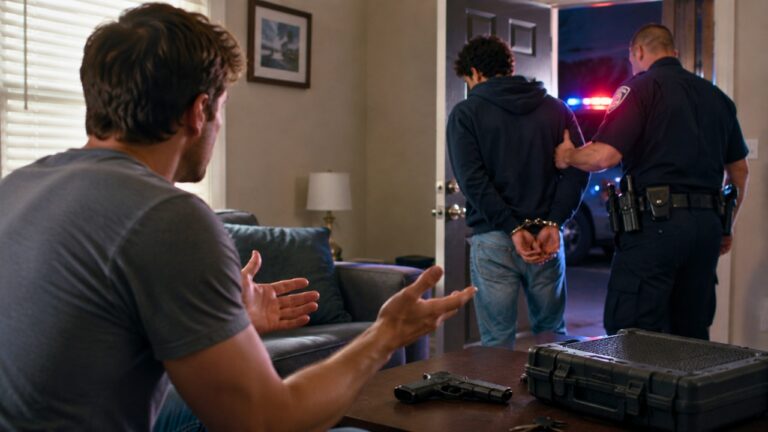
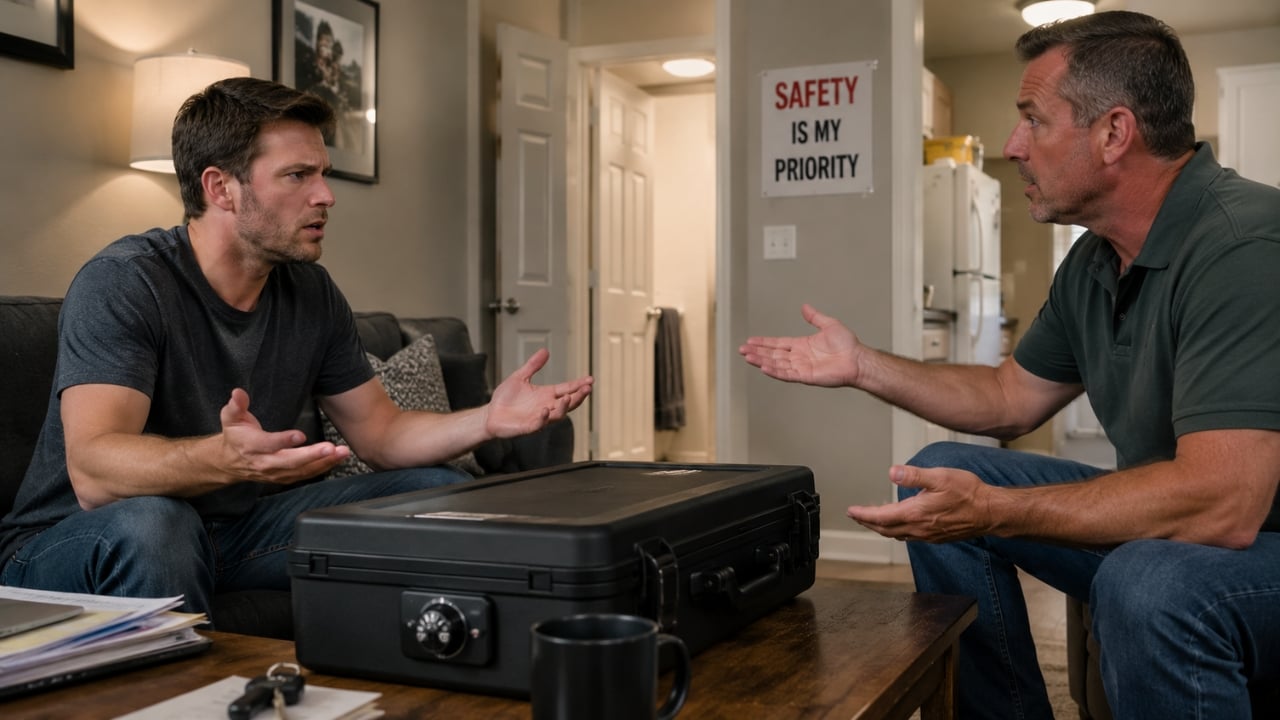
It started like a lot of landlord-tenant messes do: a small boundary got crossed, and then it turned into a big trust problem. A tenant in a rural rental said he came home to find his locked gun case had been moved from where he left it. No note, no heads-up, just a different location and a bad feeling in his gut.
The landlord didn’t deny moving it. Instead, he framed it as a safety issue—something he felt he had to address on the spot. That’s where the story stops being about a piece of gear and starts being about who gets to touch what inside a home, and how fast “safety” can turn into an excuse when people don’t like firearms.
A locked case, a moved item, and a hard line for most gun owners
The tenant’s version was straightforward: the firearms were stored in a hard-sided locked case, and it was placed out of the way in a closet. He wasn’t leaving rifles leaned in a corner or a pistol on the coffee table. In his mind, he was doing what responsible gun owners do—secure storage, no drama.
Then he noticed the case had been relocated, and it wasn’t subtle. Different corner of the room, different orientation, like someone had dragged it. For anybody who keeps guns, that hits a nerve. Even if the case is still locked, the fact that another person handled it raises questions: who touched it, why, and what else did they look at while they were in there?
The landlord’s “safety concern” explanation didn’t calm things down
The landlord’s reasoning reportedly boiled down to concern over where the case was sitting and who might access it. In rentals, owners sometimes do inspections, swap filters, or check smoke detectors. But calling it a safety issue after moving a locked gun case is a sure way to pour gas on the fire.
From an outdoorsman’s standpoint, there’s a big difference between noticing something and taking action. If a landlord truly thought firearms were unsecured, the smarter play is simple: step out, call the tenant, and document the concern. The moment the landlord physically relocates the case, he owns the risk if something goes wrong—damage, allegations, or the tenant believing the case was tampered with.
Entry rights, privacy, and the one thing that changes everything: permission
Most leases give landlords some ability to enter for repairs or inspections, but there’s usually a notice requirement unless it’s an emergency like active water damage or a fire. A “safety concern” can be real, but it’s not a blank check to rummage. Hunters and gun owners understand this better than most because we’re used to lines you don’t cross—property lines, permission to hunt, permission to access land.
Even if the landlord was legally inside the unit for some other reason, moving personal property is a separate problem. It’s one thing to step around a gun case while changing a furnace filter. It’s another to pick it up, carry it, and place it somewhere else. That’s the moment it stops feeling like routine maintenance and starts feeling like somebody taking control of the tenant’s space.
Why this kind of move can create real-world danger, not reduce it
The landlord said “safety,” but moving a locked case can actually increase risk. For one, the tenant might assume the storage setup is compromised. If you don’t know whether someone tried keys, attempted to pry, or simply handled it roughly, you’re now worried about the condition of what’s inside.
Second, relocation can change how secure the case really is. A case that was tucked in a closet behind heavier items may end up in a spot that’s easier to grab and walk out the door with. If there are contractors coming and going, or other people with access to the building, now the tenant is thinking about theft exposure—something every gun owner should think about whether they live in an apartment or on 80 acres.
Third, it sets a precedent. If a landlord feels comfortable moving a gun case “this time,” what’s next? Ammo cans? A bow case? A safe that’s not bolted down? The uneasy part is that you can’t un-ring that bell once someone has shown they’ll physically handle your firearms storage.
What other tenants and gun owners focused on: documentation and boundaries
When people hear a story like this, the practical crowd tends to lock onto the same themes. First is documentation. Photos of how the case was stored, photos of where it ended up, and notes about dates and times matter because memory gets fuzzy fast when emotions are running hot.
Second is communication in writing. A calm message asking, “Were you in the unit, and did you move this?” isn’t about picking a fight—it’s about getting a clear record. If you ever need to explain the situation to a property manager, an attorney, or even just a new landlord later, that paper trail can save you.
Third is the lease itself. Outdoorsmen tend to be the same folks who keep copies of tags, serial numbers, and landowner permission slips. A lease is the same kind of document. If there’s a clause about entry or about firearms (some have them, enforceable or not depending on where you live), that clause becomes the center of gravity in a dispute like this.
The practical steps that actually lower risk in a rental
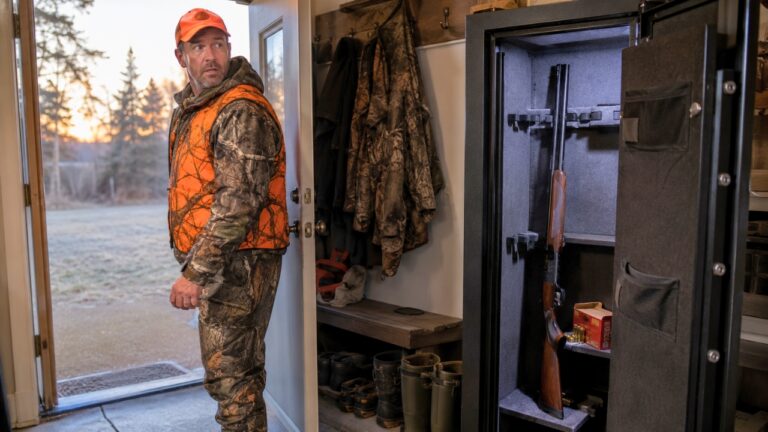
Plenty of folks hunt and shoot while renting, and the best solution is almost always boring: make storage as secure and as uninteresting as possible. A real gun safe, even a smaller one, is harder to move, harder to mess with, and less likely to be “repositioned” by anyone who shouldn’t be touching it. If a safe isn’t possible, a lockable cabinet anchored to studs is still a step up from a portable case.
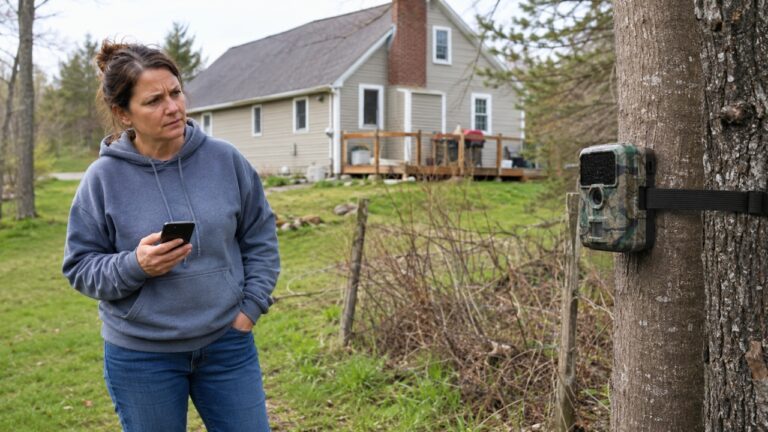
It’s also worth thinking through access. If a landlord has keys for emergencies, consider adding a camera that faces entry points and common areas of the living space where it’s legal to do so. Not to start trouble—just to know what happened if something feels off. And if the relationship is already sour, the tenant may want to move firearms to a trusted family member’s safe temporarily, or use a secure storage option, until housing is stable again.
Finally, don’t let frustration turn into a doorstep confrontation. If you feel your space was violated, the level-headed move is to keep firearms secured, communicate clearly, and handle it through the lease terms and whatever tenant protections apply where you live.
Landlords have responsibilities, and tenants do too. But in the gun world, one rule stays steady: the person who owns the firearm is the one responsible for it. When somebody else starts handling your locked case without permission, even under the banner of “safety,” it’s not just annoying—it’s a sign you need clearer boundaries, better storage, and a plan that keeps you in control of your own gear.