Photo credit: AvidOutdoorsman
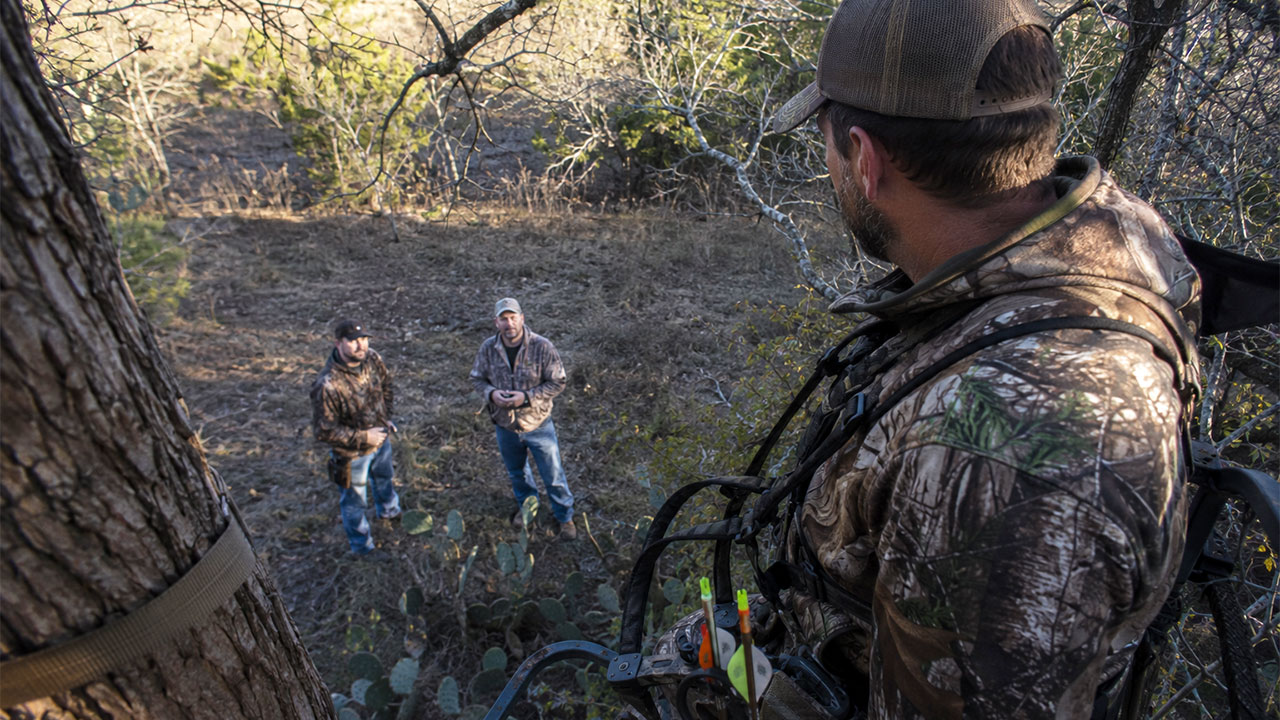
Daylight was just starting to thin out the dark when a Texas bowhunter eased down a sendero toward his stand, moving slow the way you do when you’ve got a long sit ahead of you and deer could be anywhere. He expected quiet. Instead, he saw the faint outline of headlamps and heard the soft metallic clink that doesn’t belong on a still morning.
When he got close enough to make out shapes, his stomach dropped. There were two figures at the base of his ladder stand—one already up in it, the other passing up a pack. That’s not a “wrong turn” kind of mistake. That’s somebody hunting your spot.
The first problem was simple: people in the stand is a safety issue
Anybody who’s hunted public land has bumped into other hunters. It happens. But private lease ground is a different deal, and a man walking up on strangers in his stand at dawn is about as tense as it gets without a shot being fired.
The bowhunter did the smartest thing you can do in that moment: he didn’t creep closer, and he didn’t try to “win” the conversation with attitude. He announced himself from a safe distance, kept his hands visible, and let them climb down. Nobody needs an accident because pride got involved.
The trespassers acted like it was no big deal. They claimed they had permission, said they’d been told it was “open,” and tried to shrug it off as a misunderstanding. That’s usually where the story ends—one party leaves, the other is mad, and everyone tells their buddies about it for the next ten years.
This one didn’t end there.
Then it turned into a paperwork fight, not just a trespass call
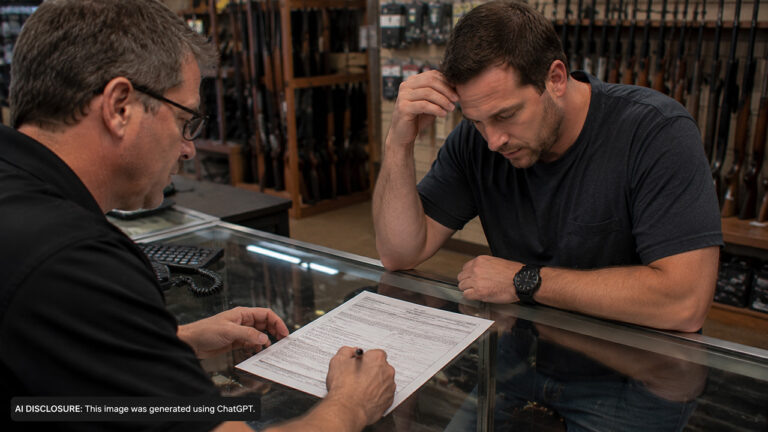
Once all three guys were on the ground, the talk shifted from “get out of my stand” to “show me what you’ve got.” The bowhunter had a lease agreement on his phone and a printed copy back in the truck. He’d paid his money, had the dates, had the boundaries, and he’d been running trail cameras and maintaining feeders like any lease hunter does.
One of the trespassers pulled out his own paperwork—screenshots of emails and a short lease document that looked official enough to cause a problem. Different names on the contact line. Different payment instructions. But it listed the same parcel description and the same access gate.
That’s when the ugly possibility showed up: somebody had taken money twice for the same ground, or somebody had leased ground they didn’t have the authority to lease in the first place.
In rural Texas, plenty of hunting access is handled through handshakes, family connections, and “my cousin knows the landowner.” That works fine until it doesn’t. When it falls apart, it usually falls apart at 6:30 a.m. with a bow in one hand and a cell phone in the other.
How the bowhunter handled the morning mattered
He didn’t block trucks in the gate. He didn’t threaten anybody. He didn’t try to take their gear or “confiscate” anything. What he did do was document.
He took photos of license plates, snapped a picture of their lease paperwork (with their permission in the moment—another thing that kept the temperature down), and he marked the time and location. Then he called the person he’d been dealing with on the lease and got voicemail. That voicemail did not help.
Instead of turning it into a standoff, he told the two hunters they needed to leave the property until the leaseholder situation was sorted out. They argued. They wanted to hunt because “we drove all the way out here.” That may be true, but a long drive doesn’t create hunting rights.
When they refused to leave immediately, he made the next sensible move: he called for a game warden.
What game wardens can—and can’t—do in a lease dispute
Most outdoorsmen think of a game warden as the person who checks tags and makes sure you’re not spotlighting deer. But in a lot of places, wardens also end up being the first line of response for hunting-related trespass because they’re already out there and they understand how these conflicts start.
In a situation like this, a warden isn’t going to do title research on the side of a county road. What they can do is verify hunting licenses, check for weapons violations, determine whether the hunters have permission from the landowner or lawful agent, and make a call on trespass warnings depending on local rules and what documentation exists.
The real friction comes when both sides have something that looks like permission. Two leases on the same parcel can be a civil mess even if a criminal trespass is happening. If the “lessor” wasn’t the rightful owner or didn’t have authority, the hunters who paid may still be in the wrong on the ground—but they’ll argue they were misled.
That’s why the best-case outcome in the field is usually separation: everybody off the property, no one hunting until it’s clarified, and a paper trail started so the right party can pursue it properly.
The competing lease raised a bigger concern: scams are getting more believable
Hunters have always dealt with shady deals, but access scams have gotten smoother. All it takes is a few photos of a gate, a copied map image, and a lease template that looks professional. A scammer doesn’t have to own the land. They just have to sound confident and get paid fast.
In this case, the trespassers weren’t acting like typical poachers. They had decent gear, showed up at a normal hour, and carried themselves like guys who thought they belonged there. That doesn’t make it okay, but it does explain how these collisions happen.
The real problem is that leases are often signed months before season, when nobody is physically on the property to “test” access. Then opening week rolls around and two groups show up with two different stories. If you’ve ever wondered why some landowners get cranky about who has gate codes and who doesn’t, that’s why.
Once word gets around that a parcel has confusion attached to it, it can get worse fast—more trucks, more “I thought it was ours,” and more unsafe encounters around stands and feeders.
What other hunters kept circling back to: boundaries, locks, cameras, and receipts
When stories like this get told around campfires and feed stores, the same practical points always come up. First is boundary clarity. If the lease is real, you want a map that matches the county appraisal description and a boundary that makes sense on the ground. A vague “back pasture to the creek” doesn’t cut it anymore.
Second is gates and access control. A lock doesn’t stop determined trespassers, but it cuts down on “accidental” access and gives you a clear line: if they don’t have the code or key, they probably don’t belong. Changing codes between seasons is cheap insurance.
Third is documentation. Not just a receipt for payment, but a written agreement that states who the landowner is, who has authority to lease, the dates, and what vehicles and hunters are allowed. Screenshots of texts can help, but a signed document helps more.
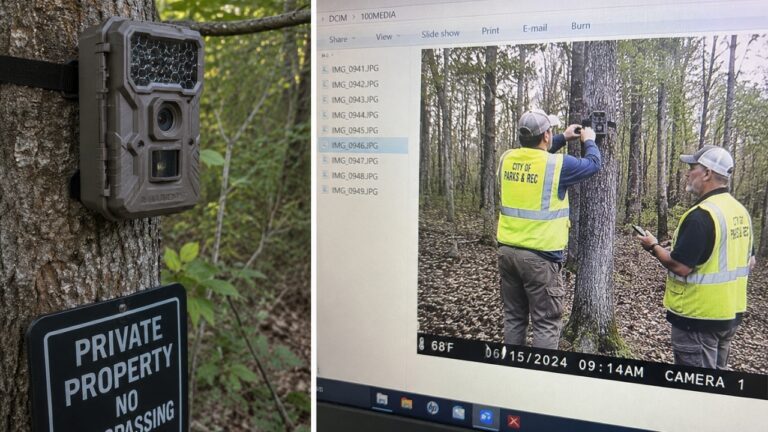
Last is cameras—and not just on feeders. A couple of trail cameras watching the main entry points can save you a whole lot of arguing. If a stranger tells you they “just got here,” and you’ve got them on camera coming in three days ago, that changes the conversation.
The hard lesson: the stand wasn’t the real fight
By mid-morning, the bowhunter’s hunt was basically over. That’s another cost people don’t talk about much. Even if nobody gets hurt and nothing gets stolen, the sit is ruined, the deer are bumped, and now you’re spending your day on the phone instead of in the woods.
The bigger issue was figuring out who actually had the right to lease that parcel. If the person who took his money didn’t own the ground or didn’t have authority, then the lease he thought was solid might not be worth the paper it’s printed on. And if two different groups paid two different people for the same access, somebody is out money either way.
Most hunters aren’t looking for drama. They just want a quiet morning, an honest chance at a deer, and the confidence that when they climb into a stand, they’re supposed to be there. This situation is a good reminder that in 2026, a good lease isn’t just about deer numbers—it’s about clear authority, hard boundaries, and paperwork you can stand on when the dark turns to dawn and someone else is already sitting in your seat.
Like The Avid Outdoorsman’s content? Be sure to follow us.
Here’s more from us: