Photo credit: Hamilton outdoors/Youtube
There’s a reason double-action revolvers keep riding in glove boxes, hip holsters, and nightstand drawers even while the internet argues about optics cuts and micro-compacts. A good wheelgun doesn’t care if it sat for six months. It doesn’t mind a little dust from the tractor or pine needles from a tree stand. You pull the trigger and it either does the job or it tells you the truth right there.
Keeping it under $800 matters, too, because most of us are buying tools, not safe queens. In that price range you can still get serious quality if you’re willing to be a little picky on barrel length, finish, and whether you’re buying new or used. Here are 20 double-action revolvers that make sense in the real world, with the good, the bad, and the “yep, I’ve seen that before.”
1. Ruger GP100
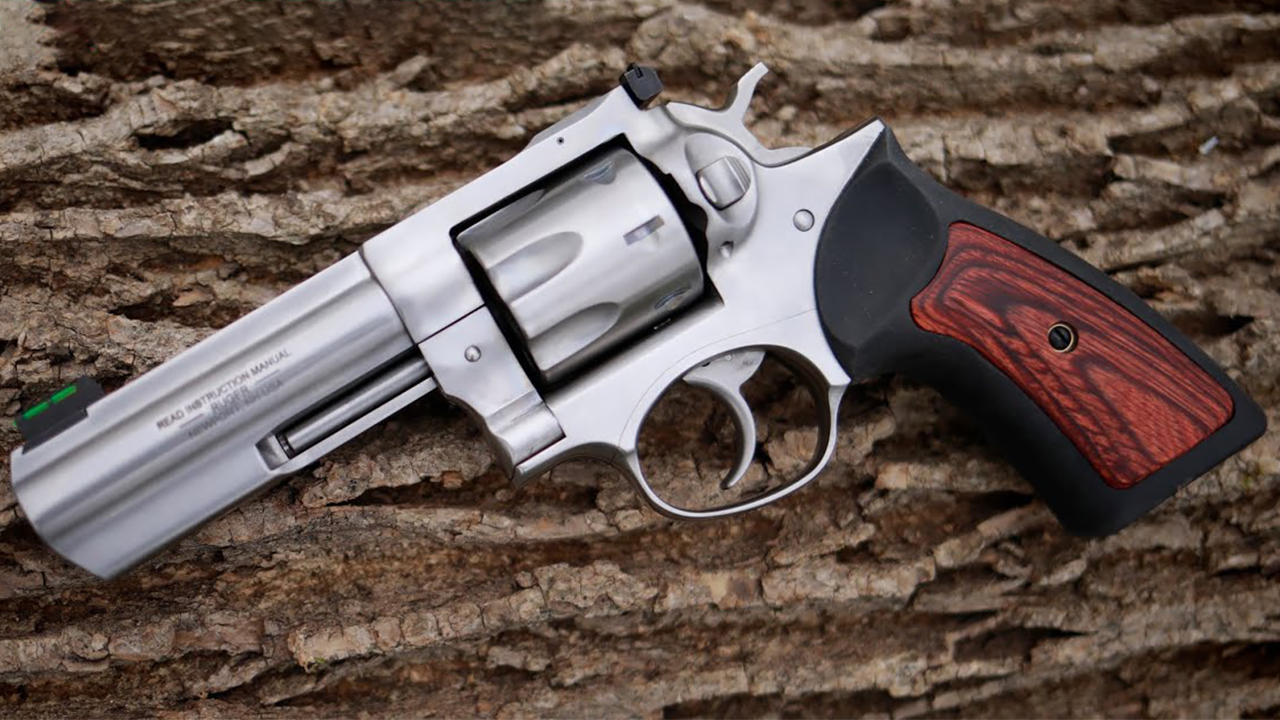
If you want one revolver that can be a range gun, a woods gun, and a “hand it to somebody who doesn’t baby equipment” gun, the GP100 is hard to top. It’s built like farm equipment. The downside is you feel that strength on your belt, especially in longer barrels.
The factory trigger is usually serviceable, not magical. Still, they smooth out with use, and parts/support are everywhere. In .357, it’s one of the easiest revolvers to live with if you actually shoot it a lot.
2. Ruger SP101
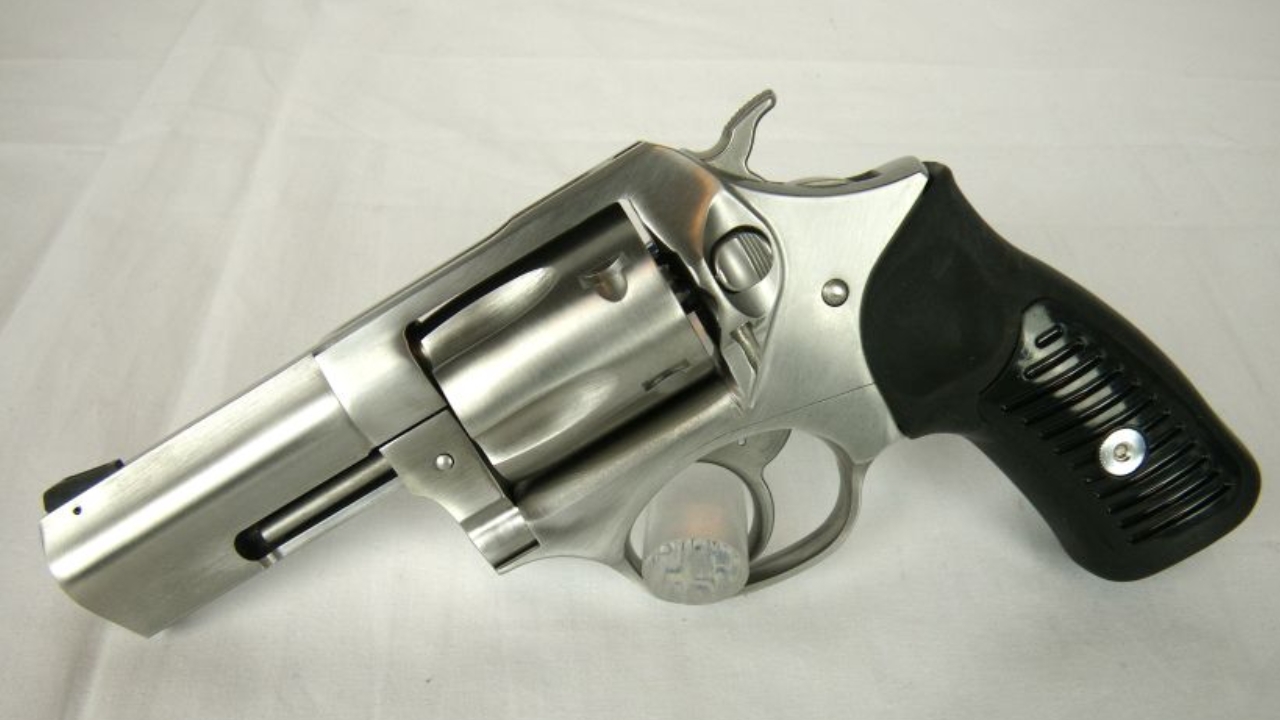
The SP101 is what I think of as a “real gun in a small package.” It’s not an ultra-light pocket piece, and that’s the point. In .357 it’s snappy, but it doesn’t feel like it’s trying to jump out of your hands the way some featherweights do.
For trail carry, fishing trips, and knocking around camp, it’s a solid choice. Just don’t buy it thinking it’ll carry like a tiny .380—this one has some heft, and you’ll notice it by the end of the day.
3. Smith & Wesson Model 10
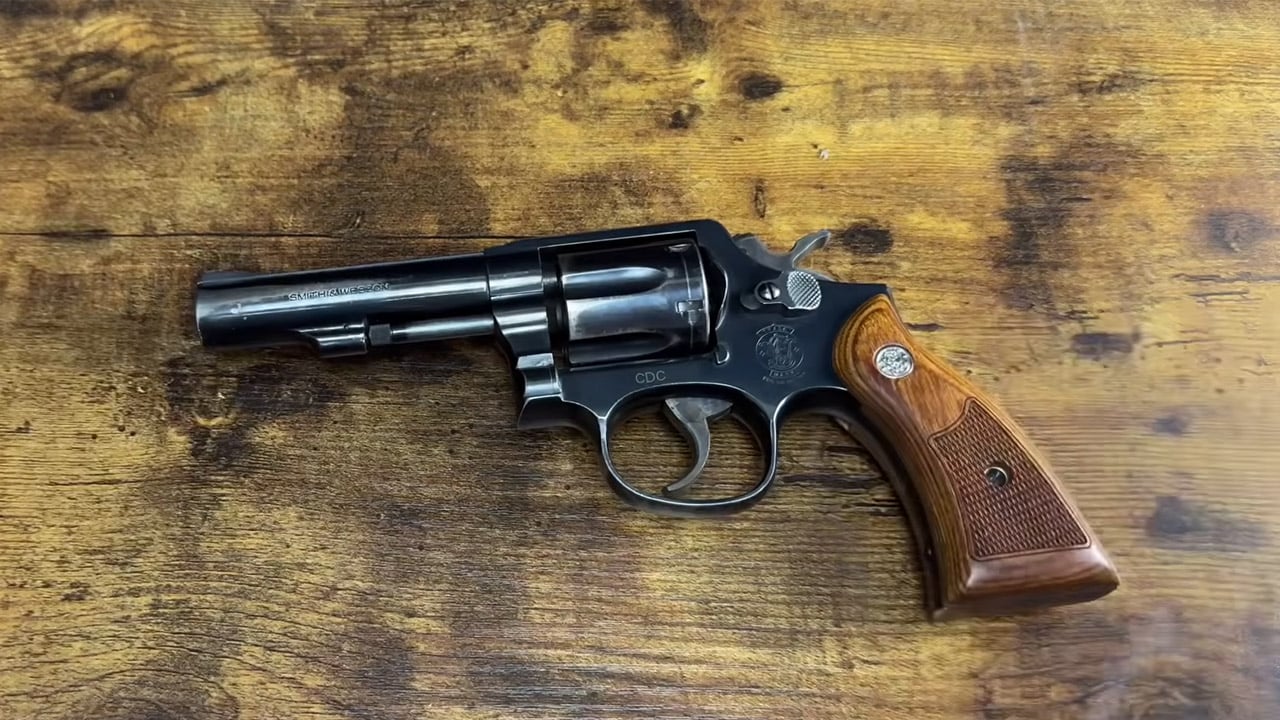
A used Model 10 is one of the smartest buys in handguns if you find a good one. It’s not flashy, and it won’t impress the guy at the range who only reads spec sheets. But it points naturally and shoots soft, especially with standard-pressure .38 Special.
These show up with honest holster wear, and that’s fine. Check lockup and timing like you should on any used revolver. If it passes the sniff test, it’ll likely outlast you.
4. Smith & Wesson Model 64
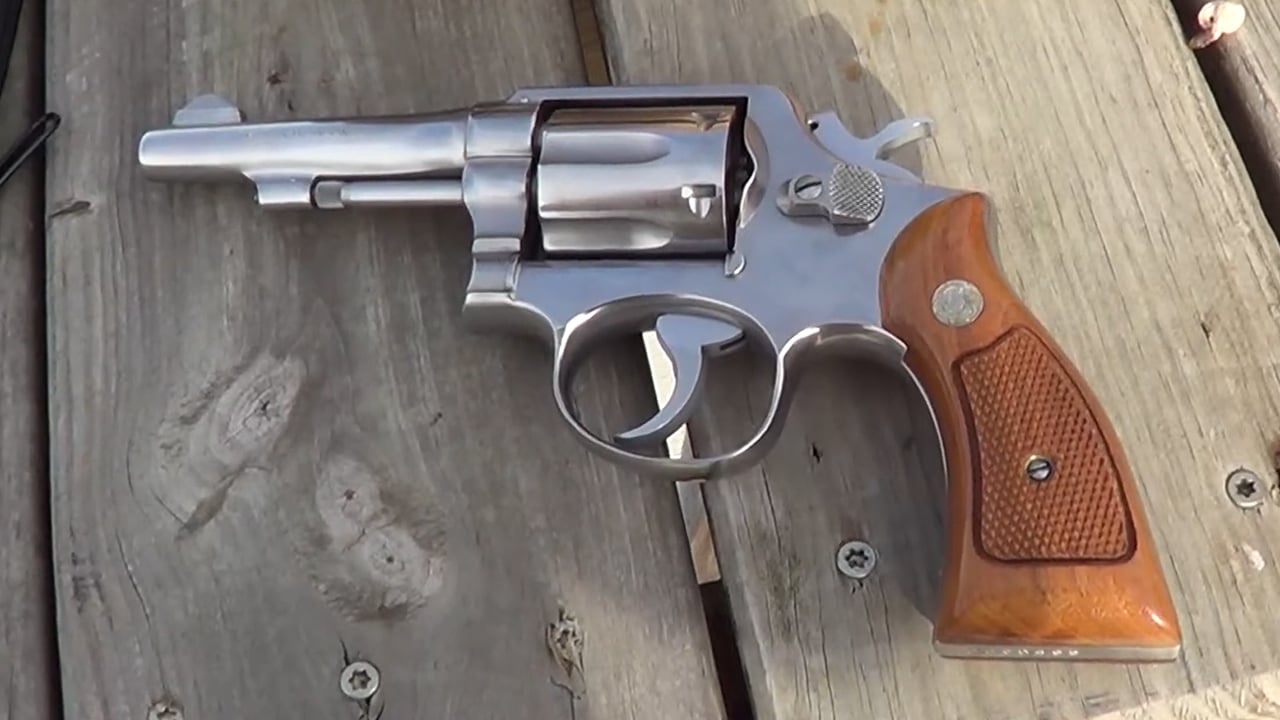
Think “Model 10, but stainless.” The Model 64 is a working person’s revolver, and stainless is a big deal if you’re around sweat, rain, or a boat deck. It’s the kind of gun you can wipe down and move on with your life.
It’s also a great candidate for a nightstand gun because recoil is mild and the sights are usually simple and clean. If you’re new to revolvers, this one teaches good habits without punishing you.
5. Smith & Wesson Model 19 (used)
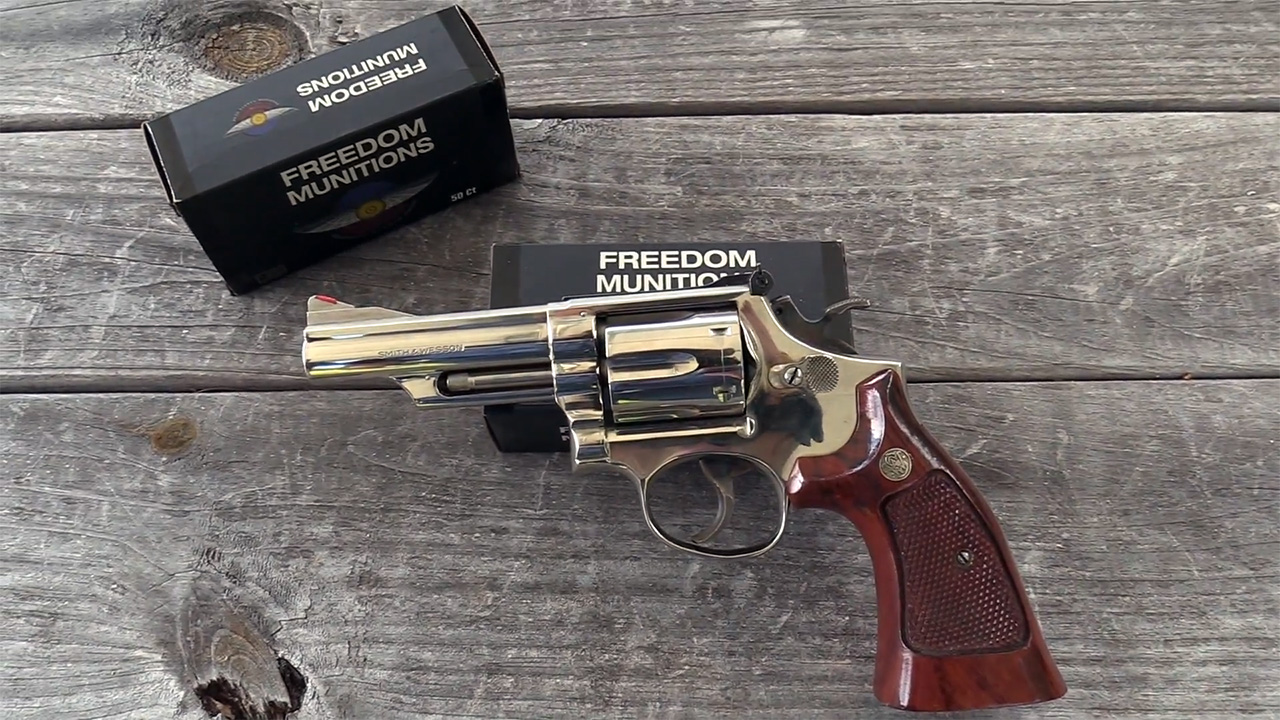
The Model 19 has that classic K-frame feel that makes you understand why people get attached to certain guns. It carries easier than a big N-frame and feels lively in the hand. The catch is you don’t want to treat it like a “full-power .357 all day, every day” gun.
Run .38s for practice and save the hot stuff for a little familiarization and carry, and it’ll be a sweetheart. Find one under $800 and try not to talk yourself out of it later. That one hurts.
6. Smith & Wesson Model 66 (used)
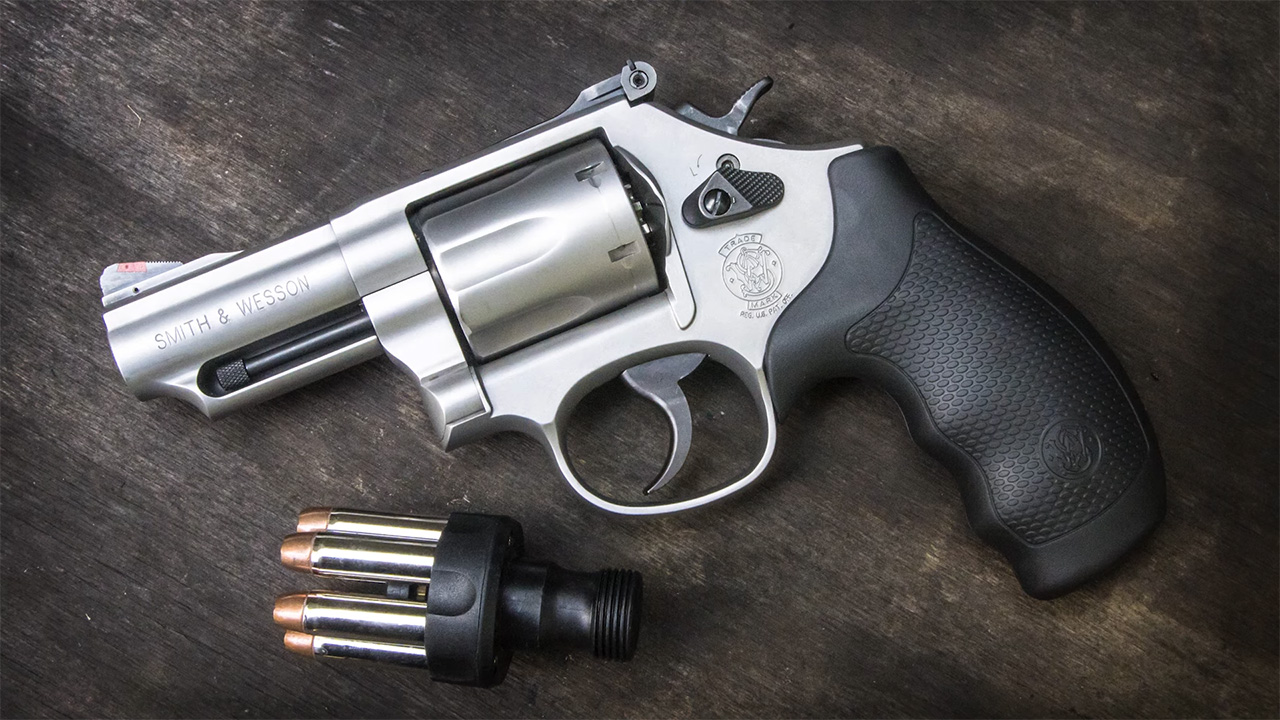
Same general idea as the Model 19, but stainless. For a lot of outdoorsmen, that’s the sweet spot: K-frame handling without babying a blued finish. They’re popular for a reason, and the good ones don’t sit long on the used shelf.
Pay attention to condition and don’t assume every used revolver has lived an easy life. Some have been fed a steady diet of magnums. Still, a solid Model 66 is a “buy once, cry once” type of piece—except you’re keeping it under $800.
7. Smith & Wesson Model 686 (used)

If you want a .357 that’s comfortable with steady magnum use, the 686 is the easy answer. It’s heavier than the K-frames, but that weight pays you back in controllability and confidence. On the range, it’s one of those guns that makes average shooters look better.
For carry, it depends on your tolerance for steel. A 2.5-inch or 3-inch version can work, but it’s not going to disappear. As a house gun or truck/woods gun, it’s about as boring-reliable as it gets.
8. Smith & Wesson Model 67
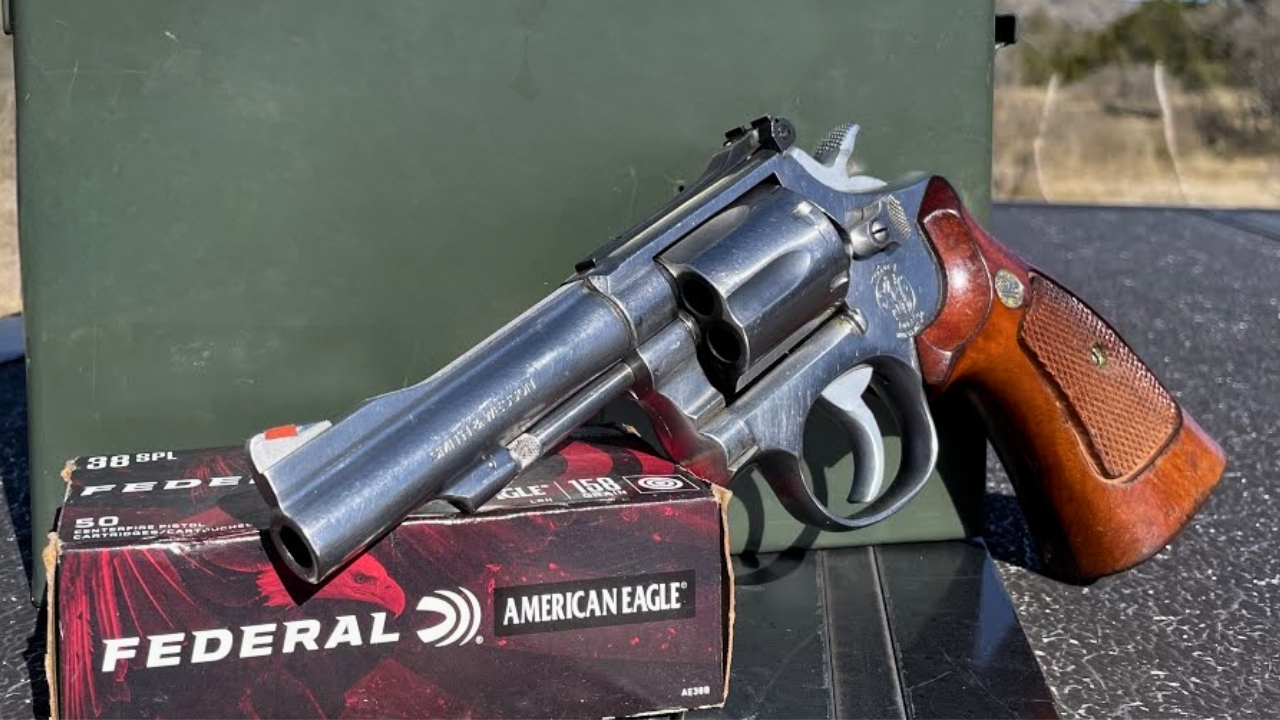
The Model 67 is a stainless .38 that doesn’t try to be anything else. It’s a great “teach somebody to shoot” revolver and a great “I just want this to work” revolver. The recoil is friendly, and follow-up shots are easy.
It’s also the kind of gun that makes you realize you don’t need magnum blast to solve most problems. Good .38 loads and good shooting go a long way. There is nothing fancy about it, and that is kind of the point.
9. Colt King Cobra (2″ or 3″)
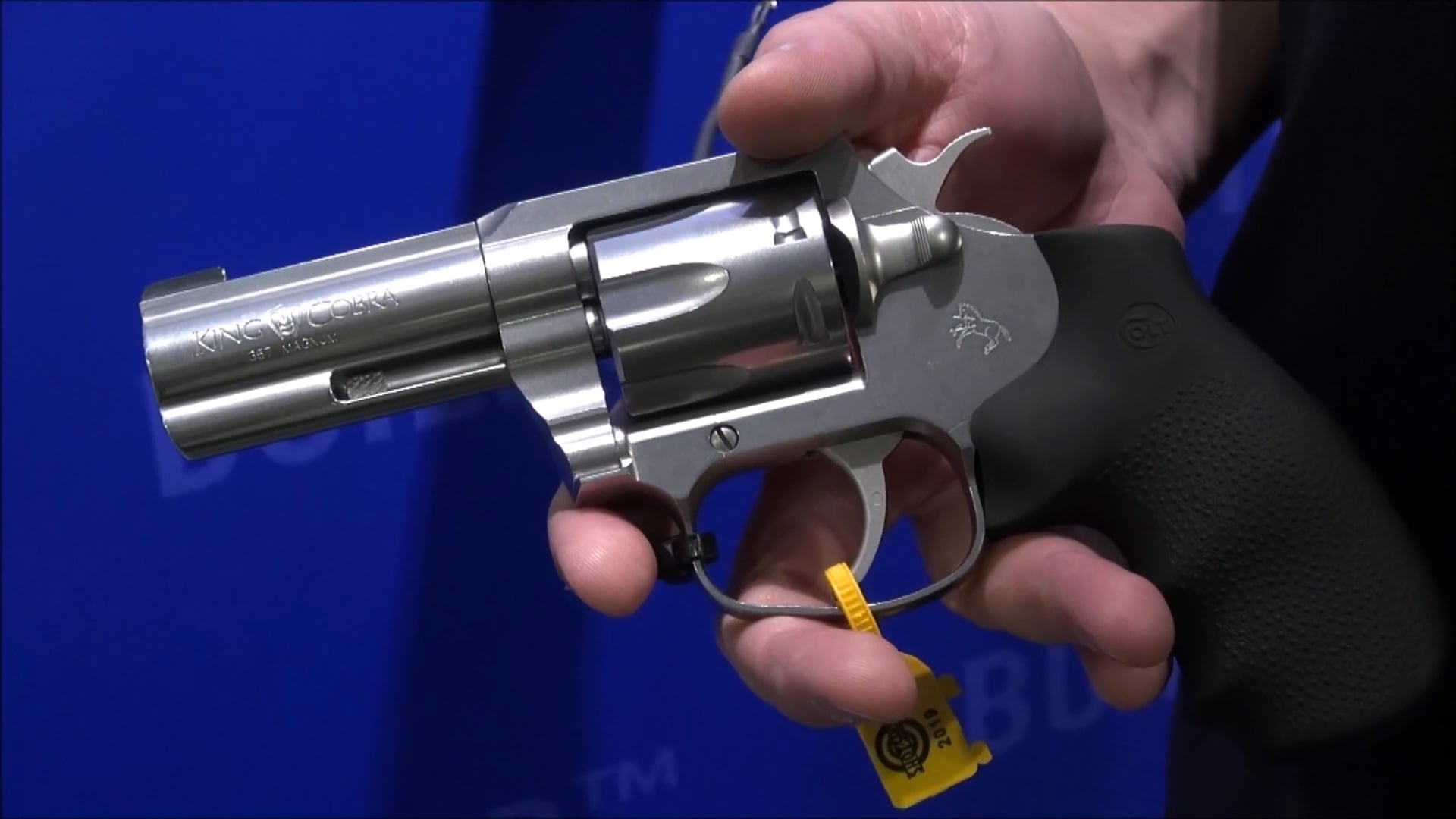
Colt’s modern King Cobra brings a lot of the Colt feel without forcing you into collector pricing. The 3-inch version is especially handy: long enough to shoot well, short enough to carry without feeling like you strapped on a pipe wrench.
Triggers vary a bit, and you’ll want to handle one before you buy if possible. When they’re right, they’re very right. If your budget is firm, watch for deals—Colt pricing can creep if you’re not paying attention.
10. Colt Cobra (2″ .38 Special)
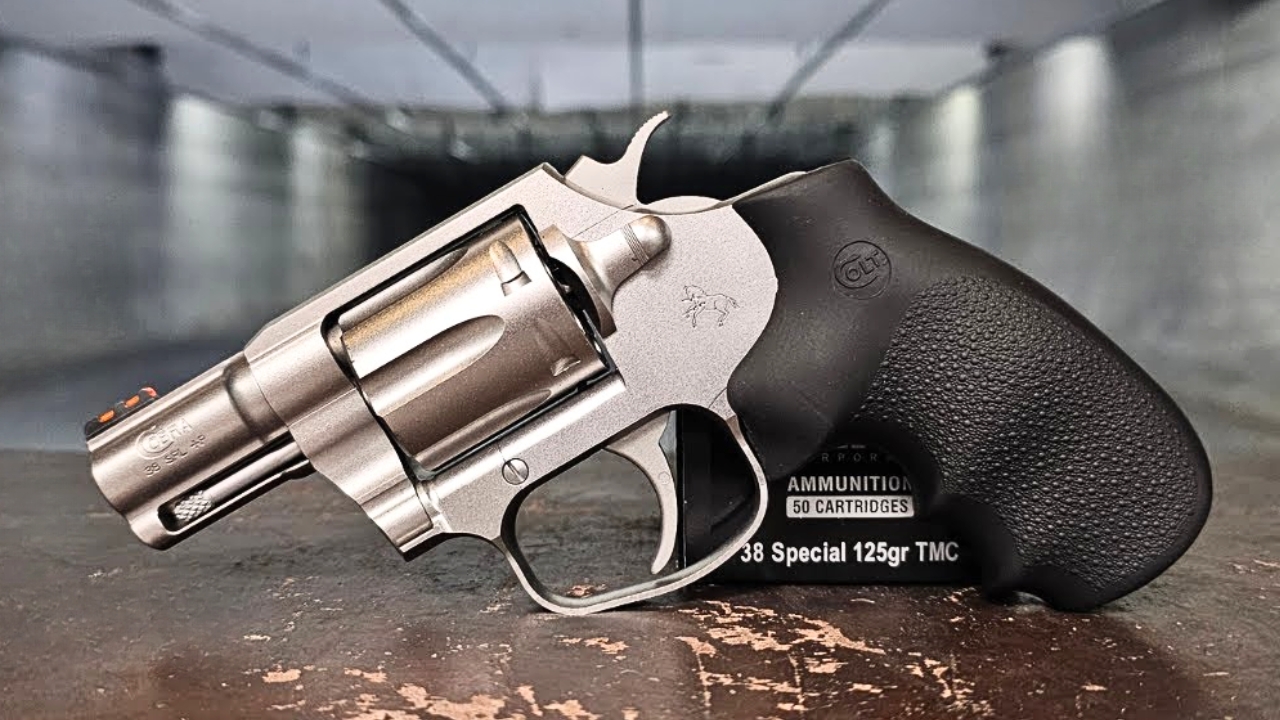
A good snub-nose .38 is still one of the best “I will actually carry it” handguns ever made. The Cobra is light enough to make sense but not so light that it beats you up with standard-pressure practice ammo. It’s a practical carry revolver for folks who don’t want a tiny semi-auto.
You do have to be realistic about sights and distance. Snubs are up-close tools. If you plan to shoot 50-yard plates all day, this isn’t the one.
11. Ruger LCR
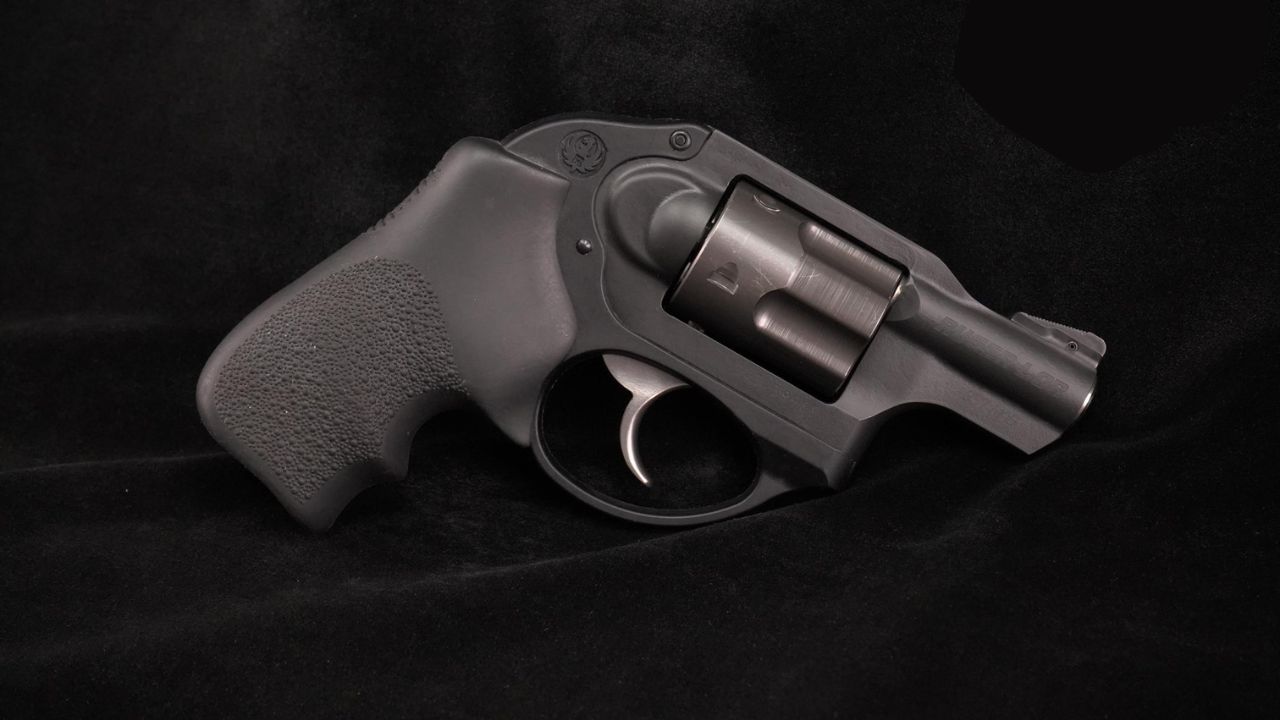
The LCR is ugly to some folks, and I get it. It looks like a tool, not a heirloom. But it carries comfortably, and the trigger is often better than people expect on a lightweight revolver.
Recoil in the super-light models can be sharp, especially with +P. That’s the trade. If you’ll actually put it in a pocket holster and actually leave the house with it, it’s doing its job.
12. Ruger LCRx (3″)
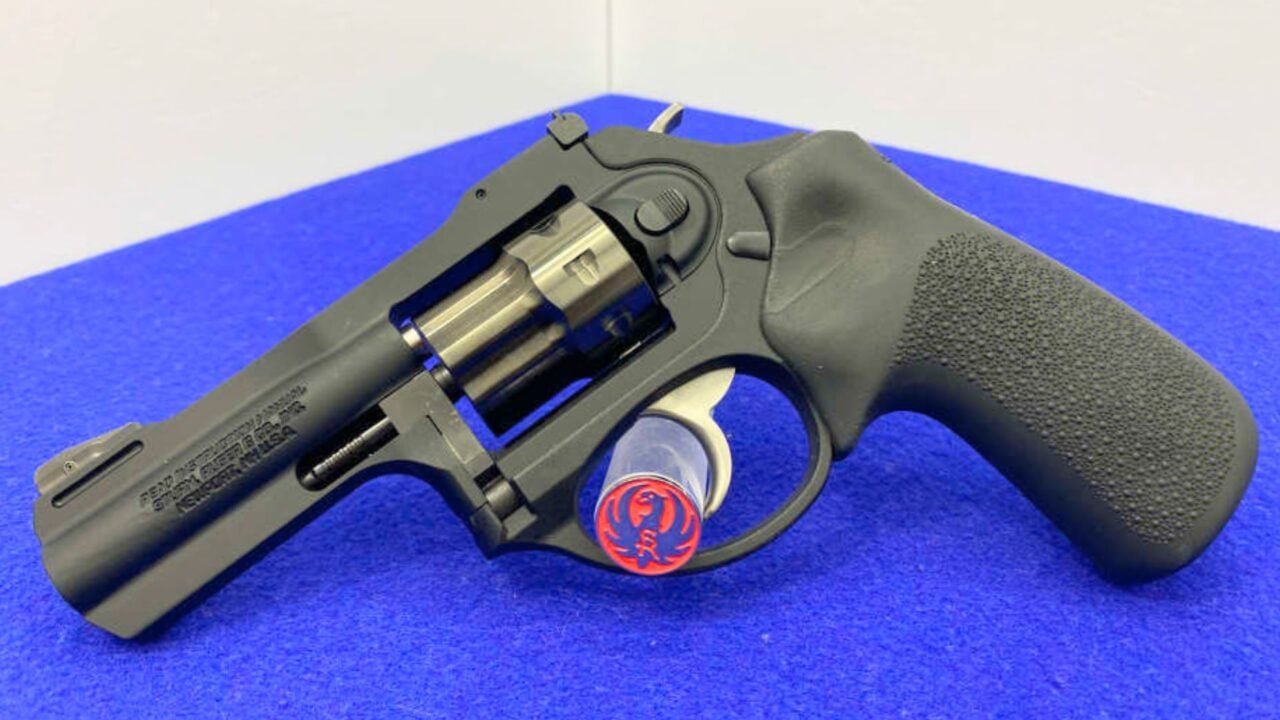
The LCRx with the 3-inch barrel is a sweet “do a little of everything” revolver. You get a longer sight radius and a bit more weight out front, which calms things down. It’s still light enough to carry without feeling like a burden.
It’s not a target gun, but it’s more shootable than most light snubs. For hiking, checking fence lines, and that in-between role where you want real sights, it fits.
13. Taurus 856 (2″ or 3″)

The Taurus 856 gives you six rounds in a small-frame .38, which is a nice bump over the usual five-shot snub. The value is the point here. You can find them well under $800 and still have money for a quality holster and ammo to practice.
Quality can vary more than with Ruger or Smith, so don’t skip your function check and range time. When you get a good one, it’s a very usable carry revolver. When you get a rough one, you’ll know quickly.
14. Taurus 605 (.357 snub)

A .357 snub is always a compromise, and the Taurus 605 is no different. It’s small, it’s affordable, and it’ll do what it says. But full-house magnums out of a short barrel are loud, bright, and not much fun.
If you buy one, be honest with yourself: you’ll probably practice mostly with .38s. That’s fine. Set it up with grips you can actually control and spend the rest of your energy on shooting it well.
15. Taurus 66 (4″ .357)

The Taurus 66 is one of those revolvers that quietly ends up in a lot of nightstands because it’s a straightforward, affordable .357 with decent capacity and a useful barrel length. A 4-inch .357 is still a very practical do-it-all setup.
Again, you’re buying value, so inspect it and shoot it before trusting it. If it runs, it can serve for years. Just don’t expect it to have that polished feel you get out of higher-end Smiths.
16. Charter Arms Undercover (.38 Special)

Charter Arms revolvers don’t get the respect they should for what they are: simple, American-made carry revolvers that are usually priced right. The Undercover is light, compact, and uncomplicated. It’s a “carry a lot, fuss a little” kind of gun.
Fit and finish can be plain, and the trigger won’t always wow you. But if your goal is a basic .38 that won’t drain the bank account, it belongs in the conversation.
17. Charter Arms Bulldog (.44 Special)
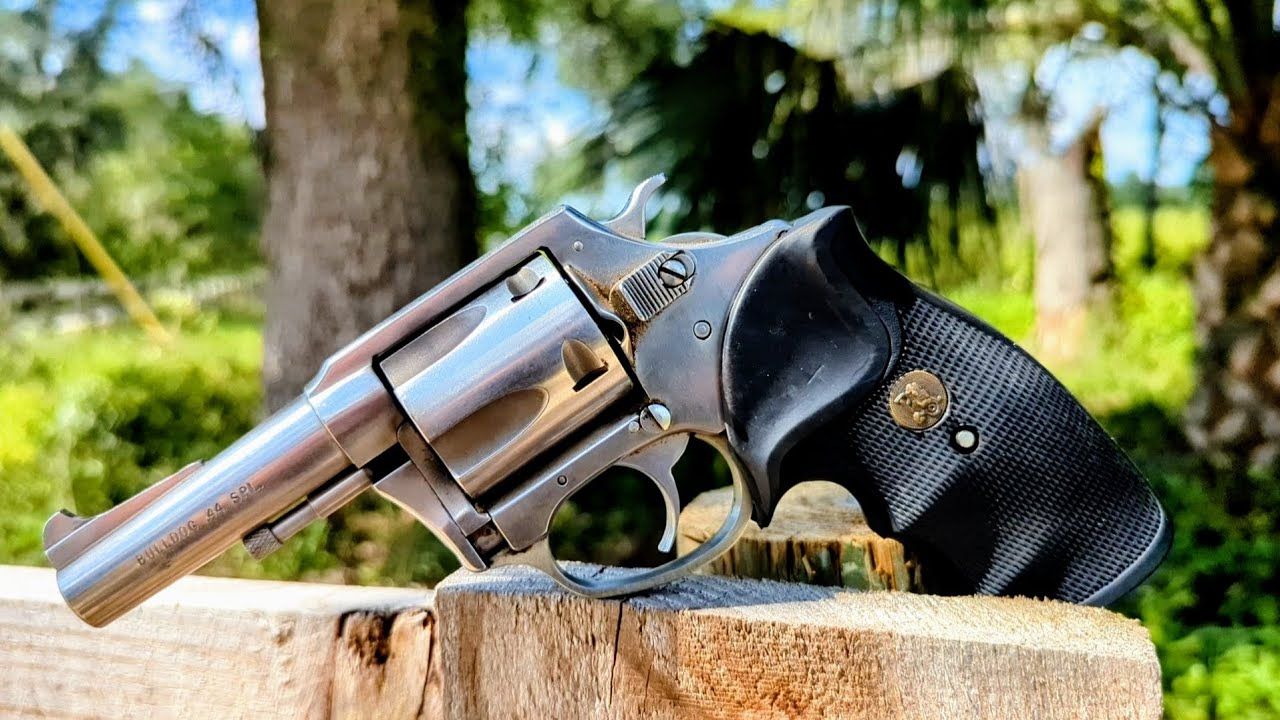
The Bulldog is a classic for a reason: big-bore punch in a relatively small package. .44 Special is not cheap to shoot, and that alone keeps some folks away. But for a woods carry revolver that isn’t a boat anchor, it’s interesting.
This isn’t about turning it into a hand cannon. Pick sensible loads and confirm your point of impact. If you’re the kind of person who wants a bigger hole without magnum drama, it scratches that itch.
18. EAA Weihrauch Windicator (.357)
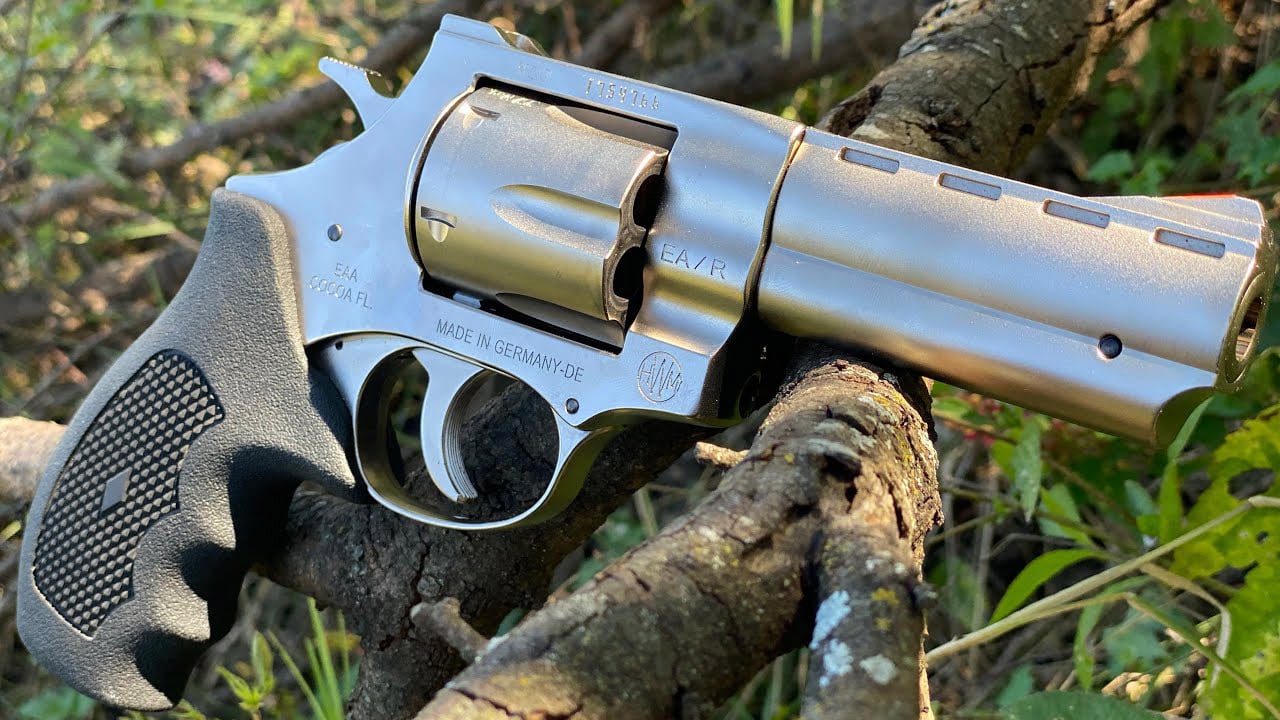
The Windicator is a bit of a sleeper. It’s not the smoothest or prettiest revolver on the shelf, but it’s often priced in a way that makes you look twice. For a budget .357 that you can keep in the truck or tackle box area (secured, of course), it can make sense.
You’ll want to put rounds through it and make sure the trigger and timing are good. Think of it like buying a basic utility knife instead of a custom blade. It’s there to work.
19. Rossi RP63 (.357)
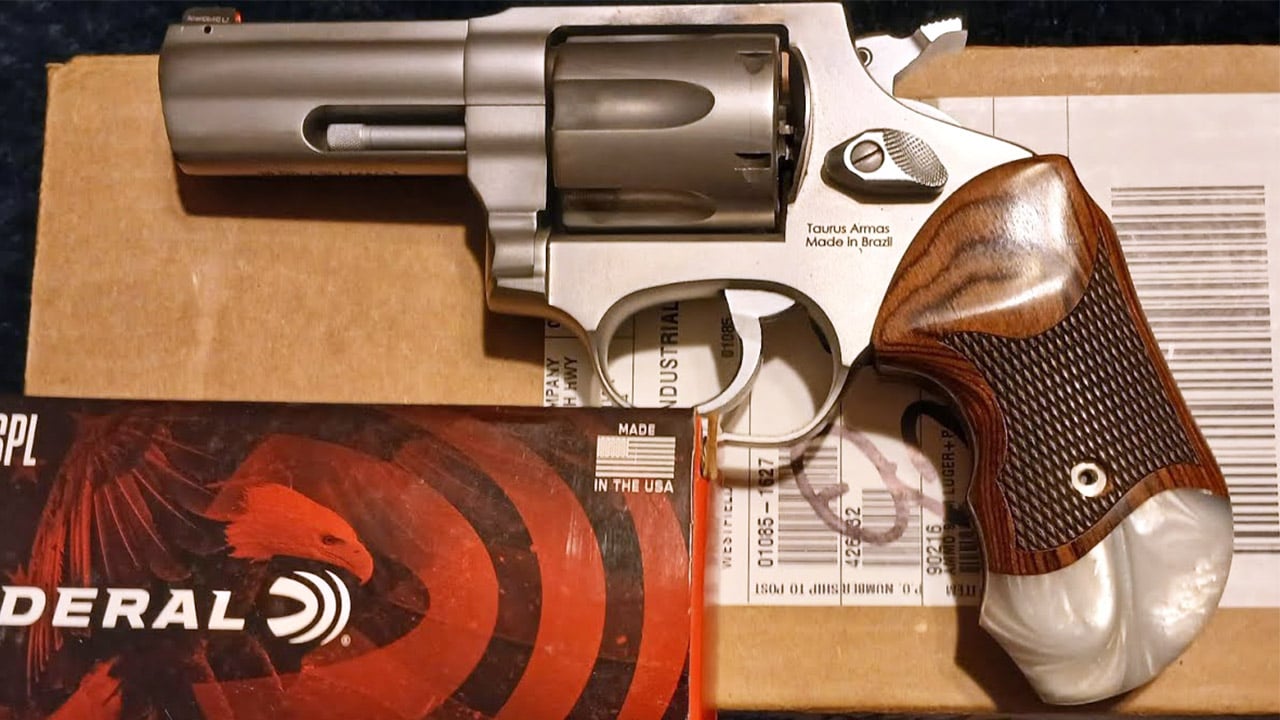
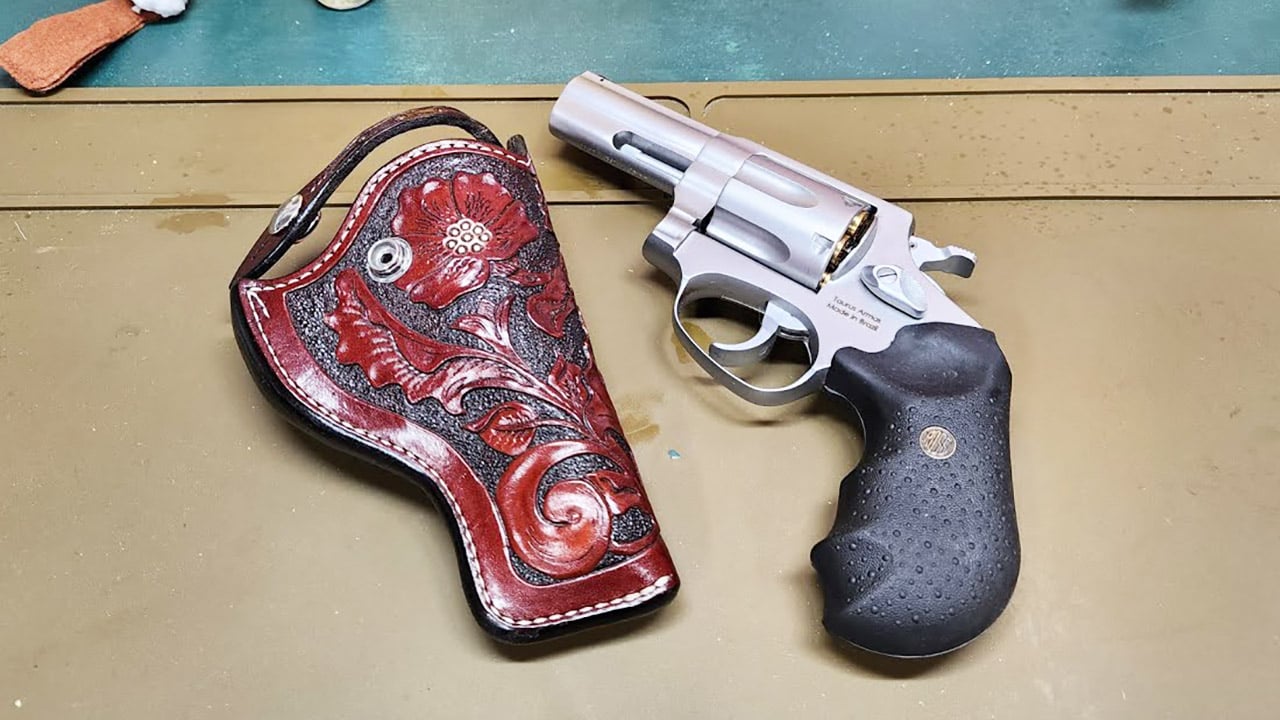
Rossi has been hit-or-miss over the years, but the newer RP63 has gotten attention as a budget-friendly .357 with a more modern feel. In the hand, it’s sized in that practical middle ground—not too small to control, not too huge to manage.
This is one I’d buy with a plan to test thoroughly early. If it passes, you’ve got a lot of capability for the money. If it doesn’t, you learn fast and you’re not out premium dollars.
20. Smith & Wesson Model 60 (used)
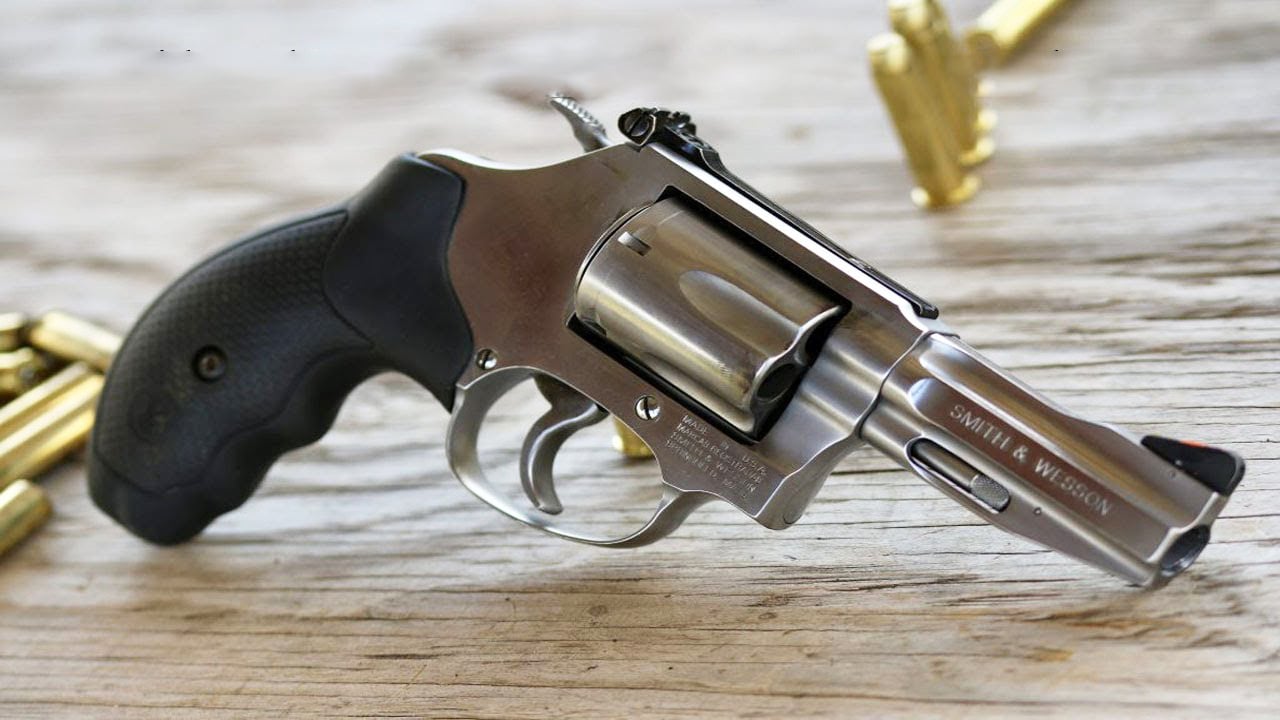
The Model 60 is a stainless J-frame that has probably ridden in more pockets and ankle holsters than most people realize. It’s small, proven, and easy to keep from rusting, which matters if you actually carry it in hot weather.
It’s not a range toy. Light guns make you work. But if you want a small revolver that’s been “the answer” for decades, a clean used Model 60 under $800 is still a solid move.
Here’s the honest truth: the best double-action revolver under $800 is the one you’ll actually shoot enough to trust, and actually carry or stage safely where it makes sense. Handle them if you can, budget for a real holster and real practice, and don’t get too proud to buy a plain model that just works. The woods and the back roads don’t care about hype. They reward dependable gear.
Like The Avid Outdoorsman’s content? Subscribe to our newsletter so you never miss an article.
Here’s more from us: