Photo credit: hickok45/Youtube
If you hang around gun shops long enough, you start to notice a pattern. A customer walks in with a pistol and a story. The gunsmith takes it, clears it, works the slide a few times, and then goes quiet. No speech. No sales pitch. Just a long look at a couple key spots that tell the whole tale. Then the pistol goes back across the counter with a shrug and a “maybe,” because the real answer would take too long to explain.
This isn’t about bashing brands for sport. It’s about the pistols that tend to trigger that careful inspection because they’re known for a certain kind of headache: parts that are hard to source, designs that are touchy, finishes that don’t hold up, or a track record of showing up with “it just started doing this” issues. Some of these are popular, some are oddballs, and a few are honestly good guns that still make a smith pause because they’re easy to mess up and expensive to fix.
1. Taurus PT111 G2 / G2C
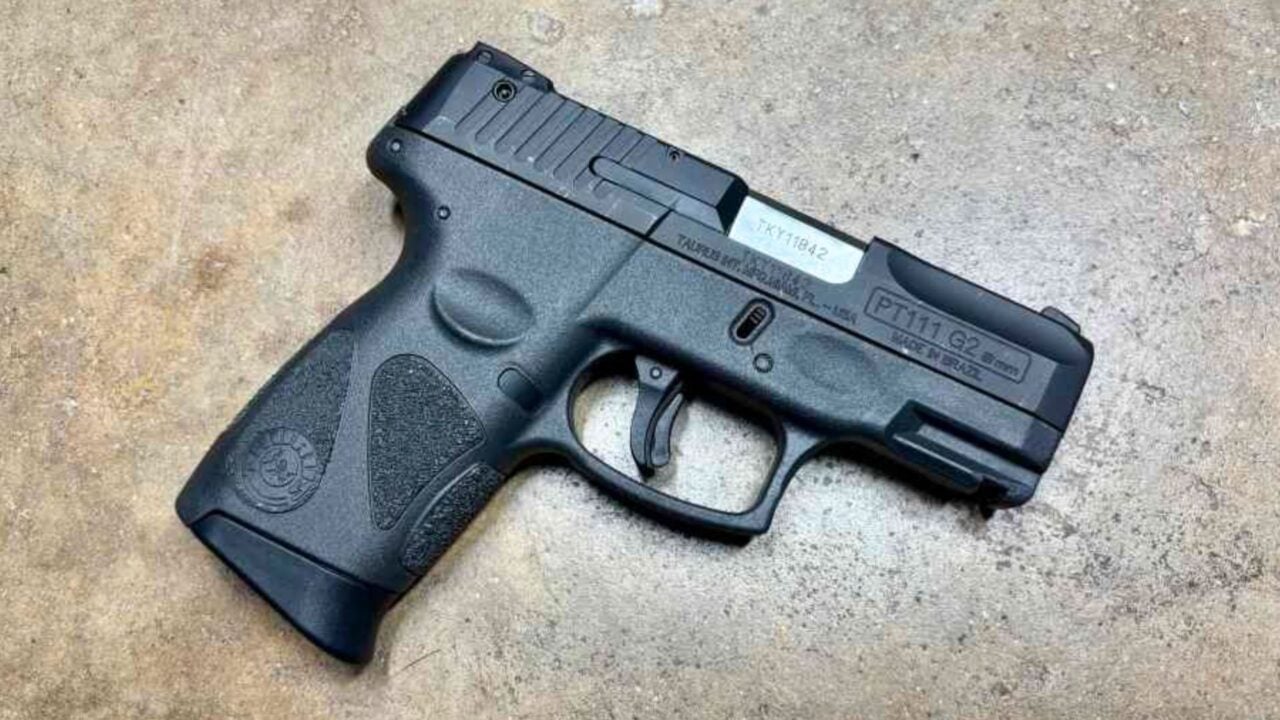
I’ve watched more than one of these come in for the same reason: it ran fine for a while, then started choking on certain ammo or certain mags. The smith checks the feed ramp, the extractor tension, and the magazines first, because that’s usually where the story lives.
They’re compact, cheap, and they carry easy. The problem is the owner often bought it to avoid spending money, and now they’re standing there hoping a quick adjustment turns it into a forever gun. Sometimes it does. Sometimes it doesn’t.
2. SCCY CPX-1 / CPX-2

These are the definition of “it seemed like a good idea at the time.” The long, heavy trigger can hide problems until you start shooting faster, and then the little cracks show up—light strikes, odd ejection, picky feeding.
Gunsmiths look them over closely because the fix isn’t always clean. If it’s ammo, fine. If it’s deeper than that, the conversation gets uncomfortable fast because the repair can bump right into the price of the pistol.
3. Hi-Point C9

Look, they work more often than folks want to admit. But a smith will still give it the once-over because the customer base tends to shoot them hard, clean them rarely, and then bring them in when the slide starts feeling like it’s dragging through sand.
The other piece is expectations. When someone wants it “slicked up,” you can almost hear the gunsmith thinking, “It’s a shovel, not a scalpel.” There’s nothing wrong with a shovel, but it is what it is.
4. Kimber Custom II (1911)
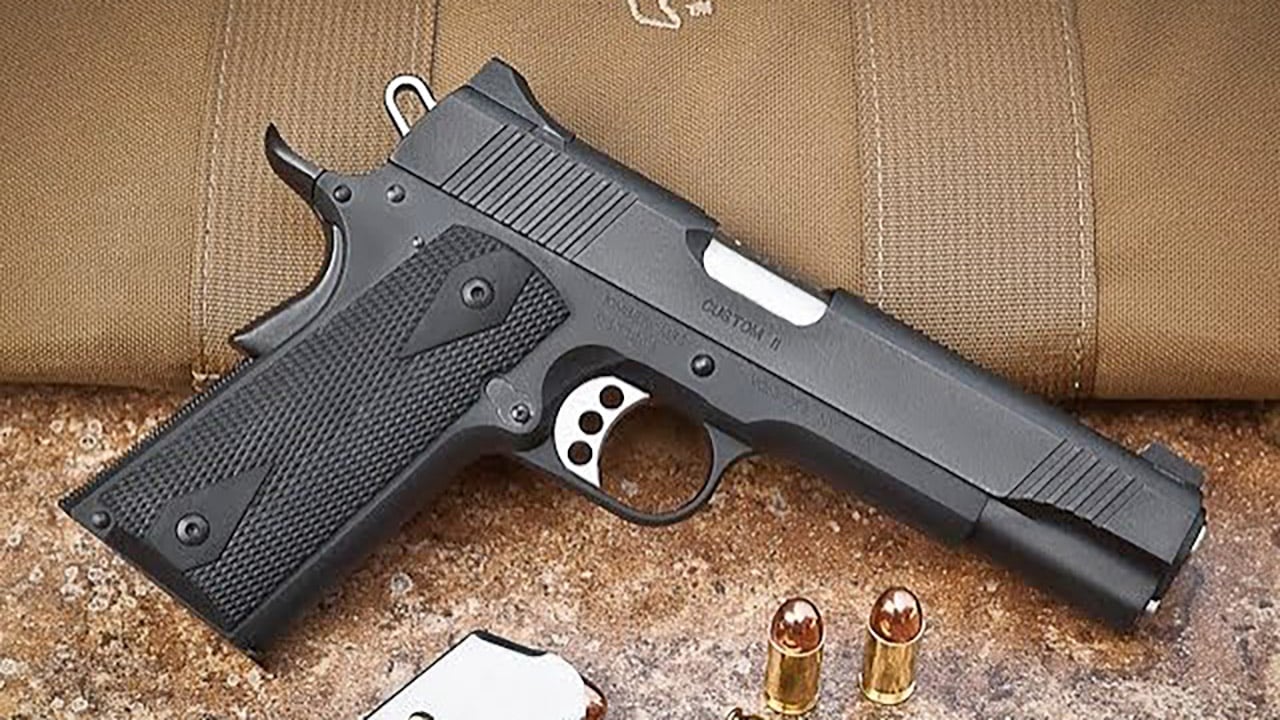
Kimbers can be accurate and good-looking, and that’s part of the trap. A tight 1911 that’s fit on the edge of reliable can run great with the right mags and ammo, then turn moody when it gets dirty or the extractor is a little off.
Gunsmiths don’t hate these. They just know the 1911 is a system. When a customer says, “It jams every other magazine,” the smith already has a short list of suspects, and none of them are a five-minute fix.
5. Remington R51
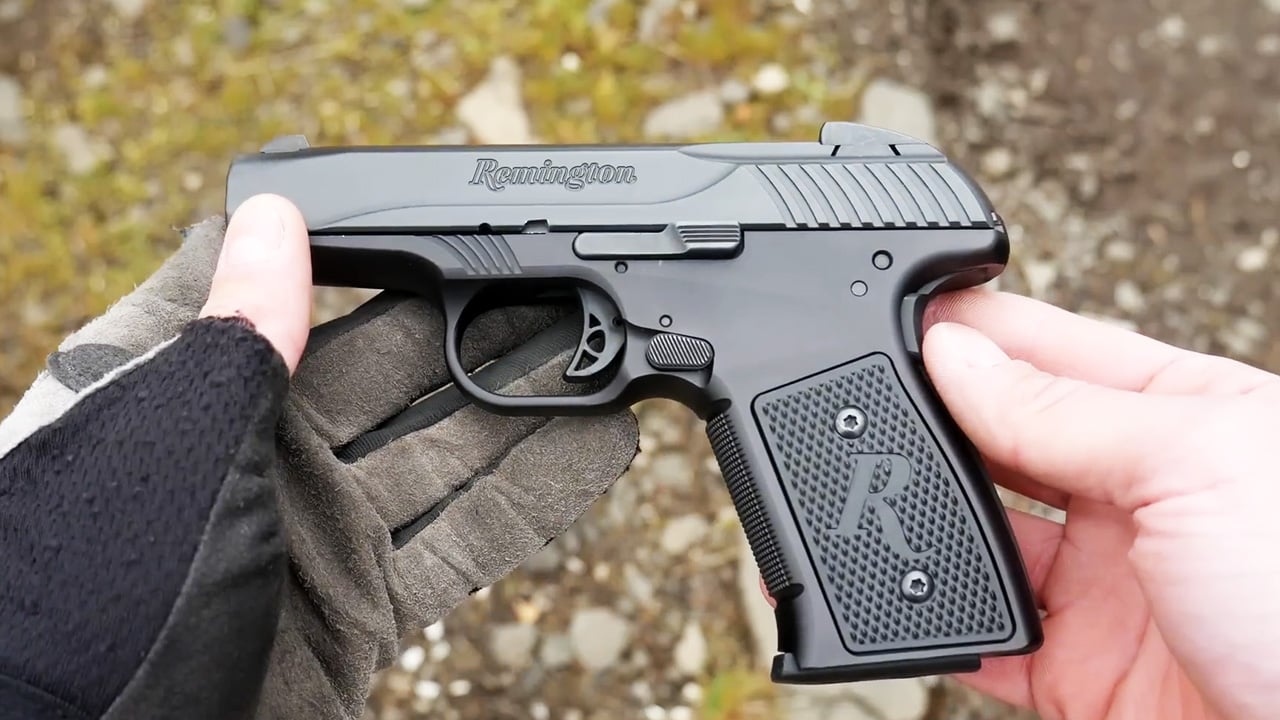
This one gets the quiet treatment because it’s a “where do I start?” pistol. The design is neat on paper, and the grip feels slim, but the early guns especially built a reputation that’s hard to scrub off.
A smith will check basic function, look for peening and odd wear, and then usually decide whether it’s worth chasing. Plenty of them get put back in the case because the juice just isn’t worth the squeeze.
6. SIG Sauer P365 (early production)

The P365 changed the carry game. It also had some early teething issues, and those guns still float around. A gunsmith checks striker drag, primer swipe, and general wear patterns that show whether it’s living an easy life or getting beat up.
Most of the time the answer is simple: confirm it’s running with the owner’s carry ammo and quality mags, keep it clean, replace wear parts on schedule. But the smith will still look carefully before giving a thumbs-up.
7. Springfield Armory XD-S (especially .45)

The XD-S carries flat and points nice, but the small-frame .45 version can be a finicky beast when shooters limp-wrist it or run bargain magazines. A smith usually watches the customer shoot it before they blame the gun.
If it’s a shooter issue, that’s an awkward talk. If it’s a spring or mag issue, it’s fixable. Either way, the XD-S tends to bring more “it hurts to practice with” complaints than most folks admit.
8. Walther PK380

This is one of those pistols that sells because it’s easy to rack. Then it comes back because it’s not always as forgiving as a full-size .380. The smith checks the recoil system and looks for wear that shows it’s been run dry.
It’s not junk, but it’s also not a duty gun. When owners treat it like one, problems show up, and the fix can be more about changing expectations than changing parts.
9. Ruger LCP (early generations)
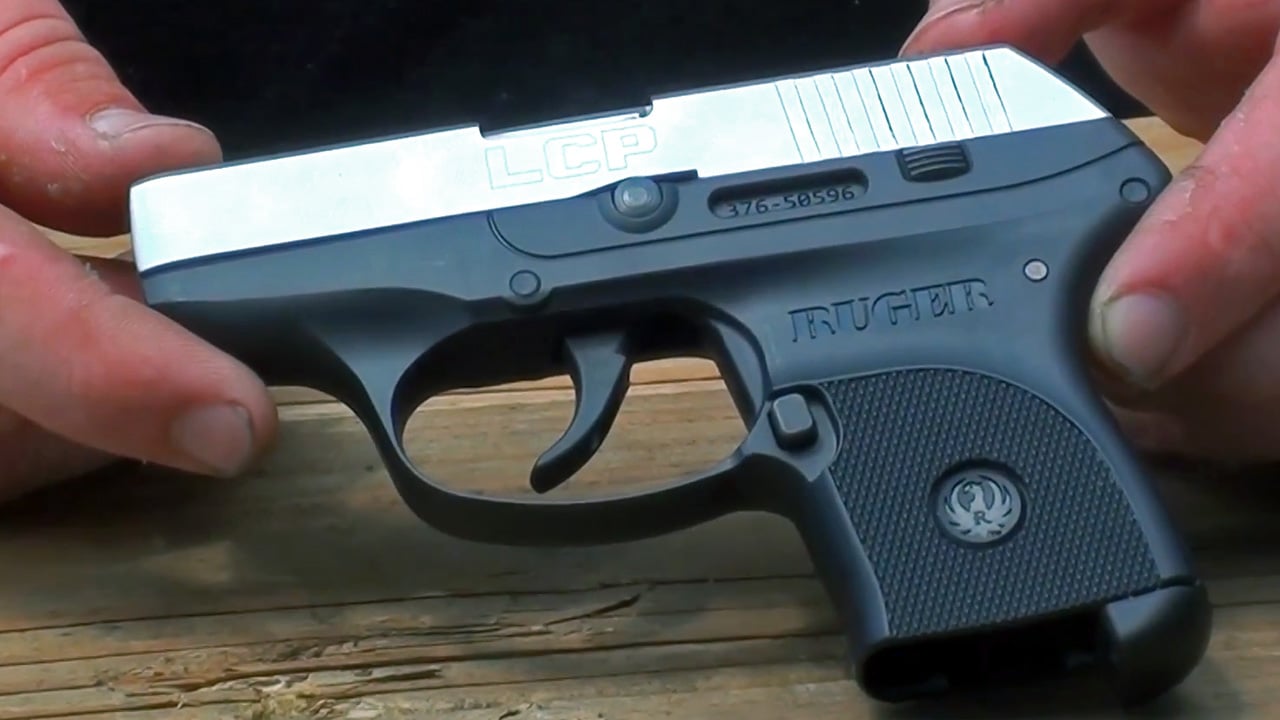
The little LCP has probably ridden in more pockets than most folks want to admit. It’s light, it disappears, and it’s also the kind of pistol that gets lint, sweat, and neglect like it’s a full-time job.
A gunsmith checks the extractor area, the slide rails, and the general condition. Half the time the “problem” is a pocket carry gun that hasn’t been properly cleaned in a year. Ask me how I know.
10. Kahr PM9 / CM9
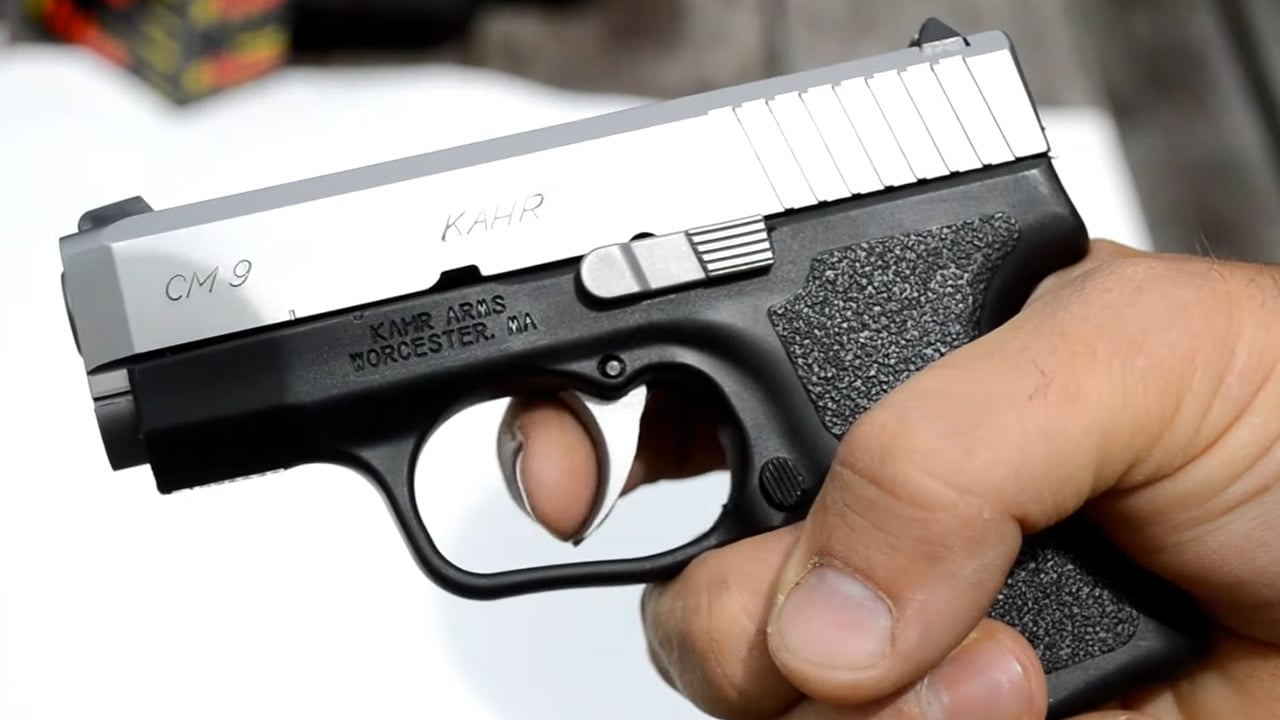
Kahr triggers feel smooth, and the guns carry great. But they’re built around a certain timing and spring balance, and when folks start swapping parts, running weak ammo, or short-stroking the slide during loading, things get weird.
Smiths pay attention to the recoil spring assembly and the feed geometry. These can be excellent carry guns, but they demand the owner do their part, especially early in the gun’s life.
11. Beretta Nano

The Nano is a slick concept that never quite won the crowd the way it should have. When one shows up on a bench, the smith looks at the striker channel and checks for gritty buildup because that’s where trouble likes to hide.
It’s also a pistol where little comfort choices matter. If the owner hates the trigger feel or the way it prints, they start tinkering, and tinkering is where small striker-fired guns go sideways.
12. S&W M&P Shield EZ (.380 or 9mm)

These are popular for a reason: easy to rack, easy to load, friendly recoil. But “easy” can also mean more small parts doing specific jobs. A gunsmith will look at the grip safety function and the overall lockup carefully.
When one has issues, it’s often maintenance, ammo, or a worn magazine. Still, nobody wants a defensive pistol with a safety feature that’s acting temperamental, so it gets that extra-long look.
13. Glock 22 (.40 S&W)
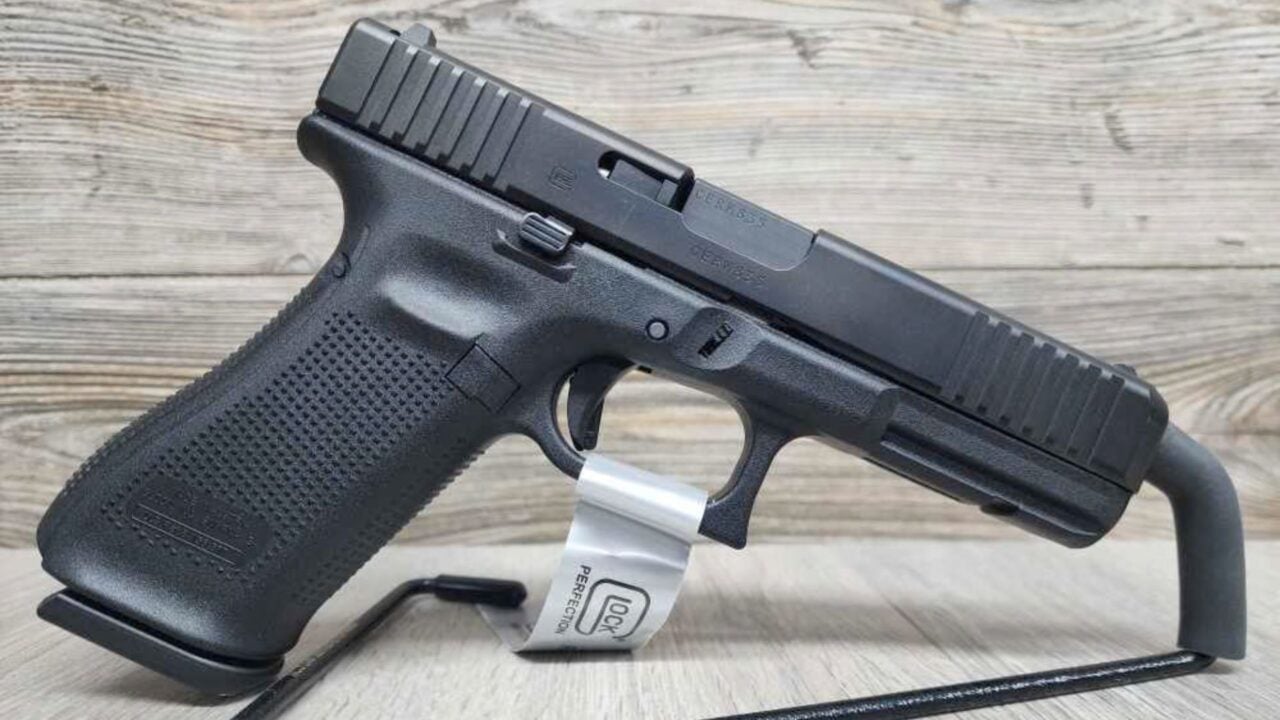
The Glock 22 is a workhorse, but a lot of them lived hard lives in duty holsters and then got sold off. A smith checks the frame rails, locking block area, and overall spring health, because .40 is harder on guns than 9mm.
Sometimes the pistol is fine and just needs fresh springs and good mags. Sometimes it’s a tired trade-in that’s been shot, dry-fired, and rode put away wet for years. The gunsmith knows the difference fast.
14. Glock 43 (with aftermarket “stuff”)

A stock Glock 43 usually doesn’t raise eyebrows. A Glock 43 with a light connector, aftermarket striker, skeletonized this-and-that, and a mystery recoil spring is another story.
Gunsmiths examine these because the owner often “improved” it into being unreliable. It’s not always a lecture, but you can feel the silence when the smith realizes the gun has become a parts-bin experiment.
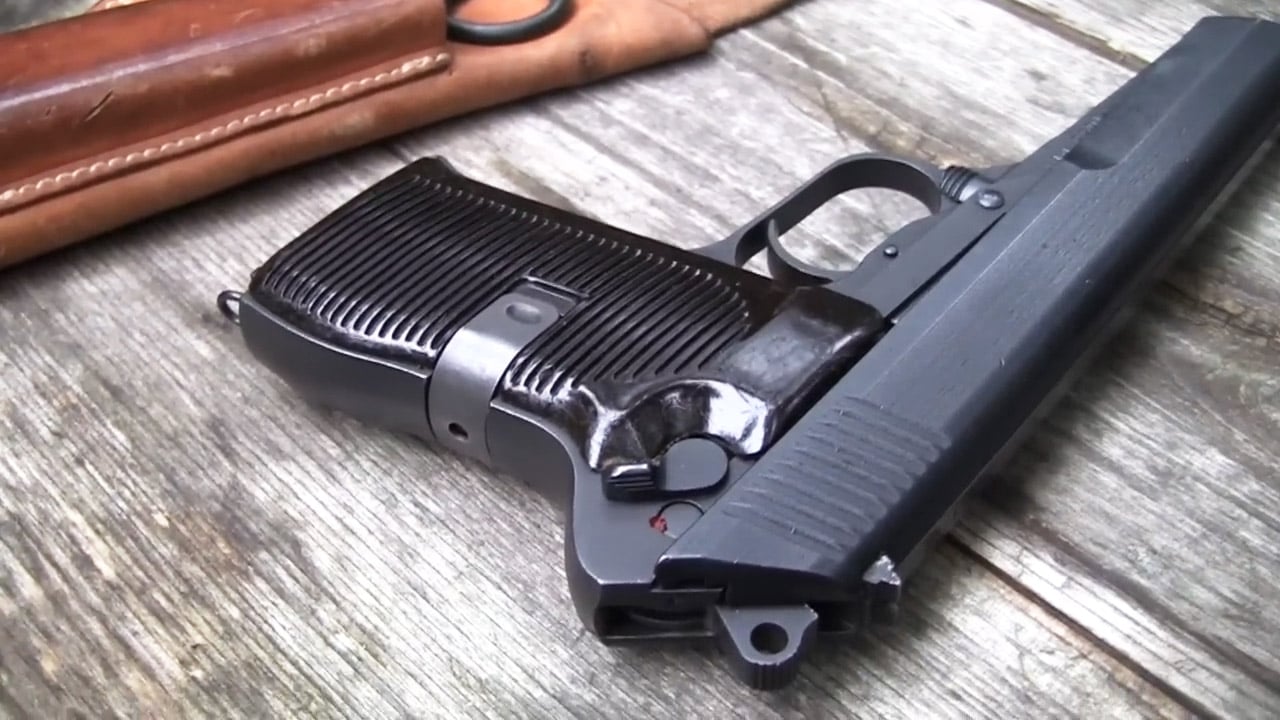
15. CZ-52
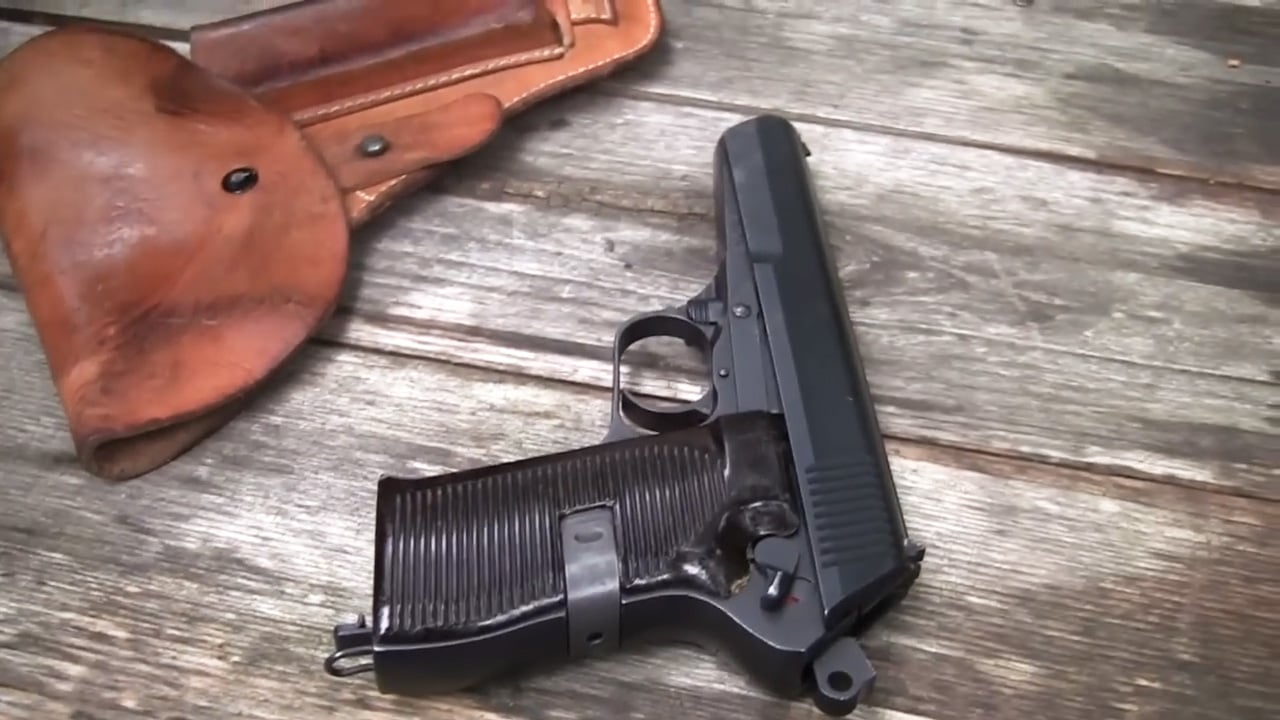
The CZ-52 is cool in a Cold War kind of way, and the 7.62×25 round is a fireball. It’s also an older surplus pistol with parts variability and some known concerns depending on condition and modifications over the years.
A smith will inspect the rollers and locking surfaces and look for signs it’s been fed hot ammo it shouldn’t have. If it’s a clean example, it’s a fun range piece. If it’s beat up, it becomes a project.
16. FN Five-seveN

This one gets examined because it’s expensive and specialized, and owners tend to either baby it or run it like a sci-fi blaster. The smith checks the magazines and the feed system closely, because that bottleneck cartridge and light recoil can mask problems until they become real problems.
Also, it’s not a pistol most shops keep a deep parts bin for. When something breaks, you don’t just grab a common spring off the shelf and call it good.
17. Desert Eagle Mark XIX
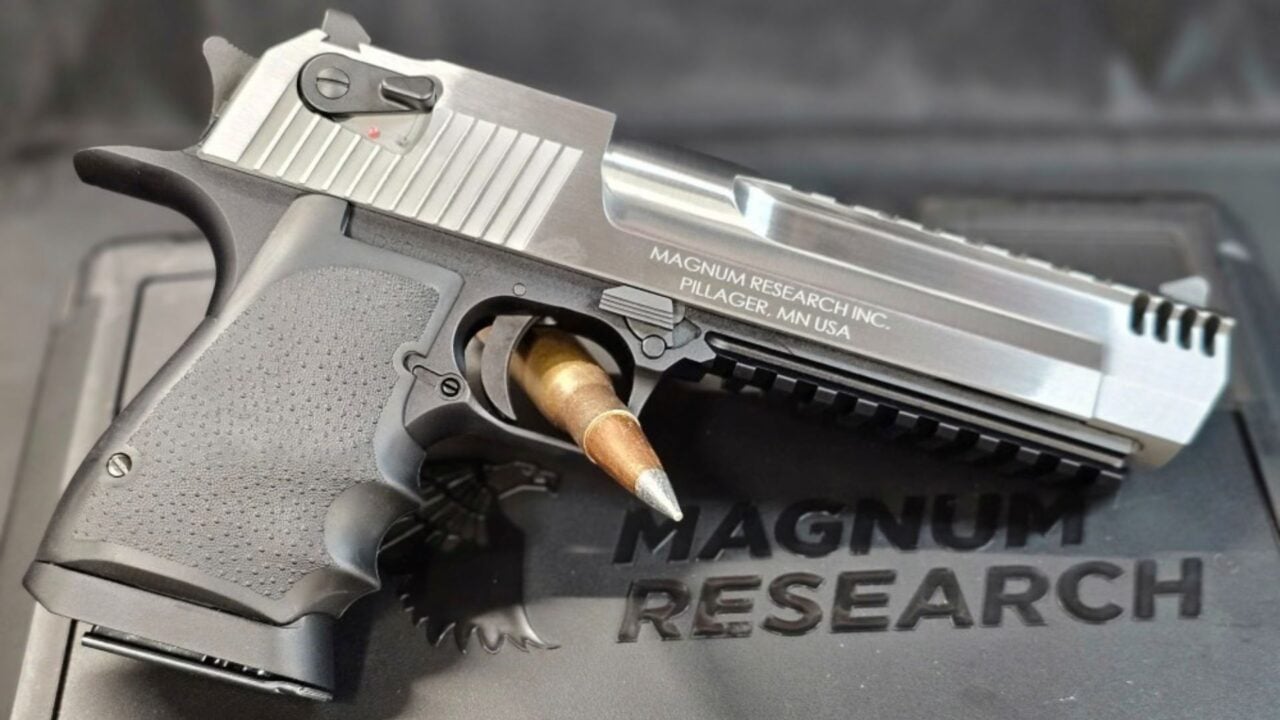
If you bring one of these in, the gunsmith is already bracing for the conversation. Not because it’s bad, but because owners treat it like a normal pistol when it’s really a gas-operated machine with its own rules.
They look at the gas system, the cleanliness, and the ammo choices. A lot of “malfunctions” come down to the wrong loads or a dirty gun. It’s impressive, but it’s not forgiving.
18. Colt Python (older models)
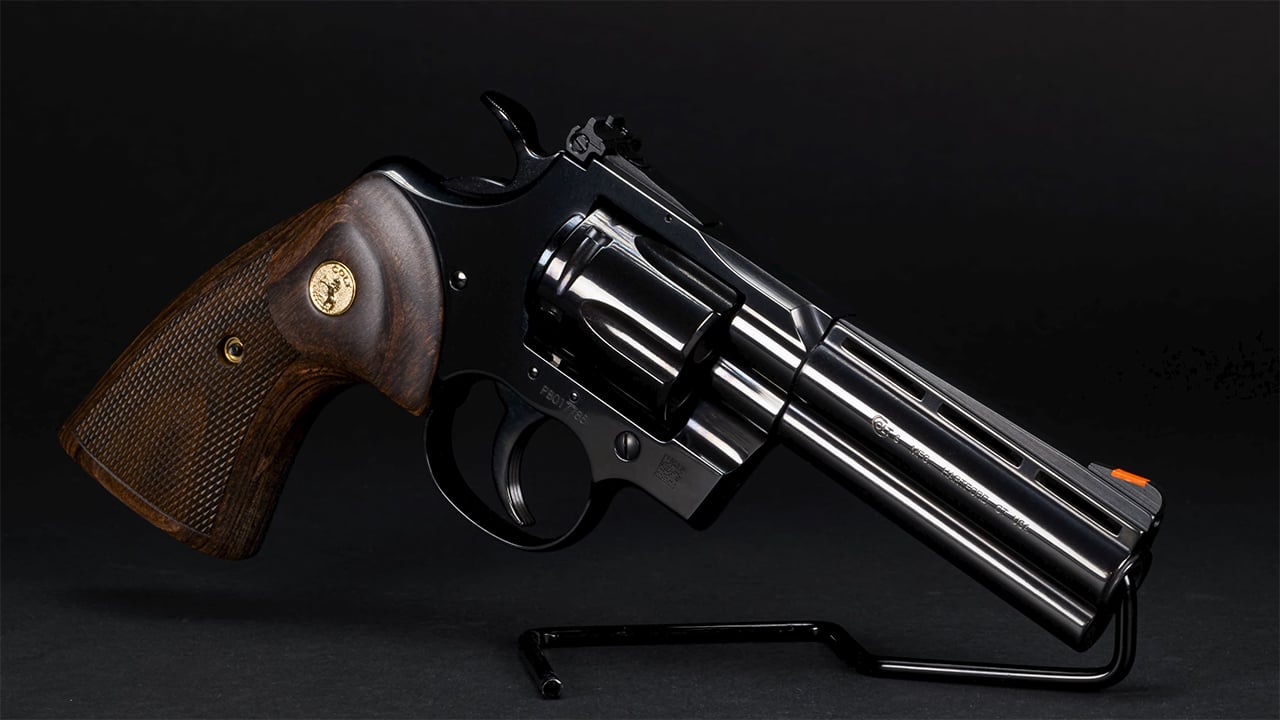
When a Python shows up, the room changes. A gunsmith will check timing, lockup, and endshake like they’re handling a piece of glass. Old Colts can go out of time if they’ve been abused, and the fix is not always simple.
That’s why you’ll see the quiet nod and the careful handling. It’s not a diss. It’s respect mixed with the knowledge that parts and expertise are not as common as they used to be.
19. Charter Arms Undercover (older revolvers)

These little snubs have been riding in tackle boxes, glove compartments, and bedside drawers forever. Some run fine, some are loose as a goose. A smith checks cylinder play, timing, and the condition of the forcing cone.
If it’s a good one, it’s a handy, no-frills revolver. If it’s worn out, the gunsmith often doesn’t say much because the owner is hoping it can be turned into a new gun with a small repair bill.
20. Rossi Circuit Judge (pistol side of the family: the Taurus Judge lineage)
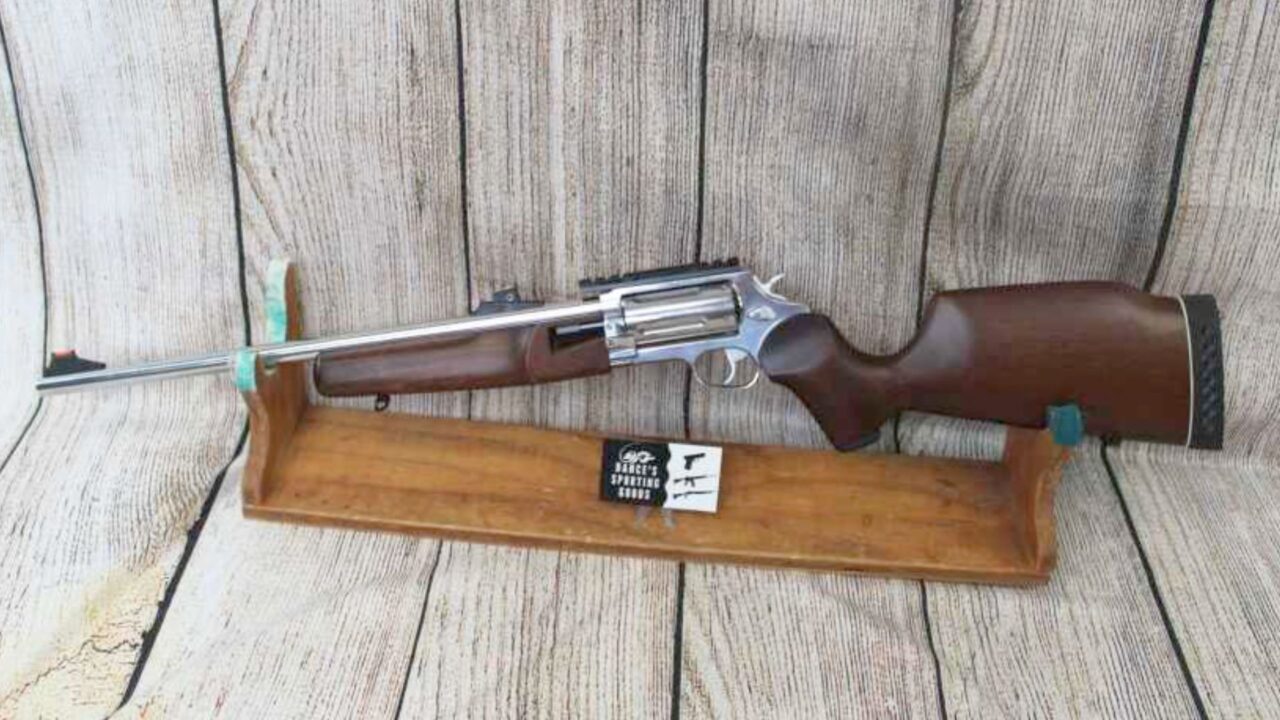
The Judge-style revolvers are a whole conversation by themselves, and they tend to show up after someone realizes the hype doesn’t match their actual use. Gunsmiths look for cylinder gap issues, timing, and general wear from firing a mix of loads.
They’re fun and they have a niche, especially for critter control around a property. But when folks buy one expecting it to be a perfect do-everything defensive tool, that’s when the bench time starts piling up.
Here’s the honest takeaway: when a gunsmith goes quiet, it’s usually not smugness. It’s experience. Some pistols are just more sensitive, more worn out, more modified, or more expensive to chase than the owner expects. If you’re carrying a pistol for real-world use, keep it boring, keep it stock when you can, test it with your carry ammo, and don’t ignore the little warning signs. That quiet look across the counter is often the cheapest lesson you’ll ever get.
Like The Avid Outdoorsman’s content? Subscribe to our newsletter so you never miss an article.
Here’s more from us: