Photo credit: Series9 Firearms/Youtube
The question comes up in every basic shotgun class sooner or later. A student gets through the safety talk, patterns a few shells, runs a couple of simple reloads, and then asks the instructor what they should actually own if they want one shotgun that does the job without a bunch of drama.
Most instructors won’t tell you to chase the latest “tactical” thing with a bunch of bolt-on parts. They recommend guns that run dirty, feed cheap ammo, don’t need babying, and still make sense when the new-gun excitement wears off. Here are 20 models that keep coming up when students ask for the real-world answer.
1. Mossberg 500

If you only owned one pump and you wanted it to be boring-reliable, this one is hard to argue with. The tang safety makes sense for new shooters, and the action is usually forgiving even when somebody short-strokes it early on.
It’s also one of those guns where parts and barrels are everywhere. You can set one up for birds, deer, or a simple home-defense role without turning it into a science project.
2. Remington 870 Police Magnum
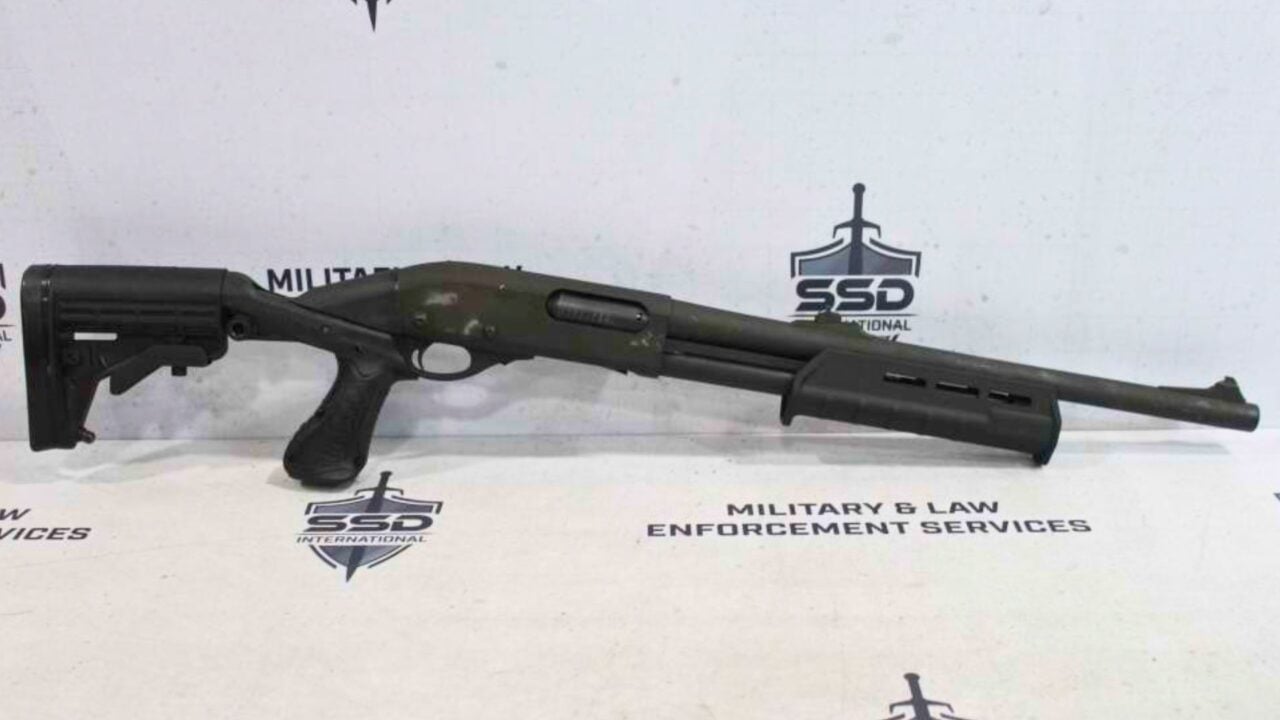
The older Police guns are the 870s that still feel like a tool. They run smooth, they lock up solid, and they tend to keep running even when they’ve lived a hard life in a rack or behind a seat.
Instructors like them because the manual of arms is simple, and the aftermarket is deep without being necessary. Just don’t confuse this with every random used 870 on the shelf—condition matters.
3. Remington 870 Wingmaster

This is the 870 people regret letting go. The action is slick, the finish holds up, and it points like a classic bird gun should. If you grew up around one, you know the feel.
For a student, it’s a great reminder that “nice” doesn’t have to mean fragile. A clean Wingmaster can do clays all summer and hunt all fall without complaining.
4. Benelli Nova

There’s nothing fancy about it, and that is kind of the point. The Nova is tough, weatherproof, and it’s one of the few pumps that seems to laugh at neglect and bad conditions.
Instructors like it for folks who hunt hard and don’t want to baby a gun. It’s not the lightest, and the forend feel is different, but it’s a workhorse.
5. Benelli SuperNova

The SuperNova keeps the Nova’s “use it in the rain” attitude but gives you a little more refinement. The stock and ergonomics tend to fit a wider range of shooters, which matters in a class setting.
If you’re tall, short, bundled up, or running it with gloves, the SuperNova usually behaves. It’s a practical pick for somebody who wants one pump to cover a lot of ground.
6. Mossberg 590A1

This is the Mossberg that instructors point to when someone wants a pump that feels like it was built to get knocked around. It’s heavier than a 500, and you notice it, especially if you carry it all day.
But for defensive training and hard use, it earns its reputation. The controls are straightforward, and it tends to run when the gun is hot, dirty, and being handled by newer shooters.
7. Beretta 1301 Tactical
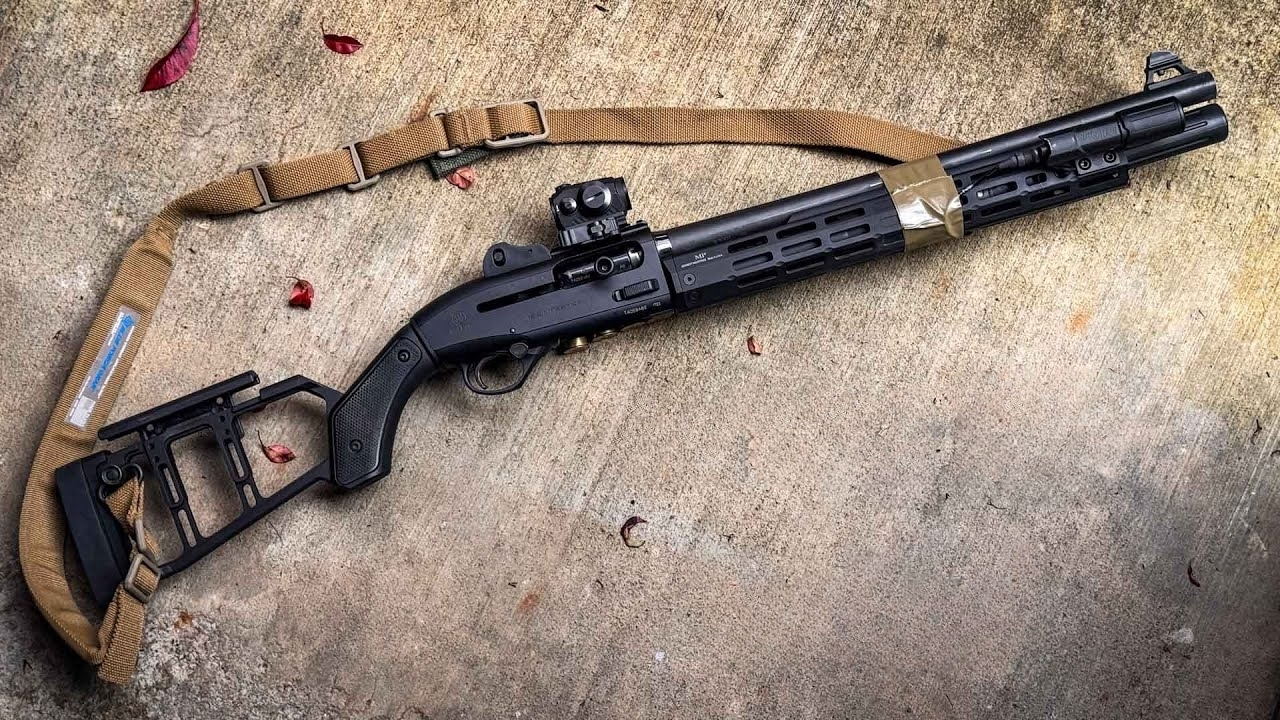
If a student wants a semi-auto that cycles fast and doesn’t feel picky, this one comes up a lot. The 1301 has a reputation for running reliably on a wide range of loads, which matters when ammo availability gets weird.
It also has manners. It’s quick to shoulder, not overly front-heavy, and it doesn’t beat you up the way some lightweight shotguns do.
8. Beretta A300 Ultima Patrol
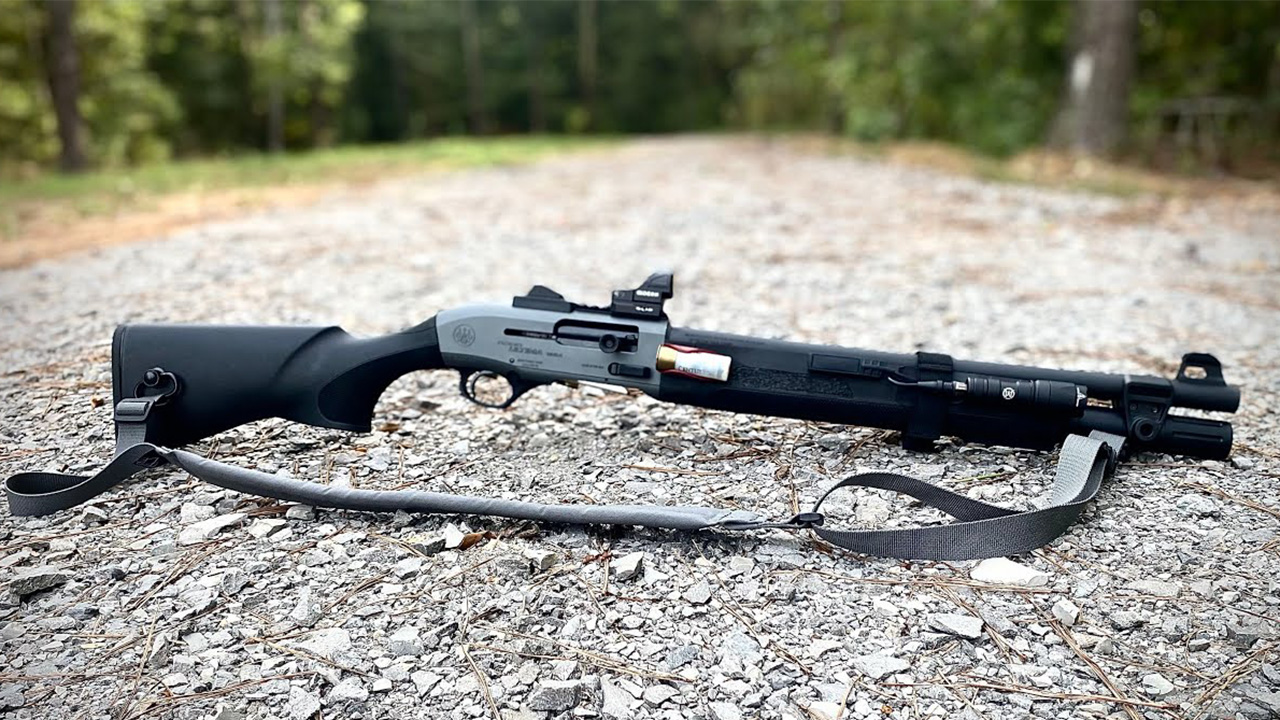
This one gets recommended to students who want a semi-auto without climbing into “premium” pricing. The A300 line has been around long enough that instructors trust it more than the newest flavor-of-the-month gun.
It’s also a good reminder that you don’t need a race-gun to learn. A simple, reliable semi-auto that patterns well is a better teacher than something temperamental.
9. Benelli M2
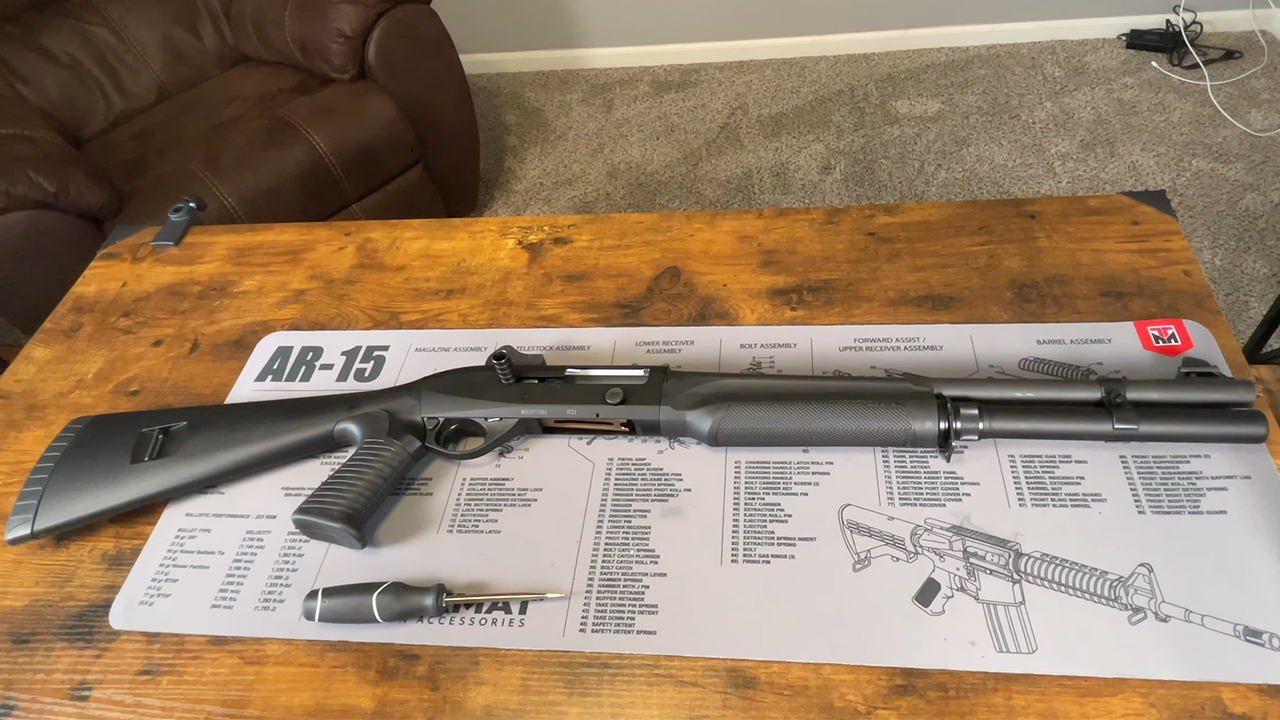
The M2 is one of those guns that feels light until you carry it all day, and then you’re thankful it’s light. For upland hunters and folks who like an inertia gun, it’s a common “buy once, cry once” recommendation.
It’s not the cheapest way into a semi-auto, but it’s a proven platform. If you keep it reasonably clean and use decent ammo, it tends to just run.
10. Benelli M4
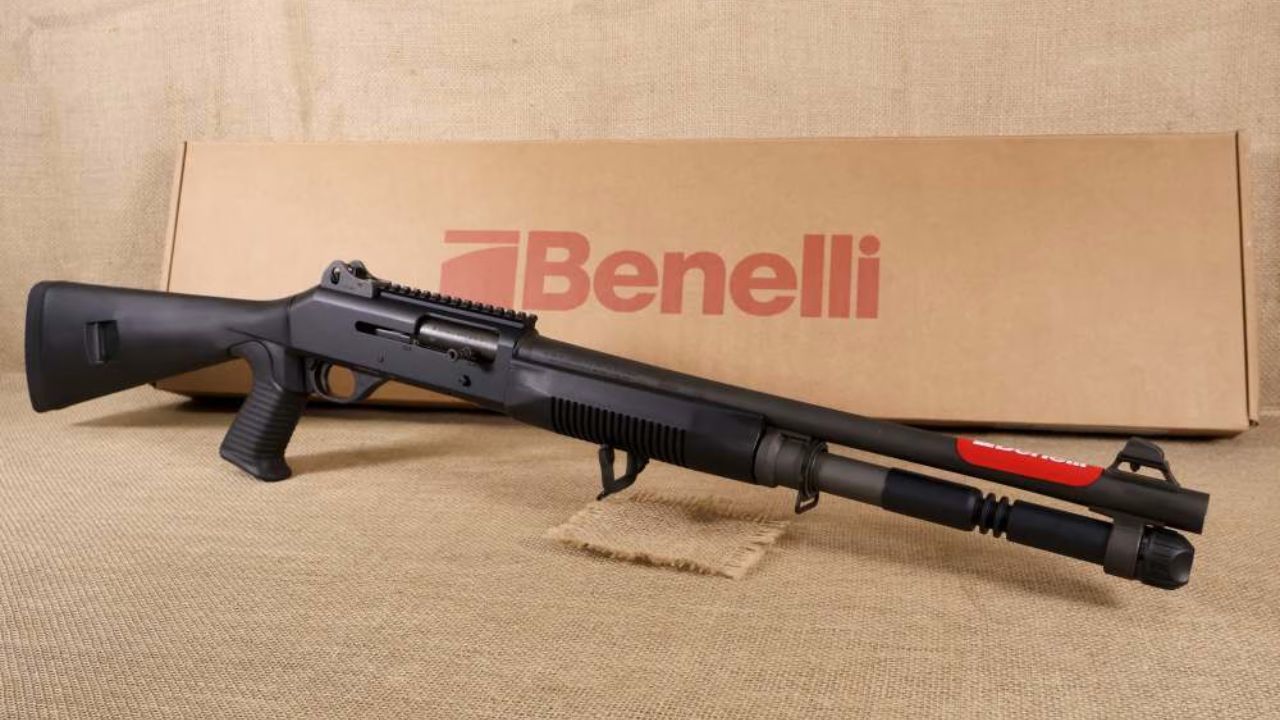
This is the semi-auto that gets brought up when a student asks, “What’s the top-end defensive shotgun that actually works?” The M4 is heavy, and that weight is not for nothing—it helps control recoil and keeps the gun steady.
It’s also expensive, and instructors usually say that out loud so students don’t feel pressured. Still, it’s a legit recommendation because the thing is built for real use, not just range photos.
11. Browning BPS

The bottom-eject design makes this one a great option for lefties and for anybody who hates hulls flying across their face. It’s also a pump that feels more “refined” than a lot of utility guns.
It can be a little heavier, and the action feel is different than what most folks grew up on. But for a hunting pump that handles well and stays friendly to left-handed shooters, it’s a smart pick.
12. Winchester SXP
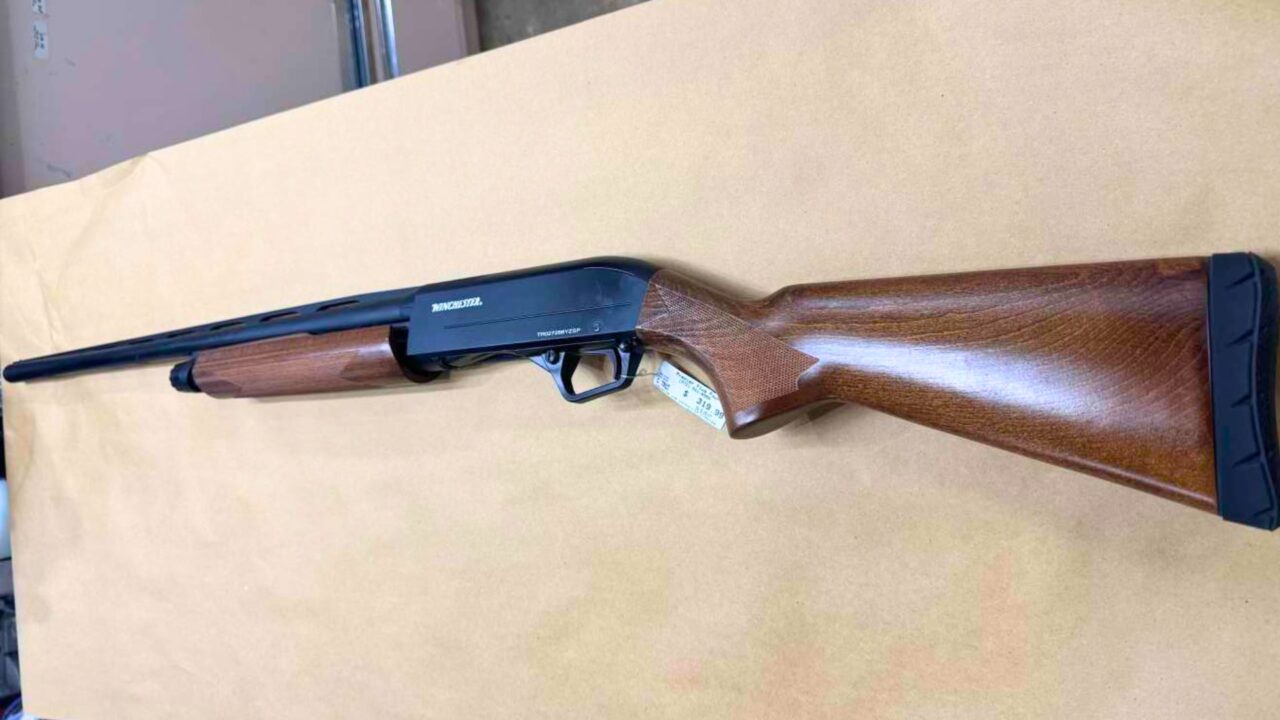
For students on a budget who still want something that cycles fast, the SXP gets recommended more than people expect. It’s not a heirloom gun, but it tends to be a solid value when you need a basic pump for birds or clays.
What instructors like is that it usually points naturally for new shooters. If it fits you, you can do a lot with it without overthinking the purchase.
13. Stoeger M3000

This is the “I want a semi-auto but I can’t justify the big money” answer that shows up in a lot of classes. It’s not perfect, and instructors will usually mention that it may like certain loads more than others.
But when it’s running right, it’s a lot of shotgun for the price. For someone who wants to shoot clays, hunt, and learn the semi-auto rhythm without going broke, it’s a practical entry point.
14. Franchi Affinity 3

The Affinity hits a sweet spot for folks who want an inertia gun that carries well and doesn’t feel like a fence post. It’s one of those shotguns that mounts quick and makes you look like a better wing shooter than you are. Ask me how I know.
Instructors tend to like it because it’s simple and reliable, and it doesn’t beat shooters up as bad as some lightweight field guns. Fit still matters, but the platform is solid.
15. Beretta A400 Xplor
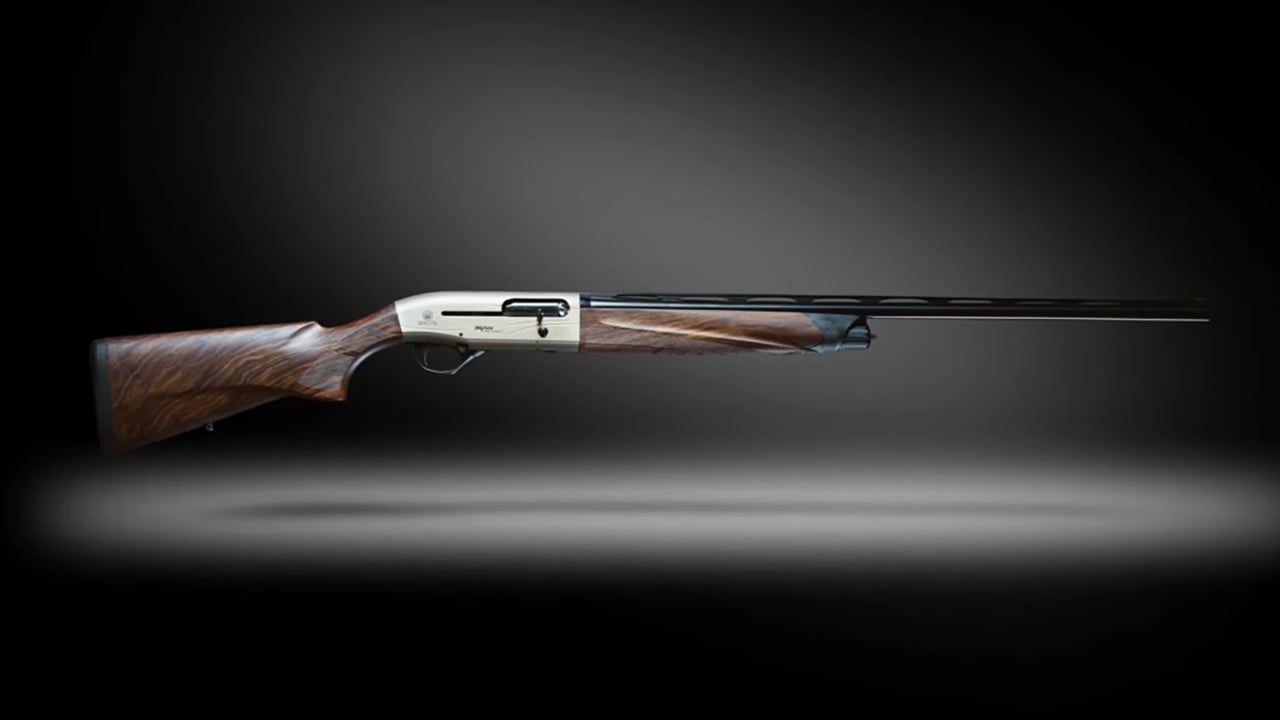
When a student is serious about shooting a lot—clays, birds, maybe some late-season waterfowl—this is one of the semi-autos instructors mention with a straight face. The A400 line has a reputation for durability and soft shooting.
It’s not cheap, but it’s the kind of gun that stays in the safe for decades because it keeps doing the job. If you’re the type who shoots cases of shells, quality starts making sense.
16. Browning A5 (modern)

The modern A5 has a feel that some shooters absolutely love and others don’t. But instructors recommend it because it’s a proven hunting semi-auto that carries light and points fast.
If you’re an upland hunter or you hike for your birds, weight and balance matter more than internet opinions. The A5 is one of those shotguns that makes long walks feel shorter.
17. Ruger Red Label

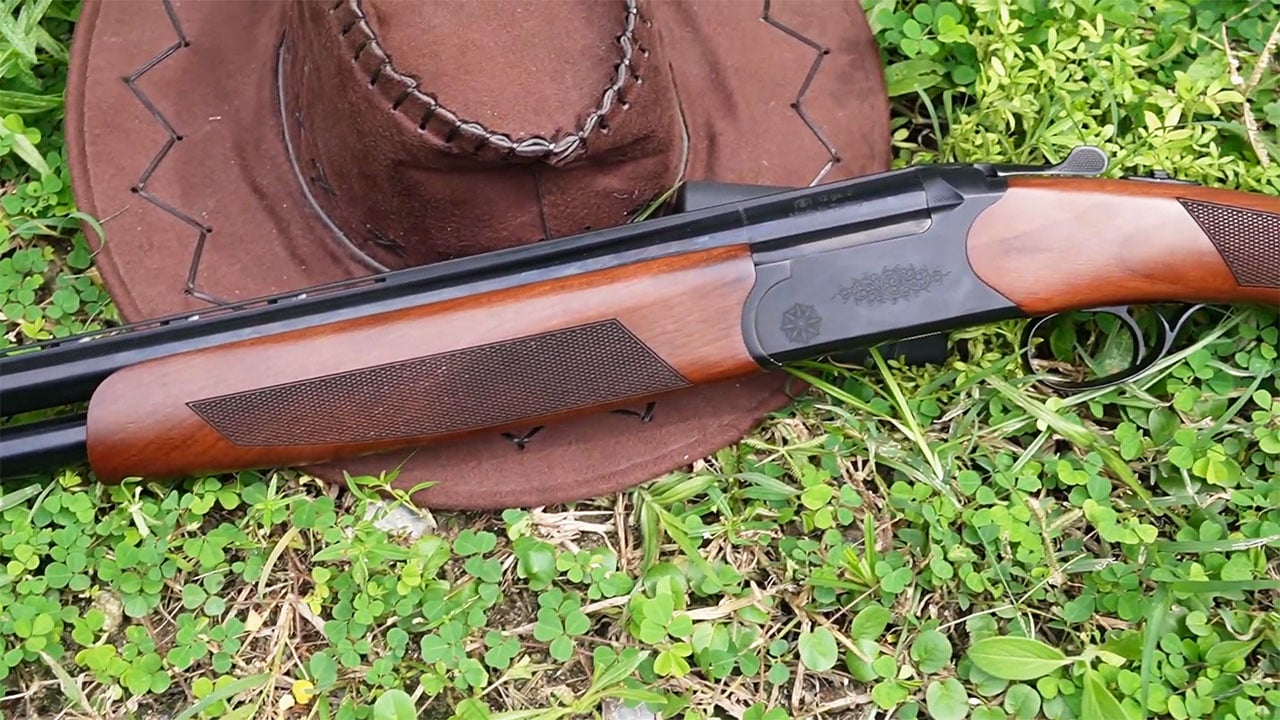
Over/unders aren’t required to be a competent shotgunner, but students ask about them anyway. The Red Label gets recommended because it’s a straightforward American-made O/U that can actually be used, not just admired.
It’s not the lightest, and it’s not a custom gun. Still, for clays and upland hunting, it’s the kind of over/under that tends to hold up if it’s been cared for.
18. CZ Drake
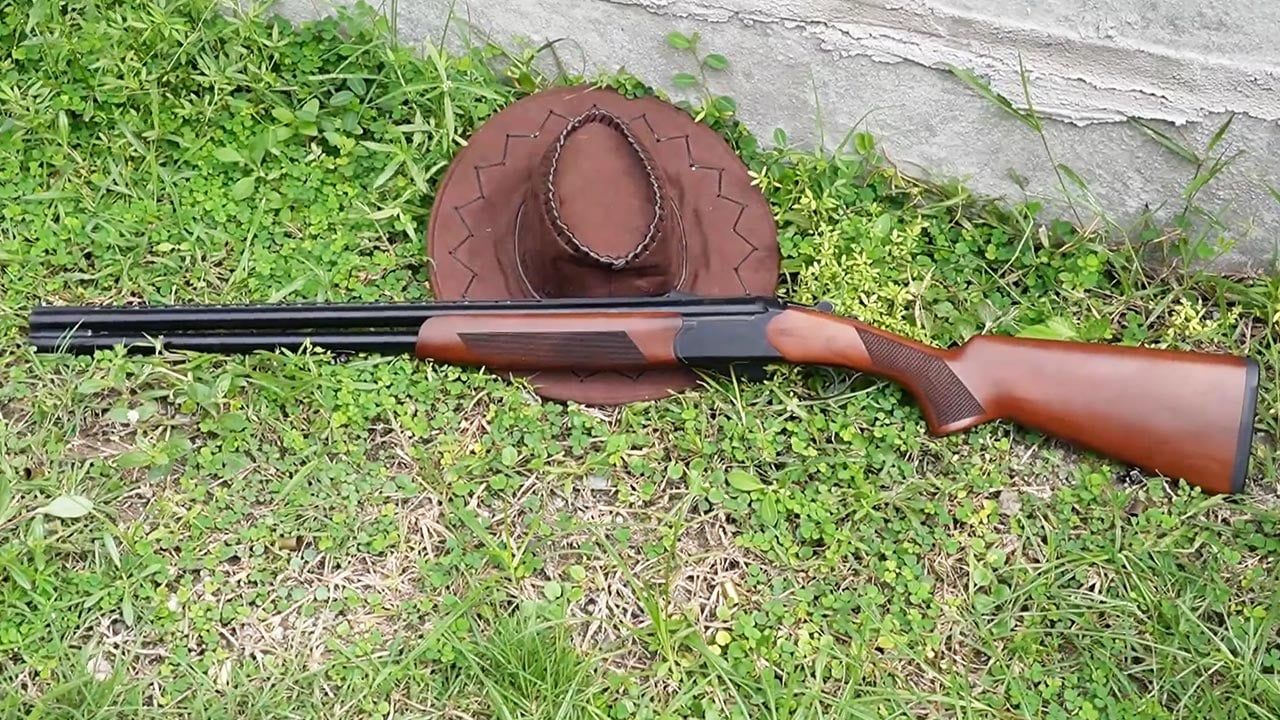
Not everybody can spend premium money on an over/under, and instructors know that. The Drake is one of the more common “starter O/U” suggestions because it’s usually decent out of the box and doesn’t feel like a toy.
You’re still buying an over/under, so you need to keep expectations realistic at the lower price points. But if someone wants to get into clays and upland without taking out a loan, it’s a reasonable option.
19. Ithaca Model 37
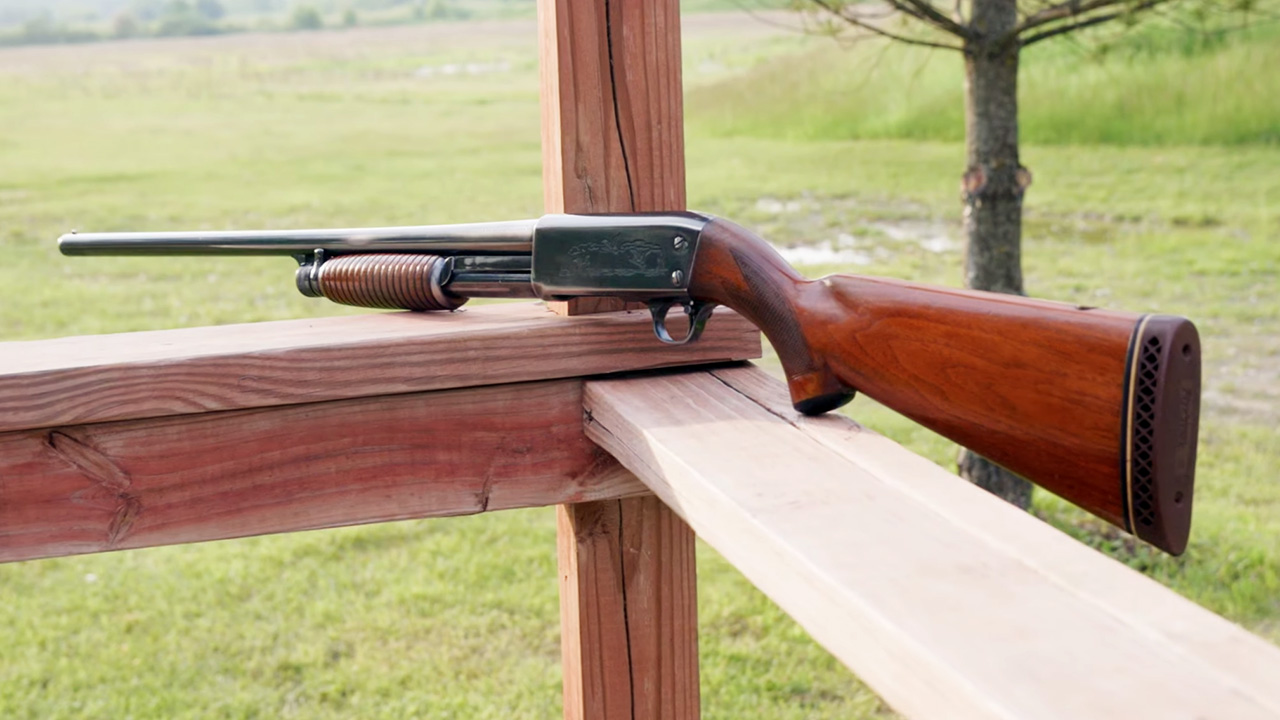
This is an old-school pick that still makes sense. Bottom ejection, slick handling, and a reputation for being a real field gun. When instructors see a student show up with one that’s been in the family forever, they usually nod.
Parts and support aren’t as universal as the big modern pumps, but the gun’s design is proven. If you have one that runs well, I would not be quick to let it go.
20. Remington 1100
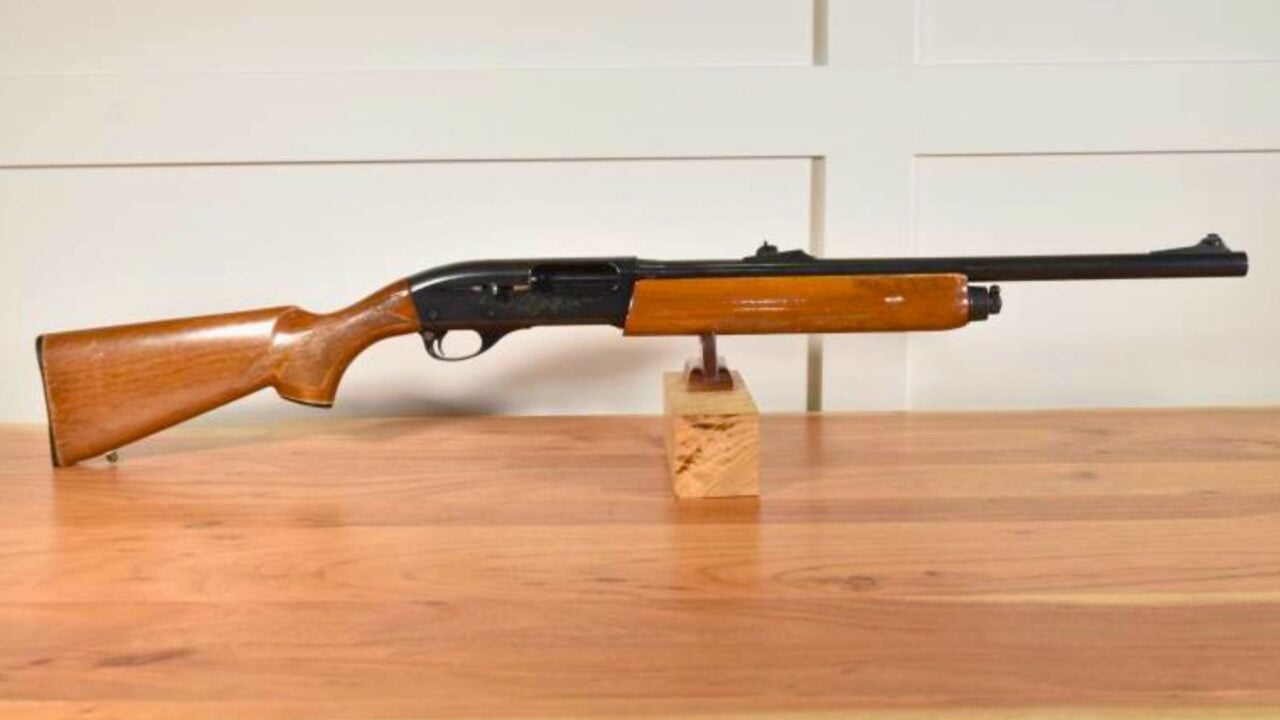
The 1100 is the shotgun that taught a lot of folks what “soft shooting” really means. It’s not the newest thing, and it does need basic cleaning and decent seals, but it has a way of making long range days more pleasant.
Instructors recommend it when a student wants a classic semi-auto for clays and birds and doesn’t mind doing normal maintenance. A good 1100 still breaks targets and drops birds just fine.
If you noticed a theme here, it’s not about chasing the loudest marketing. It’s about shotguns that fit regular people, run on regular shells, and don’t fall apart when you actually use them. If you’re shopping, shoulder as many as you can, pattern the loads you plan to hunt with, and be honest about what role you really need the gun to fill. The right shotgun is the one you’ll practice with and trust when it counts.
Like The Avid Outdoorsman’s content? Subscribe to our newsletter so you never miss an article.
Here’s more from us: