Photo credit: Shyamalamuralinath/Shutterstock.com
A camera makes people do dumb things around wildlife. It sounds harsh, but it is true. Folks who would normally keep walking suddenly stop, crouch, lean in, angle for a better shot, or take two more steps because the animal looked calm through the screen. That little shift is all it takes. Wild animals do not care that you are trying to get a good photo. They care that you got closer, changed your posture, blocked an escape route, or acted in a way that felt direct and threatening. A phone in your hand does not make you less of a problem to them.
The other issue is that taking a photo changes your awareness. You stop reading the whole animal and start framing the image. You miss the ears pinning back, the shoulders tightening, the head lowering, the tail flicking, or the way it suddenly locks onto you. By the time you notice something is wrong, the animal may already be moving. These are some of the animals most likely to lunge when people try to take a photo, especially after getting too close and mistaking stillness for safety.
Bison

Bison are probably one of the most photographed bad decisions in North America. People see one grazing in a field, standing near a road, or parked in a thermal area like a giant shaggy statue and decide they need a closer shot. The animal looks slow, calm, and almost bored, so they treat it like background scenery instead of what it is. Then they creep in, hold up the phone, and get just close enough to make the animal feel crowded. That is when the whole mood changes in a hurry.
What gets people in trouble is that a bison does not need much warning before it decides you pushed too far. It may swing its head, tense up, or take one hard step, and then the lunge is already happening. These animals are fast for their size and strong enough to erase any illusion that you were “just taking a picture.” The worst part is that people usually realize they are too close only after the animal reacts. If a photo requires you to test a bison’s patience, the photo was never worth taking.
Moose

Moose catch people off guard because they look so awkward until they move. A moose standing in brush, feeding near a roadside, or crossing a trail can seem like the perfect wildlife photo opportunity. People get within range because the animal is not doing anything dramatic, and the longer it stands there, the more confidence they build. Then they raise the phone, stop paying attention to distance, and start trying to get a cleaner angle. That is often the exact moment a moose decides enough is enough.
Cows with calves are especially bad for this, but bulls during the rut are no joke either. A moose can lunge or charge from what looked like a calm, neutral stance just seconds earlier. Long legs and size give them reach people do not respect until it is too late. The camera makes it worse because folks stop reading the ears, head, and body line and start worrying about the shot. A moose does not care how good the lighting is. If it thinks you are too close, you may learn that the hard way.
Elk

Elk get the same treatment as moose in a lot of parks and mountain towns. They are big, impressive, and often visible enough that people assume they are comfortable being watched. Fair enough from a distance. But once someone tries to move in for a photo, especially with a calf nearby or a bull during the rut, that relaxed-looking scene can flip fast. Elk are more than capable of lunging, wheeling, or charging when they feel boxed in or challenged, and a lot of people do not read that risk until the animal is already moving.
One thing that makes elk dangerous in photo situations is how much warning gets missed. A slight turn of the head, a stiffening of the body, a shift in footing, that is all easy to ignore when somebody is staring at a screen. They are focused on framing antlers or getting the animal centered, not on whether the elk’s patience just ran out. A calm elk from far away is one thing. A close-up elk that needed you to keep inching in is a whole different story.
Alligators

Alligators are built to fool people because they can look completely inactive while staying fully ready to move. A gator lying at the edge of a pond or floating with only its head visible draws people in because it feels safe from a distance and dramatic up close. So they walk to the bank, crouch down, and stretch a little farther with the phone. The animal still does not move much, which only encourages them. Then it lunges, often with a lot more speed than they expected from something that looked half asleep a second earlier.
The trouble with gator photos is that people treat stillness as permission. It is not. It is just stillness. If you have to lean over a bank, edge toward the water, or focus so hard on the screen that you lose track of the animal’s line, you are already doing too much. Gators do not always need a long chase or dramatic setup. They need range and opportunity. The moment a person tries to turn a safe sighting into a close shot is often the moment that range disappears.
Bears

Bears draw cameras like magnets, especially in campgrounds, roadside pull-offs, and edge habitat where people are shocked to see one close. The bear may be feeding, walking, or just standing there, and somebody immediately decides they need proof. Instead of backing off, they stop and start filming. Then they take a couple of extra steps because the first shot was too far away or the brush was in the way. That is where things go bad. A bear that tolerated your presence at one distance may not tolerate your push for a better picture.
What makes bears especially dangerous here is that people love to read them emotionally instead of physically. They tell themselves the bear seems calm, curious, or uninterested instead of watching the body language for real signs. A bear can lunge, bluff-charge, or close space fast once it decides you are too close, near food, or acting wrong. The phone only makes you slower and dumber in that second. If your photo plan depends on the bear staying patient, you are trusting the wrong animal.
Geese

People joke about geese, but they absolutely lunge when somebody gets too close with a phone. In fact, the phone often makes the whole thing worse because people crouch, extend an arm, and lean toward the bird in a way that looks a lot like pressure. A goose that was standing there calmly by the water or on a path may suddenly rush, wing-slap, hiss, or bite the second that space closes. Folks laugh until they are backpedaling with their phone in one hand and no balance left.
This happens most around nests, goslings, and places where geese are used to people but still protective. That familiarity is what fools everybody. The goose did not run, so the person assumes it is fine being photographed up close. It is not fine. It just had a line, and your photo attempt crossed it. Geese may not be the most dangerous animals on this list, but they are easily some of the most likely to punish a bad wildlife photo idea immediately.
Swans

Swans are worse than geese in some situations because people expect them to be graceful and calm no matter what. They float there looking like a postcard, and somebody decides they need the shot from just a little closer on the dock, shoreline, or paddleboard. That calm look disappears fast once a swan feels pressured. They can lunge with the neck, strike with the wings, and drive straight at people who get too close, especially during nesting season or when young are nearby.
The camera problem with swans is that their warning signs are easy to ignore if you do not know them. A posture shift, a direct line, a tightening of that long neck, all of that can happen while a person is still fiddling with focus or trying to get the reflection right. Then suddenly the bird is on top of them. A swan is not scenery. It is a big, strong, territorial bird that does not care about your perfect lakeside shot.
Sea lions

Sea lions look lazy right up until they do not. People see one hauled out on a dock, beach, or marina platform and think it is just resting. So they inch closer for a photo because the animal seems so unbothered. But sea lions can lunge hard and fast, and they have zero reason to tolerate a person crowding them for a better shot. The line between “sleepy wildlife moment” and “that thing just came at me” is a lot shorter than people realize.
Part of the problem is that sea lions look almost goofy when they are relaxed, which lowers people’s guard. They forget the size, the teeth, and the speed. Then they step around one, lean in from the side, or squat low to frame the image, and the animal reacts. Once again, the camera encourages the exact body position and distance that turns a sighting into a confrontation. A sea lion that seems calm is still a wild animal with plenty of power and no patience for your close-up.
Seals

Seals cause the same issue in a softer-looking package. People see one on the beach and assume it is basically a harmless blob that wants to be left alone but will not do much if you get closer. That assumption is wrong. A seal can lunge and bite fast if it feels cornered, trapped between you and the water, or simply pressured at rest. The danger comes from how harmless it looks while lying there. That relaxed body shape gives people the confidence to test distance they would never test with a more obviously threatening animal.
Photo attempts make it worse because people want that cute face shot, the sleepy pose, or the “look how close I got” picture. So they creep in, sometimes with kids, and stop thinking about escape routes and stress. A seal does not need to stand up and bark at you for the situation to be bad. If it feels you are too near, the reaction can come fast and with teeth. Cute is not the same as safe, and wildlife photographers learn that quicker than everybody else.
Monkeys
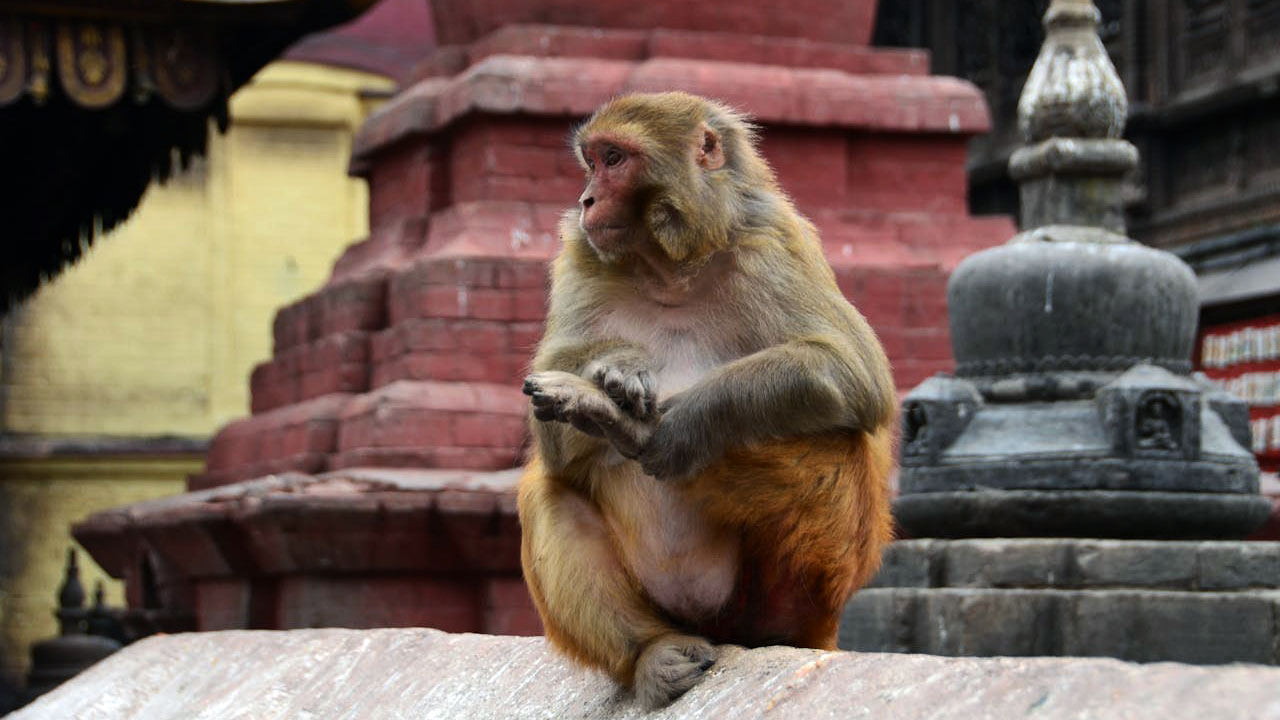
Monkeys are magnets for bad photo decisions because they look expressive, familiar, and almost human in a way that fools people into acting casual. Tourists crouch, grin, hold out snacks, and try to get selfies like they are dealing with a trained animal that understands the game. What they are actually doing is presenting food, eye contact, and pressure to a wild animal with quick hands and a short fuse. A monkey that seems calm can lunge the second it thinks you have something it wants or that you got too close.
Selfies are especially bad because turning your body and face toward the camera often means you are no longer reading the monkey at all. You are smiling into the lens while the animal is deciding to grab, bite, or slap. And once one monkey reacts, others may pile into the chaos. The whole situation can go sideways from one dumb photo idea in seconds. A monkey posing quietly near you is not cooperation. It is just a moment before the next decision gets made.
Horses you don’t know
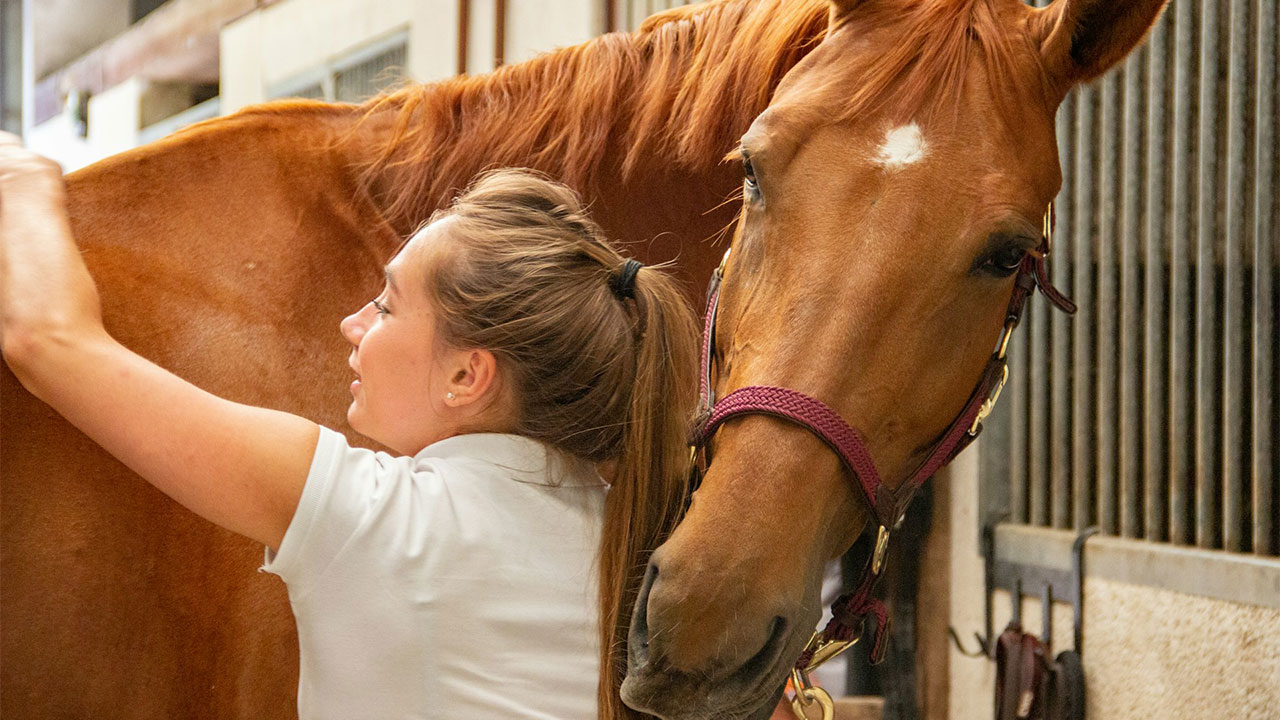
A horse is not wildlife in every case, but it belongs here because people do the same foolish thing around unfamiliar horses all the time. They see a beautiful horse over a fence or tied at an event, decide it looks calm, and walk right up with a phone. Then they lean in for the ears-up shot, stand too close to the shoulder, or drift behind it while trying to frame the body. A horse that seemed perfectly settled can lunge, bite, sidestep hard, or kick before the person even understands what changed.
The camera makes people forget basic space and handling rules. They stop noticing pinned ears, tension, or discomfort because they are busy with the angle. A horse does not have to be mean to react badly. It just has to dislike what you did. Plenty of bites and close calls happen because somebody thought a calm-looking animal would stay calm while they crowded it for a picture. That is not a horse problem. That is a people problem.
Cattle with calves
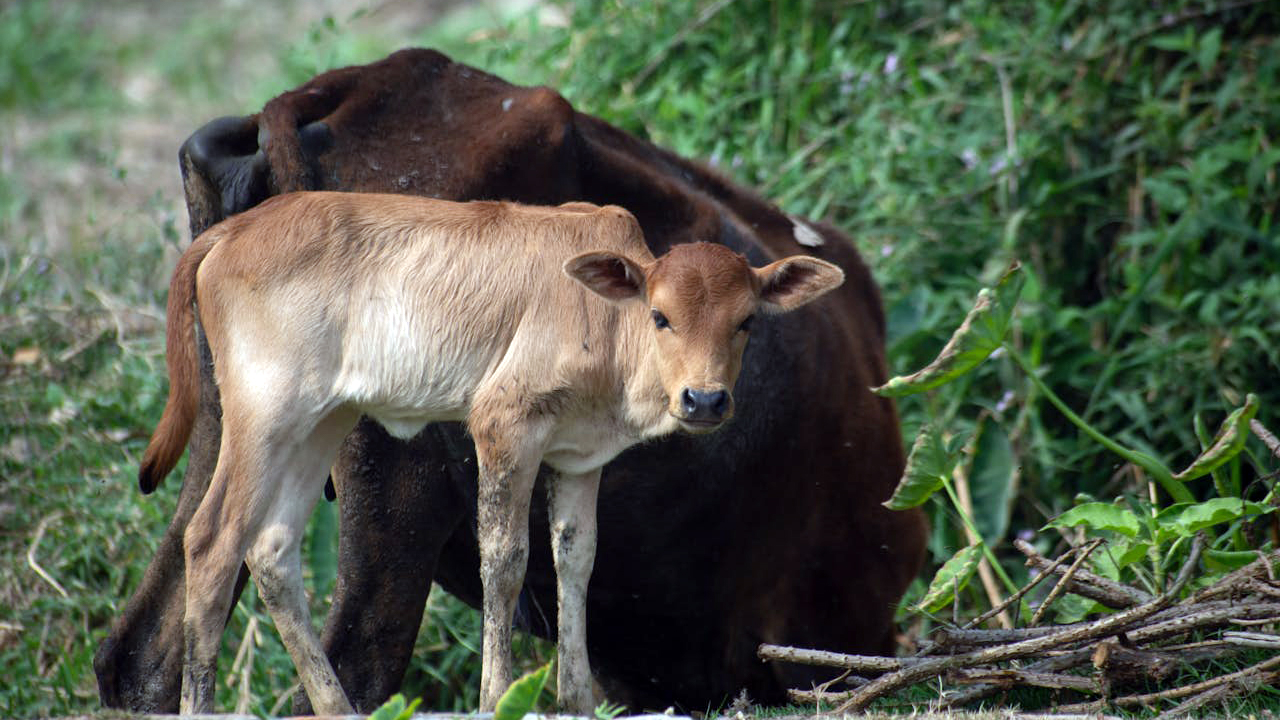
Cows with calves get photographed way too casually by people who think they are basically lawn ornaments with hooves. The cow may be standing there in a field looking totally relaxed, and somebody decides to get the rustic farm shot. So they move closer to the fence, zoom with their feet instead of the camera, and keep shooting because nothing happened yet. Then the cow lunges forward, hits the fence, or comes hard across the pasture if there is no barrier. Suddenly that cute country picture is not so cute anymore.
Protective cattle do not always telegraph the moment the way people expect. A steady stare and a calm posture can fool somebody into thinking they are fine when really they are being measured. The second the calf shifts or your angle changes, the mother may decide you are a problem. That is why animal photos around calves are always riskier than they look. A quiet mother is not a green light.
Deer
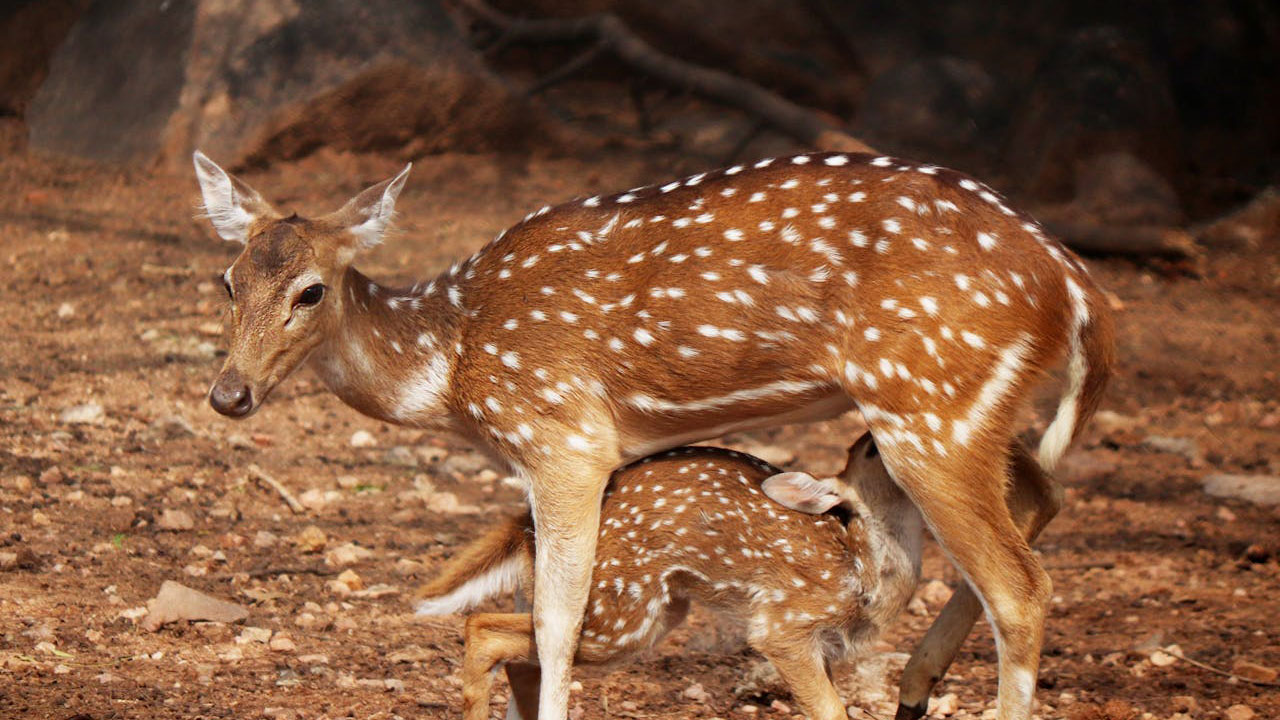
People underestimate deer in general, and they really underestimate does when fawns are tucked nearby. A doe may stand there watching from the brush or edge of a yard and look calm enough for a photo. So somebody slows down, steps closer, and starts snapping pictures because the deer did not bolt. What they miss is that a doe holding close instead of leaving often has a reason. She may be guarding a hidden fawn, and your photo session just turned into pressure.
If you get too close, a doe can lunge, stomp, strike, or rush far more aggressively than most people expect from an animal they think of as shy. It does not happen every time, but it happens enough that a “harmless deer photo” is not always harmless. The same rule applies here as everywhere else: if the animal did not leave, that does not automatically mean it is comfortable. Sometimes it means you just have not crossed the line yet.
Raccoons
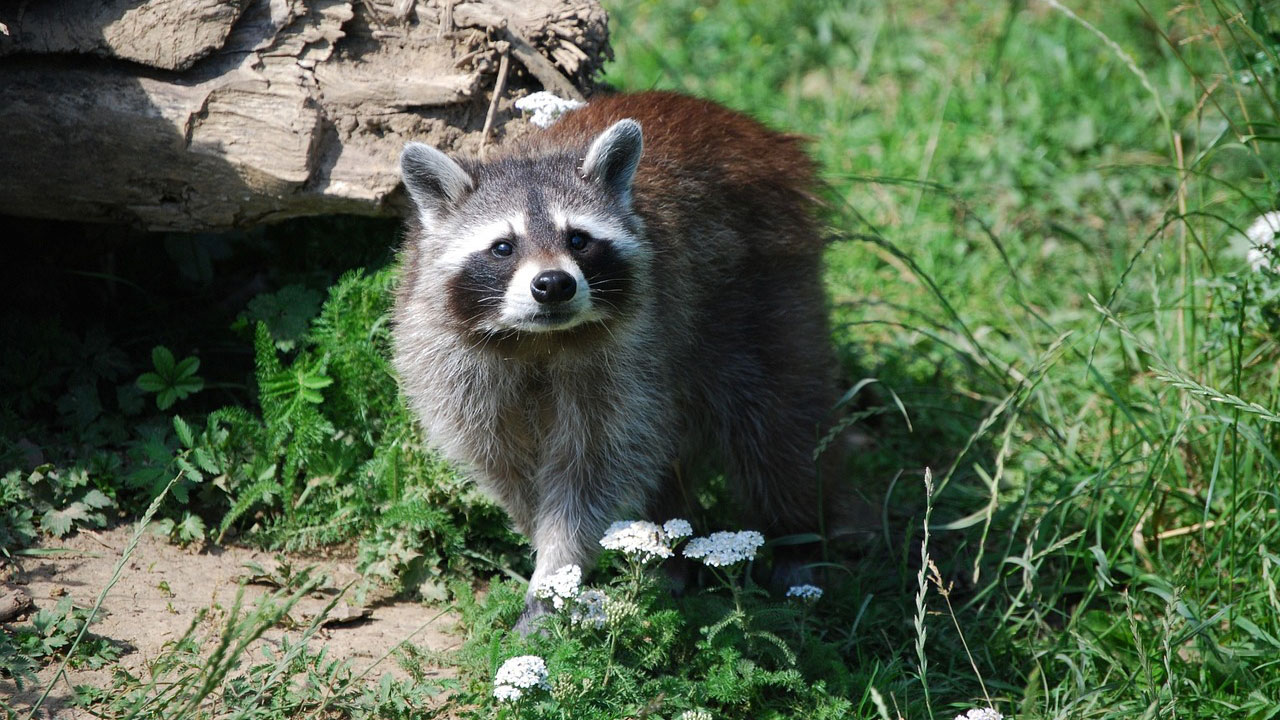
Raccoons may be one of the worst animals for “just one quick photo” because they get comfortable around people and look almost tame in the right setting. A raccoon digging in trash, sitting on a porch rail, or hanging around a campsite makes people think they can inch in and get a funny shot. That is a mistake. A bold raccoon is already different from a healthy, cautious one, and closing the space with a phone is a good way to get lunged at, grabbed, or bitten.
Food-conditioning is a big part of the problem. A raccoon that sees people as a source of easy meals may tolerate your presence right until your movement changes in a way it does not like. Then it reacts hard and fast. The camera makes folks stay in situations longer than they should because they want the perfect expression or angle. Meanwhile they are standing within lunging distance of an animal with sharp teeth, quick hands, and no reason to play nice.
Coyotes

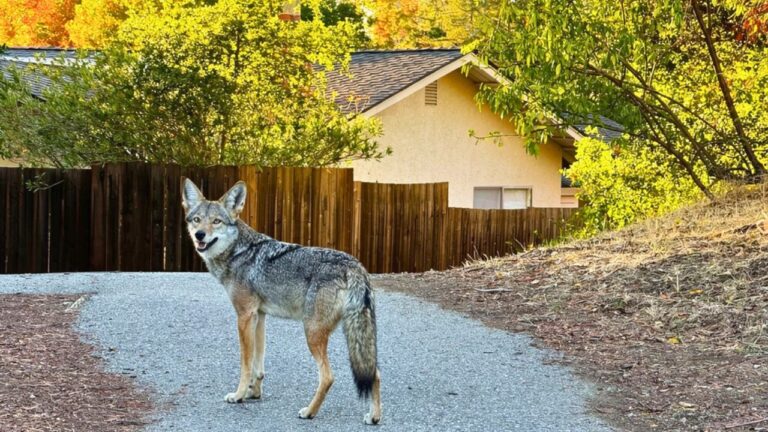
Coyotes are not usually the first animal people think of for lunging photo encounters, but around suburbs and parks, bold ones can absolutely react when someone gets too close. A coyote standing in a field edge or greenbelt may look calm enough that a person decides to stop and photograph it. Then they start creeping closer because the coyote does not run. That is where bad judgment sets in. A coyote that holds ground is not necessarily comfortable. It may be testing you, protecting something nearby, or deciding whether your approach needs an answer.
Most coyotes would rather slip off than make contact, but that does not mean people should push the situation. If one is food-conditioned, pressured, sick, or unusually bold, the camera move can be the exact thing that triggers the lunge. And even if it does not make full contact, a sudden rush from a coyote will wake a person up in a hurry. Wildlife photos are not supposed to involve testing whether a wild canine still wants distance.
Like The Avid Outdoorsman’s content? Subscribe to our newsletter so you never miss an article.
Here’s more from us: