
Photo credit: Smith & Wesson/Youtube
Trusting a handgun with your life requires more than liking how it feels at the gun counter. A serious defensive pistol needs dependable magazines, durable internal parts, a recoil system that works with common defensive ammunition, and controls you can operate correctly under pressure. It should also be comfortable enough to carry and shoot regularly rather than spending its life untouched in a safe.
No handgun receives automatic trust because of its brand or reputation. I would still test the individual pistol with every magazine, the chosen defensive load, and any optic or weapon light installed on it. I would also leave the important internal parts close to factory condition. With those requirements understood, these are the 20 handguns I would feel comfortable relying on when the consequences of failure are serious.
Glock 19 Gen6
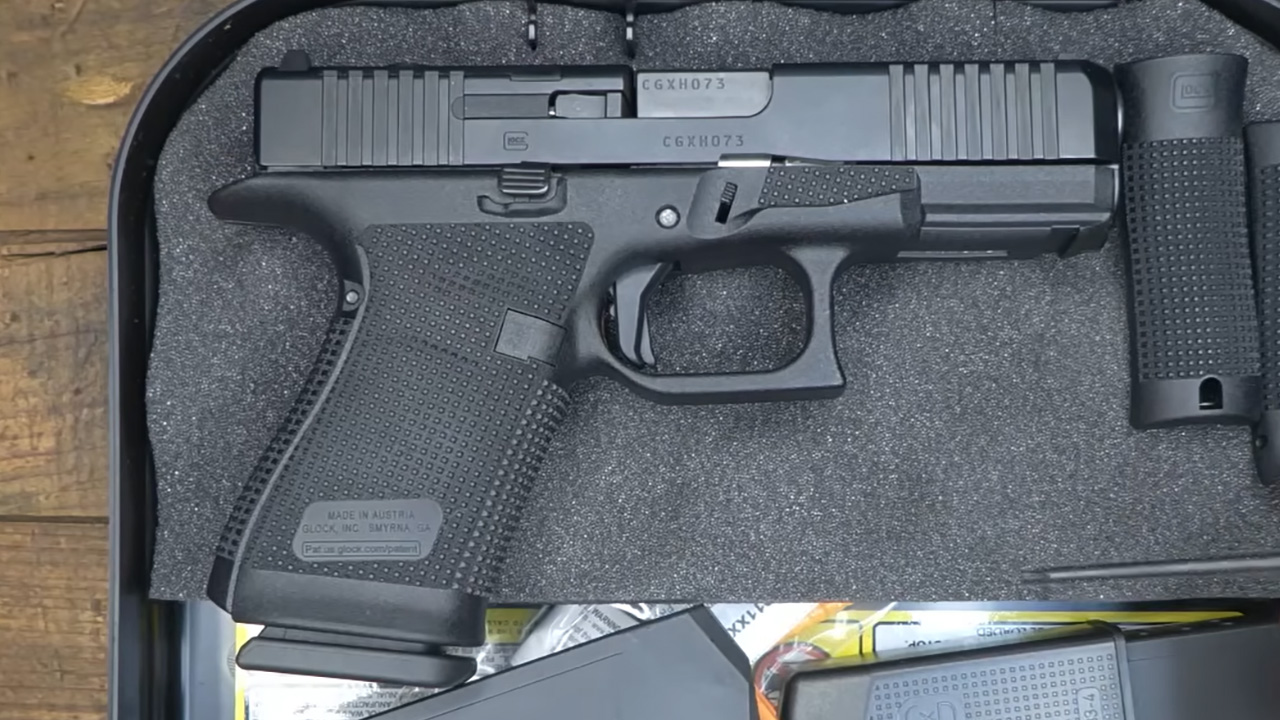
The Glock 19 Gen6 would be one of my first choices because it covers nearly every defensive role without becoming specialized. It is large enough to control during rapid shooting, compact enough for concealed carry, and supported by an enormous supply of magazines, sights, holsters, lights, and replacement parts. The Gen6 version retains a 15-round standard magazine while adding revised ergonomics, updated texture, a flat-faced trigger, and Glock’s current optic-ready system.
I would keep the trigger, striker assembly, and recoil system stock. One of Glock’s greatest strengths is the simplicity and commonality of the factory configuration. A properly lubricated G19 with tested factory magazines is not especially glamorous, but it is easy to maintain and difficult to replace as an all-purpose defensive pistol.
Smith & Wesson M&P9 M2.0 Compact
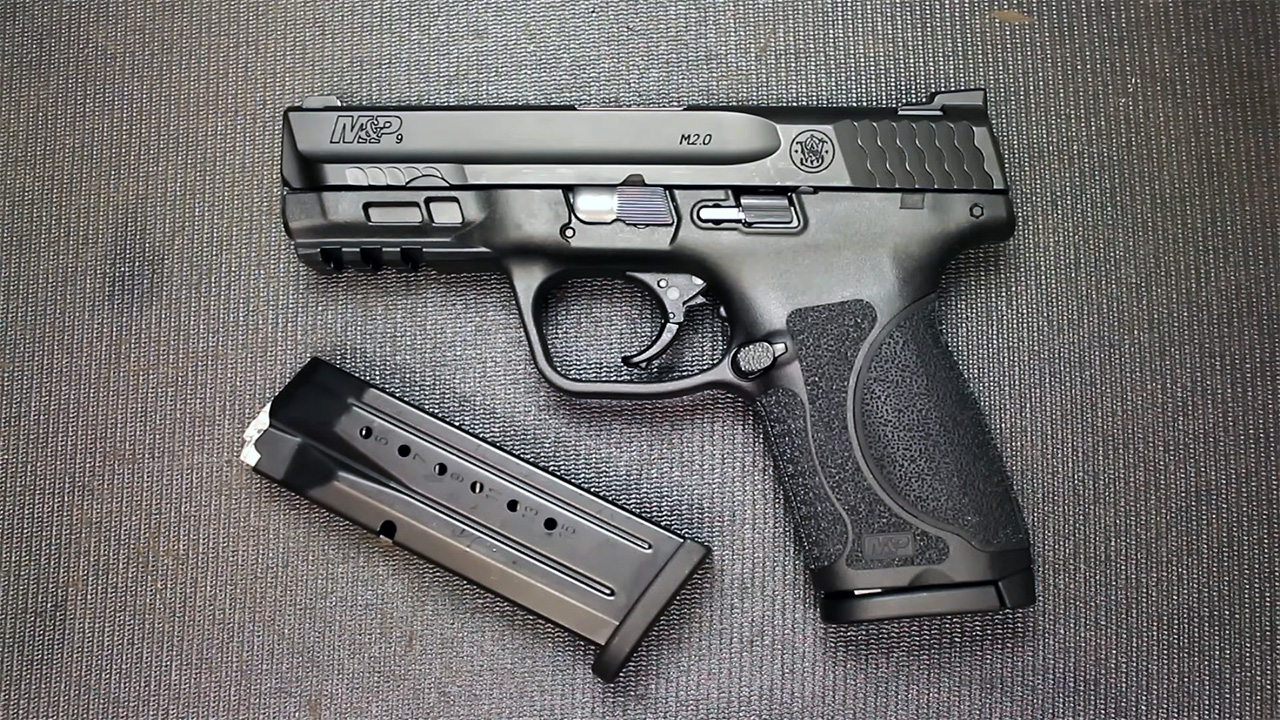
The four-inch M&P9 M2.0 Compact is another pistol I would trust for concealed carry, home protection, and regular training. Its grip shape fits a wide range of hands, and the interchangeable backstraps make meaningful adjustments rather than merely changing the appearance. Current optics-ready models retain a compact frame and 15-round capacity without shrinking the recoil system to micro-pistol dimensions.
The aggressive texture helps keep the pistol stable when hands are wet or sweaty. Recent flat-faced M&P triggers are also far better than the hinged units found on earlier examples. Factory magazines and service components are widely available, which matters when a gun is carried and shot enough for springs and magazines to eventually wear.
SIG Sauer P365 XL
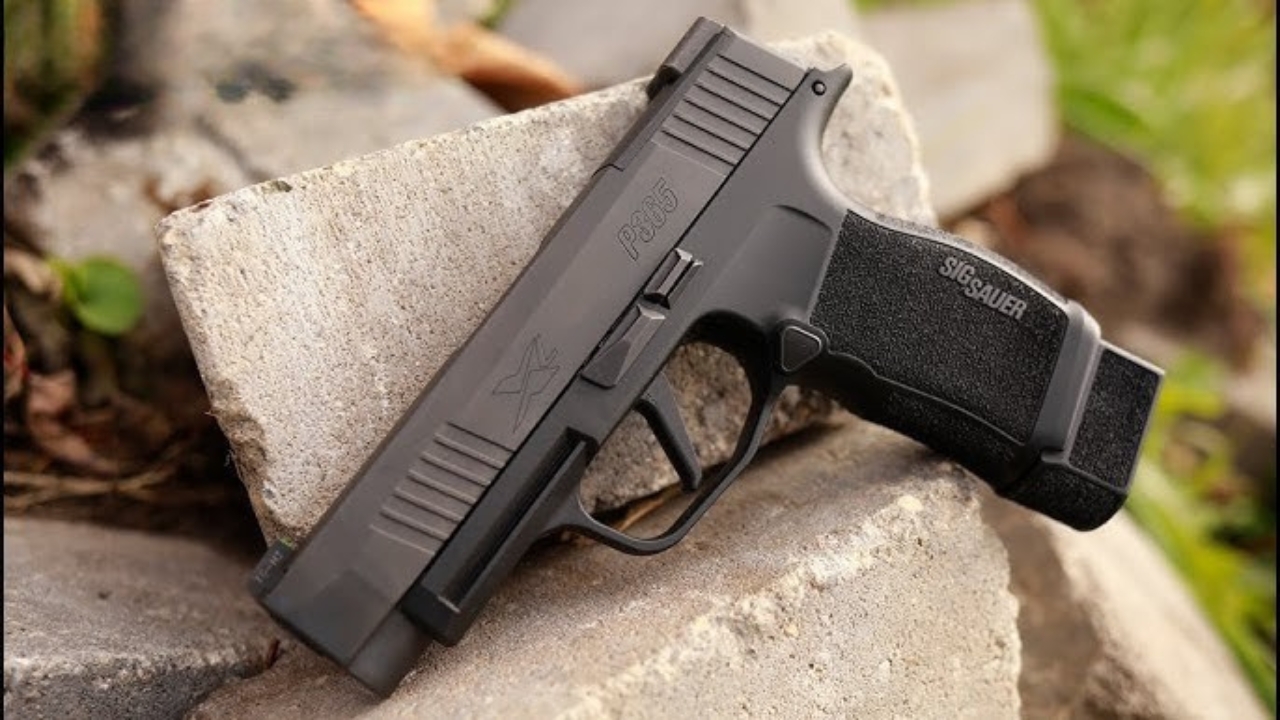
The P365 XL is the member of the P365 family I would trust most as a general carry pistol. The longer slide provides a steadier shooting platform than the original P365, while the extended grip gives most shooters enough room for a complete hold. It remains noticeably thinner and easier to conceal than a conventional double-stack compact.
The P365 ecosystem offers an enormous selection of grip modules, magazines, optics, and holsters, but I would be conservative with internal modifications. A factory trigger system, proven recoil assembly, and genuine SIG magazines provide a better defensive setup than a pistol assembled around the lightest aftermarket parts available. The XL is compact without feeling as mechanically compressed or difficult to control as the smallest micro-compacts.
Springfield Armory Echelon 4.0C
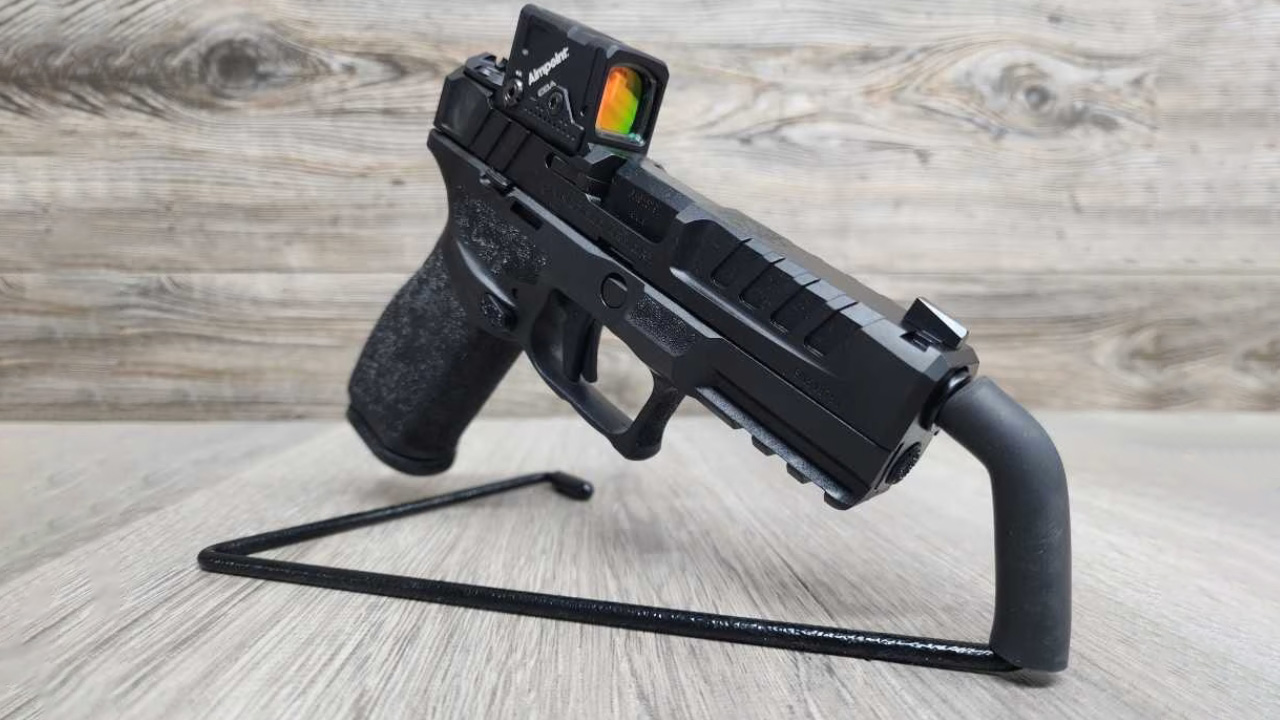
The Echelon 4.0C gives me many of the advantages of a full-size service pistol in a more concealable format. It uses a four-inch barrel, compact frame, removable serialized operating group, and Springfield’s direct-mount Variable Interface System for red-dot sights. Standard configurations are built around 15-round capacity, with longer magazines available.
Its large slide serrations are easy to grasp, and the grip provides more control than the narrow frames used by many micro-compacts. I would choose the standard barrel rather than a compensated version for a life-safety gun. The ordinary configuration creates less blast, collects less fouling around the muzzle, and removes a feature I do not consider necessary on a controllable compact 9mm.
Heckler & Koch CC9

The HK CC9 is the newer pistol on this list, but it was developed specifically around concealed carry rather than being a shortened version of a larger service gun. It is less than an inch wide and ships with ten- and 12-round magazines. HK also designed the grip around interchangeable backstraps and gave the pistol an optics-ready slide.
I would still insist on proving my individual gun because the CC9 does not have the decades-long civilian history of the Glock 19 or Shield family. Its dimensions, construction, and manufacturer testing make it one of the few recent micro-compacts I would seriously consider. It offers deep concealment without feeling like a pistol built entirely around reducing size.
CZ P-10 C
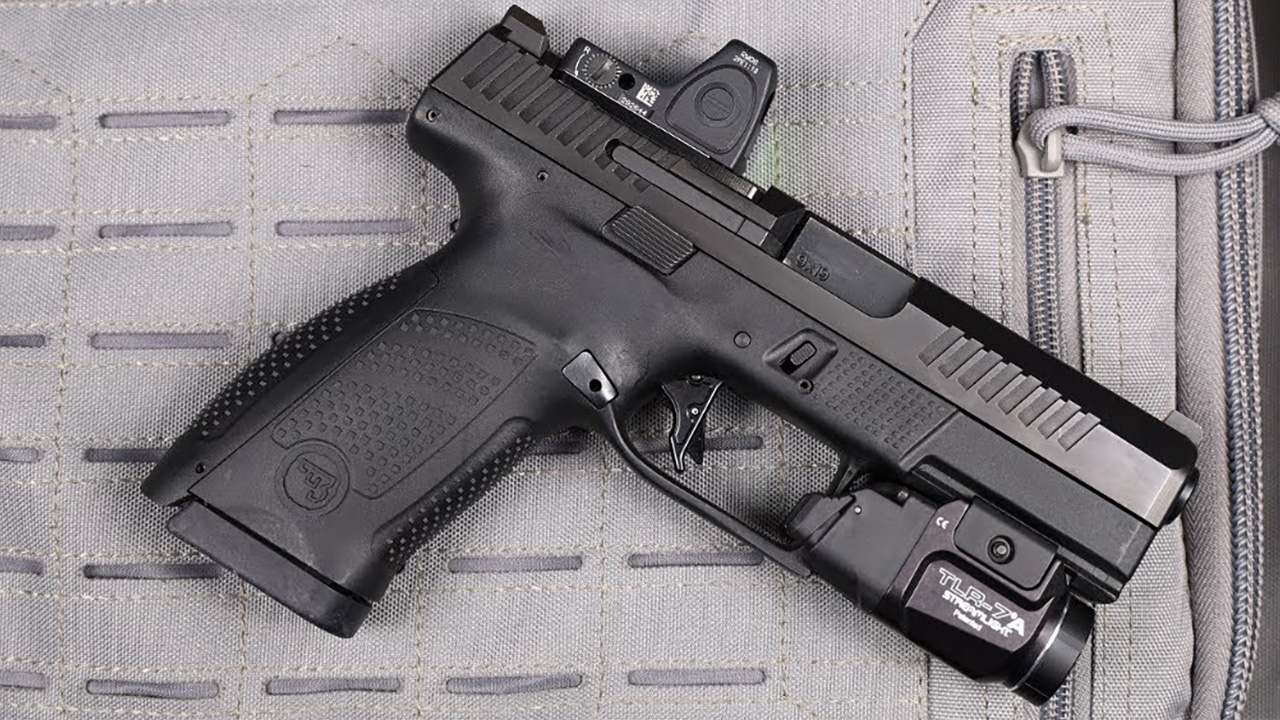
The CZ P-10 C is one of the easiest compact striker-fired pistols to shoot well. Its low bore axis and deeply undercut frame allow the hand to sit high behind the slide. That reduces muzzle movement and helps prevent the gun from shifting during rapid strings.
The factory trigger has a clean break without depending on a fragile competition setup. Its 15-round magazine capacity and Glock 19-size proportions also give it enough operating margin for defensive ammunition and frequent training. CZ does not have the same local parts availability as Glock, but magazines, sights, and holsters are established enough that supporting the pistol is not difficult.
Beretta PX4 Compact Carry
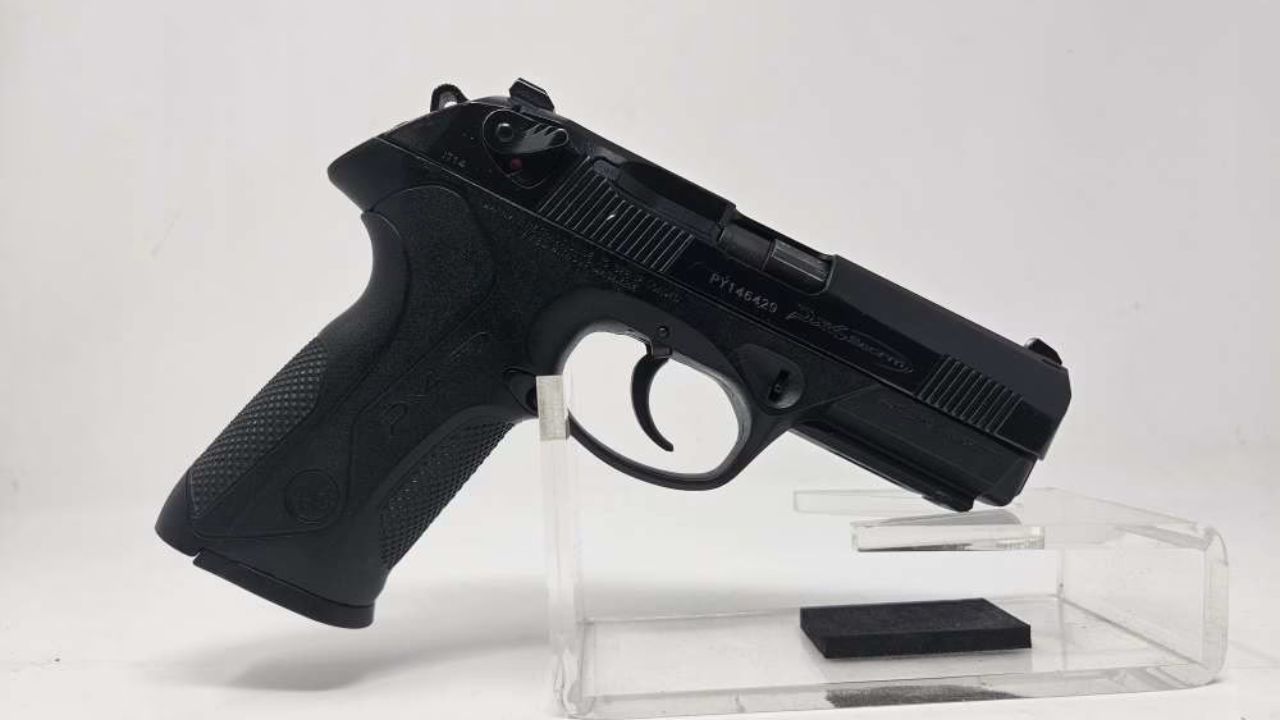
The Beretta PX4 Compact Carry would be one of my leading choices for a hammer-fired carry pistol. Its rotating-barrel action produces a smooth recoil impulse, while the compact frame remains large enough for a secure two-handed grip. The Carry treatment also reduces the oversized controls found on some standard PX4 configurations.
The double-action first pull requires practice, but I appreciate the ability to place my thumb over the hammer while holstering. Any unexpected trigger movement is immediately noticeable. The PX4 is thick compared with the latest micro-compacts, yet that extra width helps make it controllable and mechanically substantial. I would accept a little more bulk for a pistol that encourages regular practice.
SIG Sauer P229

The SIG P229 remains one of the strongest compact service pistols for shooters who prefer an exposed hammer and decocker. Its aluminum frame and substantial slide make it heavier than polymer carry guns, but that weight helps keep the pistol stable with defensive ammunition.
I would trust a P229 after proving the magazines, checking the recoil spring, and becoming comfortable with the transition from the heavier first trigger pull to the lighter single-action shots. It is not the easiest gun to conceal in summer clothing, but it works exceptionally well under a jacket or untucked heavier shirt. A standard factory P229 has very little to prove as a serious defensive handgun.
FN 509 Compact MRD

The FN 509 Compact MRD takes the company’s service-pistol design and shortens it without turning it into a tiny pocket gun. It retains aggressive grip texture, ambidextrous controls, a strong extractor, and an optics system designed around duty use.
The trigger may not feel as polished as those in the Walther PDP or Canik METE, but a defensive trigger does not need to impress during slow dry fire. It needs to remain predictable and safe while the pistol gets carried, exposed to dirt, and fired under pressure. I would use factory magazines, leave the internal springs alone, and spend the upgrade money on ammunition and training.
Walther PDP F-Series 3.5-Inch

The PDP F-Series 3.5-inch is designed around a shorter trigger reach, reduced grip circumference, and easier slide manipulation. That makes it especially useful for shooters with smaller hands, but the benefits are not limited to them. A handgun that fits correctly is easier to grip consistently and less likely to be disturbed during the trigger press.
Walther’s factory trigger is excellent, and the large slide serrations remain easy to use when hands are wet or strength is reduced. The slide is taller than those on the thinnest carry pistols, but that gives the shooter more surface to grasp. I would trust the gun after testing its optic mounting hardware and confirming that every magazine locks back and feeds correctly.
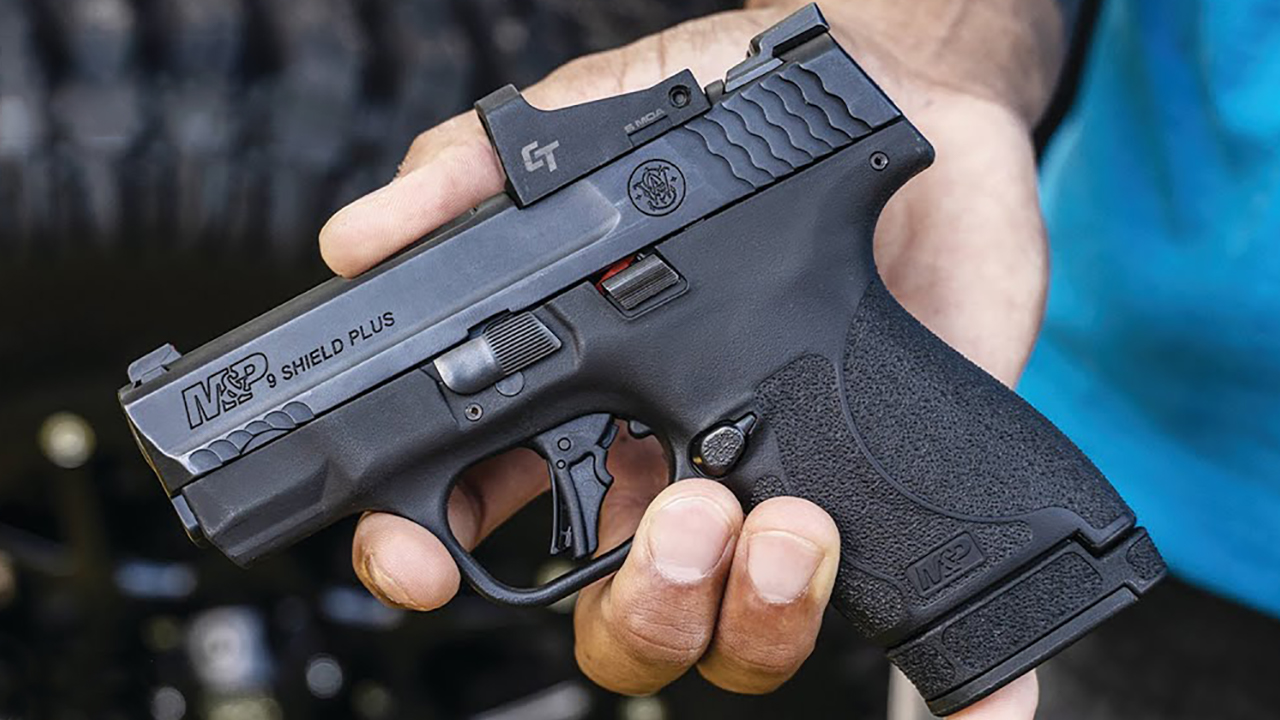
Smith & Wesson M&P9 Shield Plus

The Shield Plus is one of the safest recommendations for someone who needs a genuinely slim carry pistol. It preserves the proven grip shape and easy concealment of the original Shield while providing greater magazine capacity and a much better trigger.
It does not shoot as softly as the larger M&P Compact, but it is more controllable than many shorter and lighter micro-pistols. Factory magazines, holsters, sights, and service support are widely available. That matters because a carry gun should not depend on one obscure magazine or a single custom holster maker. I would choose an optics-ready model, even if I initially planned to carry it with iron sights.
Springfield Armory Hellcat Pro

The Hellcat Pro provides a long enough grip for serious control while remaining noticeably thinner than conventional compact pistols. Its 15-round flush magazine gives it practical capacity, and longer factory magazines can serve as spares. The standard model also offers an optics cut and useful factory sights without requiring a premium package.
I would select the non-compensated Hellcat Pro. The ordinary version avoids additional muzzle flash and blast while retaining the features that make the pistol useful. Its recoil feels quicker than it does in a thicker compact, but the full grip makes that manageable. A tested Hellcat Pro is an excellent choice for hot-weather carry when a Glock 19-size frame becomes difficult to conceal.
Heckler & Koch VP9A1 K
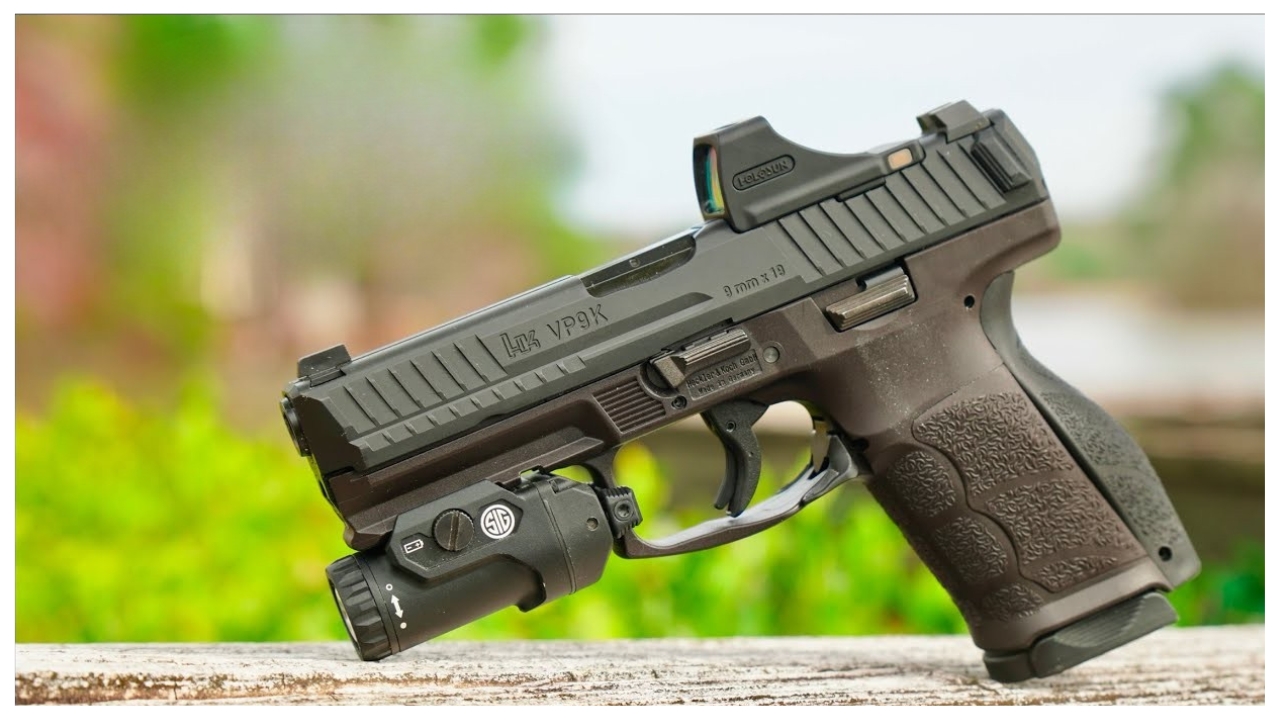
The VP9A1 K is the compact member of HK’s updated VP family and provides more grip and slide mass than the company’s micro-sized CC9. That makes it better suited for frequent practice, home defense, and carriers who prefer a pistol that feels closer to a service gun.
HK’s interchangeable side panels and backstraps allow unusually detailed grip adjustment. That can help multiple members of a household establish a secure firing hold without replacing the entire frame. The pistol is wider than the smallest carry guns, and its magazines are not cheap. Those disadvantages matter less to me than having a pistol that is easy to manipulate and control.
CZ P-09 C Nocturne
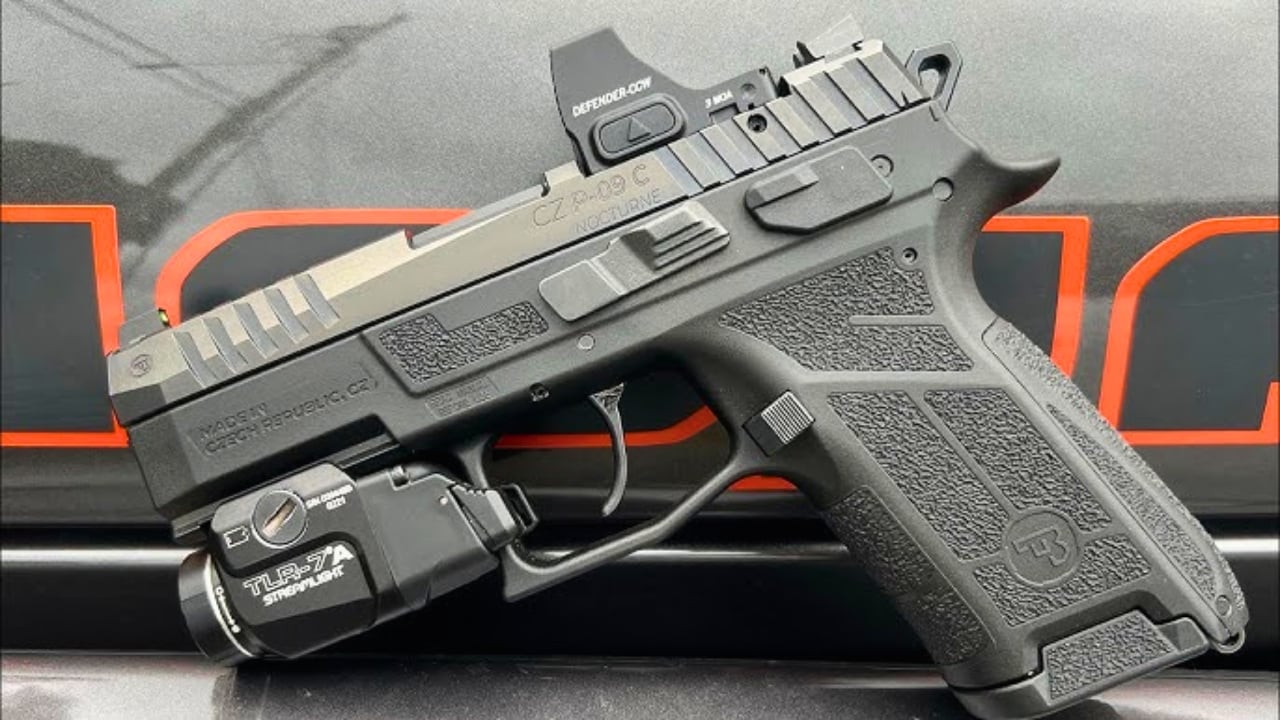
The P-09 C Nocturne is a compact hammer-fired pistol for shooters who want modern optics capability without abandoning traditional double-action operation. Its polymer frame keeps the weight reasonable, while the internal slide rails place the bore low in the hand.
The pistol can be configured around a decocker or manual safety, depending on the version and the shooter’s preferred operating method. I would use the decocker arrangement and practice the first double-action pull until it felt completely familiar. The P-09 C is not as slim as a striker-fired micro-compact, but it offers excellent control and a sturdy operating system.
Beretta 92X Compact
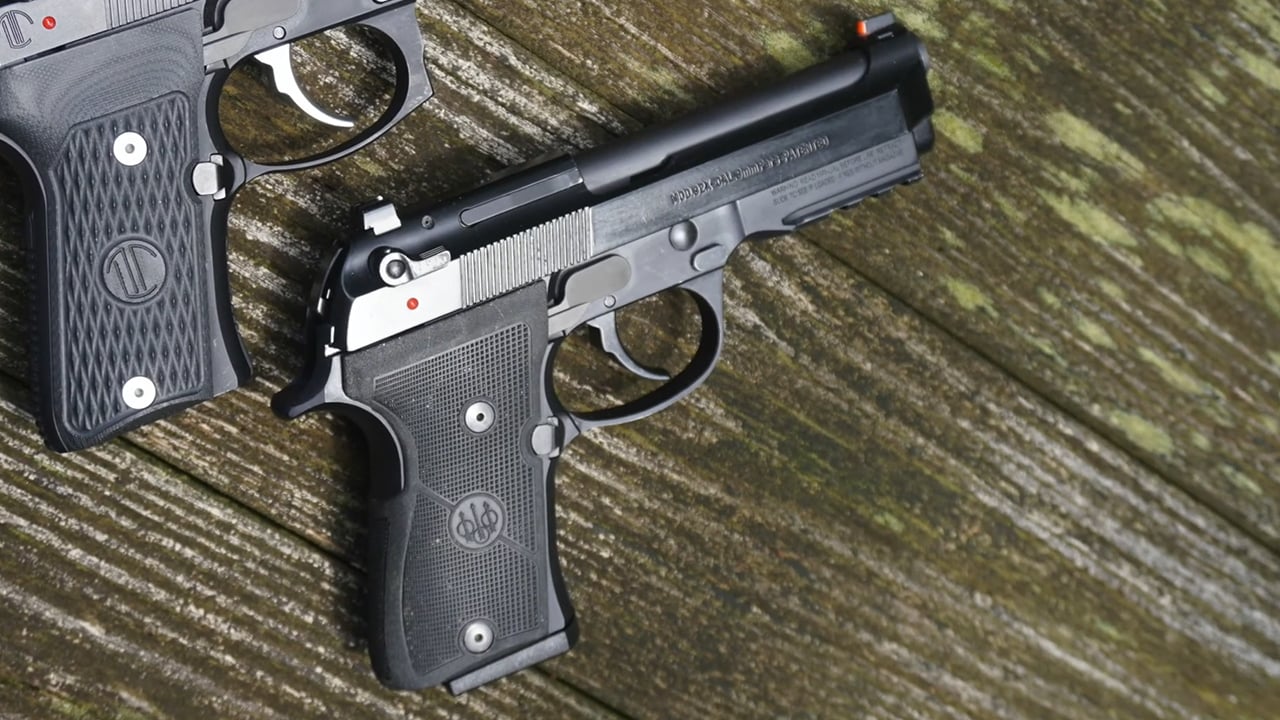
The Beretta 92X Compact is larger than most pistols marketed for concealed carry, but it offers the stability and mechanical maturity of the 92 family. Its open-top slide provides a wide ejection path, while the metal frame helps absorb recoil and keeps the pistol settled between shots.
The width and external controls require a properly fitted holster and deliberate clothing choices. In return, the owner gets a handgun that is far easier to shoot than a tiny 9mm. I would trust a 92X Compact with quality factory magazines and a fresh locking block and recoil spring. It is especially appealing for someone already trained on the Beretta decocker system.
IWI Masada Slim

The Masada Slim offers a thin grip, direct optic mounting, and a removable serialized trigger housing without becoming excessively small. Its 13-round magazine provides useful capacity while keeping the grip short enough for concealed carry.
Its limited popularity is more of a support issue than a mechanical one. I would purchase several factory magazines and identify a reliable holster before making it my primary carry gun. Once those needs are handled, the Masada Slim is comfortable, easy to control, and mechanically straightforward. It deserves more attention than it receives beside heavily marketed American pistols.
Canik METE SF

The METE SF would be my choice for a value-focused carry pistol that still shoots like a larger handgun. Its grip provides enough room for control, while the slide remains compact enough for concealment under ordinary clothing. Canik’s factory trigger is excellent and does not need immediate replacement.
I would avoid turning it into a competition project. Reduced-power recoil springs, light striker springs, and oversized accessories can take a dependable factory pistol and narrow its operating window. In standard form with factory magazines, the METE SF is accurate, controllable, and affordable enough that the owner can still purchase a quality holster, light, and plenty of practice ammunition.
Ruger RXM
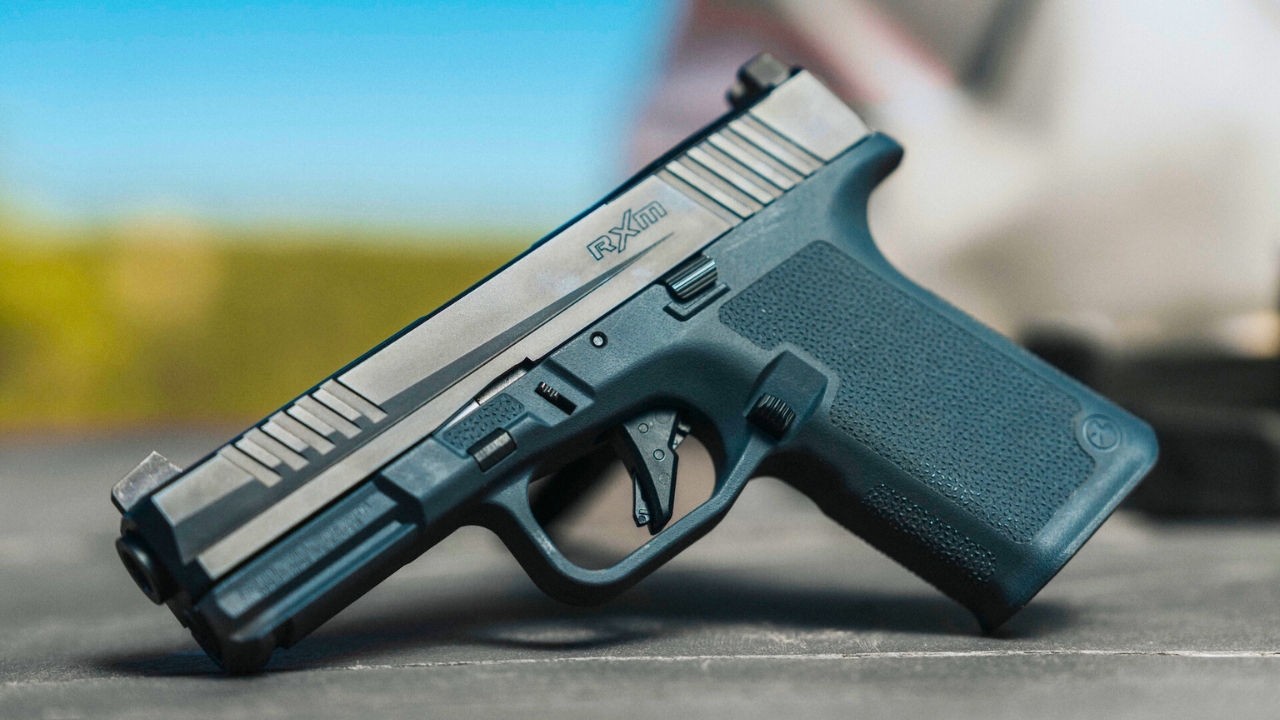
The Ruger RXM combines a removable fire-control insert with a Magpul-designed grip frame and extensive compatibility with the established Gen3 Glock pattern. That gives it access to widely available magazines, sights, holsters, and many common replacement components.
The RXM does not yet have the same long service history as the Glock design that influenced it. I would put a substantial amount of ammunition through my individual pistol before carrying it. Its practical grip shape, optics-ready slide, and parts commonality still make it one of the more convincing newer defensive pistols. The ability to replace a damaged or worn grip frame is another long-term advantage.
Staccato C

The Staccato C is the premium choice on this list. Its metal construction, double-stack magazine, single-action trigger, and 1911-style controls make it exceptionally easy to shoot accurately. The current compact configuration is intended to offer much of the performance associated with larger double-stack pistols in a carry-friendly size.
I would only choose it after committing to the additional maintenance and handling requirements. A single-action pistol must be carried with the safety engaged, and its magazines, extractor, lubrication, and recoil spring deserve regular attention. A properly maintained and thoroughly tested Staccato C can be trusted, but it is not the gun I would choose for someone who wants to ignore maintenance for years.
Smith & Wesson Model 686 Plus

The Model 686 Plus is the one revolver I would include because it offers seven rounds of .357 Magnum or .38 Special in a durable stainless L-frame. It is too large for most concealed-carry situations, but it remains an excellent home, vehicle, or field-defense handgun.
I would load it with ammunition I could control rather than choosing the hardest-recoiling .357 load available. Quality .38 Special +P or moderate .357 Magnum ammunition allows quicker, more accurate follow-up shots. The revolver’s weight and smooth double-action trigger make it far easier to shoot than an ultralight snub nose. It also provides an alternative for someone who prefers visible mechanical condition and does not want a semiautomatic.
Like The Avid Outdoorsman’s content? Be sure to follow us.
Here’s more from us:


