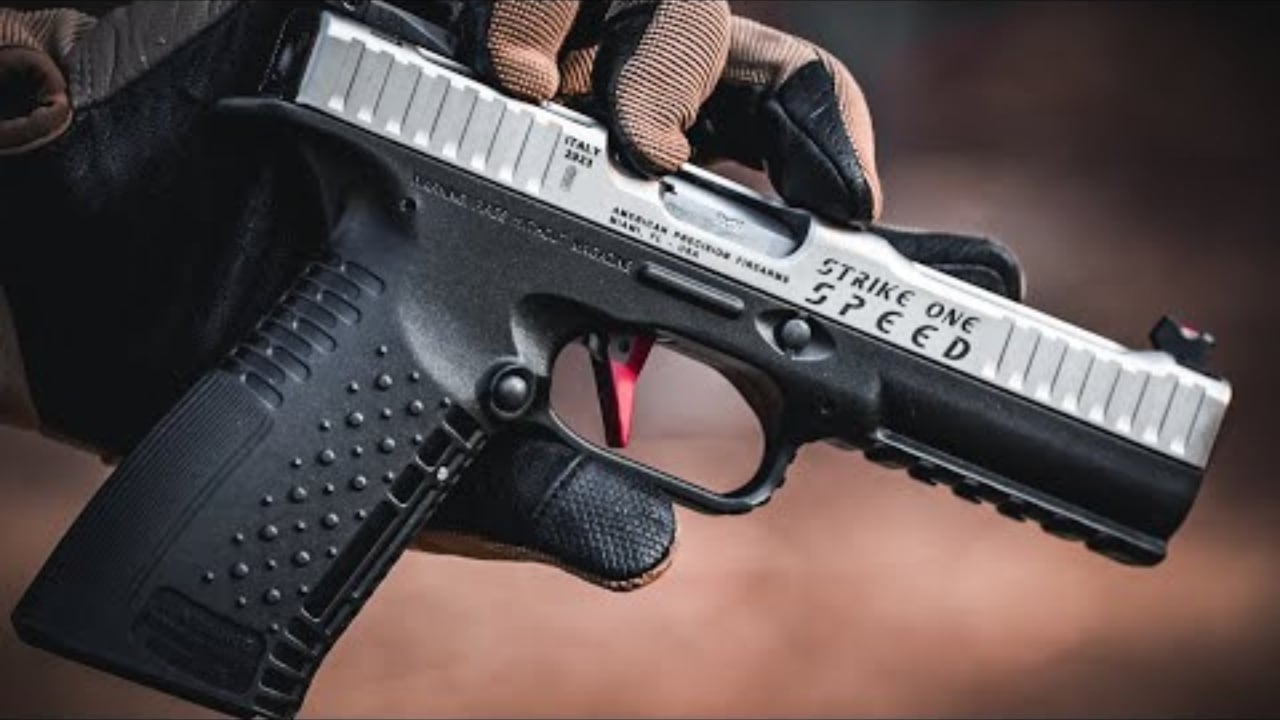
Photo credit: MrBigKid/YouTube
Some handguns become household names almost immediately. Others can be accurate, reliable, comfortable, and reasonably priced yet still disappear into the background because Glock, SIG, Smith & Wesson, or another giant dominates the conversation.
That does not mean these pistols failed. In several cases, the gun itself was never really the problem. The market was simply crowded, the timing was wrong, or buyers never gave the platform a fair look. These 20 handguns deserved considerably more attention than they received.
Grand Power K100
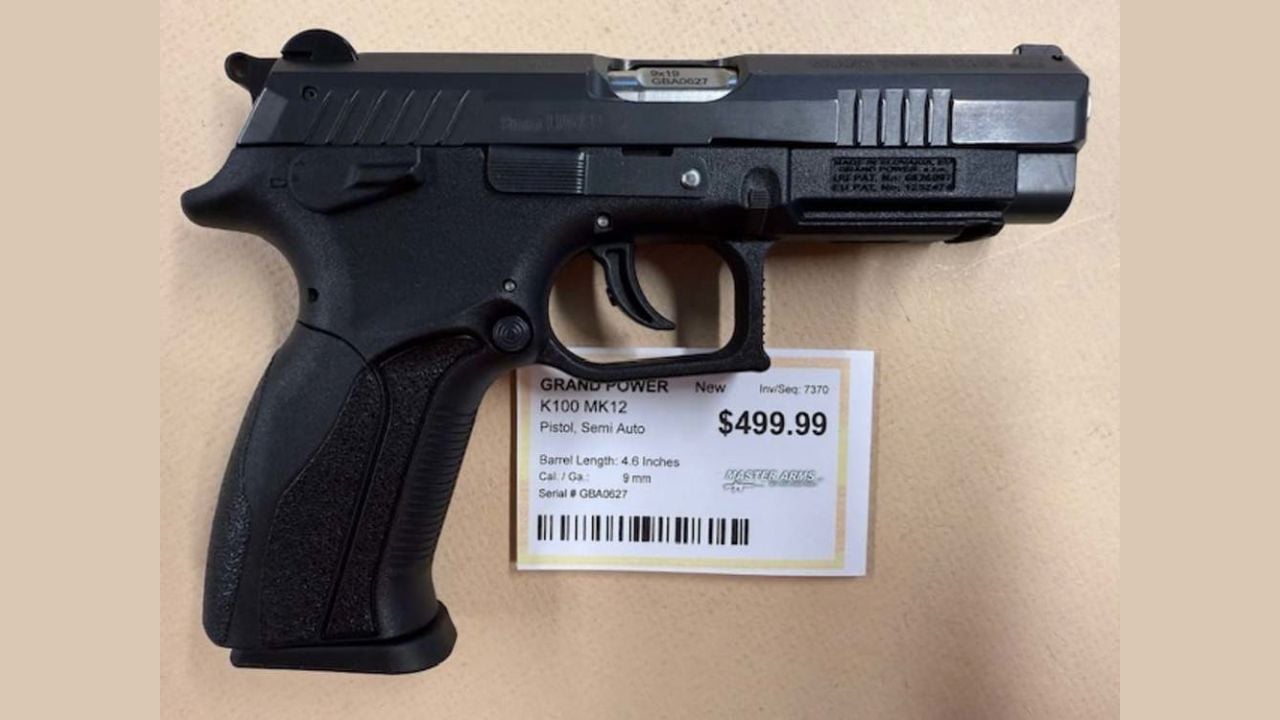
The K100 has one of the more interesting operating systems in the handgun market. Its rotating barrel helps manage recoil while keeping the pistol exceptionally flat and comfortable during rapid fire.
Grand Power has never had the American name recognition of Glock, CZ, or Beretta, and that alone kept the K100 off a lot of shopping lists. Shooters who actually spend time with one often come away impressed by the trigger, ergonomics, and surprisingly soft shooting characteristics. It is one of those pistols that makes you wonder how much bigger it could have become with stronger distribution and marketing.
Arex Delta Gen 2
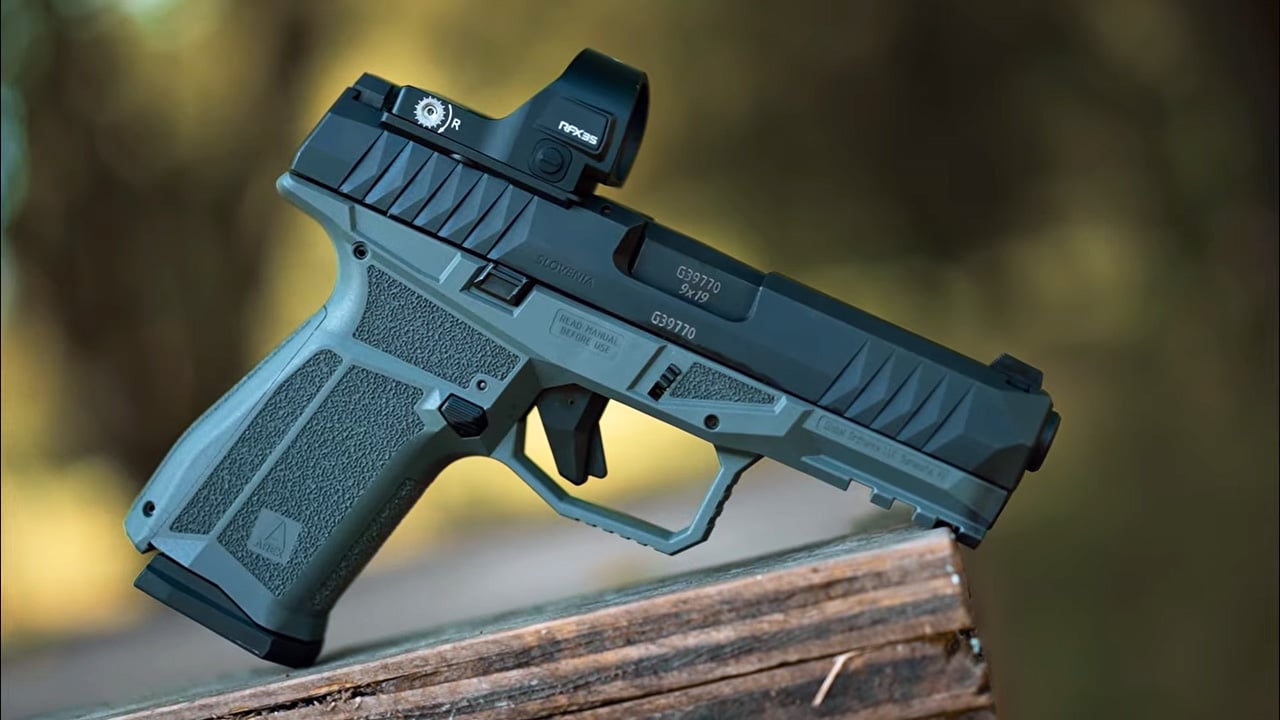
The Delta Gen 2 entered one of the most crowded categories imaginable: compact polymer 9mm pistols. That made it difficult to stand out regardless of how good it was.
The pistol is slim, lightweight, optics-friendly in many configurations, and generally very easy to shoot. Arex also managed to keep the price competitive without making the gun feel cheap. The problem was never that the Delta lacked useful features. It simply arrived in a market where buyers already had dozens of familiar alternatives.
Steyr M9-A2
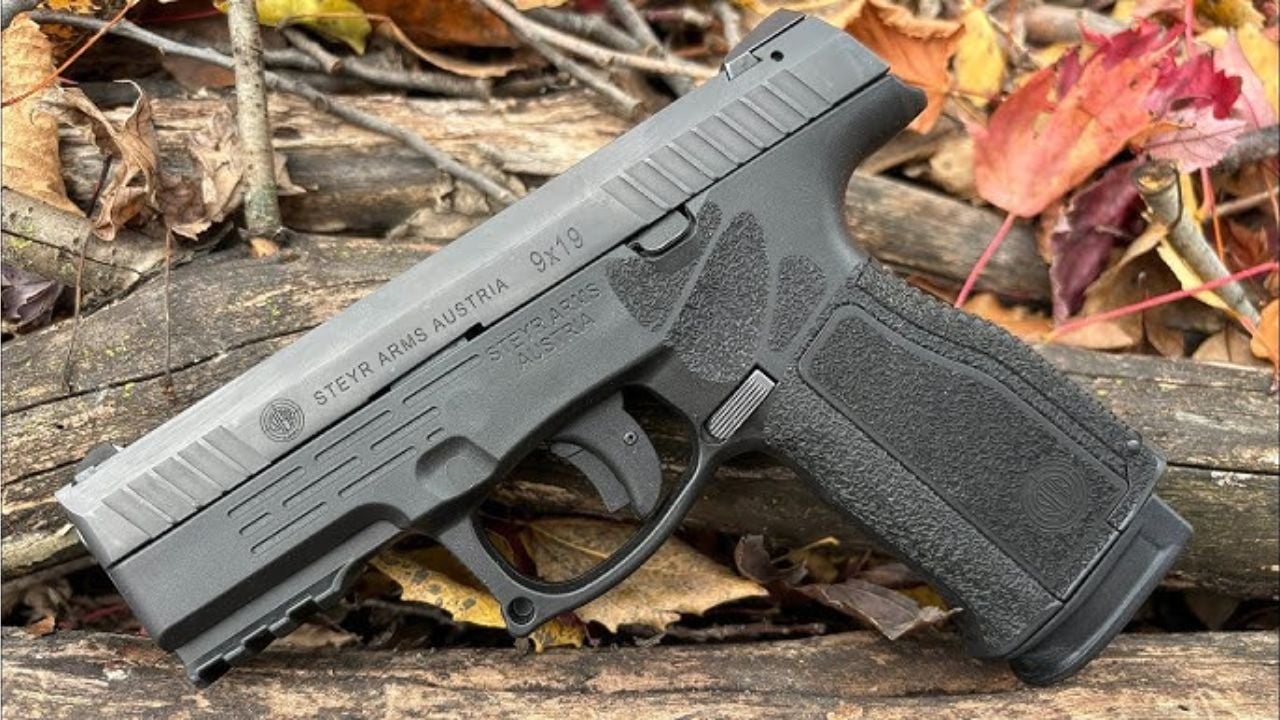
The Steyr M9-A2 looks unusual enough that some shooters dismiss it before ever firing one. The grip angle, low bore axis, and distinctive trapezoidal sights are very different from the typical American striker-fired pistol.
Once you shoot it, the design starts making considerably more sense. The pistol sits extremely low in the hand, tracks flat under recoil, and has excellent ergonomics. Steyr’s limited handgun presence in the United States kept it from receiving the attention its shooting characteristics deserved.
Beretta APX A1 Compact
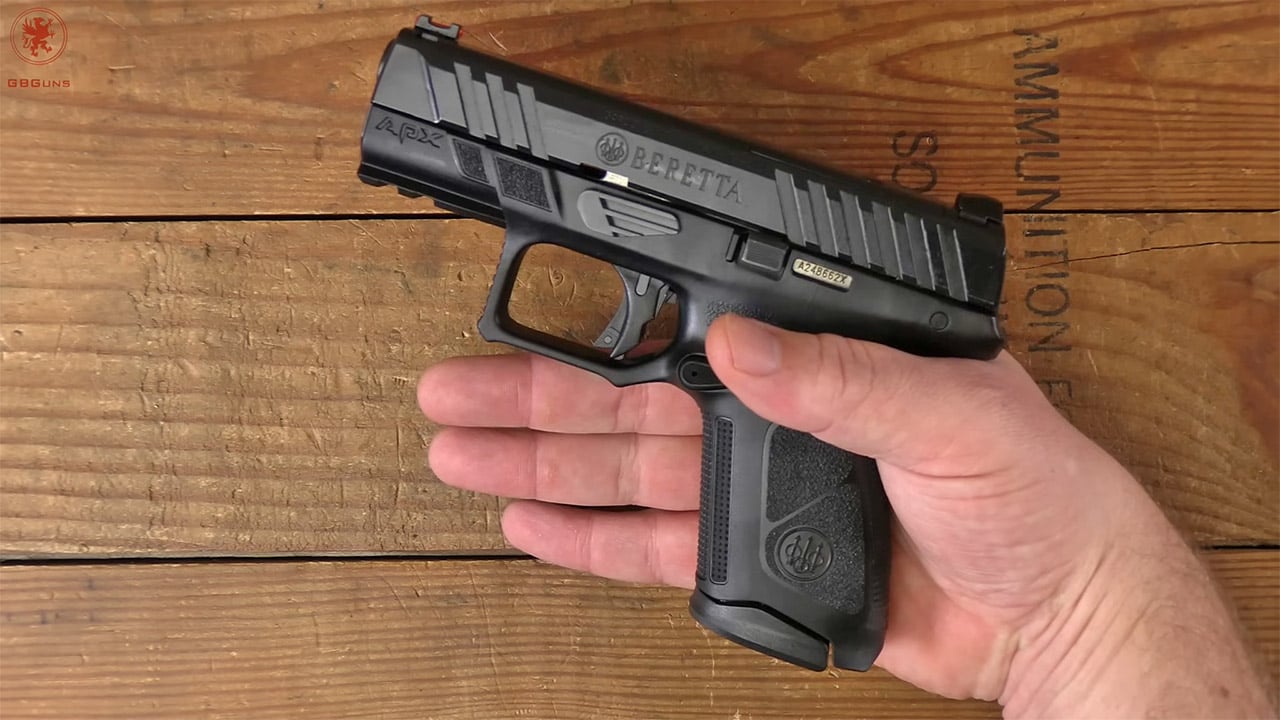
The APX family has always lived in the shadow of Beretta’s 92 series. That is unfortunate because the APX A1 Compact is a much more modern defensive pistol than many shooters give it credit for.
It has a good grip, straightforward controls, and the kind of durable striker-fired layout most people already understand. Beretta also priced the APX line aggressively. The pistol rarely comes up first when people talk about compact carry guns, but there is very little wrong with the actual package.
FN 509 Midsize
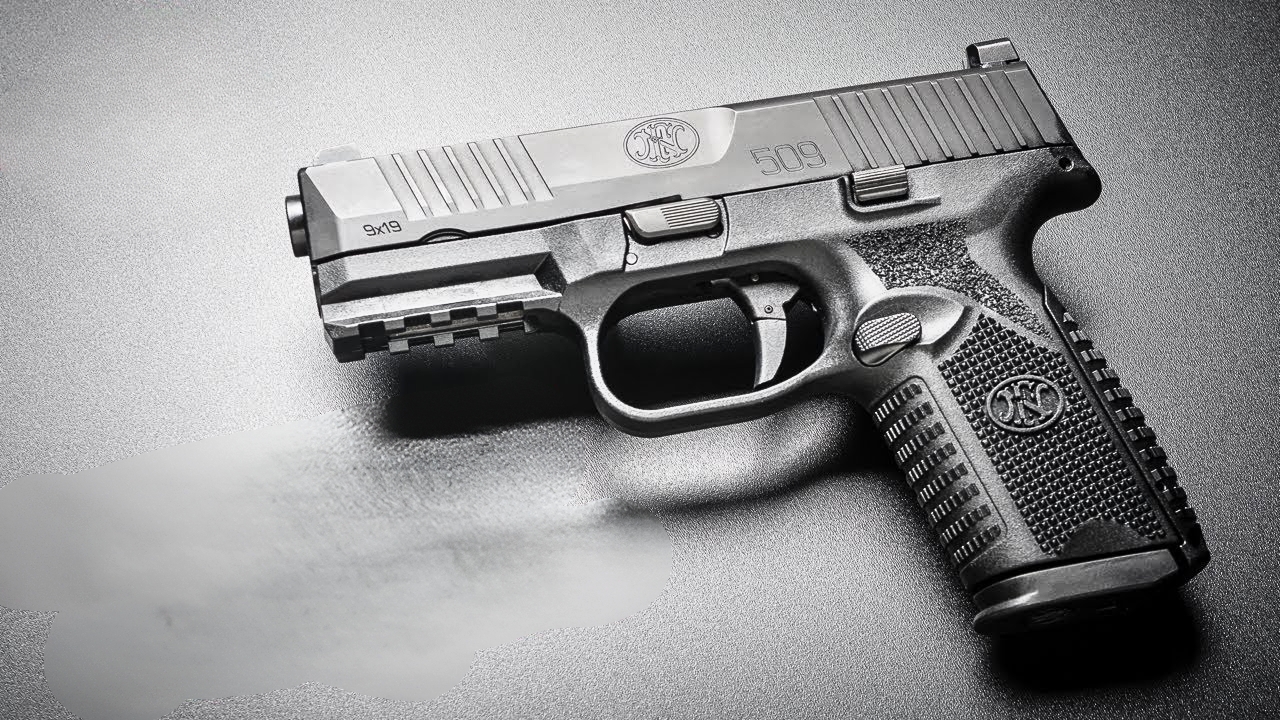
The full-size FN 509 received plenty of exposure, while the Midsize version never generated the same excitement. That is surprising because the Midsize may actually be the more practical configuration for a lot of shooters.
It gives you a shorter grip that carries more easily while retaining the rugged construction and familiar controls of the larger pistol. The trigger is not usually the reason people fall in love with the 509, but the platform is durable and easy to run. The Midsize deserved more attention as a serious compact defensive pistol.
IWI Masada
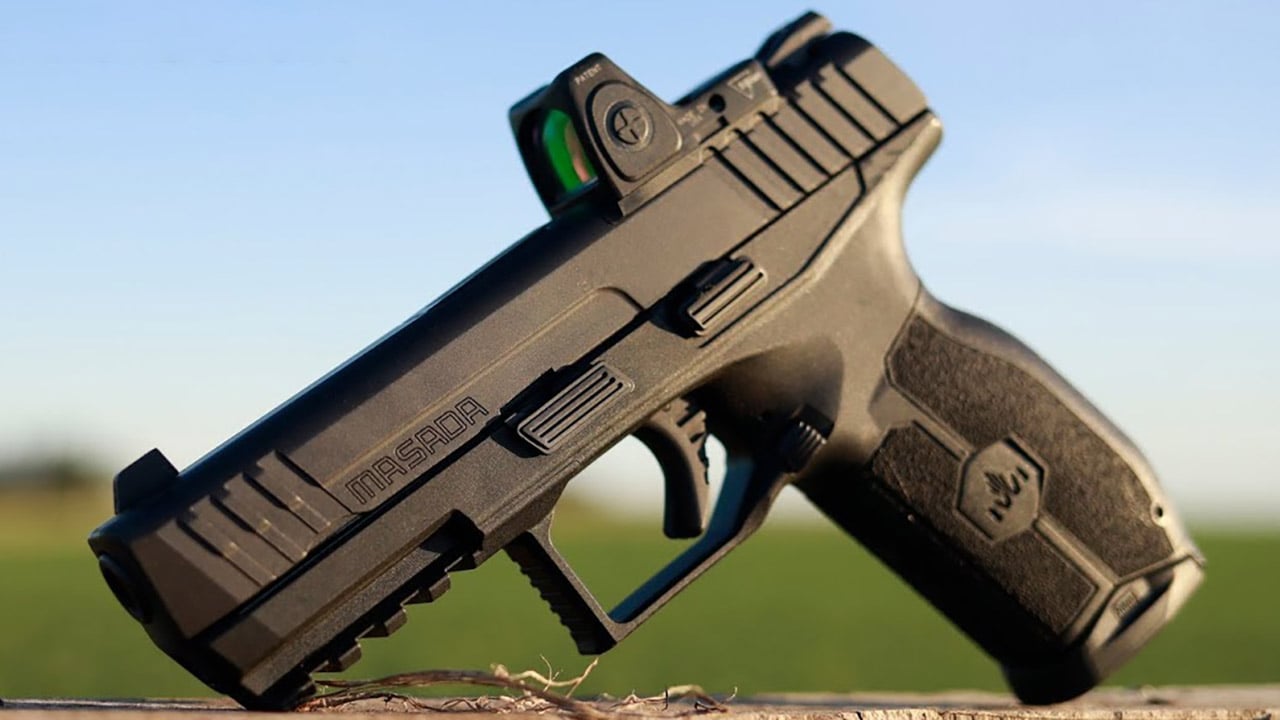
The Masada arrived with many of the things buyers say they want: a reasonable price, good capacity, a modular fire-control system, and an optics-ready slide on many versions.
It still struggled to break through. IWI is far better known in the United States for rifles than handguns, and the Masada entered a market dominated by brands with enormous pistol followings. That is a shame because it is a practical, straightforward handgun that does almost everything a modern defensive pistol needs to do.
Walther Creed
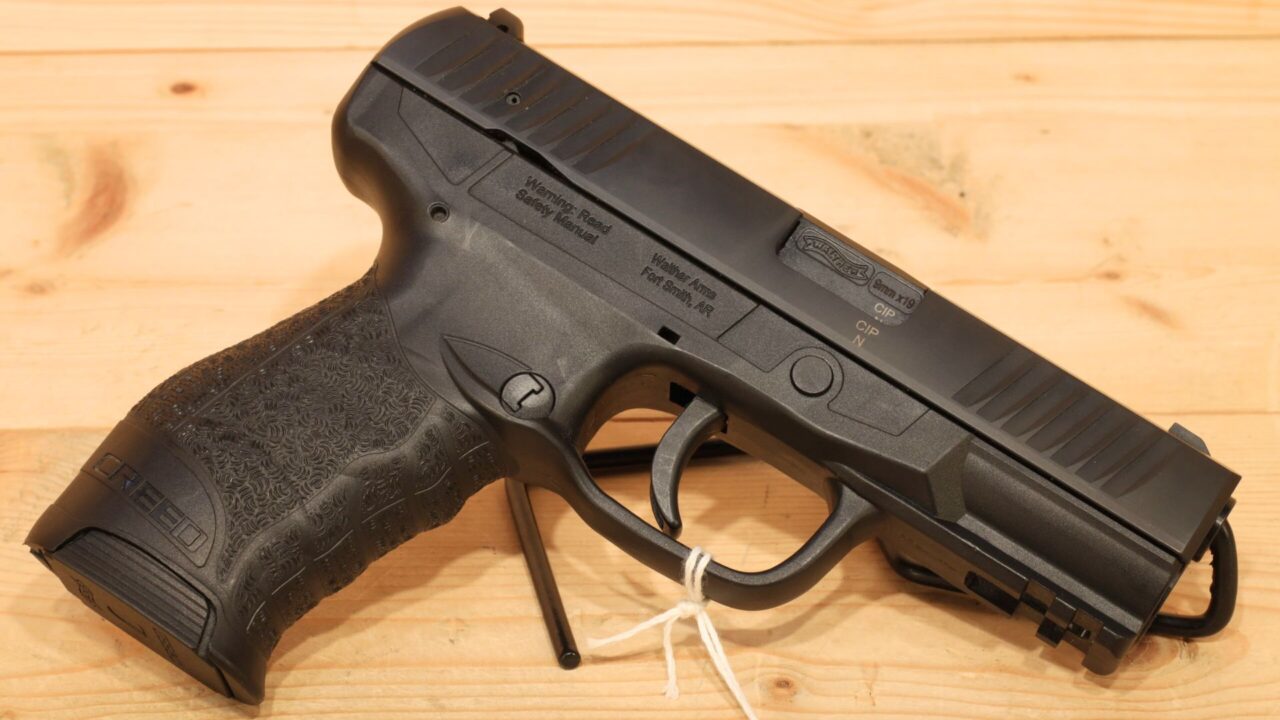
The Creed was never positioned as Walther’s premium handgun. In fact, its low price probably hurt its reputation because shooters often assumed it was a major step down from the company’s more expensive pistols.
The trigger was surprisingly good, the ergonomics were comfortable, and the gun generally shot far better than its price suggested. It lacked some of the refinement of Walther’s higher-end offerings, but as an affordable defensive or range pistol, it was much better than many people realized.
Ruger American Pistol

The Ruger American Pistol never became the breakout success Ruger probably hoped for. It was large, somewhat heavy, and entered the market when buyers already had plenty of proven striker-fired choices.
What gets overlooked is how rugged the pistol actually was. The full-size version was built like a duty gun, handled recoil well, and had a solid grip system. It was not sleek or exciting, but it was dependable and easy to shoot. In another market, it might have developed a much larger following.
Remington RP9
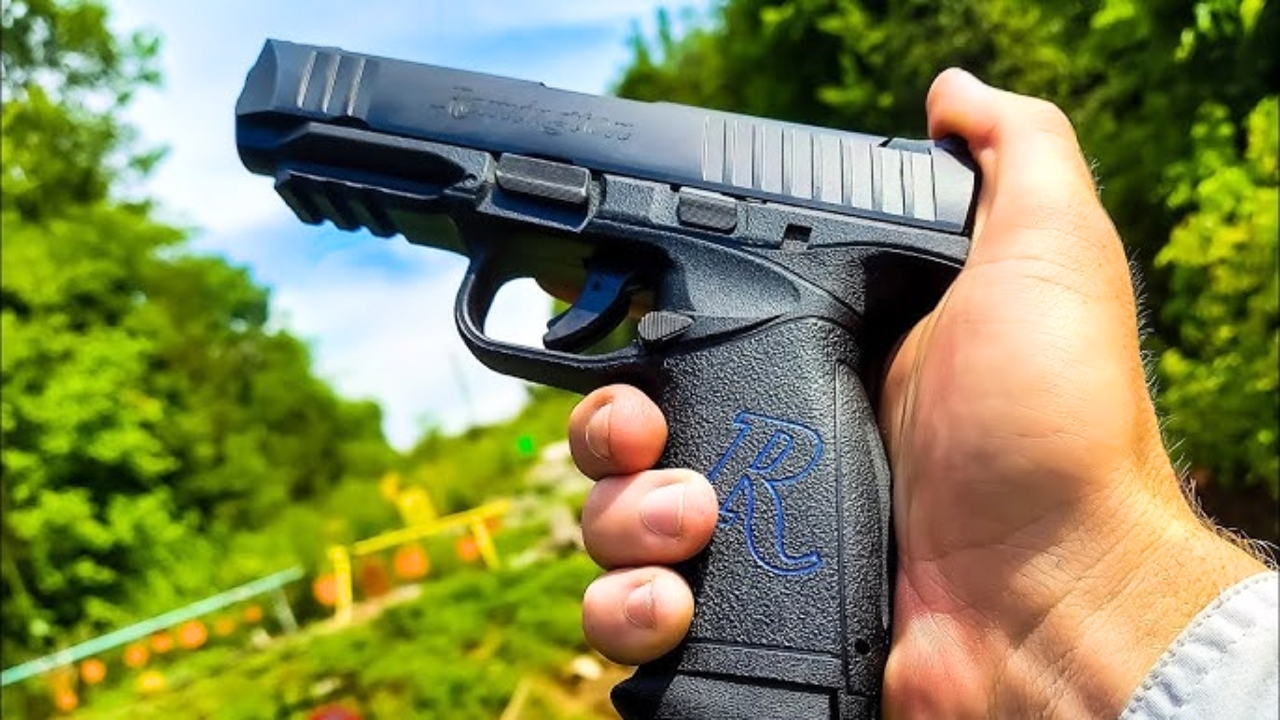
The RP9 suffered from terrible timing. Remington’s handgun reputation was already shaky, and the company itself was heading toward serious financial problems.
The pistol was not perfect, but it offered 18-round capacity, a comfortable grip, and a very low price. Many shooters never gave it a serious look because the Remington name had become associated with other troubled handgun launches. The RP9 was better than the reputation surrounding the company allowed it to be.
S&W M&P9 Shield EZ
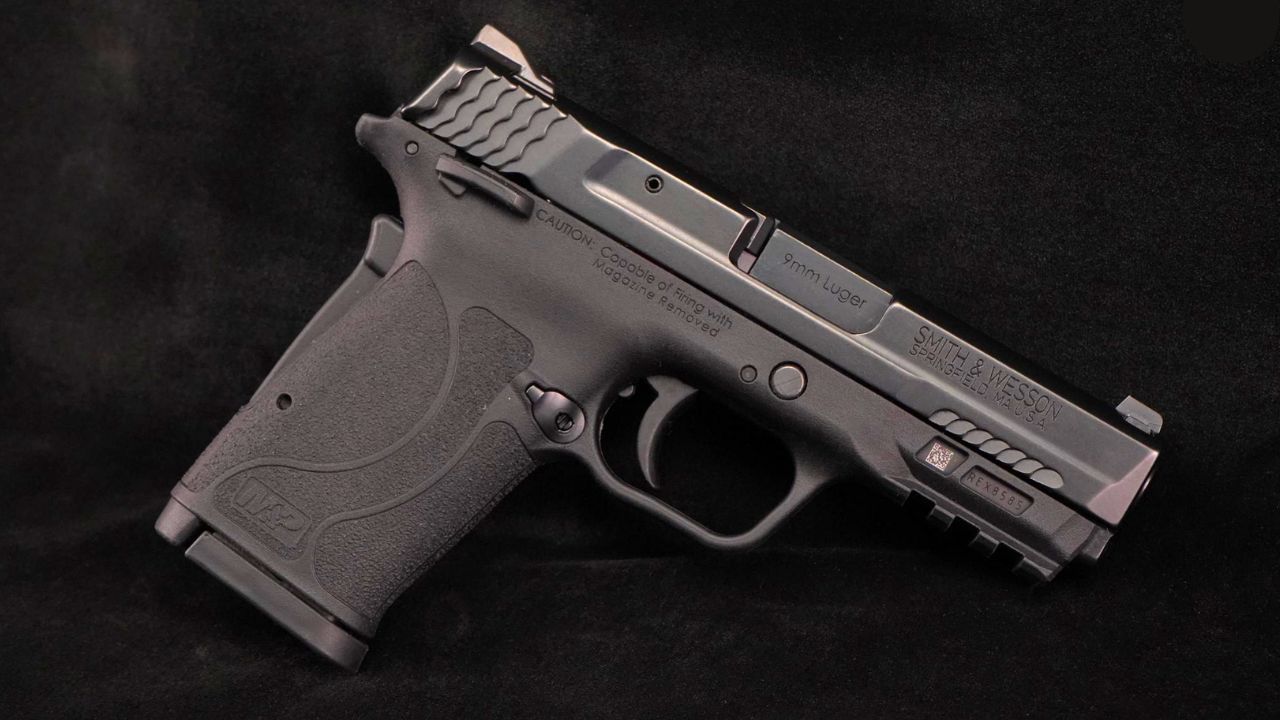
The Shield EZ was often treated as a specialized pistol for older shooters or people with limited hand strength. That description is accurate, but it also caused plenty of other shooters to overlook what the gun actually offered.
The slide is easy to manipulate, the recoil is manageable, and the pistol is extremely approachable for new shooters. It is not the highest-capacity carry gun available, but usability matters. The Shield EZ solved a real problem better than many supposedly more advanced defensive pistols.
Mossberg MC2c

Mossberg is so strongly associated with shotguns that plenty of buyers never took its pistols seriously. The MC2c suffered from that identity problem from the beginning.
The gun itself is slim, light, and holds enough ammunition to compete with established compact pistols. The grip is comfortable, and the overall dimensions make it useful for concealed carry. Mossberg simply never developed the kind of handgun following needed to pull buyers away from Glock, SIG, and Smith & Wesson.
Stoeger STR-9 Combat
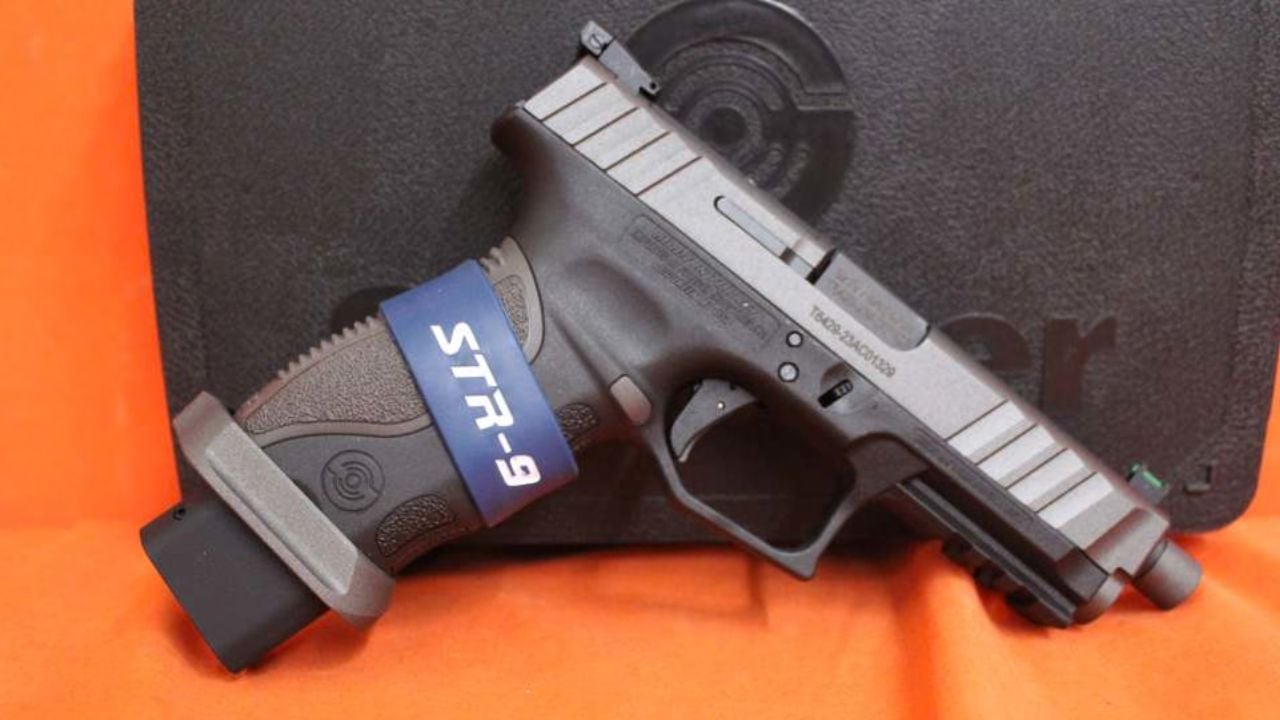
The STR-9 line never received much attention, and the Combat version was even easier to miss. That is unfortunate because it added several features shooters usually pay extra to get.
The threaded barrel, optics capability, larger magazine capacity, and full-size controls made it a surprisingly complete package. Stoeger is another company whose name is associated far more strongly with shotguns than pistols. The STR-9 Combat was caught in that branding problem despite being a capable handgun.
SAR9
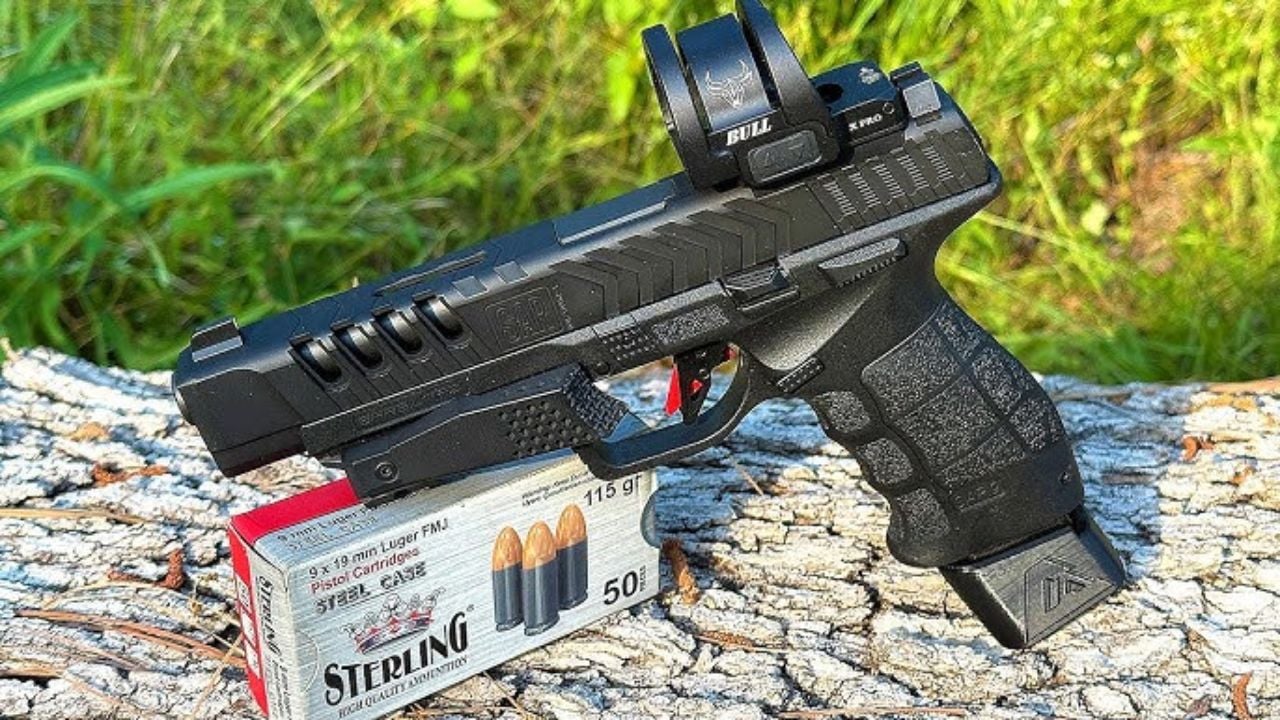
The SAR9 looks like it borrowed ideas from several successful pistols, which probably made it easier for shooters to dismiss as another generic import.
The ergonomics are excellent, the recoil is mild, and the pistol has a reputation for handling hard use well. SAR has extensive manufacturing experience, but the brand never developed the consumer recognition in America enjoyed by CZ, Beretta, or Canik. The pistol deserved more attention than the rollmark received.
Bersa TPR9
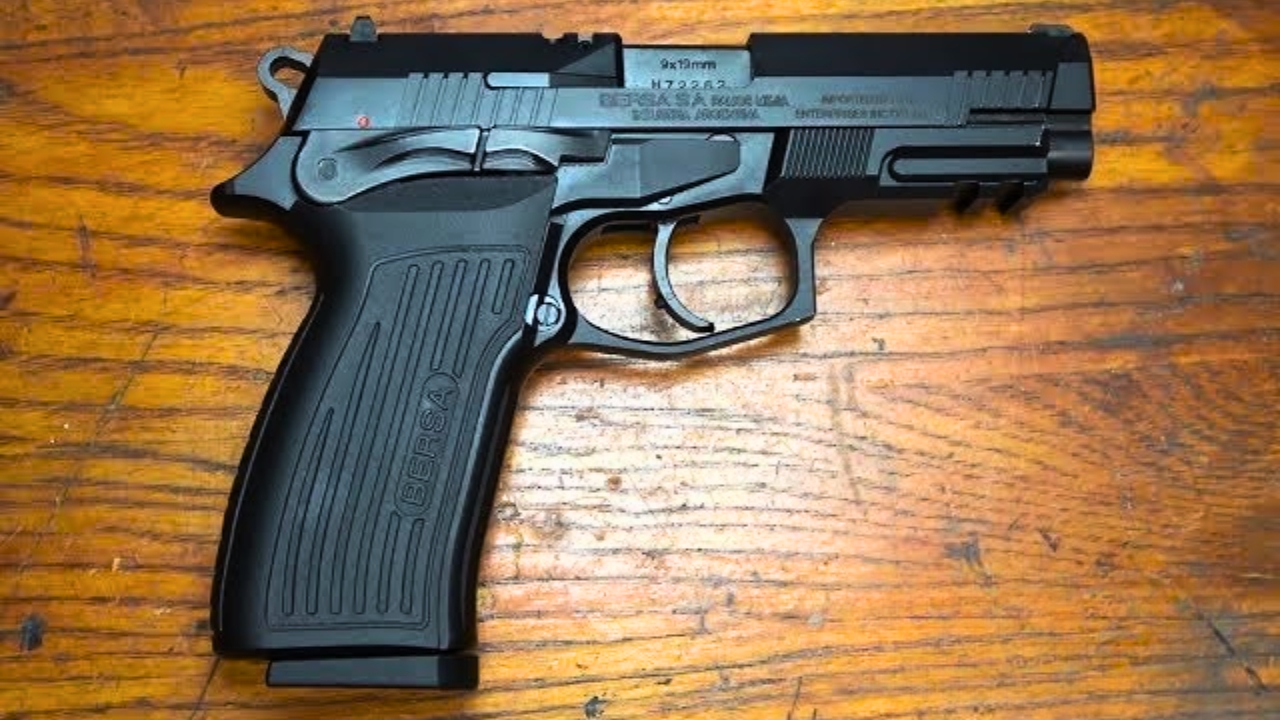
Most American shooters hear Bersa and immediately think of the Thunder .380. That association has overshadowed several of the company’s larger pistols.
The TPR9 gives you a metal-framed DA/SA pistol with good capacity and a surprisingly respectable trigger for the money. It is not especially light or fashionable, but shooters who prefer traditional hammer-fired guns have a lot to like. It rarely gets mentioned beside comparable Berettas, CZs, or SIGs, even though it costs considerably less.
Lionheart LH9

The Lionheart LH9 had an unusual trigger system, distinctive styling, and excellent build quality. It was based on a proven Korean service-pistol design but received significant updates for the American market.
The problem was price and familiarity. Buyers willing to spend serious money on a hammer-fired handgun often went straight to SIG, HK, or CZ. The LH9 never had the brand recognition to overcome that. Those who actually owned them generally discovered a much more refined pistol than the market gave it credit for.
Arsenal Strike One
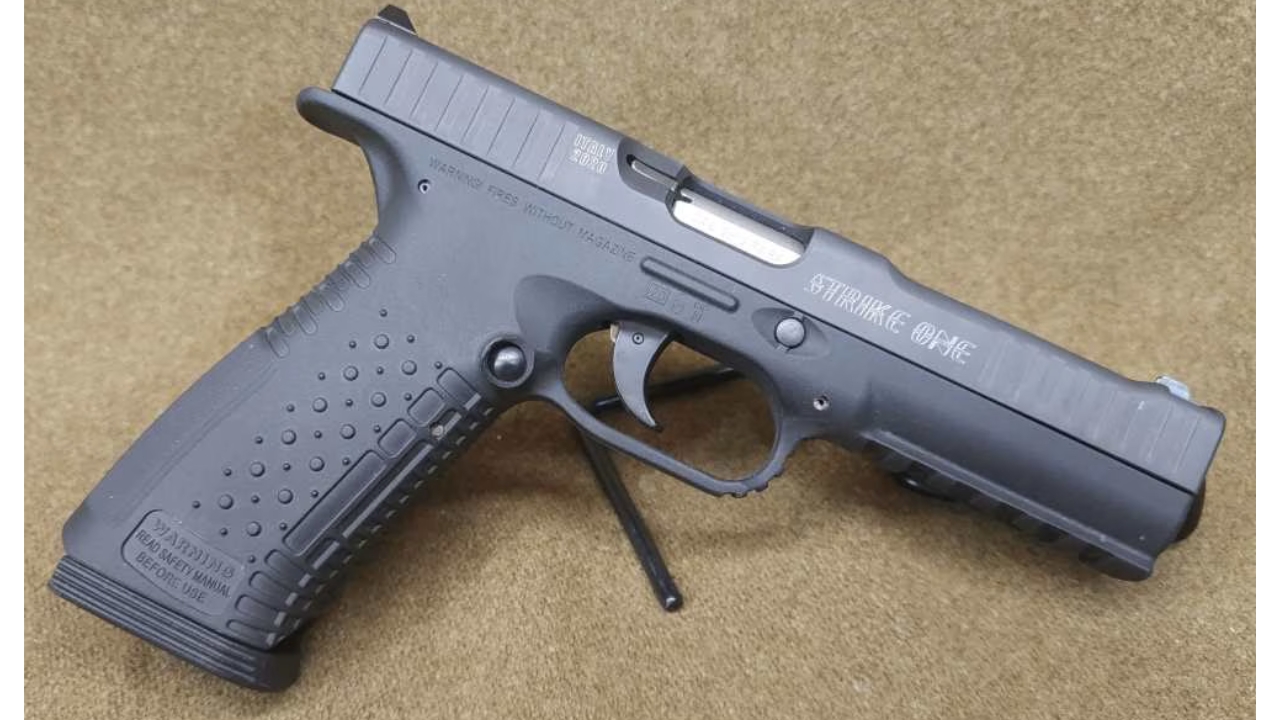
The Strike One looked futuristic and used an unusually low bore axis that helped the pistol stay remarkably flat during recoil.
It should have attracted more attention from competition and defensive shooters, but distribution, pricing, and an unfamiliar brand made adoption difficult. The design was legitimately interesting rather than simply different for the sake of being different. It became more of a curiosity than the serious alternative it could have been.
Caracal F
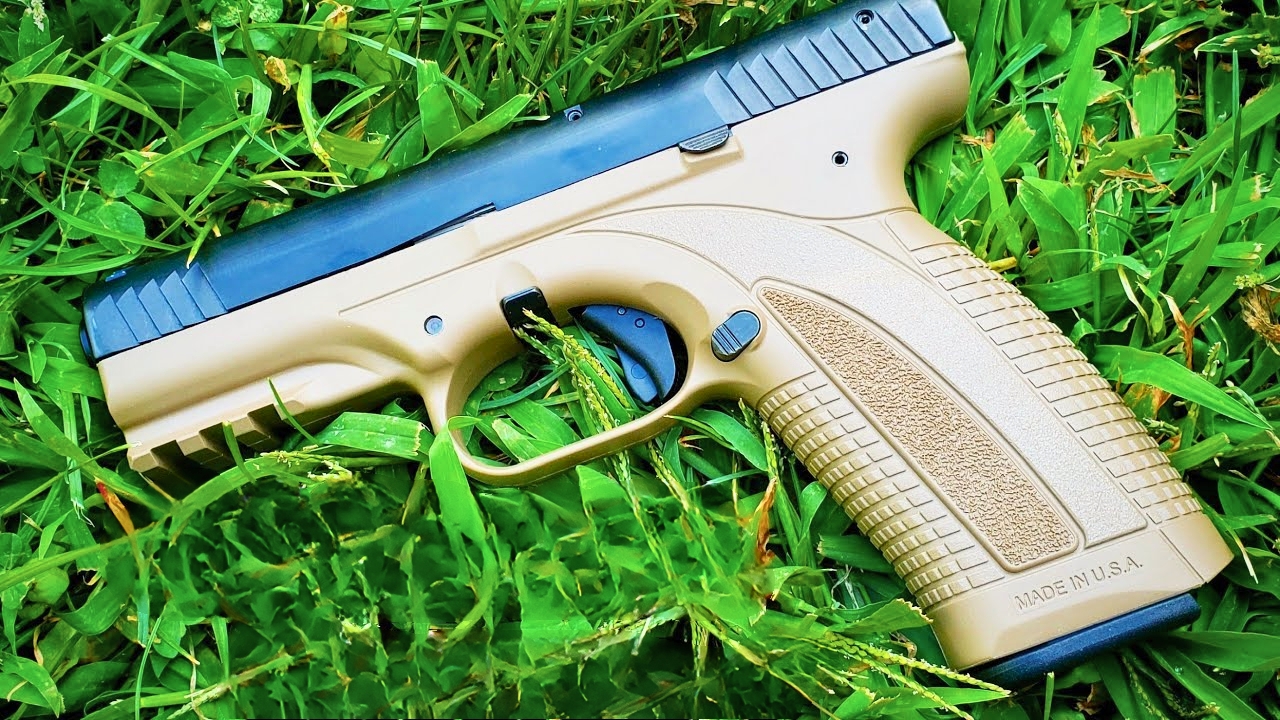
The Caracal F had a rough start in the American market, and early recall issues badly damaged the name before the pistol could establish itself.
Later versions showed why the original design had generated interest. The pistol has an extremely low bore axis, comfortable ergonomics, and simple controls. Unfortunately, first impressions are difficult to erase in the firearms market. The Caracal never recovered enough momentum to become as popular as its design deserved.
Archon Type B
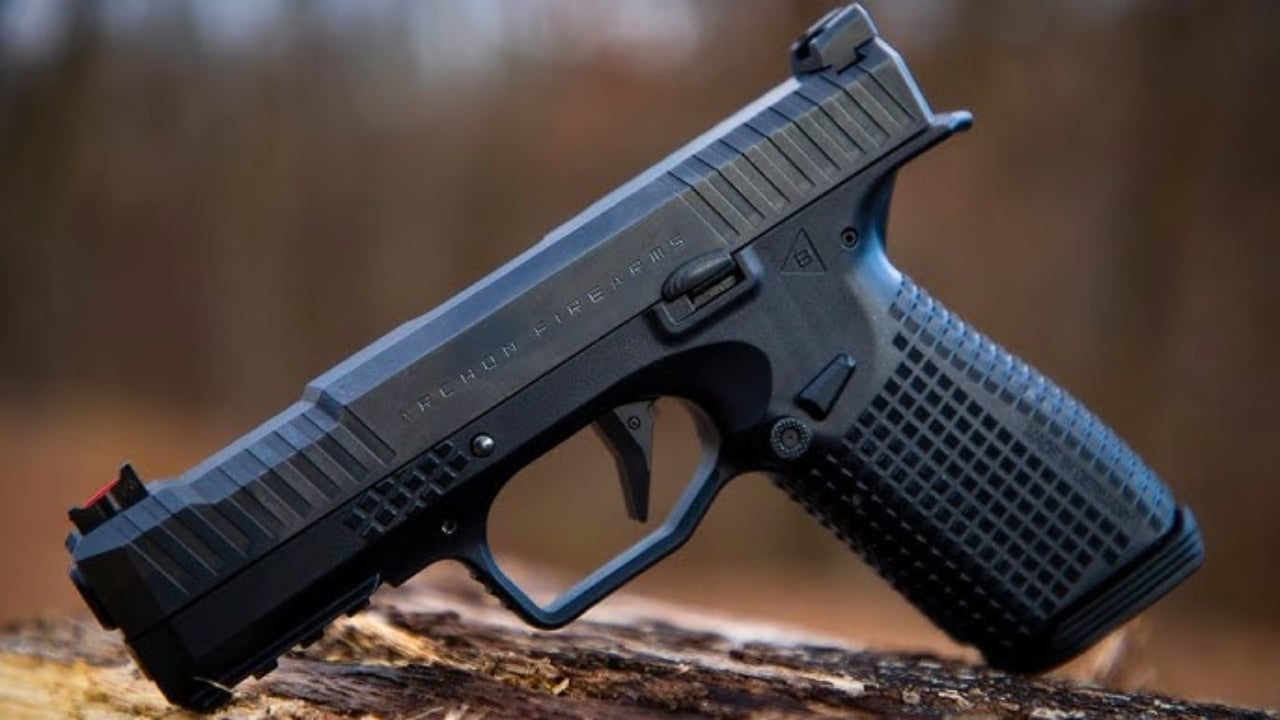
The Archon Type B is another pistol built around an unusually low bore axis. Its operating system allows the barrel to sit lower than most conventional locked-breech pistols, resulting in very flat recoil characteristics.
The issue has always been visibility and price. It occupies premium territory without the mainstream brand recognition of HK, SIG, or Walther. Shooters willing to try one often appreciate how differently it handles, but relatively few buyers ever get that far.
Honor Guard
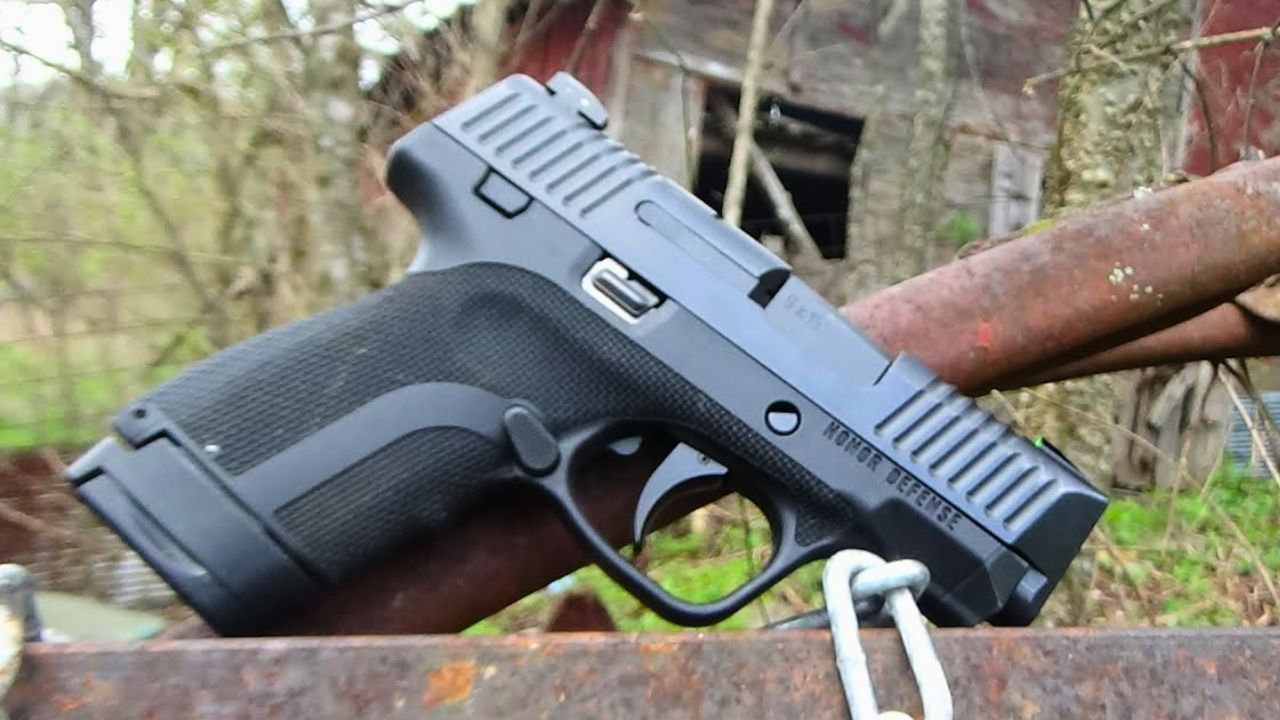
The Honor Guard was designed as a modular American-made carry pistol with interchangeable grip components and a removable chassis system. On paper, it arrived with many of the ideas that later became increasingly common.
The company never achieved enough scale to make the gun a major competitor. That meant limited aftermarket support, fewer accessories, and less confidence from buyers worried about long-term parts availability. The concept was stronger than the market response suggested.
CZ P-10 S
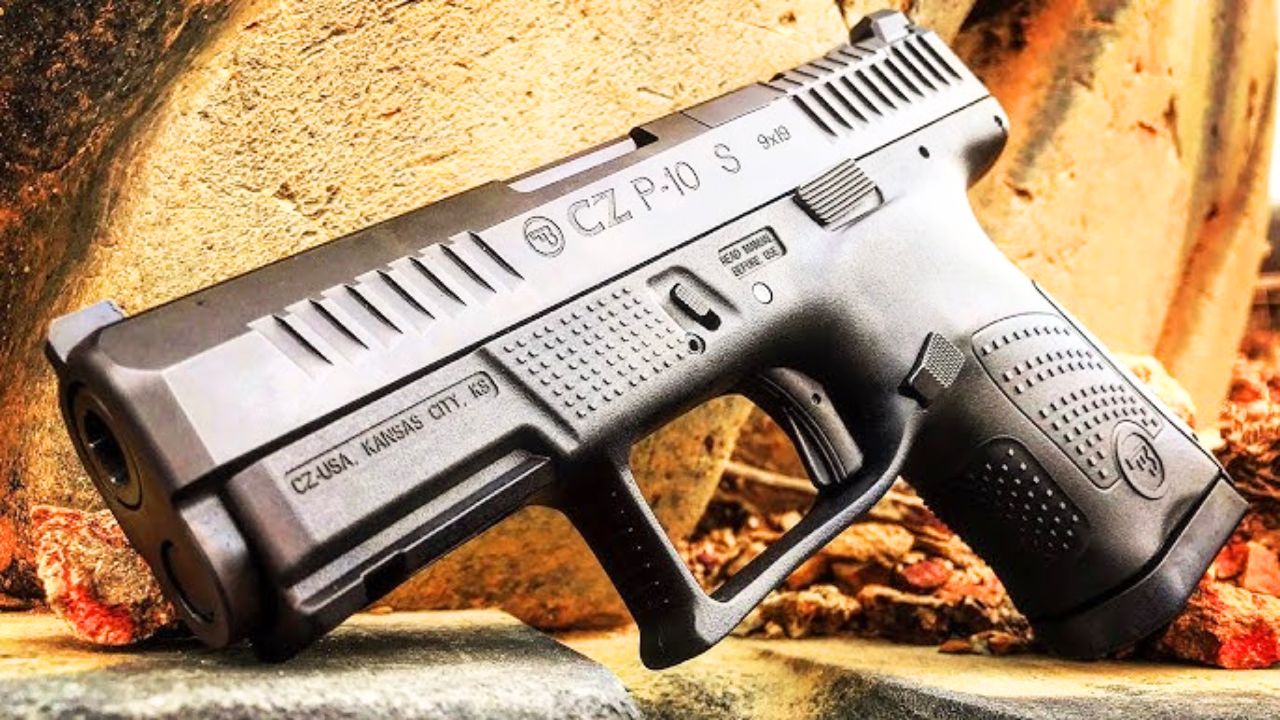
The P-10 C received most of the attention in CZ’s striker-fired lineup, while the smaller P-10 S remained much easier to overlook.
That is a shame because the P-10 S keeps much of what makes the larger gun good. The trigger is strong, the grip is excellent, and the pistol shoots larger than its dimensions suggest. It entered a subcompact market overwhelmed by newer micro-compacts, but shooters who prefer a slightly thicker, more controllable carry pistol should have paid more attention to it.
Like The Avid Outdoorsman’s content? Be sure to follow us.
Here’s more from us: