
Photo credit: Academy Sports
Popularity can make a handgun feel like a safe purchase before you ever shoot it. If thousands of people carry one and every gun store has magazines and holsters for it, it is easy to assume there is nothing left to question.
That is not always true. Some popular pistols are excellent guns with one or two drawbacks buyers should understand before spending the money. Others have been passed by newer designs that offer more capacity, better triggers, easier optics mounting, or better shooting characteristics. These are 20 popular pistols I would think twice about before buying today.
SIG Sauer P320
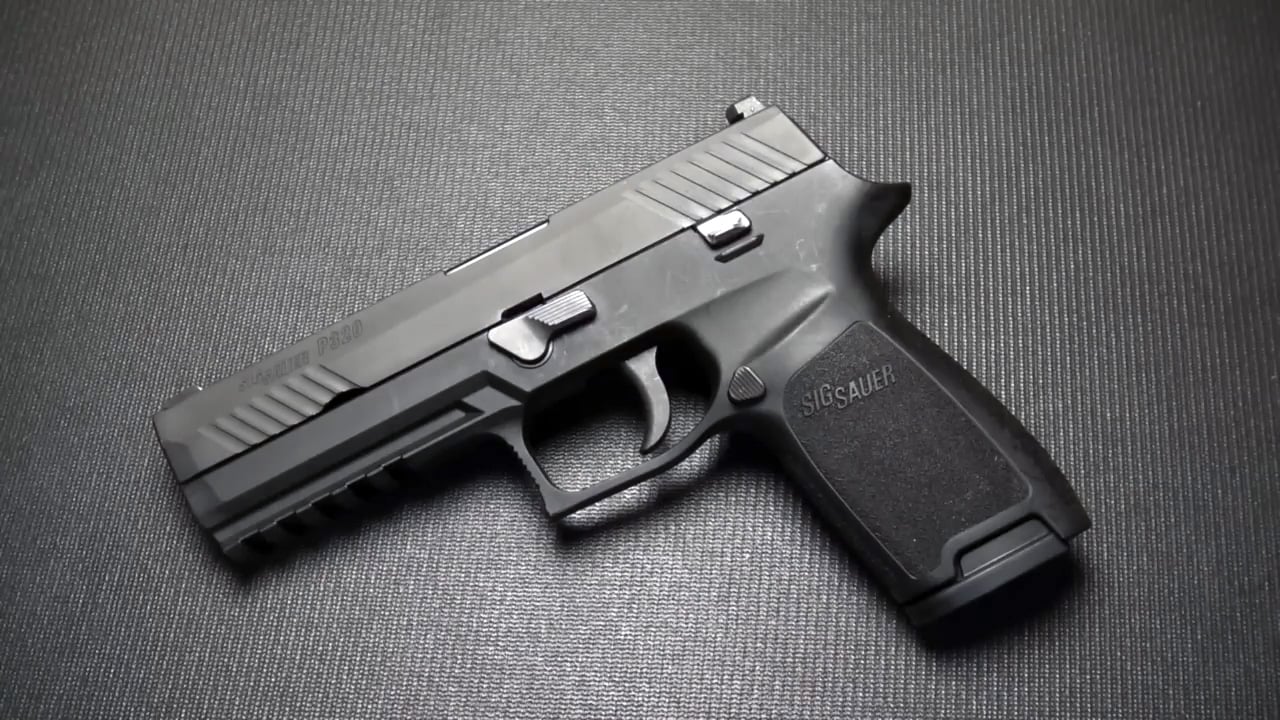
The P320 remains one of the most recognizable striker-fired pistols in America, and its modular fire-control unit is genuinely useful. The ability to move the serialized chassis between grip modules and slide assemblies gives owners far more flexibility than most traditional pistols.
The reason I would hesitate is simple: the platform has carried more controversy than I want attached to a defensive handgun. Even setting internet arguments aside, a buyer needs to be comfortable with the P320’s history and current configuration before committing to it. There are too many excellent striker-fired pistols available to buy one while still having unanswered questions in the back of your mind.
Glock 19 Gen 5
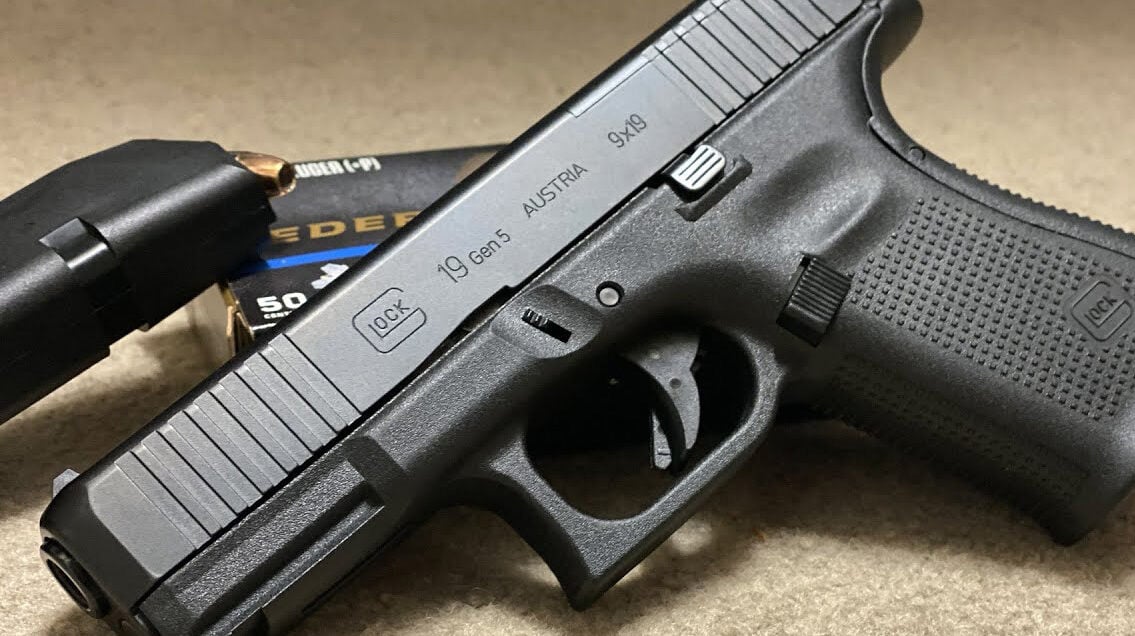
The Glock 19 remains the default recommendation for a reason. It is reliable, easy to support, inexpensive to maintain, and large enough to shoot well without being difficult to carry.
I would still think twice before buying one automatically. The factory trigger is merely acceptable, the grip angle does not suit everyone, and plenty of newer compact pistols now offer better ergonomics and optics systems straight from the factory. A Glock 19 is still one of the safest purchases in the handgun market, but it should not win simply because everyone else owns one.
Glock 43X MOS
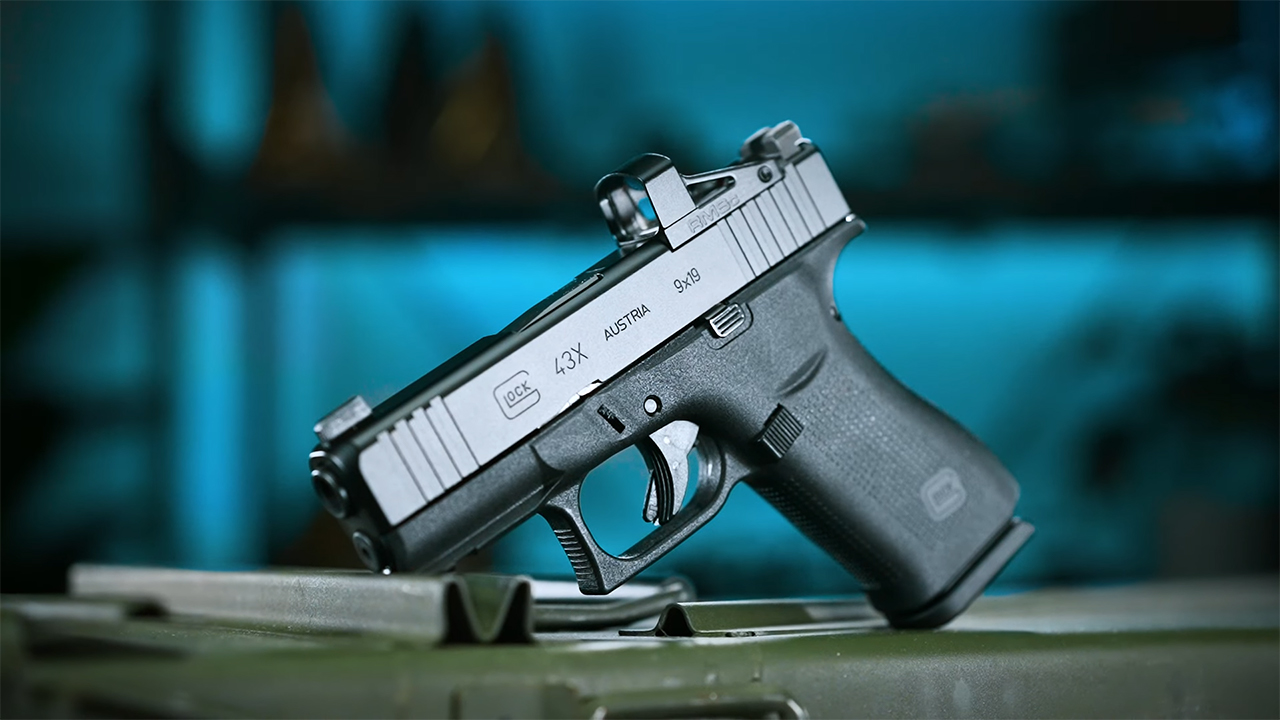
The 43X MOS became enormously popular because it combines a thin frame with a full-length grip and easy optics mounting. It is much easier to shoot than many smaller micro-compacts.
The factory magazine capacity is what makes me hesitate. A pistol this size giving you 10 rounds looks less impressive when competitors fit substantially more ammunition into similar dimensions. Aftermarket magazines can change that equation, but I would rather judge a defensive pistol by the factory configuration than assume aftermarket parts will solve its biggest limitation.
Glock 48 MOS

The Glock 48 is one of the easiest slim pistols to shoot well. The longer slide gives it a calmer feel than the 43X while keeping the frame thin enough for comfortable concealed carry.
It shares the same capacity problem. Ten-round factory magazines are difficult to ignore when similarly sized pistols offer considerably more. The 48 is dependable and comfortable, but it asks buyers to accept an old capacity standard in a market that has moved on quickly.
Springfield Echelon
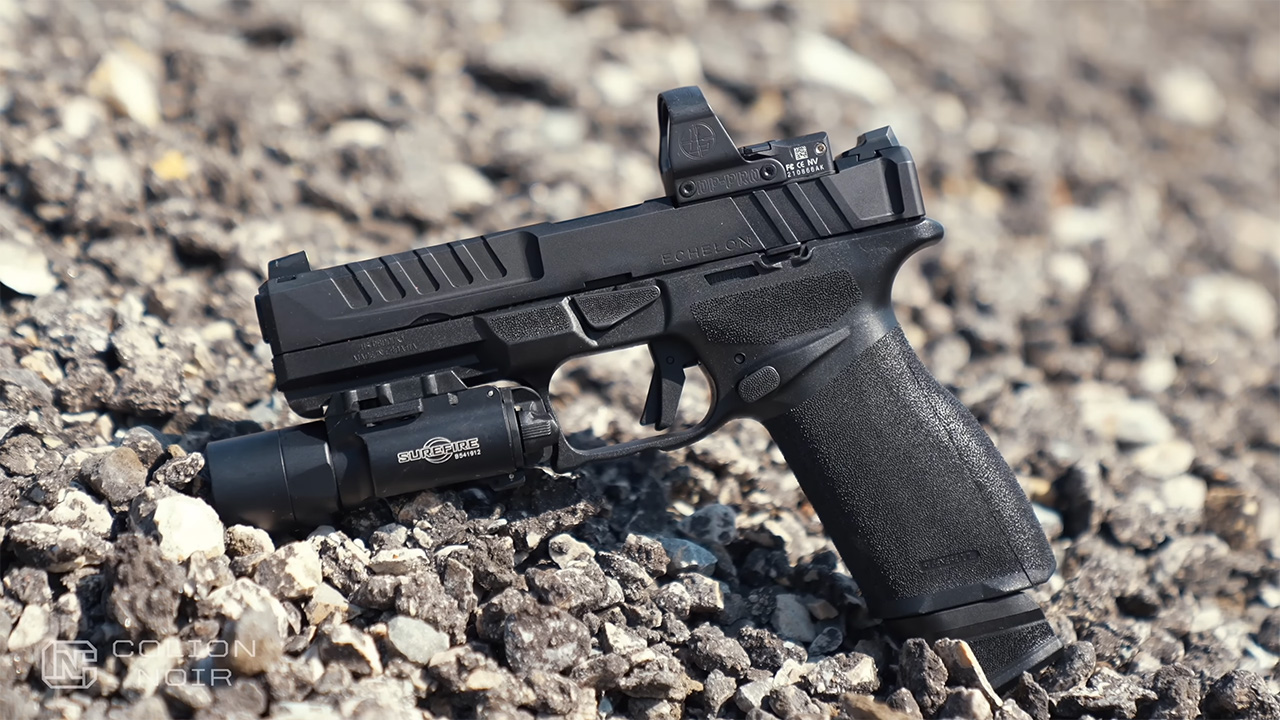
The Echelon is one of Springfield’s most interesting recent pistols. Its modular chassis, aggressive slide serrations, and flexible optics-mounting system address several complaints shooters have about older striker-fired guns.
The hesitation comes from how crowded this category already is. Buyers can choose from Glock, Smith & Wesson, Walther, SIG, CZ, HK, and several other proven duty-size pistols with huge aftermarket support. The Echelon may be excellent, but I would still ask what it gives me that is compelling enough to leave a mature platform behind.
Springfield Prodigy
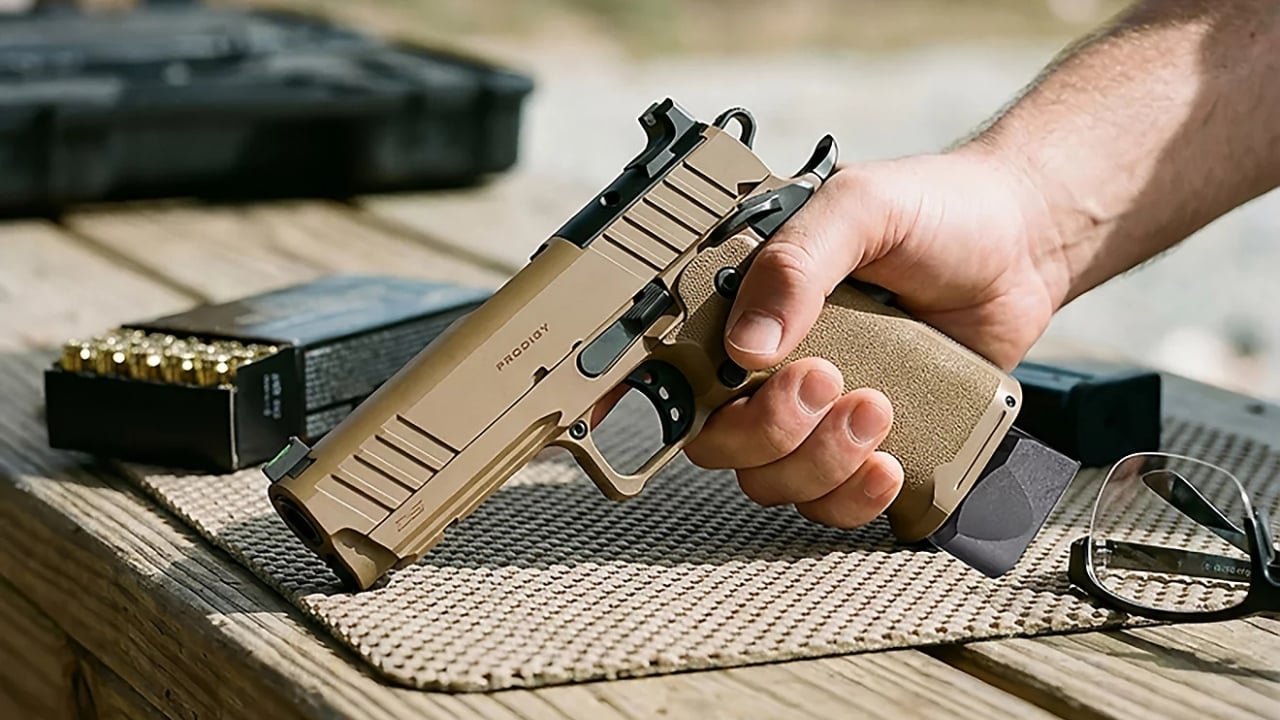
The Prodigy made the double-stack 1911 format available at a much lower price than many traditional 2011-style pistols. The capacity, trigger, and shootability make the concept extremely attractive.
The launch reputation is what would make me cautious, especially with an unknown used example. Early guns generated enough discussion around feeding, springs, and general reliability that I would want substantial proof that the individual pistol is sorted out. A good Prodigy can be fantastic. I just would not buy one with the same blind confidence I would bring to a simpler duty pistol.
Staccato P
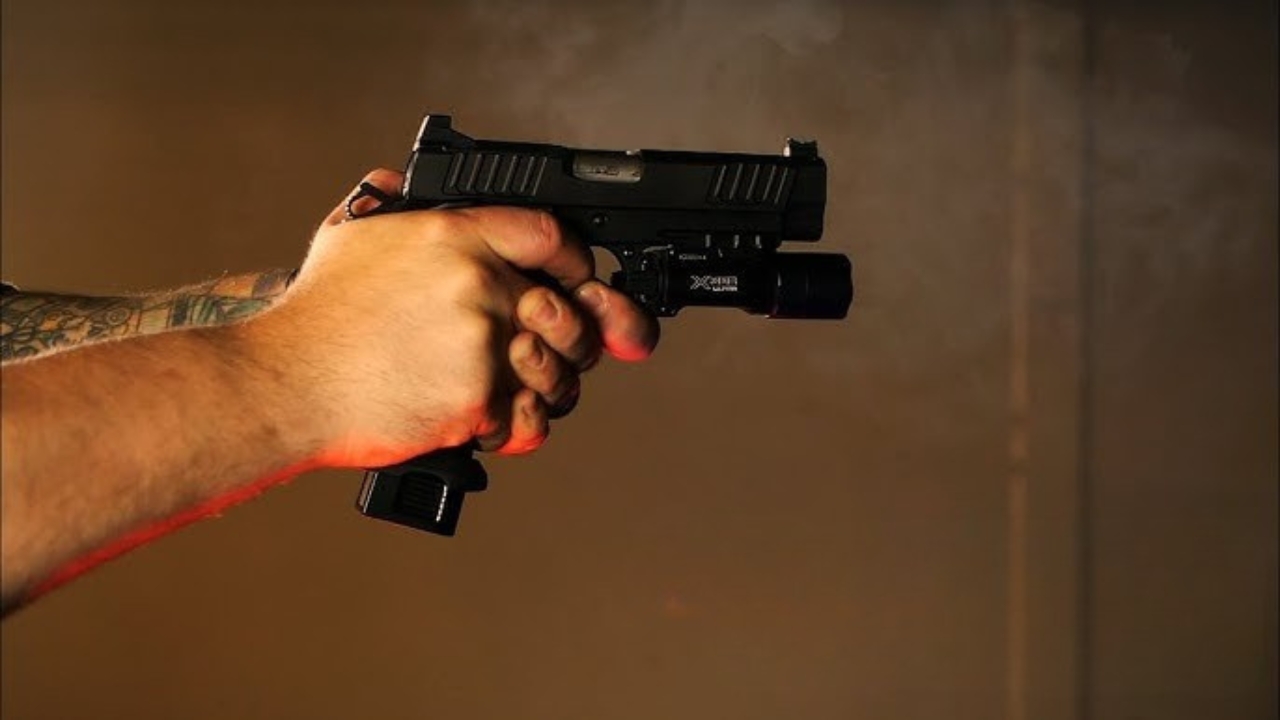
The Staccato P has become one of the most recognizable premium defensive pistols in the country. It shoots exceptionally flat, has an excellent trigger, and has gained serious credibility with professional users.
The price makes the decision much harder. Once a handgun costs this much, I expect it to deliver a noticeable advantage every time I shoot it. The Staccato often does, but many buyers would be better served by a far less expensive pistol and several thousand rounds of ammunition. It is excellent. That does not automatically make it the smartest purchase.
FN 509 Tactical
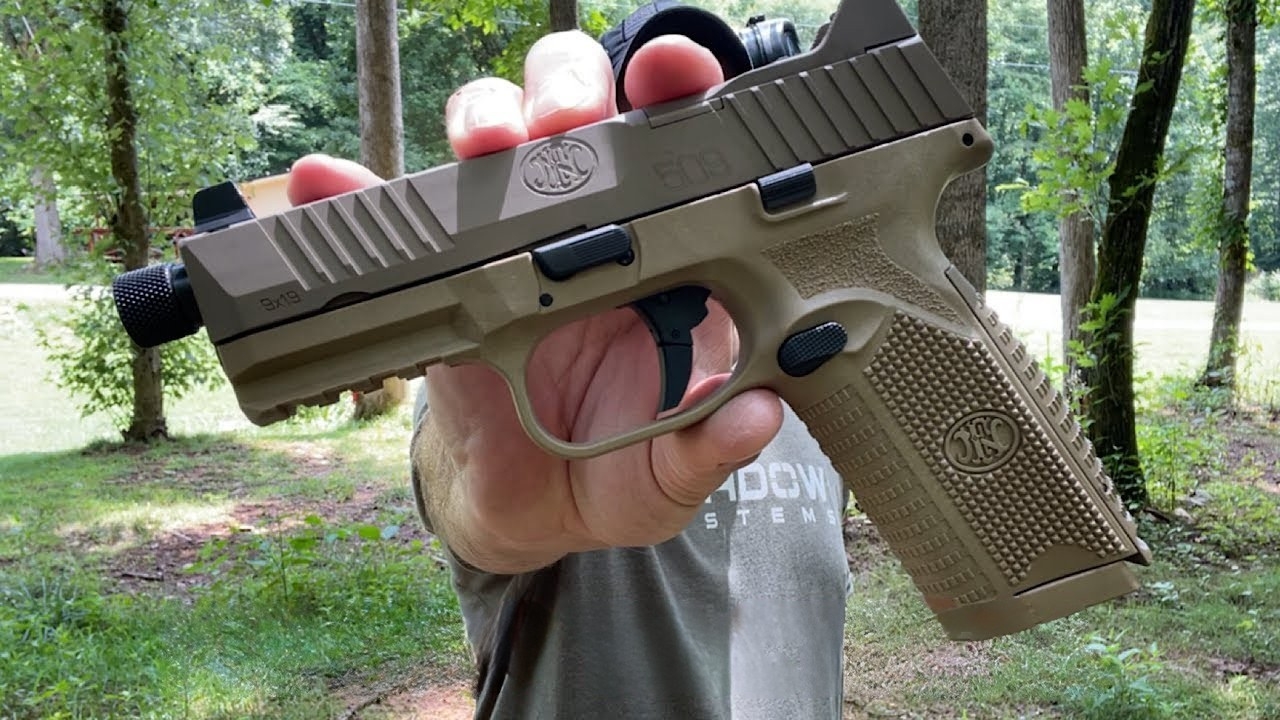
The 509 Tactical gives you a threaded barrel, optics capability, suppressor-height sights, and strong capacity in a package designed around serious use.
The trigger is the part that would make me hesitate. For a pistol that often carries a premium price, the factory trigger can feel heavier and less refined than what you get from Walther, Canik, or even some less expensive competitors. The 509 is rugged, but buyers should decide whether durability alone justifies paying more for a pistol they may immediately want to modify.
HK VP9
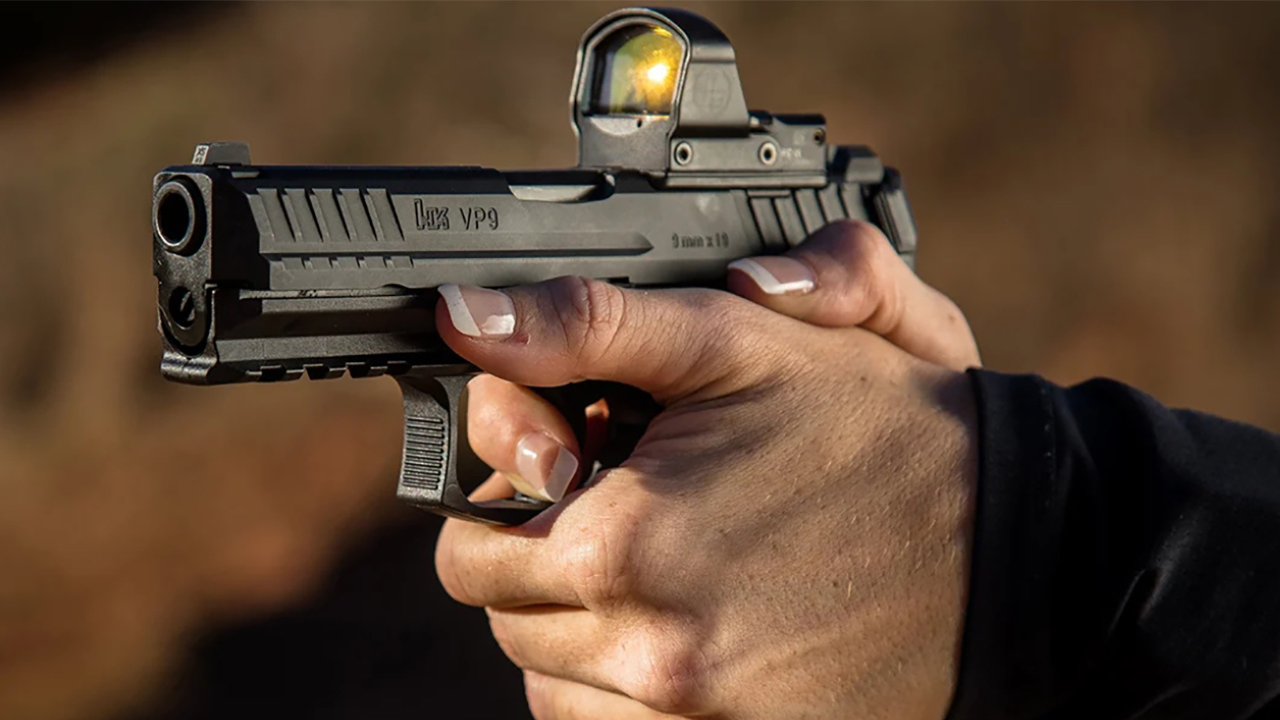
The VP9 has excellent ergonomics, interchangeable grip components, and a trigger that helped push striker-fired pistols beyond the old standard of simply being functional.
I would still compare it carefully before buying. The pistol is relatively large, magazine pricing and accessories can cost more than mainstream competitors, and the paddle-versus-button magazine release question depends heavily on the version. The VP9 is a very good pistol, but its premium-brand reputation can make buyers overlook how strong the competition has become.
Walther PDP
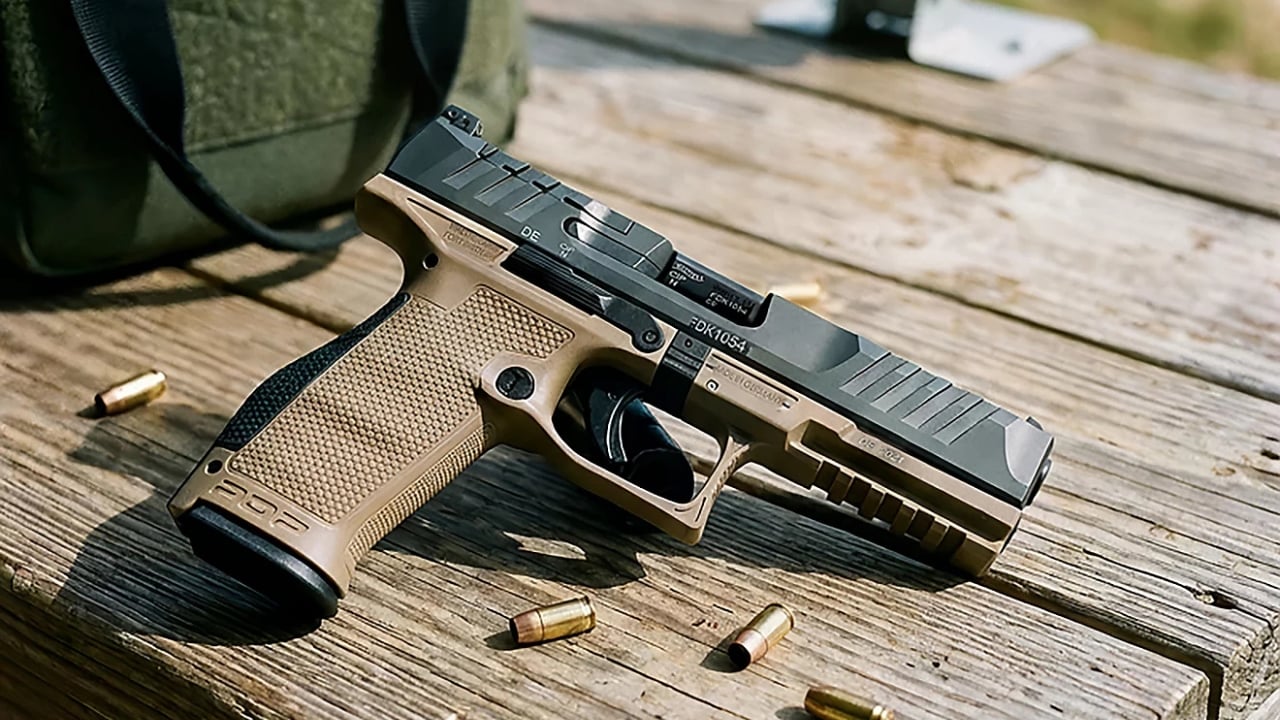
The PDP has one of the best factory triggers in the striker-fired market and excellent ergonomics. It is also exceptionally easy to mount an optic and get a strong shooting grip.
The tradeoff is that the pistol can feel snappier and more top-heavy than some competitors. The slide is substantial, and shooters sensitive to muzzle movement may prefer something flatter. I would absolutely shoot one before buying rather than assuming the excellent trigger automatically makes it the best choice.
Canik TTI Combat
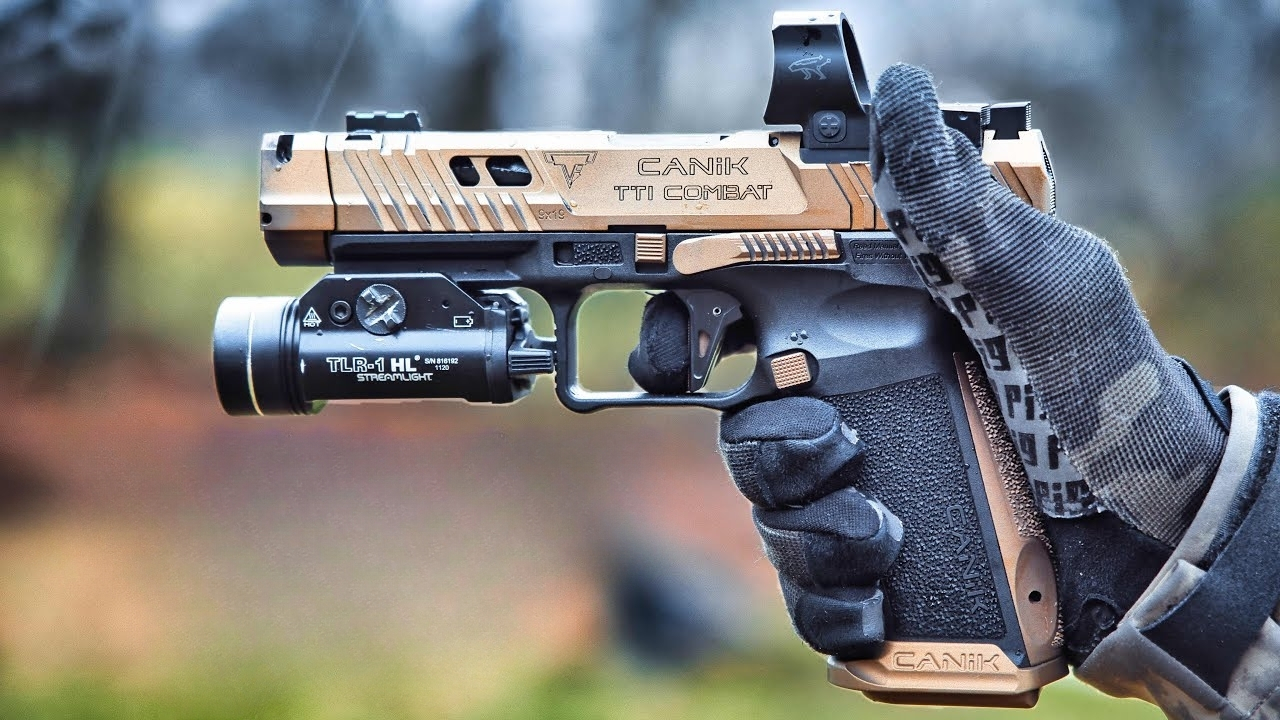
The TTI Combat attracted huge attention because it combines Canik’s strong trigger reputation with competition-oriented features and Taran Tactical branding.
The question is value. At its price, it no longer competes as the inexpensive Canik that delivers far more than expected. It enters territory where buyers can consider premium versions of established duty pistols and entry-level double-stack 1911s. The gun may shoot extremely well, but the higher the price climbs, the harder it becomes to overlook alternatives.
Shadow Systems MR920

The MR920 gives buyers many of the modifications people routinely make to a Glock 19 right from the factory. Better grip geometry, optics mounting, slide machining, and upgraded components make the gun appealing.
The hesitation is that you are paying considerably more for a pistol whose biggest selling point is essentially being an improved Glock-pattern design. Some owners will absolutely find the upgrades worthwhile. Others may discover that a stock Glock plus the one or two changes they actually care about costs less and gives them exactly what they need.
CZ Shadow 2 Compact

The Shadow 2 Compact created enormous excitement by shrinking many of the qualities people love about the competition-oriented Shadow 2 into a carry-sized pistol.
That does not mean it is automatically an ideal carry gun. It is still a relatively heavy metal-framed pistol with a manual-safety setup and a trigger system that asks more from the owner than a basic striker-fired gun. It shoots beautifully, but I would think carefully about whether I wanted competition-style characteristics or maximum simplicity in a defensive pistol.
Beretta 92X Performance
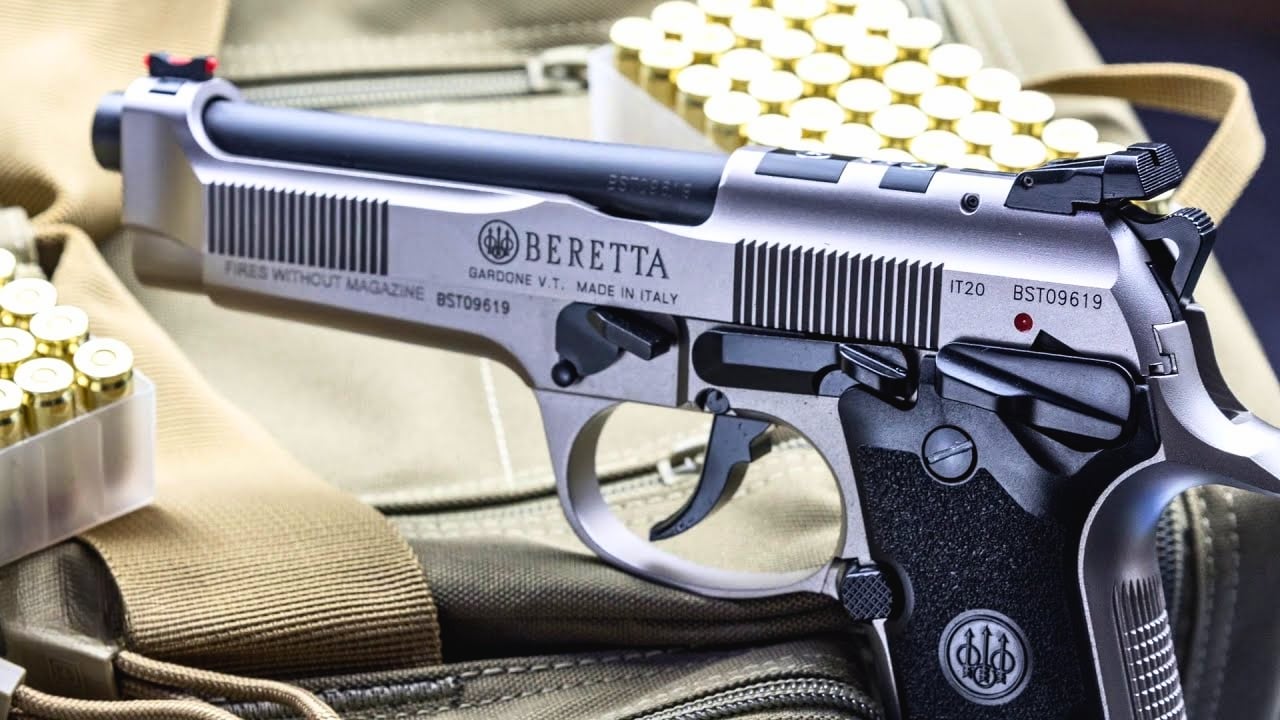
The 92X Performance takes the classic Beretta platform and turns it into a heavy, refined competition pistol. The trigger, weight, and steel frame make it exceptionally pleasant to shoot quickly.
That same weight makes it specialized. It is not something most people will want to carry, and buyers looking for a defensive pistol can get excellent performance from much lighter guns. The 92X Performance deserves its reputation on the range, but I would not buy one simply because I wanted the fanciest version of a Beretta 92.
Smith & Wesson M&P9 Metal Carry Comp
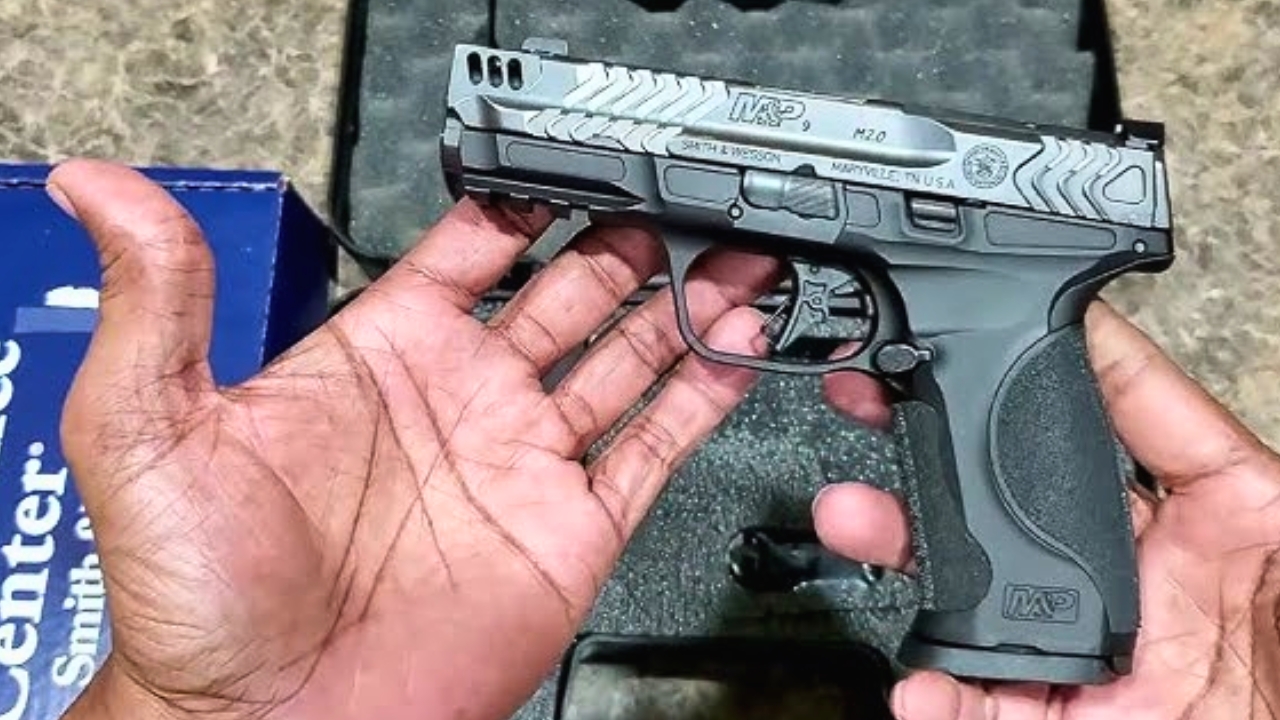
The Metal Carry Comp combines a metal frame, compensated barrel system, optics capability, and the improved modern M&P trigger. On paper, it checks nearly every current premium-pistol box.
The issue is price relative to the standard M&P line. Basic M&P 2.0 pistols already shoot extremely well and have a strong reliability reputation. The Metal Carry Comp is nicer, but buyers should ask whether the additional features actually improve their shooting enough to justify the jump in cost.
Kimber KDS9c

The KDS9c gives Kimber a modern high-capacity carry pistol with a 1911-style trigger and a much more contemporary capacity level than the company’s traditional single-stack guns.
I would hesitate because the price places it against some seriously established premium pistols. At that point, buyers are not just comparing specifications. They are comparing long-term magazine availability, aftermarket support, service history, and proven reliability. The KDS9c is interesting, but interesting and proven are not always the same thing.
Colt Python
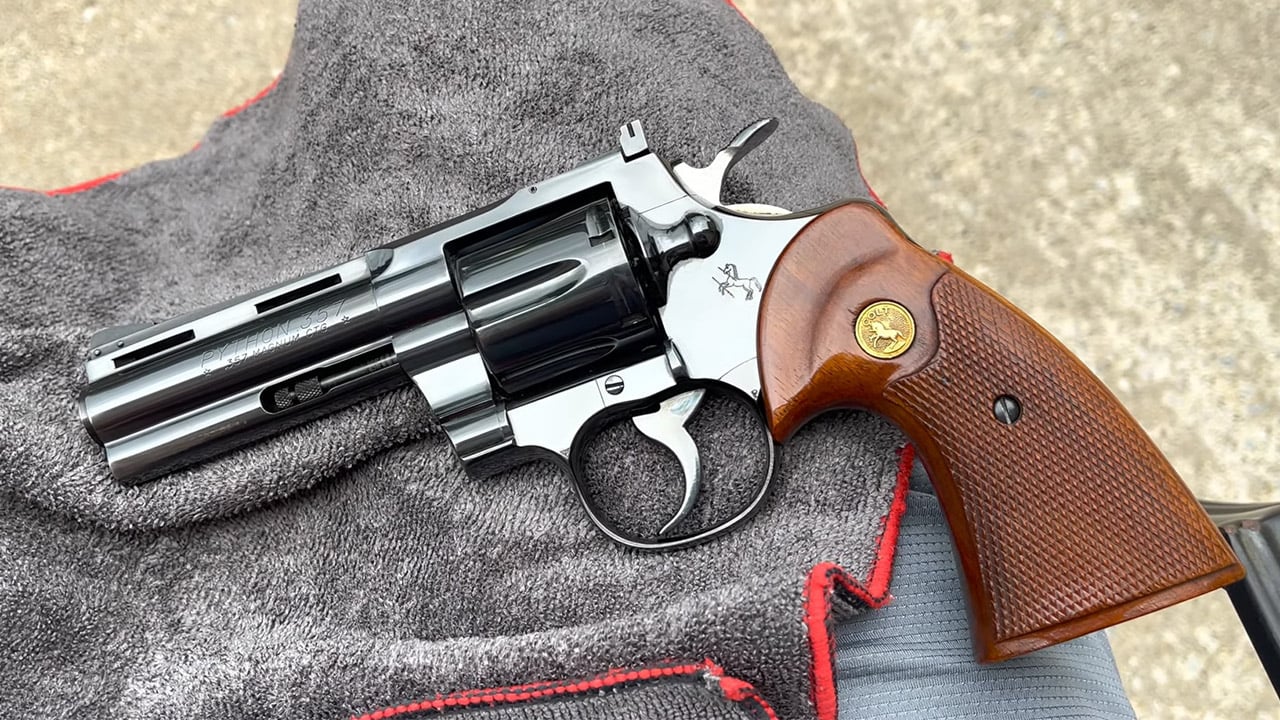
The modern Python is beautifully finished, smooth to shoot, and one of the most recognizable revolvers available. Colt successfully brought back a name that many people assumed would never return.
The problem is what that name does to the price. Buyers are paying partly for the gun and partly for the Python reputation. If the goal is simply to own an excellent .357 Magnum revolver, there are less expensive options that will do the same practical job. The Python makes sense when you specifically want a Python, not when you are purely shopping for value.
Smith & Wesson Model 329PD
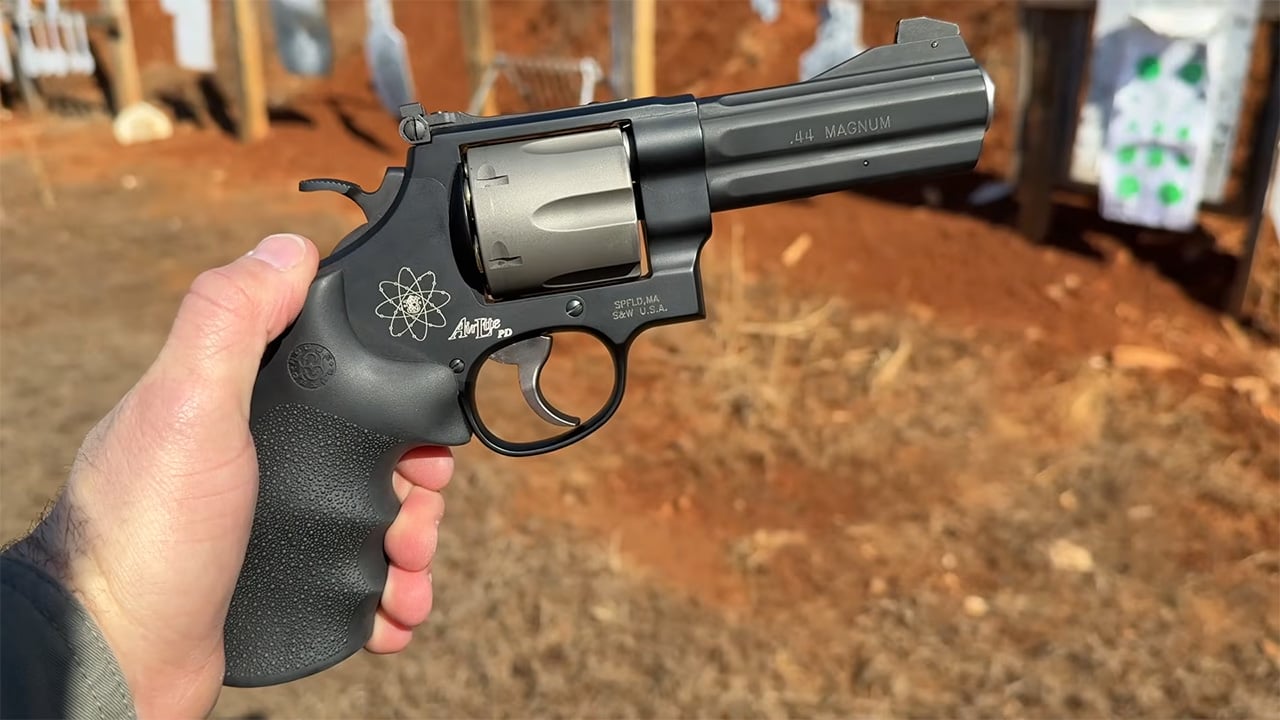
The 329PD is impressive because it gives you .44 Magnum power in an extraordinarily light revolver. For someone carrying all day in bear country, that weight savings can be valuable.
It also makes the gun extremely unpleasant with full-power ammunition. A defensive handgun that you dread practicing with creates its own problem. I would think very carefully about whether the reduced carry weight is worth the recoil before spending the money. A heavier .44 may be much easier to shoot well.
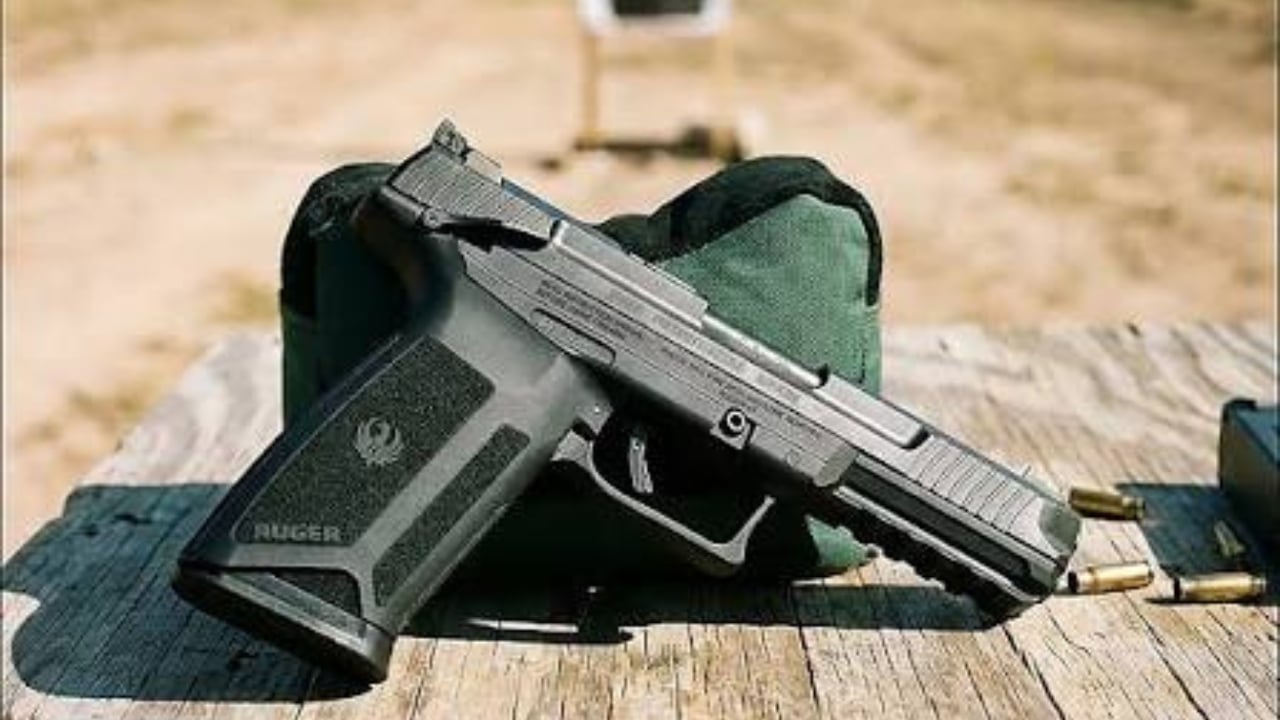
Ruger-57
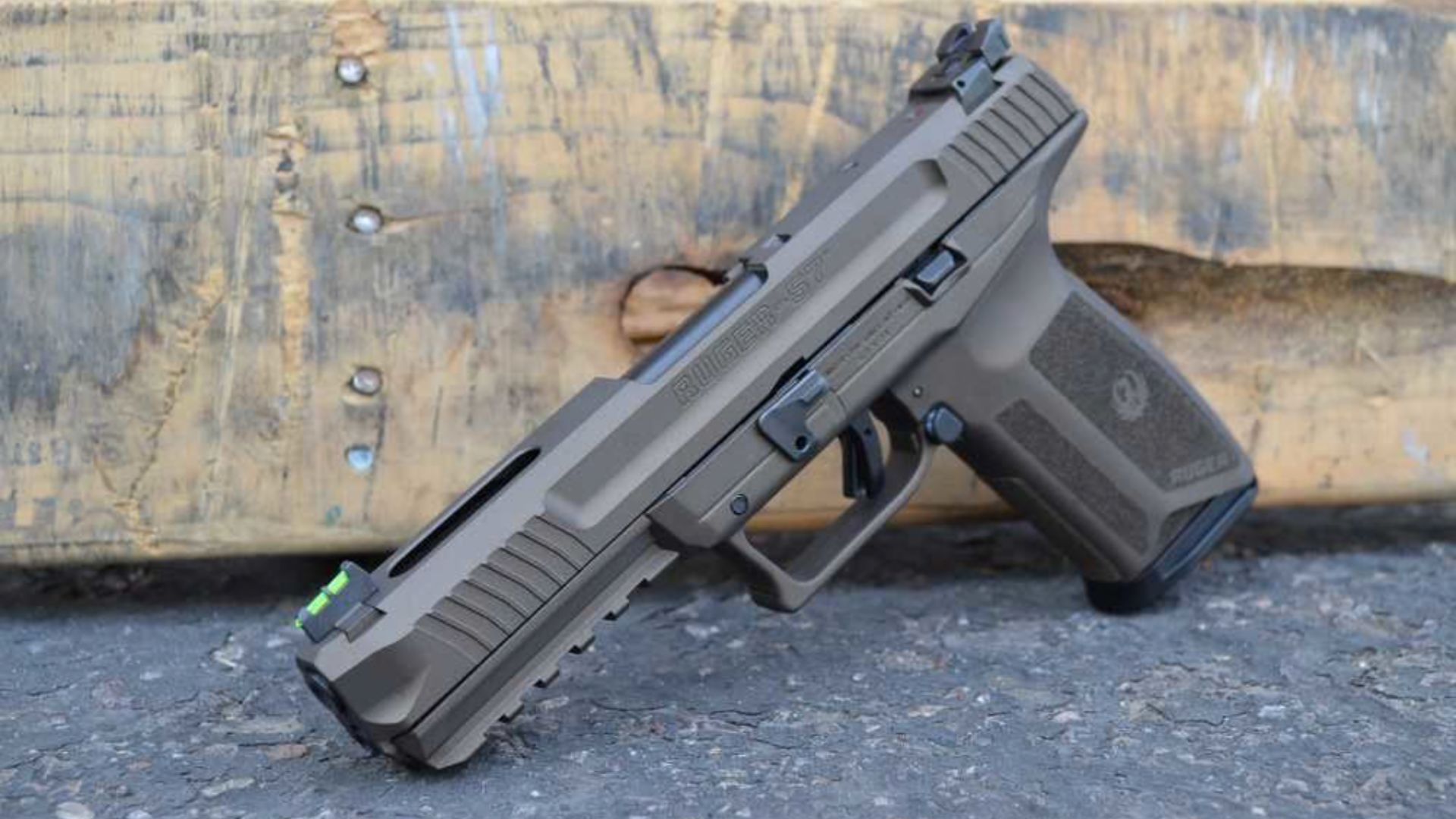
The Ruger-57 is easy to shoot, holds plenty of ammunition, and makes the 5.7x28mm cartridge available without FN Five-seveN pricing.
The ammunition is what gives me pause. 5.7 remains more expensive and less universally available than 9mm, and defensive ammunition choices are more limited. Unless you specifically want the cartridge, a 9mm pistol usually gives you cheaper training, broader ammunition selection, and easier logistics.
FN Five-seveN MRD

The Five-seveN remains one of the most distinctive service-size pistols available. It is lightweight, soft-shooting, and offers excellent capacity with 5.7x28mm ammunition.
It is also expensive for what most civilian shooters actually need. The gun is physically large, the ammunition costs more than 9mm, and the practical benefits of 5.7 do not matter equally to every buyer. The Five-seveN is fascinating, but fascination is not the same thing as value. I would make sure I specifically wanted the cartridge before paying the premium.
Like The Avid Outdoorsman’s content? Be sure to follow us.
Here’s more from us:


