Photo credit: DIY Prepper: Reloaded/YouTube
Handgun companies have become extremely good at adding features. Optics cuts, interchangeable grip modules, compensators, aggressive slide machining, oversized controls, and increasingly complicated accessory systems can make a new pistol look far more advanced than something designed thirty years ago. None of those features matter very much if the gun becomes temperamental when it gets dirty or starts having problems after serious use.
For this list, I care much more about boring reliability than novelty. I want pistols with proven operating systems, durable magazines, strong extractors, and enough track record that owners know what normally wears out and how to fix it. No mechanical handgun is immune to bad ammunition, damaged magazines, or neglected maintenance, but some designs have earned much stronger reputations than others. These are the pistols I would look at first if dependable function mattered more to me than owning the newest feature set.
Glock 17
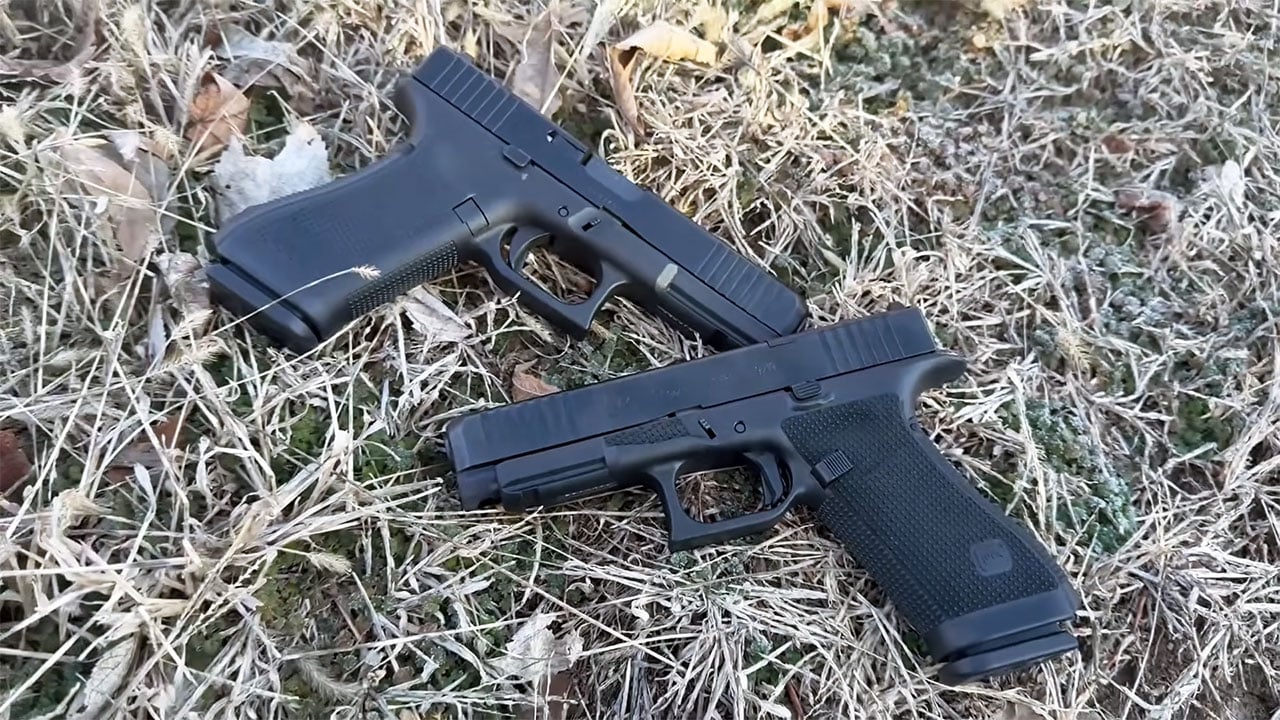
The Glock 17 may be the most obvious choice on the entire list, but sometimes the boring answer is boring because it works. The basic operating system has been refined over several generations without changing the fundamental formula very much. There are relatively few controls, the striker-fired trigger system is straightforward, magazines are plentiful, and the pistol has spent decades being used by military units, police departments, competitors, and ordinary shooters around the world.
What impresses me most is how tolerant the Glock 17 tends to be of neglect. That does not mean I would intentionally avoid cleaning one, but these pistols have a long history of continuing to function when dirty, dry, or cosmetically beaten up. If my priorities were reliability, affordable magazines, easy parts replacement, and nothing else, I could buy a Glock 17 and stop shopping.
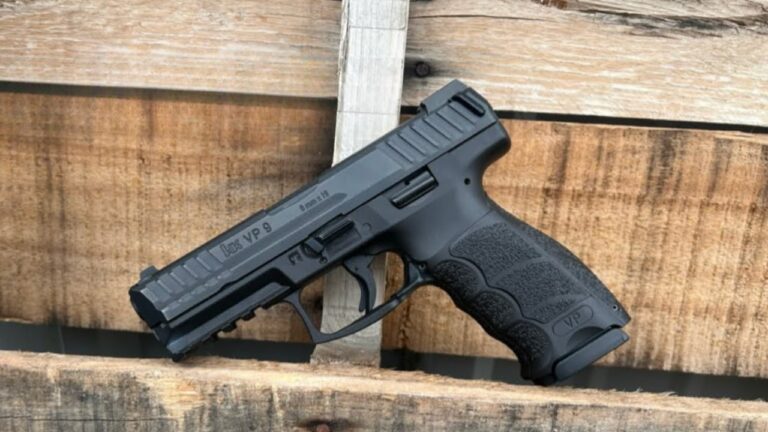
Heckler & Koch USP

The USP feels like it came from an era when HK engineers were given one instruction: make the pistol ridiculously durable and worry about size later. The slide is substantial, the controls are large, and the entire gun has an overbuilt character that newer pistols rarely imitate. It was designed around demanding military and law-enforcement use, and that heritage remains obvious when handling one.
The USP is not fashionable by current standards. The grip is bulky, optics-ready versions are not the norm, and the rail on older examples is proprietary. I can live with all of that if reliability is the primary objective. The pistol’s reputation was established long before modular frames and red-dot cuts became selling points. Give me good magazines, fresh springs when appropriate, and decent ammunition, and I would trust a USP long after I stopped caring how dated it looked.
Beretta 92FS

The 92FS is large by modern 9mm standards, but that size contributes to some of the reasons it has remained so dependable. The locking system is well understood, the open-slide design gives empty cases an enormous path to escape, and the pistol has a long history of institutional use under conditions much harsher than normal civilian ownership.
Its weaknesses are mostly ergonomic rather than functional. Some shooters dislike the large grip and slide-mounted safety or decocker, while others simply see too much metal compared with today’s polymer pistols. None of that changes how smoothly a good 92 can run.
If I owned one that had already proven reliable, I would be reluctant to replace it simply because something newer had a better optics system. Reliability does not become obsolete because the industry changes fashion.
SIG Sauer P226
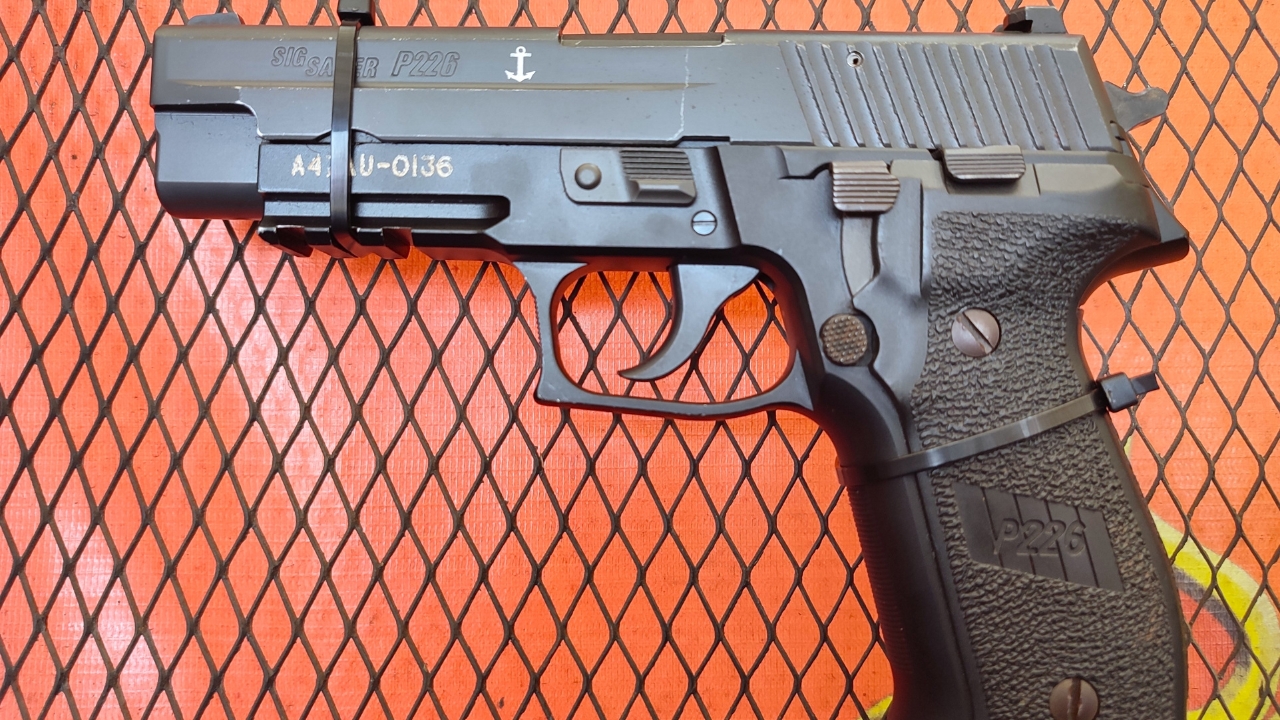
The P226 built its reputation before buyers expected every service pistol to be lightweight or modular. It is a substantial aluminum-frame DA/SA handgun designed around serious duty use, and it has been carried by military and law-enforcement organizations for decades.
What I like about the P226 is that there is very little mystery surrounding the design anymore. Magazines, recoil springs, locking components, and common wear points are all well understood. A properly maintained example can absorb an enormous amount of shooting without becoming temperamental.
It is heavier and more expensive than plenty of modern alternatives, and the first double-action trigger pull requires practice. Those are not reliability problems. If my main concern were whether the pistol would feed, fire, extract, and repeat after years of ownership, I would gladly accept the extra weight.
Glock 19
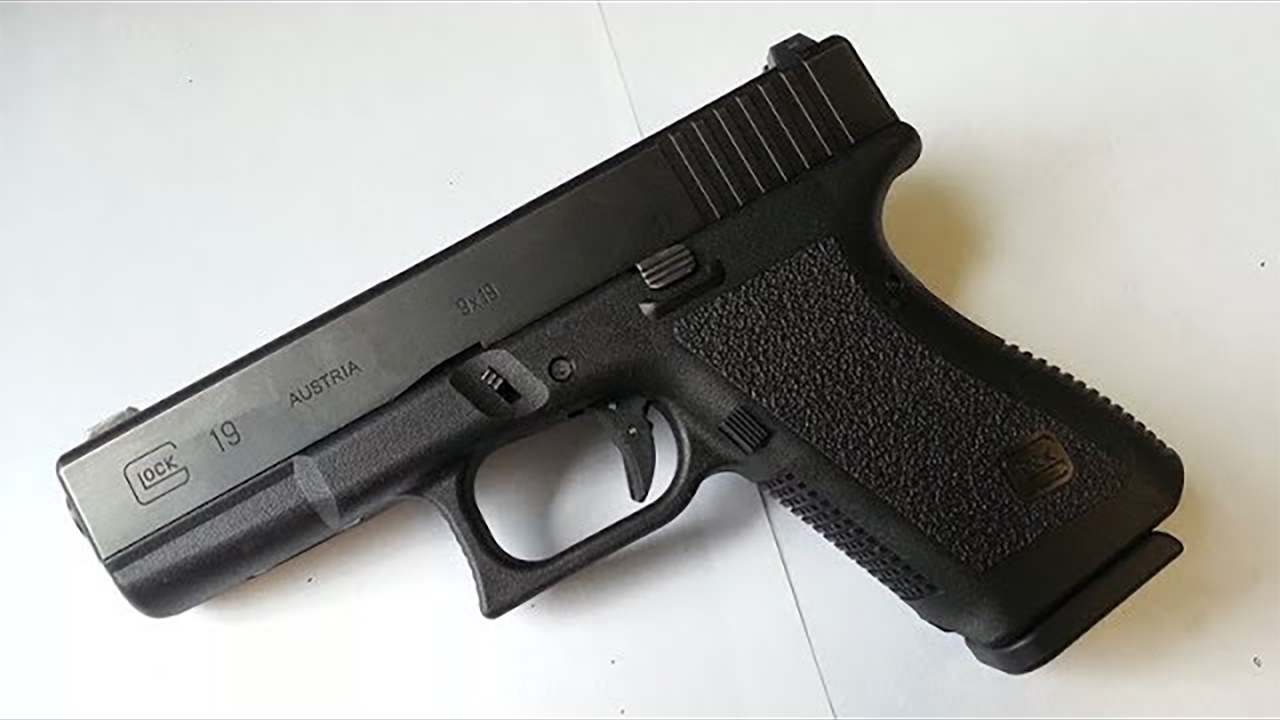
The Glock 19 earns a separate spot from the 17 because it manages to shrink the platform without changing the basic reliability equation very much. The shorter slide and grip make it easier to carry, but the gun remains large enough that it does not become excessively sensitive to grip technique or ammunition.
That balance is a major reason the 19 became so widely adopted. Extremely small pistols ask springs, magazines, and slides to operate within narrower margins. The Glock 19 remains compact without pushing the design that far.
I would choose it for someone who wants one handgun to do almost everything. It can serve as a carry gun, range pistol, home-defense gun, or general-purpose sidearm without needing much modification. The enormous parts and magazine ecosystem is simply a bonus. The real attraction is how consistently the basic pistol works.
Smith & Wesson M&P9 M2.0

The M&P9 M2.0 has matured into one of the easiest pistols to recommend when reliability matters more than novelty. Smith & Wesson has had years to refine the platform, and the current generation combines a strong striker-fired action with excellent grip texture, interchangeable backstraps, and widely available magazines.
I especially like that the M&P does not require the owner to accept unusual controls or a complicated maintenance routine. Field stripping is straightforward, replacement parts are readily understood, and the pistol is common enough that problems are rarely mysterious.
There are newer designs with more modular chassis systems and more elaborate factory configurations. I would still rather have an M&P that has already fired thousands of rounds without complaint. A proven service pistol is worth more to me than a long specification sheet.
HK P30
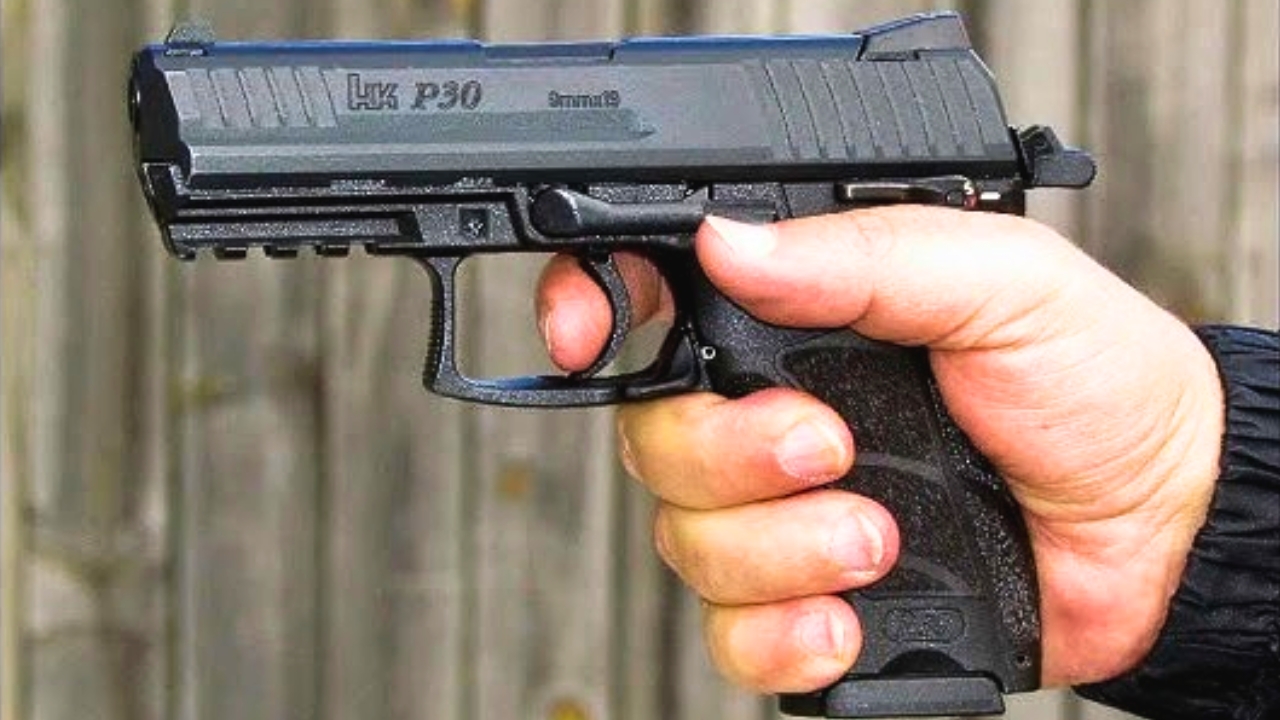
The P30 is a great example of HK adding ergonomics without sacrificing the durability people expected from the USP. Interchangeable side panels and backstraps allow the grip to be tailored unusually well, yet the pistol still uses a robust hammer-fired operating system and substantial internal components.
The trigger is often the most criticized part. Standard DA/SA versions do not feel like tuned competition guns, and the LEM system takes some learning. Again, none of that tells me anything negative about reliability.
I would much rather have a slightly mediocre trigger on a pistol that runs relentlessly than a wonderful trigger on something ammunition-sensitive. The P30 feels designed around exactly that philosophy. It is not trying to impress anyone on the first dry-fire pull. It is trying to remain serviceable after years of actual use.
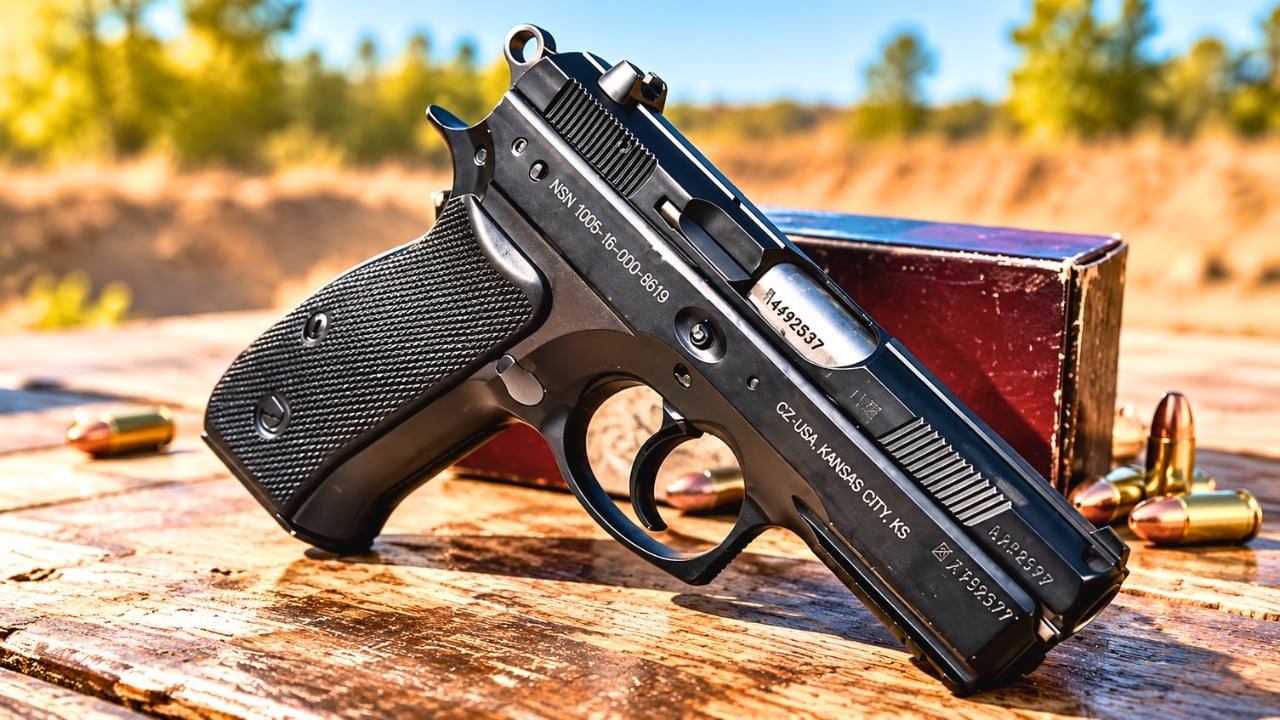
CZ 75 B

The CZ 75 B lacks many modern conveniences, but its basic all-steel design has endured for good reason. The slide rides inside the frame rails, the grip shape works beautifully for many shooters, and the pistol’s DA/SA system has been refined across decades of production.
The steel construction gives the CZ enough mass that recoil is mild, which can indirectly help reliability in the hands of less experienced shooters because the pistol is easier to grip consistently. Magazines have also become widely available, and the basic design is well understood by gunsmiths and enthusiasts.
I would not choose one because it is the lightest or easiest pistol to mount an optic on. I would choose one because the architecture has been proving itself for generations. Sometimes mature engineering matters more than whatever feature manufacturers introduced this year.
Ruger P95
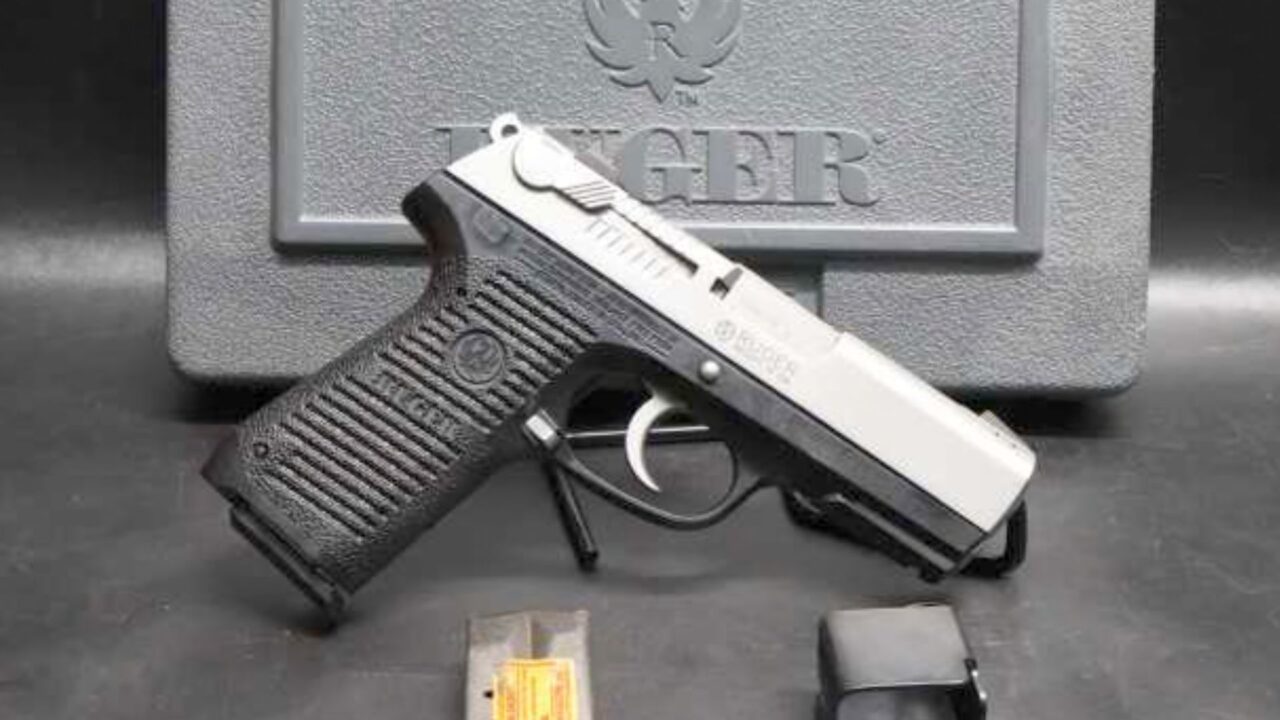
The Ruger P95 was never glamorous, and that may be one of the reasons people underestimate how durable it is. Ruger built the pistol as an affordable working handgun, using a polymer frame and a chunky slide without spending much effort making it elegant.
What owners often discovered was that the gun simply kept running. The controls were basic, magazines were straightforward, and the pistol could tolerate the sort of treatment that made nicer-looking handguns seem unnecessarily delicate.
The P95 is discontinued now, so I would not necessarily recommend one to someone who wants factory support decades into the future. As an example of a reliability-first design, though, it belongs here. Plenty of pistols look better. Few inexpensive service guns earned such a strong reputation for continuing to function long after their finish stopped looking respectable.
Glock 21

The Glock 21 applies the company’s basic service-pistol formula to .45 ACP without becoming mechanically exotic. It is a large handgun with a thick grip, but that extra size provides substantial magazine capacity and enough slide mass to make the cartridge easy to control.
Reliability is one of the reasons the 21 has remained popular even as smaller .45s came and went. Full-size pistols generally have more operating margin than extremely compact versions, and the Glock 21 takes advantage of that. The feed geometry, spring rates, and overall dimensions are not being pushed toward the absolute limits of concealability.
If I wanted a .45 ACP that I expected to shoot heavily rather than admire, the 21 would be near the top of my list. It is not elegant. It is simply an extremely practical way to launch .45 ACP repeatedly.
HK45

The HK45 takes the durability philosophy of the USP and packages it into something with significantly better ergonomics. The grip is more sculpted, the controls are easier for many shooters to reach, and the pistol feels much less blocky without abandoning the heavy-duty construction associated with HK.
That matters if you want a .45 you can actually train with extensively. Reliability alone does not help if the gun fits your hand poorly enough that you dislike practicing. The HK45 strikes a good balance between rugged service-pistol construction and modern handling.
Capacity is lower than some competing .45s, and the pistol is still fairly large. I would accept both compromises. Ten dependable rounds from a pistol I shoot well interest me far more than a few extra rounds in a platform I trust less.
SIG Sauer P229

The P229 has always felt like the compact SIG built for people who do not want a compact gun to feel fragile. The slide and frame are substantial, and the design was developed to handle service cartridges while maintaining the traditional SIG DA/SA operating system.
That makes the pistol heavier than current micro-compacts, but I see that as an advantage when reliability and shooting comfort outrank carry weight. There is enough slide mass and grip surface to keep the gun from becoming overly sensitive to ammunition or technique.
I would choose the P229 for someone who values an established mechanical system and does not mind carrying more metal. It may not disappear under clothing like the smallest modern pistol, but it behaves like a real service gun at the range. That is a trade I often prefer.
CZ P-01

The P-01 takes the basic CZ 75 idea and makes it much more practical for everyday carry. The alloy frame reduces weight, the compact slide shortens the package, and the pistol still retains enough grip to remain controllable during serious practice.
What I like most is that CZ did not shrink the design until it became temperamental. The P-01 stays in that valuable middle ground where concealment improves without sacrificing the stable operating characteristics of a larger handgun.
The decocker version is my preference because it keeps operation straightforward. Load it, decock it, and the heavier first trigger pull becomes the initial safety margin. There are newer compact pistols with more capacity for their dimensions, but reliability is not determined by how efficiently a manufacturer fills every cubic inch.
Walther P99 AS

The P99 AS is one of the most interesting hammerless-looking pistols to earn a strong reputation while actually using a striker system with DA/SA-like behavior. Its Anti-Stress trigger gives the pistol operating characteristics unlike most current striker-fired guns, yet the design has been used seriously enough to build a dependable track record.
I like the P99 because Walther never needed to bury the gun under gimmicks. The grip is excellent, the decocker is straightforward, and the pistol has enough size to operate comfortably without becoming bulky.
Production has ended, which means I would not choose one solely because it is the easiest platform to support forever. But if I already owned a proven P99, I would have very little incentive to replace it. Dependable pistols do not suddenly stop being dependable when the catalog changes.
FN 509

The FN 509 is not flashy by current standards, but that is part of the attraction. FN built the pistol around service use, with substantial slide components, strong magazines, and a conventional striker-fired system that emphasizes durability.
The grip texture is aggressive enough to maintain control with wet hands, and the controls are straightforward. Optics-ready models exist, but I would be perfectly comfortable with a basic iron-sighted version if reliability were my main concern.
FN has a long history of building military firearms, and the 509 feels like a pistol designed by a company more interested in surviving qualification testing than winning a beauty contest. There are lighter triggers and slimmer frames elsewhere. I would take the slightly more utilitarian pistol if it consistently runs.
Beretta PX4 Storm
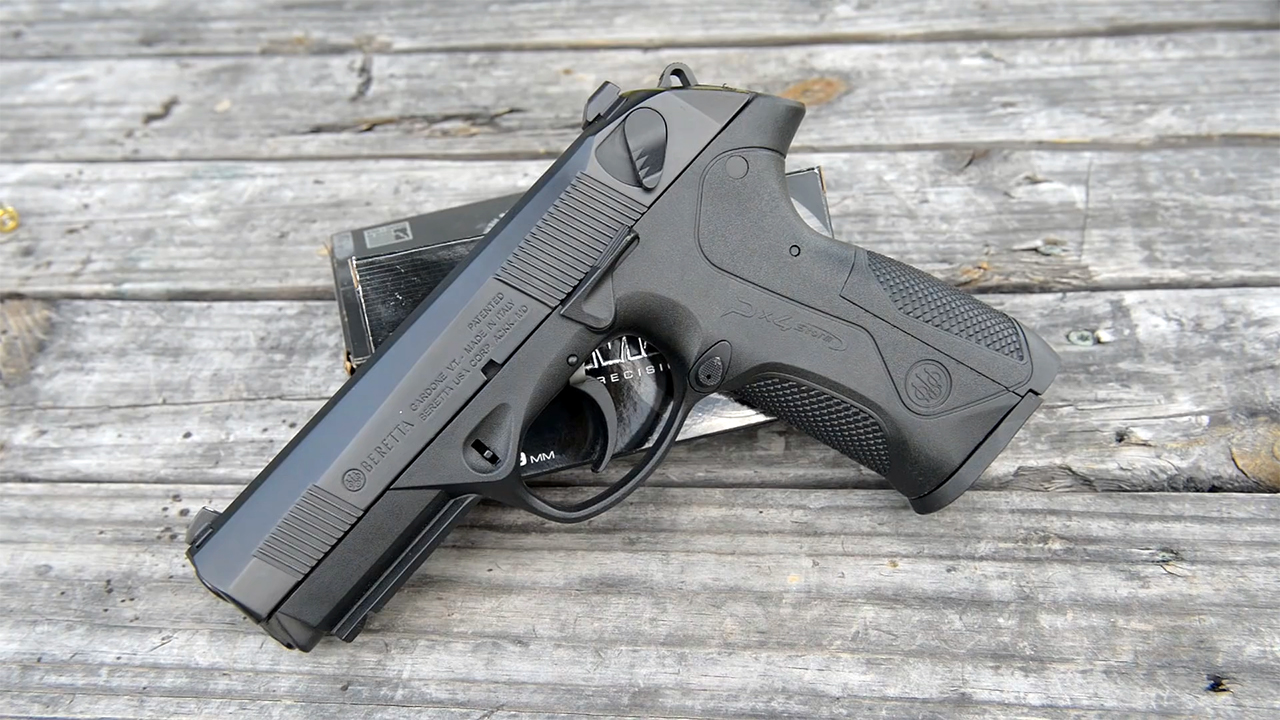
The PX4’s rotating-barrel system looks unusual beside the tilting barrels used by most modern pistols, but the design has earned a loyal following because it works and shoots remarkably softly for its size.
The rotating action helps distribute recoil differently, while the polymer frame keeps overall weight reasonable. The pistol is also relatively enclosed compared with Beretta’s 92-series guns, giving it a completely different character despite coming from the same manufacturer.
I particularly like the full-size and Compact models. Neither is chasing minimum dimensions, and that gives the operating system enough room to work without feeling overly stressed. The styling has never been universally loved, but reliability does not care how the slide looks. Once a PX4 proves itself, there is very little reason to replace it merely because the design is unconventional.
Springfield XD Service Model

The original XD Service Model earned a large following because it was dependable, straightforward, and priced competitively at a time when polymer service pistols were rapidly taking over. The grip safety received plenty of debate, but mechanically the pistol developed a reputation for tolerating serious use.
The design is heavier and taller through the slide than many newer competitors. I do not care very much if the gun is being chosen around reliability rather than minimum carry dimensions. That extra material does not automatically make a pistol better, but it certainly makes the XD feel substantial.
I would choose the basic service-length gun over the smallest variants if reliability were the priority. Full-size operating systems generally have more margin for spring wear, ammunition variation, and imperfect grip technique than extremely abbreviated pistols.
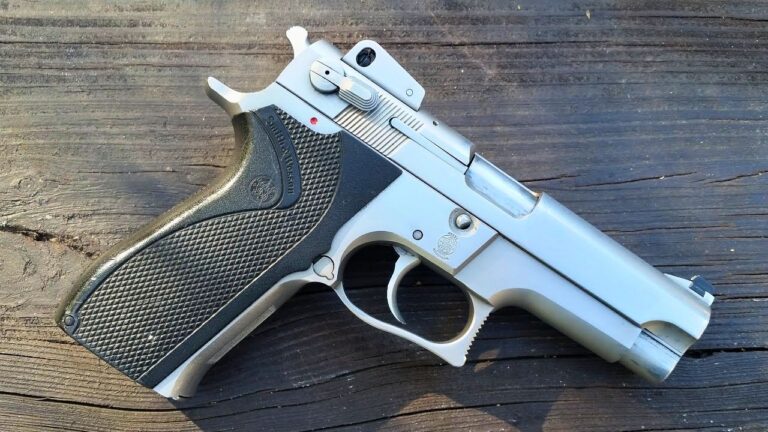
Smith & Wesson 5906
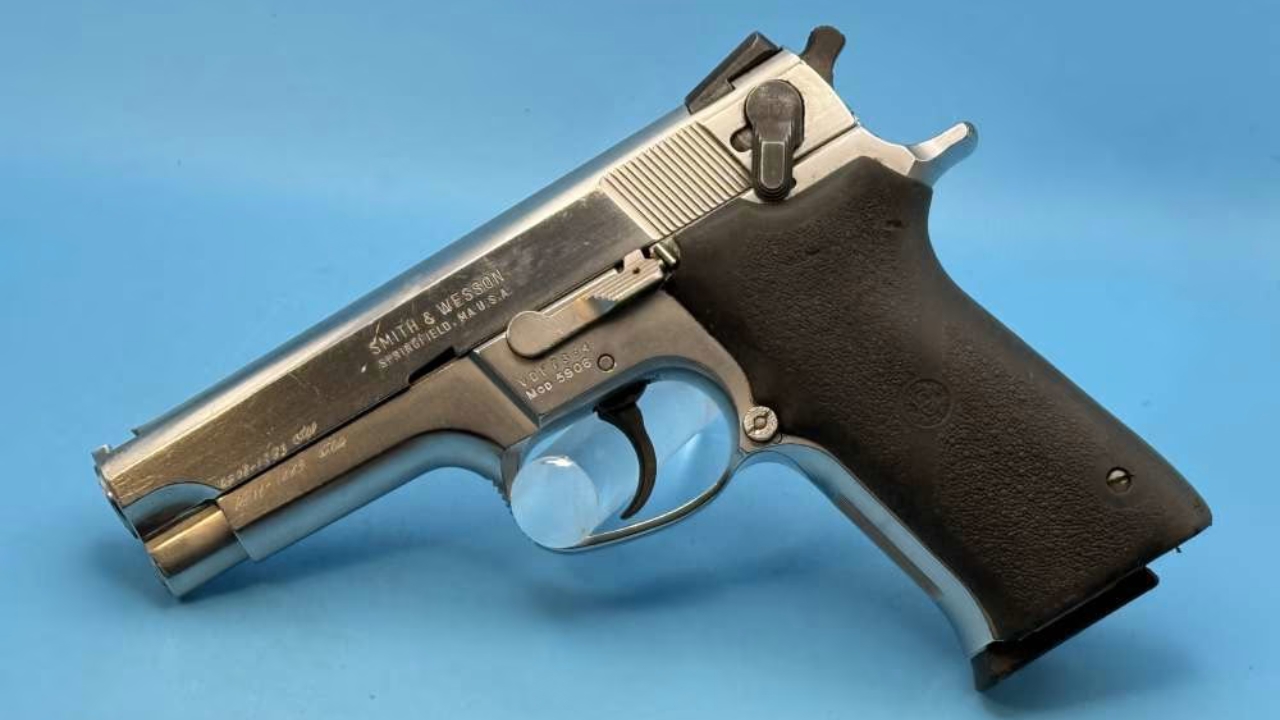
The 5906 belongs to an era when service pistols were expected to be made from large quantities of stainless steel. The result is heavy by modern standards, but the weight also makes the pistol exceptionally stable and gives the entire gun a durable, almost industrial feel.
Police departments used these pistols extensively, and plenty survived years of holster carry and qualification shooting before entering the used market. The DA/SA trigger may take practice, but once the first shot is fired, the heavy frame makes follow-ups exceptionally comfortable.
I would not recommend a 5906 to someone who wants the easiest pistol to carry all day. I would recommend it to someone who appreciates overbuilt machinery and wants a handgun that has already demonstrated what it can survive. Many old police pistols look worn because they were carried, not because they were worn out.
SIG Sauer P220
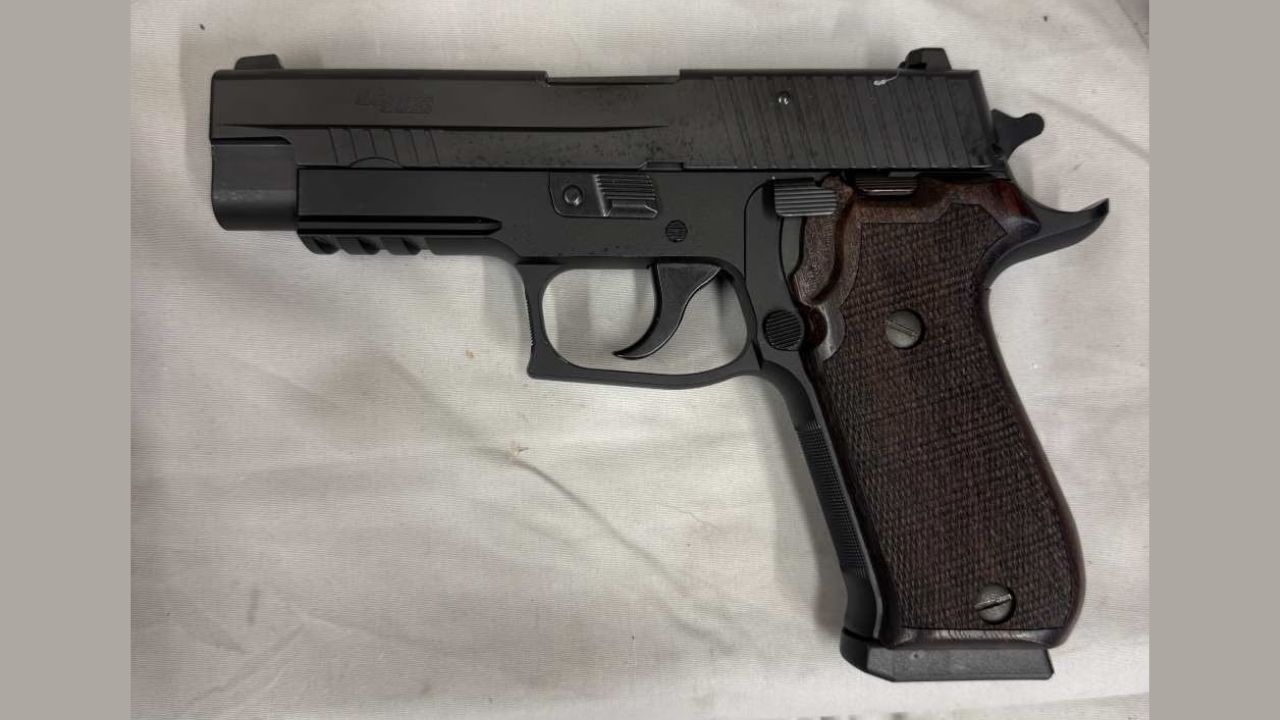
The P220 has been around long enough that the basic formula hardly needs introduction. It is a full-size, single-stack, hammer-fired pistol most strongly associated with .45 ACP, built around SIG’s traditional DA/SA operating system.
Its relatively modest capacity looks dated beside double-stack .45s, but that is not the criterion here. The P220 provides a straightforward feed path, mature magazines, a strong service history, and enough frame size that the .45 ACP cartridge does not feel like it is being forced into an undersized package.
I also appreciate how well understood the platform is. Springs and common service parts are familiar territory rather than mysteries. If I wanted a traditional .45 and valued dependable function more than magazine capacity, I would still be very comfortable choosing a P220.
Glock 26
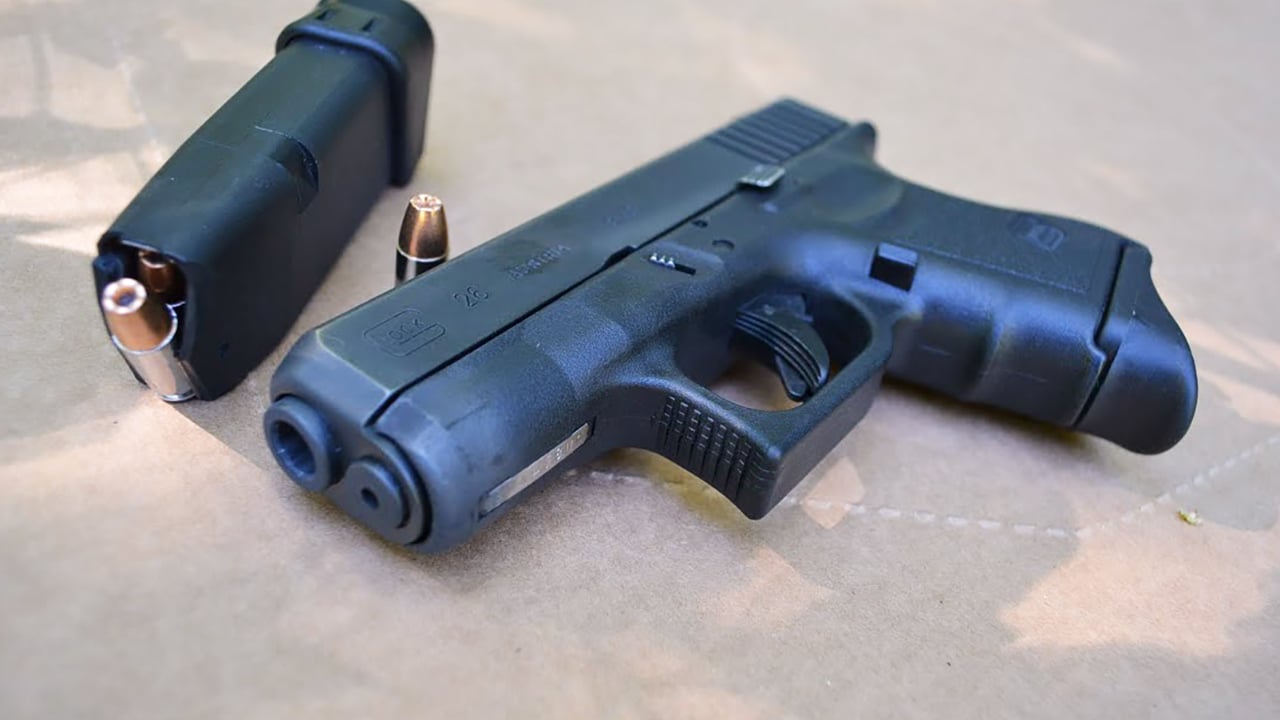
The Glock 26 is one of the smallest pistols I would include without feeling that reliability has been sacrificed merely to achieve tiny dimensions. It uses the same basic operating system as the larger Glock service pistols while remaining short enough for very easy concealment.
What makes the 26 particularly useful is compatibility with larger Glock magazines. The compact grip can be kept short for carry while longer magazines can be used for practice or as spares. That kind of compatibility is far more useful to me than decorative slide cuts or complicated modularity.
The pistol is thicker than many modern micro-compacts, and capacity relative to size no longer looks revolutionary. I can live with that. The Glock 26 has a long enough history that I know exactly what the design is supposed to do, and predictable reliability is the entire reason it remains relevant.
Like The Avid Outdoorsman’s content? Be sure to follow us.
Here’s more from us: