Photo credit: Justin Opinion/YouTube
Striker-fired pistols dominate modern handgun counters, but hammer-fired designs still offer things many shooters do not want to give up. A traditional double-action pistol gives you a long first trigger pull followed by lighter single-action shots. A good single-action pistol can provide one of the cleanest triggers available in a defensive handgun. You also get the ability to see and, on many designs, physically feel the hammer’s position.
The best hammer-fired pistols are not surviving purely because of nostalgia. Several remain active-duty-grade designs, while others dominate competition or premium carry categories. HK still lists the P30, USP, and HK45 families in its current support materials, while FN continues producing both the FNX and modern High Power. Whether I wanted a bedside pistol, concealed-carry gun, range pistol, or one metal-framed handgun to keep forever, these are the 20 I would look at hardest.
SIG Sauer P226 Legion

The P226 Legion is about as close as I can get to the complete traditional DA/SA service pistol. The full-size aluminum frame provides enough weight to keep 9mm exceptionally manageable, while the grip gives you substantially more control than a compact handgun. The Legion treatment also addresses many of the areas owners historically upgraded themselves, giving the pistol better controls, sights, grip treatment, and an improved trigger system.
What keeps the P226 relevant is how well it shoots. The first double-action pull requires deliberate pressure, but subsequent single-action shots can be extremely fast and precise. I also like having a decocker rather than a manual safety for this type of pistol. There are lighter guns and cheaper guns, but if I wanted one hammer-fired 9mm for serious range use and home defense, the P226 Legion would be extraordinarily difficult to beat.
CZ Shadow 2
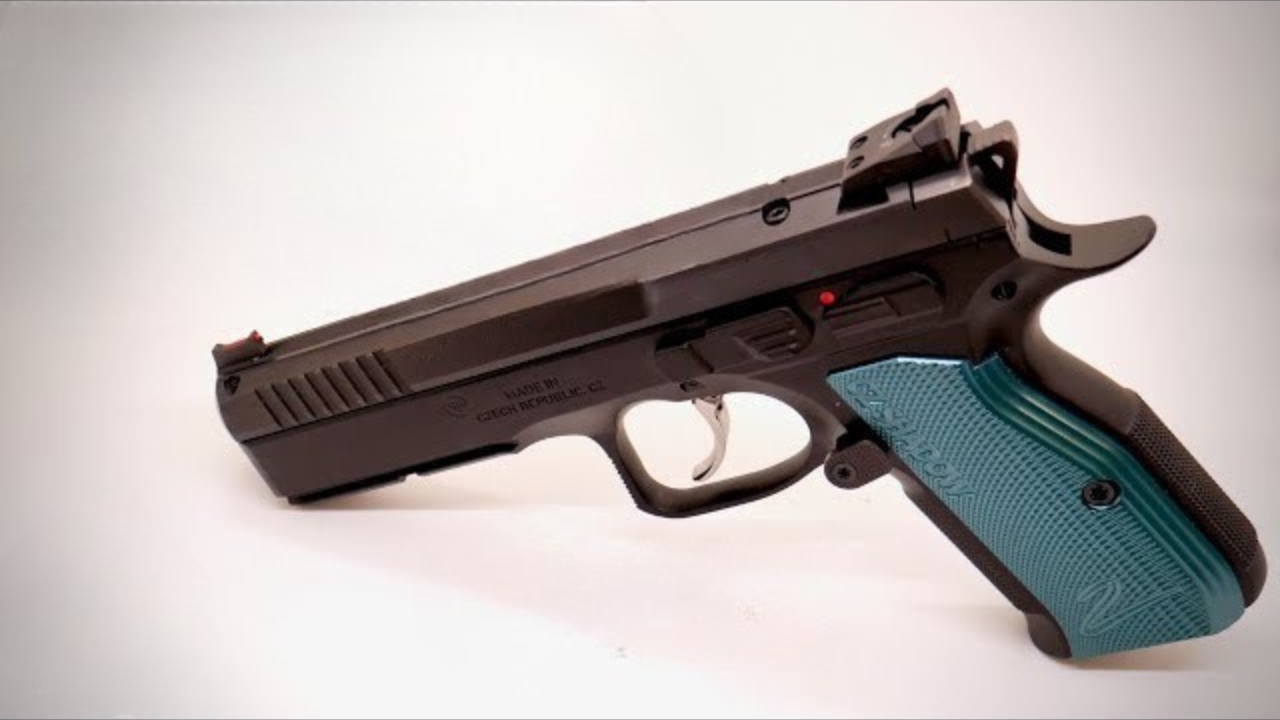
The Shadow 2 is what happens when the basic CZ 75 concept gets pushed heavily toward performance. The all-steel frame gives the pistol substantial weight, the slide rides low in the frame, and the grip geometry lets the shooter get remarkably high behind the gun. Recoil becomes less of an event and more of a slight movement before the sights settle again.
This is primarily a competition and range pistol in my mind rather than something I would choose for concealed carry. That specialization allows it to be exceptionally good at what it does. The single-action trigger can be excellent, the controls are easy to reach, and the heavy frame makes rapid strings almost ridiculously comfortable. If the question is which hammer-fired production pistol I would choose strictly because I wanted to shoot tight groups quickly, the Shadow 2 would be near the top.
Beretta 92X Centurion
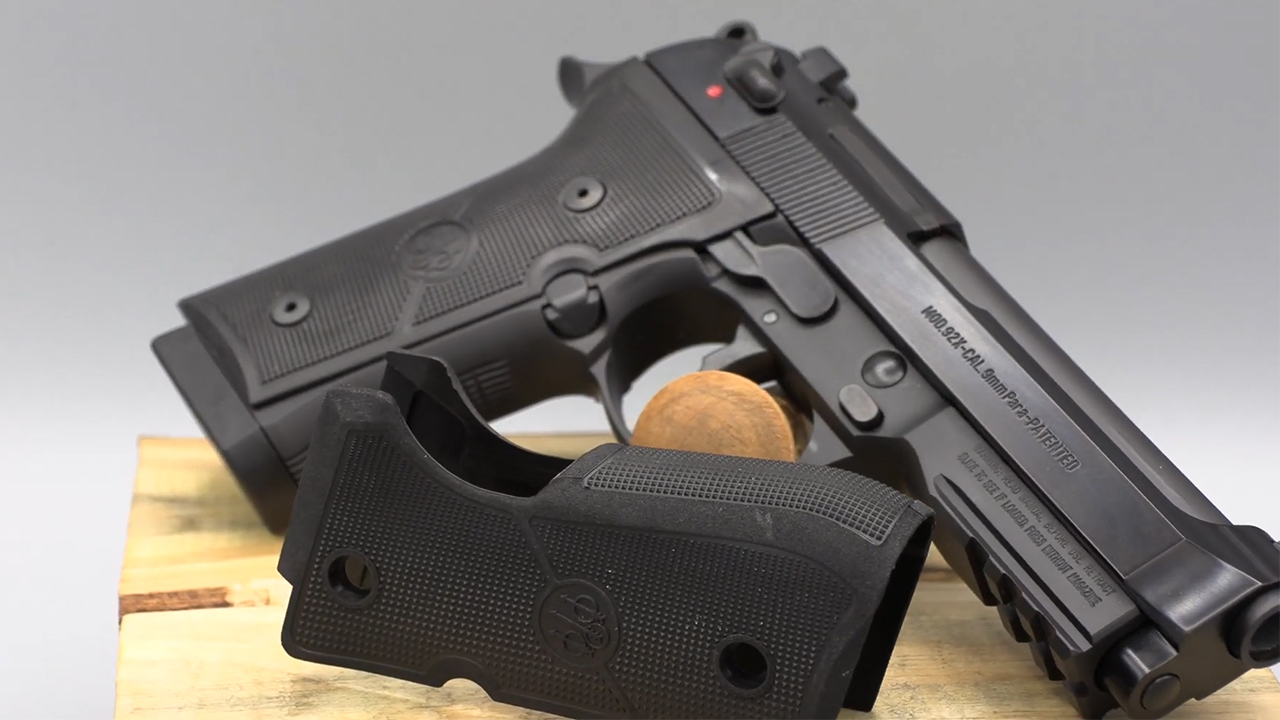
The 92X Centurion fixes many of the things people complained about with older Beretta 92 pistols while retaining what made the design excellent. The shorter Centurion slide and barrel make the gun handier than a full-size 92, while the modernized grip profile works better for shooters who found the traditional Beretta grip too large.
You still get the smooth operating system, open-slide design, substantial frame, and exceptionally soft recoil characteristics associated with the 92 family. I particularly like the Centurion dimensions because they give up very little shootability compared with the full-size pistol while making the gun easier to carry and maneuver. A good Beretta also tends to have an incredibly smooth double-action pull after it has been used. For someone who wants a traditional metal service pistol without carrying the largest version available, this is one of my favorite configurations.
Heckler & Koch P30L V3
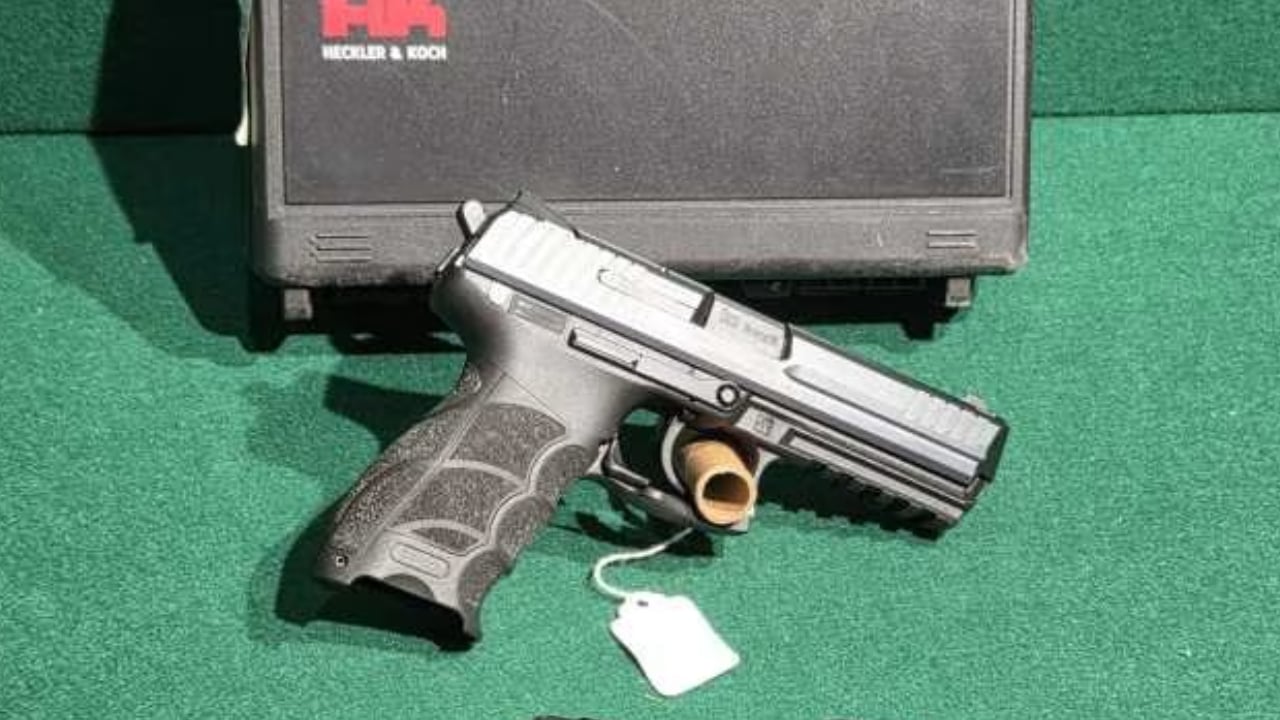
The P30L combines old-school hammer-fired operation with one of the most adaptable polymer frames ever put on a service pistol. HK uses interchangeable backstraps and side panels, allowing the grip to be altered much more extensively than the basic backstrap systems used on many competitors. The V3 version gives you a conventional DA/SA trigger with a decocking control at the rear of the slide.
Durability is the real reason the P30L belongs here. HK’s own current literature references an independent endurance test in which a P30 fired more than 90,000 rounds. The trigger is not as refined out of the box as a Shadow 2 or tuned SIG, but I can forgive that in a pistol designed around serious service life. The longer P30L slide also gives the pistol wonderful balance without becoming overly heavy.
CZ P-01

The P-01 may be my favorite compact traditional DA/SA pistol because it manages to feel substantial without becoming difficult to carry. The aluminum frame keeps weight reasonable, while the compact slide and excellent CZ grip shape give you enough pistol to shoot confidently. Unlike many tiny carry guns, it does not feel as though every dimension was shortened until comfort disappeared.
I particularly like the decocker-equipped configuration. For everyday use, the heavier first trigger pull followed by single-action operation makes sense to me, and the pistol remains narrow enough that inside-the-waistband carry is realistic. The trigger usually improves with use, and the aftermarket is extensive if you eventually want refinement. There are smaller carry guns, but the P-01 is the kind of pistol that reminds me why shrinking a defensive handgun as much as possible is not always the answer.
SIG Sauer P229 Legion
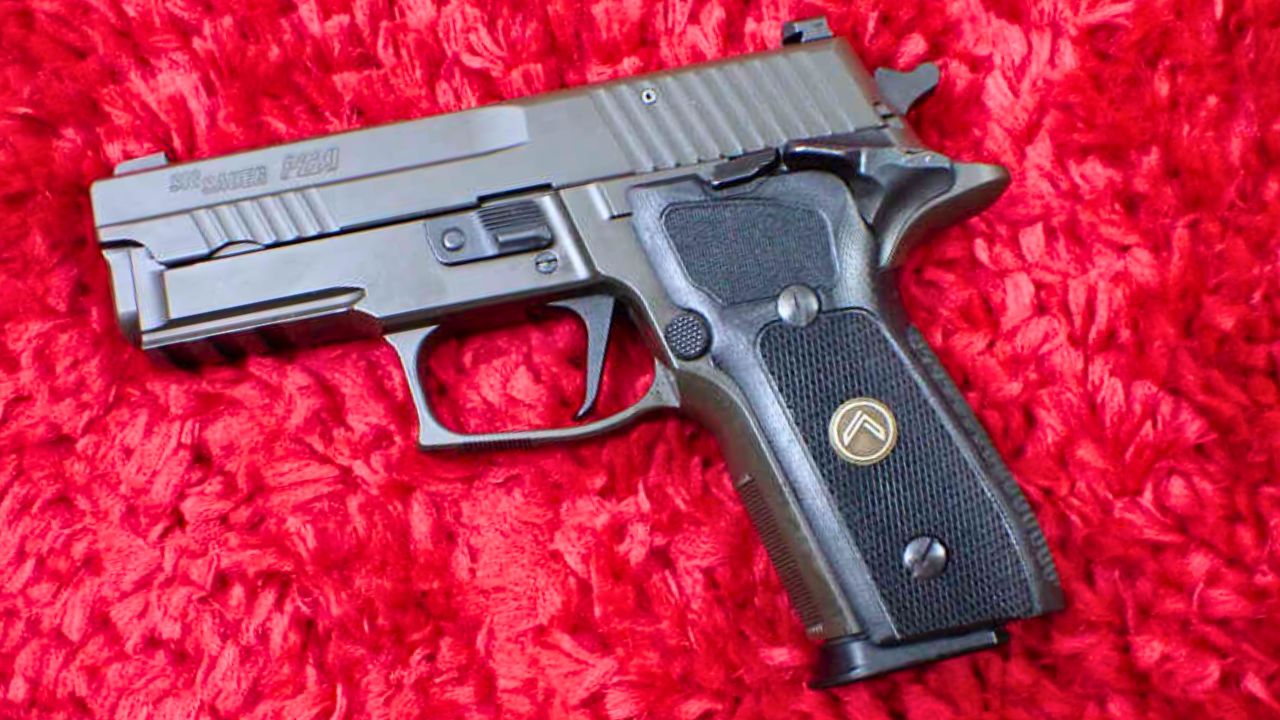
If the P226 is the classic full-size SIG, the P229 Legion is the one I would choose when I wanted most of that experience in a more compact package. The shortened slide and grip make the gun easier to carry, but the aluminum frame still provides enough weight that it shoots much more comfortably than the smallest modern 9mms.
The Legion configuration matters here because the P229 responds extremely well to improvements in trigger geometry and controls. A good P229 has a wonderfully smooth feel once the first double-action shot is out of the way, and the pistol settles naturally during rapid single-action shooting. I would not call it lightweight by modern carry standards, but that weight is exactly why it feels so stable. Someone willing to carry a little more gun gets substantially more shootability in return.
Beretta PX4 Storm Compact Carry 2

The PX4 is one of the most underappreciated hammer-fired designs of the modern era. Instead of using the more common tilting-barrel system, the PX4 uses a rotating barrel. In the Compact Carry versions, Beretta and Langdon Tactical have taken the basic design and refined the controls, trigger behavior, sights, and carry-oriented details.
The result is a compact pistol that shoots softer than its dimensions would suggest. I find that particularly valuable because compact guns usually demand some sacrifice in recoil management. The PX4 does not feel like it is fighting the shooter every time it cycles. Its appearance has always been divisive, which probably kept more people from trying one. Once you ignore the unconventional styling, though, you are left with an extremely capable DA/SA pistol that works beautifully as both a carry gun and a serious range pistol.
HK USP Compact
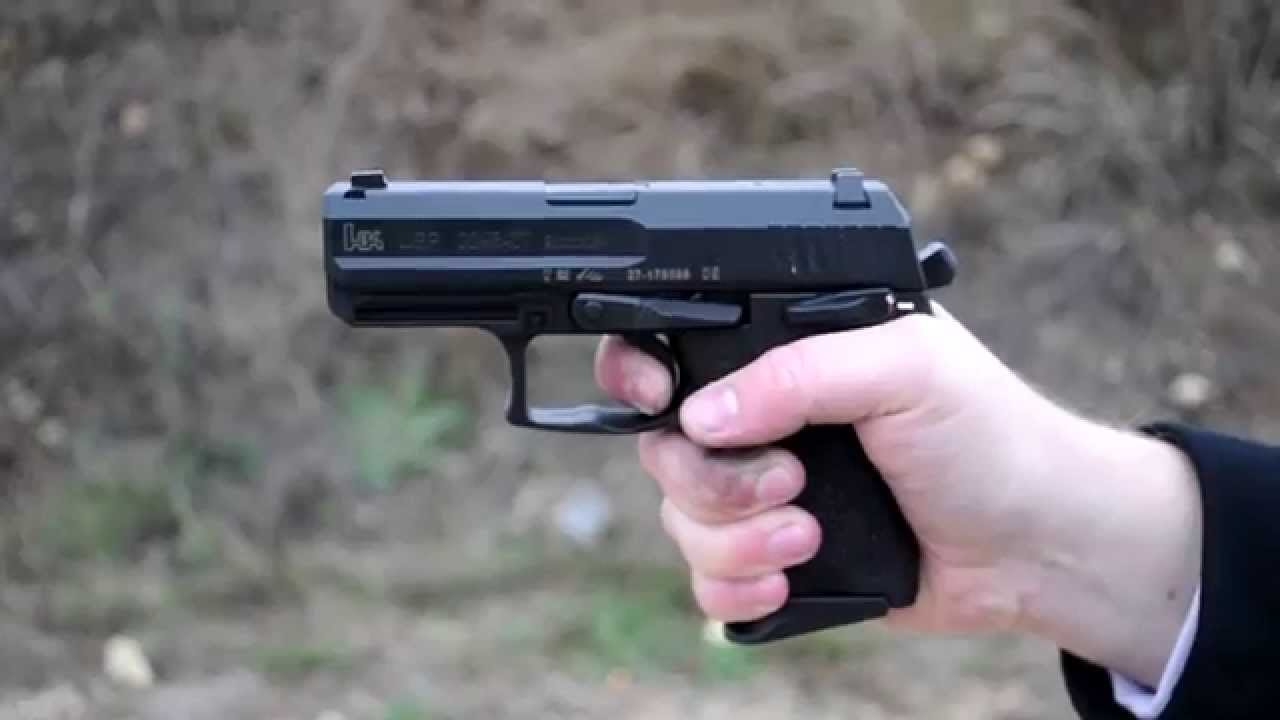
The USP Compact is old enough that almost everything about it looks different beside today’s newest handgun designs. The slide is chunky, the controls are large, and the grip lacks the extensive modularity of HK’s later pistols. None of that changes how extraordinarily durable the platform has proven to be.
I like the Compact because it retains the mechanical confidence of the full-size USP without requiring nearly as much room. Different control variants also allow shooters to choose between safety and decocking arrangements depending on preference. HK continues to support the USP family in its current materials, which is remarkable considering how long the basic design has been around. It may never win an ergonomics contest against newer pistols, but if I wanted a hammer-fired gun that felt engineered with an enormous durability margin, the USP Compact would remain high on my list.
FNX-45 Tactical
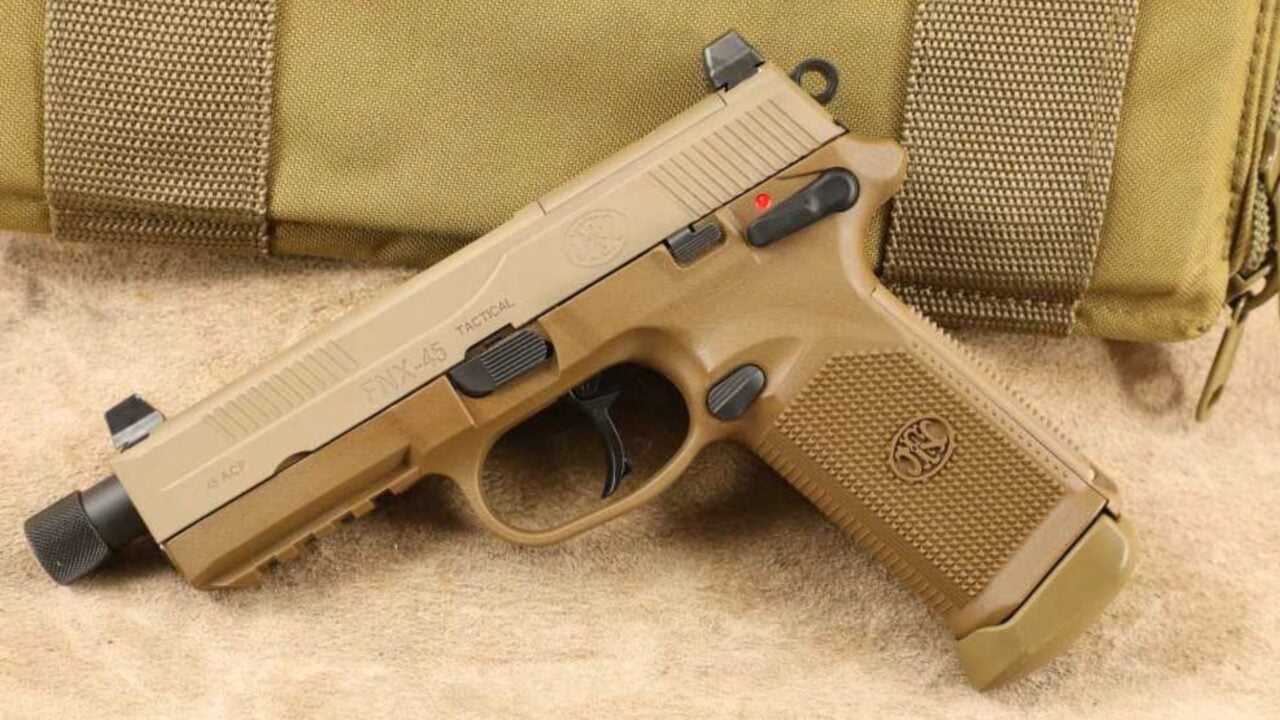
The FNX-45 Tactical is enormous because it was never designed around being discreet. This is a full-size .45 ACP pistol with substantial magazine capacity, an optics-ready slide, threaded barrel, suppressor-height sights, and a DA/SA hammer-fired operating system. FN currently lists the Tactical with 10- or 15-round magazines depending on configuration.
That makes the FNX exceptionally well suited to someone who wants a full-size .45 for the range or home. The polymer frame keeps the gun lighter than its dimensions suggest, while the large grip gives you plenty of control. I would not want to conceal one every day, but that is not the standard I would use to judge it. As a feature-heavy, high-capacity hammer-fired .45 that comes prepared for optics and other modern accessories, the FNX-45 Tactical still occupies a surprisingly unique position.
Staccato C2
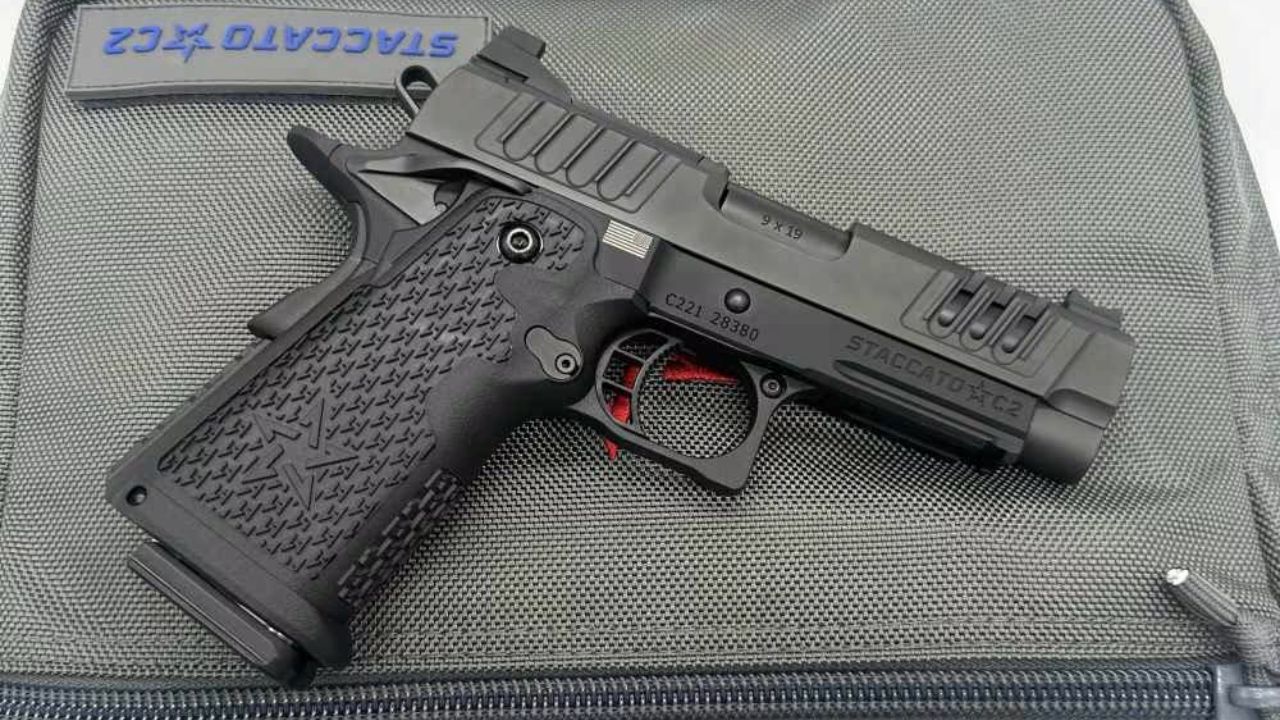
The C2 takes the 2011 concept and shrinks it into something that can realistically serve as a concealed-carry pistol without giving up the trigger quality and shootability that make people want a 2011 in the first place. The single-action trigger is where the difference becomes immediately obvious. Compared with most striker-fired carry guns, the break feels short and clean, making precise shooting remarkably easy.
You are paying considerably more than you would for a conventional compact pistol, and the C2 demands that the owner understand single-action carry and the manual safety. I do not consider either point a deal breaker for the right shooter. What you receive in return is a compact handgun that behaves like a much larger performance pistol on the range. If shootability is the priority and budget is secondary, the C2 makes a strong argument for keeping the hammer.
Wilson Combat EDC X9

The EDC X9 feels like someone took the qualities people love about a great 1911 and rebuilt the entire concept around modern 9mm carry. You get a crisp single-action trigger and excellent ergonomics without being locked into the traditional single-stack Government Model format.
The quality becomes obvious when you manipulate the pistol. Controls feel deliberate, slide-to-frame movement is refined, and the trigger is exactly what someone spending this kind of money expects. It is also compact enough that carrying it does not feel absurd.
The price keeps it out of reach for plenty of shooters, and I would never argue that you need an EDC X9 to defend yourself effectively. That is not why it belongs here. It belongs because it demonstrates how good a hammer-fired carry pistol can become when manufacturing cost is not the primary limitation.
Springfield Armory Garrison 1911
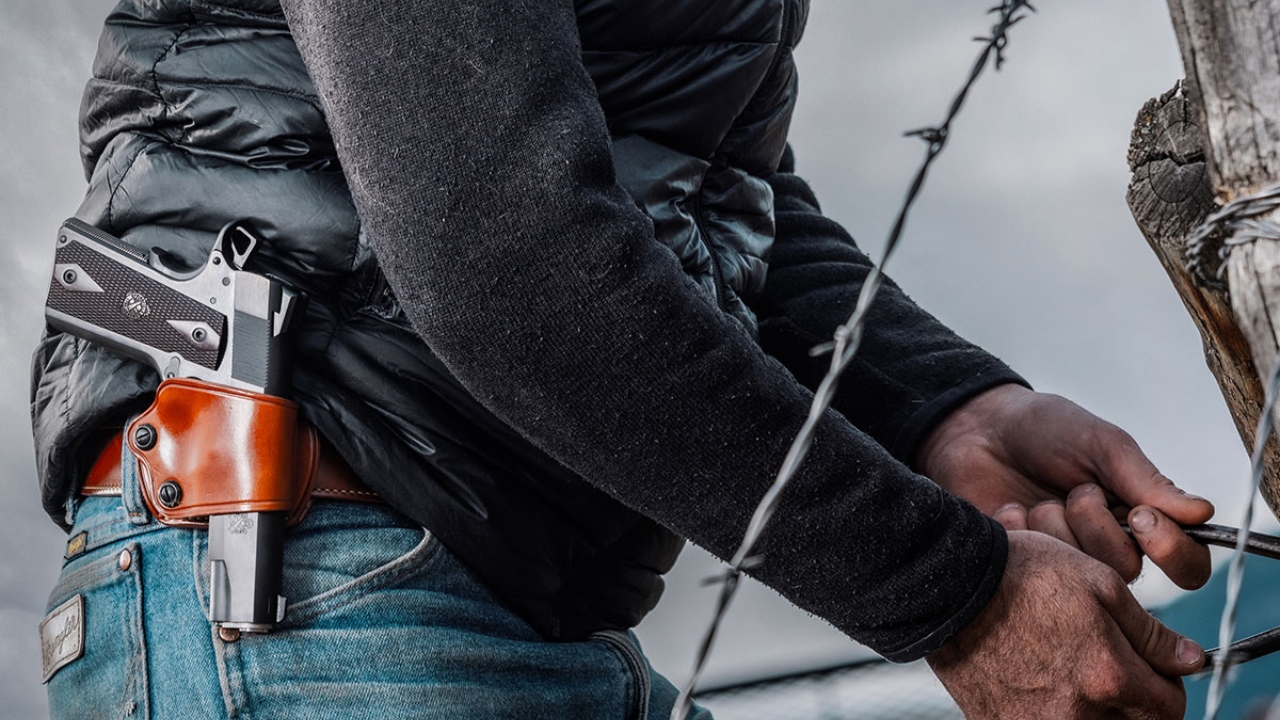
The Garrison is one of my favorite examples of how little you actually need to change about a good 1911. Springfield gives you traditional Government Model proportions, good sights, sensible controls, and enough modern manufacturing quality that the pistol does not feel like a bare-bones GI reproduction.
I especially like the Garrison for someone who wants the classic 1911 experience without immediately stepping into semi-custom pricing. The steel-frame versions have enough weight to make .45 ACP extremely comfortable, while the single-action trigger reminds you why the design has survived for so long.
Magazine selection and ammunition compatibility still deserve attention with any 1911, but that does not change the basic appeal. A Garrison gives you excellent ergonomics and one of the best trigger systems ever put in a service-style handgun without adding unnecessary tactical decoration everywhere.
Colt Combat Unit Government
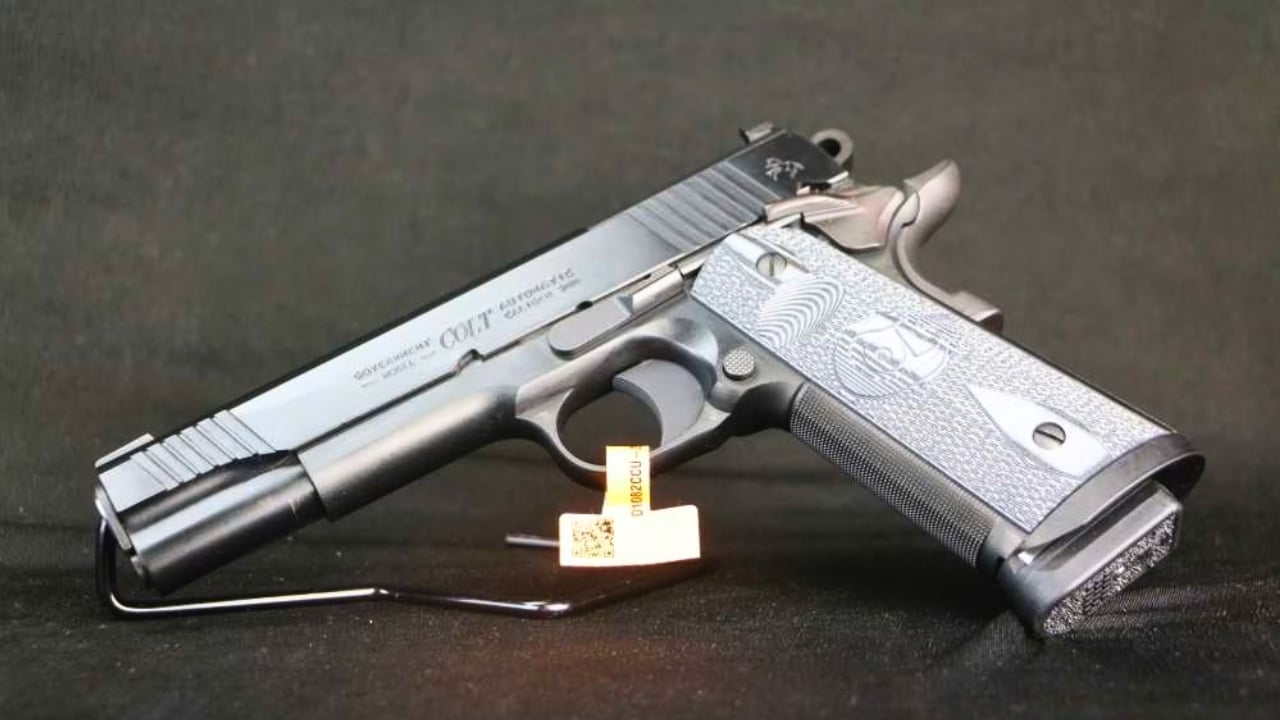
The Colt Combat Unit Government Model takes the classic 1911 and moves it toward serious modern use without completely changing the gun’s identity. You still have a steel-frame single-action pistol built around John Browning’s basic architecture, but the controls, sights, grip treatment, and overall configuration are far more useful than an old GI-style pistol.
What keeps Colt interesting to me is that there is still something satisfying about owning the gun with the original 1911 lineage behind the name. That alone would not earn it a place here if the pistol did not shoot well, but a properly fitted Colt Government Model can be remarkably easy to shoot accurately.
I would choose this over a heavily ornamented 1911 every time. Give me useful sights, a good trigger, secure grip texture, and dependable magazines. Everything else comes well after those fundamentals.
FN High Power

The current FN High Power is not merely a reproduction of the old Browning pistol. FN redesigned the platform extensively while preserving enough of the external appearance and handling to make the lineage obvious. The modern pistol uses a 17-round magazine, updated barrel lockup, ambidextrous controls, a longer beavertail, and eliminates the original design’s magazine disconnect.
That last change is especially important because the original magazine disconnect was one of the things that could work against the classic Hi-Power’s trigger. The modern FN is larger and heavier than some enthusiasts expected, but it also feels far more like a current-production service pistol. If I wanted the character of a traditional all-metal single-action handgun with modern capacity and fewer historical compromises, the FN High Power would be extremely appealing.
Browning Hi-Power
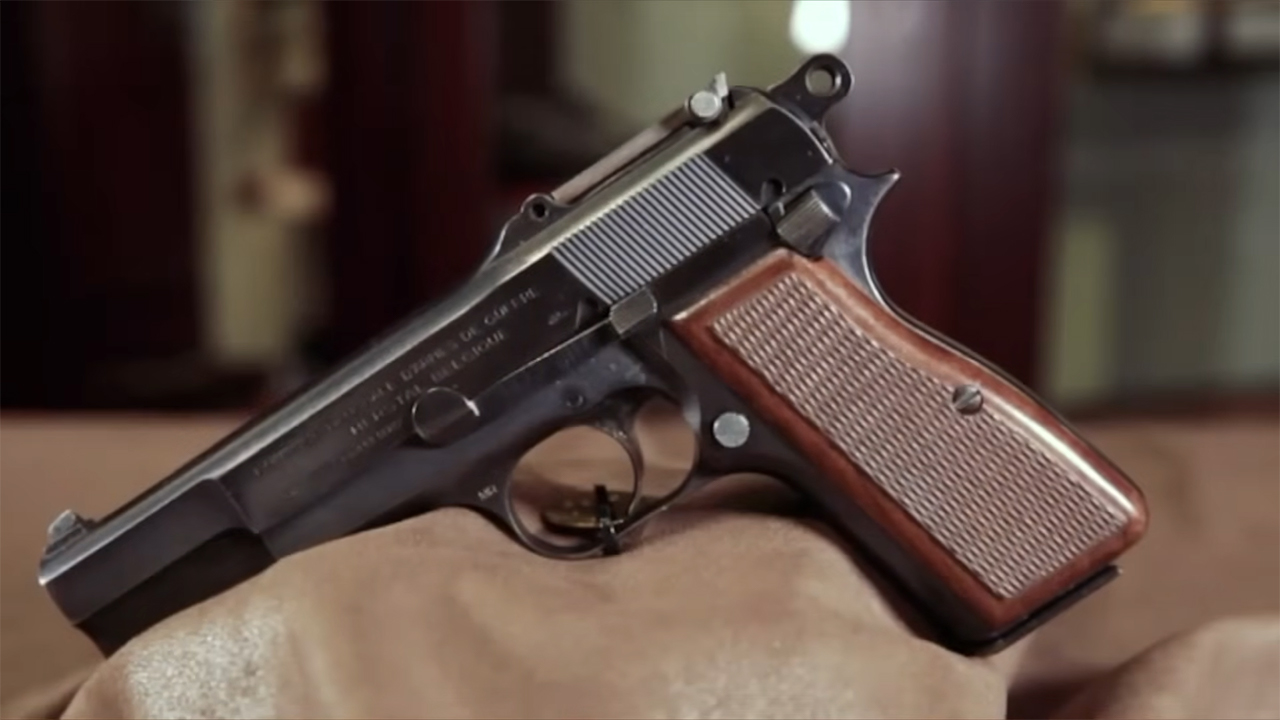
The original Hi-Power remains one of the most important hammer-fired pistols ever made. Its double-stack magazine was extraordinarily advanced for the 1930s, yet the pistol stayed slim enough that the grip still feels excellent by current standards. That combination explains why military and police organizations around the world used it for decades.
Age does expose some compromises. Traditional sights can be small, the magazine disconnect affects the trigger on many examples, and older pistols were never designed around today’s hottest ammunition or mounted optics. I can accept all of that because the Hi-Power is one of the few historical pistols that still feels fundamentally modern in the hand.
I would not heavily modify a valuable Belgian example. For pure shooting, later commercial guns make more sense. Either way, few hammer-fired pistols have influenced the category more.
HK45

The HK45 took lessons from the USP and P30 eras and applied them to a modern .45 ACP service pistol. Compared with the blockier USP45, the grip is dramatically more ergonomic, controls are easier to manipulate, and the overall gun feels more sculpted around the human hand.
It is still a large pistol, but .45 ACP benefits from having enough frame to control it. The HK45 provides that without becoming absurdly heavy because the frame remains polymer. HK currently continues to list the HK45 family in its support materials.
I would pick one for someone who wants a durable hammer-fired .45 but finds the FNX too large or a traditional 1911 too maintenance-sensitive for his preferences. The trigger will not beat a tuned single-action pistol, but the combination of ergonomics, durability, and DA/SA operation is excellent.
Beretta 80X Cheetah
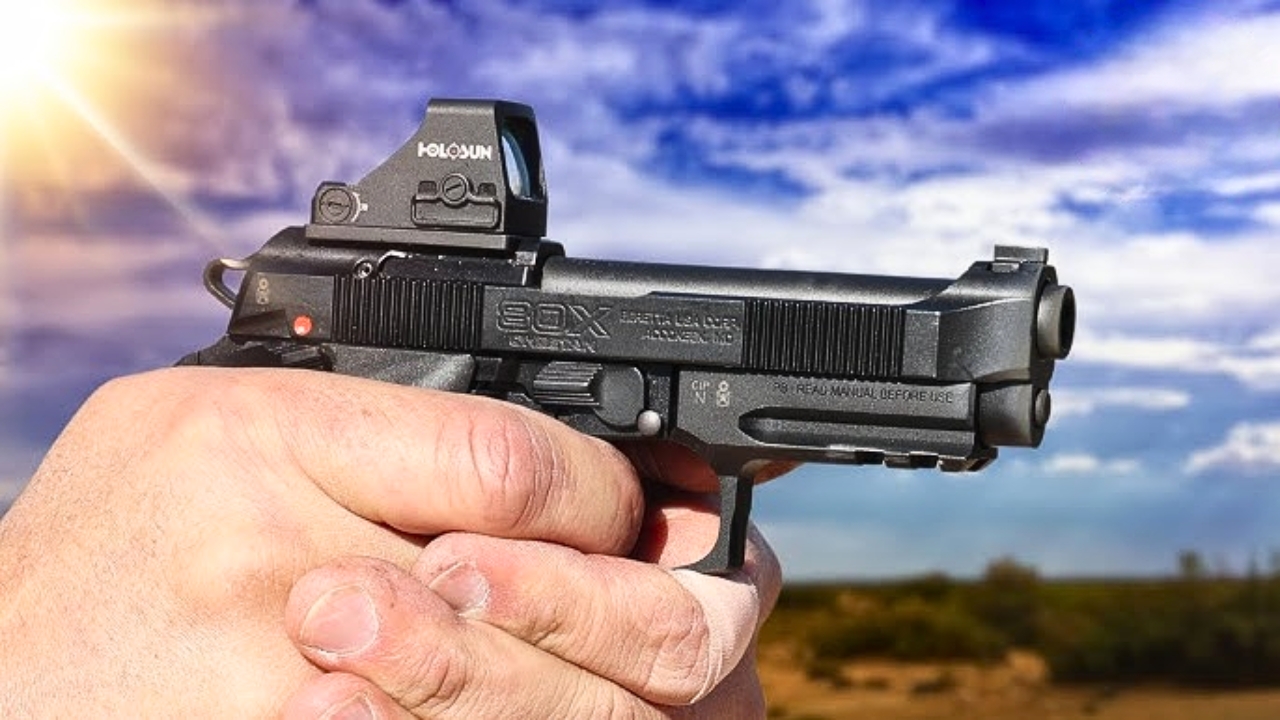
The 80X Cheetah is one of the most interesting modern hammer-fired carry pistols because it revisits the traditional metal-framed .380 without pretending it is still 1985. Beretta took the basic Cheetah concept and updated the controls, grip, sights, and optics capability for the current carry market.
The result occupies an unusual space. It is larger than the tiniest pocket .380s, but that extra size makes it dramatically more enjoyable to shoot. The .380 chambering combined with the metal frame also keeps recoil mild compared with ultra-light pocket guns.
If absolute minimum dimensions matter, there are smaller choices. If someone wants a compact hammer-fired pistol that can actually be enjoyable during a long practice session, the 80X makes far more sense. I think it is exactly the kind of pistol that proves not every carry gun needs to become a miniature striker-fired 9mm.
SIG Sauer P210 Carry

The P210 has always been associated with exceptional accuracy and old-world manufacturing, and the Carry takes that basic single-action concept in a more practical direction. It is still not a bargain pistol or a high-capacity service gun. What it provides is an unusually refined shooting experience in a handgun compact enough to carry if the owner chooses.
The trigger and mechanical smoothness are the reasons to want one. There are pistols with more capacity, lighter frames, and broader accessory support. None of those specifications explain the P210’s appeal.
I would choose this for someone who values precise shooting and workmanship far more than having every contemporary feature. It is almost the opposite of a utilitarian polymer pistol. The P210 makes the argument that refinement itself can still be a legitimate reason to choose a hammer-fired handgun.
CZ 75 SP-01
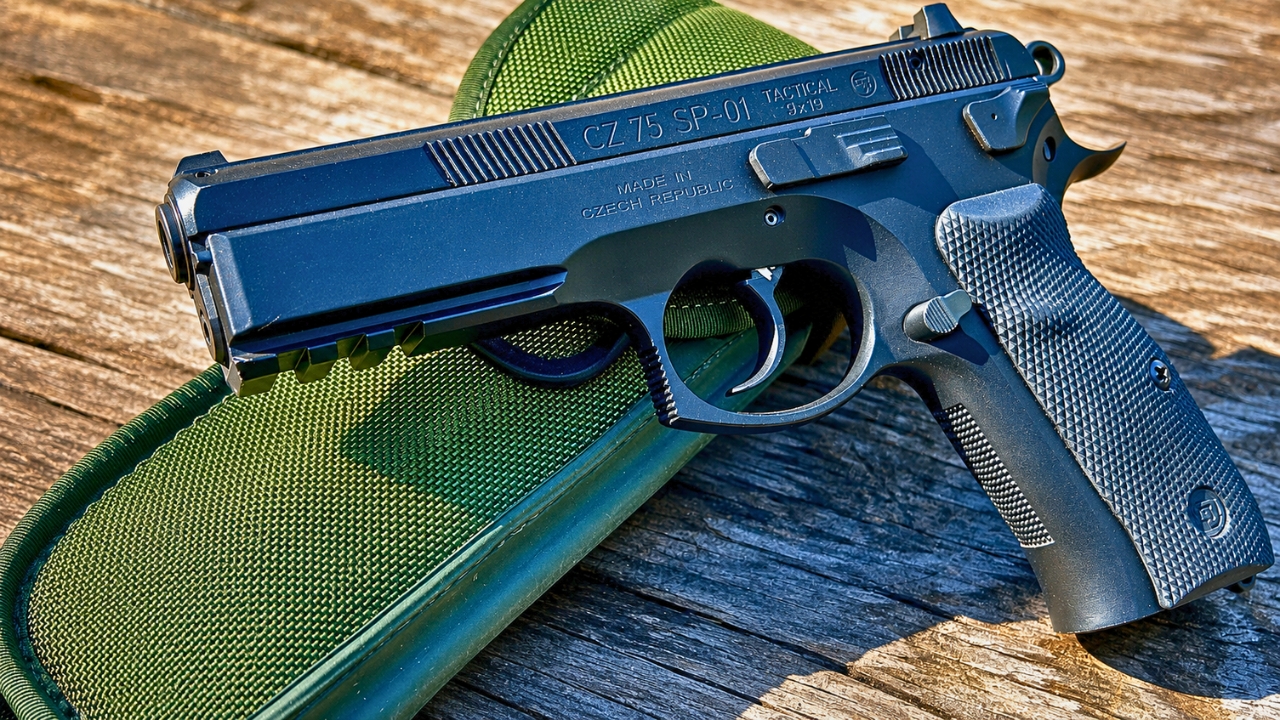
The SP-01 takes the classic CZ 75 and adds enough weight and modern features to make it one of the easiest full-size DA/SA pistols to shoot well. The steel frame absorbs recoil, the extended dust cover adds weight toward the muzzle, and the extremely low slide profile keeps the gun settled during quick follow-up shots.
It is heavy enough that I would not choose it as my first concealed-carry option. For home use and the range, that weight becomes a major advantage. The grip also remains one of the best in the business for shooters whose hands fit the CZ shape.
Another advantage is how much potential the platform has. A stock SP-01 is already excellent, but trigger work can transform one into something approaching competition-pistol refinement. If I wanted a traditional full-size metal 9mm without paying premium custom prices, the SP-01 would be very hard to overlook.
Tanfoglio Stock II

The Stock II is built for the shooter who loves the CZ 75 concept but wants something pushed much further toward competition. Tanfoglio uses a heavy steel frame, excellent ergonomics, and a DA/SA trigger system that can become exceptionally refined. The weight and low bore relationship make the pistol settle back onto target incredibly quickly.
This is another gun I would not pretend is optimized for concealed carry. It belongs at the range or in competition, where its mass becomes an advantage rather than something you have to hide under clothing.
What I appreciate most is that the Stock II still provides the mechanical involvement of a traditional hammer-fired pistol while delivering extremely modern performance. Striker guns may dominate practical handgun sales, but a pistol like this shows why competition shooters continue extracting extraordinary results from steel-frame hammer-fired designs.
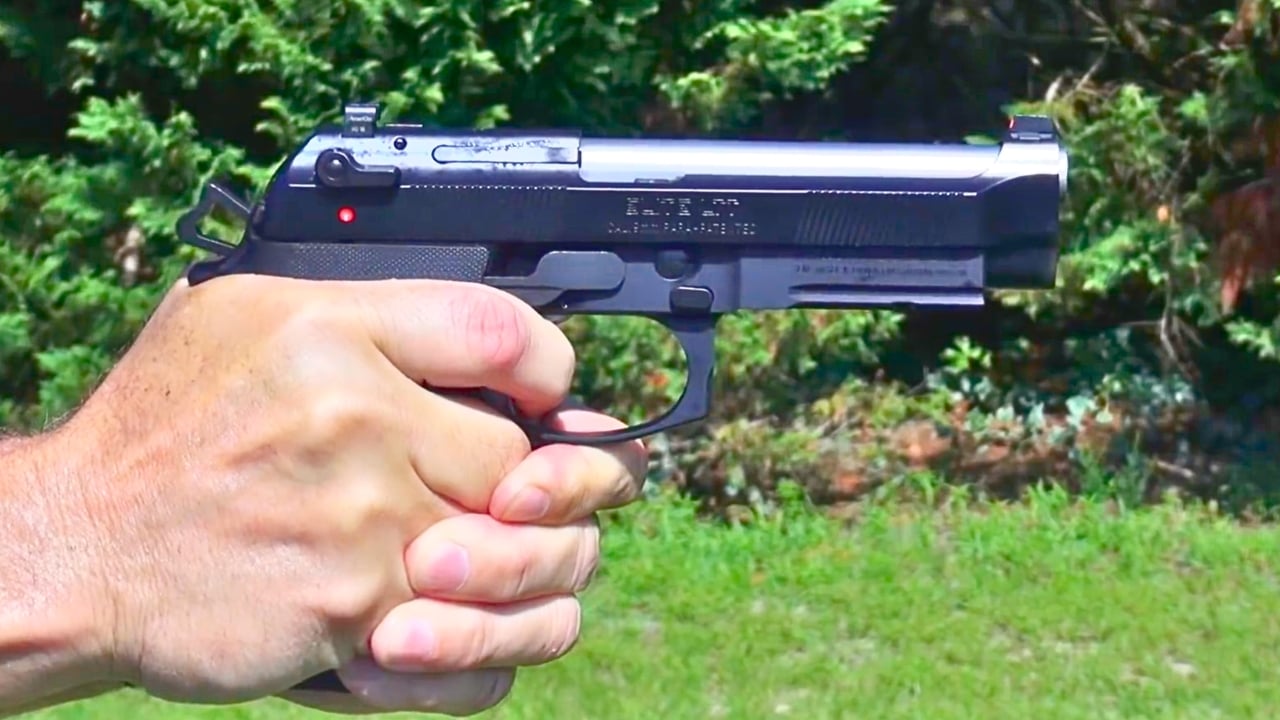
Langdon Tactical 92 Elite LTT
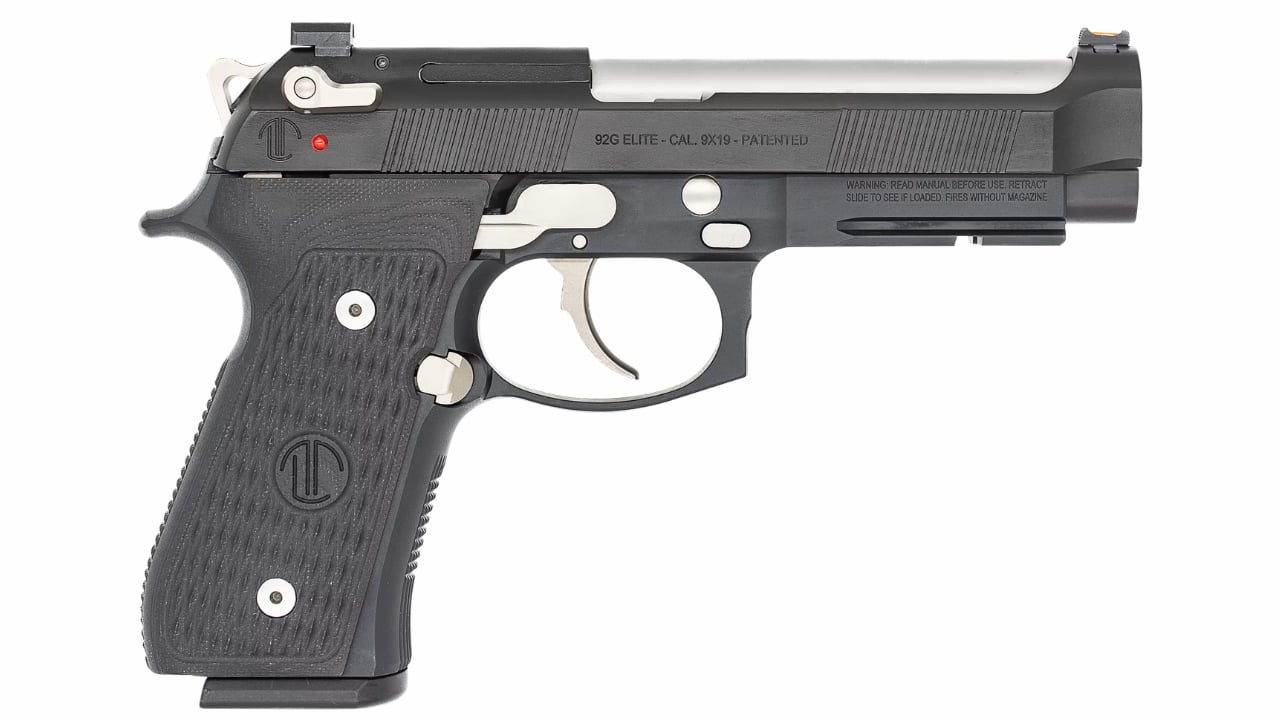
The 92 Elite LTT takes everything fundamentally good about Beretta’s 92-series pistol and removes many of the excuses people have for criticizing it. Langdon Tactical’s work on the action can transform the DA/SA trigger, while the Vertec-style grip options, better sights, and available optics solutions turn the old military-style platform into something that feels thoroughly current.
I consider this different enough from a normal 92X to justify its own place. The standard Beretta is already an excellent pistol. The LTT shows what happens when specialists who deeply understand the platform refine the pieces that matter most.
The result can be incredibly fast and easy to shoot. It remains a large handgun, but the recoil impulse is mild and the trigger can be outstanding. If someone told me he wanted the best possible version of the traditional Beretta 92 experience rather than merely a good factory example, this is where I would send him.
Like The Avid Outdoorsman’s content? Be sure to follow us.
Here’s more from us: