Photo credit: Wyoming Gun Project/YouTube
DA/SA pistols are never going to dominate the handgun market the way striker-fired designs do now, but that does not mean the system has become obsolete. A good traditional double-action pistol gives you a deliberate first trigger pull with no manual safety required, followed by lighter single-action shots once the slide cycles. For shooters willing to practice that transition, the system remains extremely capable.
What has changed is the selection. Some of the best DA/SA pistols ever made are no longer in normal production, while others survive because their manufacturers continue improving designs that have already been proving themselves for decades. I would not buy one simply because it has a hammer. The good ones combine reliability, ergonomics, a useful decocker or safety system, and a trigger that actually rewards practice. These are the DA/SA pistols I still think are worth owning.
SIG Sauer SP2022

The SP2022 may be one of the most underappreciated pistols SIG ever sold. It gives you the basic SIG DA/SA operating system in a polymer-framed package, making it lighter and usually much less expensive than the P226 or P229. The decocker works exactly the way I want one to work, and the pistol still feels substantial enough that shooting it does not resemble wrestling with a micro-compact.
What makes the SP2022 worth owning is value. You are getting a genuine traditional SIG trigger system, full-size controls, and a service-pistol layout without necessarily paying classic metal-frame SIG money. The first double-action pull takes practice, but once the hammer is back, the gun settles into an extremely usable single-action rhythm. It has never had the prestige of SIG’s aluminum-frame pistols, which may be exactly why it remains such a smart gun to buy.
CZ 75D PCR Compact

The PCR is one of the DA/SA carry pistols I would most hate to see disappear. CZ takes the basic 75 design, uses a lightweight alloy frame, shortens the package, and gives the pistol a decocker instead of a manual safety. The result is compact enough to conceal while retaining the grip shape and low slide profile that make CZ pistols so easy to shoot.
I particularly like the PCR because it does not chase minimum dimensions. There is enough grip to control the gun comfortably, and the weight is still substantial enough to smooth out recoil. The first trigger pull can feel heavy on a new example, but the system rewards practice. If someone wants a traditional carry pistol without moving into a thick service gun, the PCR occupies a very difficult size category to improve upon.
Heckler & Koch P2000 V3
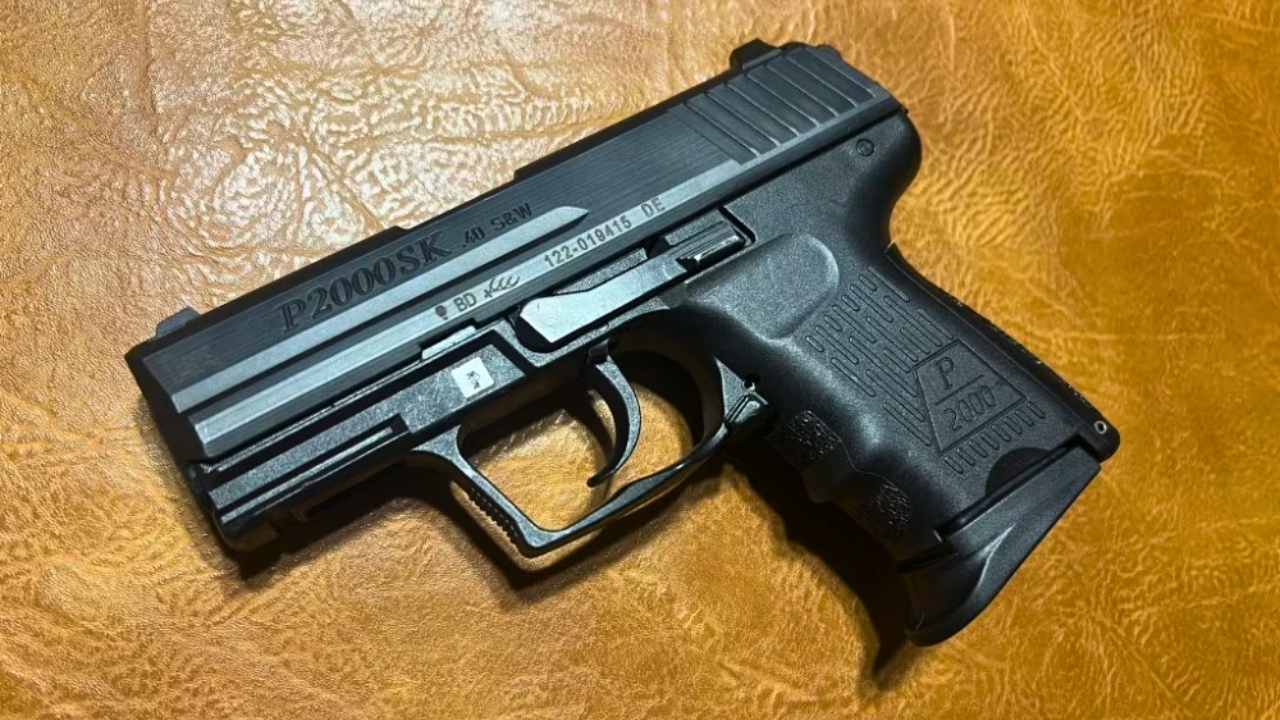
The P2000 tends to get lost between the USP and P30, but that actually makes it one of HK’s more interesting DA/SA pistols. The V3 gives you a conventional double-action first shot and single-action follow-ups, while the rear-mounted decocker keeps the controls compact.
Ergonomically, it feels much more modern than the USP without becoming as aggressively sculpted as the P30. Interchangeable backstraps help fit different hands, and the entire pistol has the durable, service-oriented feel people expect from HK.
I especially like the P2000 as a carry gun because it is compact without becoming tiny. The slide and recoil system have enough room to operate comfortably, and the grip gives you enough leverage to shoot quickly. It may never have been HK’s most glamorous pistol, but that is not the same thing as being outdated.
SIG Sauer P225-A1

The P225-A1 arrived at an awkward time. Single-stack 9mm pistols were still relevant, but high-capacity micro-compacts were about to redefine what shooters expected from a carry gun. That made a beautifully built, relatively low-capacity DA/SA SIG difficult to justify on a specification sheet.
The pistol makes much more sense when you stop judging it purely by capacity. The slim grip feels excellent, the aluminum frame keeps the gun manageable without making it excessively light, and the traditional SIG controls are extremely familiar to anyone who already understands the system.
I would not choose it over every modern carry gun. I would own one because it represents a style of compact metal pistol that has almost vanished. For someone who values handling and trigger feel more than squeezing maximum ammunition into minimum dimensions, the P225-A1 remains a wonderful handgun.
Beretta 8000 Cougar
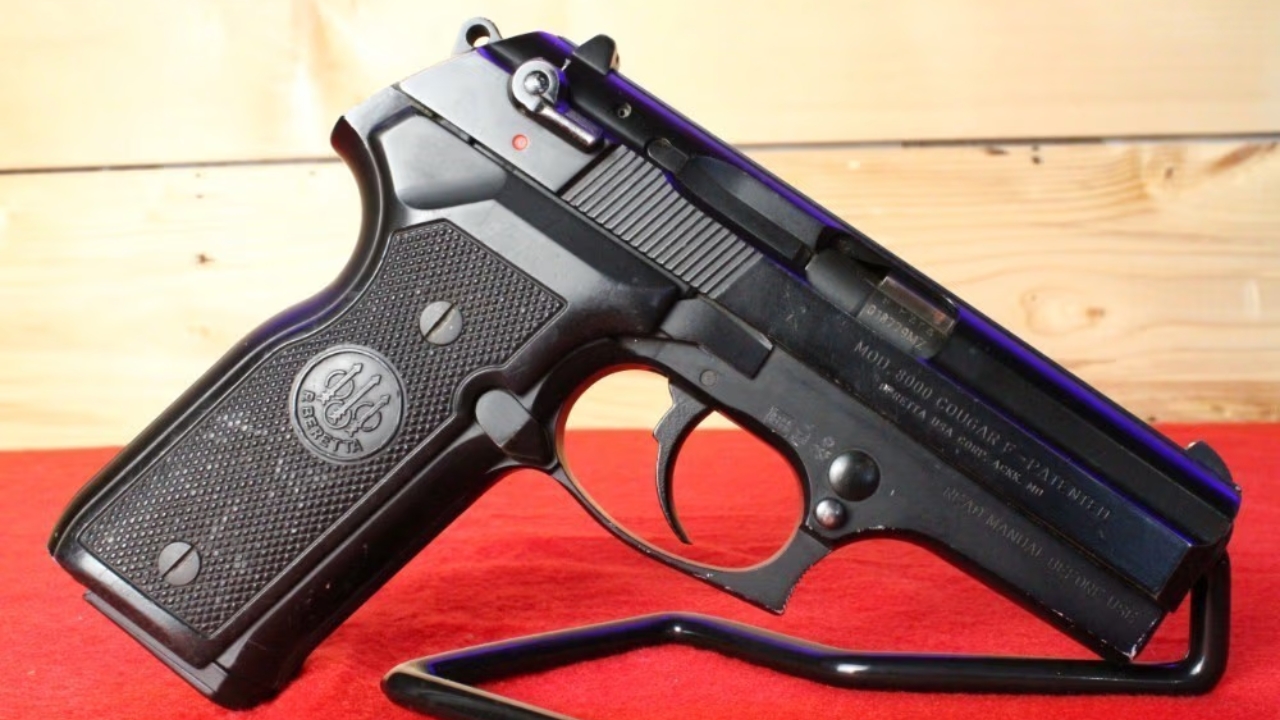
The Cougar deserves far more attention than it normally receives. Beretta used a rotating-barrel operating system rather than the more common tilting barrel, giving the pistol a recoil impulse that feels unusually smooth for its size. The aluminum-frame versions also have the dense, solid feel expected from older Beretta service pistols.
The gun’s biggest problem was timing. The 92 already dominated Beretta’s identity, while polymer pistols were taking over the market. The Cougar ended up looking heavy and expensive just when buyers were moving toward lighter guns.
I think that makes it more attractive today. It is mechanically unusual without being bizarre, and good examples still shoot beautifully. If you find one with original magazines and minimal abuse, you are getting a compact DA/SA pistol with an operating system that very few modern guns duplicate.
CZ 97B
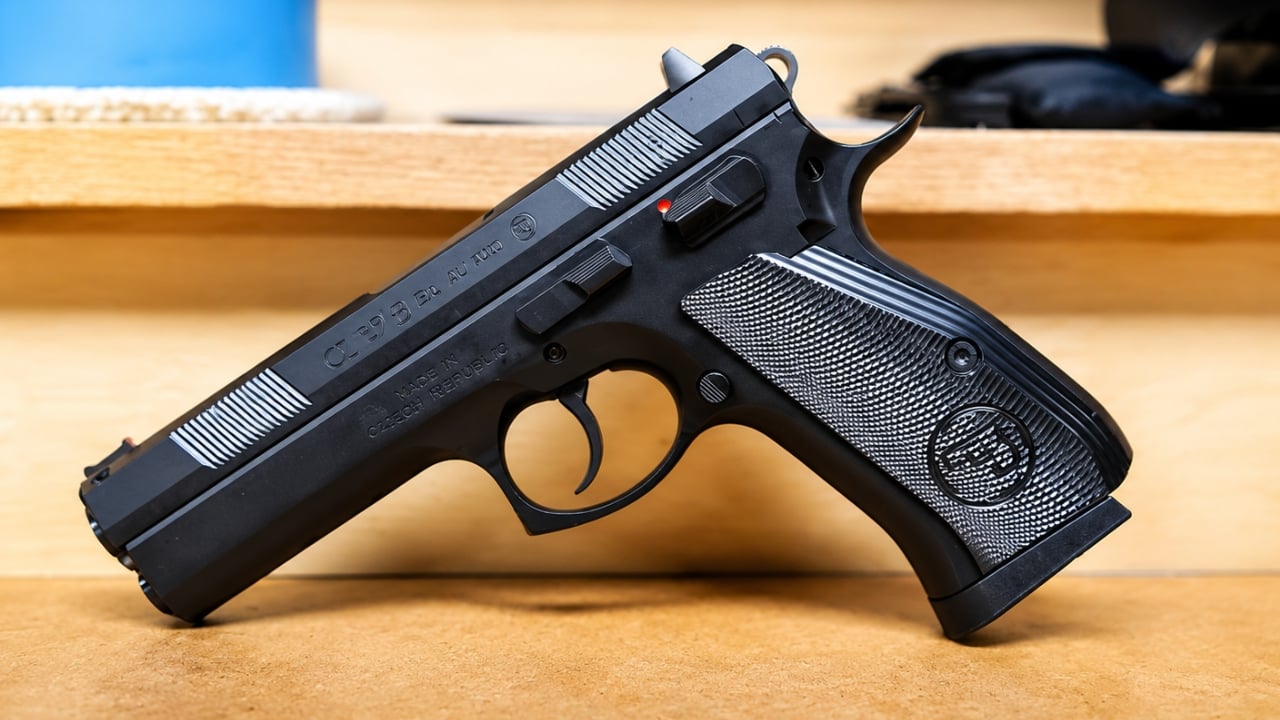
The CZ 97B was never going to be a small pistol. It took the CZ 75 concept and scaled it around .45 ACP, resulting in a substantial all-steel handgun with a broad grip and serious weight.
That size is exactly why it shoots so well. Full-power .45 ACP feels remarkably manageable, and the heavy frame barely moves when the gun cycles. The pistol also has the low slide profile and internal rail arrangement that CZ shooters already understand.
Production eventually ended, which makes clean examples more interesting every year. I would not choose one for concealed carry unless I enjoyed making life unnecessarily difficult. For the range, home use, or simply owning one of the biggest traditional CZ service pistols ever made, the 97B is still extremely compelling. Sometimes excessive size is a disadvantage. Sometimes it is the whole reason the gun is enjoyable.
Beretta 84FS Cheetah

The original 84FS Cheetah occupies a very different space from modern micro-compacts. It is a metal-framed .380 with a double-stack magazine, traditional DA/SA trigger, and a grip large enough to make the cartridge extremely comfortable to shoot.
By current standards, the gun looks oversized for .380 ACP. That is exactly why I still like it. Tiny blowback .380s can be unpleasant, while the Cheetah gives the shooter enough frame and grip to actually enjoy a long range session.
It is also beautifully made in a way many current pocket guns are not trying to be. The polished metal, exposed hammer, and traditional Beretta styling give it far more personality than another anonymous micro pistol. If capacity-per-ounce is the only consideration, move on. If shooting pleasure matters, the 84FS still makes a strong case.
SIG Sauer P239
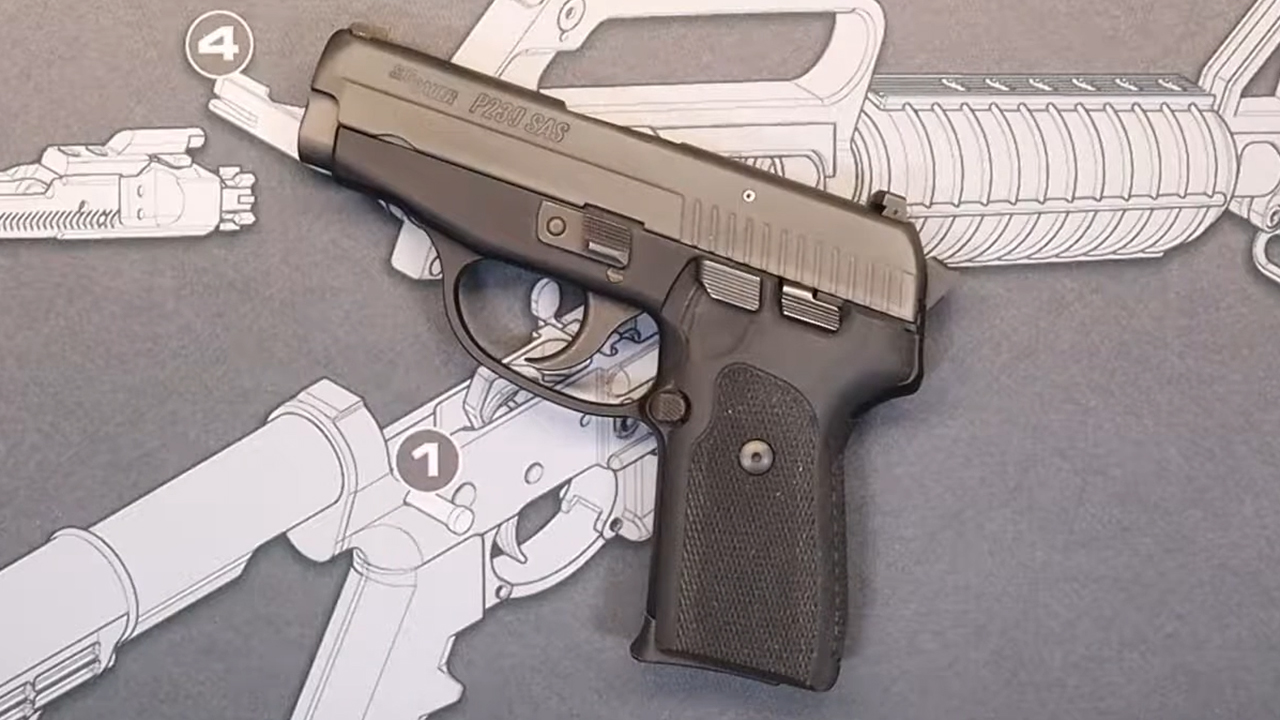
The P239 is one of the clearest examples of the market moving past an excellent pistol rather than the pistol becoming bad. It is a compact, single-stack, DA/SA SIG built during an era when concealed carriers accepted more weight and less capacity in exchange for shootability and traditional metal-frame construction.
Modern micro-compacts destroy it on capacity relative to size. They do not necessarily feel better in the hand or shoot better. The P239’s narrow grip, stable aluminum frame, and familiar SIG decocker make it incredibly easy to understand.
I would particularly like one in 9mm because ammunition is easy to find and recoil remains mild. Original magazines are becoming increasingly important as production gets farther away. Anyone who already owns a clean P239 has a compact pistol from an era the industry is not likely to recreate soon.
FNX-9
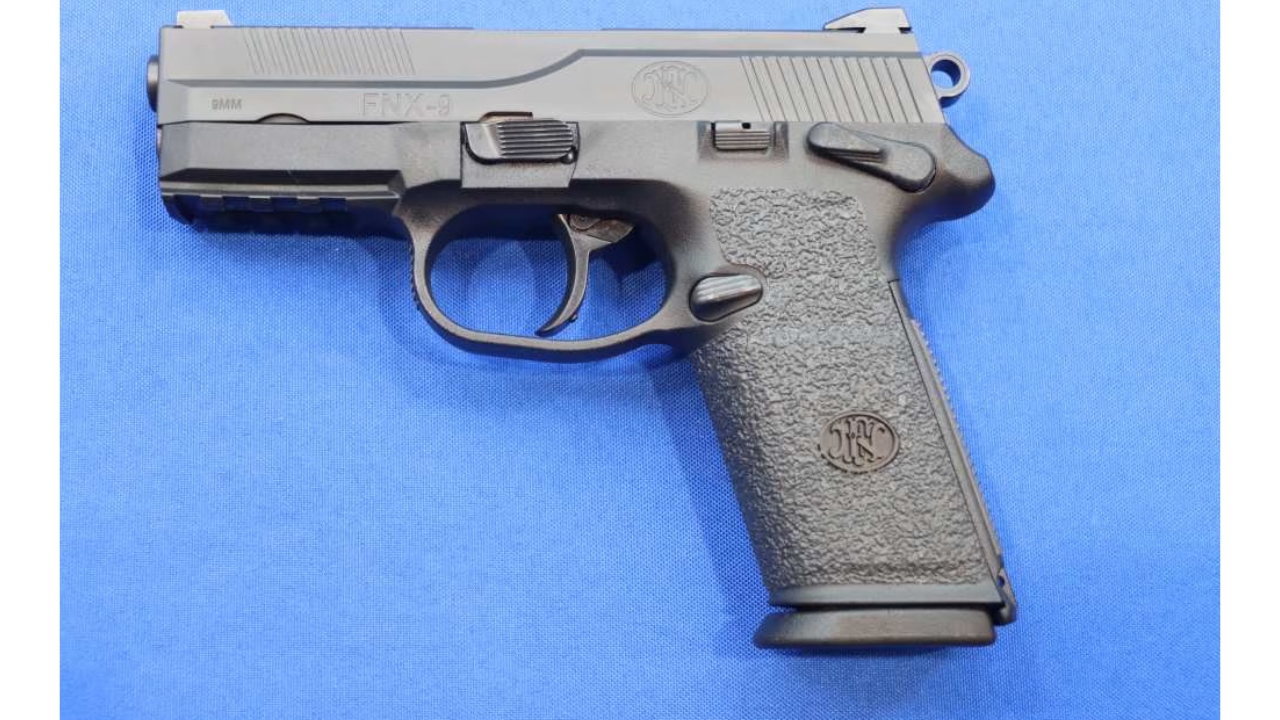
The FNX-9 is one of the better examples of a modern polymer DA/SA pistol that never received the attention its design deserved. FN gave it fully ambidextrous controls, interchangeable backstraps, a traditional hammer, and a control system that allows different carry methods depending on shooter preference.
That makes the pistol unusually flexible. Someone can use the decocker and carry hammer down, while another shooter can approach the gun more like a cocked-and-locked single-action.
The polymer frame keeps weight reasonable while still giving you full-size capacity and a useful grip. I think the FNX became overshadowed partly because striker-fired guns were exploding in popularity at exactly the wrong time. If someone specifically wants a modern service pistol with a hammer and does not care about following trends, the FNX-9 remains an excellent option.
Arex Rex Zero 1 Compact
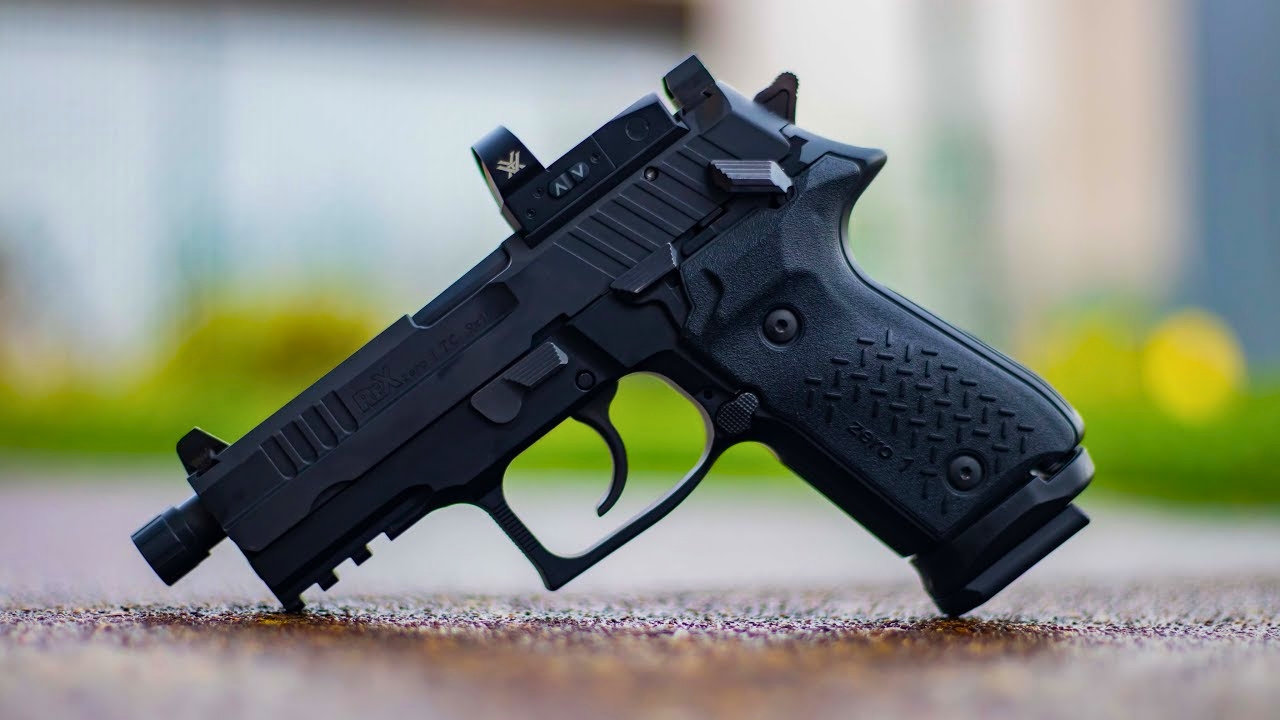
The Rex Zero 1 Compact came from Slovenia with a feature set that seemed almost too good for what these pistols originally cost. The aluminum frame gives the gun a traditional service-pistol feel, while the slide profile, controls, and DA/SA operating system clearly draw inspiration from proven European designs.
One feature I particularly like is the control layout. Arex managed to give the pistol a decocking system without making the entire gun feel overloaded with levers. The trigger is also better than many people expect from a relatively obscure import.
The downside is that Arex does not have the parts and magazine ecosystem of SIG, Beretta, or CZ. That matters. But if you find a clean example with adequate magazines, you get an unusually well-built metal-framed DA/SA compact that most shooters at the range will not immediately recognize.
Bersa TPR9
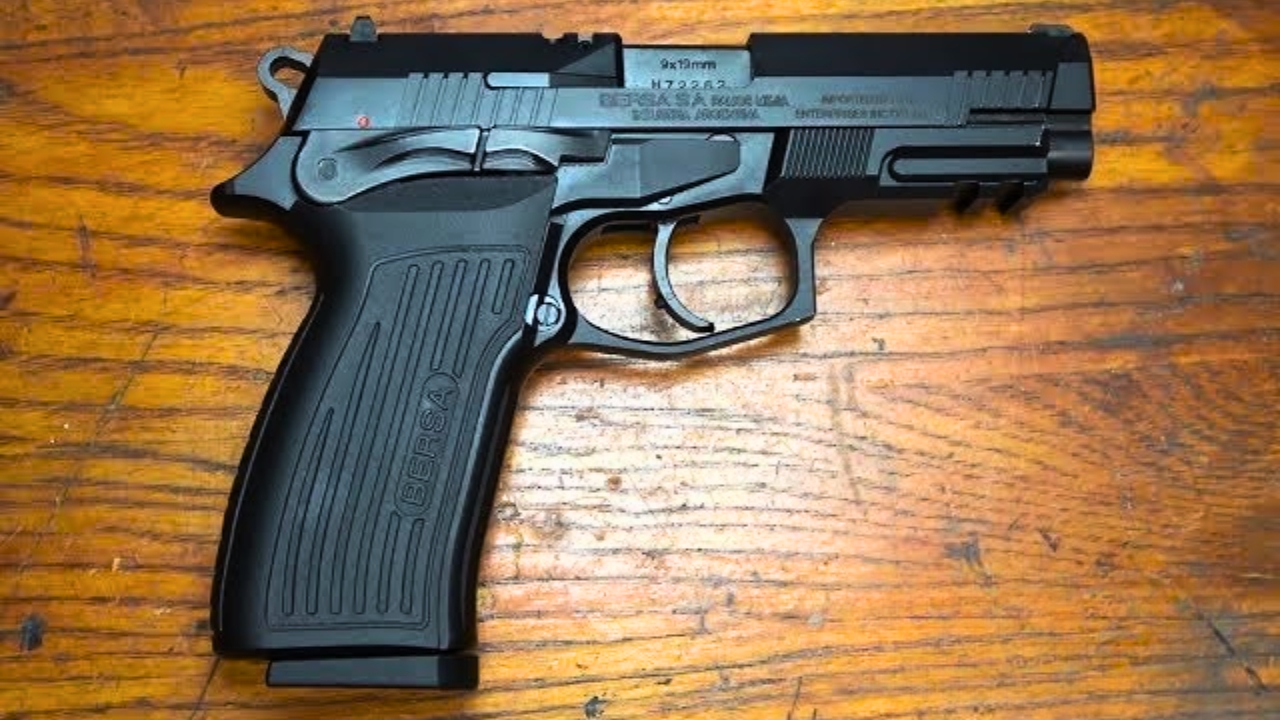
Bersa gets associated so strongly with the Thunder .380 that plenty of shooters barely notice the company’s larger pistols. The TPR9 deserves more attention because it gives you a full-size metal-frame DA/SA 9mm with an extremely usable trigger and controls at a price that has traditionally undercut many European competitors.
The trigger is the surprise. The single-action pull can feel far better than people expect from a pistol in this price category, and the double-action is perfectly manageable with practice. The aluminum frame also keeps the gun from becoming excessively heavy.
I would not pretend Bersa has the same American support network as Beretta or SIG. If the individual pistol proves reliable and magazines are available, though, the TPR9 offers a tremendous amount of traditional handgun for the money. It is one of those guns that tends to impress people only after they actually shoot one.
Jericho 941 F
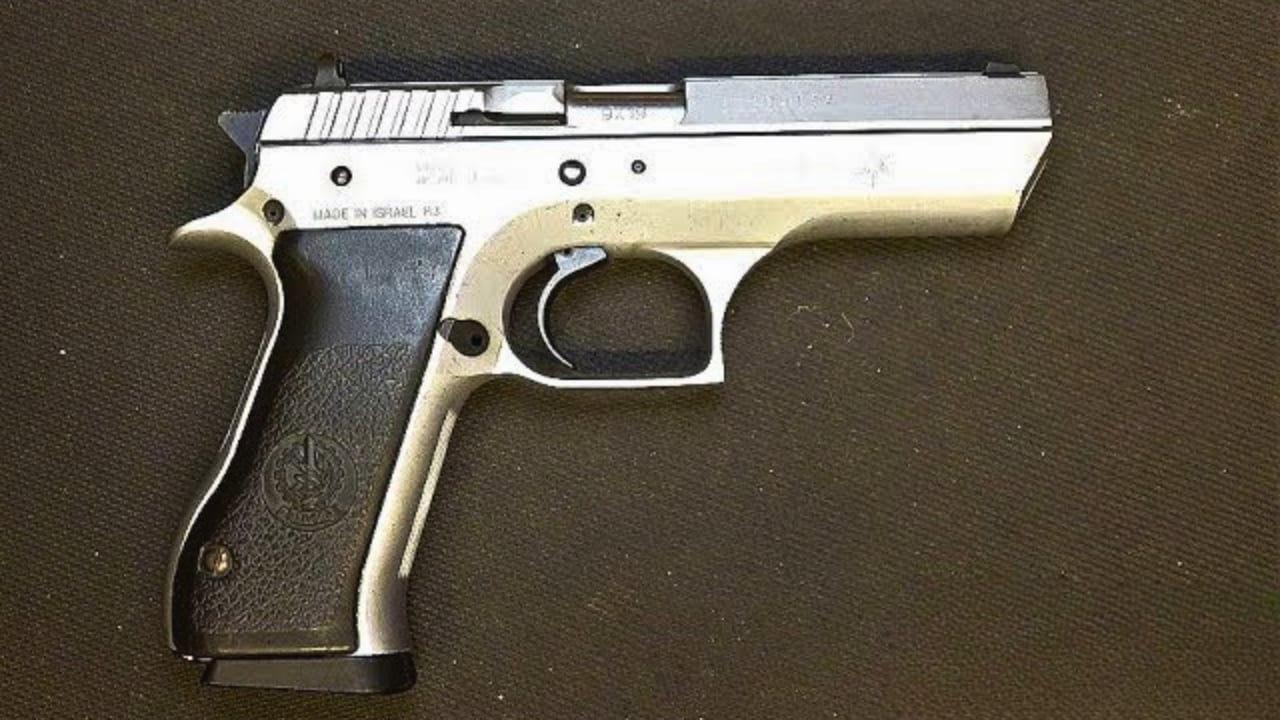
The Jericho 941 has spent decades living under the shadow of the CZ 75 even though the pistol developed its own personality long ago. The all-steel frame gives it significant weight, while the grip geometry and low slide profile make it extraordinarily comfortable during rapid shooting.
The frame-mounted safety version is the configuration I prefer because the controls feel natural and avoid putting additional levers on the slide. Some shooters will prefer decocker versions, but either way the platform gives you a distinctly old-school metal service pistol.
Weight is the main disadvantage. A steel Jericho is not something I would choose because I wanted the lightest possible carry gun. At the range, that mass is wonderful. Recoil feels mild, the gun tracks well, and the entire pistol feels as though it was built before anyone decided every service handgun needed to be polymer.
Smith & Wesson Model 3913

The 3913 is one of the discontinued Smith & Wesson autos that makes you wonder why the category disappeared completely. It is slim, relatively light, metal-framed, hammer-fired, and compact enough to conceal comfortably without becoming difficult to shoot.
Capacity is modest compared with today’s micro-compacts, but the rest of the pistol still makes sense. The grip is thin, the trigger system is mature, and the controls are familiar to anyone who used Smith’s third-generation autos.
The main challenge now is finding one that has not been carried heavily and finding enough good magazines. Those are manageable problems for someone who wants the gun for what it is rather than trying to turn it into a modern duty platform. The 3913 represents an entire style of American carry pistol manufacturers largely abandoned.
Walther P5
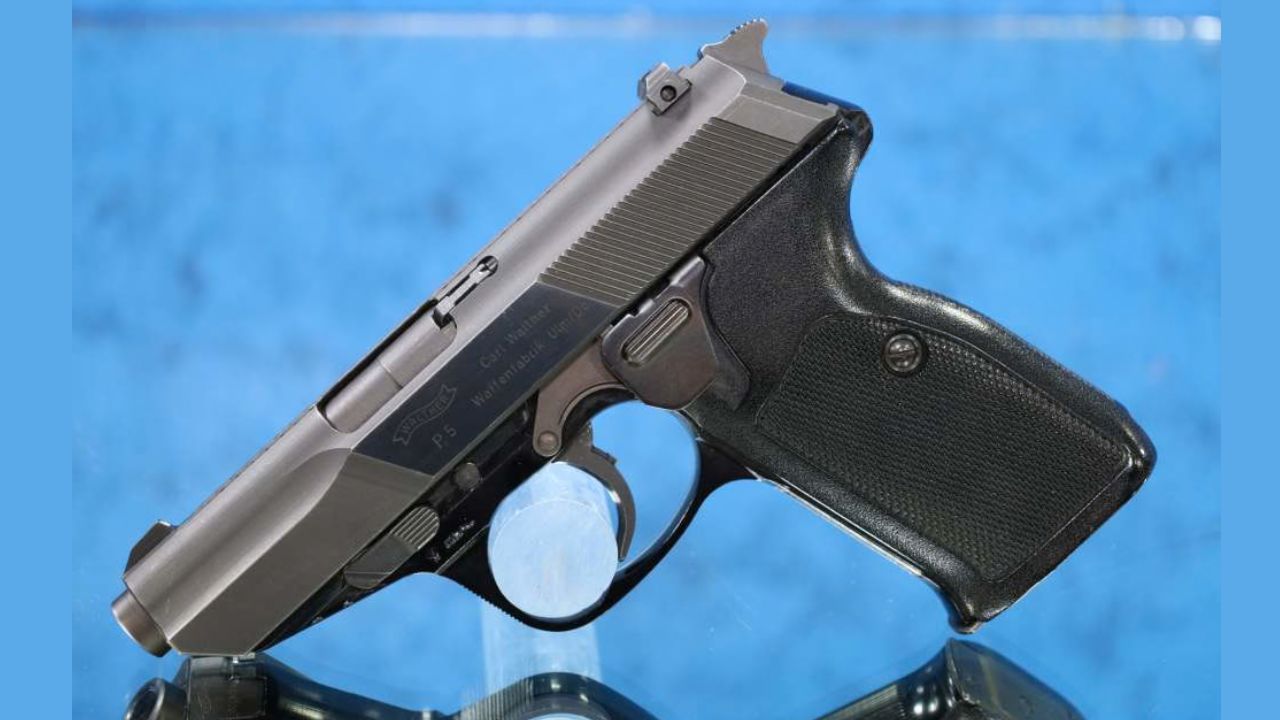
The P5 is one of the more unusual DA/SA pistols to come out of the European police-pistol era. Walther built it around ideas derived from the P38/P1 family but packaged the operating system into a much more compact and refined design.
One of the strangest features is left-side ejection. The pistol also has a very low bore relationship and a wonderfully mechanical DA/SA trigger system. It feels like a handgun designed by engineers who had absolutely no concern about whether the market wanted something conventional.
That uniqueness is exactly why I still think it is worth owning. Parts and magazines are not nearly as convenient as a current-production pistol, so I would not make it my only defensive handgun. As a collectible shooter, though, the P5 offers a combination of history, quality, and mechanical personality that current production rarely matches.
Grand Power K100
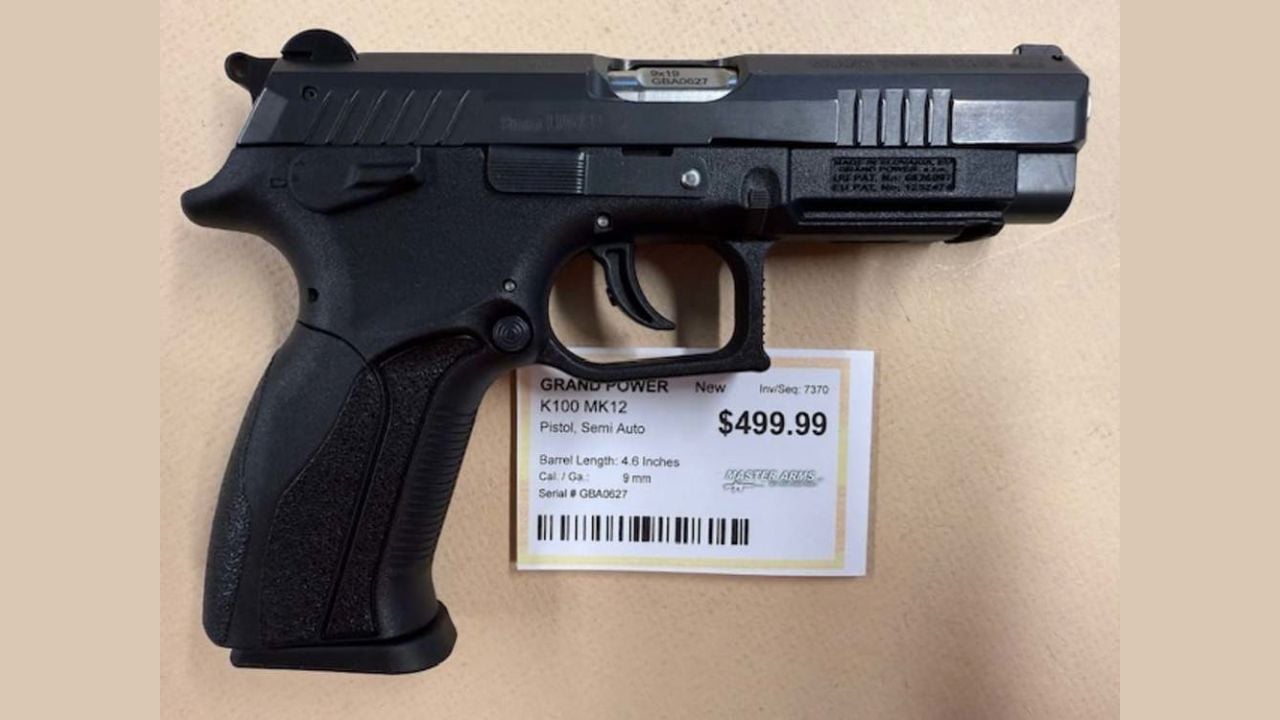
The K100 is one of the least conventional pistols on this list because it uses a rotating-barrel system instead of the standard Browning-style tilting barrel found in most modern handguns. That operating system gives the pistol an unusually smooth recoil impulse and makes the gun extremely enjoyable during rapid shooting.
Grand Power also managed to combine that mechanism with a traditional hammer-fired DA/SA trigger rather than going striker-fired like most current competitors. The result feels familiar and strange at the same time.
American support and availability have never been as broad as the major brands, which is the biggest reason I hesitate to recommend one universally. As a shooter’s pistol, however, the K100 absolutely deserves attention. If you enjoy mechanical designs that take a different route without becoming gimmicky, this is one of the better DA/SA pistols to seek out.
Taurus TH9
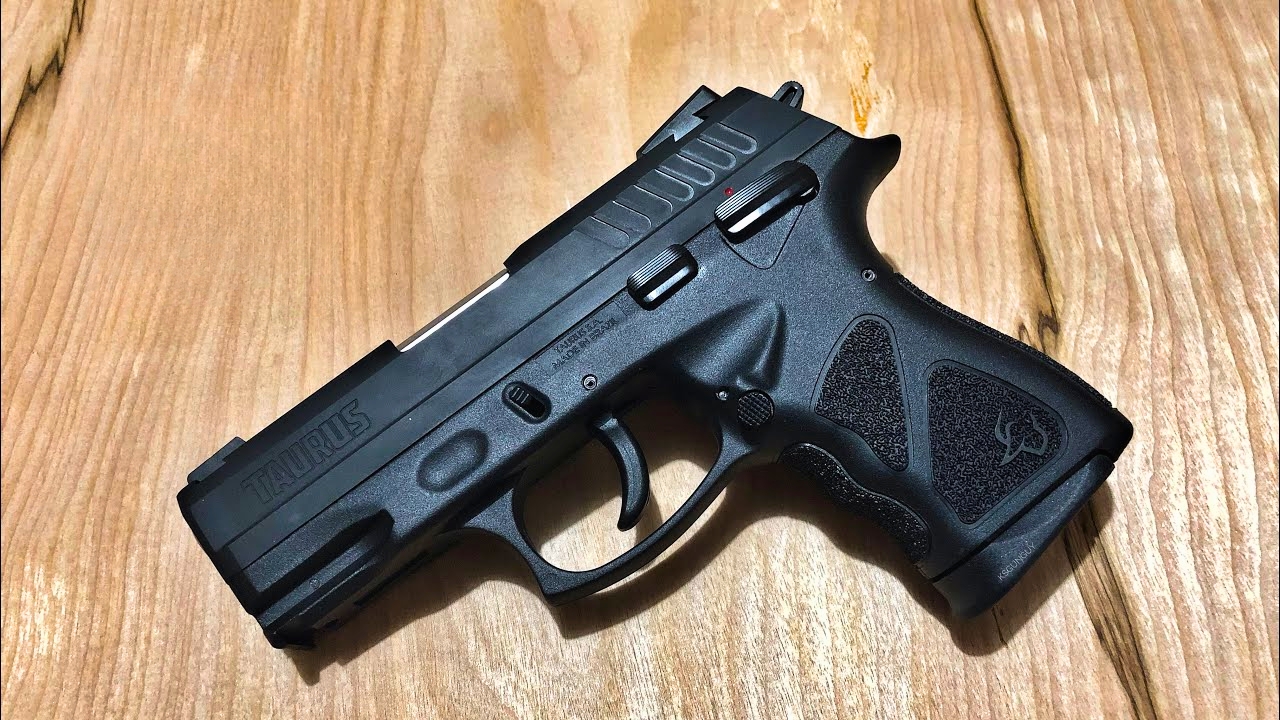
The TH9 is not the pistol I would expect enthusiasts to rave about, but it makes a strong case simply because Taurus still offers an affordable polymer-framed DA/SA handgun while much of the market has abandoned the concept.
You get a conventional hammer, full-size grip, useful magazine capacity, and controls that allow more flexibility than a basic striker pistol. The polymer frame keeps weight manageable, and the price historically makes the TH9 accessible to someone who wants to try the DA/SA system without investing heavily.
I would not rank the trigger alongside a tuned SIG or CZ. That would miss the point. The TH9 provides a traditional operating system at a budget price while most inexpensive competitors use nearly identical striker layouts. Variety alone is not enough to make a gun good, but in this case the pistol offers a lot for the money.
SIG Sauer P220
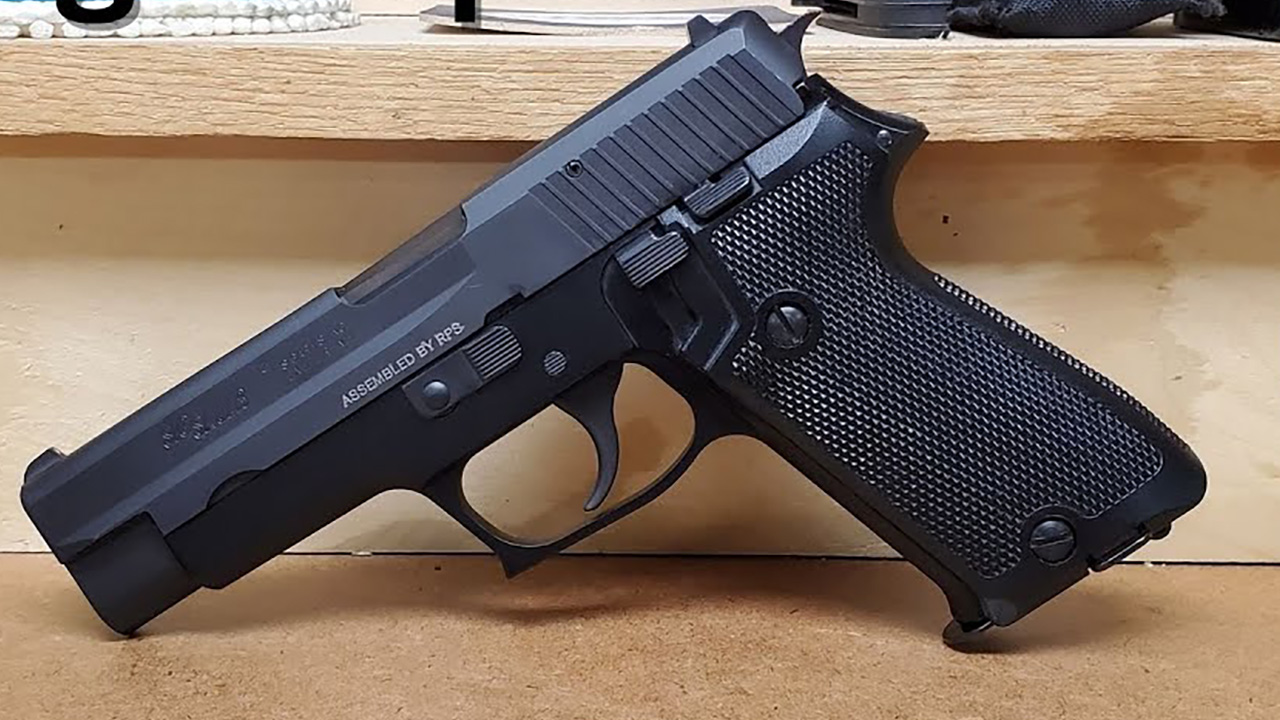
The P220 remains one of the cleanest ways to experience the classic SIG DA/SA system in .45 ACP. The single-stack magazine limits capacity, but it also gives the pistol a grip that feels far more manageable than many double-stack .45s.
The aluminum frame keeps weight below an all-steel 1911 while remaining substantial enough to make the cartridge pleasant to shoot. The decocker is perfectly positioned, and the transition between double and single action becomes natural with enough practice.
I would not choose the P220 because it wins any modern specification comparison. It does not. I would choose it because the pistol does exactly what it has always done extremely well. A proven P220 with good magazines and fresh springs remains a very capable .45 long after the market decided capacity mattered more than refinement.
Beretta 92A1

The 92A1 may not have the newest grip geometry or optics system, but it represents one of the most mature DA/SA service-pistol platforms ever produced. The open slide, falling-block locking system, substantial frame, and large grip make the pistol exceptionally soft and smooth during shooting.
The A1 configuration also adds a useful accessory rail while keeping the basic Beretta character intact. I particularly like these guns for range use because the weight and long sight radius make precision easy compared with smaller carry pistols.
The downside is obvious: size. There are much smaller 9mm pistols holding similar amounts of ammunition. If concealment is not the priority, that comparison matters far less. A Beretta 92 that fits the shooter’s hand remains one of the easiest DA/SA pistols to run quickly and accurately.
CZ 75 Compact
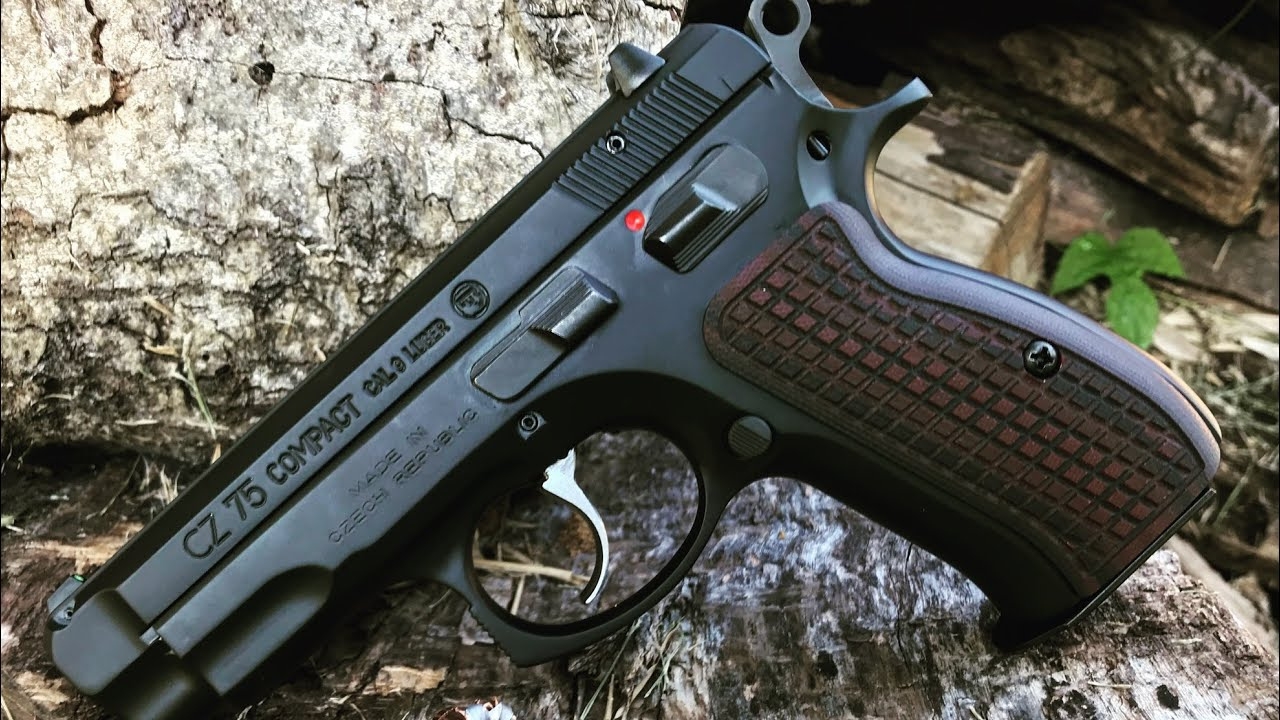
The steel-frame CZ 75 Compact is heavier than the PCR or P-01, but that weight makes it wonderfully pleasant to shoot. You get the classic CZ grip shape, shortened slide and frame, and the same internal-slide-rail arrangement that keeps the bore relationship low.
Unlike the decocker-focused PCR, many Compact configurations retain the traditional frame-mounted manual safety. That allows a shooter to use the pistol in a more classic single-action-style condition if preferred.
I like the gun most as a range-and-carry crossover for someone who does not mind weight. The extra steel makes recoil almost irrelevant for a pistol this size. Modern carry pistols may beat it badly in weight and capacity-per-ounce. They rarely duplicate the dense, stable feel of a compact all-steel handgun.
Sphinx SDP Compact
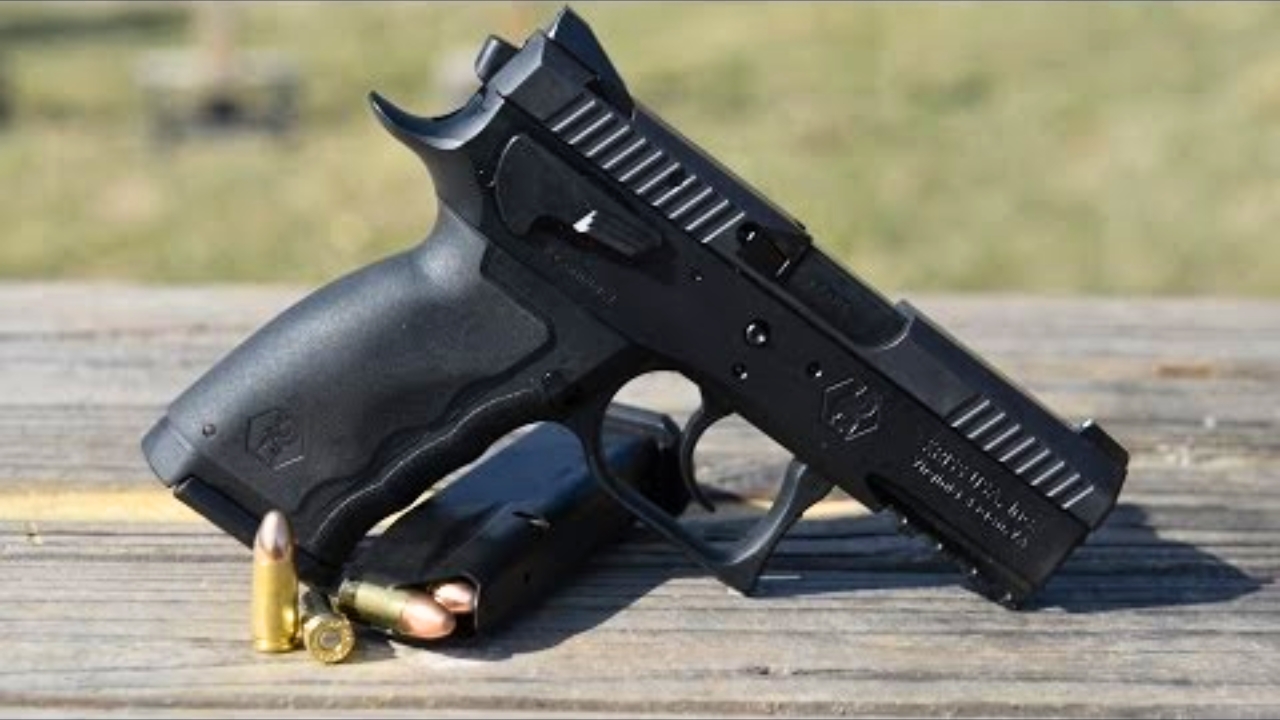
The Sphinx SDP Compact is what happens when the CZ-pattern idea gets pushed toward premium Swiss manufacturing. The basic ergonomics feel familiar, but machining, frame construction, and overall fit move the pistol into a much more expensive category.
That price was always the problem. Plenty of shooters looked at the SDP and reasonably asked why they should spend so much when a normal CZ already worked extremely well. That question helped keep the Sphinx relatively uncommon.
Years later, the rarity has become part of the appeal. A clean SDP Compact is not simply another CZ clone. It represents a premium interpretation of one of the best DA/SA handgun layouts ever created. Parts and magazines deserve consideration, but as a collectible shooter the Sphinx offers a level of refinement that makes it worth remembering.
Like The Avid Outdoorsman’s content? Be sure to follow us.
Here’s more from us: