Photo credit: Springfield Armory
A beginner pistol ought to make learning feel predictable. You want something with enough grip to hang onto, enough sight radius to see what you’re doing, and controls that don’t fight you. You also want recoil that teaches you good habits instead of teaching you to flinch. Most new shooters don’t struggle because they’re “bad shots.” They struggle because the gun is too small, too sharp, too complicated, or too powerful for where they’re at.
The problem is that a lot of pistols get recommended for reasons that have nothing to do with learning. They’re easy to carry, they look cool, they hit hard, or somebody’s buddy swears by them. None of that helps you build fundamentals. If the pistol makes it hard to grip, hard to see, and hard to run, your practice time turns into frustration instead of progress.
These are pistols that can be excellent in the right hands, but they stack the deck against you when you’re starting out.
Smith & Wesson 340PD

This little revolver is famous for being light, and that’s exactly why it’s rough on beginners. Full-power .357 Magnum in an ultralight frame hits your hand like a hammer. Even .38 +P can feel sharp enough to make you dread practice, and dread kills consistency fast.
The other issue is that small, lightweight revolvers demand solid trigger control. The long double-action pull is not forgiving, and the short sight radius doesn’t hide mistakes. A 340PD can be a serious carry gun for experienced shooters who already have recoil management and trigger discipline. As a learning tool, it tends to teach flinch before it teaches accuracy.
Smith & Wesson Model 500

A handgun that can rattle your teeth has a narrow use case, and “learning the basics” isn’t it. The recoil is dramatic, the blast is worse, and the cost per shot makes regular practice unrealistic for most people. Beginners need repetition, not punishment.
Even if you can handle the weight, the fundamentals don’t translate cleanly. The pace is slow, the recovery is slow, and you spend more time bracing for recoil than building a stable trigger press. The Model 500 is a specialty revolver for people who already know what they’re doing and want that power for a specific reason. Starting here is like learning to drive in a drag car.
Desert Eagle .50 AE
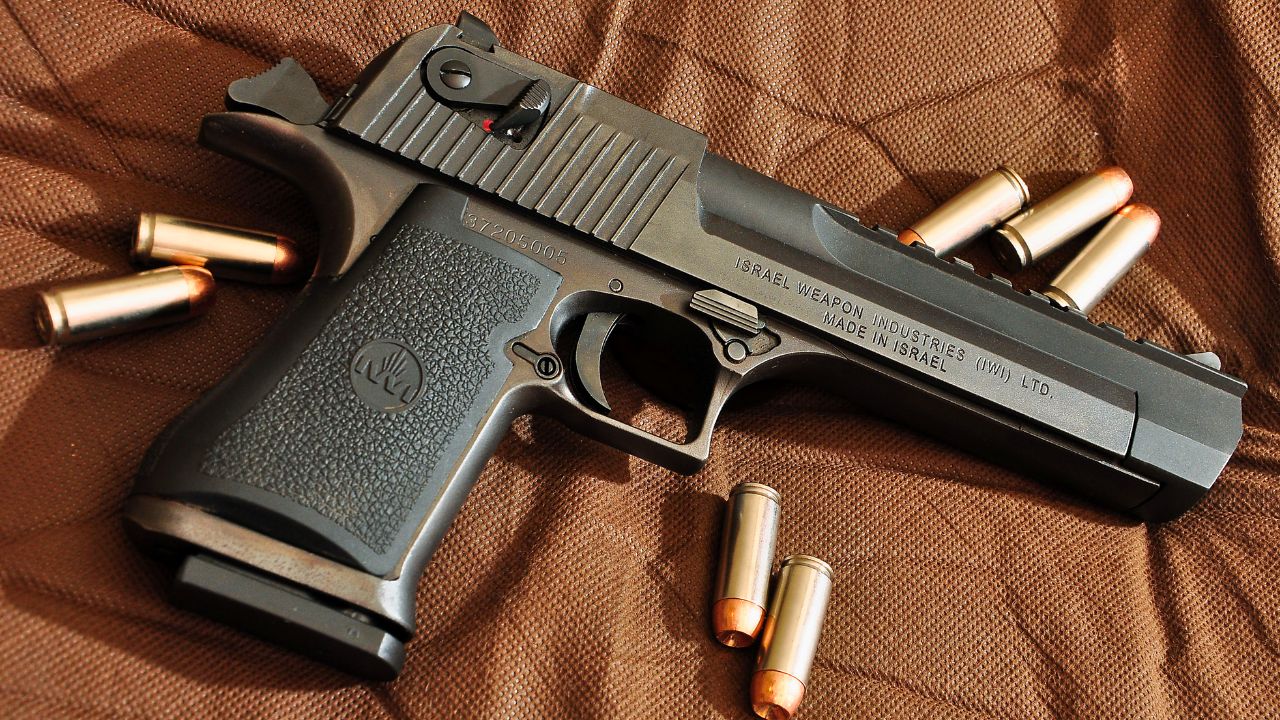
The Desert Eagle is iconic, and it’s also a terrible teacher. It’s huge, heavy, and expensive to feed, and it pushes recoil and muzzle blast into a category that distracts from everything you’re trying to learn. Beginners end up chasing the gun instead of refining their grip and trigger work.
Reliability can also be finicky with ammo selection and grip technique because of how the system cycles. That’s not a character flaw, it’s the reality of a very specialized pistol design. If you want a range toy once you’ve got solid fundamentals, fine. If you’re trying to learn consistent sight tracking and clean follow-up shots, this pistol usually turns your first range days into a wrestling match.
Glock 27

A subcompact .40 S&W is a classic “sounds good on paper” beginner trap. The gun is small, the grip gives you less leverage, and the recoil impulse is snappy enough to punish sloppy technique. Many new shooters end up blinking, jerking the trigger, or riding the reset poorly because the gun feels busy in your hands.
The short grip can also make reloads and magazine seating less intuitive, especially when you’re learning under time pressure. None of this means the Glock 27 is unusable. It means it asks for skill up front. A beginner usually progresses faster with a larger, softer-shooting pistol that lets you focus on sights and trigger instead of managing a jumpy recoil cycle every shot.
Ruger LCP

Tiny .380s get recommended because they’re easy to carry, not because they’re easy to learn. The LCP has a small grip, short sight radius, and a trigger that can feel long and vague to a new shooter. That combination makes it harder to diagnose what you’re doing wrong, because everything feels compressed and twitchy.
You also have less room for your hands, which makes recoil control and consistent grip pressure harder. Add in the reality that pocket pistols are often shot less, cleaned less, and carried more, and you get a recipe for bad habits early. The LCP can be a practical deep-carry tool when you already know how to shoot and you accept its limitations. As a first pistol, it often slows learning down.
Kel-Tec P-3AT

The P-3AT is another pocket .380 that gets people into trouble early. The size is the selling point, but it’s also the problem. You don’t get much grip surface, the sights are minimal, and the gun can feel harsh in the hand for what it is. Beginners tend to clamp down harder than they should, then mash the trigger to compensate, and accuracy goes out the window.
Small guns also amplify little mistakes in stance and wrist stability. If your grip isn’t consistent, the pistol’s behavior won’t be consistent either, and that’s frustrating when you’re still learning what “right” feels like. A new shooter is better served by a larger pistol that encourages good reps and keeps the feedback clear. The P-3AT is a niche tool, not a learning platform.
SIG Sauer P365

The P365 is a great carry pistol for a lot of people, and it can still be a rough starting point. Micro-compact 9mms concentrate recoil into a small grip, and the snappy feel can pull your focus away from fundamentals. Beginners often struggle to track the front sight and reset smoothly when the pistol is moving that much in the hand.
The small controls and shorter grip also make manipulations less forgiving. If you’re still figuring out thumb placement, grip pressure, and consistent draws, the P365 can feel cramped. Plenty of people learn on it, but many would progress faster with a slightly larger 9mm that shoots flatter and gives your hands more real estate. The P365 shines once your basics are already solid.
Springfield Armory Hellcat

The Hellcat sits in the same category as many micro-compact 9mms: capable, popular, and demanding. The grip is short, the recoil is quick, and the pistol gives you less margin for error when you’re learning grip and trigger control. If your support hand isn’t doing its job, you feel it immediately.
Beginners also tend to develop “defensive flinch” habits faster with pistols that snap hard. That habit can take a long time to unwind. The Hellcat makes sense for experienced carriers who want capacity in a small footprint. As a first pistol, it can make range sessions feel like work instead of progress. A slightly larger compact can build your skill faster, then you can come back to a micro later.
Glock 43

The Glock 43 is another pistol that gets recommended because it carries well, not because it teaches well. Single-stack 9mms are often snappier than people expect, and the smaller grip gives you less control over that movement. Beginners usually benefit from a pistol that stays flatter and lets them learn follow-through without fighting the gun.
The 43 also makes some shooters feel rushed on the trigger. When recoil feels sharp, new shooters tend to press early and slap the trigger to “beat” the shot. That’s how bad habits start. None of this makes the Glock 43 a bad pistol. It makes it a poor first classroom. Once you can shoot a larger 9mm cleanly, the Glock 43 becomes far easier to appreciate.
Walther PPK/S

Blowback .380 pistols can be surprisingly unpleasant, and the PPK/S is a prime example. The recoil impulse is sharp compared to many locked-breech .380s, and the slide can be unforgiving if your grip rides high. Beginners often end up with discomfort or slide bite, and that distraction makes learning harder.
The double-action first shot also adds complexity early. You’re dealing with a heavy first pull, then lighter single-action pulls afterward, and that transition can confuse new shooters who are still trying to build a consistent trigger press. The PPK/S is a classic, and it carries a lot of history. It’s also a pistol that tends to reward experience more than it rewards new shooters.
Kimber Ultra Carry II

Short-barreled 1911s can be temperamental compared to their full-size counterparts, and they demand more from the shooter. The timing is tighter, the recoil spring system is working harder, and little changes in ammo and maintenance can show up faster. Beginners often assume a 1911 is a beginner-friendly platform because it feels good in the hand, then get surprised when the compact versions are less forgiving.
You also have a manual safety and a single-action trigger, which means you need consistent handling habits early. That’s not a problem for someone committed to the platform, but it adds steps when you’re still learning the basics. A compact 1911 can be a fine carry gun for a trained shooter. It’s rarely the easiest first pistol to grow with.
Colt Defender

The Colt Defender has the same short-1911 reality: it can be excellent, but it’s not the smoothest on-ramp. The lighter weight and shorter slide make recoil feel faster, and the smaller package magnifies issues in grip and follow-through. Beginners often struggle to keep the gun settled and to press the trigger without pushing shots low.
The 1911 manual of arms also demands consistent practice. Thumb safety use, grip safety engagement, and maintaining the same high grip every time all matter. If you’re brand new, you’re already learning a lot at once. A full-size 9mm or a full-size 1911 is a far friendlier teacher. The Defender is better as a “later” gun, once you’ve built habits you can trust.
Beretta 21A Bobcat

The Bobcat is charming, but it’s a tricky first pistol. The tiny grip and tiny sights make it hard to shoot well, and many beginners mistake “small” for “easy.” The tip-up barrel is convenient, yet it also adds another piece of the manual of arms for someone who’s still learning basic loading and unloading routines.
Rimfire reliability is also its own world. .22 LR can run great in the right gun with the right ammo, but it’s less consistent than centerfire across the board, and that can confuse a beginner who doesn’t yet know what a normal malfunction pattern looks like. The Bobcat can be a useful niche pistol and a fun trainer in skilled hands. It’s not the cleanest path to confidence for your first handgun.
North American Arms .22 Magnum Mini Revolver
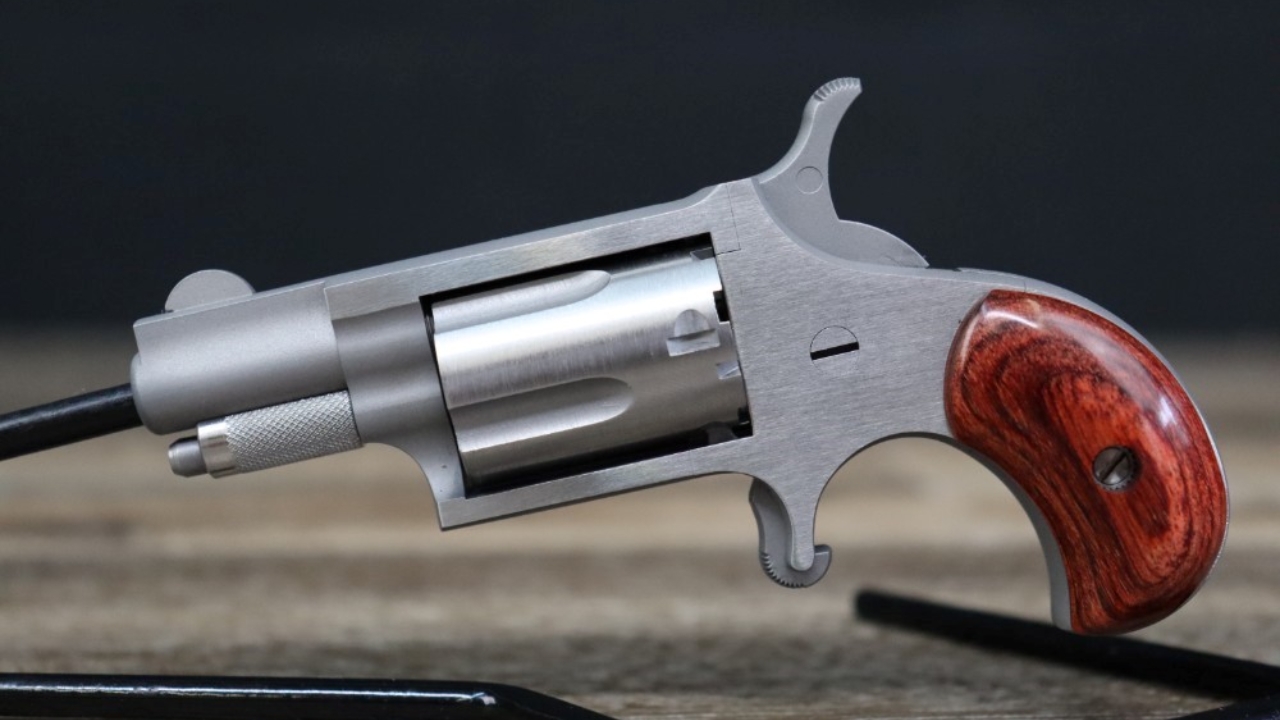
This is one of the hardest handguns to shoot well, and it’s often purchased by people who think smaller means safer. The grip is tiny, the sights are minimal, and manipulating it requires fine motor control that beginners don’t have under stress. Even loading and unloading can be awkward compared to more conventional designs.
The result is predictable: beginners struggle to hold it steady, struggle to press the trigger without moving the gun, and struggle to practice enough to get competent. That’s a bad combination for a first pistol. A mini revolver can be carried in places where larger guns won’t fit, and that’s its entire appeal. It should be treated like a last-ditch tool, not a training foundation.
Bond Arms Derringer
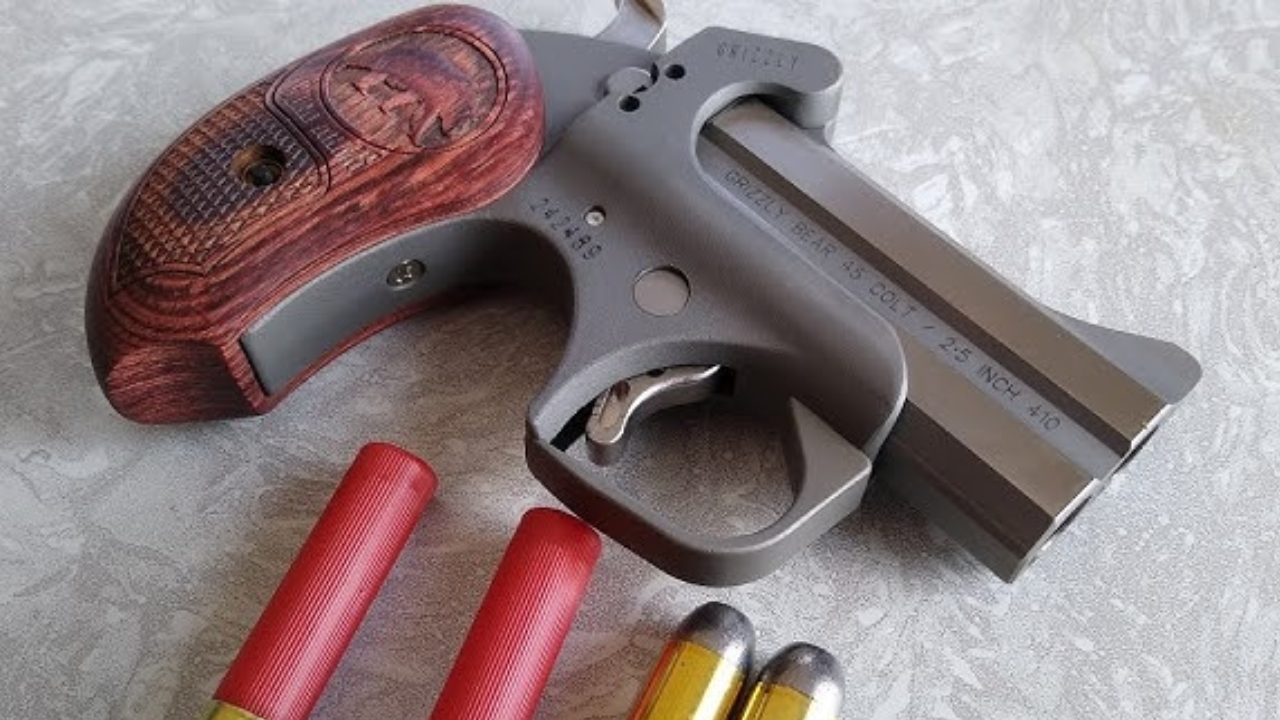
Two shots and a heavy trigger can be a harsh way to learn. Derringers are small, often heavy for their size, and the grip shape doesn’t give you much leverage. Recoil can be brutal depending on the chambering, and the short barrel and minimal sights make accurate shooting harder than most beginners expect.
Beginners also tend to get a false sense of simplicity because the gun looks uncomplicated. In practice, it’s slow to reload, slow to fire accurately, and easy to mishandle if you don’t have consistent technique. Derringers are specialty tools with a very narrow role. If you’re trying to build real competence, you’re better off learning on a platform that lets you shoot more, reload faster, and see clear feedback on each shot.
Ruger Super Redhawk Alaskan

The Alaskan is a powerhouse revolver built for serious use, and that’s exactly why it’s a poor beginner pistol. The recoil from heavy magnum loads can be punishing, the blast is intense, and the gun’s purpose is far removed from what most new shooters need to learn first. It’s hard to build clean fundamentals when you’re bracing for every trigger press.
It’s also a revolver that often gets carried for dangerous-animal country, which means the stakes are real. That’s not where you want to start learning draw strokes, grip pressure, and fast follow-up shots. The Alaskan makes sense for someone who already has revolver skill and wants a compact, hard-hitting field gun. As a first handgun, it tends to turn learning into survival mode.
Like The Avid Outdoorsman’s content? Subscribe to our newsletter so you never miss an article.
Here’s more from us: