Photo credit: Academy Sports
Striker-fired pistols existed long before polymer frames became common, but the modern versions changed the handgun market permanently. They gave shooters consistent trigger pulls, fewer external controls, straightforward maintenance, and frames that were lighter and cheaper to manufacture than traditional metal designs.
The category is now crowded with guns that look and operate almost identically. The models that stand out either changed the industry, proved themselves through years of demanding service, or improved the formula with better triggers, ergonomics, capacity, and optics mounting. These 20 pistols represent the strongest striker-fired designs ever offered.
Glock 17
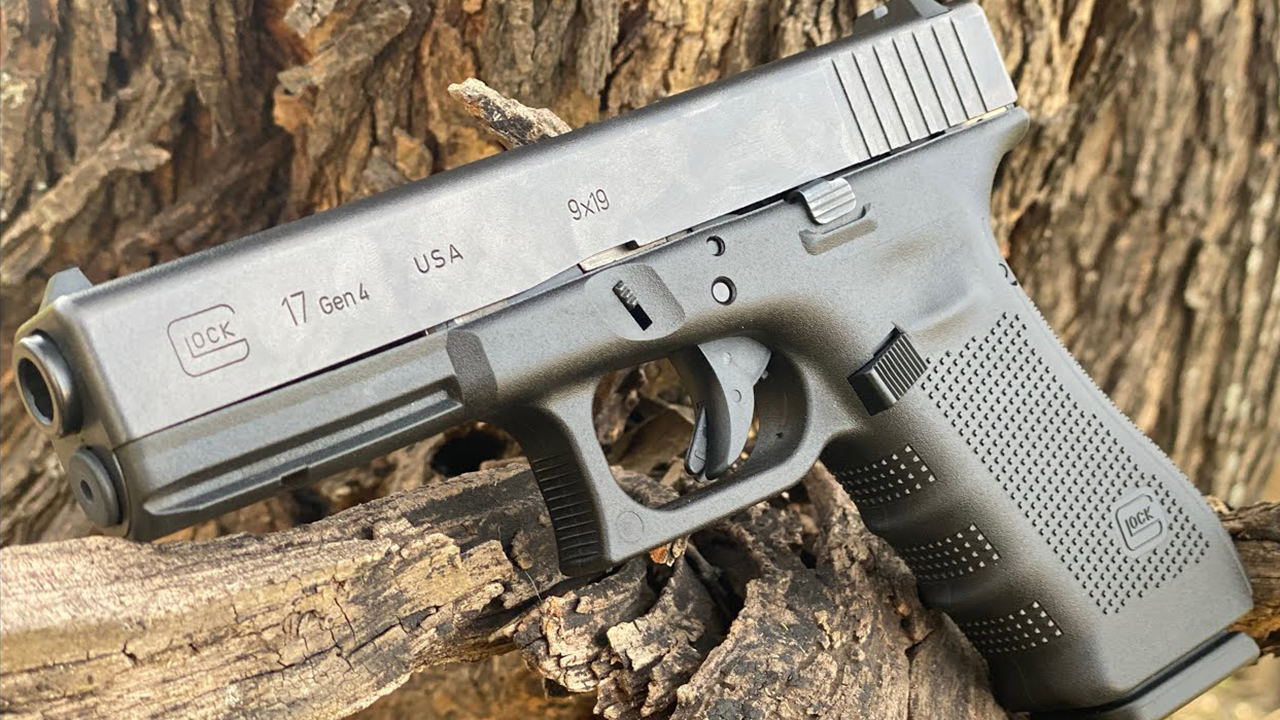
The Glock 17 did not invent the striker-fired pistol or the polymer handgun, but it combined those ideas more successfully than anything before it. Its lightweight frame, 17-round magazine, consistent trigger, and small number of internal parts made traditional metal-framed service pistols suddenly look complicated.
Early skepticism faded as the Glock 17 earned military and police contracts around the world. Its trigger and grip angle remain divisive, but the operating system has proven durable, easy to maintain, and exceptionally resistant to neglect. Nearly every modern striker-fired duty pistol exists partly because the Glock 17 proved the concept could replace revolvers and hammer-fired semiautomatics on a massive scale.
Glock 19
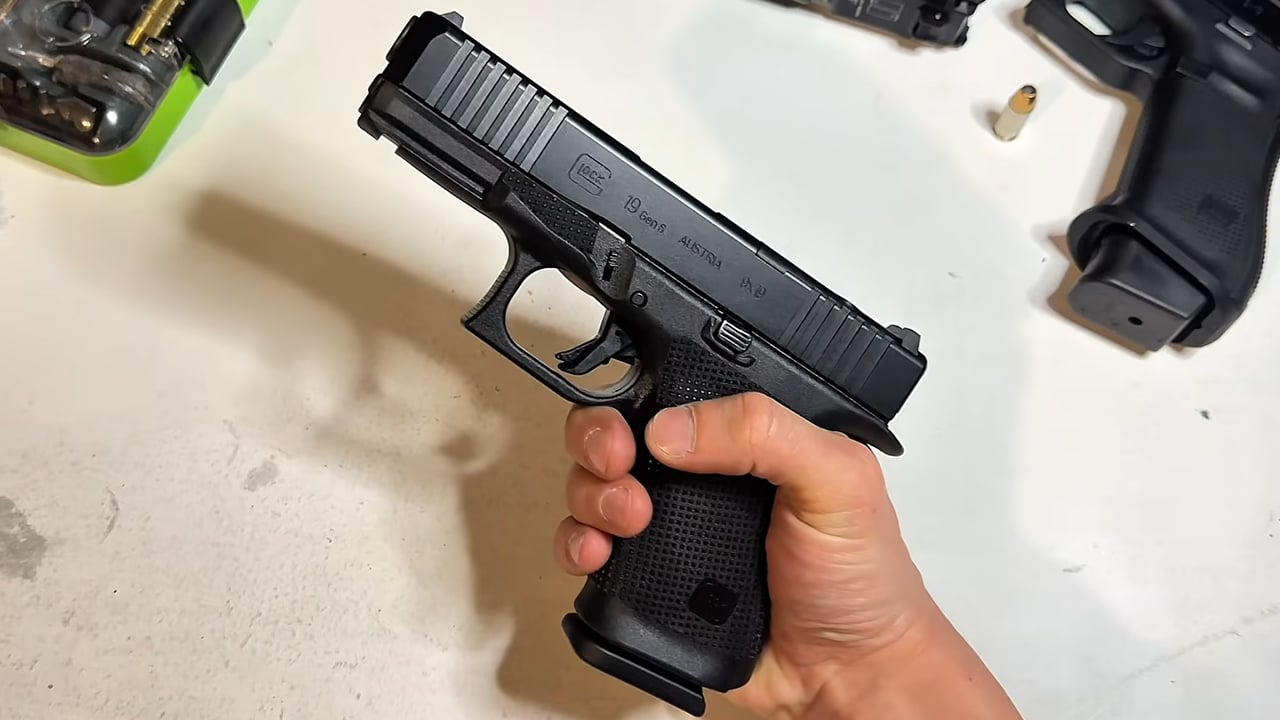
The Glock 19 took the operating system of the Glock 17 and placed it into a package that could handle nearly any handgun role. It is large enough for duty use and home defense while remaining compact enough for ordinary concealed carry.
Its 15-round magazine, manageable recoil, simple maintenance, and enormous aftermarket made it the default recommendation for several generations of handgun buyers. Later pistols have offered better triggers and more comfortable grips, but few have matched the Glock 19’s balance of size, capacity, reliability, and support. It remains the standard against which compact striker-fired pistols are measured.
Glock 26
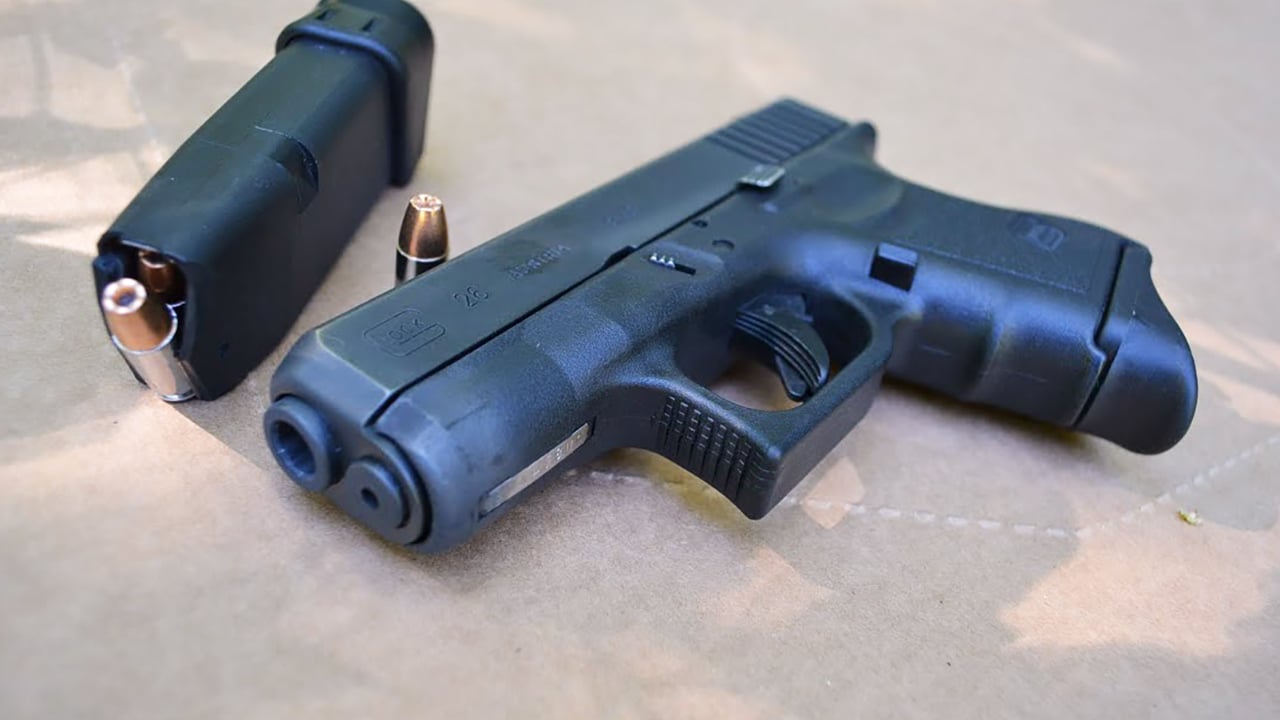
The Glock 26 proved that a subcompact pistol did not need to use a single-stack magazine or a reduced-power cartridge. It gave concealed carriers 10 rounds of 9mm in a short, thick frame while accepting larger magazines from the Glock 17 and Glock 19.
Its short grip makes it less comfortable than newer micro-compacts, and the pistol is thick for its capacity by current standards. The Glock 26 still shoots more like a chopped duty gun than a lightweight pocket pistol. That makes it unusually controllable for its size and explains why it remains relevant decades after thinner competitors appeared.
Smith & Wesson M&P9 M2.0

The original M&P helped Smith & Wesson reestablish itself in the police and defensive-pistol market, but the M2.0 turned the platform into a serious Glock alternative. Its improved grip texture, reinforced chassis, interchangeable palm swells, and revised trigger made it easier to shoot well without sacrificing durability.
Later flat-trigger versions improved the design further. The frame fits a broader range of hands than many fixed-grip competitors, while the low bore axis and aggressive texture help control rapid fire. Smith & Wesson also offers the operating system in full-size, compact, competition, and concealed-carry configurations.
Walther PDP
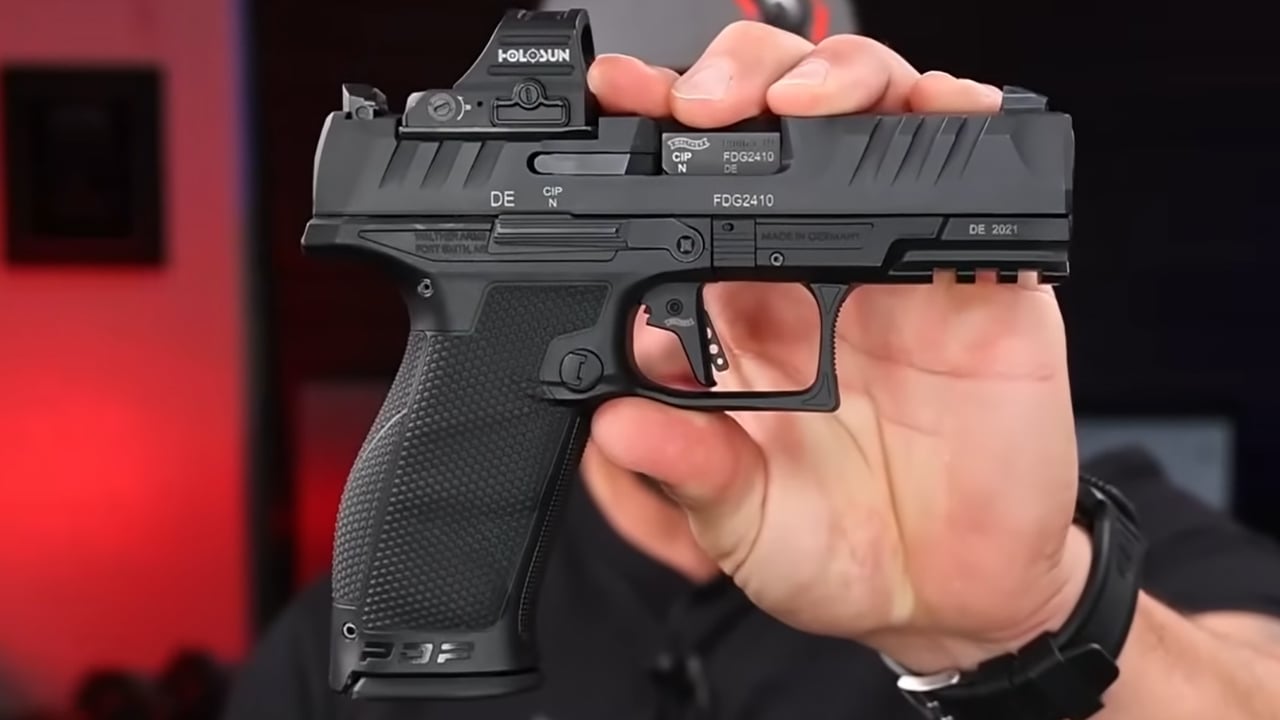
The Walther PDP showed that a duty pistol could have an excellent factory trigger without becoming a competition-only handgun. Its Performance Duty Trigger has a defined break and short reset that make accurate, rapid shooting easier than it is with many basic striker-fired systems.
The grip is aggressively shaped and textured, while the deep slide serrations provide excellent purchase. Its relatively tall slide can produce more muzzle movement than lower-profile competitors, but the trigger and ergonomics make the pistol easy to shoot well. Walther offers the PDP in multiple frame, slide, and steel-frame configurations, making it one of the most complete modern striker-fired families.
Heckler & Koch VP9
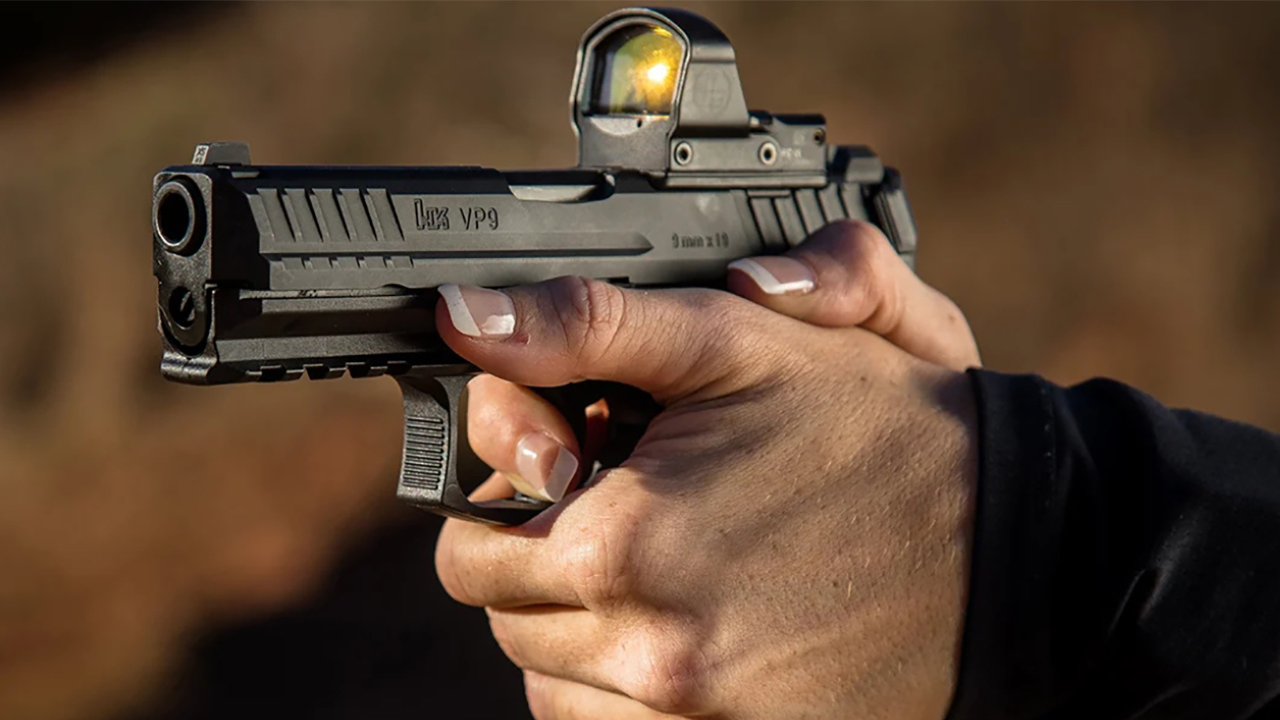
The VP9 brought HK into the modern striker-fired market without feeling like a copy of the Glock. Its grip uses interchangeable backstraps and side panels, allowing shooters to adjust both the width and shape of the frame.
The rear slide supports make manipulation easier, while the trigger is clean and predictable for a service pistol. Early models lacked some features buyers expected, including optics readiness and a push-button magazine release option. Later versions corrected those limitations. The VP9 remains one of the most comfortable and carefully finished polymer duty pistols available.
CZ P-10 C

The P-10 C arrived late to the compact striker-fired category, but it immediately challenged more established pistols with a comfortable grip, low bore axis, secure texture, and excellent trigger.
Its dimensions place it directly against the Glock 19, yet many shooters find the CZ easier to point and control. Early pistols had occasional complaints involving stiff controls and minor parts, but the mature version has become a dependable and affordable defensive gun. The P-10 C is especially impressive because it delivers strong factory performance without requiring an expensive trigger or frame upgrade.
SIG Sauer P365
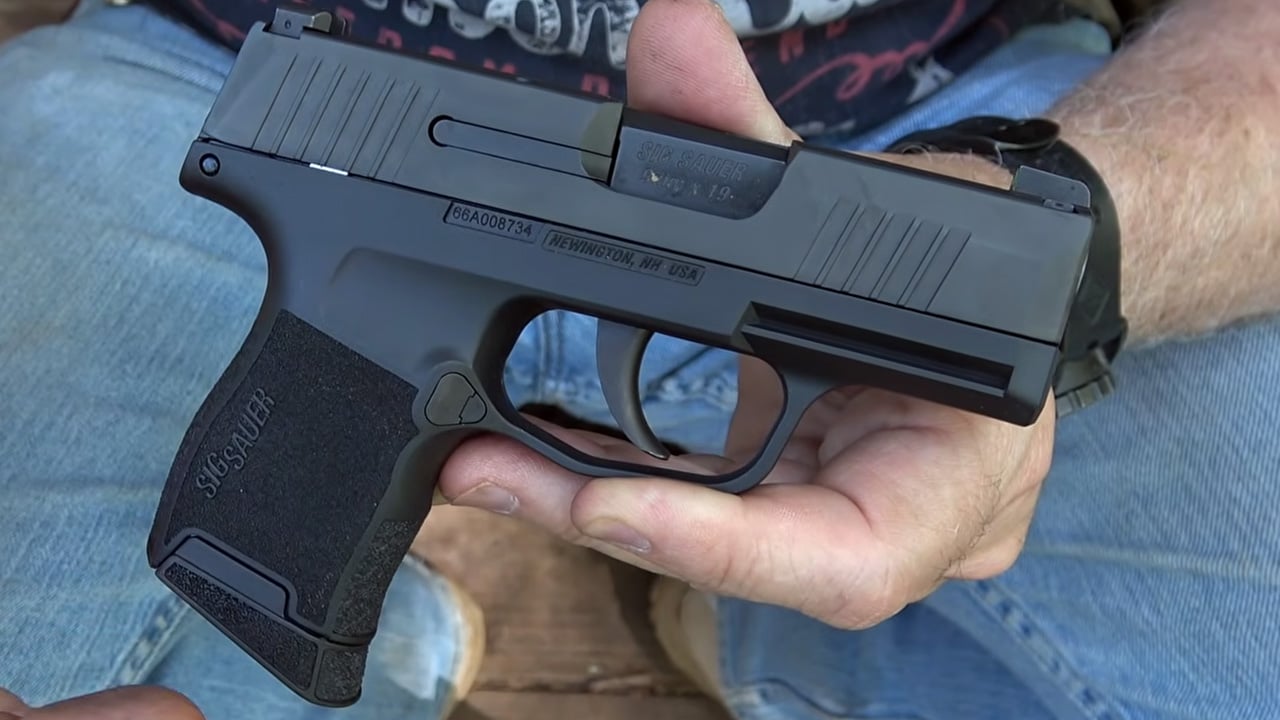
The P365 changed concealed carry by fitting 10 rounds into a pistol that was barely larger than many single-stack pocket guns. Competing manufacturers quickly responded with their own high-capacity micro-compacts, creating one of the most important handgun categories in the modern market.
The original pistol can feel snappy, and its short grip is not ideal for every shooter. Its capacity-to-size ratio was still revolutionary. The P365 family has since expanded into larger configurations with longer grips, compensators, optics cuts, and capacities reaching full-size pistol territory. Few handguns have changed buyer expectations so quickly.
Smith & Wesson Shield Plus
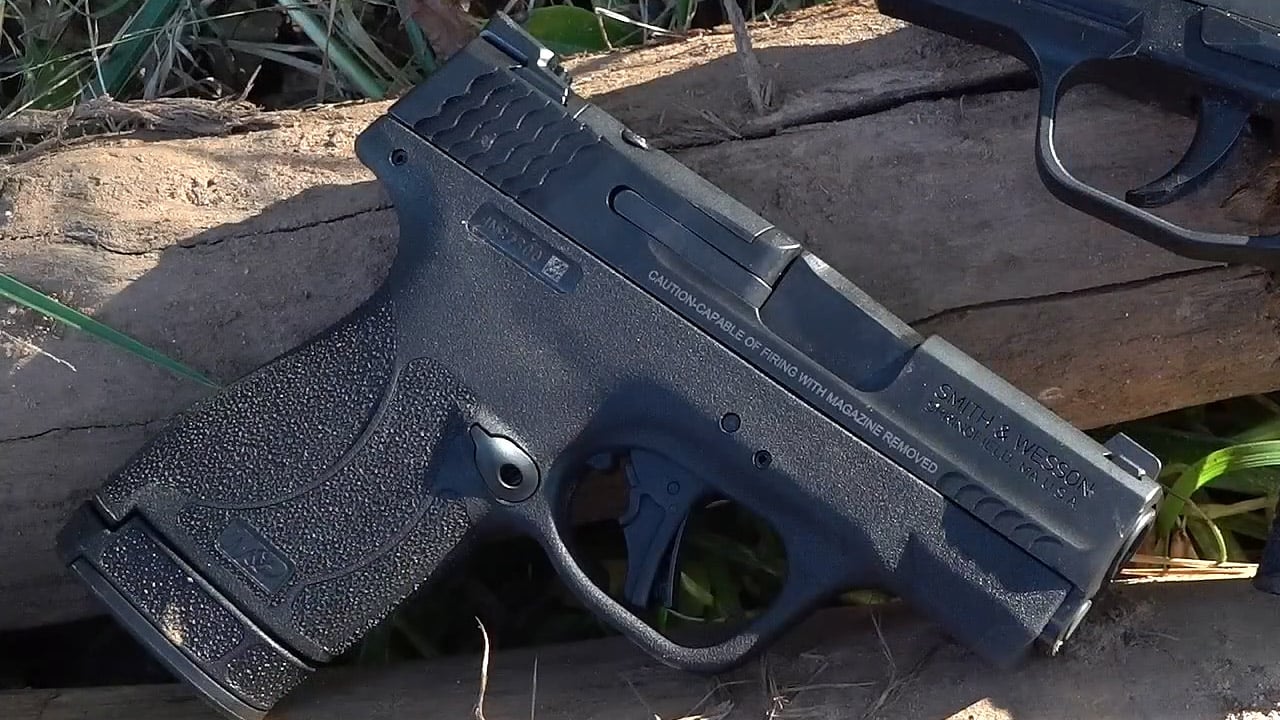
The original M&P Shield helped make slim 9mm pistols mainstream. The Shield Plus preserved the comfortable grip and narrow slide while increasing capacity and installing a much better trigger.
It does not feel as tiny as some competing micro-compacts, which is one of its strengths. The longer grip profile and manageable recoil make it easier to shoot than many pistols that save only a small amount of space. The Shield Plus is not the most mechanically original handgun here, but it may be one of the most practical concealed-carry pistols ever produced.
Springfield Armory Echelon
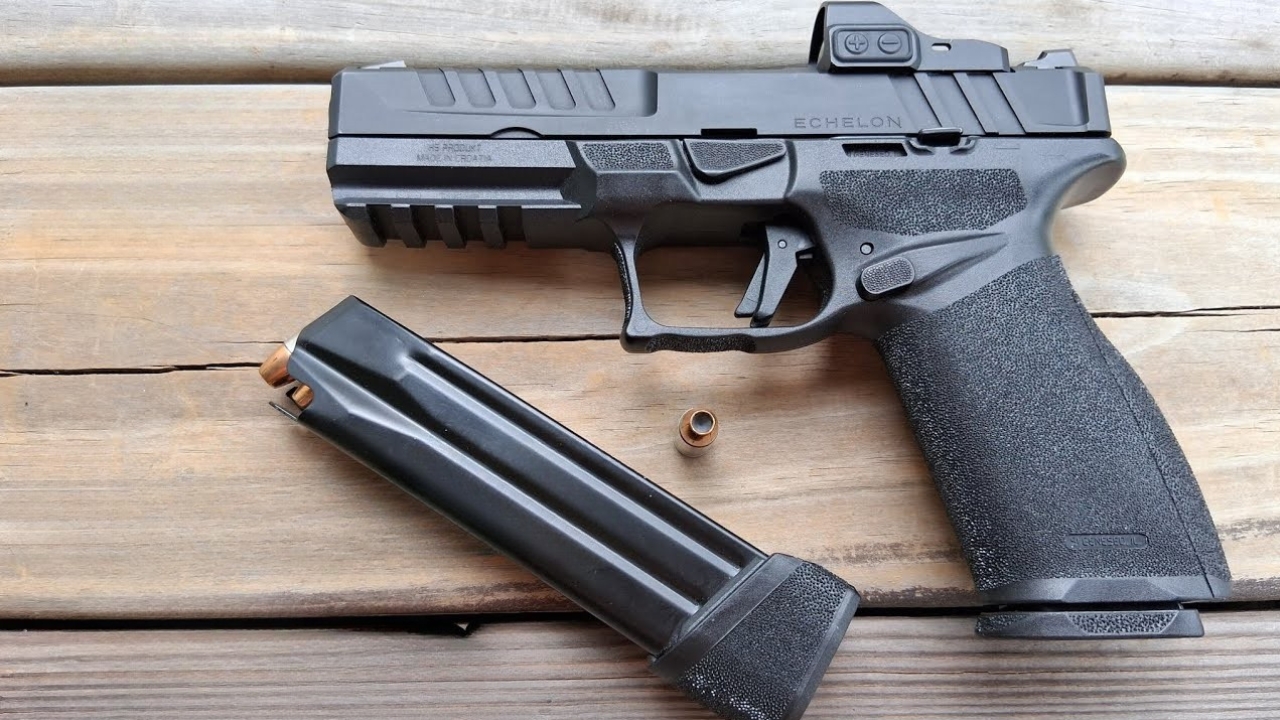
The Echelon took several ideas that already existed and packaged them more intelligently. Its removable serialized chassis provides modularity, while the Variable Interface System allows numerous red-dot footprints to mount without relying on a thick universal adapter plate.
The pistol also includes ambidextrous controls, deep slide serrations, interchangeable grip components, and well-designed indexing surfaces. Its trigger is good without becoming dangerously light, and the full-size frame handles recoil predictably. The Echelon is one of the strongest examples of what a modern duty pistol should provide directly from the factory.
FN 509
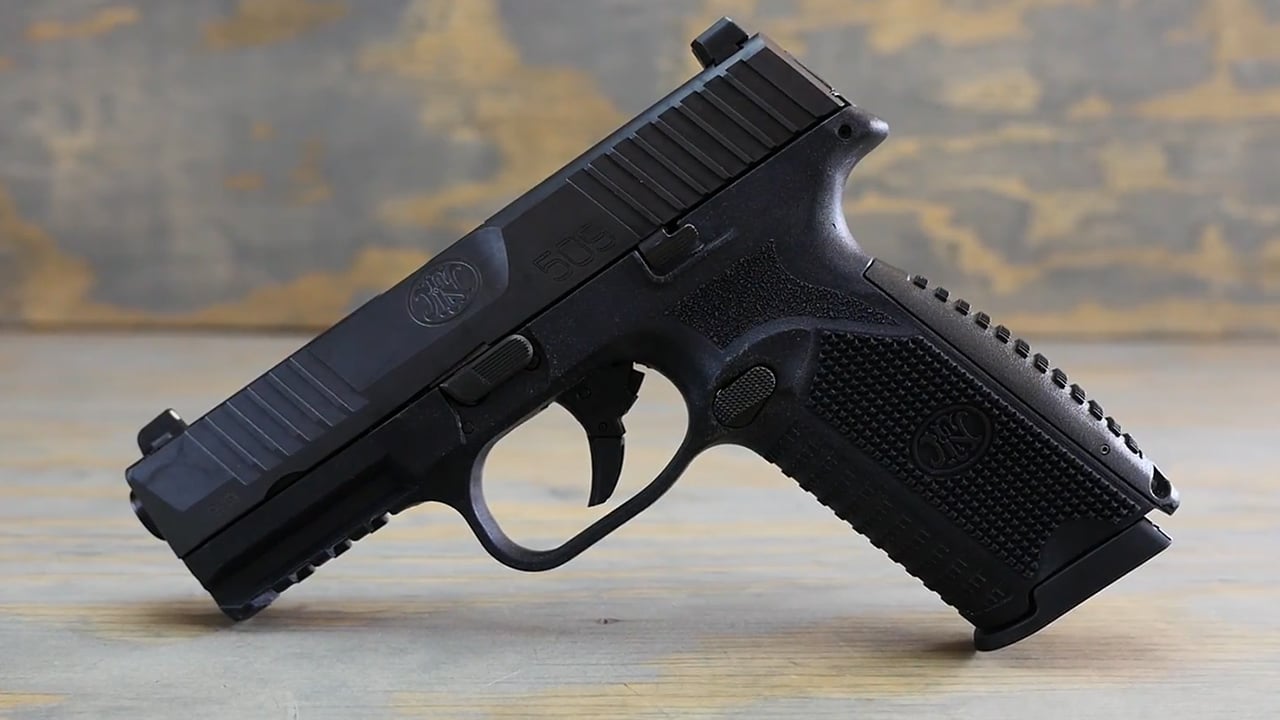
The FN 509 was developed from FN’s entry into the U.S. military Modular Handgun System competition. The resulting commercial pistol emphasized durability, ambidextrous operation, aggressive grip texture, and hard-use optics mounting.
Its factory trigger has never been the strongest part of the design, and magazines are more expensive than those for several competitors. The pistol compensates with rugged construction and a broad family that includes compact, tactical, long-slide, and compensated configurations. The 509 Tactical was particularly influential in making threaded barrels, tall sights, extended magazines, and optics systems standard factory equipment.
SIG Sauer P320
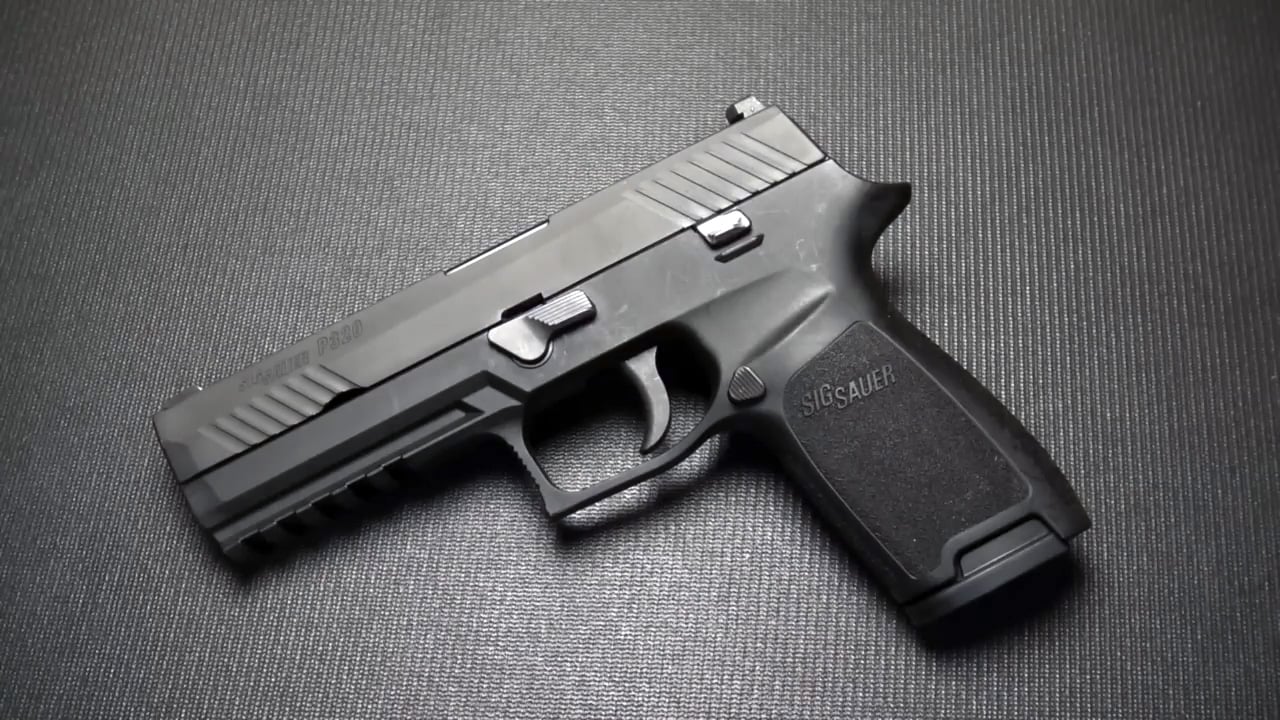
The P320 made the removable fire-control unit the center of a mainstream pistol family. The serialized chassis can be moved between compatible grip modules and slide assemblies, allowing the owner to change the pistol’s size and configuration without purchasing an entirely separate traditional frame.
Its selection for the U.S. military’s Modular Handgun System gave the design enormous visibility and led to the M17 and M18 service pistols. The P320 has also faced continuing controversy and litigation involving allegations of unintended discharges, which SIG Sauer disputes. Its influence is undeniable, but its place on this list comes with more qualification than most of the other pistols here.
Walther P99

The P99 was one of the most original striker-fired pistols of the late 1990s. Instead of using one consistent trigger mode, it offered versions with a decocker and a trigger that could operate with a longer first pull followed by lighter subsequent shots.
Its interchangeable backstraps were also unusual when the pistol appeared. The trigger system required more explanation than the simpler Glock approach, and the paddle-style magazine release divided American buyers. The P99 never dominated the market, but its ergonomics and trigger quality influenced later Walther pistols and several licensed or cooperative designs.
Heckler & Koch VP70

The VP70 deserves recognition because it used a polymer frame and striker-fired operating system years before the Glock 17 appeared. Its 18-round magazine was also remarkable for a handgun introduced during the 1970s.
Historical importance did not make it pleasant to shoot. The civilian VP70Z had an extremely heavy trigger, bulky grip, and poor practical accuracy compared with later designs. The military version could fire bursts when attached to a special stock, but it never became broadly successful. The VP70 was too early and too flawed to reshape the market, yet it proved several supposedly modern pistol ideas were already possible.
Steyr M9-A2
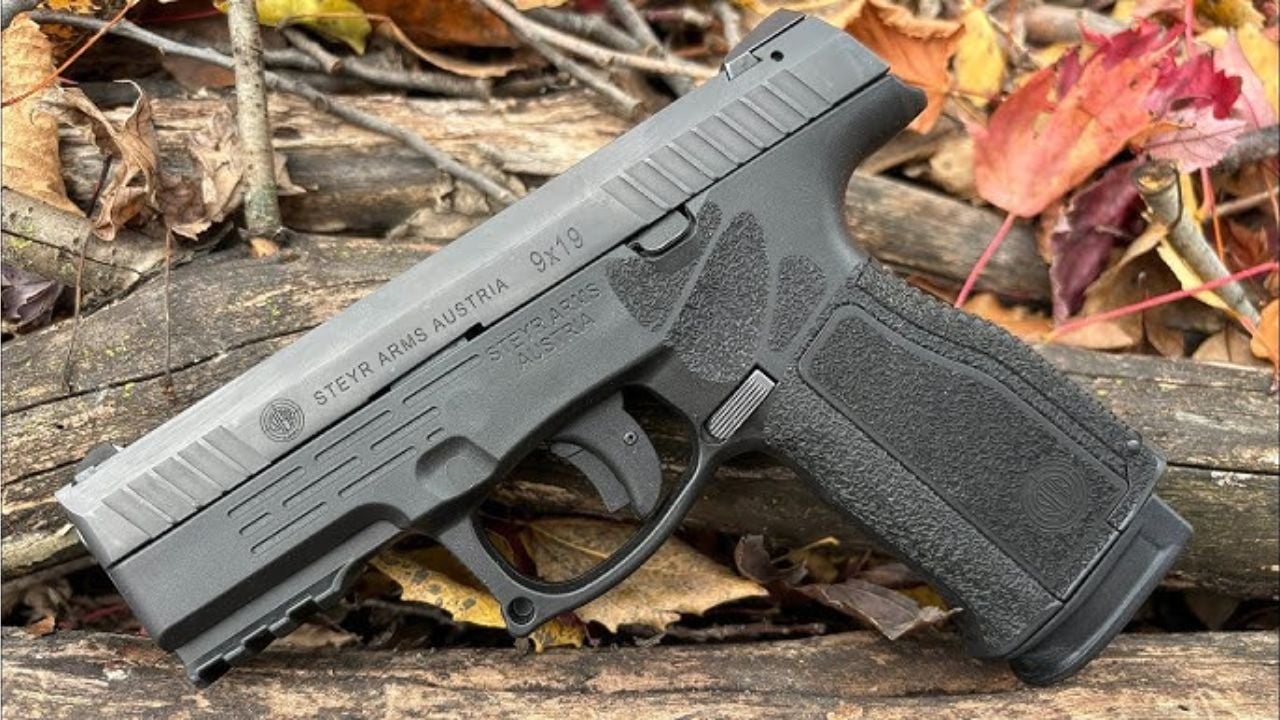
The Steyr M9-A2 uses a low bore axis, steep grip angle, and unusual trapezoidal sights to create a pistol that feels unlike nearly every mainstream competitor. Shooters who adapt to the sight system often find it fast and easy to track.
Its modular grip offers replaceable backstraps and side panels, while the trigger is better than the limited attention surrounding the pistol suggests. Weak marketing, inconsistent U.S. availability, and limited accessory support have kept it from challenging Glock or Walther. Mechanically and ergonomically, however, it remains one of the most interesting striker-fired service pistols made.
Canik SFx Rival
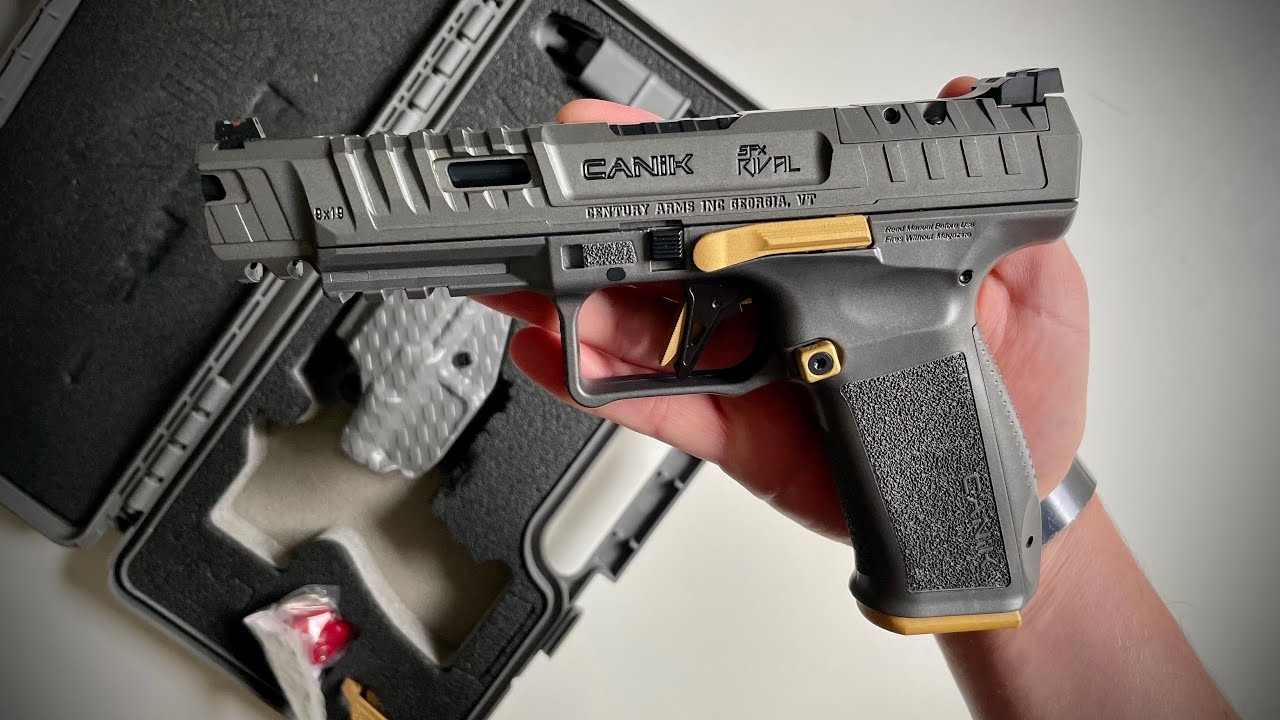
The SFx Rival demonstrated how much performance could be included in a competition-ready pistol without crossing into custom-gun pricing. It arrives with an optics-ready slide, excellent trigger, extended controls, removable magazine well, adjustable sights, and a complete selection of mounting hardware.
The long slide and large grip make it poorly suited to concealed carry, but that is not its purpose. It is designed to shoot quickly and accurately straight from the box. The Rival helped pressure larger manufacturers to offer better triggers and more complete optics packages instead of expecting buyers to finish their pistols with aftermarket parts.
Glock 34
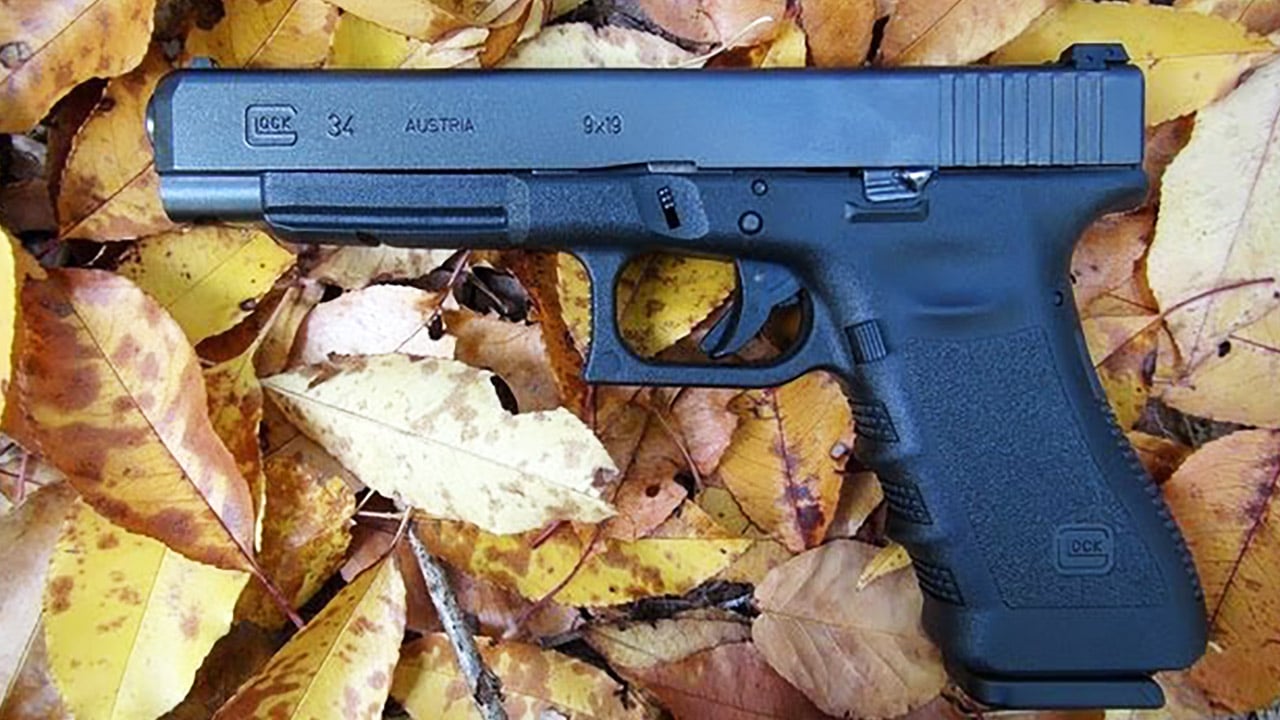
The Glock 34 extended the familiar Glock operating system into a pistol built for competition, duty use, and shooters who wanted a longer sight radius. Its extended barrel, longer slide, and lighter connector made it easier to shoot accurately without sacrificing the reliability of the basic Glock design.
It became a common choice in practical competition and later gained popularity as an optics-equipped home-defense pistol. The Glock 34 is not refined beside modern steel-frame competition guns, but it proved a simple duty pistol could become a credible match gun with relatively minor changes.
Smith & Wesson M&P9 Shield
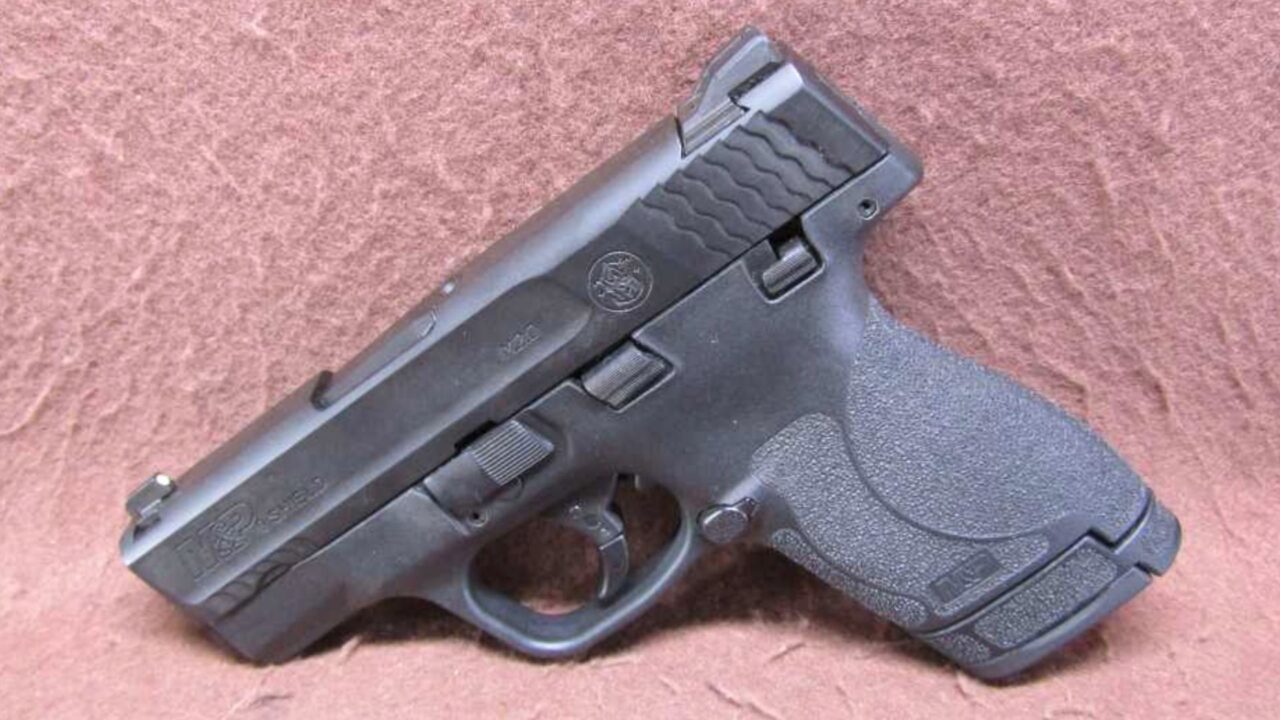
The original Shield deserves its own place even though the Shield Plus has now surpassed it. Before the Shield arrived, many slim defensive pistols were either tiny pocket guns or expensive specialty models.
Smith & Wesson gave buyers a thin, affordable 9mm that was large enough to shoot properly and small enough to conceal easily. Its capacity and hinged trigger now feel dated, but the Shield helped define the single-stack carry-pistol boom of the 2010s. Millions of later carry guns followed the basic size and role it made popular.
Springfield Armory Hellcat
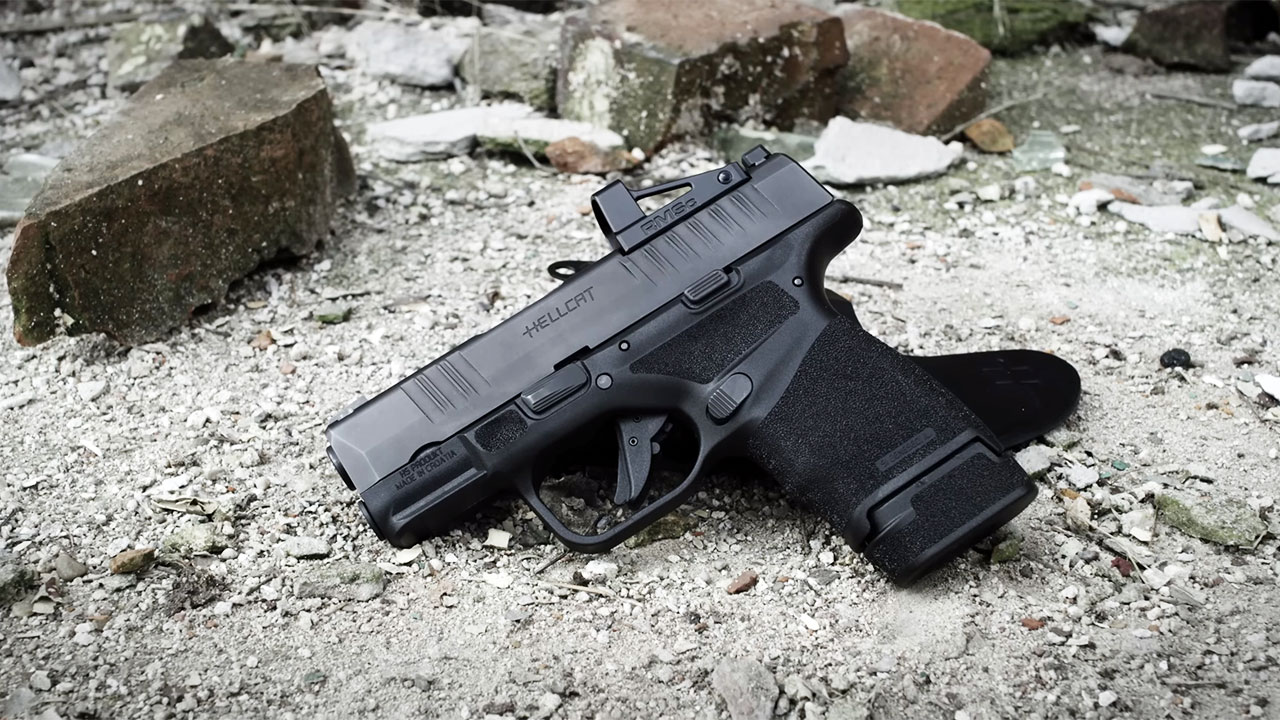
The Hellcat was one of the first major challengers to the P365 and pushed micro-compact capacity even further. Its flush magazine held 11 rounds, while extended options gave shooters more capacity and a longer grip without requiring a larger slide.
The pistol is snappier than some competitors, but its aggressive texture and highly visible sights help the shooter maintain control. Later optics-ready and compensated versions expanded the platform. The Hellcat deserves recognition for proving the high-capacity micro-compact market would not belong to a single manufacturer.
Glock 43X

The Glock 43X combined the thin slide of the Glock 43 with a longer grip that was easier to control. Its factory 10-round capacity was not revolutionary, but the proportions made it far more shootable than many tiny carry pistols.
The grip is also easier to conceal than a double-stack Glock 19 while still providing room for the entire firing hand. Aftermarket magazines have offered greater capacity, although factory magazines remain the safest reliability choice for defensive use. The 43X succeeded because it accepted that a carry pistol did not need to be as short as possible to conceal well.
Like The Avid Outdoorsman’s content? Subscribe to our newsletter so you never miss an article.
Here’s more from us: