Photo credit: mixup98/Youtube
Every few years, somebody declares the .45 ACP “done.” Too big, too slow, too outdated. Then you walk into a little gun shop that still smells like Hoppe’s, or you hit an outdoor range on a windy Saturday, and you see the same thing you’ve always seen: a line of shooters who keep coming back to that big, boring cartridge because it works and it feels right.
The truth is the .45 isn’t one load. It’s a whole menu. Soft shooting ball that runs in anything. Modern hollow points that feed like hardball. Heavy hitters built for short barrels. Even specialty stuff that makes sense if you’re around critters or you’re stuck with a finicky pistol. Here are 20 loads that keep the faith alive.
1. Federal American Eagle 230-grain FMJ
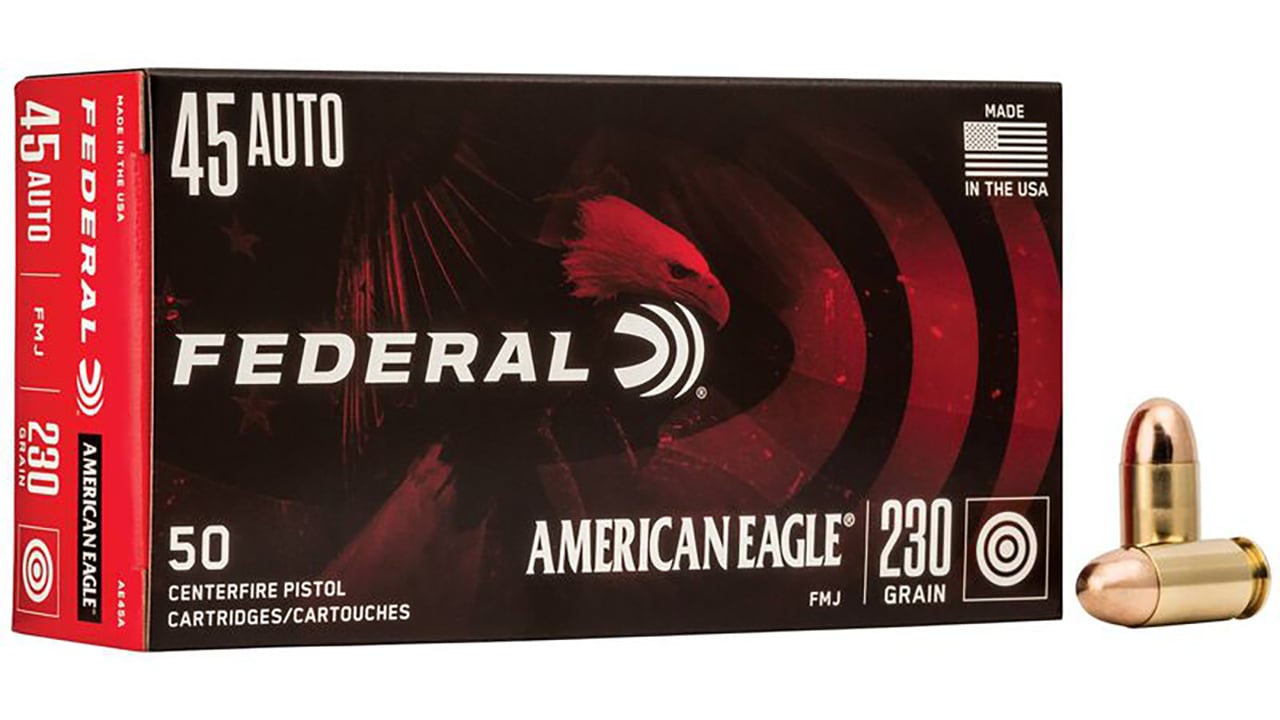
If you shoot .45 much at all, you’ve probably burned through a few boxes of this. It’s not glamorous. It’s just honest range ammo that tends to run in most pistols without drama.
For a lot of folks, this is the “baseline” load: if a gun won’t behave with 230-grain ball, the gun is the problem. It also prints close enough to many duty-style 230-grain defensive loads that practice doesn’t feel like you’re learning two different pistols.
2. Winchester “White Box” 230-grain FMJ
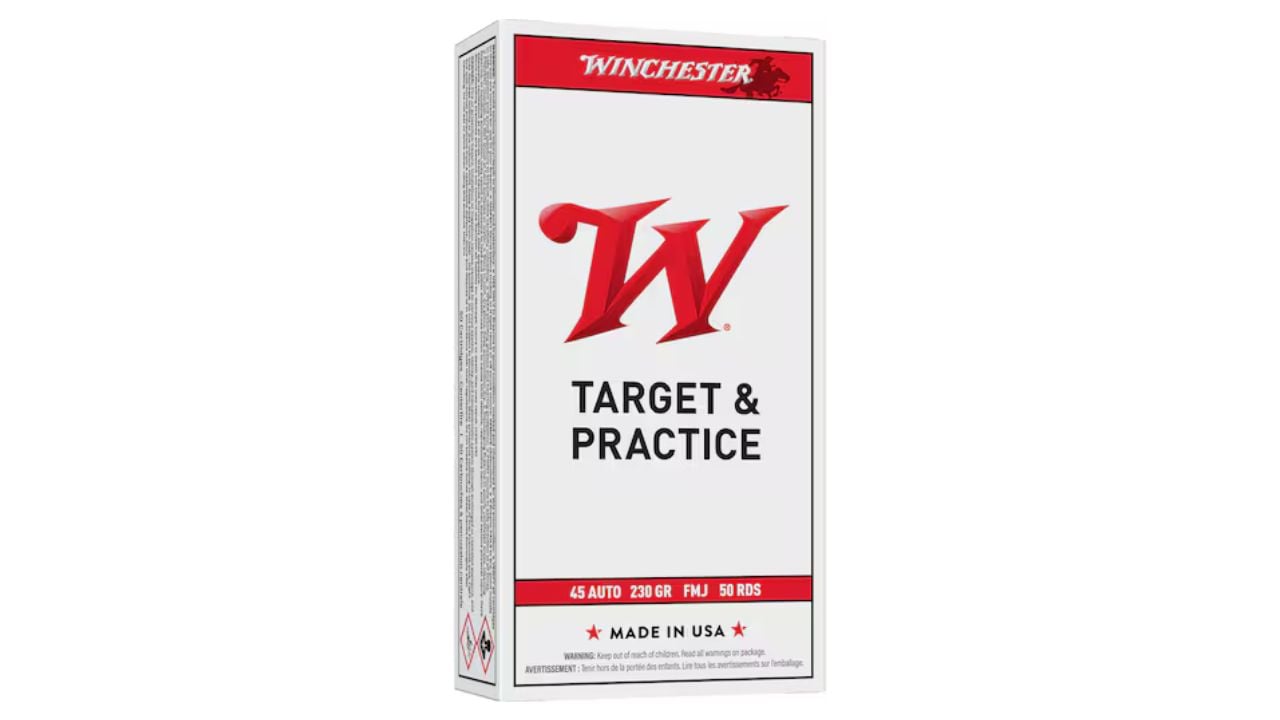
This is another one of those parking-lot-to-range-bag staples. It has kept more 1911s, SIGs, and Glocks punching paper than most shooters want to admit.
Is it match ammo? No. But when you want to confirm mags, break in a new recoil spring, or just get reps in without thinking too hard, it’s the kind of plain ammo that makes the .45 feel normal.
3. Remington UMC 230-grain FMJ
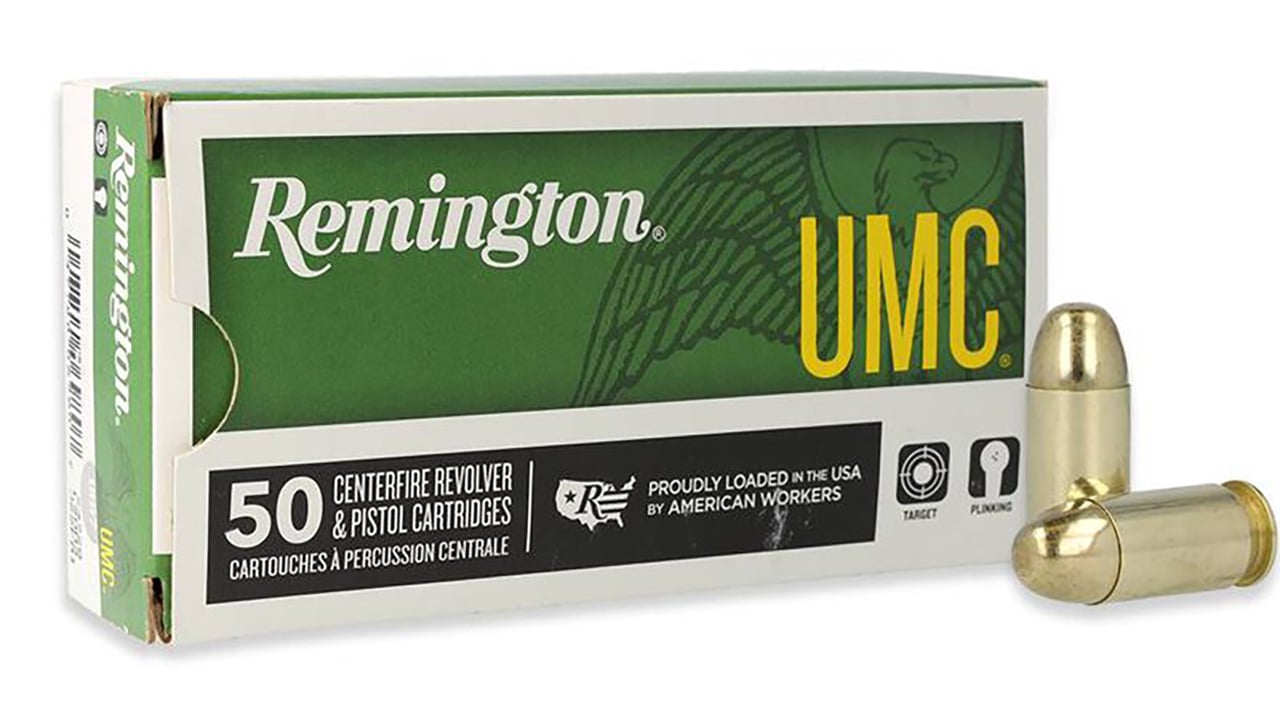
UMC has been around long enough that plenty of us associate the green-and-yellow box with our first .45. It’s the stuff you buy when you want dependable ball and you don’t feel like gambling on some no-name bulk pack.
In a lot of pistols, it has that slightly softer push that makes new shooters quit flinching. The .45 has a way of teaching trigger control without slapping you around, and UMC fits that role.
4. Sellier & Bellot 230-grain FMJ
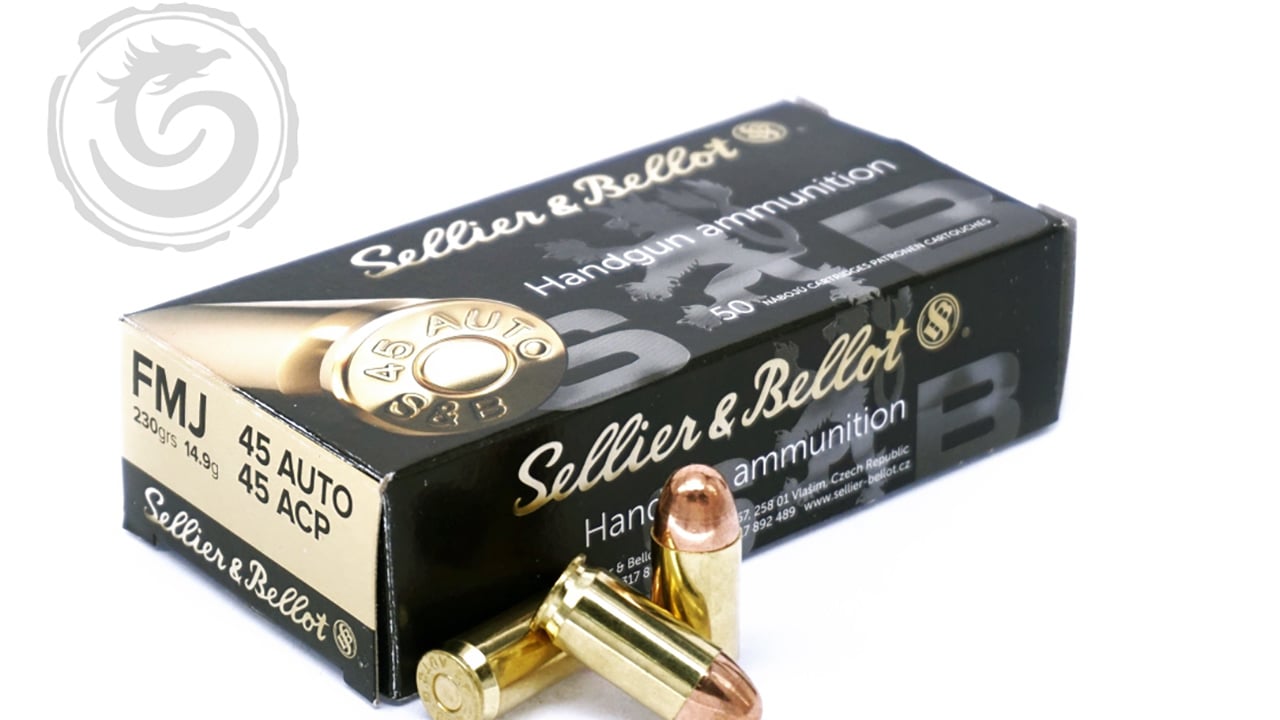
S&B is one of those brands that doesn’t need much marketing. It’s typically loaded consistently, and it tends to be clean enough that you’re not scraping soot out of the gun after every session.
If your .45 is a “working pistol” that sees wet weather, dust, and a little neglect, this is a solid pick for practice. Reliable practice is what keeps believers around long after the internet moves on.
5. Speer Gold Dot 230-grain JHP
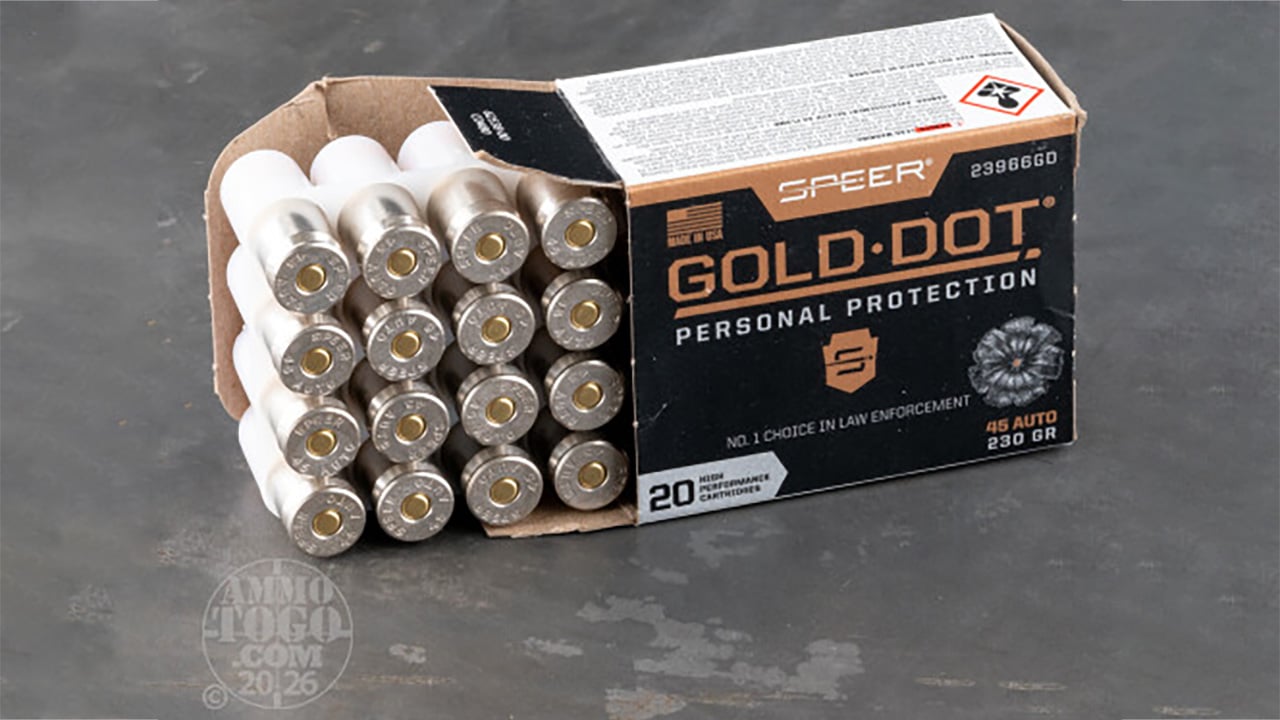
This is one of the classic modern defensive loads that earned its reputation the hard way. It’s also a load that feeds well in a lot of guns that get fussy with wide-mouth hollow points.
The 230 Gold Dot is part of why the .45 still has a practical argument. You get a big bullet, proven design, and recoil that most shooters can manage without turning every shot into a negotiation.
6. Speer Gold Dot 200-grain +P JHP
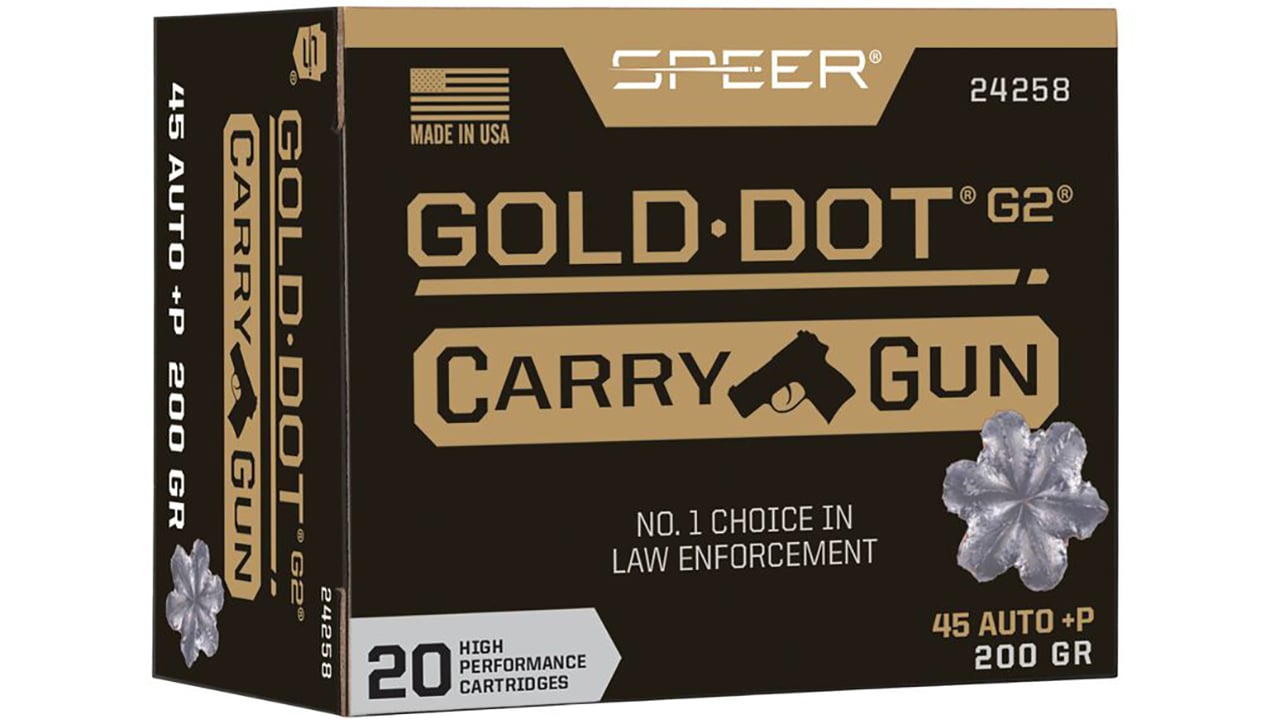
Some shooters like a little more speed and a little flatter trajectory, even in .45. The 200 +P Gold Dot is one of those loads that makes a Government-size 1911 feel lively without being ridiculous.
It’s not for every pistol, and you need to be honest about whether you actually shoot +P well. But if your gun is rated for it and you can control it, this load is a good example of .45 not being stuck in 1911-and-hardball history.
7. Federal HST 230-grain JHP
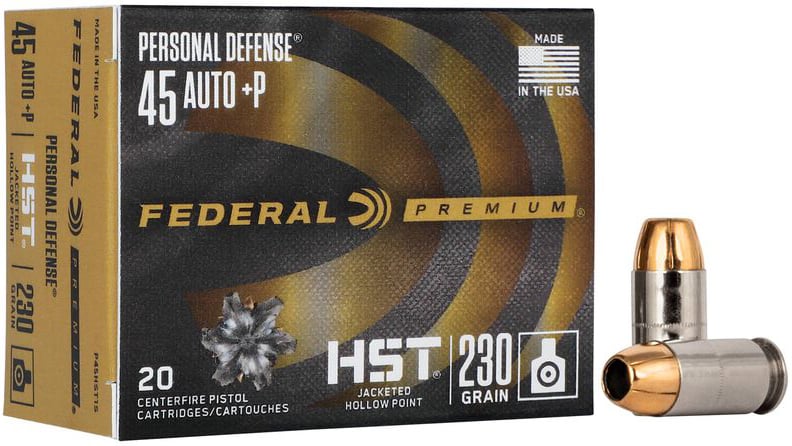
If you spend time around serious shooters, HST comes up constantly. It has a track record, it tends to be accurate, and it’s one of the better-feeding hollow points across a wide range of pistols.
It also shoots “friendly.” Not soft, exactly, but predictable. When you’re trying to keep fast follow-up shots in the A-zone, predictable recoil matters more than arguments about muzzle energy.
8. Federal HST 230-grain +P JHP

For folks who want HST performance with a little extra steam, the +P version exists for a reason. In some guns it tightens up point-of-impact compared to standard pressure, and in others it just feels snappier with no real benefit.
This is where being honest about your pistol and your hands matters. If you’re running a compact .45, +P can turn a pleasant push into a sharp bump. In a full-size duty gun, it can be a very serious load.
9. Winchester Ranger T-Series 230-grain JHP

This load has been around in one form or another long enough to have a reputation that doesn’t need help. When you hear old-timers talk about “those nasty petals,” this is usually what they mean.
It’s also a reminder that modern .45 hollow points aren’t the unreliable, clog-prone designs from decades ago. A load like this is why plenty of folks never felt any need to trade their .45 for something trendier.
10. Hornady Critical Duty 220-grain +P

Critical Duty is built with a different mindset than “fast expanding on bare gel.” It’s meant to hold together, drive, and still perform when things aren’t perfect.
The 220 +P version gives the .45 a tougher, more barrier-minded option for people who think about real-world angles: car doors, heavy clothing, or odd-shot geometry. It isn’t a range toy load, but it’s a believer-maker for practical folks.
11. Hornady Critical Defense 185-grain FTX
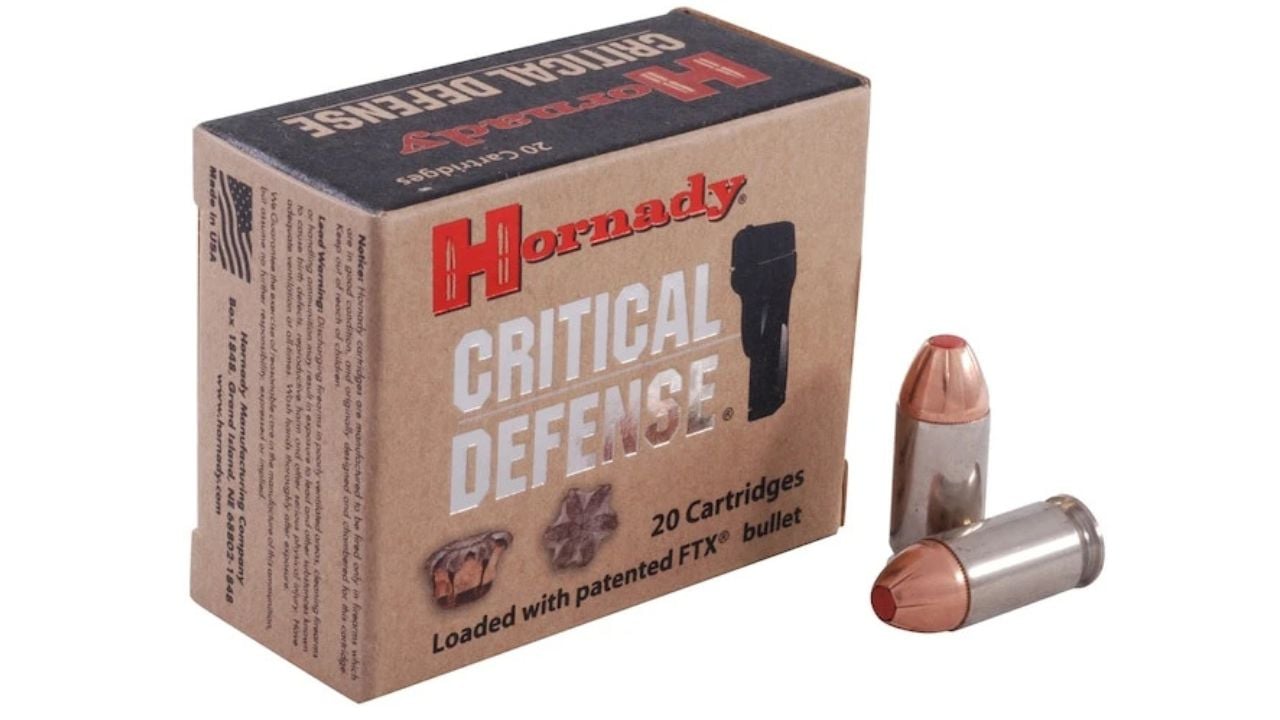
This one often gets picked because it feeds well, especially in compact pistols that can be picky. The FTX plug design also gives some peace of mind for folks who worry about hollow points plugging up.
It’s lighter than the traditional 230, and that changes the feel. In some guns it feels quicker. In others it feels snappier. Either way, it’s another example of .45 being adaptable instead of “one big slow bullet.”
12. Remington Golden Saber 230-grain JHP

Golden Saber has been a longtime standby. It’s not the newest thing on the shelf, but it still runs, still shoots, and still makes sense if you can find it at a decent price.
I’ve seen more than a few older carry pistols that simply like Golden Saber. When a particular .45 and a particular load get along, you stop caring what the comment section thinks.
13. SIG Sauer V-Crown 230-grain JHP
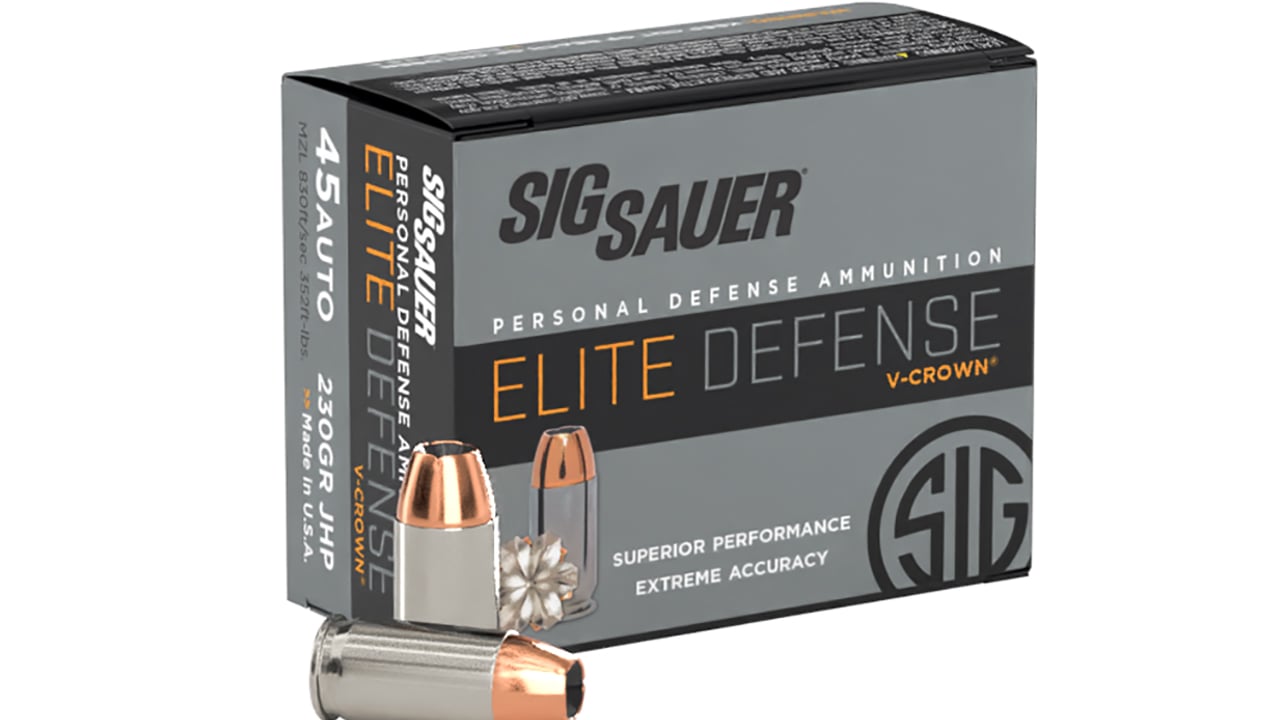
SIG’s V-Crown line has become popular because it tends to be accurate and generally reliable in feeding. It’s also commonly stocked, which matters more than people admit.
A defensive load you can’t find isn’t much of a plan. V-Crown gives .45 shooters a modern option that doesn’t require special ordering or hoarding two boxes like they’re gold.
14. Barnes TAC-XPD 185-grain +P (all copper)

All-copper bullets have their own following, and in .45 they can make a lot of sense. Lighter weight with solid construction can mean good performance while still keeping bullet integrity.
The +P part means you need a pistol that can take it and a shooter who can control it. But if you want a premium .45 load that’s built tough and hits with authority, this one is hard to ignore.
15. Underwood 230-grain JHP
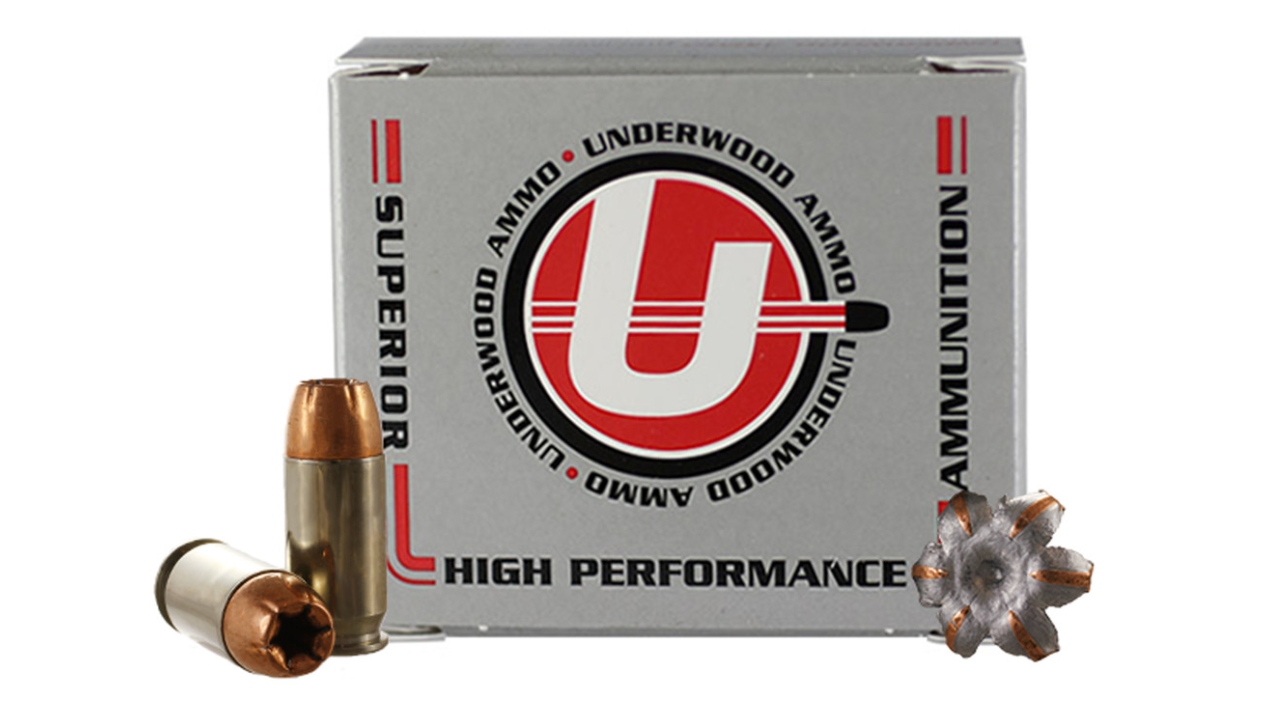
Underwood has a reputation for loading on the warm side, and their .45 offerings are often chosen by folks who want full-tilt performance. That can be appealing in a cartridge that already hits hard.
This is not the load for a bargain-basement gun with questionable springs. In a solid pistol, it can feel like the .45 “woke up,” and that’s exactly why it keeps believers—there’s more headroom in the cartridge than many give it credit for.
16. Buffalo Bore 255-grain Hard Cast (outdoors load)
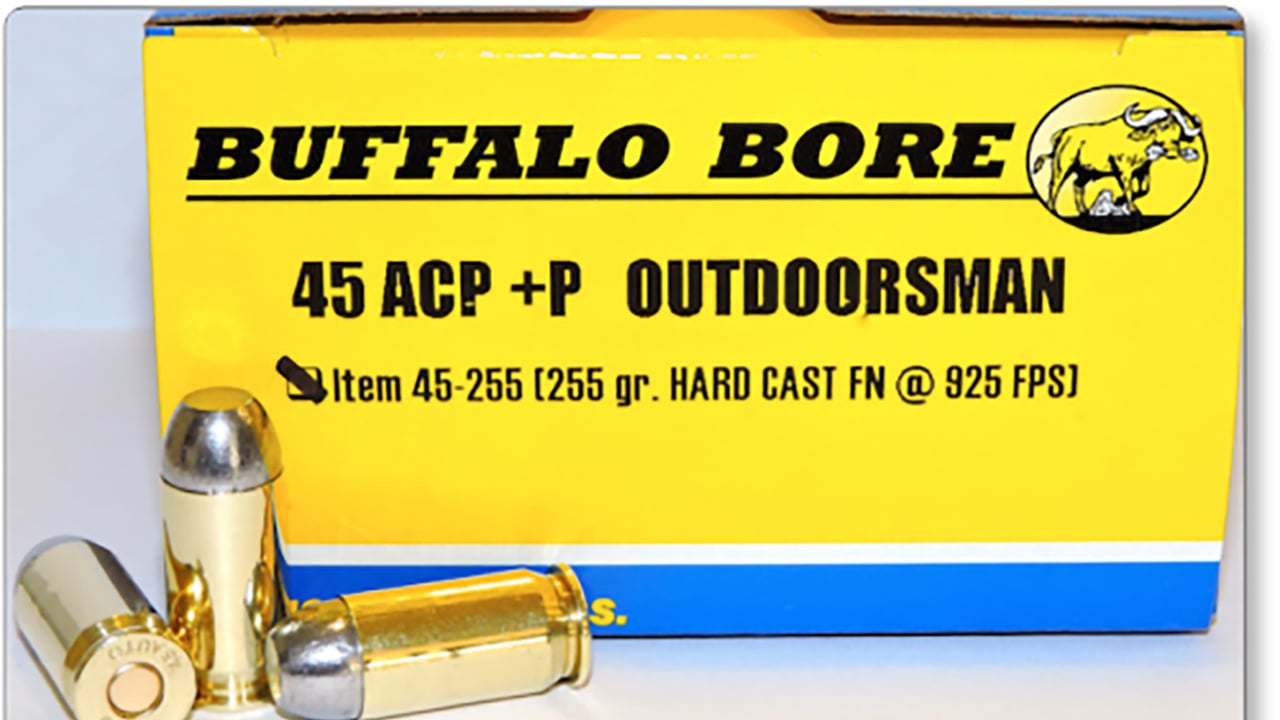
Not every .45 is about two-legged problems. Some of us carry a pistol on the tractor, checking trail cameras, or walking a creek line where you might bump into trouble that isn’t human.
Heavy hard-cast loads like this aren’t magic, and a handgun is still a compromise. But if you’re going to carry a .45 in the woods, a load like this makes the cartridge feel less like a “street round” and more like a practical tool.
17. Federal Syntech 230-grain TSJ (polymer-coated range ammo)
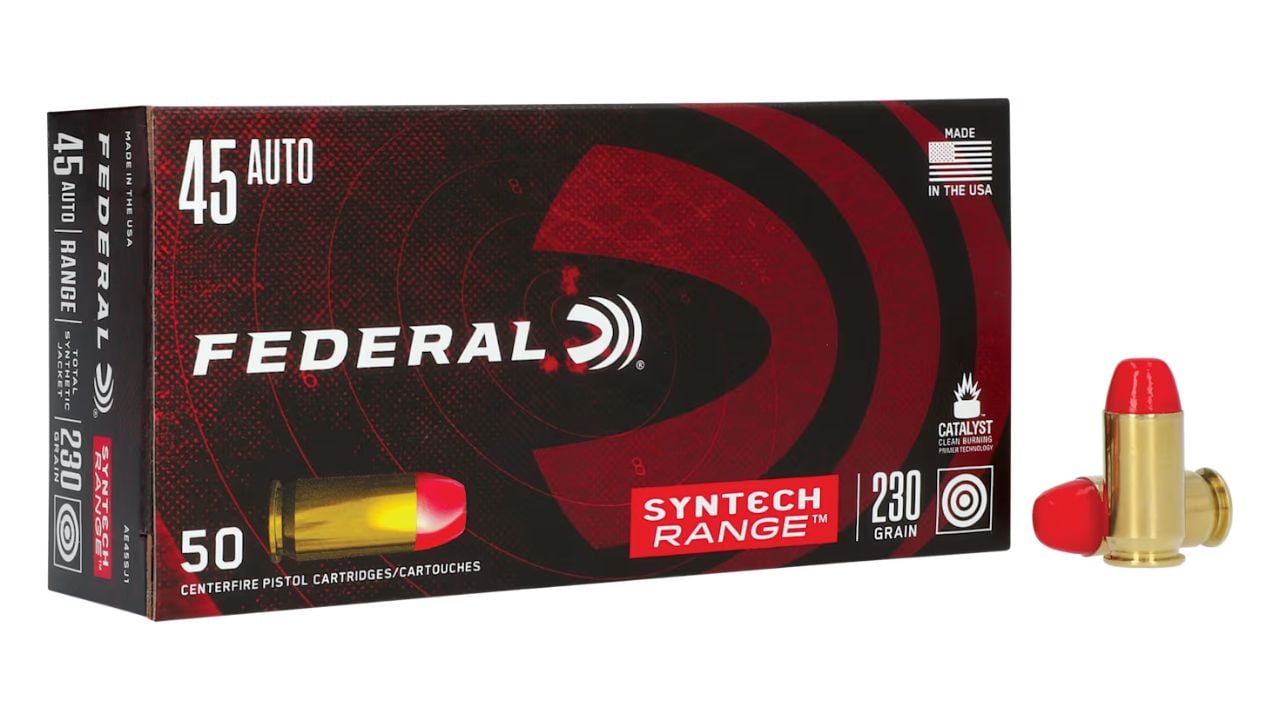
Syntech is range ammo that feels like it was designed by somebody who actually shoots a lot. It tends to run clean, and the coated bullet can reduce some of the grime you get with traditional FMJ.
For high-volume practice, especially in indoor ranges where you notice smoke and residue more, Syntech makes .45 ownership less of a chore. Anything that makes practice easier keeps a caliber alive.
18. PMC Bronze 230-grain FMJ
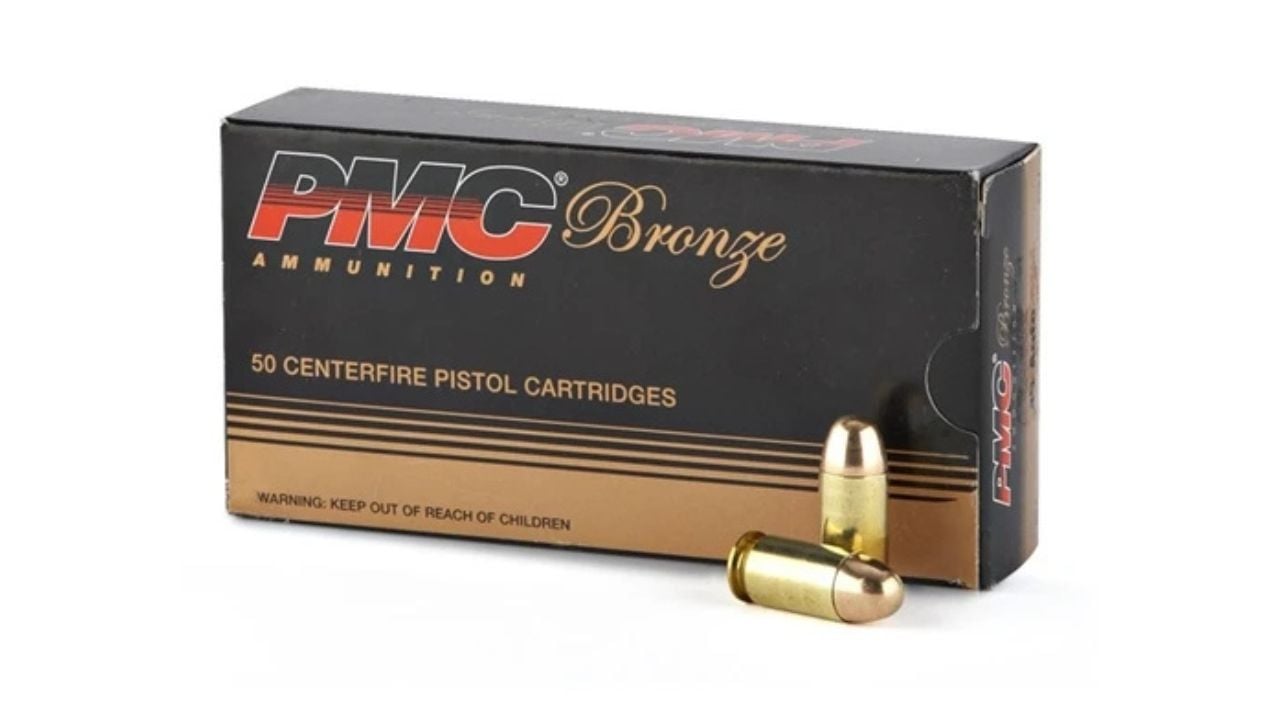
PMC Bronze is often overlooked until you realize it just keeps working. It’s typically consistent enough for normal training and accurate enough for most shooters’ needs.
It’s also a good reminder that .45 doesn’t have to be boutique or expensive to be enjoyable. A steady diet of reliable 230 ball is part of why the cartridge has stayed common for over a century.
19. Magtech 230-grain FMJ
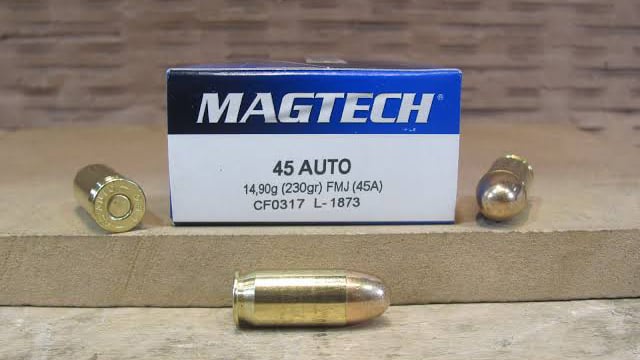
Magtech is another dependable ball option that shows up on shelves when other brands disappear. If you’ve ever tried to keep a .45 habit going through ammo swings, you learn to appreciate what’s available and reliable.
It tends to be straightforward ammo: load magazines, shoot, repeat. The .45 is at its best when it’s simple, and Magtech fits that no-nonsense role.
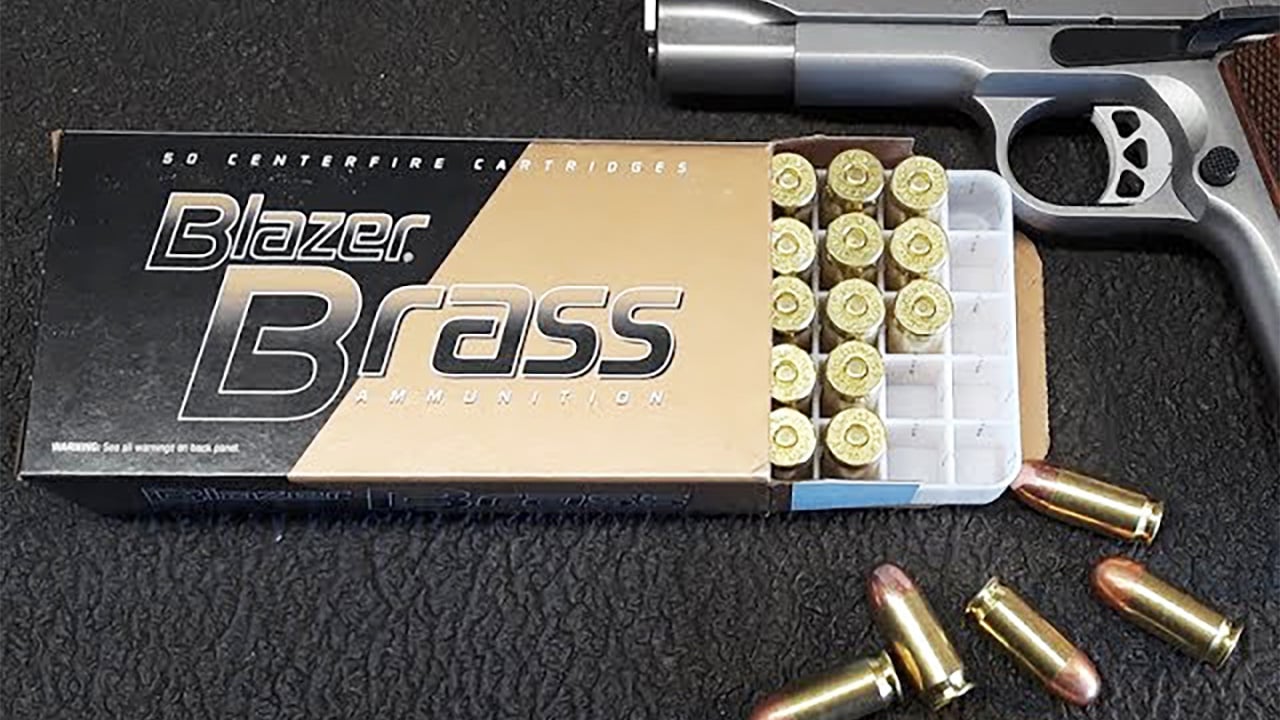
20. CCI Blazer Brass 230-grain FMJ
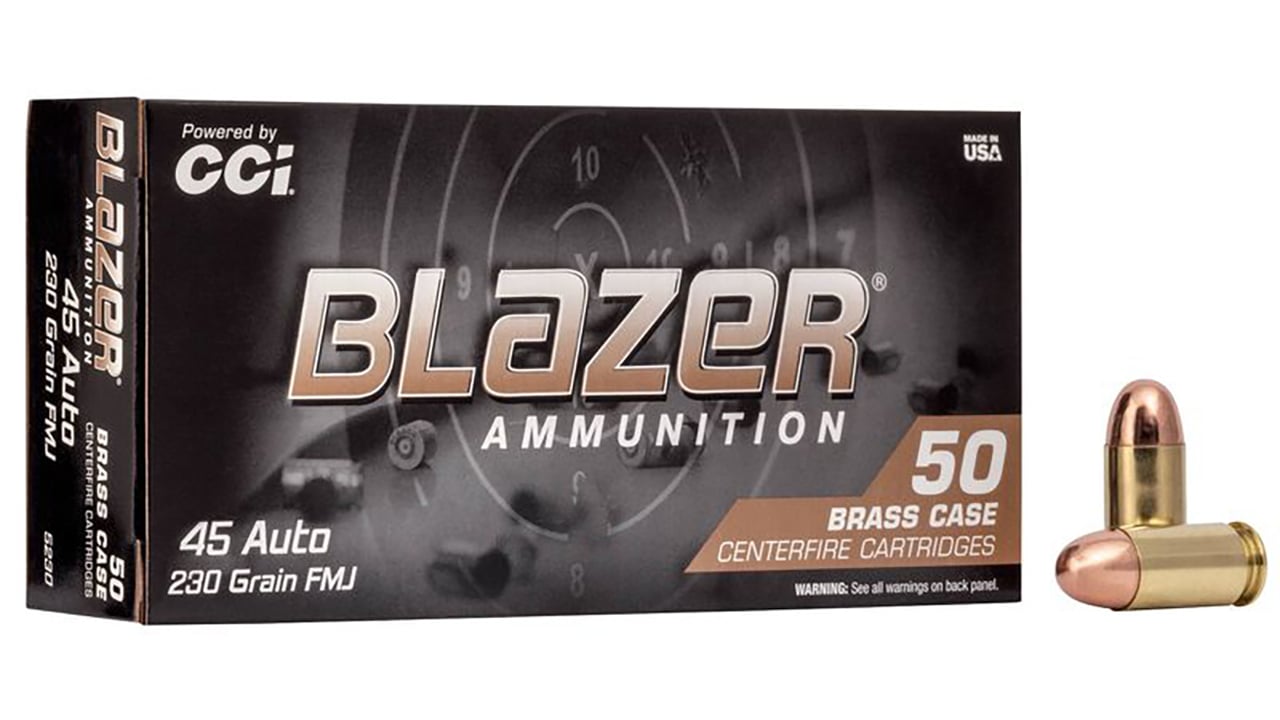
Blazer Brass is common, affordable, and usually trouble-free. It’s the kind of ammo you grab for a last-minute range trip, and it’s the kind that keeps your muscle memory sharp.
When your practice ammo is easy to find and your pistol runs it without complaints, you shoot more. And when you shoot more, the whole “.45 is obsolete” argument starts sounding like something said by folks who don’t actually train.
The .45 ACP sticks around because it isn’t fragile. It’s forgiving, it’s effective with the right modern loads, and it still shoots like a real handgun instead of a spicy little firecracker. Whether you carry one, keep one by the bed, or just like punching big clean holes in paper, these loads are the kind of everyday proof that the old cartridge still has plenty of life in it.
Like The Avid Outdoorsman’s content? Subscribe to our newsletter so you never miss an article.
Here’s more from us: