Photo credit: sootch00/YouTube
Recoil isn’t the enemy. A rifle that hits hard can still be pleasant if the stock fits, the weight makes sense, and the cartridge is doing real work on game. The problem is the rifles that beat you up without giving you much back—lightweight setups in big cartridges, poor buttpad geometry, combs that slap your cheek, or “handy” barrels that turn mild loads into sharp, abrupt recoil. You feel it most on the bench, but you’ll notice it in the field too, because a rifle that hurts makes you flinch, rush, and shoot worse.
These aren’t “bad rifles.” They’re rifles that can be punishing in their common configurations, especially when they’re light, short, or set up with stocks that don’t spread recoil well. If you’ve ever finished a range session feeling like the gun won, you’ll recognize these.
Ruger M77 Mark II Ultralight in .300 Winchester Magnum

This is a classic recipe for regret: a light rifle paired with a cartridge that really wants mass to tame it. The recoil isn’t a big rolling push. It’s quick and sharp, and it tends to punish you off the bench. After a few rounds, you start bracing for it, and that’s when your groups fall apart.
The rifle will kill elk all day, but the “earning it” part comes down to whether you can shoot it well. In real hunting positions, it’s manageable. At the range, it can teach you bad habits fast. A better pad and a little added weight can transform it, but in factory form, it’s one of those rifles that can make you hate practicing.
Winchester Model 70 Featherweight in .300 Winchester Magnum

The Featherweight carries like a dream, and that’s why people buy it in big magnums. Then they touch it off and realize the rifle is light enough that .300 Win Mag feels snappy instead of controlled. The classic stock lines also tend to drive recoil up into your cheek if the fit isn’t perfect.
It’s not that the Model 70 can’t handle the cartridge. It’s that the whole point of a Featherweight is saving ounces, and ounces are what soak up recoil. If you’re not careful, you end up with a rifle you “own” but don’t want to shoot. With a good pad and a sane practice cadence, it’s workable, but it’s not a fun range companion.
Kimber Mountain Ascent in .300 Winchester Magnum

The Mountain Ascent exists for one job: saving weight. In a magnum chambering, that trade can feel brutal. Recoil comes fast, muzzle rise is noticeable, and the rifle can make even experienced shooters start rushing shots because they want the next one over with.
This is the kind of rifle that can be deadly in the mountains and miserable at the bench. If you don’t put in deliberate practice, you’ll show up for a hunt with a rifle you haven’t really mastered. The cartridge earns its keep on big game, but the recoil out of a super-light platform often doesn’t earn the shooter’s confidence. A muzzle brake helps, but it changes the whole experience in other ways.
Tikka T3x Lite in .300 Winchester Magnum

Tikka Lites are accurate and dependable, but in .300 Win Mag they can feel harsher than you’d expect. The recoil impulse is quick, and the light weight means there’s not much to slow it down. If your scope eye relief isn’t generous, you’ll start crawling the stock less and less as the session goes on.
The rifle is capable enough that people buy it thinking it’ll be their do-everything elk rig. Then they realize it’s hard to shoot well for more than a few rounds at a time. Add a better recoil pad, consider adding a little weight, and be honest about practice. The cartridge can be worth it, but the factory setup can punish you long before it rewards you.
Remington Model 700 Mountain Rifle in 7mm Remington Magnum

The 7mm Rem Mag isn’t a monster, but in a light Mountain Rifle it can feel sharp, especially on a hard bench. The stock shape and light overall mass can turn what should be a manageable cartridge into something that makes you tense up and start anticipating the shot.
On game, it’s effective and flat enough to justify itself. The problem is getting enough comfortable trigger time to actually shoot it well. A lot of Mountain Rifles end up being carried more than they’re practiced with, and that’s where the punishment feels unearned. With a quality pad and a little extra weight, it calms down, but in factory trim it can be a flinch-builder.
Ruger Hawkeye Alaskan in .375 Ruger

The .375 Ruger is a serious cartridge, and it’s supposed to recoil. The issue is that the Alaskan is compact and built for rough country, which can make the recoil feel more abrupt than you expect from a “big rifle.” It can hit your shoulder like a hammer if the stock fit isn’t perfect.
The cartridge absolutely earns its keep on big bears and tough game, but most people aren’t shooting that scenario every weekend. If your reality is range time and occasional hunts, the recoil can feel like a lot of punishment for limited payoff. The rifle is capable, but it demands respect, a good pad, and disciplined practice if you want to stay sharp without getting beat up.
Marlin 1895 Guide Gun in .45-70 Government (hot loads)

A Guide Gun with full-power .45-70 loads can be savage, especially if it’s a lighter configuration with a short barrel. The recoil isn’t complicated—it’s a hard shove that can rock you, and the lever gun stock can drive it into you in a way that feels more violent than the numbers suggest.
The cartridge can absolutely earn it on bears and big-bodied hogs, but a lot of people run hot loads because they can, not because they need to. That’s where it stops making sense. With more reasonable loads, the rifle is fun and practical. With the “thumper” stuff, it can turn into a rifle you dread shooting, which defeats the point of owning something you should trust.
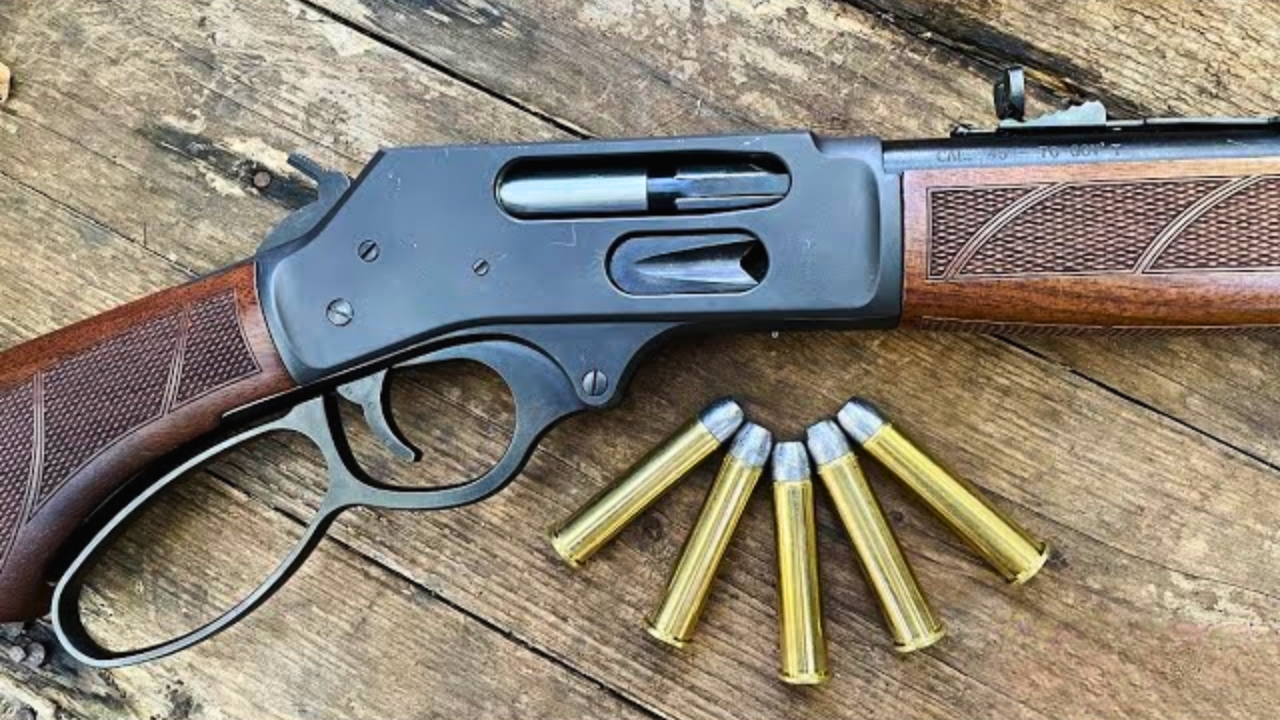
Henry H010 in .45-70 Government (steel buttplate models)

Some Henry .45-70 variants look beautiful and carry tradition, but a steel buttplate and stout loads are a rough combination. The recoil comes straight back with very little give, and after a handful of rounds you start feeling it in your collarbone.
The cartridge can be incredibly useful, but the platform matters. A softer pad changes everything, and many shooters end up retrofitting one because the factory feel is simply too punishing for regular practice. If you’re shooting mild loads, it’s manageable. If you’re shooting modern hunting loads meant for lever guns, that steel plate can make the recoil feel like it’s not earning the pain it’s causing.
Remington 870 Express Slug Gun (rifled barrel, 3-inch slugs)
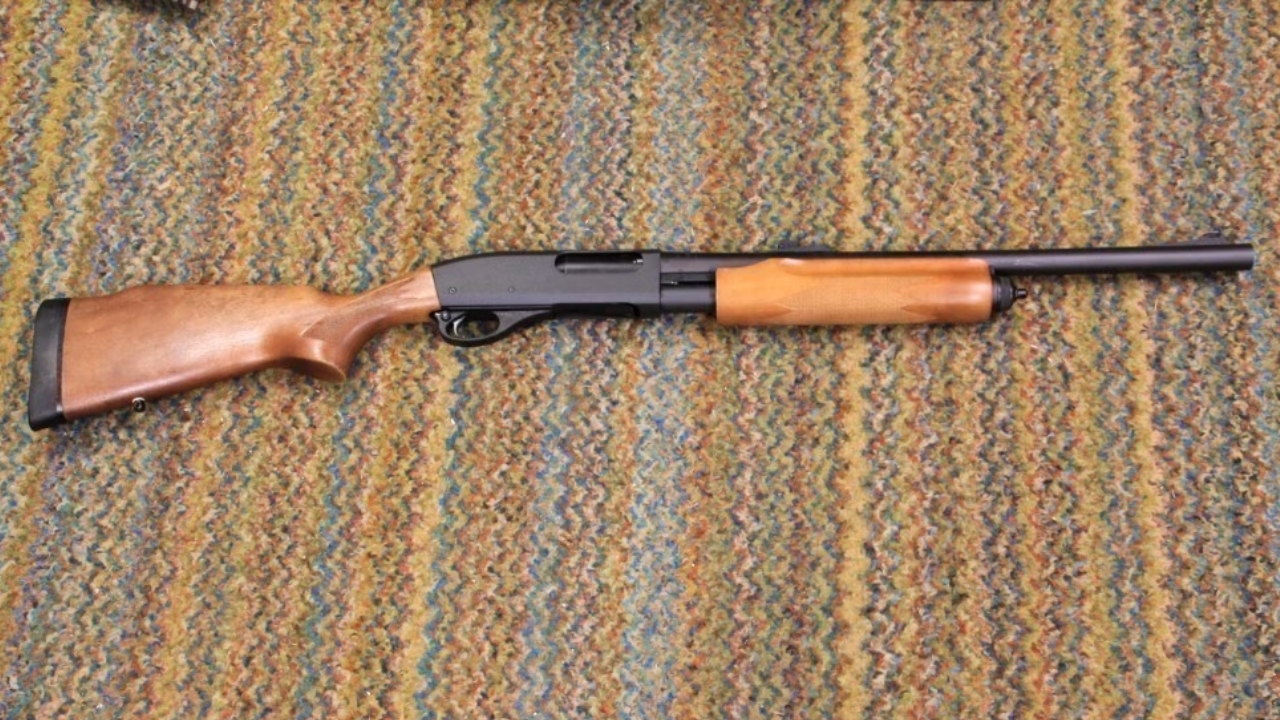
A slug gun will always kick, but an 870 shooting 3-inch slugs can be miserable, especially on the bench. The recoil is abrupt, and the gun’s fit and pad quality matter a lot. It’s easy to start flinching without realizing it, because your body learns the lesson fast.
Slugs can earn it when you’re hunting thick country where they shine. The problem is that many shooters practice with the hardest-kicking loads because they want “maximum,” then they stop practicing because it’s awful. The real solution is to find a load you can actually shoot well and confirm it holds up in your gun. A better pad and proper stance help, but this setup is famous for punishing people.
Ruger No. 1 Tropical in .458 Winchester Magnum
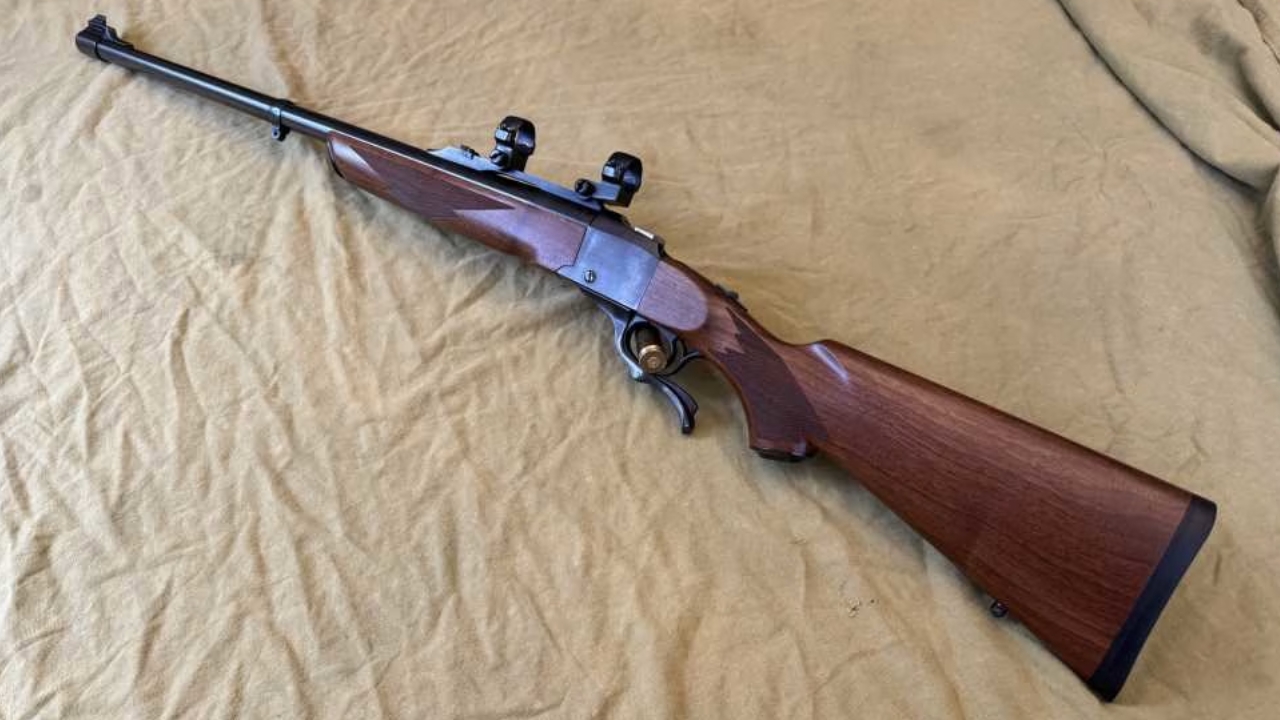
The .458 Win Mag is meant to hit like a truck, and the Ruger No. 1 can chamber it in a relatively compact package. That combination can be brutal. The rifle isn’t heavy enough to make it a slow push, so it can feel like a fast punch that makes you blink and lose the sights.
The cartridge earns its keep in dangerous game territory, but most owners aren’t living that life. In normal use, it’s a rifle that can punish you during practice far more than it rewards you in actual opportunity. You can make it more shootable with a great pad and careful technique, but it’s still the kind of rifle that makes a box of ammo feel like a long day.
Mossberg 500 Slugster

The 500 Slugster is a workingman’s tool, and it does its job. But with 3-inch slugs it can recoil hard enough to make you dread the next shot. The recoil impulse is sharp, and if the stock doesn’t fit you, it can slap you and push you around.
Slugs can be the right answer in the right places. The problem is that a setup like this can make you shoot worse than you should, and that’s the worst kind of punishment. If you’re serious about slug hunting, a better pad and a load you can control are worth more than chasing the hottest box on the shelf. A gun that hurts gets avoided, and avoided guns don’t get mastered.
Remington Model Seven in 7mm-08 Remington (ultra-light builds)

The 7mm-08 is normally a sweetheart, but in a very light Model Seven build it can still feel surprisingly sharp. When the rifle is short and light, recoil becomes quicker and muzzle rise becomes more noticeable. It’s not “big gun recoil,” but it can still be enough to make you tense up when you’re trying to shoot tight groups.
The cartridge earns its keep with efficiency and good hunting performance, which makes the punishment feel unnecessary when the platform is too light. This is one of those rifles where a better pad and a little weight can make it feel like it should have from the start. In factory form, some of them are simply less pleasant than the cartridge deserves.
Weatherby Vanguard Synthetic in .300 Weatherby Magnum

The .300 Weatherby Magnum brings real speed, but it also brings real recoil and muzzle blast. In a basic synthetic Vanguard setup, that recoil can feel sharper than you’d expect, especially if the stock fit and pad aren’t doing you any favors. It’s a cartridge that wants you to be honest about why you chose it.
It can absolutely earn its keep at longer ranges on bigger game, but plenty of shooters buy it because the name sounds powerful. Then they realize they don’t enjoy practicing with it, and their accuracy suffers. If you’re not shooting far enough to use the velocity, you’re taking recoil for bragging rights. The rifle is solid, but the chambering can be more punishment than payoff for most hunts.
Browning A-Bolt II Medallion in .338 Winchester Magnum

The .338 Win Mag is a classic elk and moose round, but it’s not gentle. In an A-Bolt II, recoil can feel quick and authoritative, and if the rifle doesn’t fit your build, it can beat your cheek and shoulder harder than it needs to. It’s a cartridge that makes stock geometry and pad quality matter immediately.
The .338 can earn it on big game, but it also tempts people into shooting a cartridge they don’t actually need. If your typical hunts are inside normal distances, you might be taking recoil that doesn’t buy you much. The A-Bolt is a fine rifle, but .338 in a hunting-weight package is where you find out whether you truly like practicing or you’ve been tolerating it.
Ruger American Predator in .450 Bushmaster
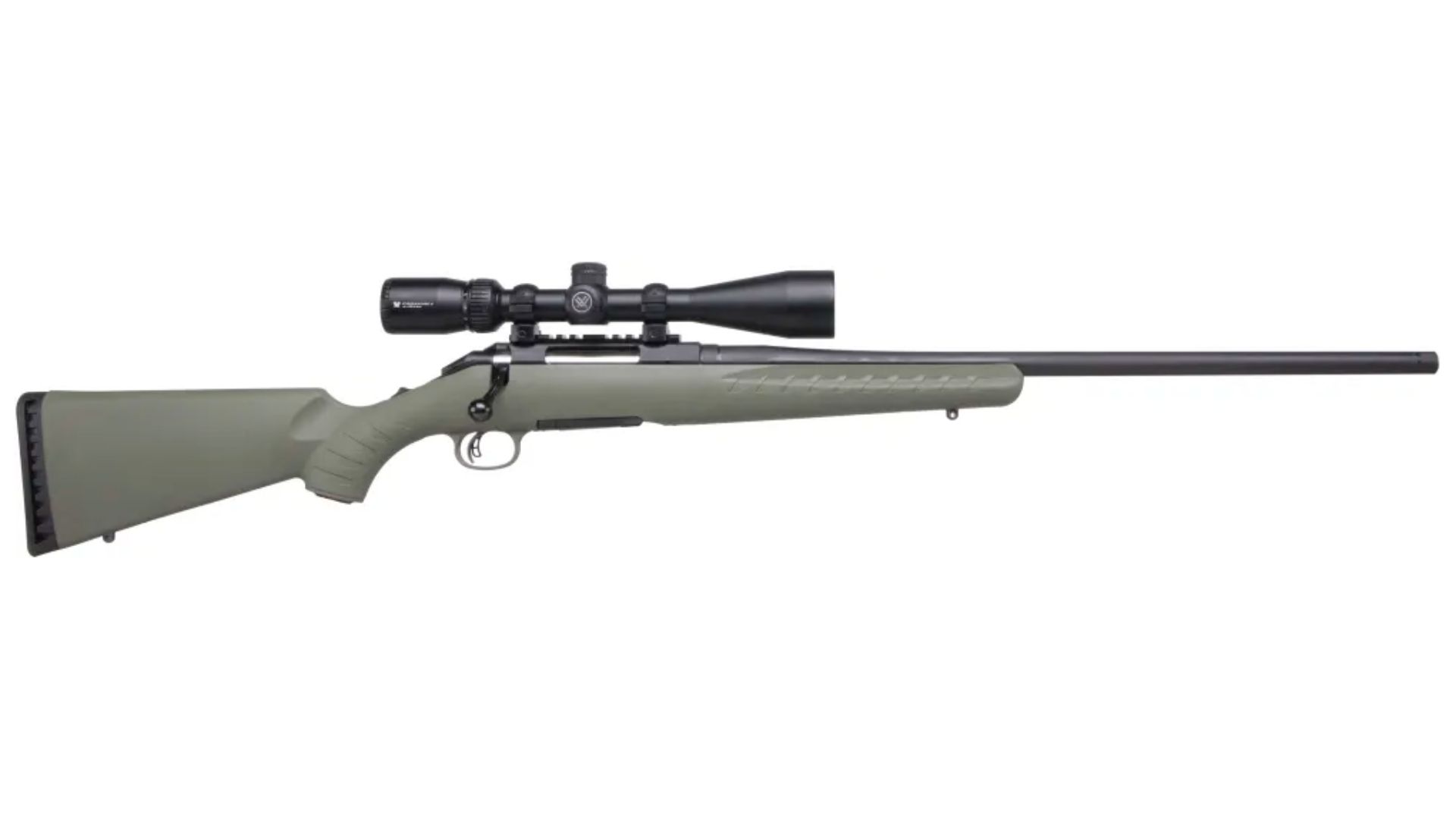
The .450 Bushmaster is a straight-wall hammer that does its job, but it can kick harder than a lot of people expect, especially in a lighter Ruger American setup. The recoil is a fast shove, and it can make follow-up shots slower than you’d think for a “modern” hunting rifle.
It earns its keep in straight-wall states and in thick cover where it hits hard. The problem is when you’re not gaining anything from the extra recoil—when your shots are close and you could have used a milder option within the rules. If the rifle doesn’t fit you, it can feel like it’s punishing you for no reason. A good pad and smart load choice make a huge difference here.
Like The Avid Outdoorsman’s content? Subscribe to our newsletter so you never miss an article.
Here’s more from us: