
Online, every caliber has a fan club. In real life, you’re the one paying for ammo, chasing zero, and trying to find something on a shelf two days before season. A round can look amazing in a gel test, or on a chart, or in a slow-mo video—then turn into a headache once you start living with it. The most frustrating calibers aren’t always “bad.” They’re the ones that come with strings attached: picky magazines, short barrel penalties, weird feeding, limited factory loads, expensive brass, or performance that only shows up when everything is perfect.
If you want a cartridge that works when you’re tired, cold, rushed, or shooting off awkward angles, real-world convenience matters. These are the calibers that get a ton of online love—and still manage to make normal shooters sigh at the range, the store counter, or the reloading bench.
10mm Auto

10mm looks like the answer to everything online—bear defense, woods carry, “one gun” power. In real life, it’s often a compromise you feel in your hands and your wallet. Full-power loads are legit, but they can be hard on guns and shooters. A lot of practice ammo is watered down, so you end up training with one recoil level and carrying another.
The frustrating part is the middle ground. You can make 10mm run soft, but then you’re basically paying extra to shoot .40-ish performance. You can run it hot, but then spring rates, magazine quality, and shooter control start mattering a lot more. If you don’t stay honest about what you’re actually buying it for, 10mm turns into a loud, expensive way to punch paper.
.300 Blackout

.300 Blackout is everywhere online, especially in short barrels and suppressed setups. In real use, the magic depends on your exact barrel length, twist rate, gas system, and ammo choice. It’s a round that can be awesome, but it doesn’t tolerate “close enough” decisions the way 5.56 often does.
The other headache is logistics. There’s still a price premium, and during ammo crunches it disappears fast. On top of that, it’s easy to mix .300 Blackout and 5.56 in the wrong moment if you’re not disciplined, because the platforms look identical. When it’s set up right it’s handy, but when you’re trying to keep one rifle fed year-round without drama, .300 Blackout can feel like a hobby that demands constant attention.
6.5 Creedmoor

6.5 Creedmoor gets pushed like it’s the clean answer for every hunter and every distance shooter. In real life, it’s a great cartridge, but it can frustrate people who expect it to be a cheat code. On deer-sized game, it works well with the right bullet, but it’s not the same story as a heavier .30-caliber when shot angles get tough or bones get involved.
The bigger irritation is how people buy it. You see “flat shooting” and assume it’ll fix poor fundamentals. It won’t. Wind still matters, range estimation still matters, and cheap rifles with bargain scopes still shoot like cheap rifles with bargain scopes. Add in the fact that some loads are built for match accuracy rather than hunting behavior, and you can end up with a round that’s technically good—but easy to misuse and easy to be disappointed by.
6.5 PRC

6.5 PRC is a darling online because it promises more speed and more range than Creedmoor without “magnum problems.” Real life says otherwise. It’s snappier, louder, and more punishing in light rifles than people admit, and it can be harder to shoot well off field positions when you’re not fresh and relaxed.
Ammo can also be a pain. You’re paying more per shot, and selection in small-town stores is hit-or-miss. If you don’t reload, you live and die by what the big brands decide to make that year. It’s also a cartridge that tends to shine when you pair it with solid glass and careful dope work—meaning it’s easy to turn it into a heavy, expensive setup. If your hunting reality is 75 to 250 yards, 6.5 PRC can feel like overkill that costs you comfort.
.224 Valkyrie

.224 Valkyrie had a huge online moment because it looked like the AR-15 “reach out” answer. In real life, it’s often finicky and inconsistent depending on the gun and the load. You can get it to shoot, but many people don’t get that plug-and-play experience they expected.
The frustration comes from expectations and support. Ammo variety isn’t as broad as mainstream rounds, and the loads that do exist aren’t always on every shelf. Some rifles love a particular bullet weight and hate everything else, which turns practice into a shopping problem. If you reload and enjoy tuning, it can be a fun project. If you want an easy, widely supported AR caliber that behaves predictably across different rifles and magazines, Valkyrie can feel like a cartridge that peaked online.
.350 Legend

.350 Legend gets hyped as the perfect straight-wall deer round that’s mild, effective, and cheap. In the field, it can work well—but it can also be frustrating in ways that don’t show up in a quick internet summary. Performance depends heavily on bullet choice, because you’re dealing with a relatively large diameter at moderate speeds, and not every factory load behaves the same on impact.
It can also be surprisingly picky about accuracy. Some rifles shoot it great, others throw patterns until you find the one load that behaves. Then you’re married to that load, and when it’s out of stock you’re back to square one. It’s a useful tool for straight-wall states, but if you expect it to feel like a “normal” bottleneck deer cartridge experience, the quirks can get old fast.
6.8 SPC

6.8 SPC is one of those calibers that never truly went away online. It’s still talked about like the best “real world” step up from 5.56. In real use, the frustrating part is availability and momentum. It’s not dead, but it’s not mainstream either, and that matters when you want consistent ammo pricing and selection.
Another real-life issue is that not all 6.8 is created equal. Chamber specs, ammo pressure, and barrel choices have historically been part of the conversation, and that’s the kind of stuff normal shooters don’t want to babysit. It can be a great hog and deer round in an AR, but you’re stepping into a smaller ecosystem. If you want something you can feed anywhere and find parts for without hunting forums for an hour, 6.8 SPC can feel like you’re working harder than you should.
.458 SOCOM
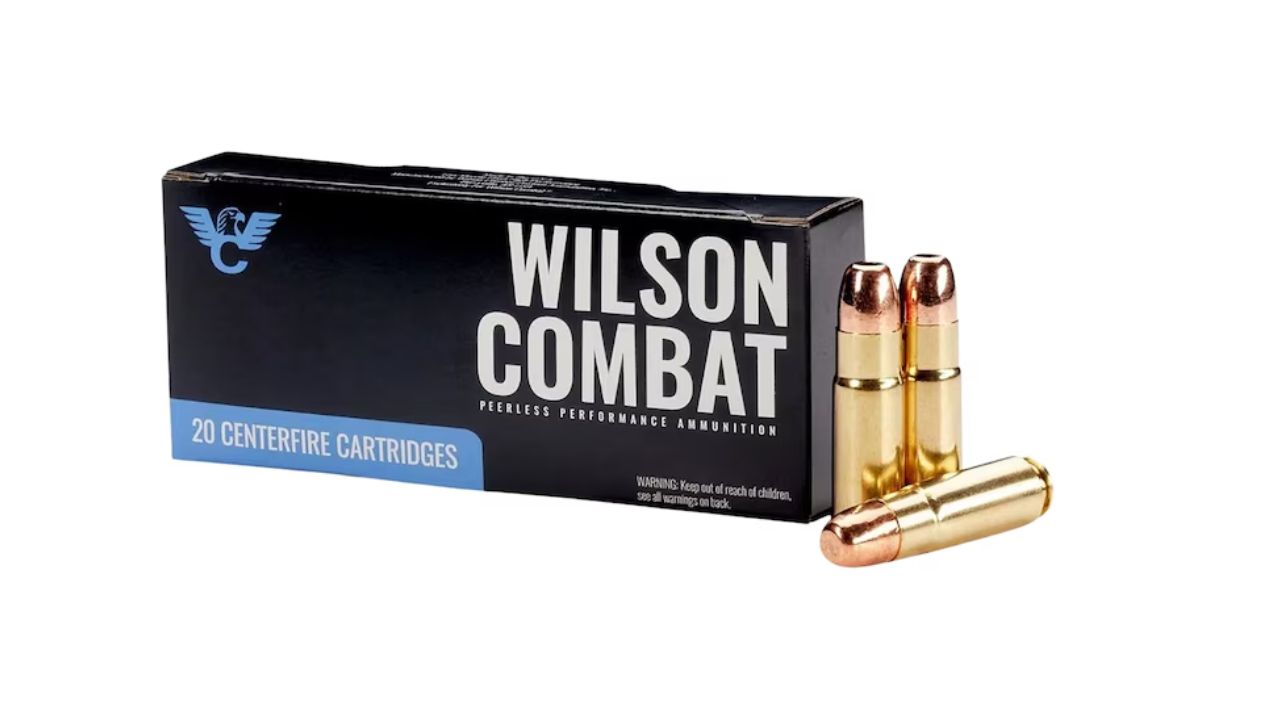
.458 SOCOM is a classic internet-caliber: big, loud, and packed with “truck gun” energy. In real life, it’s expensive to shoot, not always easy to find, and it’s hard to practice with enough to be truly sharp. The round itself can do serious work, but most owners don’t shoot it much because every range trip costs real money.
It also demands respect from the platform. Magazines, feed geometry, and bolt setup matter, and not every rifle is built with the same level of care. You can end up with a gun that runs fine for a few rounds, then starts acting up once it gets dirty or hot. If you want a specialized tool and you’re willing to pay for it, fine. If you want an everyday rifle you can train with weekly, .458 SOCOM turns into a flex that’s frustrating to live with.
7.62×39

7.62×39 gets loved online because it’s “cheap,” effective, and proven. Real life in recent years has made “cheap” a moving target, and supply swings are a big part of the frustration. When it’s plentiful, it’s great. When it isn’t, you’re paying more than you expected for ammo that still isn’t always consistent lot to lot.
Platform matters too. In AKs it’s its natural habitat. In ARs, you can make it run, but magazines and bolts become part of the story. That’s where people start chasing reliability instead of enjoying the caliber. Accuracy can also be a mixed bag, especially with bulk steel-case ammo. If your goal is a simple, predictable training and hunting routine, x39 can be great—until availability and platform quirks remind you it’s not as effortless as the internet makes it sound.
.40 S&W
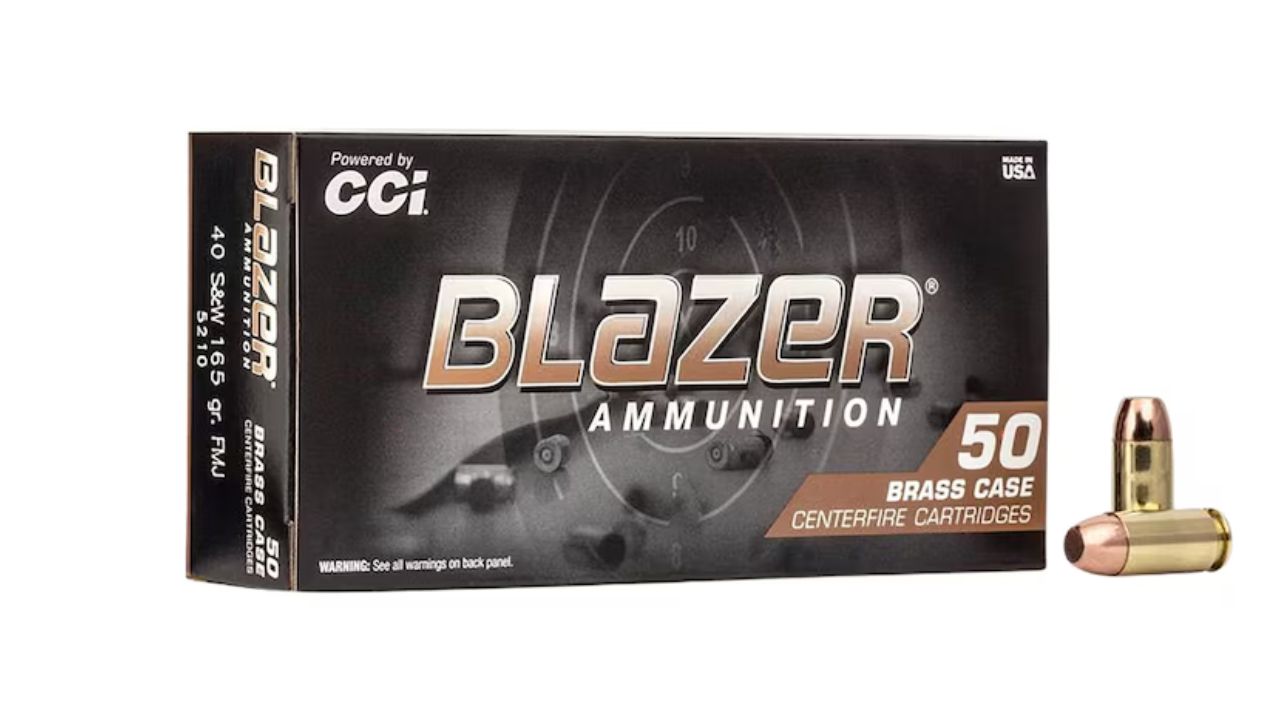
.40 S&W stays popular online because it has a reputation: “real power,” “duty proven,” “better than 9mm.” In real life, it’s often frustrating because it’s harder to shoot well at speed for most people, especially in compact guns. Recoil isn’t unmanageable, but it’s sharp enough that fast, accurate strings take more work than many shooters want to admit.
The other issue is the current ecosystem. A lot of the market momentum has moved back to 9mm, so you’ll see less excitement in new gun releases and sometimes less variety on shelves. That doesn’t make .40 bad—it makes it less supported. If you’re the kind of shooter who trains hard and likes the feel, it can serve you well. If you’re chasing performance on paper and expecting it to feel easy in real hands, .40 can be a constant reminder that ballistics aren’t the whole story.
.357 SIG
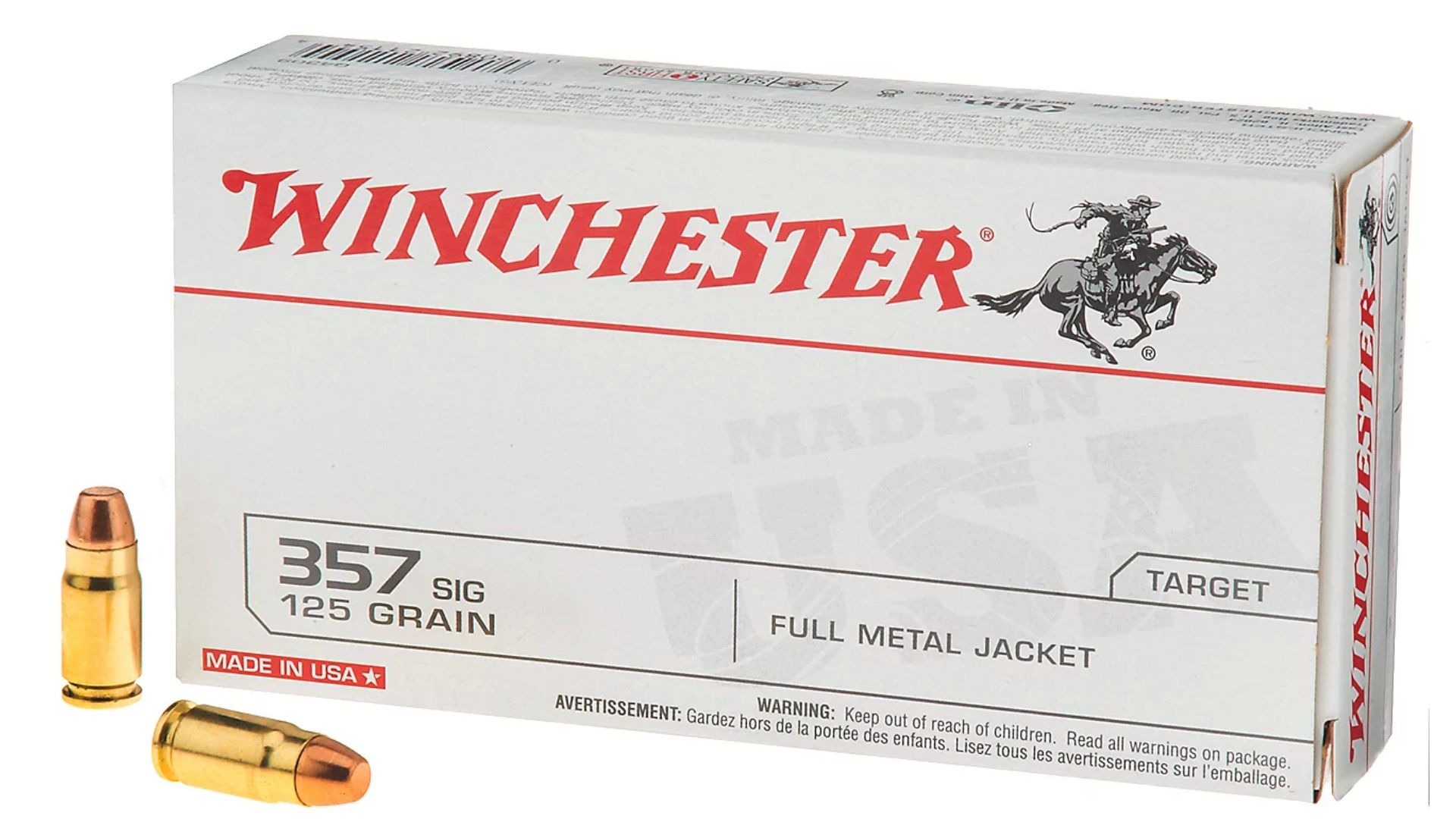
.357 SIG is an internet favorite for people who love velocity and barrier performance. In real use, it’s a pain because it’s loud, snappy, and expensive. The recoil impulse in duty-sized guns is one thing. In compact guns, it can feel like you’re getting punched in the palm every shot, which makes weekly practice a chore.
Ammo availability is the big frustration. You’re not walking into every store and finding multiple good loads at decent prices. When it’s there, you pay for it. If you reload, you can make it more reasonable, but now you’re investing time and equipment into a niche round. The payoff is real—.357 SIG can perform—but the day-to-day reality is that most shooters don’t want to fight cost and availability just to keep a pistol skill set sharp.
5.7x28mm

5.7x28mm gets a ton of online attention because it’s flat, fast, and different. In real life, it can be frustrating because it’s expensive to feed and easy to misunderstand. People expect it to hit like a rifle because the numbers look spicy. Then they shoot it and realize it’s mild recoil with very specific performance characteristics that don’t always match the internet myth.
It’s also a cartridge that lives in a smaller gear world. Not every shop stocks it, and not every range has a strong opinion about it because fewer people shoot it regularly. If you like the guns and you accept the role—fast, light recoil, high capacity—it can be fun. But if you’re buying it because you watched a couple videos and you think it’s a magic defensive round, real-life cost and real-life expectations can sour the relationship fast.
.28 Nosler

.28 Nosler gets hyped online as the long-range hunting answer with serious speed. In real life, it’s the kind of round that can turn hunting into a logistics problem. Ammo is expensive, selection is limited in many places, and it’s not always sitting on shelves in small towns. If you don’t reload, you’re at the mercy of whatever shows up.
Recoil and blast are also real. In lightweight mountain rifles, it can be a handful, and that makes it harder to practice enough to truly benefit from the cartridge’s potential. Barrel life and heat are part of the conversation too, especially if you like range sessions that involve real volume. It’s not that .28 Nosler doesn’t work—it does. It’s that it asks you to pay and plan like a specialist when most hunters just want a reliable, repeatable season.
6.8 Western

6.8 Western got a lot of online love because it sounded like the modern sweet spot: heavy-for-caliber bullets, good BC, and serious hunting intent. In real life, the frustration is simple—support and availability. It’s not a “walk into any store” round, and if you don’t see it locally, you’re ordering and hoping supply stays steady.
It also occupies a weird space. It can do impressive things, but it competes with well-established cartridges that already have broad ammo options and proven hunting bullets everywhere. If you’re the kind of shooter who wants to run one rifle for a decade and never worry about finding ammo, niche modern rounds can get annoying. 6.8 Western may become more common over time, but right now it’s the kind of caliber that can make you feel like you’re always planning ahead instead of simply hunting.
6mm ARC

6mm ARC is praised online as the “thinking man’s AR” round—better ballistics, better wind behavior, more reach. In real life, it can be frustrating because it’s not as forgiving as people want it to be, and the ecosystem isn’t as simple as 5.56. Magazine reliability, bolt choices, and ammo selection matter more than a lot of first-time buyers expect.
Ammo availability is also uneven. When you can find good factory loads, it can shoot very well. When you can’t, you’re stuck paying more, hunting online, or reloading to keep the rifle fed. It’s a round that rewards careful setup and consistent ammo. If you love tuning and you want an AR that behaves more like a small-frame precision rig, ARC makes sense. If you want cheap practice and effortless supply, it can feel like a round that’s always one step away from inconvenience.
.22 WMR

.22 WMR gets hyped online as the “serious rimfire” that hits hard and reaches farther than .22 LR. In real life, it can frustrate you because rimfire consistency is still rimfire consistency, and cost-to-performance isn’t always what people imagine. You pay more per shot, and you don’t always get the accuracy improvement you expected across every rifle.
It also tends to be load-sensitive. One rifle will love a particular brand and hate everything else, which means you’re doing ammo experiments to find a dependable performer. Then supply changes, and you’re searching again. On top of that, the terminal performance on game varies a lot by bullet design, so results aren’t as predictable as the internet chatter implies. .22 WMR absolutely has a place, but if you buy it expecting it to behave like a tiny centerfire, it can be a steady source of disappointment.
Like The Avid Outdoorsman’s content? Be sure to follow us.
Here’s more from us:


