Photo credit: The Canadian Gun Vault Inc./YouTube
Military rifles attract collectors for reasons that go far beyond simple age. Some represent major wars, others introduced mechanical ideas that influenced generations of firearms, and a few became famous because they were produced in limited numbers or issued only to specialized units. Condition matters, but history, markings, originality, and matching parts can matter even more.
The rifles collectors chase hardest are not always the rarest. Some were produced by the millions, yet clean examples continue climbing in demand because so many were modified, refinished, or worn out after decades of use. Others were uncommon from the beginning and now appear only occasionally on the market. These 20 military rifles remain among the most desirable because each carries a story that modern reproductions cannot fully replace.
M1 Garand

The M1 Garand remains one of the most recognizable American military rifles ever built. Adopted before World War II, it gave American troops a semi-automatic service rifle at a time when most armies still relied heavily on bolt actions. Its eight-round en bloc clip, gas-operated action, and distinctive operating sound made it unlike almost anything else issued during the period.
Collectors pursue Garands based on manufacturer, production date, condition, and originality. Springfield Armory examples are common, but Winchester, Harrington & Richardson, and International Harvester rifles can attract especially strong interest. Many rifles were rebuilt after military service, so completely original examples are difficult to verify and often expensive. Even rebuilt Garands remain desirable because of their handling, historical importance, and connection to World War II and Korea. Few military rifles feel as alive when fired as a properly functioning M1.
M1 Carbine
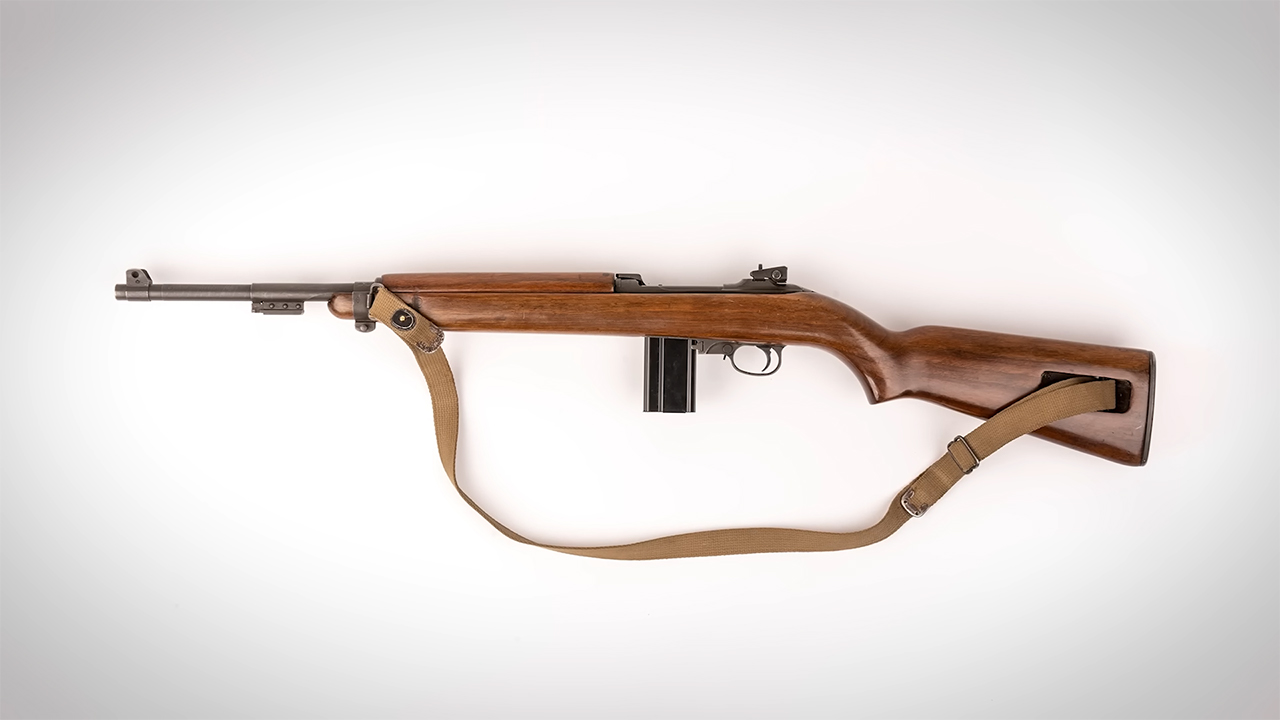
The M1 Carbine was designed as a lightweight weapon for troops who needed more capability than a pistol but less burden than a full-size service rifle. It became one of the most widely produced American firearms of World War II and served with paratroopers, officers, vehicle crews, and support personnel.
Collectors chase the M1 Carbine partly because so many companies produced it. Inland, Winchester, Rock-Ola, IBM, Underwood, National Postal Meter, and several others all built carbines, giving collectors numerous variations to pursue. Original configuration matters greatly because many were rebuilt with mixed parts after the war. Early features, correct stocks, original finishes, and desirable manufacturers can increase value dramatically. The rifle’s light weight and pleasant recoil also make it more enjoyable to shoot than many collectible military arms.
M1903 Springfield
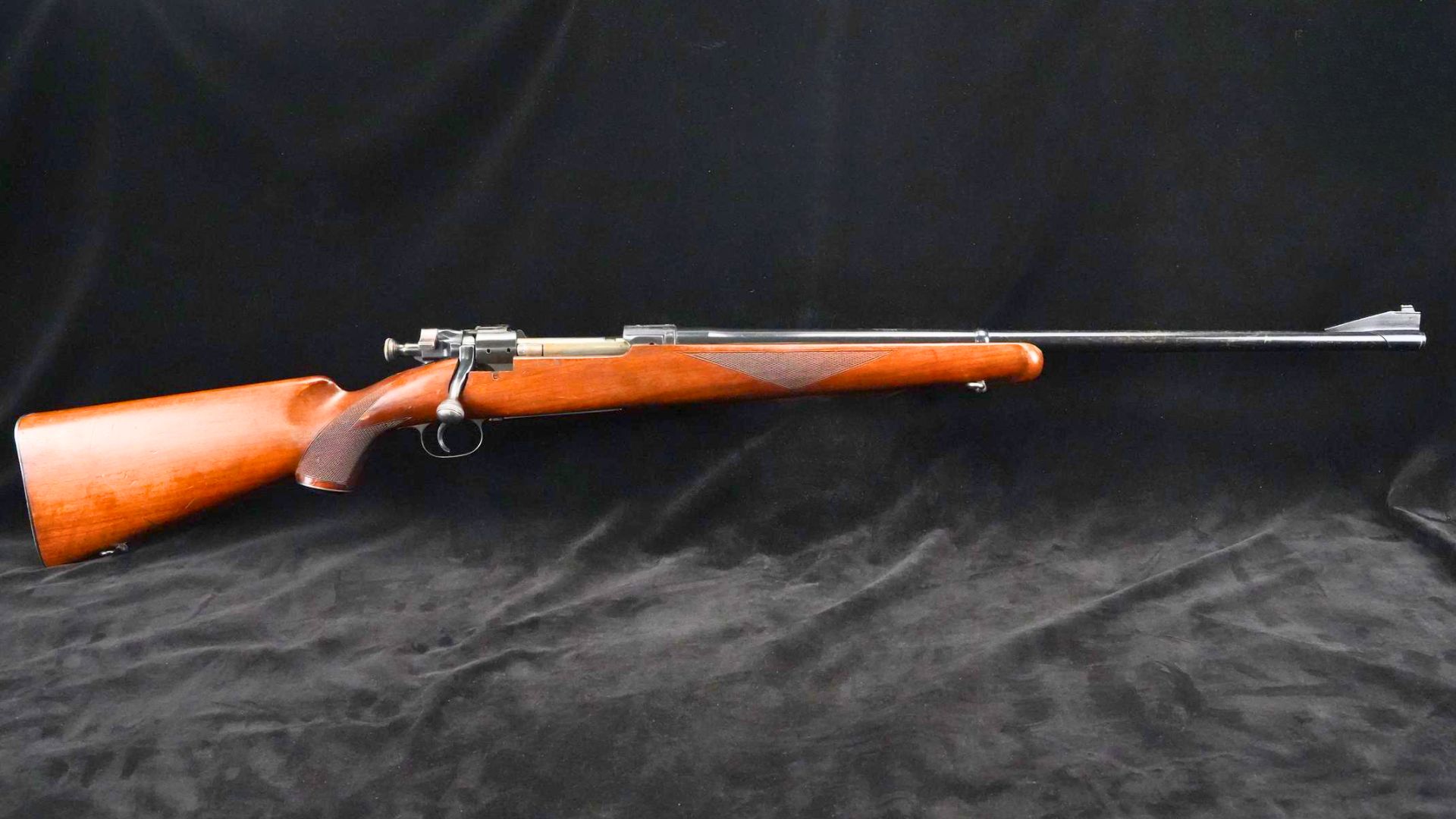
The M1903 Springfield served as America’s primary service rifle before the M1 Garand and continued seeing use through both world wars. Its controlled-feed bolt action, strong receiver, and excellent sights gave it a reputation for accuracy and dependable field performance.
Collectors pay close attention to serial-number ranges, manufacturer markings, stock cartouches, and specific variations. Springfield Armory and Rock Island Arsenal rifles are especially important, while later Remington and Smith-Corona M1903A3 rifles have their own following. Many rifles were altered into hunting rifles during the surplus era, making untouched military examples far more desirable today. Early low-number receivers also require careful evaluation because of heat-treatment concerns. A correct M1903 combines American history with one of the finest military bolt-action designs of its generation.
M1917 Enfield
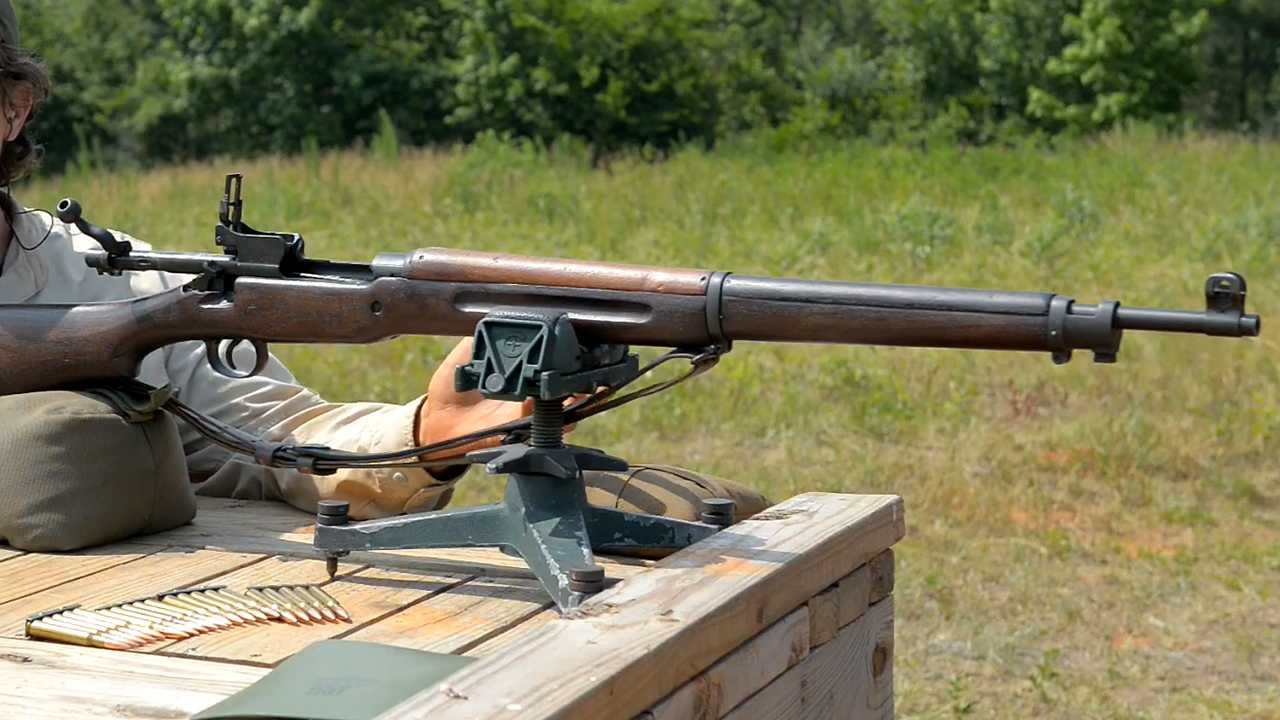
The M1917 Enfield armed more American soldiers during World War I than many people realize. Based on the British Pattern 1914 rifle, it was adapted to fire .30-06 Springfield and manufactured by Winchester, Remington, and Eddystone.
Its strong action, large receiver, and excellent peep sights made it a capable service rifle, though its bulk kept it from earning the same romantic reputation as the M1903. Collectors now appreciate that overlooked history. Manufacturer, barrel dates, stock markings, and matching components all influence desirability. Many M1917 rifles were sporterized because their actions were popular for powerful hunting-rifle conversions. That makes intact examples increasingly difficult to find. Winchester rifles often bring a premium, but clean Remington and Eddystone examples remain highly collectible.
German Karabiner 98k
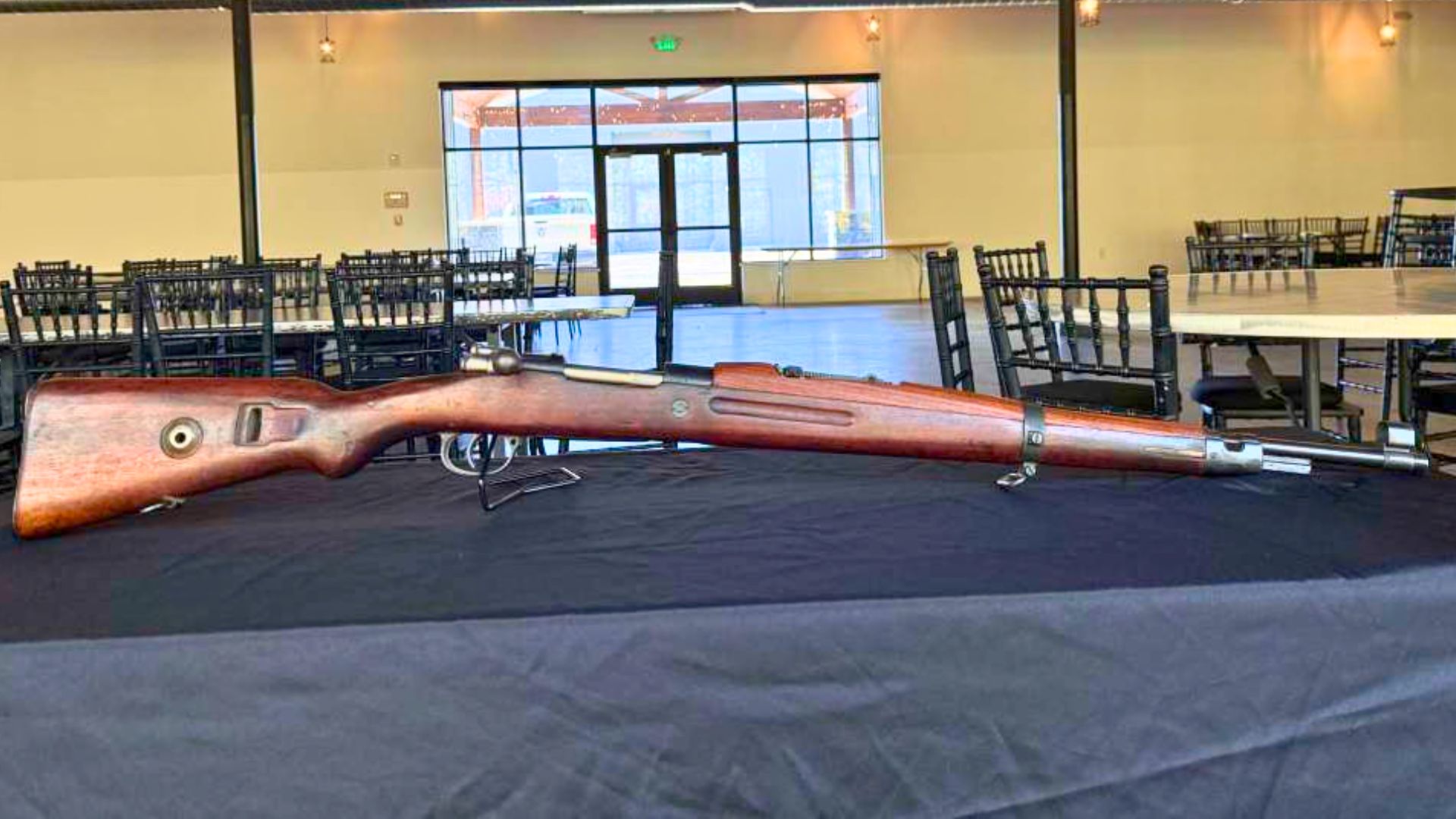
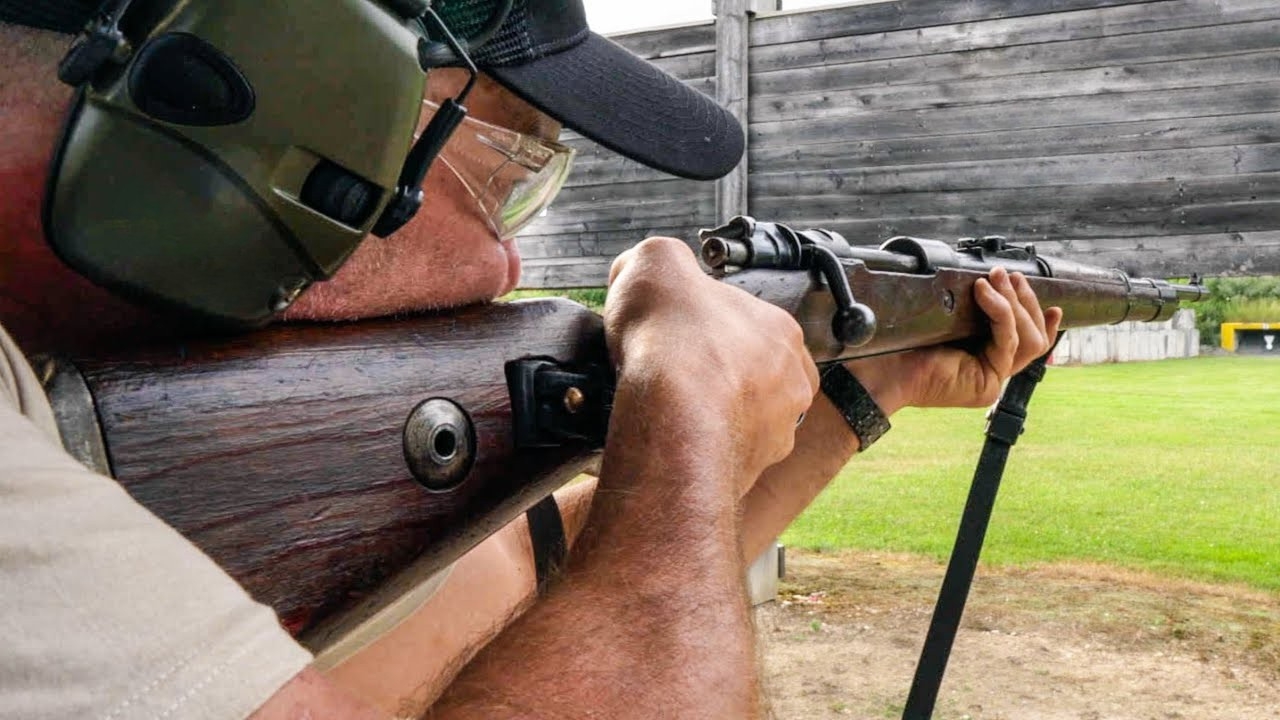
The Karabiner 98k became the standard German service rifle of World War II and one of the most collected military bolt actions in the world. It refined the Mauser 98 system into a shorter rifle chambered for the powerful 7.92x57mm cartridge.
Collectors face an enormous range of manufacturers, factory codes, production years, and wartime changes. Matching serial numbers can raise value significantly because many rifles were rebuilt, captured, or assembled from mixed parts after the war. Waffenamt markings, stock style, finish, and capture history all matter. Russian-capture rifles are usually more affordable, while untouched bring-back examples can command serious prices. The 98k’s mechanical reputation, wartime association, and huge variety make it a rifle collectors can study for years without exhausting the field.
Gewehr 43

The Gewehr 43 was Germany’s attempt to field a practical semi-automatic battle rifle during World War II. It offered greater firepower than the 98k and represented an important shift toward self-loading infantry weapons.
Production pressures meant quality varied, and surviving rifles often show heavy wear or mismatched parts. Collectors look closely at manufacturer codes, receiver markings, stock condition, and whether the original scope rail remains intact. Sniper variants with correct optics are especially valuable and frequently faked, so careful authentication is essential. The G43 is more fragile and mechanically complex than an M1 Garand, which discourages heavy shooting. That rarity, along with its late-war history, keeps genuine examples near the top of many military-rifle wish lists.
Sturmgewehr 44
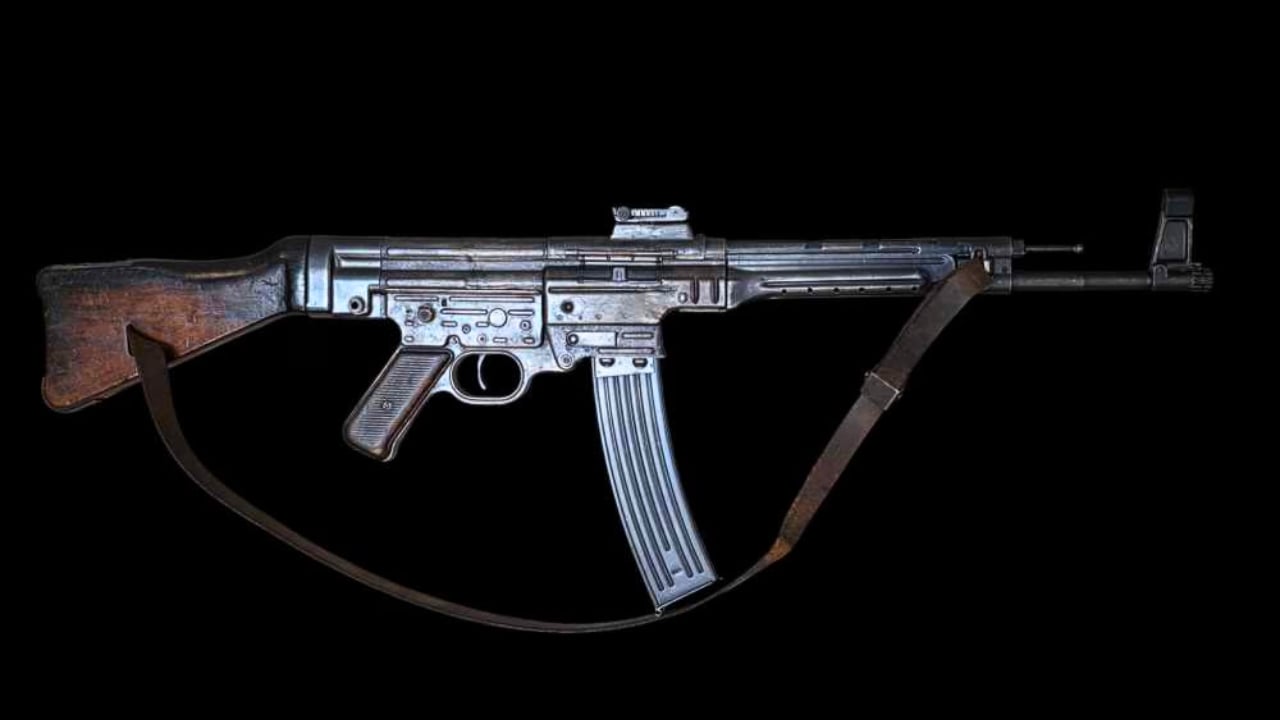
The Sturmgewehr 44 is one of the most historically important military rifles ever produced. Chambered in the intermediate 7.92x33mm Kurz cartridge, it combined selective fire, a detachable magazine, and practical infantry range in a package that helped define the modern assault-rifle concept.
Original examples are extremely scarce in civilian hands and subject to strict legal restrictions in the United States. That scarcity places transferable rifles beyond the reach of most collectors. Even parts kits, magazines, and non-firing display examples attract strong interest because of the design’s importance. Condition, manufacturer markings, and documented provenance matter enormously. The StG 44 is not merely collectible because it is rare. It is collectible because nearly every later military rifle was influenced by the problem it tried to solve.
Lee-Enfield No. 1 Mk III

The Lee-Enfield No. 1 Mk III served the British Empire through World War I and continued in use for decades afterward. Its fast bolt action, ten-round magazine, and excellent handling made it one of the quickest military bolt-action rifles to operate.
Collectors seek examples from British, Australian, and Indian production, with manufacturer markings and wartime dates shaping value. Lithgow-made Australian rifles are particularly popular among many collectors. Original wood, correct nose caps, matching bolts, and readable markings all matter. Large numbers were altered, refinished, or converted for sporting use, reducing the supply of untouched rifles. The No. 1 Mk III offers a combination of historical reach and mechanical personality that few military rifles can match.
Lee-Enfield No. 4 Mk I

The No. 4 Mk I modernized the Lee-Enfield system for World War II. It featured improved sights, simplified production, and a heavier barrel while retaining the smooth action and ten-round magazine that made earlier Enfields famous.
British, Canadian, and American production gives collectors several directions to pursue. Long Branch rifles from Canada and Savage-built rifles from the United States are especially interesting. Sniper versions, particularly the No. 4 Mk I(T), are among the most desirable Enfield variants and require careful authentication because reproductions are common. Standard rifles remain relatively accessible compared with some German or American collectibles, but clean matching examples continue becoming harder to find. Their excellent sights and fast actions also make them rewarding shooters.
Mosin-Nagant M91/30

The Mosin-Nagant M91/30 was once one of the cheapest military surplus rifles in America. Crates of them were imported at low prices, and many shooters treated them as disposable range guns. That era is gone, and clean examples are now receiving far more collector attention.
Collectors look for unusual arsenals, early dates, hex receivers, rare markings, and documented sniper configurations. Tula and Izhevsk rifles dominate the market, but production variations create meaningful differences. Many M91/30 rifles were refurbished after the war, so original wartime condition can be difficult to find. PU sniper rifles are especially desirable, though reproductions and rebuilt examples require careful inspection. The rifle’s enormous production does not prevent certain versions from being scarce and valuable.
Finnish M39
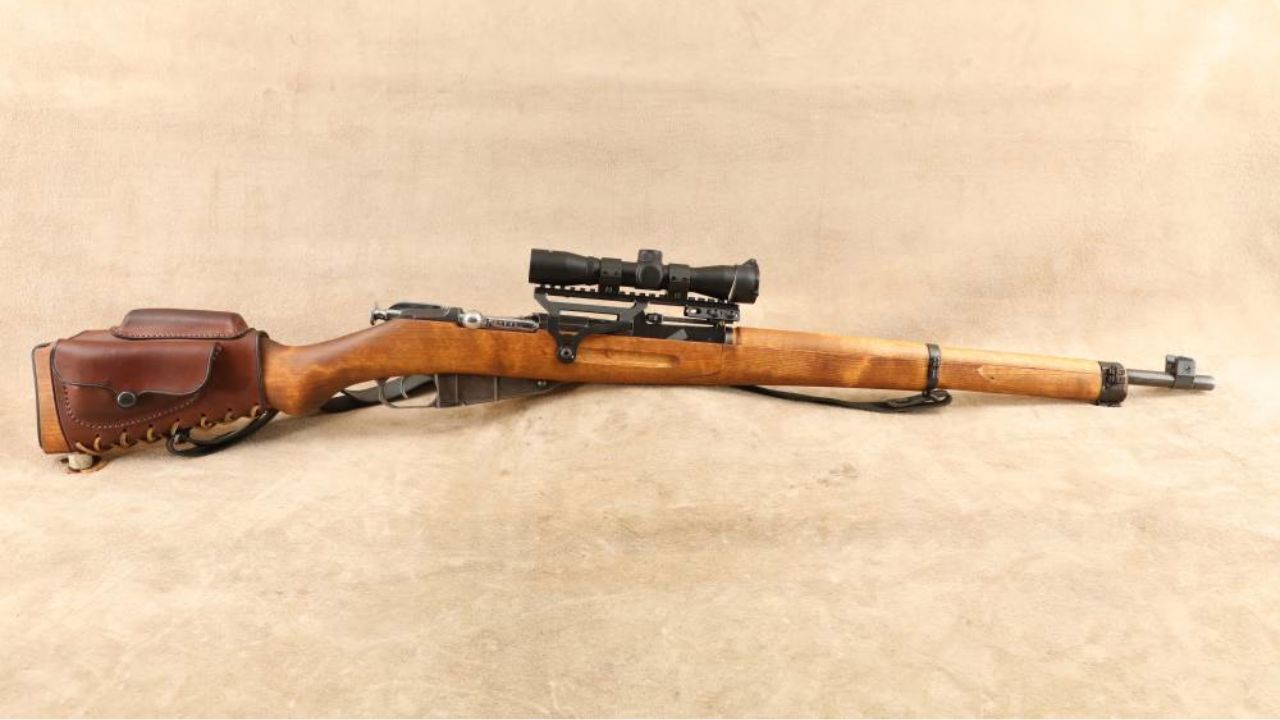
The Finnish M39 is often considered the finest development of the Mosin-Nagant system. Finland rebuilt captured and inherited Russian actions with improved barrels, sights, stocks, and overall fitting, creating a rifle known for accuracy and ruggedness.
Collectors seek rifles by maker, including Sako, VKT, and B barrel examples. Stock markings, receiver dates, and wartime history all influence desirability. Some actions date back to Imperial Russia, giving one rifle components from several eras of European conflict. M39 rifles were never produced in numbers approaching Soviet M91/30 totals, and many have become prized shooters. Their combination of scarcity, accuracy, and Finnish military history keeps demand strong even among collectors who normally avoid Mosin-pattern rifles.
Swedish Mauser M96
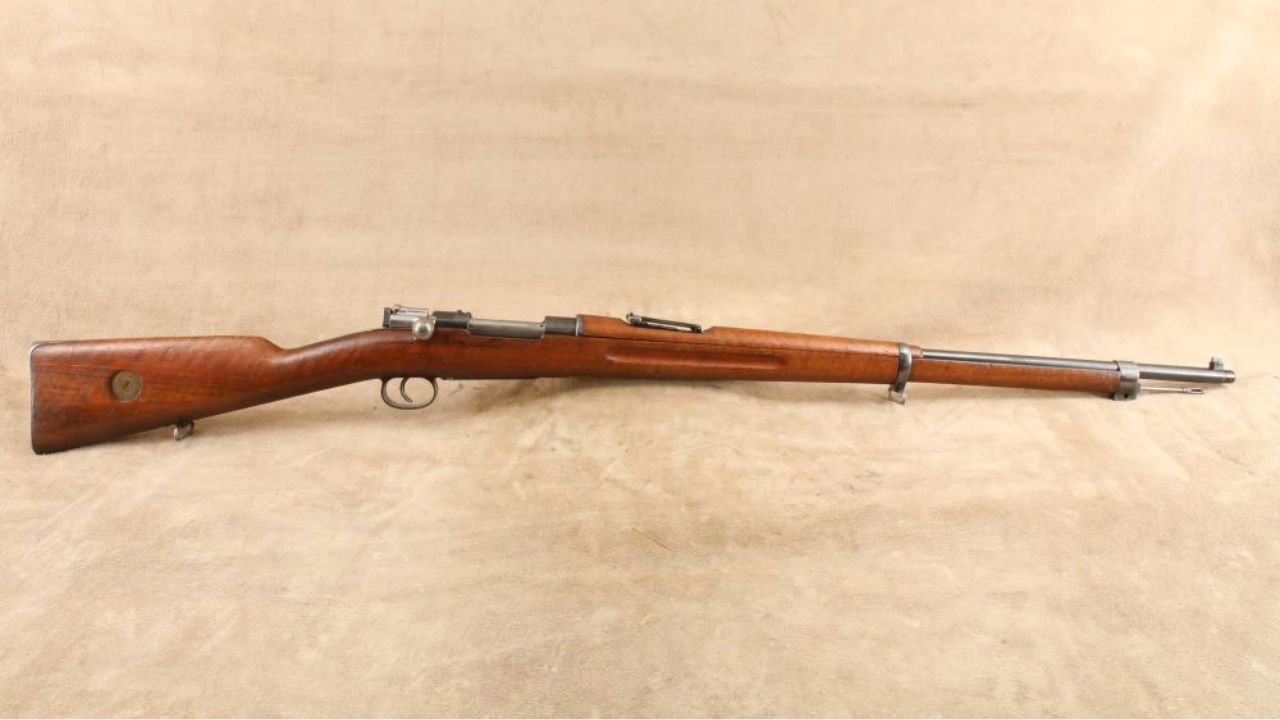
The Swedish Mauser M96 earned a reputation for excellent machining, mild recoil, and exceptional accuracy. Chambered in 6.5x55mm, it was built during a period when Swedish military manufacturing maintained unusually high standards.
Collectors value rifles from Carl Gustafs and Mauser Oberndorf, with matching numbers and original condition bringing the most interest. Many were converted, shortened, or altered for target shooting and hunting, which makes untouched long rifles increasingly desirable. The 6.5×55 cartridge also makes the M96 far more pleasant to shoot than many full-power military rifles. It is one of the rare surplus guns that can satisfy both a historian and a precision-minded shooter without asking either to accept major compromises.
Swiss K31

The Swiss K31 straight-pull rifle is famous for precision manufacturing and remarkable accuracy. Although commonly grouped with Schmidt-Rubin rifles, the K31 uses a distinct locking system that places the action farther forward and creates a shorter, stronger design.
Swiss rifles were often maintained carefully, though stock wear is common from field use and troop storage. Matching serial numbers, troop tags under the buttplate, and original accessories can add collector interest. Ammunition availability is more limited than common American cartridges, but the rifle’s accuracy keeps shooters invested. K31 prices have risen steadily as surplus supplies dried up. Collectors appreciate that even ordinary examples often display a level of workmanship difficult to find in modern production rifles at comparable prices.
Japanese Type 99 Arisaka
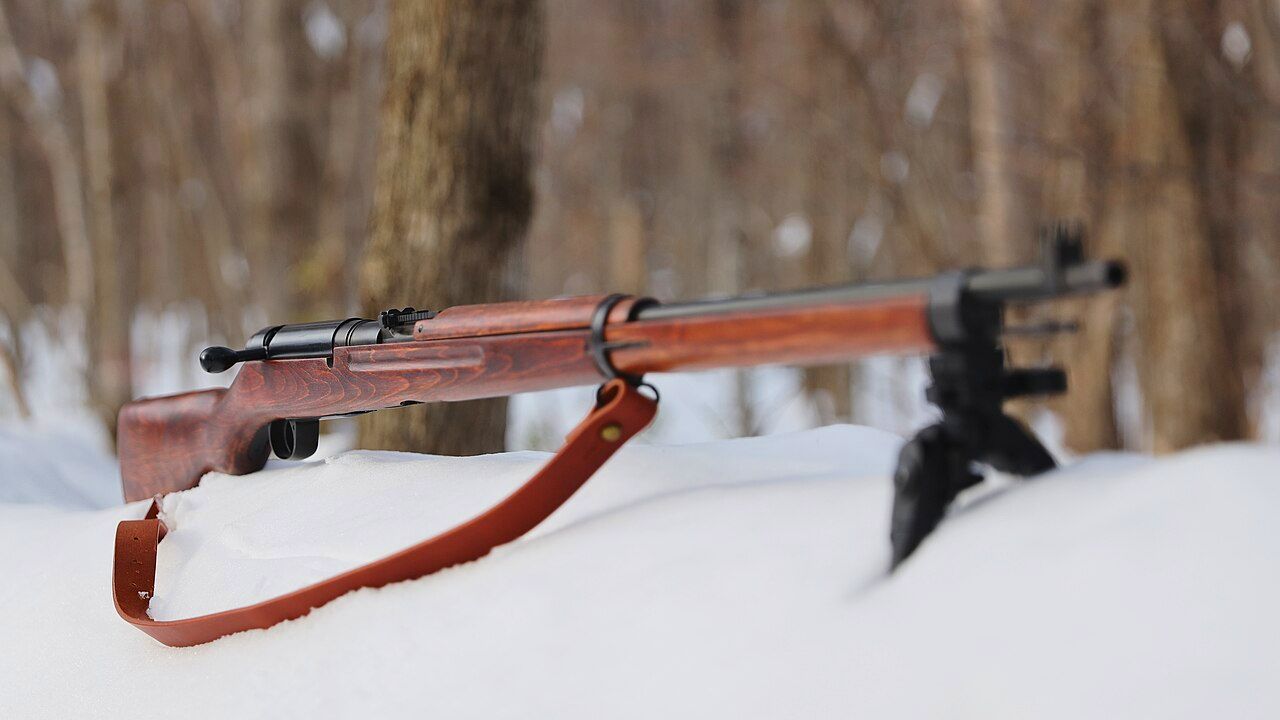
The Type 99 Arisaka served Japan during World War II and was chambered in the powerful 7.7x58mm cartridge. Its action is extremely strong, and early rifles were often produced with surprisingly high-quality finishing and useful features.
Collectors focus heavily on the condition of the imperial chrysanthemum marking, commonly called the mum. Rifles surrendered after the war often had the marking removed, while battlefield bring-backs sometimes retained it. Production series, arsenal markings, monopods, anti-aircraft sights, dust covers, and matching numbers all influence value. Late-war rifles became increasingly crude, creating another distinct collecting category. A correct early Type 99 with intact features can be difficult to locate and far more valuable than the rough rifles many shooters remember seeing decades ago.
Japanese Type 38 Arisaka

The Type 38 Arisaka predates the Type 99 and uses the lighter 6.5x50mm cartridge. It served for decades across numerous conflicts and developed a reputation for strength, low recoil, and long overall length.
As with the Type 99, collectors examine arsenal marks, series numbers, matching components, and the condition of the imperial mum. Carbines and less common configurations can bring considerable premiums. Many Type 38 rifles were altered after the war, rechambered, or converted into sporting rifles. Ammunition can be difficult to find, but the rifle’s smooth operation and mild recoil make original examples pleasant to shoot. Its long service life and numerous variations give collectors a deep field to explore.
French MAS-36
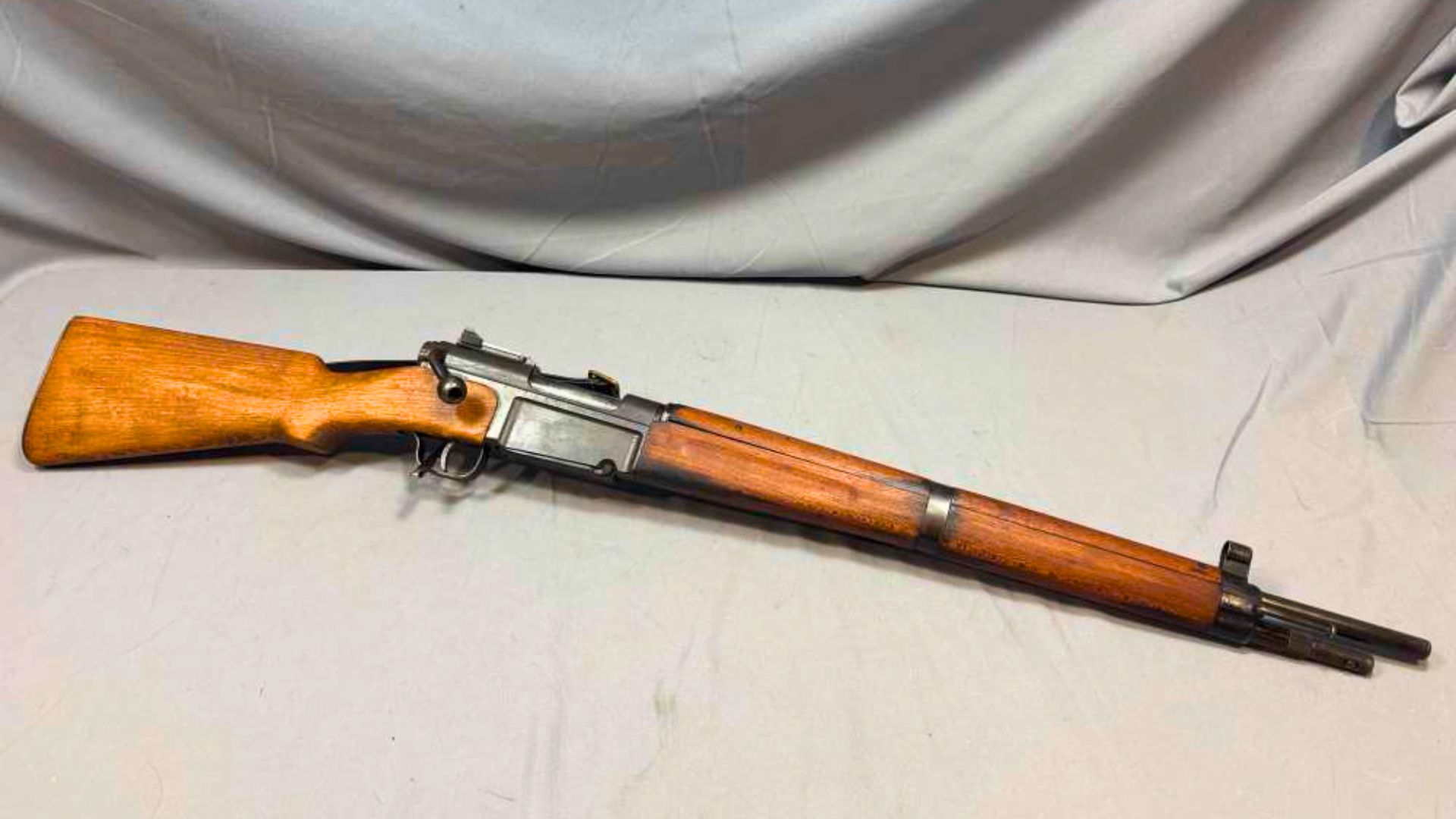
The MAS-36 was France’s standard bolt-action rifle at the beginning of World War II. Its short overall length, rear-locking bolt, and distinctive forward-slanting handle make it instantly recognizable. It was intentionally designed without a manual safety because French doctrine assumed rifles would be carried with empty chambers until needed.
Collectors often overlooked the MAS-36 when surplus examples were inexpensive. Interest has grown as supplies disappeared and shooters began appreciating the rifle’s unusual engineering. Early prewar examples, matching numbers, original finish, and correct accessories all increase desirability. Many rifles were arsenal-refurbished after the war, often receiving dark painted finishes. The 7.5x54mm cartridge remains less common than mainstream military calibers, but the rifle’s compact handling and unique design keep it in demand.
SVT-40
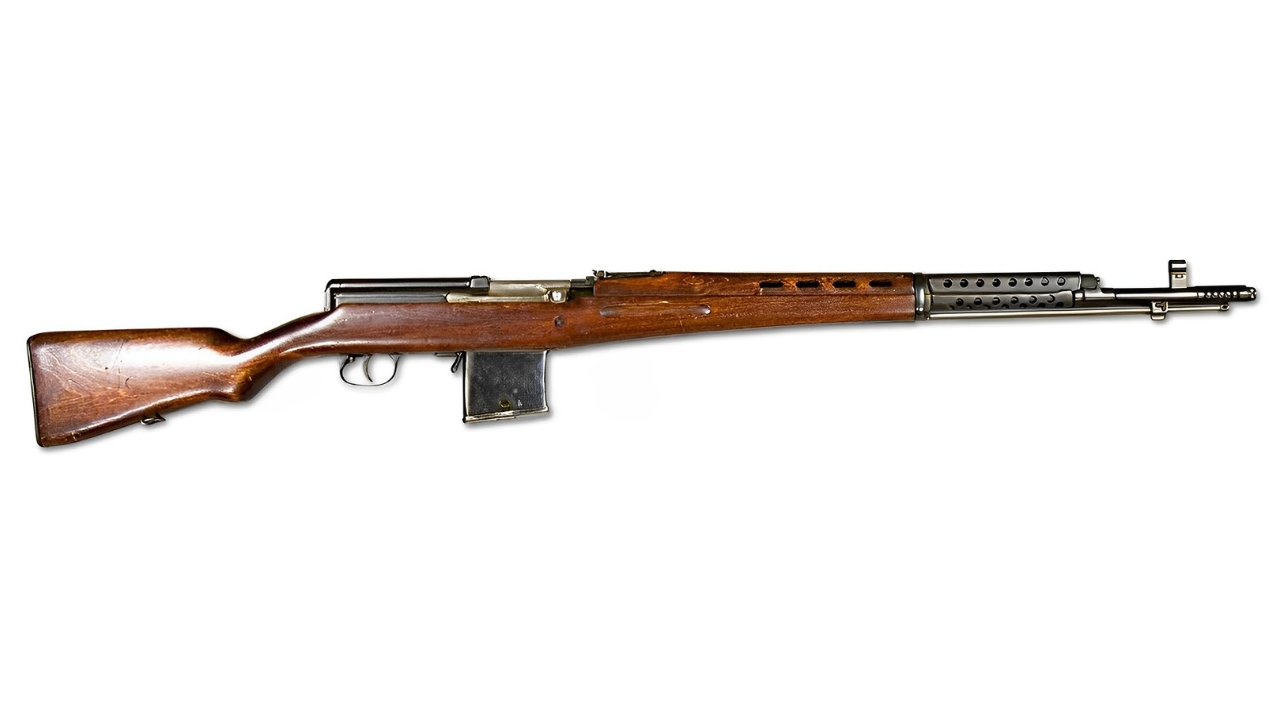
The Soviet SVT-40 was intended to give Red Army infantry greater semi-automatic firepower before and during World War II. It used a detachable ten-round magazine and a gas system adjustable for varying ammunition and environmental conditions.
Production complexity and wartime pressure prevented it from replacing the Mosin-Nagant on a large scale. Surviving rifles are much less common than Soviet bolt actions and often show heavy service use. Collectors seek Tula and Izhevsk examples, early features, sniper cuts, matching parts, and original magazines. Genuine sniper rifles are especially valuable and frequently misrepresented. The SVT-40’s dramatic appearance, limited survival, and importance in Soviet small-arms development make it one of the most desirable Eastern Front rifles.
SKS
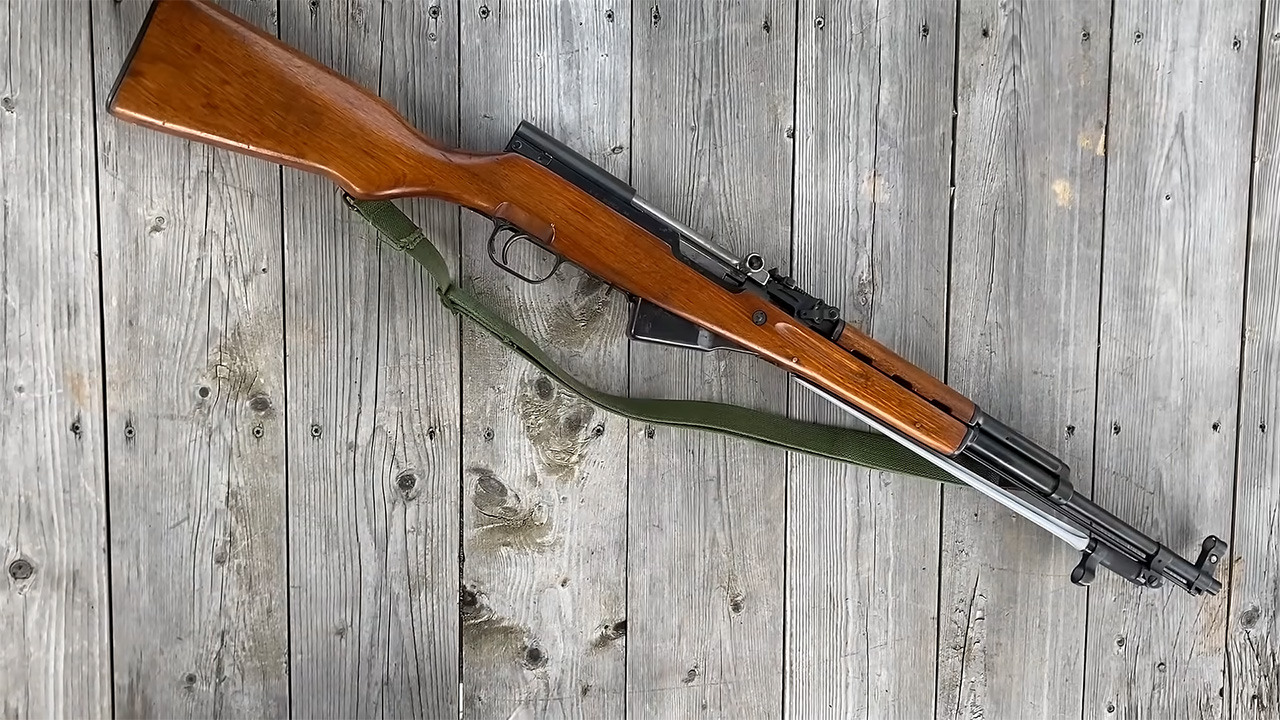
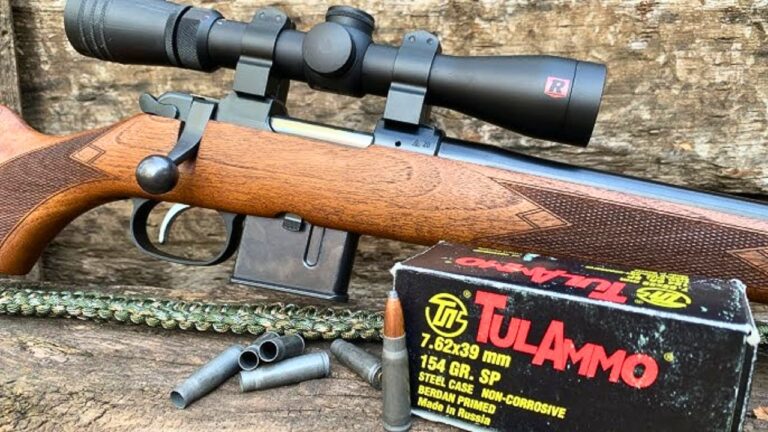
The SKS was once another inexpensive surplus rifle that American shooters bought by the case. Designed at the end of World War II and chambered in 7.62x39mm, it bridged the gap between traditional battle rifles and later detachable-magazine assault rifles.
Collector interest now depends heavily on country of origin and originality. Russian, East German, North Vietnamese, North Korean, Albanian, Romanian, Yugoslavian, and Chinese rifles all occupy different levels of rarity and value. Many SKS rifles were modified with replacement stocks, detachable magazines, scopes, and other accessories, making unaltered examples more desirable. Early Russian rifles and rare national variants can command prices far beyond what buyers once paid for ordinary surplus examples.
FN FAL

The FN FAL became known as the “right arm of the free world” because of its widespread adoption by Western-aligned nations during the Cold War. Chambered in 7.62 NATO, it served in numerous configurations across Europe, Africa, South America, and the Middle East.
Original select-fire FAL rifles are heavily restricted in the United States, so collectors often focus on semiautomatic imports, licensed-production rifles, and historically correct builds. Belgian FN rifles, early imports, Argentine models, and high-quality pre-ban examples attract strong demand. Parts-kit builds vary greatly in quality and historical correctness. The FAL’s international service history creates almost endless variations, and collectors often specialize by country, pattern, or conflict. Few Cold War rifles offer a broader field of study.
Heckler & Koch G3 and HK91
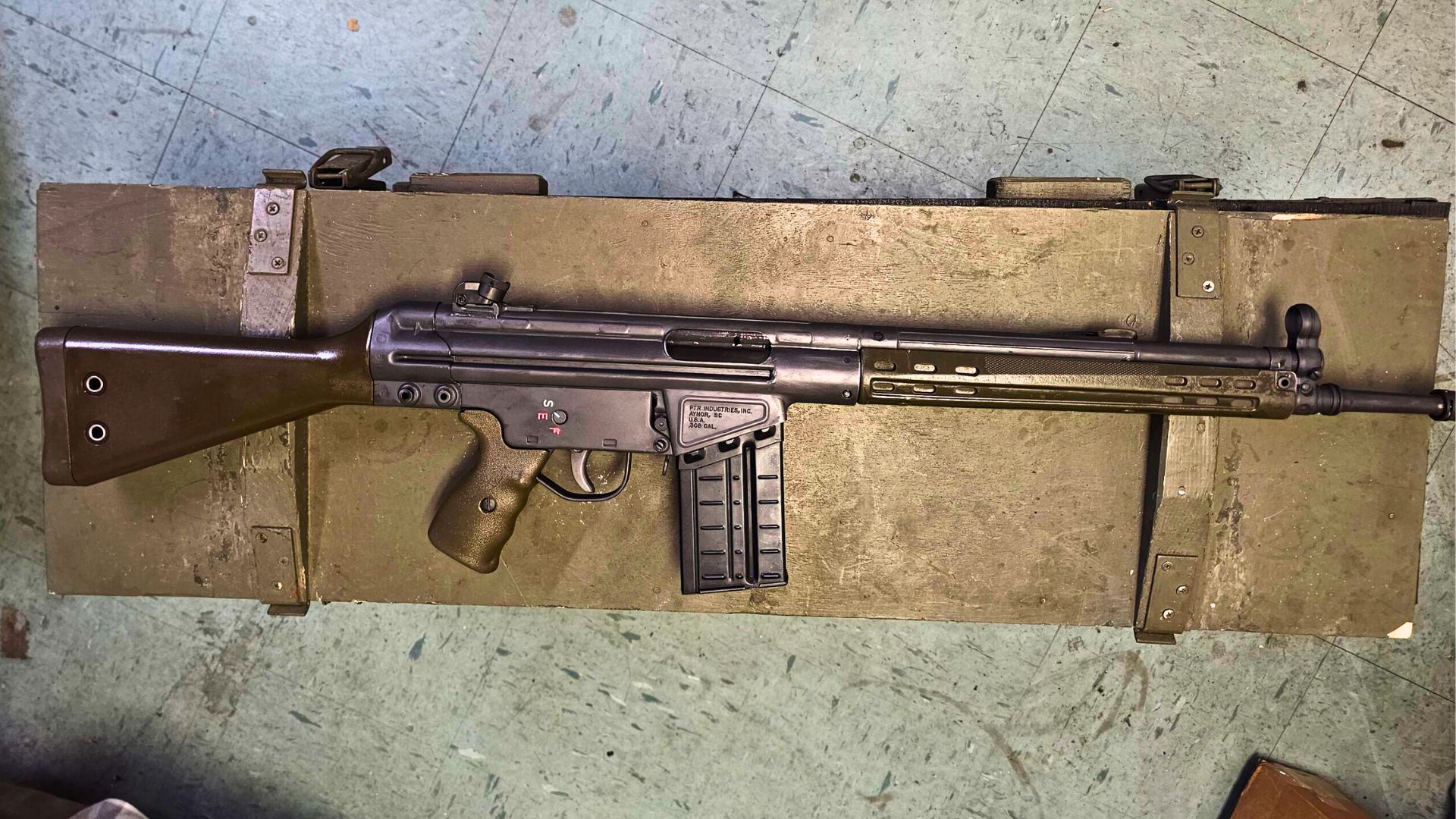
The G3 became one of the most widely issued Western battle rifles of the Cold War. Its roller-delayed blowback system, stamped-steel construction, and 7.62 NATO chambering gave it a reputation for durability and relatively economical production.
American collectors often pursue the semiautomatic HK91, especially pre-ban German imports in original condition. Factory configuration, finish, date codes, furniture, and included accessories all influence value. Original rifles have climbed dramatically in price as imports disappeared and the HK name gained collector strength. Licensed copies and modern clones make the design accessible to shooters, but they do not carry the same desirability as genuine German examples. The G3 family remains a major piece of Cold War military history.
Israeli Galil ARM
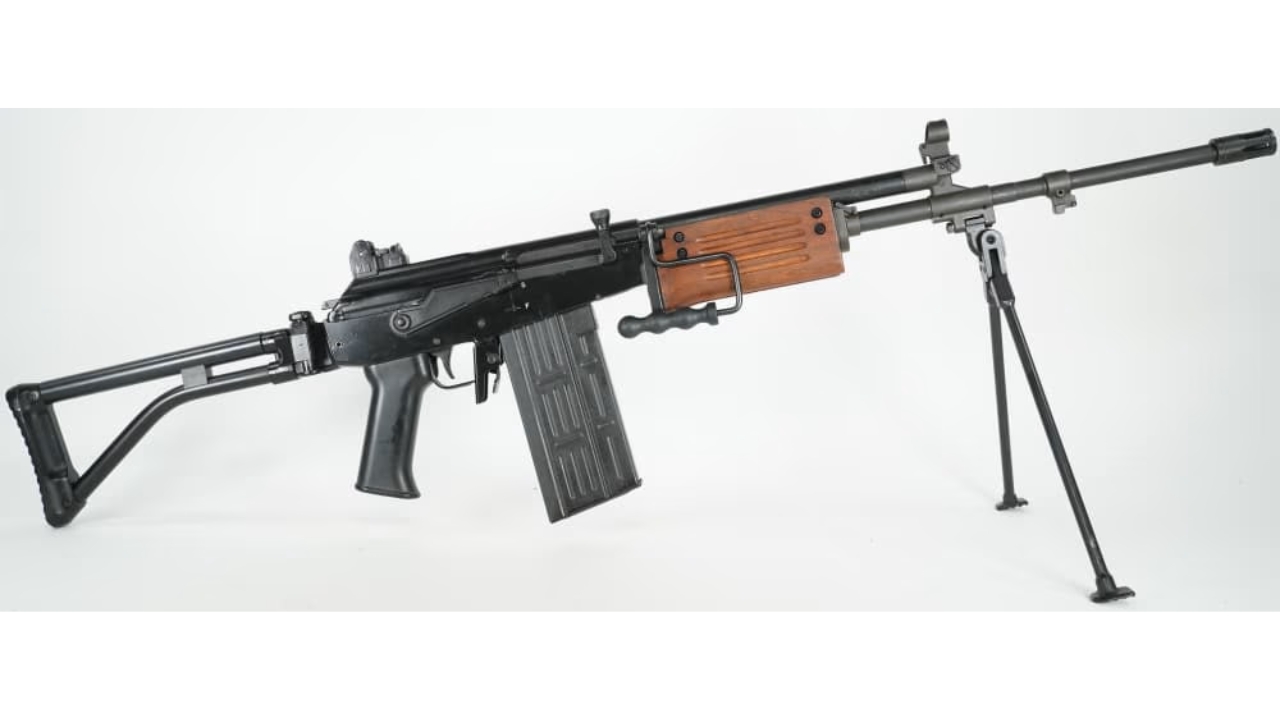
The original Israeli Galil ARM combined features of the AK system with ideas drawn from the Finnish Valmet rifle. It was built to handle difficult conditions and included unusual features such as a folding stock, carry handle, and integrated bipod on certain versions.
Collectors pursue original Israeli imports because later clones and parts builds vary widely in authenticity. Genuine Action Arms and Magnum Research imports can command substantial prices, especially when they retain their original finish, furniture, magazines, and accessories. Military-pattern Galils are heavy compared with modern carbines, but their machining and historical significance set them apart. The ARM configuration is particularly desirable because it captures the full military character of the design rather than the simplified civilian look of later variants.
Like The Avid Outdoorsman’s content? Be sure to follow us.
Here’s more from us: