Photo credit: tractiongrips/YouTube
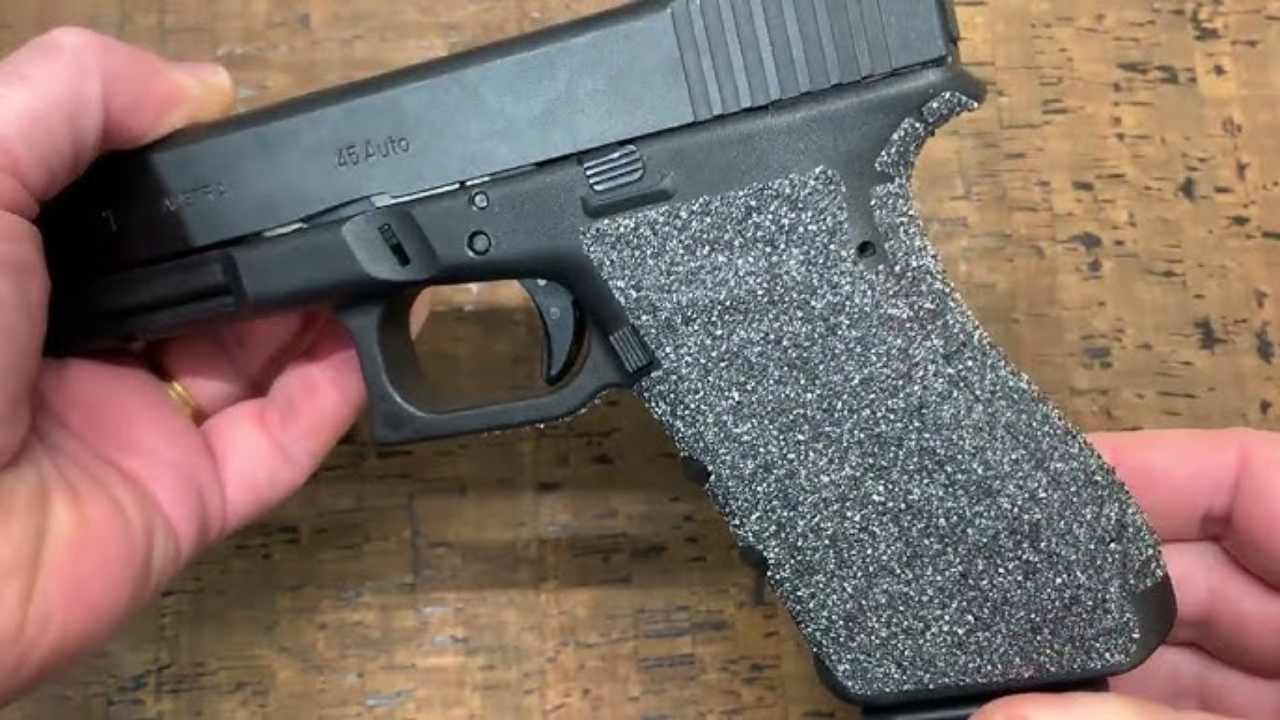
Gun people love features. We love specs, checkboxes, and little upgrades that sound like they’re going to matter when things get ugly. But in the real world, one of the most bragged-about carry gun features is basically useless for most folks: extreme micro texturing and aggressive “race gun” grip treatments marketed as a must-have for control. It sounds like I’m nitpicking, but I’m not. This is one of those features that looks serious on the internet, feels cool in the shop, and then causes more problems than it solves once you actually carry the thing day after day.
Here’s the simple truth: a carry gun has to be shootable and carryable. If the grip texture is so aggressive it chews your skin up, prints through shirts, drags on cover garments, and makes you subconsciously avoid practicing because it’s annoying to wear, you didn’t upgrade your carry gun—you built a range toy that you’re forcing into concealed carry. Most shooters don’t need sandpaper grips to run a defensive pistol well. They need consistent technique, a good belt/holster, and enough training to manage recoil. The “grater grip” trend gets praised like it’s the key to speed, but most people would benefit more from a boring grip that carries comfortably and still gives traction when hands are wet.
Why this “feature” gets overhyped
Aggressive texture sells because it’s easy to feel in the store. It’s tactile. It’s immediate. You pick up the pistol and think, “Yep, I’m locked in.” On the range, it can feel great too—especially in short strings where comfort doesn’t matter and you’re not wearing it against skin for ten hours. So people start bragging: “This texture is insane,” “it doesn’t move at all,” “it’s like velcro.” That’s fine if you’re building a competition gun. But for concealed carry, comfort and consistency matter just as much as traction, because you have to actually carry it, conceal it, and train with it.
The hidden downside is what happens after a few weeks. The texture rubs you raw. It catches shirts. It grinds through cover garments. It makes you adjust the gun more. It makes you subconsciously avoid carrying in certain clothes. Then you start leaving the gun at home more often or changing your carry position based on comfort instead of access. That’s the opposite of what you want from a defensive setup.
The real problem: it can make your draw and grip worse
A lot of guys don’t realize this, but overly aggressive texture can also screw with your draw. If your cover garment drags on the grip, your clearing motion gets less clean. If your grip catches fabric, you don’t get the same master grip every time. Or you start “babying” the draw because you don’t want it to scrape you again. That creates inconsistent reps. Under stress, inconsistency shows up as fumbling—exactly what you’re trying to avoid.
It can also mess with your support-hand placement. If the texture is painful, you don’t clamp down the same way. You start adjusting your pressure subconsciously. That’s how you end up with a grip that changes from string to string and a gun that “feels jumpier” even though the texture is supposedly helping. Again, the feature isn’t evil. It’s just overdone for a lot of people and a lot of carry situations.
What actually matters more than “grip bite” texture
If you want a carry gun that performs, focus on the boring stuff that actually pays off:
- A holster that locks the gun in place and lets you establish a full grip
- A belt that keeps the gun from shifting
- Sights you can actually track
- A trigger you can press clean without yanking
- Ammo that runs reliably
- Practice reps that build consistent presentation and recoil control
All of that matters more than whether your grip feels like a cheese grater. You can shoot a slicker grip well with good technique. You can shoot an aggressive grip poorly with bad technique. The grip texture isn’t going to save you from a sloppy draw or a bad press.
The “wet hands” argument—and the real fix
The best argument for aggressive texture is wet hands, sweat, rain, gloves, or blood. Fair. But you don’t need to turn the grip into sandpaper to solve that. A moderate texture plus good grip pressure solves most of it. If you live somewhere humid, or you sweat a lot, there are better fixes than destroying your shirts and your side: good stippling that’s carry-friendly, grip tape placed intelligently (and replaced as needed), or choosing a pistol with a texture that gives traction without acting like a file.
And if you’re one of the guys who truly needs aggressive texture because your hands slip a lot, cool—just be honest about the tradeoffs and set the gun up to carry comfortably. Most people aren’t doing that. They’re buying the most aggressive option because it sounds “serious.”
The litmus test that keeps you honest
Here’s the test: if a “feature” makes you less likely to carry the gun, less likely to train, or causes you to adjust the gun constantly throughout the day, it’s not helping your defensive setup. It’s helping your ego. Carry guns are tools. Tools should be boring and dependable. The features that matter are the ones that improve reliability, consistency, and real-world handling—not the ones that feel cool for five minutes at the gun counter.
If you want to brag about something on a carry gun, brag about a setup that you actually carry every day and shoot well. That’s the flex that matters.
Like The Avid Outdoorsman’s content? Subscribe to our newsletter so you never miss an article.
Here’s more from us: