Photo credit: Don't Be A Sitting Duck/YouTube
Some carry pistols are forgiving enough to let sloppy technique slide for a while. Others do the opposite. They tell the truth immediately. If your grip is inconsistent, your trigger press is messy, your recoil control is lazy, or your follow-through falls apart once the pace picks up, these pistols make it obvious. That does not make them bad carry guns. In many cases, it makes them very good ones. They simply demand that the shooter do his part.
That is why experienced shooters often respect these pistols so much. They reward real discipline. A clean draw, solid support-hand pressure, proper trigger control, and visual patience all show up clearly when the gun is small enough, lively enough, or honest enough to stop covering for mistakes. These are the carry pistols that can absolutely perform, but they make you earn it. If your habits are good, they feel sharp and capable. If your habits are bad, they let you know fast.
Glock 43

The Glock 43 rewards solid fundamentals because it is simple, direct, and mechanically honest. There is not much extra gun there to hide a weak grip or a rushed trigger press. If your support hand is lazy or your sight picture discipline falls apart, the little Glock tends to show you immediately. It is easy to carry and easy to understand, but it is not especially generous once the shooting starts getting faster.
That is also why it exposes bad habits so clearly. People who are used to larger pistols often assume the same technique will carry over without adjustment. Sometimes it does not. The short grip and more abrupt recoil mean little mistakes show up bigger than expected. When shot well, the Glock 43 feels very efficient. When shot poorly, it reminds you that size always comes with a price.
SIG Sauer P365

The SIG Sauer P365 rewards solid fundamentals because it offers a lot of capability in a very compact package, but it still expects the shooter to manage that package correctly. The pistol tracks well for its size, but it does not erase careless input. A sloppy grip or inconsistent trigger press becomes obvious once the cadence rises and the gun starts moving more than a larger carry pistol would.
It exposes bad habits because people often mistake capacity and popularity for forgiveness. The P365 is smartly designed, but it is still a small handgun. If you are snatching the trigger, letting the gun shift in your hand, or failing to control recoil with real consistency, the pistol will show you exactly where the problem lives. That honesty is a big part of what makes it a serious carry gun instead of merely a convenient one.
Smith & Wesson Shield Plus

The Shield Plus rewards solid fundamentals because it gives the shooter a slim, practical carry pistol that still needs real grip discipline to stay under control at speed. It is one of the better-shooting pistols in its class, but that does not mean it flatters weak technique. In fact, it often becomes more impressive the better the shooter behind it gets.
That is why it exposes bad habits so well. A weak support hand, a collapsing wrist, or a rushed trigger stroke can turn a neat little carry gun into something much less cooperative. The Shield Plus does not hide bad work for long. It gives back real performance, but only after the shooter brings enough structure to the process.
Springfield Hellcat
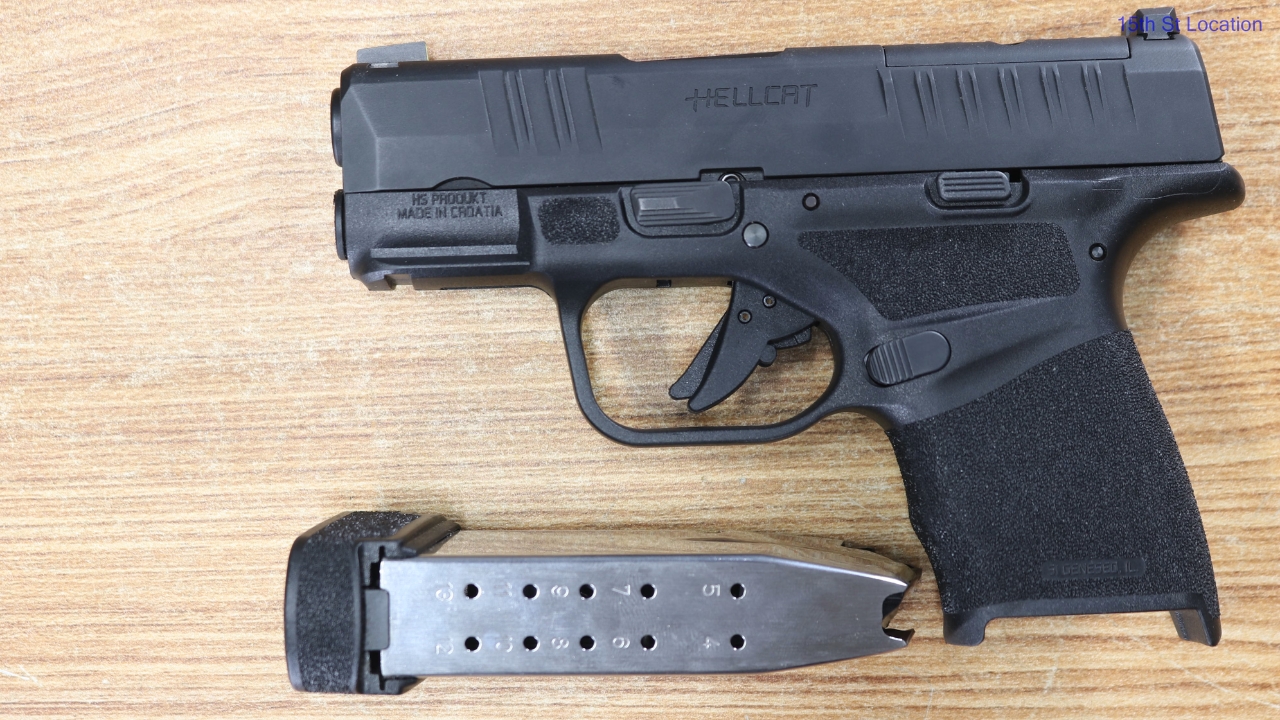
The Springfield Hellcat rewards solid fundamentals because it gives the shooter a highly concealable pistol with serious practical capability, but it still expects the user to control the little gun instead of letting the little gun control the session. Once shooting gets fast, the small frame and lively recoil start demanding much more discipline than the store-counter feel suggested.
That is also why it exposes bad habits so clearly. If your grip pressure falls apart between shots or you start chasing the trigger instead of pressing it cleanly, the Hellcat tends to show the error immediately. It is not unfair. It is just honest. That makes it a very revealing pistol for anyone who wants to know whether their fundamentals are actually solid.
Glock 48

The Glock 48 rewards solid fundamentals because it offers a slim frame with enough grip length to be very shootable, but it still stays narrow enough that hand placement and recoil control matter a great deal. If you grip it well, the pistol feels smooth, efficient, and surprisingly easy to run. If you get lazy, it starts showing more movement than you wanted.
It exposes bad habits because people sometimes assume a longer slim pistol will be automatically forgiving. It is more forgiving than a micro gun, but it still wants clean input. Trigger mistakes, weak support-hand control, and inconsistent presentation all stand out more than they would on a thicker, heavier service pistol. That makes the Glock 48 a very good teacher.
SIG Sauer P938

The SIG Sauer P938 rewards solid fundamentals because it brings a crisp single-action trigger and a very compact frame together in a way that strongly favors disciplined handling. If your draw is clean and your trigger work is controlled, the gun can be very impressive for its size. If not, it can become a little chaos machine surprisingly fast.
It exposes bad habits because the margin for error is so narrow. Tiny grip, lively recoil, and a short, responsive trigger are not a great mix for sloppy hands. This is exactly the kind of pistol that rewards real skill and punishes casual assumptions. It is carryable, capable, and very revealing in the wrong hands.
Kimber Micro 9

The Kimber Micro 9 rewards solid fundamentals because its little 1911-style format can shoot very nicely when the shooter keeps the gun locked in and runs the trigger with discipline. In that sense, it feels almost more refined than its size suggests. But that refinement only really shows up when the fundamentals are already there.
It exposes bad habits because small 9mm pistols do not forgive much, and this one is no exception. The short grip and snappy recoil make weak technique obvious fast. If your grip loosens under recoil or your follow-through gets careless, the pistol starts feeling much harder to master than its polished little appearance implied.
Walther PPS M2

The Walther PPS M2 rewards solid fundamentals because it has a very usable shape and a smooth overall shooting character for a slim carry gun, but it still depends on the shooter doing the simple things correctly. When the grip is solid and the trigger press is clean, the pistol feels sharp and very capable. When they are not, the gun stops flattering the shooter almost immediately.
That makes it very good at exposing bad habits. The slim frame gives you less room for sloppy grip work, and the carry-focused dimensions mean recoil control still matters more than it would on a larger pistol. It is one of those guns that often feels better and better as the shooter gets better, which is exactly what a fundamentals-rewarding carry pistol should do.
CZ P-01

The CZ P-01 rewards solid fundamentals because it gives the shooter a compact pistol with excellent ergonomics and a very shootable alloy-frame setup, but it still asks for real competence with a DA/SA system. If you know how to manage that first press and stay disciplined through the transition, the pistol starts looking very smart very quickly.
It exposes bad habits because DA/SA guns do not hide trigger inconsistency well. If your first-shot trigger work is rough, you will see it. If you get lazy with sight focus after the first round, you will see that too. The P-01 rewards real technique beautifully, but it has no interest in pretending weak fundamentals are something else.
SIG Sauer P229

The SIG Sauer P229 rewards solid fundamentals because it is one of those compact service-style pistols that gives a lot back once the shooter really knows how to use it. The weight, balance, and stable recoil all help, but the gun still depends on the user understanding the trigger system and running it with discipline. When that happens, it feels serious and highly capable.
It exposes bad habits for the exact same reason. DA/SA pistols tell the truth about trigger control, especially on the first shot. If the shooter is jerking through the initial press or relying on sloppy grip work to save the string, the gun will make that very obvious. That is part of why serious shooters keep respecting pistols like this.
Smith & Wesson 642
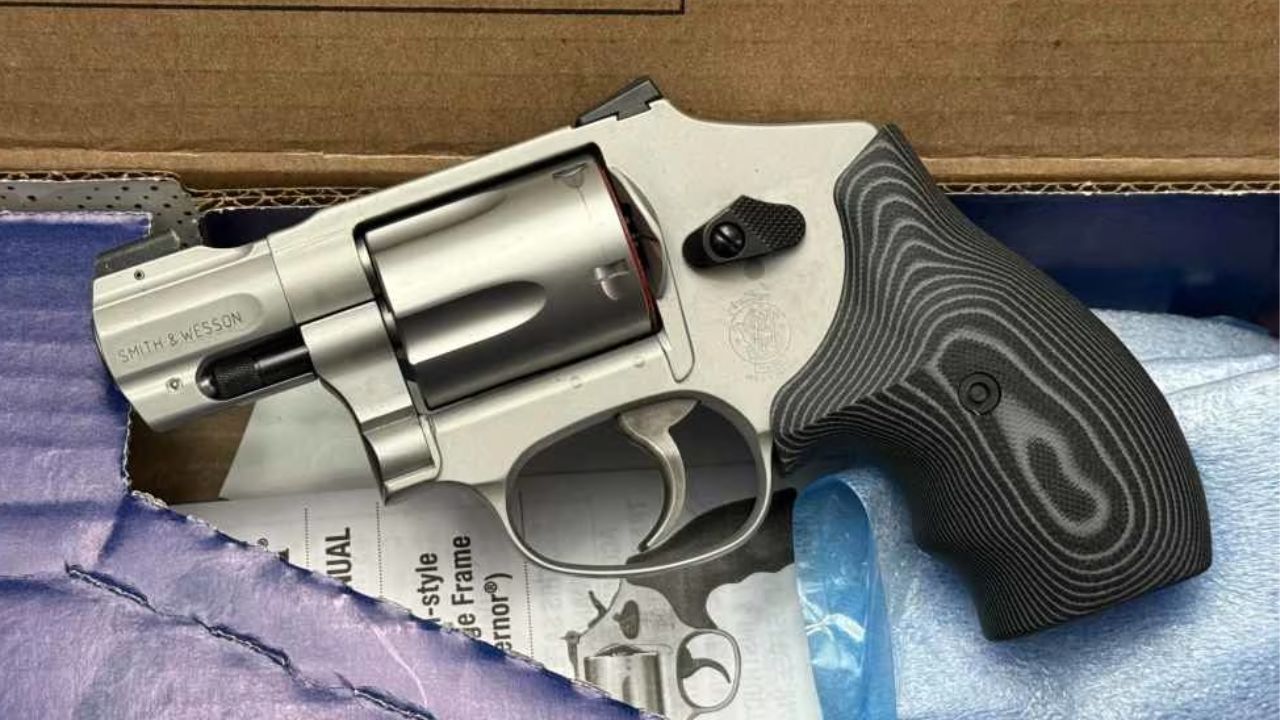
The Smith & Wesson 642 rewards solid fundamentals because it is brutally honest about double-action trigger control, grip discipline, and recoil management. There is no slide cycle to distract you, no extra size to cushion poor handling, and very little forgiveness built into the format. If you can shoot a 642 well, you are doing something correctly.
It exposes bad habits faster than most pistols on this list. Weak trigger control, poor front-sight focus, and lazy hand strength all show up immediately. That is why little revolvers still earn so much respect from experienced shooters. They are not easy, but they teach hard lessons clearly.
Ruger LCP Max

The Ruger LCP Max rewards solid fundamentals because it can perform extremely well for its size if the shooter grips it properly and stays disciplined with the trigger. The sights are better than older pocket pistols, and the capacity is useful, but the little gun still asks for real work. If you bring good technique, it gives back more than many tiny pistols do.
It exposes bad habits because there is almost no room to hide them. Tiny grip area, brisk recoil, and pocket-pistol dimensions mean the shooter must control the gun aggressively and consistently. The LCP Max does not reward complacency. It rewards skill, and that is why so many people shoot it worse than they expected.
FN Reflex
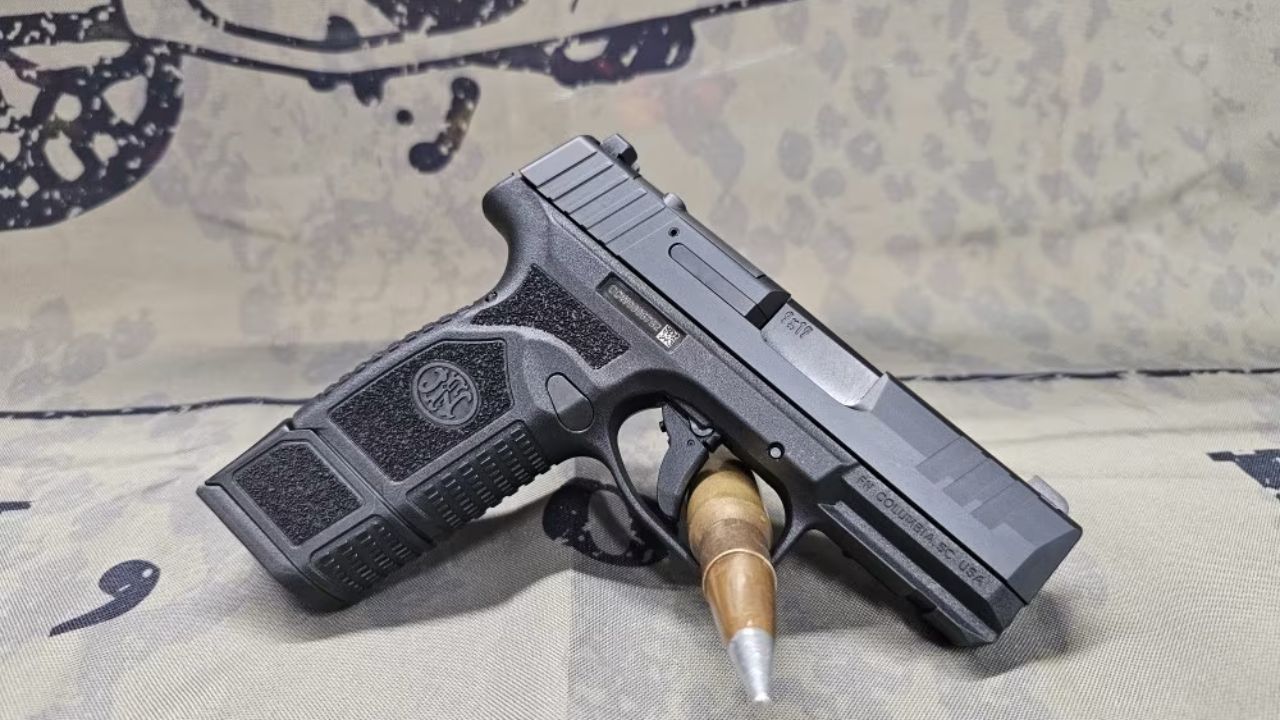
The FN Reflex rewards solid fundamentals because it gives the shooter a polished, modern deep-carry pistol that still demands the basics be right. It is compact enough that grip discipline matters, and it moves enough under recoil that sloppy shooting becomes visible quickly. If the shooter stays clean, the pistol looks excellent. If not, it stops feeling nearly as friendly.
That is why it exposes bad habits so well. Its carry-friendly size tempts people into thinking it will be easier than it is. In reality, it behaves like what it is: a small serious pistol that expects the shooter to stay organized. Bad trigger work and poor recoil management do not stay hidden with a gun like this.
HK P30SK
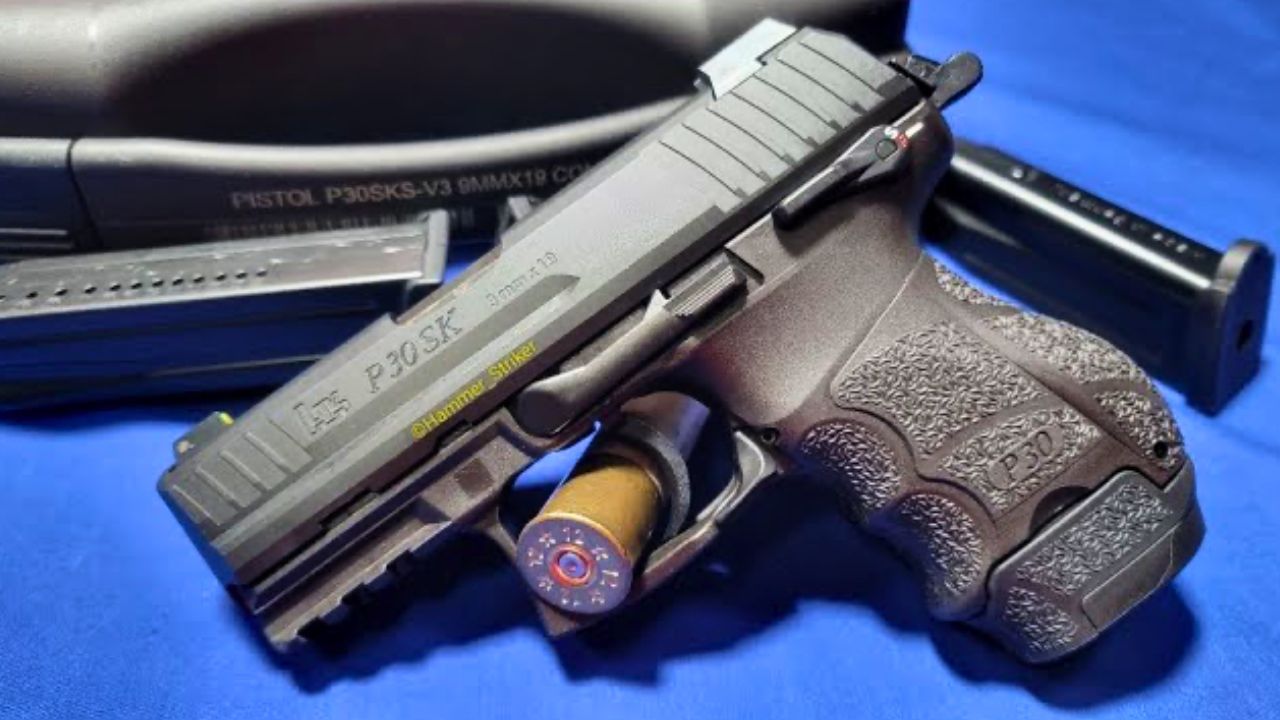
The HK P30SK rewards solid fundamentals because it combines strong ergonomics with a compact size and a trigger system that still expects the shooter to do real work. When handled correctly, it feels stable, secure, and very capable. It is a pistol that often shines brighter the more experienced the shooter becomes.
It exposes bad habits because the compact format and traditional trigger system leave no room for casual sloppiness. If you are inconsistent on the first shot or lazy in your grip pressure, the pistol will tell you. That is one reason compact HKs remain so respected among shooters who care about real performance rather than easy first impressions.
Glock 26

The Glock 26 rewards solid fundamentals because it gives you a small double-stack carry gun that can be shot extremely well when the grip and trigger work are right. The little pistol is more capable than many people assume, but that capability only really shows itself when the shooter is doing his part. It is not magic. It is a small gun that rewards good structure.
It exposes bad habits because the short grip and compact frame make sloppy recoil management more obvious than on a Glock 19 or 17. A weak support hand or rushed follow-up process stands out quickly. The Glock 26 has long been respected because it is such an honest little test of whether the shooter’s basics really hold up.
Dan Wesson ECO

The Dan Wesson ECO rewards solid fundamentals because a compact 1911 still gives tremendous feedback to the shooter. If your grip is strong, your safety manipulation is disciplined, and your trigger work stays clean, the pistol can feel outstanding. In the hands of someone who knows what they are doing, it becomes very easy to appreciate.
It exposes bad habits because a small 1911 does not tolerate lazy gun handling well. If the shooter is careless with the draw, loses control under recoil, or expects the gun to flatter weak technique, the truth shows up quickly. That is why pistols like this tend to be loved by skilled shooters and misunderstood by everyone else.
Like The Avid Outdoorsman’s content? Be sure to follow us.
Here’s more from us: