Photo credit: praphab louilarpprasert/Shutterstock.com
We may earn revenue from products featured on this page through affiliate links.
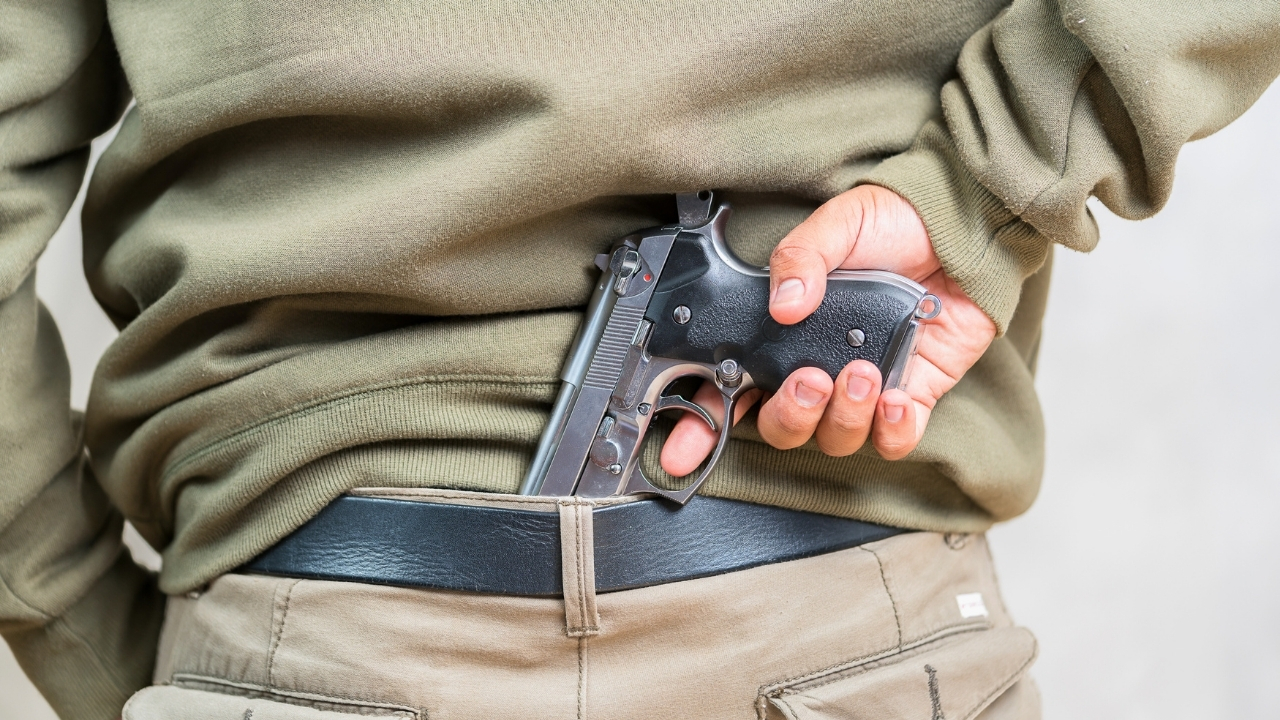
Cold weather is where a lot of concealed carry setups get exposed for what they really are. A system that feels fine in a T-shirt and jeans can turn into a slow, awkward mess the minute you add a hoodie, a jacket, gloves, and stiff layers that don’t move the same way. The gun doesn’t change. The holster doesn’t change. But your ability to access and control that gun absolutely changes, and that’s why winter is when people suddenly realize their “everyday carry” wasn’t as dialed as they thought.
The mistakes that show up in cold weather aren’t exotic either. They’re basic: wrong clothing choices, poor belt support under layers, jacket interference, glove issues, and people doing more admin handling because they’re constantly taking the gun on and off. If you fix these, winter carry becomes boring again, which is exactly what you want.
Layering that traps the gun and forces a slower, sloppier draw
The first cold-weather carry failure is layering without thinking about access. A hoodie under a jacket, a long undershirt, and a thick outer layer can create a “trap” that keeps the gun covered even after you clear the garment. Some jackets fall back over the grip. Some hoodies bunch up at the waist and block your hand from getting a clean purchase. Some shirts stretch and snag on the rear sight or optic. This is why people suddenly feel like their draw got worse in winter—it didn’t get worse, it got more complicated. The fix is choosing a layering system that clears cleanly and practicing with that exact setup. You need to know whether you’re sweeping up and back, ripping straight up, or pinning the garment with your support hand while your firing hand establishes grip. If your jacket consistently drops back over the grip, you either need a different garment style or a different carry position. Cold weather doesn’t allow “it’ll probably be fine” thinking because the first time it’s not fine is when you’ll find out.
Jacket interference and zipper hardware that catches when you don’t have time
Jackets make concealment easy and access harder, and the worst offenders are stiff hems, zipper pulls, pockets, and inner liners that snag your hand at the wrong moment. A jacket that feels fine standing up can bind when you’re seated, especially in a vehicle. A long coat can trap the gun underneath it when you try to clear, while a short jacket can ride up and expose the gun in weird positions. Then you add gloves and it gets even worse. The fix is testing your draw in real positions: seated in a car, seated in a chair, bending forward, turning sideways. If your jacket consistently catches, you need to adjust how you clear it or change the jacket you carry with. The goal is not a fast “Instagram draw.” The goal is a clean, repeatable draw that works when you’re bundled up and your hands are clumsy from cold.
Gloves that kill dexterity and turn the trigger press into a gamble
Gloves are a safety tool and a shooting problem at the same time. Thick gloves reduce feel, change how your finger contacts the trigger, and can cause sloppy presses that pull shots off target. They also make it easier to snag the trigger prematurely if you’re careless. Cold-weather carry exposes whether your glove choice is realistic. If you can’t get a clean grip, can’t manipulate controls, or can’t press the trigger without dragging the gun, your glove setup is wrong for carry. The fix is using gloves that balance warmth and dexterity, and keeping your trigger discipline extra strict. Many carriers end up using thinner gloves for everyday movement and keeping heavier mittens or hand warmers for comfort when they’re not in a situation where they need quick access. The key is not “toughing it out.” It’s recognizing that numb hands and bulky gloves are a safety risk and a performance problem.
Belt and holster stability gets worse when clothing adds friction and bulk
Cold-weather clothing adds bulk around the waistline, and that changes how the belt and holster sit. A belt that was “fine” in summer can become unstable when it’s riding over thick layers. The holster can shift more because fabric creates friction and pressure in different directions. Printing patterns change. Comfort changes. And suddenly you’re adjusting your gun constantly—which is one of the worst habits you can have in public. The fix is a stiff belt that maintains structure regardless of layers and a holster that doesn’t roll or sag. If you want a practical, purpose-built belt option sold at Bass Pro, the Cabela’s Gun Belt is designed to support a holstered handgun and keep the system stable. The habit that matters is stability: if the gun moves, your draw becomes inconsistent and your concealment becomes stressful, which is how people start leaving the gun at home.
More admin handling because people keep taking the gun off inside coats and cars
Winter creates more opportunities for sloppy admin handling because people take their gun off more. They’re getting in and out of vehicles. They’re taking off coats indoors. They’re putting the gun in the center console because it’s uncomfortable seated. Every one of those moves increases risk, because most negligent discharges and thefts happen during admin handling, not defensive draws. Cold weather exposes whether you have a plan for secure off-body storage when you truly need it. If you’re removing the gun in a vehicle, you should have a secure container, not a console or glovebox. This is where a quality lockbox earns its keep. A simple option at Bass Pro is the StopBox Pro, which is designed for quick access while preventing casual access when the gun needs to be secured temporarily. The point is not turning your life into a checklist. The point is reducing the number of careless moments winter tends to create.
Appendix carry and seated access problems get magnified in winter
Cold weather exposes whether your carry position works when seated. Appendix carry can be fast and secure for many people, but winter layers can make it harder to clear the garment and harder to access the gun in a car. Strong-side carry can be more comfortable seated for some, but long coats and seat belts can trap the gun. The fix is testing your access with your real winter clothes and your real seating positions. If your seat belt traps the gun, you need to adjust carry position or belt routing. If your jacket blocks your grip, you need a different clearing method or different outerwear. The mistake is assuming your summer setup will automatically work in winter. It often won’t, and you don’t want the first time you learn that to be the worst moment of your life.
The winter carry setup that works is the one you practice with
Cold weather is the season that punishes assumptions. If you want your setup to work, you need reps in your winter clothes, with your winter gloves, and in winter positions like seated draws. Dry practice at home solves a huge part of this if you do it safely and honestly. Work garment clearing. Work grip acquisition. Work slow reholstering. Then confirm at the range when possible. The carriers who do well in winter aren’t tougher. They’re prepared. They built a system that works with layers, not against them, and they removed the winter-specific friction points before they became problems.
Like The Avid Outdoorsman’s content? Subscribe to our newsletter so you never miss an article.
Here’s more from us: