Photo credit: SolidMaks/Shutterstock.com
Some deer cartridges get defended way harder than their field results deserve. A lot of them will kill deer under perfect conditions, with the right bullet, at the right distance, from a calm shooter who puts the shot exactly where it belongs. That does not make them good deer cartridges for everyone.
The problem usually shows up when the angle is bad, the distance stretches, the bullet is too light, or the shooter expects the cartridge to do more than it can. Deer are not armor-plated, but they are tough enough to expose weak choices fast. These are the cartridges that can work, but leave very little room for error.
.223 Remington

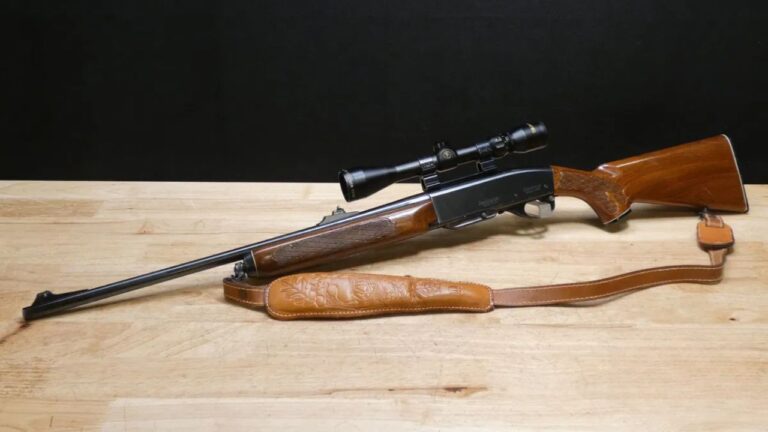
The .223 Remington is one of the most debated deer cartridges because it can work with the right bullet and careful shot placement. Plenty of hunters have killed deer with it, especially at closer ranges using tough soft points, bonded bullets, or copper loads. In states where it is legal, it has a following.
The problem is that it does not give much margin. Light varmint bullets are a terrible choice, and even good bullets need careful placement. On bigger deer, quartering shots, or longer distances, the .223 can run out of authority quickly. It is a cartridge that rewards discipline, but punishes sloppy decisions hard.
.22-250 Remington

The .22-250 Remington is fast, flat, and deadly on varmints, which is part of why some hunters try to stretch it into deer work. With proper bullets, it can kill deer cleanly when everything goes right. The speed is impressive, and accuracy is usually excellent.
But speed does not automatically mean deep penetration. Many .22-250 loads are built for coyotes and prairie dogs, not punching through deer shoulders. Hit soft ribs with a controlled bullet and it can work. Hit bone with the wrong bullet and you may get a shallow mess. It is a risky deer choice unless the hunter is very selective.
.204 Ruger
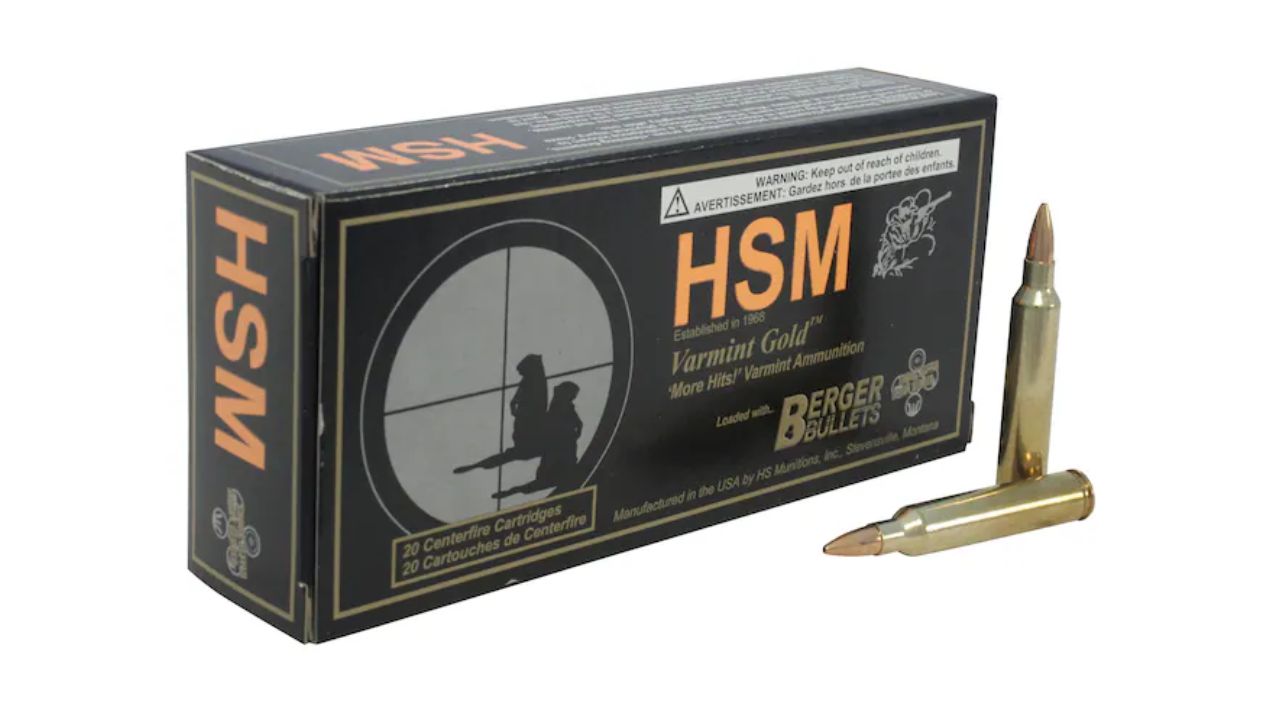
The .204 Ruger is a fantastic varmint cartridge, but it has no business being treated like a serious deer round. It is fast, accurate, and explosive on small animals. That is exactly the problem. It was not designed around the kind of bullet weight and penetration deer hunting demands.
Even if someone can technically place a shot well, the cartridge gives almost no forgiveness. Tiny bullets, limited frontal area, and varmint-focused construction make it a poor choice for ethical deer hunting. There are too many better options to justify using it on whitetails or mule deer.
.17 HMR
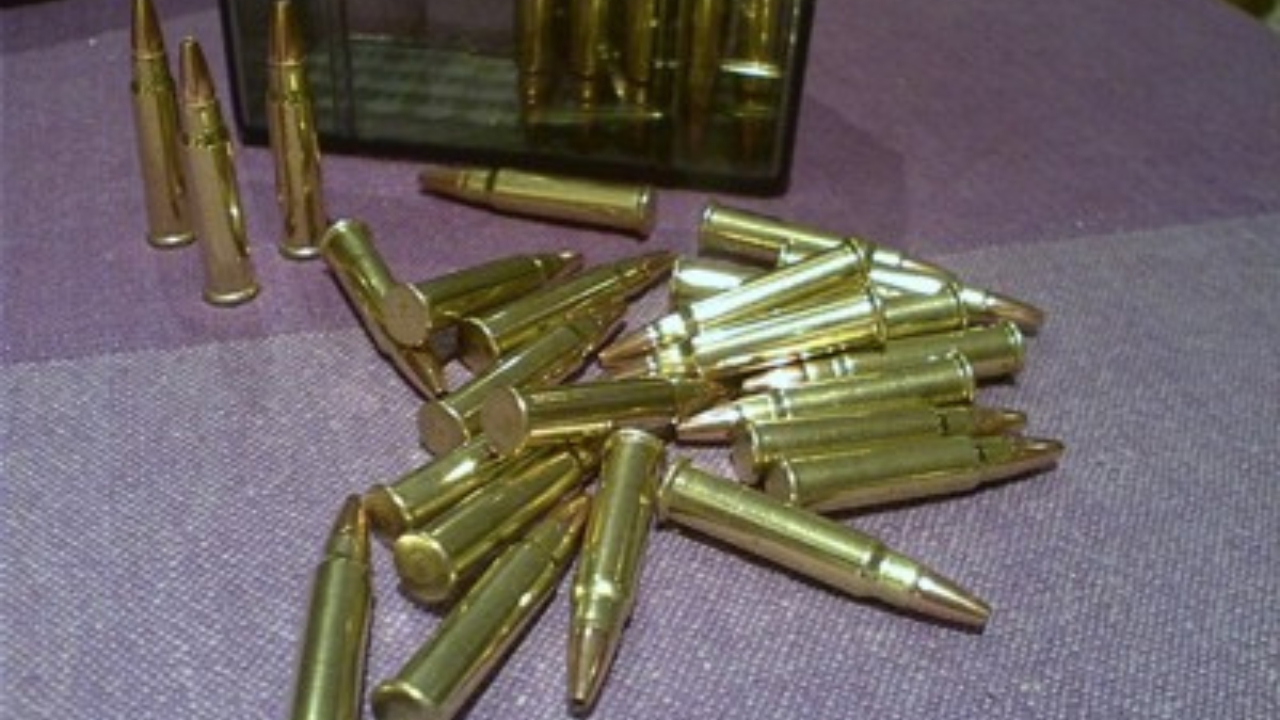
The .17 HMR should not be in the deer conversation at all, yet some people still talk like precise shot placement makes anything acceptable. It is a great small-game and varmint rimfire. It is accurate, light-recoiling, and fun to shoot.
That does not make it a deer cartridge. It lacks bullet weight, penetration, and energy for clean, reliable kills on deer-sized game. Using it on deer is asking for wounded animals and lost blood trails. This is one of those rounds where “can it kill?” is the wrong question. The real question is whether it should be used, and the answer is no.
.22 Magnum

The .22 Magnum has more punch than .22 LR, but that does not make it a deer round. It can handle small game, pests, and close-range utility work, but deer are a completely different standard. The cartridge simply does not bring enough bullet weight or penetration for reliable clean kills.
Some people lean on old stories about deer taken with .22 Magnum. Those stories do not make it a good choice. A cartridge that depends on perfect brain or neck shots is not a proper deer cartridge. For ethical hunting, it leaves too much room for things to go wrong.
.410 Slug

The .410 slug sounds better than it usually performs. A shotgun slug, even a small one, can seem like it should be plenty for deer at close range. In some places, young hunters or recoil-sensitive shooters get handed .410s because they are light and easy to carry.
The issue is that .410 slugs are small, light, and limited compared with 20-gauge or 12-gauge slugs. Range is short, energy drops quickly, and performance can be underwhelming on anything but ideal broadside shots. For deer, a 20 gauge with reduced-recoil loads is usually a far smarter choice.
.30 Carbine
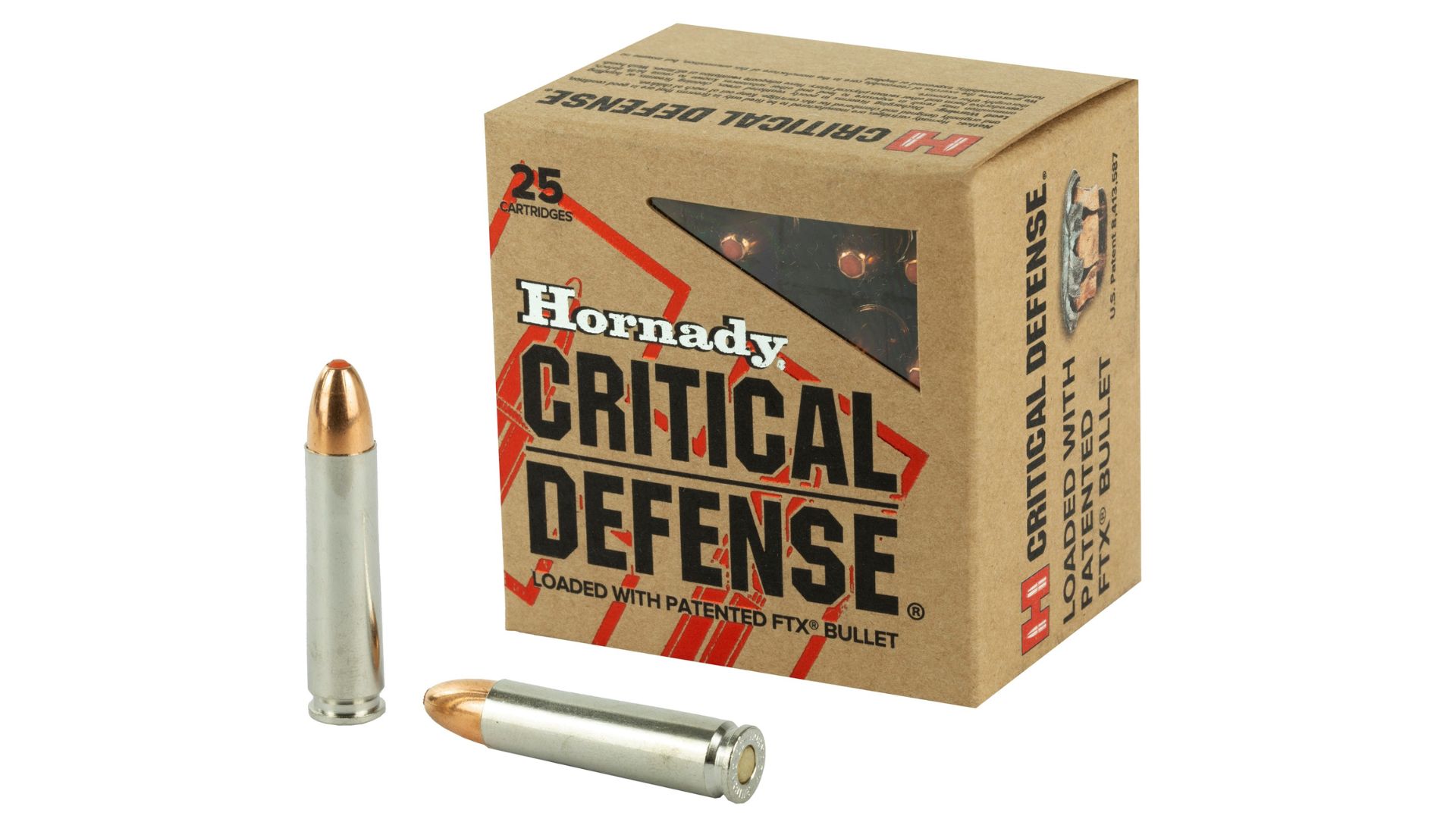
The .30 Carbine is handy and fun, especially in an M1 Carbine. It has taken deer before, and at close range with soft-point ammunition, it can be effective in careful hands. The light recoil and fast handling make it appealing.
But it is not a great deer cartridge. Bullet weight is light, velocity is modest, and penetration can be inconsistent depending on load and angle. It is easy to like the rifle and overestimate the round. Inside its limits it can work, but those limits are tight. Many wounded deer come from people treating it like more cartridge than it is.
9mm Luger carbine loads

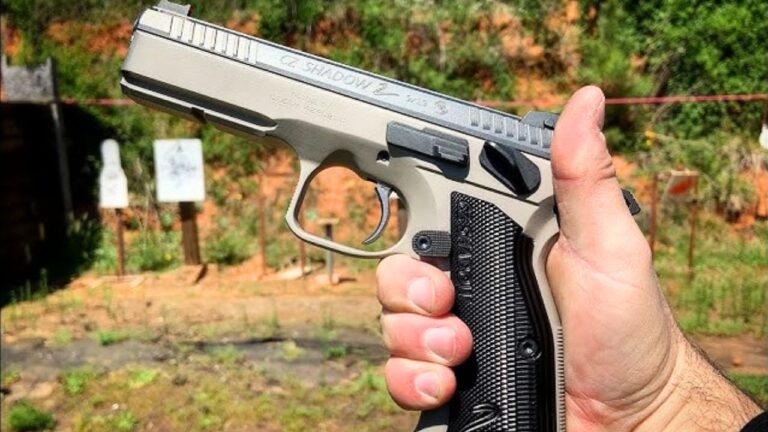
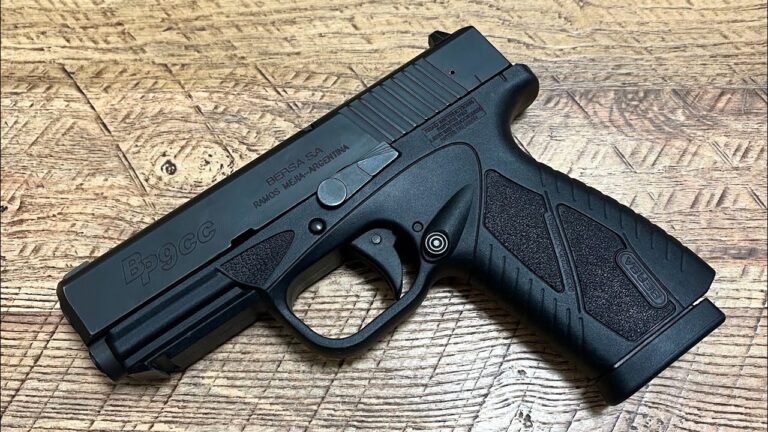
A 9mm carbine can be accurate, soft-shooting, and surprisingly useful for range work or defense. That does not make 9mm a strong deer cartridge. Even from a longer barrel, most 9mm loads are not built for reliable expansion and penetration on deer-sized animals.
The danger is that shooters see a pistol-caliber carbine as a handy woods gun and assume close range solves everything. It does not. Some hard-cast or specialty loads may penetrate better, but the cartridge still leaves little margin for error. For deer, a real rifle cartridge or appropriate slug gun is a much better answer.
.357 Magnum rifle loads
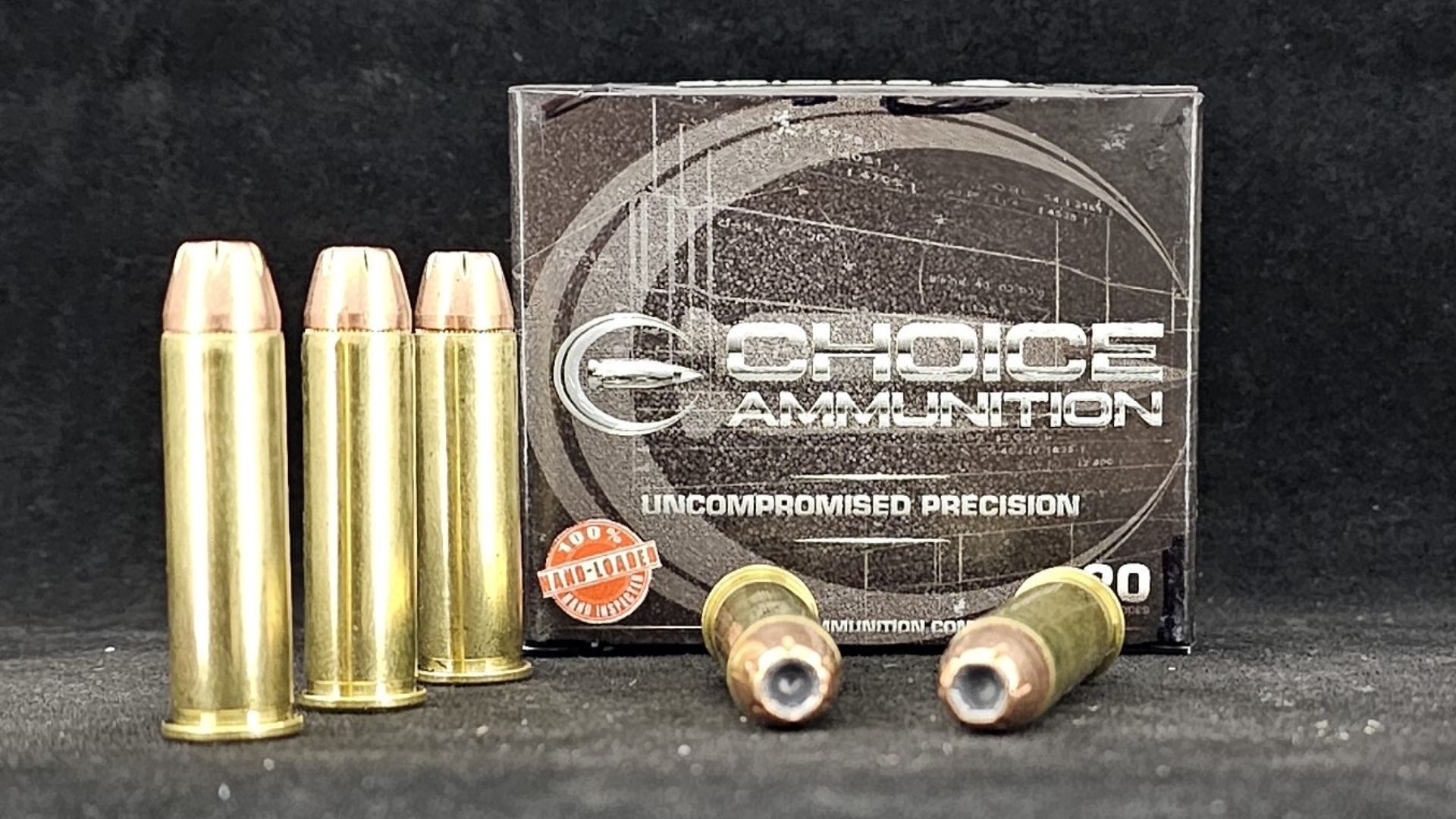
The .357 Magnum from a rifle is often defended as a deer cartridge, and to be fair, it can work at close range with the right bullet. Out of a lever gun, it gains useful velocity and becomes far more capable than it is from a revolver. For small deer inside modest distances, it has a legitimate role.
The problem comes when hunters stretch it too far or use bullets meant for handguns. Expansion can be too rapid, penetration can suffer, and energy drops faster than many expect. It is a short-range woods cartridge, not a general deer round. Treated like a .30-30, it can disappoint badly.
.327 Federal Magnum rifle loads

The .327 Federal Magnum is a useful revolver cartridge and interesting from a carbine, but it is still a marginal deer choice. It shoots flatter than some people expect and can penetrate decently with the right bullet. That makes it tempting for small-frame rifles or close-range use.
Still, it is asking a lot from a small-diameter handgun cartridge. Bullet selection matters enormously, and the cartridge does not provide much forgiveness on poor angles. For pests, small game, and defensive use, it makes sense. For deer, it is too easy to wound unless conditions are perfect.
.32-20 Winchester

The .32-20 Winchester has history, charm, and plenty of old rifles and revolvers chambered for it. It was useful in its day for small game, varmints, and light utility work. Some hunters have used it on deer over the years, especially at very close distances.
That does not mean it is a good modern deer cartridge. It is light, mild, and limited in both energy and bullet performance. Old stories can make it sound more capable than it really is. For today’s hunter with better options everywhere, the .32-20 belongs in the small-game and nostalgia lane.
.25-20 Winchester

The .25-20 Winchester is another old cartridge that gets romanticized because it came from an era when hunters used what they had. It is pleasant, low-recoiling, and useful for small game or varmints. In an old lever gun, it has plenty of charm.
For deer, it is badly outclassed. The bullet is light, the velocity is modest, and the cartridge does not offer the penetration or wound channel needed for consistent clean kills. It may have killed deer in the past, but that does not make it an ethical first choice now. It is too small for the job.
.218 Bee
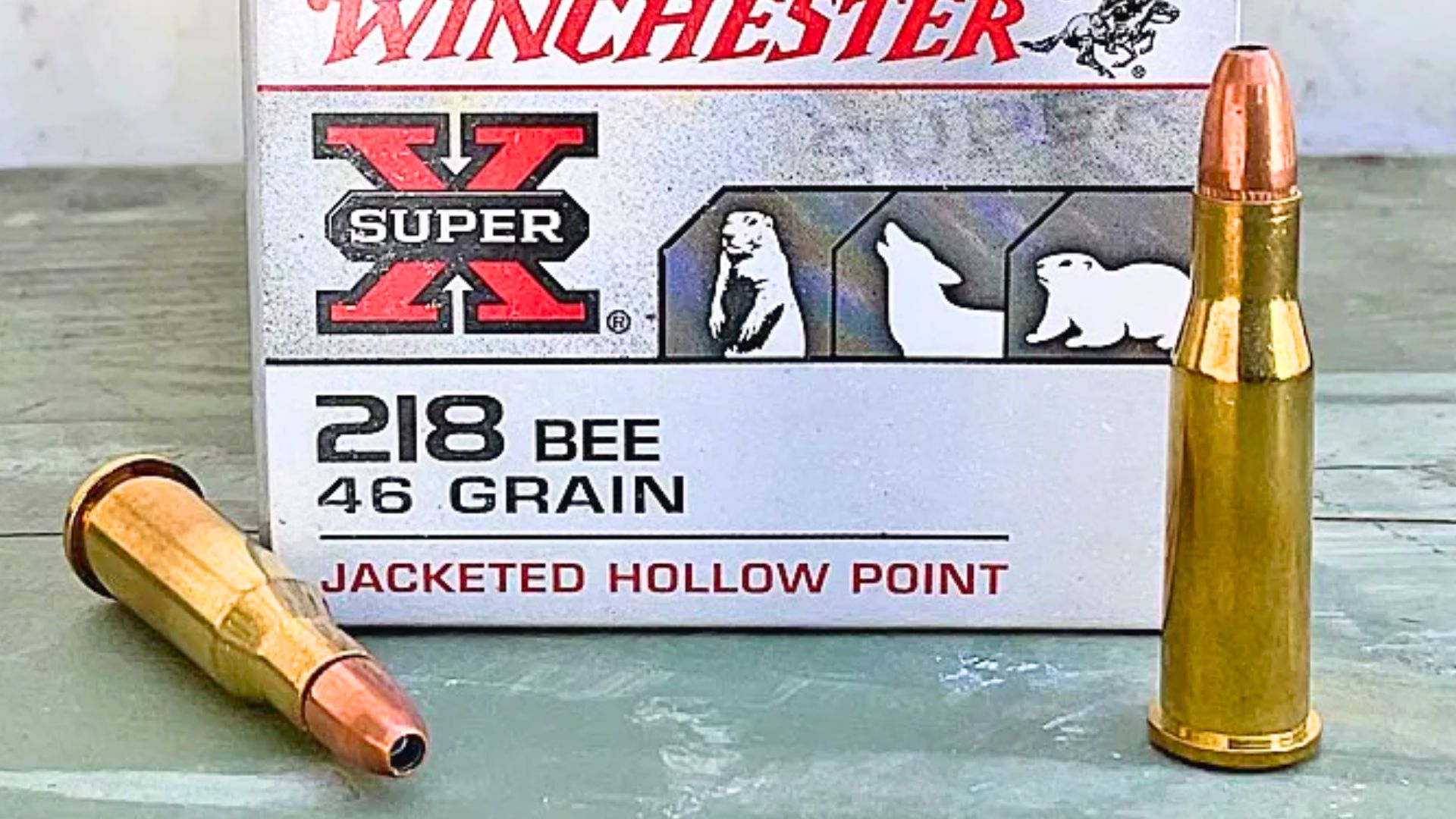
The .218 Bee is a neat little varmint cartridge, especially in classic rifles. It is mild, accurate, and more interesting than many modern shooters realize. For small game and pests, it can be a lot of fun.
It is not a deer cartridge. Like other small .22 centerfires, it lacks the bullet weight and construction needed for reliable deer performance. The fact that it can be accurate does not change the terminal limits. If a hunter wants a clean kill, the .218 Bee should stay in the varmint field.
.222 Remington
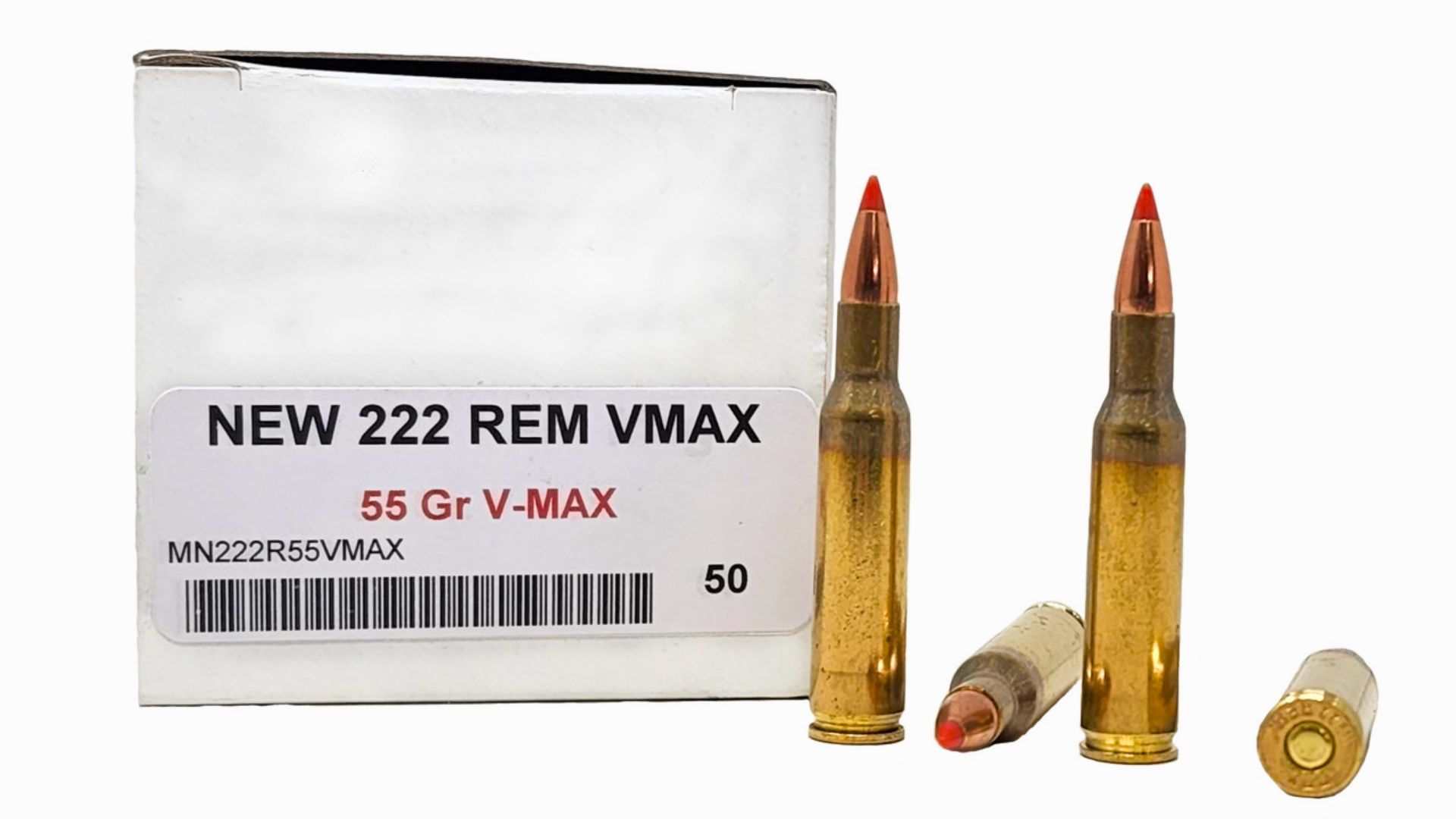
The .222 Remington is accurate, pleasant, and historically important. It has a wonderful reputation as a precision small-game and varmint round. Some hunters have used it on deer, and with perfect shot placement it can kill.
The problem is that it is still a light .22 centerfire. It does not offer the same velocity as .22-250 or the widespread bullet/load options of .223 Remington, and even those are marginal. The .222 is a classy little cartridge, but deer hunting asks more than class. It leaves too little room for real-world mistakes.
.22 Hornet

The .22 Hornet is charming because it is quiet, mild, and effective on small game and varmints. It works beautifully in the role it was meant for. In old rifles, it also has a nostalgia factor that makes people want to push it harder than they should.
Pushing it into deer work is where trouble starts. The Hornet is slow by centerfire standards, uses light bullets, and has limited terminal performance on deer-sized animals. It might kill with a perfect shot, but that is not enough. For deer, it is far too marginal.
.44-40 Winchester
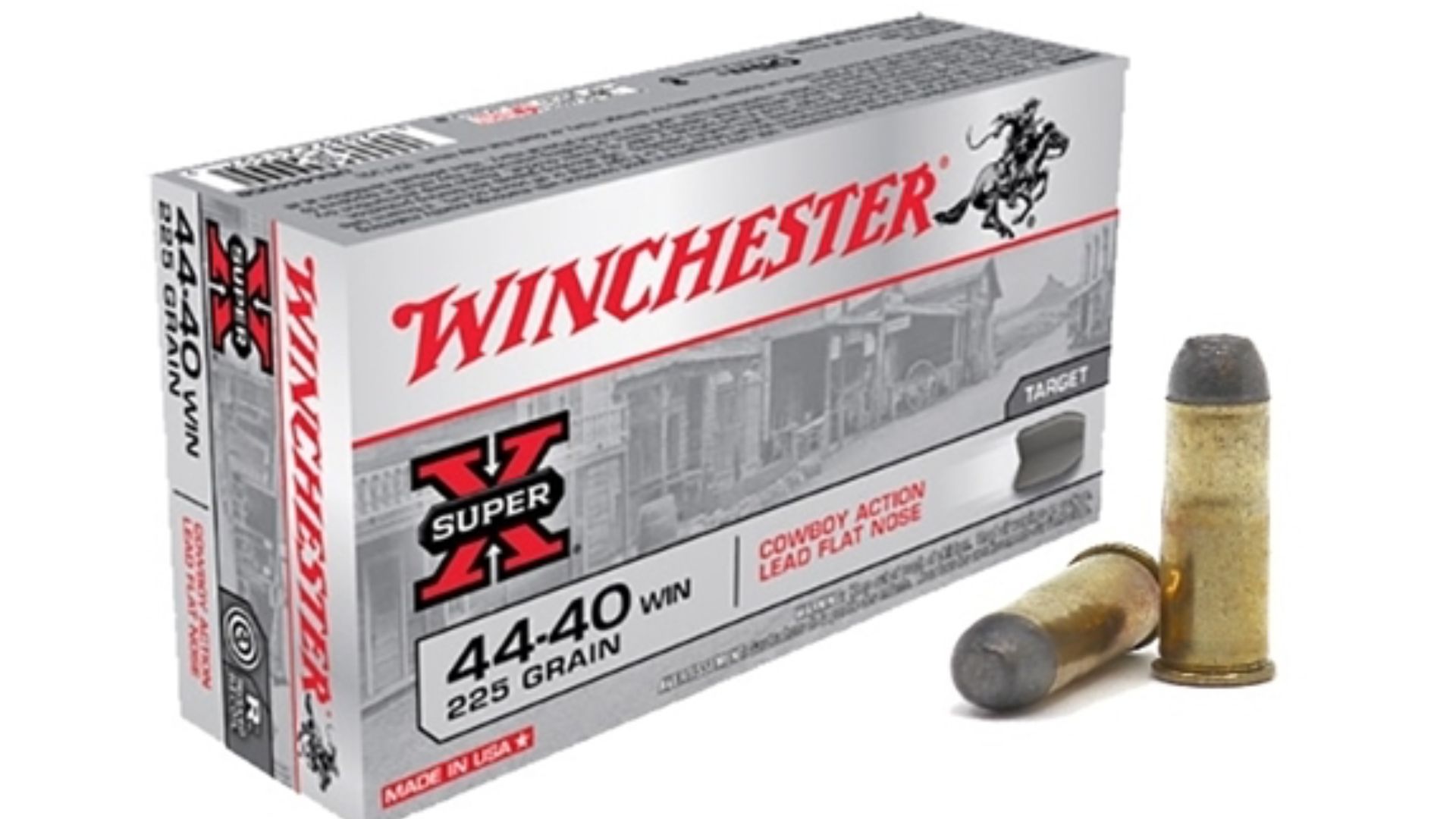
The .44-40 Winchester has killed plenty of deer historically, especially from lever-action rifles. It is a classic cartridge with real Old West appeal, and at close range with proper loads, it can still work on smaller deer. Nobody should pretend it is useless.
But many modern factory loads are mild because they need to be safe in older firearms. That limits performance. Bullet selection and rifle strength matter a lot, and range must be kept short. It is not a cartridge that forgives poor angles or modern expectations. Hunters who treat it like a powerful woods round may end up disappointed.
.38 Special carbine loads
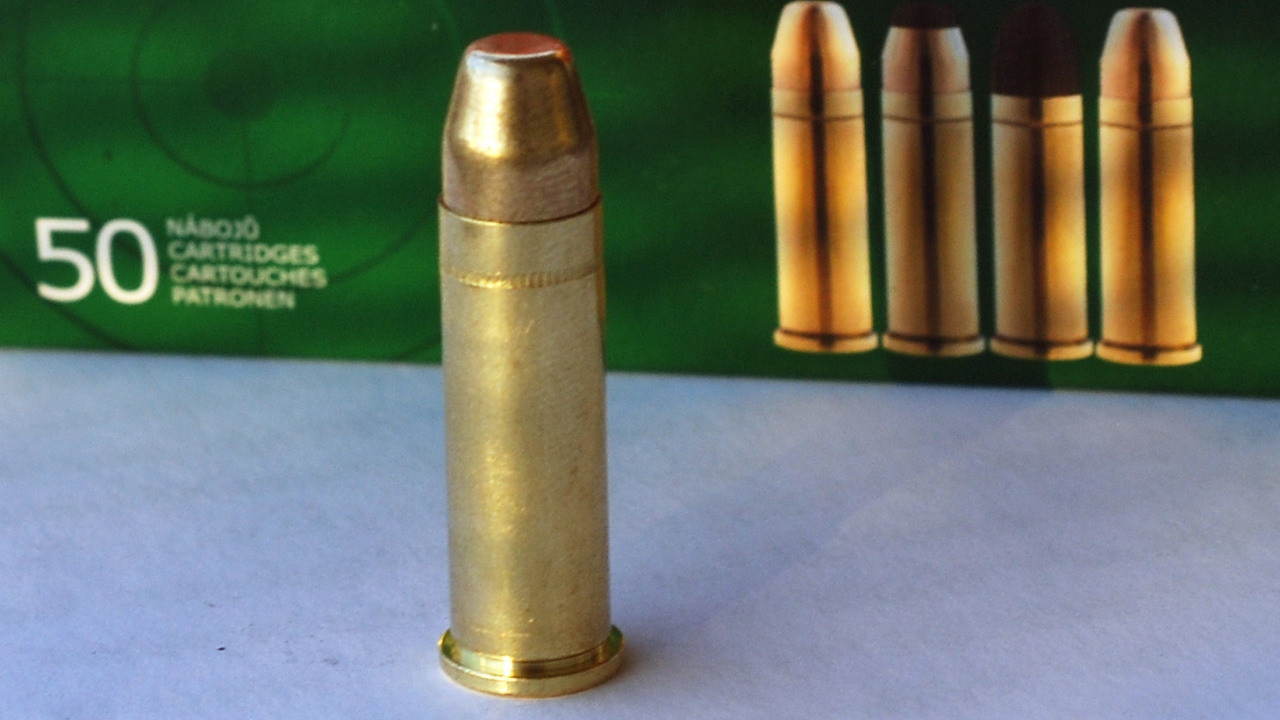
A .38 Special carbine can be fun, quiet, and useful for plinking or small-game work with the right setup. It gains some velocity from a rifle barrel, but not enough to become a serious deer cartridge. The bullet is simply moving too slowly in most common loads.
Even +P loads do not turn it into a reliable deer round. Penetration and expansion can be inconsistent, and the wound channel is not impressive compared with actual hunting cartridges. It is a fine revolver and practice cartridge. It should not be chosen for deer.
.45 ACP carbine loads

The .45 ACP has a big bullet and a loyal following, so some people assume it should work well from a carbine. At close range, a properly chosen load can do more than people expect on certain targets. But deer hunting is not the place to rely on “probably enough.”
The cartridge is slow, arcing, and built around handgun distances. Expansion and penetration vary heavily by bullet design, and range is very limited. A .45 ACP carbine is fun and useful in other roles, but it is not a smart deer rifle. Big diameter does not automatically fix low velocity.
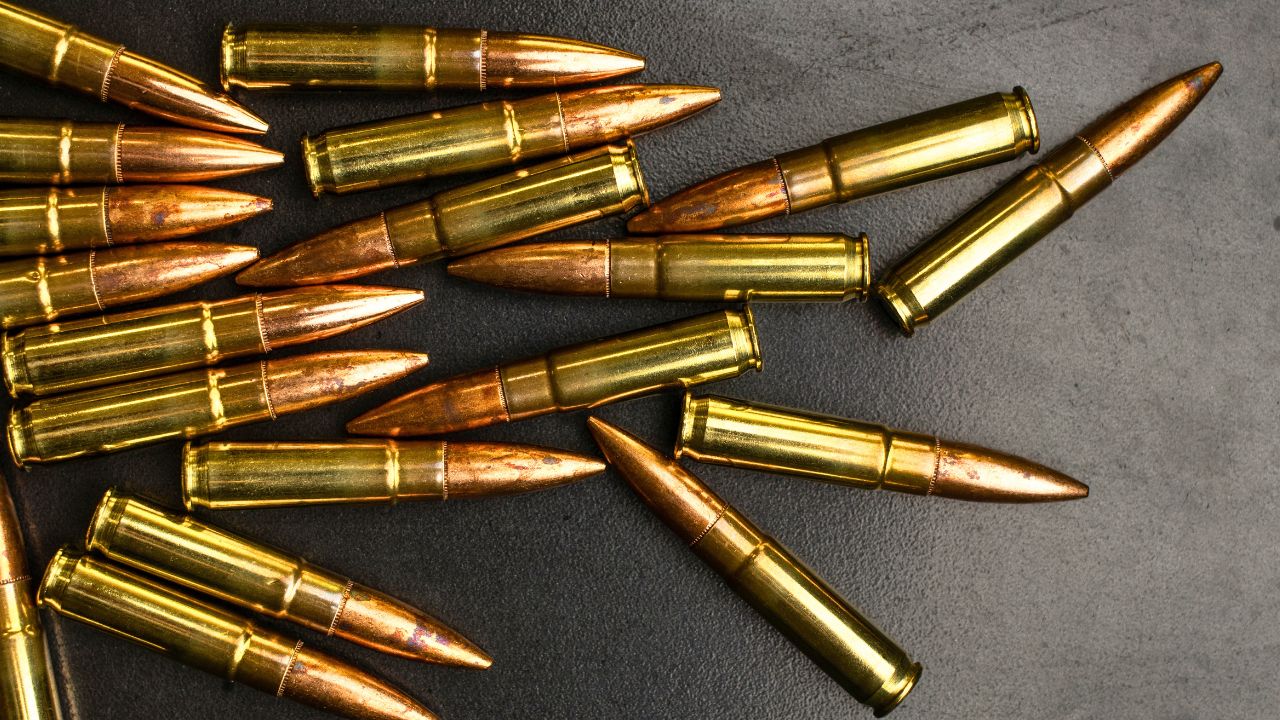
.300 Blackout subsonic

The .300 Blackout is a capable cartridge in the right setup, but subsonic deer loads are where hunters can get into trouble. Quiet shooting is appealing, especially with suppressors, and the heavy bullets look impressive on paper. But subsonic velocity changes everything.
At those speeds, expansion can be limited unless the bullet is specifically designed for it, and even then the margin is narrow. Shot placement becomes extremely critical, range must stay short, and blood trails may be poor. Supersonic .300 Blackout with proper hunting bullets is a different conversation. Subsonic loads are where wounded deer become much more likely.
7.62×39 FMJ loads
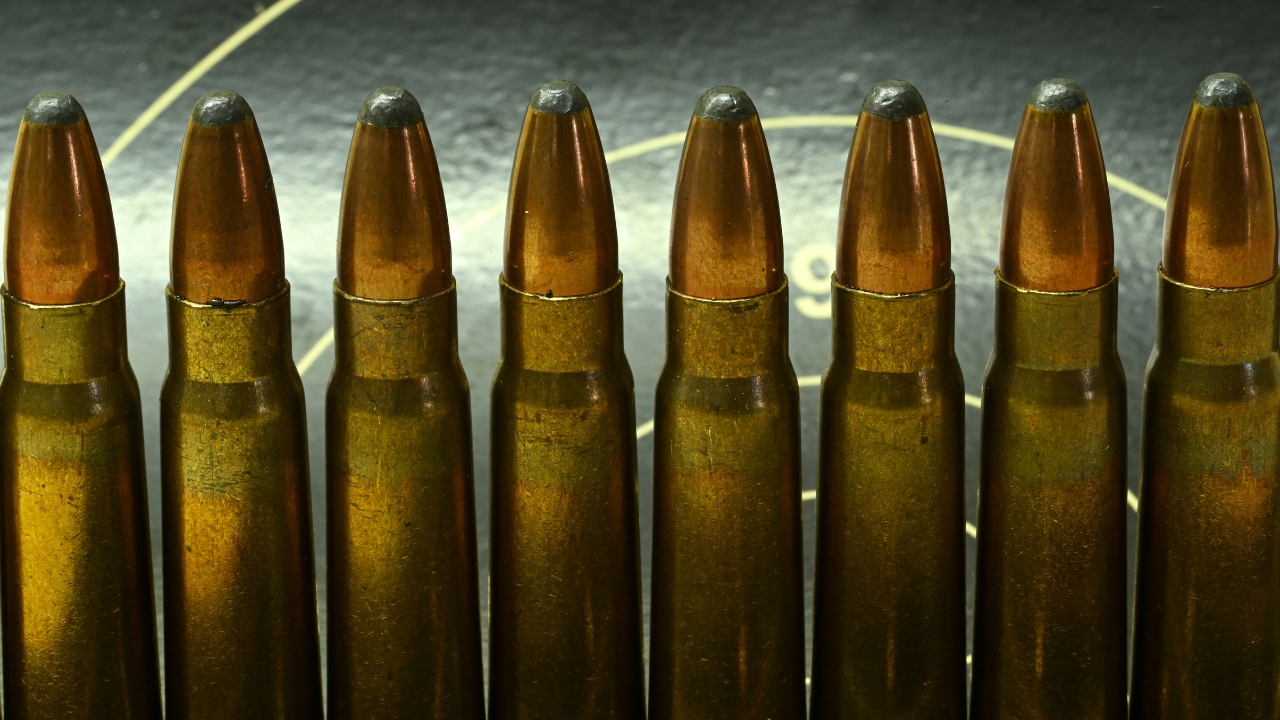
The 7.62×39 can be a decent short-range deer cartridge with proper soft-point or hunting ammunition. In rifles like the Ruger American Ranch, CZ 527, or SKS, it can do useful work inside reasonable distances. The cartridge itself is not the main problem.
The problem is using FMJ or cheap ball-style ammunition on deer. Those bullets are not designed to expand, and they can pencil through with poor tissue damage. That is exactly how animals get wounded and lost. If someone hunts deer with 7.62×39, bullet choice is everything. Cheap ammo is not hunting ammo.
Like The Avid Outdoorsman’s content? Be sure to follow us.
Here’s more from us: