
Speed sells. A cartridge that shoots flat on paper and prints big velocity numbers on the box is easy to get excited about. But game animals are not steel plates, and hunting results are not built on charts alone. What matters in the field is how a bullet holds together, how well it penetrates, how much damage it does in the right place, and whether you can shoot the rifle well when the moment gets real. A lot of “fast” cartridges look better in conversation than they do on an actual animal.
That does not mean fast rounds are useless. Some are excellent when matched with the right bullet and used inside the role they were built for. The problem starts when speed gets mistaken for authority. A cartridge can be blistering and still underwhelm if impact is too violent, penetration is too shallow, or shot placement suffers because recoil and blast are working against you. These are the rounds that often earn praise on charts, then leave hunters wishing they had chosen something steadier.
.220 Swift

The .220 Swift has been impressing shooters on paper for a long time. It is extremely fast, famously flat for its class, and easy to admire if you are staring at velocity figures. For varmints, that speed can be a real advantage. But when people start stretching its reputation into bigger game talk, that is where the trouble starts. Speed alone does not make a cartridge dependable on animals that need deeper, more consistent penetration.
On game larger than its intended lane, the Swift can be too dependent on perfect conditions and careful bullet choice. It can expand violently, especially with lighter bullets, and that can leave you with shallow wounds when things are less than ideal. If you use it where it belongs, it is a strong performer. If you expect it to act like a true all-around game cartridge because the numbers look exciting, it can let you down fast.
.22-250 Remington

The .22-250 Remington built its reputation honestly as a fast, accurate varmint cartridge. It is flat-shooting, pleasant enough to carry, and easy to like when the target is small and the distance stretches. The problem comes when hunters start assuming that speed and clean paper groups automatically make it a strong big-game answer. On deer-sized animals, that assumption can get shaky in a hurry, especially if the bullet is not built for that job.
Even where it is legal for deer, the .22-250 leaves you very little room for error. With the wrong bullet, you can get dramatic impact up front and not enough penetration when angles get bad. That means it can look impressive in theory and still feel underwhelming in real hunting conditions. It is excellent where it belongs. It simply gets talked into roles that ask more of it than raw speed can reliably cover.
.204 Ruger

The .204 Ruger is another cartridge that looks terrific when you judge it by speed, recoil, and flat trajectory. It is fast, easy to shoot well, and a lot of fun in the kind of predator or varmint work it was designed for. But once people start talking about it like speed alone makes it more versatile than it really is, the cartridge starts getting more credit than it should. Game performance is where that gap shows.
This round can be spectacular on small targets, but it is not a dependable answer for animals that demand deeper penetration and more tissue disruption. It kills by precision, not by margin. That matters. If the target is bigger, tougher, or presented at a bad angle, the .204 can run out of authority quickly. It shines in its proper lane, but when people try to stretch it because the velocity is eye-catching, the results can feel thin.
.223 Remington

The .223 Remington is one of the most common centerfire cartridges around, and its speed, mild recoil, and easy shootability make it easy to respect. With the right bullets, it can absolutely take deer-sized game under the right conditions. But that does not mean it always delivers the kind of field performance people imagine when they see modern loads and high-velocity marketing. In real hunting, it can be less forgiving than many shooters want.
The issue is not that the .223 cannot work. The issue is that it works best when everything goes right. Bullet selection matters a lot, and so does shot angle. If you expect dramatic penetration and broad, reliable wound channels every time, the cartridge can feel underwhelming compared with bigger, slower rounds that carry more bullet weight. It rewards careful shooting, but when people oversell it because it is fast and familiar, game performance can look a lot less impressive.
.243 Winchester

The .243 Winchester has probably taken more deer than plenty of louder cartridges ever will, so this is not a knock on the round itself. Used with proper deer bullets, it can work very well. The problem is that its speed often fools hunters into thinking it carries more authority than it really does. On broadside shots with good bullets, it can be excellent. On tougher angles or with lighter, faster varmint-style loads, it can disappoint.
That split reputation comes from how many people treat it like a do-everything cartridge. The .243 is easy to shoot and easy to like, but it is still a light-for-caliber deer round that depends heavily on bullet construction. If you run the wrong load, you can get fast expansion and not enough penetration when it matters. It is not weak. It is simply a cartridge that gets overpromised because its speed looks stronger on paper than it sometimes feels on game.
.243 WSSM

The .243 WSSM was built to grab attention, and on paper it definitely did. The short, fat case pushed .243-class bullets fast enough to make people talk, and the velocity numbers looked like a clear upgrade over the standard .243 Winchester. But speed by itself does not always translate into better hunting performance. In practice, the cartridge often felt like a lot of extra blast, short barrel life, and not enough real-world advantage to justify the trouble.
On game, the same basic .243 limits still apply. You are still working with relatively light bullets for deer-sized animals, and extra speed can make fragile bullet behavior even more pronounced if you are not careful. That can mean fast expansion, shallow damage, and a lot of noise for results that do not look much better than a steadier round. The .243 WSSM looked like a leap forward on charts. In the field, it often felt like a narrow gain at best.
.240 Weatherby Magnum

The .240 Weatherby Magnum is fast enough to turn heads, and that has always been a big part of its appeal. It offers real speed, very flat trajectories, and the kind of performance that makes rifle cranks pay attention. But when you step away from the numbers and look at how it behaves on game, the same caution that applies to other hot .24-caliber cartridges still matters. It can be effective, but it can also be less forgiving than the data suggests.
With deer, the .240 can kill cleanly when the bullet is right and the shot is disciplined. But push light bullets too fast, or expect dramatic penetration from less-than-ideal angles, and it can start looking more impressive on paper than in the field. It is a specialized round that gets treated like a magic answer because of velocity. In reality, it still asks you to stay inside the same basic limits that govern other .24-caliber hunting cartridges.
.25-06 Remington
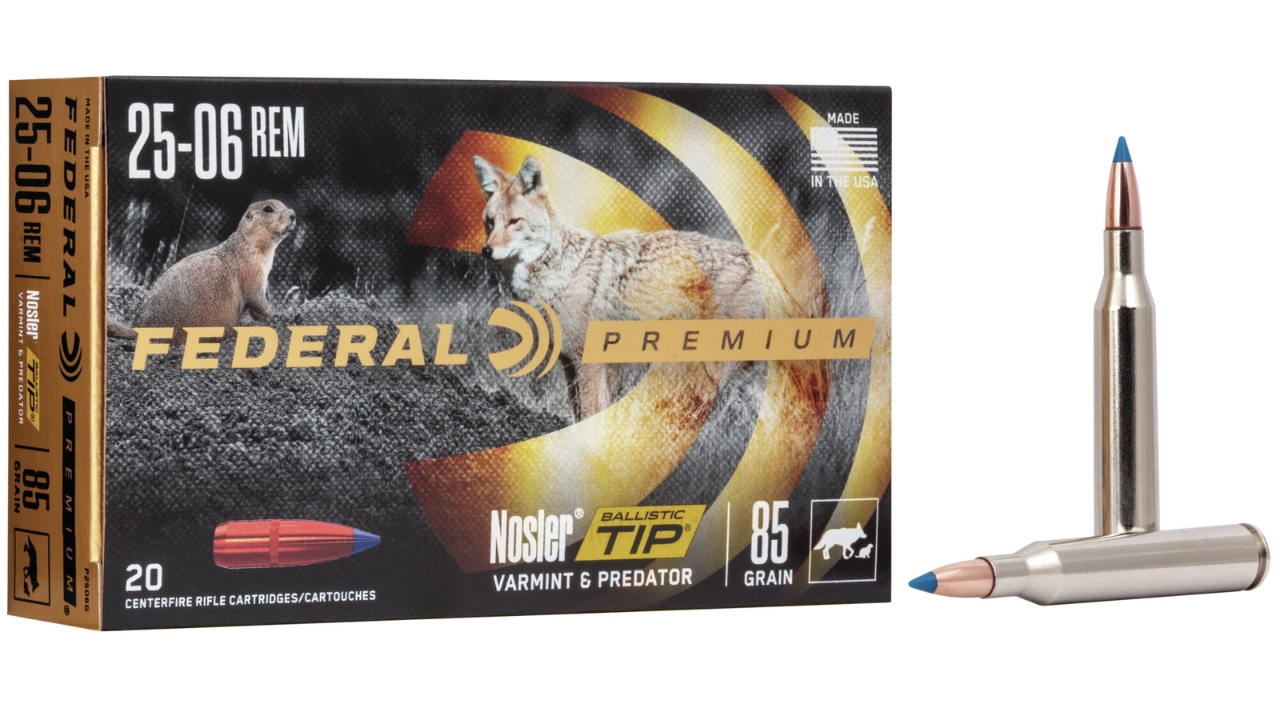
The .25-06 Remington is a very capable deer cartridge, and in the right hands it performs well. But it can still fall into the “looks better on paper” trap when hunters let its speed do too much of the talking. It is flat-shooting and easy to admire in open country, yet some shooters assume that means it carries more knockdown authority than it really does. Deer do not care much about the chart if the bullet is too light or too fragile.
The cartridge’s best trait is efficiency, not brute force. With well-built bullets, it is a strong deer round. With lighter, faster loads, it can produce more flash than substance when the shot angle is poor or the animal is bigger than expected. That is where disappointment creeps in. The .25-06 is not a bad choice. It simply gets oversold when people confuse speed and flat trajectory with automatic field dominance. It works best when treated like a precise, moderate hunting tool.
.257 Weatherby Magnum

The .257 Weatherby Magnum has long attracted hunters who love raw speed. It is one of the flattest-shooting quarter-bores around, and on a chart it looks like the kind of cartridge that should flatten deer with ease at long distance. But speed cuts both ways. The same velocity that makes it look impressive can also make bullet performance less predictable if your load is not matched carefully to the job.
At close to moderate range, lighter bullets can come apart fast and create a lot of surface-level drama without the kind of deep, straight penetration you wanted. That leaves some hunters unimpressed after the excitement wears off. With the right bullet, the cartridge can be excellent. But it is not automatically better than steadier, milder deer rounds simply because it is faster. A lot of the appeal is built on trajectory and numbers. Game performance still depends on discipline and bullet construction.
.264 Winchester Magnum

The .264 Winchester Magnum has always had a certain pull because it promises high speed with sleek 6.5mm bullets. That sounds like a great combination, and in some ways it is. But on game, the cartridge has often struggled with the same reality that catches many fast rounds: expectations run ahead of results. It can be a very effective hunting round, yet it has also built a reputation for delivering less practical advantage than the numbers seem to promise.
Part of that comes from the cost of getting all that speed. You are dealing with more blast, more recoil than many lighter shooters want, and a cartridge that can encourage longer shots whether the field conditions deserve them or not. On deer, the actual terminal performance is not always meaningfully better than calmer 6.5 options when bullets are chosen well. That makes the magnum feel less impressive on game than it does on a spec sheet.
.26 Nosler

The .26 Nosler was built to make headlines, and in pure speed terms it absolutely does. It drives 6.5mm bullets very fast, shoots flat, and looks like a dream cartridge if you are focused on long-range numbers. But cartridges built around speed at that level often carry some tradeoffs that become more obvious in real hunting than in advertising. You can get impressive ballistics and still walk away feeling like the practical gain did not match the cost.
On deer, the .26 Nosler can certainly work, but it does not magically make ordinary hunting easier. It brings more recoil, more muzzle blast, and more wear than moderate 6.5 rounds, while the animal on the receiving end is not necessarily showing a dramatic difference when bullets are placed well. That is where the disappointment comes in. A cartridge this fast can start to feel like a lot of extra fuss for results that a steadier round could have produced with less strain.
.270 WSM

The .270 WSM was introduced as a faster, shorter-action way to get .270-class performance with extra edge, and on paper it looked like a smart upgrade. It does offer more speed than the standard .270 Winchester, and plenty of hunters have used it successfully. But when people expect that extra velocity to create some major difference on deer, the field results can feel pretty ordinary. Deer often do not show enough difference to justify the extra bark.
That is the recurring problem with fast hunting cartridges. The gain looks clear in the numbers, but the animal does not always reflect it in a meaningful way. You still need the right bullet, the right hit, and a rifle you can shoot with confidence. If recoil and blast start making practice less pleasant, the whole point of the upgrade gets shaky. The .270 WSM is not ineffective. It simply does not always turn its added speed into the dramatic hunting advantage people expect.
7mm Remington Magnum

The 7mm Remington Magnum has earned its place as a popular big-game cartridge, and it can be excellent. But it also gets oversold on deer because hunters see the flat trajectory and speed and assume that must mean it delivers clearly better field results than milder cartridges. In many ordinary deer situations, that is not what actually happens. A well-hit deer with a .270, .308, or .280 often does not know or care that the 7mm magnum was technically faster.
The downside shows up when the extra recoil and blast start affecting the shooter more than the animal. That can mean less practice, more flinching, and poorer follow-through. It can also mean more dramatic close-range bullet upset than you wanted, depending on load choice. The 7mm Rem Mag is a strong cartridge, but it is one of the easiest examples of a round that can look more necessary on paper than it really is in a whitetail stand.
7mm Remington Ultra Magnum

The 7mm Remington Ultra Magnum is exactly the kind of cartridge that grabs attention with raw numbers. It is fast, powerful, and built to stretch the 7mm concept as far as possible. That makes it easy to admire if you are focused on velocity and long-range potential. But on game, especially deer, it can start feeling like far more cartridge than the job really calls for. That is where the shine starts wearing off.
With a round like this, the question is not whether it can kill deer. Of course it can. The question is whether it turns all that extra speed into better real-world outcomes. Often, it does not. What you get instead is more recoil, more muzzle blast, and sometimes more violent bullet behavior at closer ranges than you wanted. When a cartridge is this overbuilt for the task, the chart can look thrilling while the actual hunting benefit feels a lot smaller.
.300 Weatherby Magnum

The .300 Weatherby Magnum has serious capability, and nobody who has spent time around big-game rifles doubts that. It is fast, powerful, and well suited to larger animals when used properly. But for deer, it is one of the clearest cases of a cartridge being more impressive in theory than necessary in practice. Hunters often get drawn in by the speed and energy figures, then realize a whitetail is not asking for all that extra horsepower.
That mismatch can show up in a few ways. Recoil can interfere with shot quality, especially for hunters who do not practice enough. Close-range bullet performance can be more destructive than helpful if the load is too soft. And in the end, deer are often no deader than they would have been with a milder cartridge you shoot better. The .300 Weatherby is a serious tool, but on ordinary deer it can feel like a chart-driven decision more than a field-driven one.
.300 Remington Ultra Magnum

The .300 Remington Ultra Magnum may be one of the best examples of a cartridge that dazzles on paper and asks hard questions in the field. Its speed and energy figures are enormous, and for hunters who like raw ballistic output, it is easy to admire. But once you get away from the chart and look at how it fits actual deer hunting, the balance starts looking off. It is often simply too much cartridge for the task.
That matters because every bit of extra performance comes with a price. Recoil is heavy, muzzle blast is sharp, and many shooters do not practice enough with rifles like this to use them as well as they think they will. On deer, the animal often gains very little from all that extra force. In many cases, you could have used a calmer round, placed the shot just as well or better, and gotten the same result without all the punishment.
Like The Avid Outdoorsman’s content? Be sure to follow us.
Here’s more from us:


