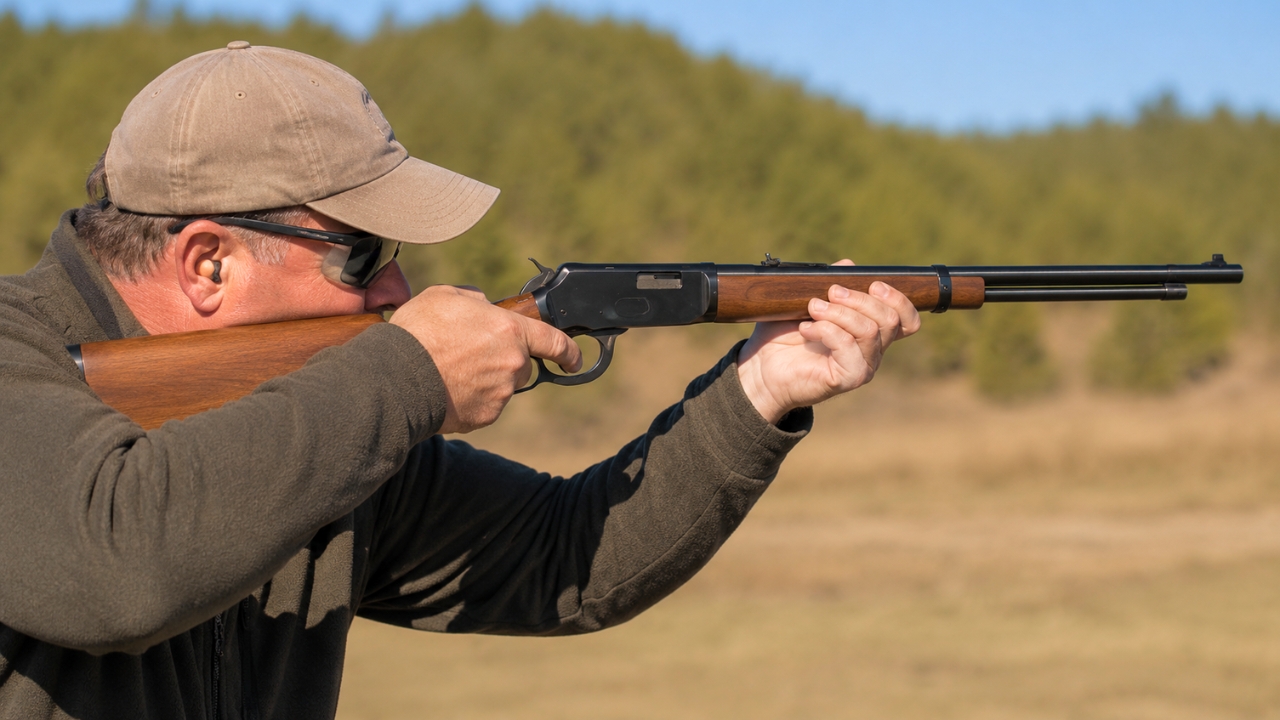
Photo credit: The Avid Outdoorsman
Some guns don’t seem special until they’re gone. They sit in the back of the safe for years, maybe get dragged out once in a while, then eventually get traded for something newer, lighter, threaded, optic-ready, or easier to explain buying at the time.
Then the regret shows up. Not always because the gun became wildly valuable, either. Sometimes it’s because you realize nobody really makes that exact kind of rifle, pistol, or shotgun anymore. The gun you thought was replaceable turns out to be one of those pieces you should have just left alone.
Colt Lawman Mk III
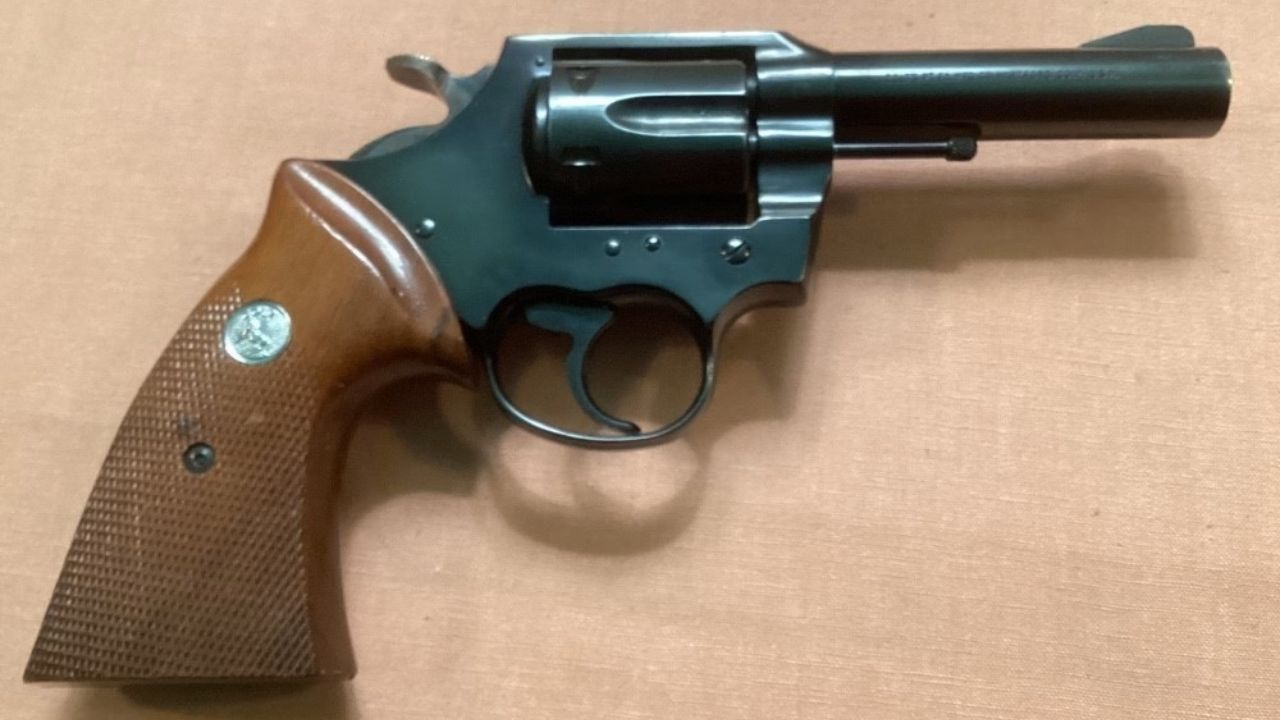
The Colt Lawman Mk III was never the flashiest Colt revolver, and that’s probably why so many owners let them go. It did not have the same collector pull as a Python, and it did not get talked about like the older Detective Special or Trooper. To a lot of shooters, it was just a strong .357 with a plainer name.
That’s exactly why it hurts to replace now. The Lawman was built for real use, not showing off in a glass case. It had Colt character without Python prices back when people were still treating them like working revolvers. Owners who sold one often realize later that they let go of a tough, honest wheelgun from an era Colt will never really repeat.
Smith & Wesson Model 457
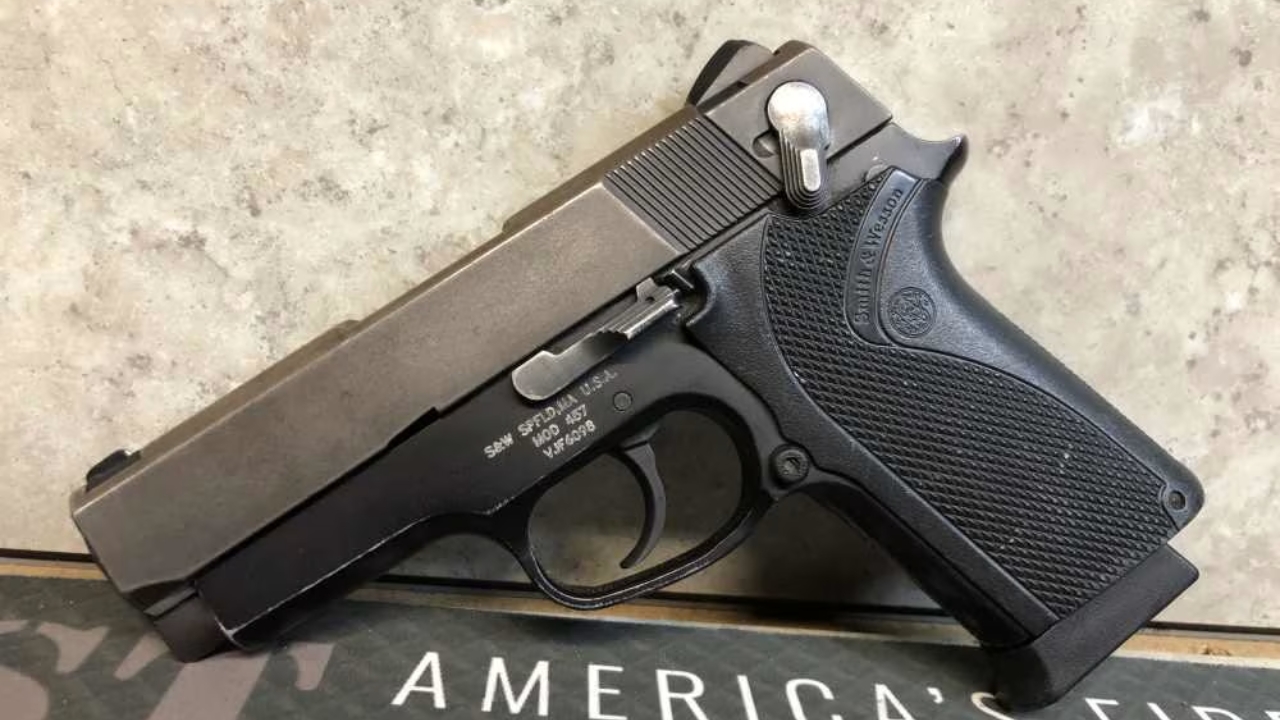
The Smith & Wesson 457 was easy to overlook when compact polymer pistols started taking over. It was a chunky little .45 with traditional double-action controls, a single-stack magazine, and the kind of practical look that didn’t exactly make people stop at the gun counter. Plenty of owners moved on without much hesitation.
Now it has a different kind of appeal. The 457 gave you a compact .45 that felt solid, carried reasonably well, and came from Smith’s underrated third-generation auto line. It wasn’t sleek, and it wasn’t trying to be. It was a serious little pistol that worked better than its reputation suggested. If you had one that ran well, selling it probably looks a lot dumber now.
Remington Model 600

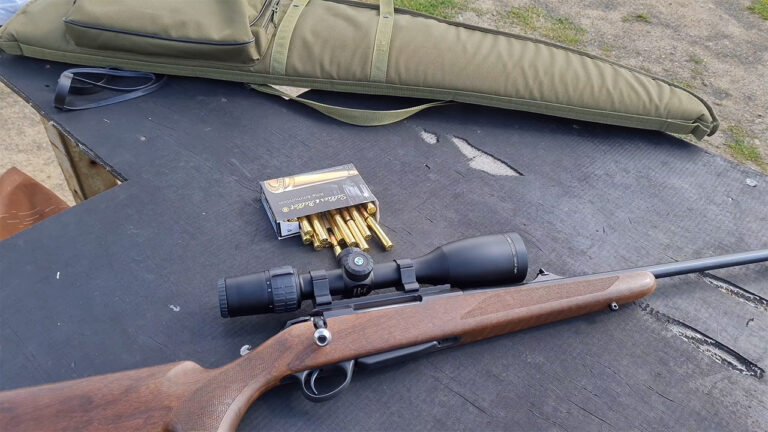
The Remington Model 600 always looked a little odd, and that hurt it with some hunters. The vent-rib barrel, short overall length, and dogleg bolt handle gave it a personality that not everyone loved. For years, it felt like one of those strange old Remingtons people either understood or walked right past.
That short, handy setup makes more sense now than it did to a lot of hunters back then. The Model 600 carried well in thick woods, moved fast in a stand, and came in chamberings that gave it real hunting ability. It was not a boring rifle, and that’s part of why owners miss them. Once you sell a clean one, finding another at a comfortable price is not always easy.
Winchester Model 88
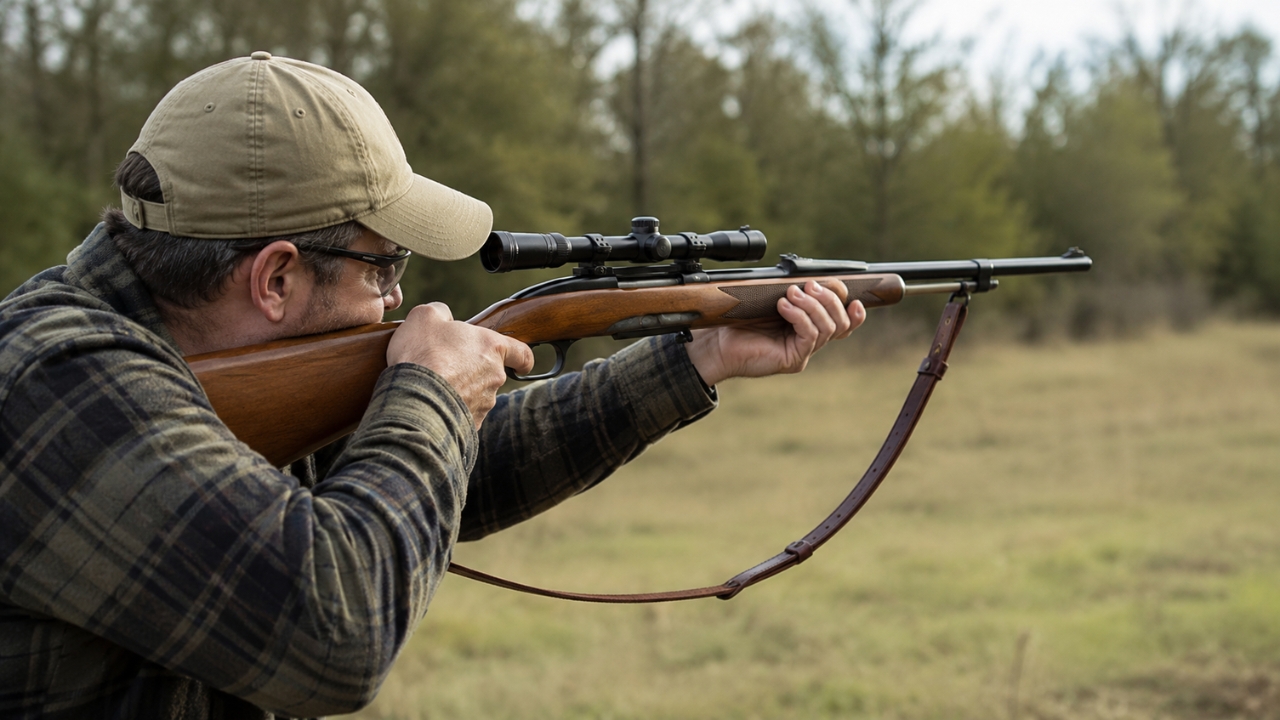
The Winchester Model 88 was one of those rifles that never fit neatly into one box. It was a lever-action, but it used a box magazine and chambered cartridges that felt more like bolt-gun territory. For hunters used to traditional lever guns or simple bolt actions, it could feel like an answer to a question nobody was asking.
Years later, that odd mix is exactly what makes it desirable. The Model 88 gave hunters a fast-handling rifle with more modern cartridge options than a typical tube-fed lever gun. It had style, speed, and real deer rifle usefulness. Owners who sold them often realize they gave up something that isn’t easily replaced by anything on today’s rack.
Savage 99C
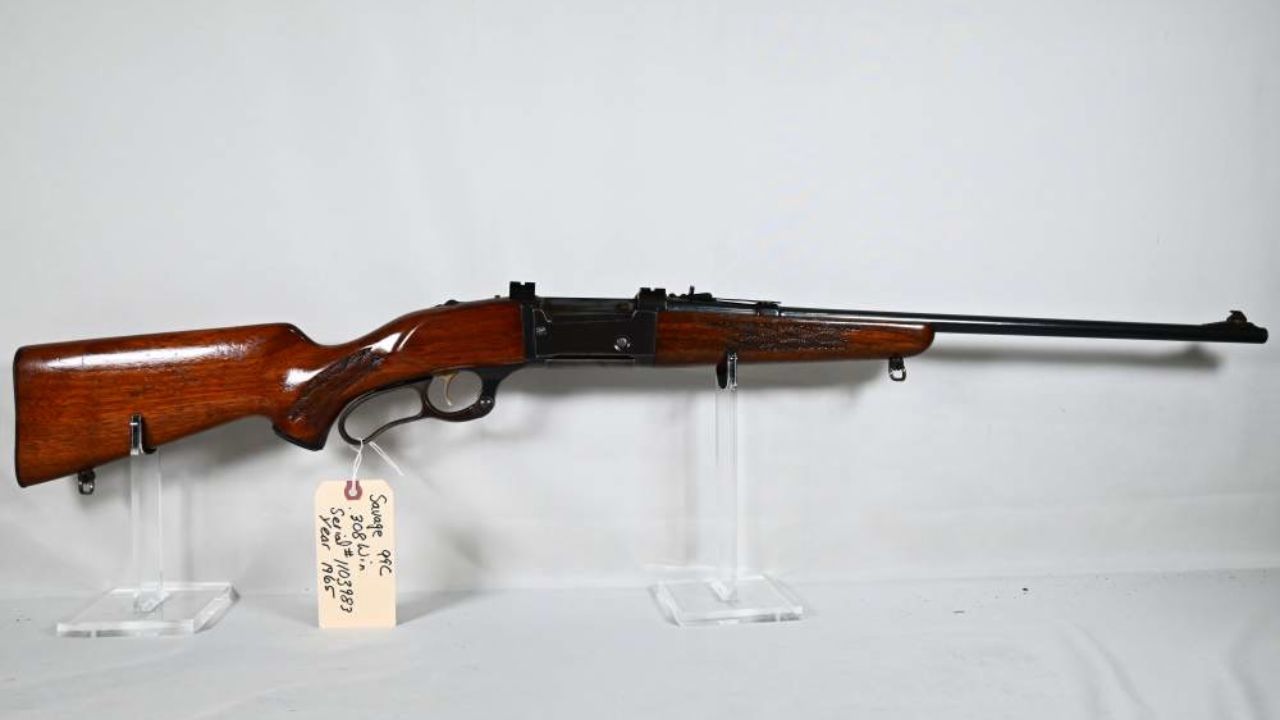
The Savage 99C had a hard time once bolt actions and cheaper lever guns dominated the hunting conversation. Even though the Savage 99 had a loyal following, not everyone treated the detachable-magazine 99C like something worth hanging onto. Some hunters saw it as another older deer rifle that could be traded off when they wanted something newer.
That thinking didn’t age well. The 99C kept the heart of the Savage 99 while adding a practical detachable magazine. It handled pointed bullets, carried nicely, and had a kind of woods-rifle balance that newer rifles don’t always match. It was different in the right ways. If you had one in a good chambering and let it go cheap, that one probably still stings.
Beretta 8045 Cougar
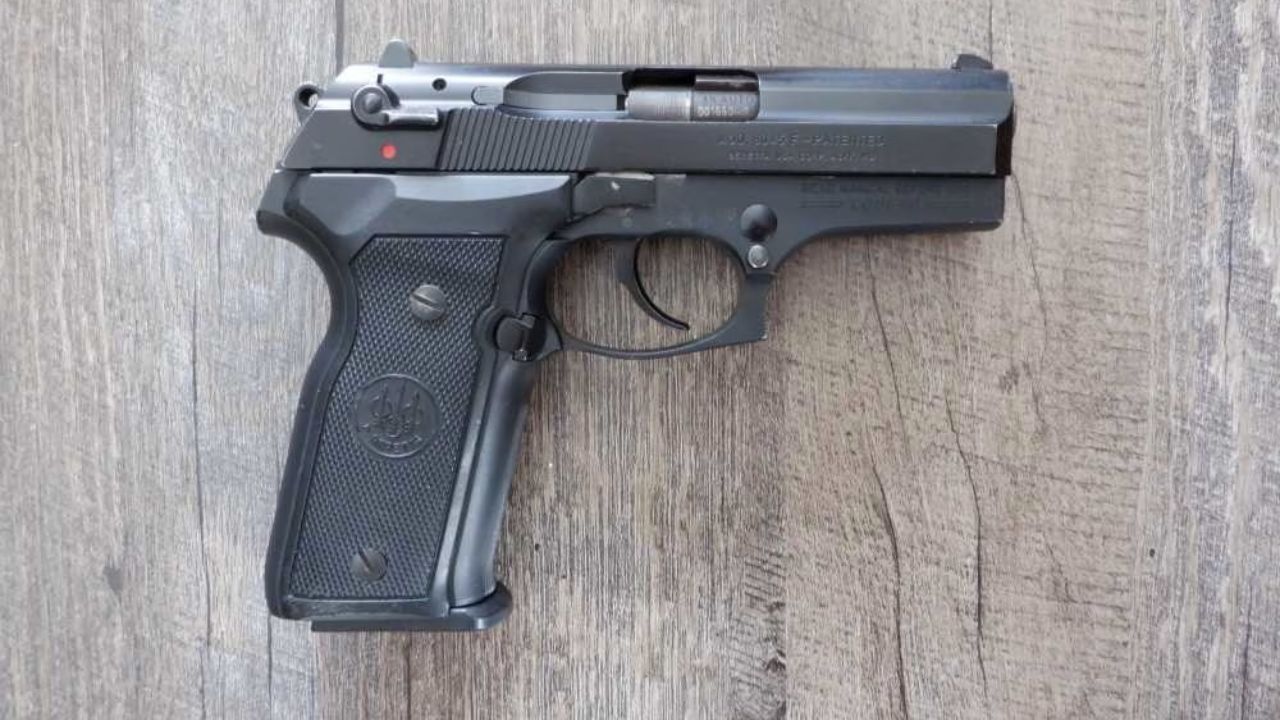
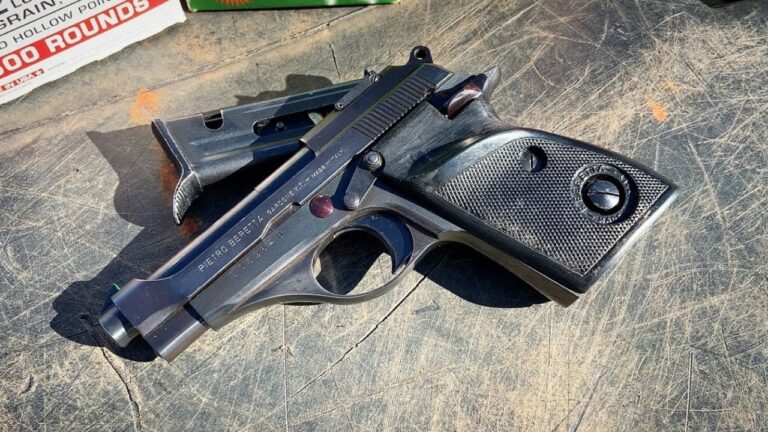
The Beretta 8045 Cougar never got the love it deserved when it was new. A lot of shooters were focused on the 92 series, newer polymer pistols, or the next wave of striker-fired guns. The Cougar’s rotating barrel system and rounded slide made it feel unusual, and unusual guns often get ignored until people finally shoot them.
In .45 ACP, the 8045 was a soft, smooth, very shootable pistol. It had a quality feel, good ergonomics, and a recoil impulse that made more sense on the range than it did in pictures. The problem is that Beretta moved on, and so did buyers. Now the people who sold them often remember that the Cougar was better than the market ever admitted.
Smith & Wesson 1006
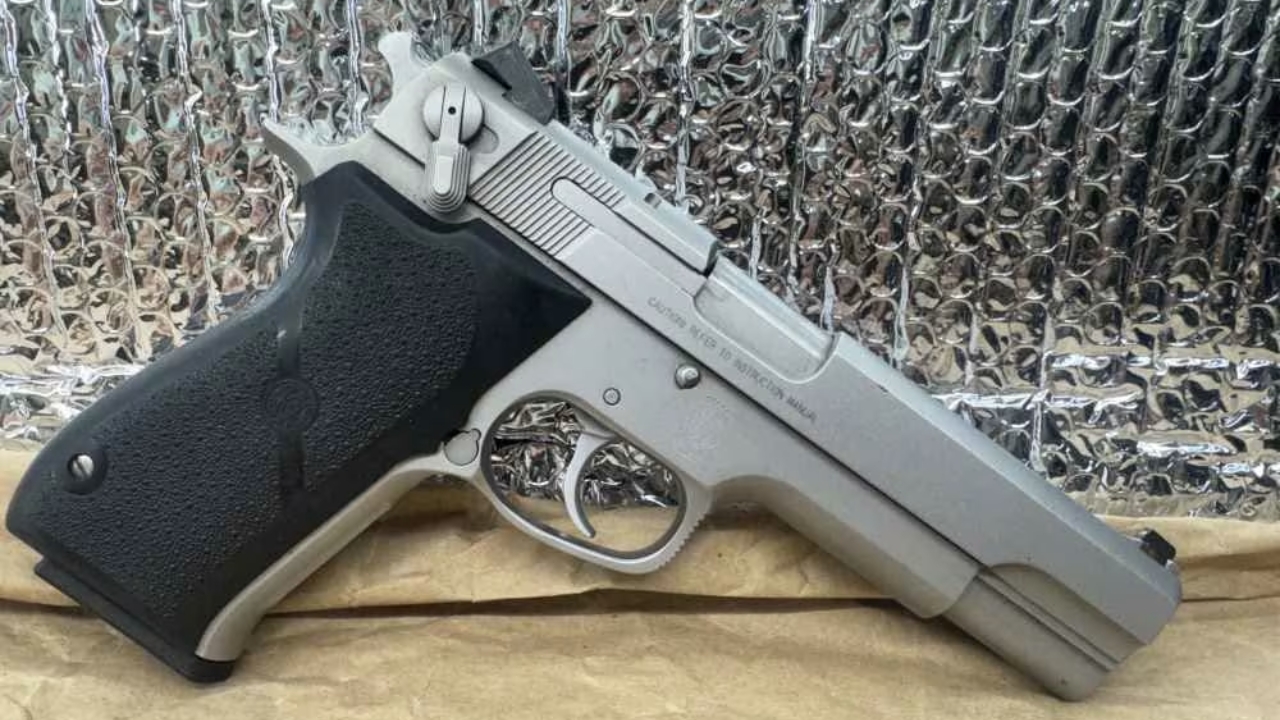
The Smith & Wesson 1006 was a serious pistol from a serious era. It was big, stainless, heavy, and chambered in 10mm back when 10mm still had a little mystery around it. Some owners eventually got tired of the weight, the ammo cost, or the size and traded it for something easier to carry or cheaper to shoot.
That was probably a mistake. The 1006 was one of the defining 10mm pistols of its time, and clean examples have become much harder to ignore. It handled full-power loads with confidence and felt built for abuse. Modern 10mm pistols may be lighter and easier to mount optics on, but they don’t all have that same tank-like confidence. Selling one now feels like losing a piece of 10mm history.
Remington Nylon 66

The Remington Nylon 66 didn’t look like a rifle people would regret selling. It had a plastic stock before that idea felt normal, a lightweight feel, and a space-age look that made traditional rimfire shooters raise an eyebrow. For years, plenty of owners treated them like cheap little .22s.
Then the memories caught up. The Nylon 66 was light, reliable, and ridiculously handy. It was the kind of rifle you could carry all day, shoot a pile of cheap ammo through, and not think twice about. A lot of people grew up around them, then let them disappear. Now clean examples bring back both nostalgia and real respect, which is exactly why former owners wish they had kept theirs.
Ithaca Model 37 Featherlight
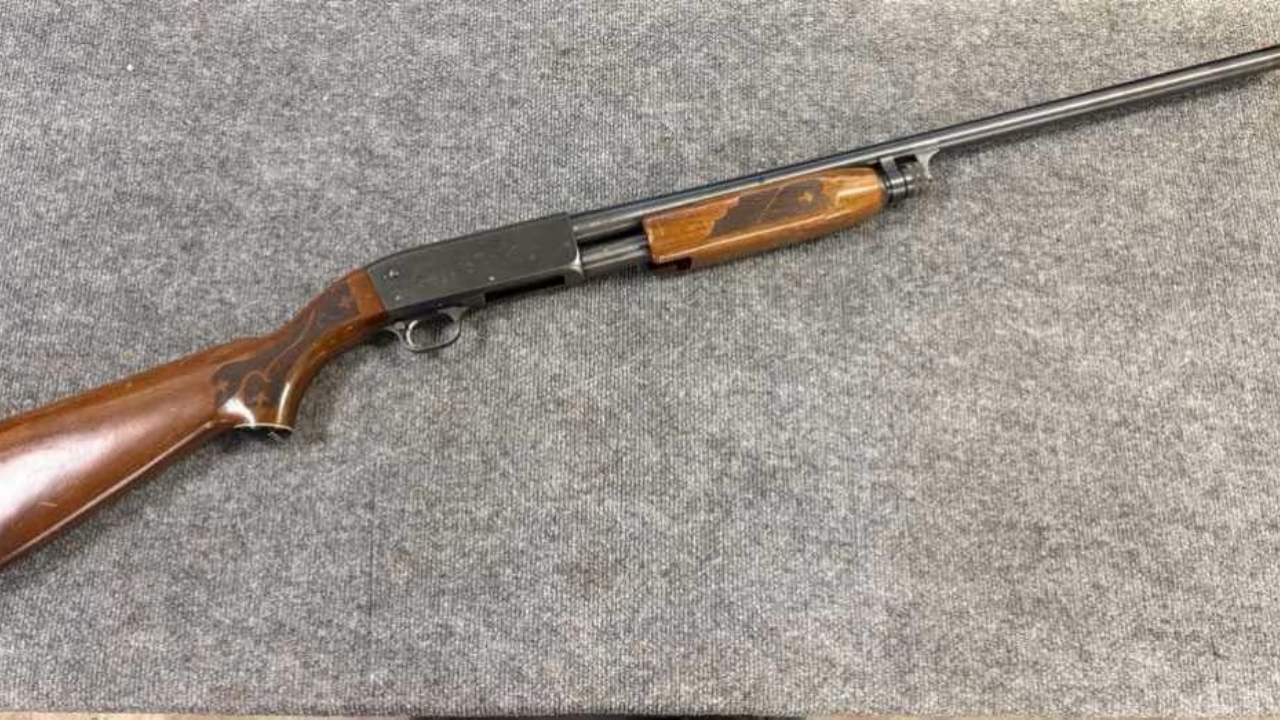
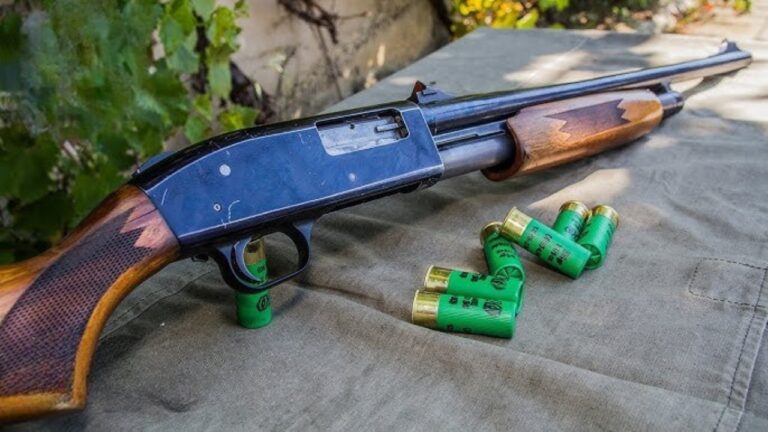
The Ithaca Model 37 Featherlight was one of those shotguns that felt too normal to fully appreciate at the time. It was light, slick, bottom-ejecting, and simple to carry through the woods. Hunters used them hard because that’s what they were built for. Some eventually traded them for gas guns, camo pumps, or newer turkey setups.
That old Featherlight can be hard to beat once you remember what made it good. It carried beautifully, pointed naturally, and had a smoothness that many modern pumps don’t quite match. The bottom-eject design also made it friendly for left-handed shooters. Owners who let a nice one go usually don’t miss it on paper. They miss it the second they pick up another shotgun that doesn’t feel as alive.
Winchester 9422
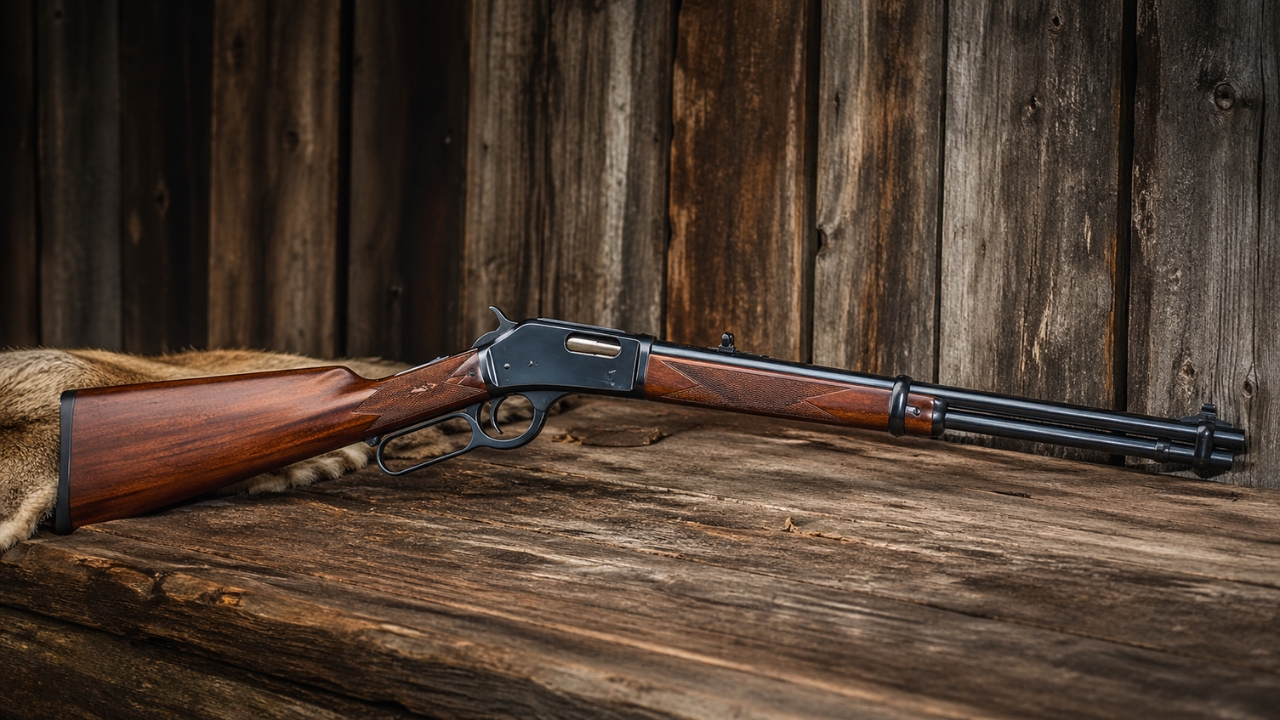
The Winchester 9422 was just a nice lever-action .22 until it wasn’t easy to buy anymore. Plenty of shooters had one as a small-game rifle, plinker, or family gun. Since it was a rimfire, some owners didn’t treat it with the same seriousness as a centerfire rifle or collectible handgun.
That changed fast once people started trying to replace them. The 9422 had smooth handling, classic looks, and a build quality that made it feel like a real rifle instead of a toy. It was perfect for teaching, walking fence lines, shooting squirrels, or just burning through .22s in the backyard. Letting one go was easy when they seemed common. Getting one back is the hard part.
Marlin Camp Carbine
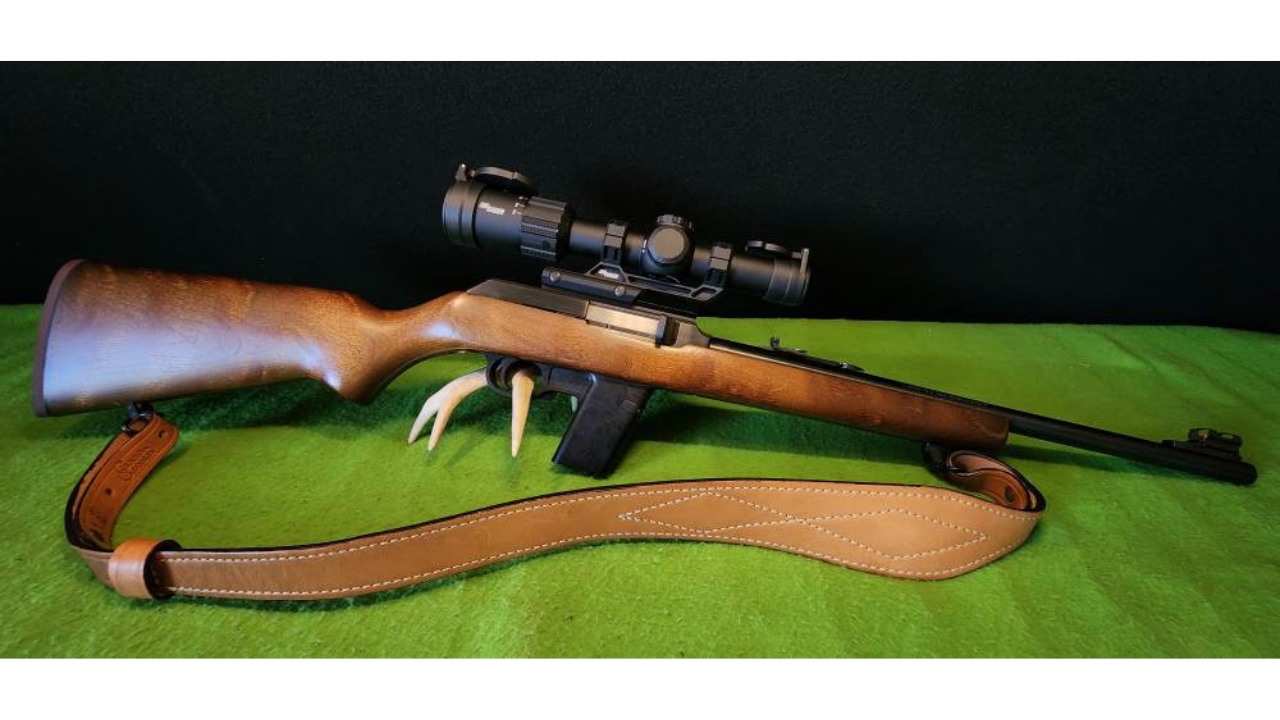
The Marlin Camp Carbine was a practical little gun that didn’t always get treated like one. Chambered in 9mm or .45 ACP, it gave shooters a simple pistol-caliber carbine before that category became crowded and trendy. Back then, some people saw it as a neat range gun, not something worth holding onto.
Now it looks a lot smarter. The Camp Carbine was handy, mild to shoot, and useful in a way that feels obvious today. The 9mm version using Smith & Wesson magazines made even more sense for people already invested in those pistols. It did have maintenance points owners needed to understand, but that doesn’t erase the appeal. A clean one feels like a gun people should have tucked away.
CZ 527 Carbine

The CZ 527 Carbine had a quiet kind of charm that not everyone appreciated while it was on shelves. It was a small Mauser-style rifle with controlled-round feed, a handy size, and chamberings like 7.62×39 that made it more interesting than the average bolt gun. Still, it was easy for some hunters to pass over.
That little rifle has aged extremely well. The 527 Carbine carried easily, shot well, and offered real personality in a world full of plastic-stocked budget rifles. The set trigger was different, the action had character, and the whole package felt useful without being boring. Once CZ moved away from the 527 line, owners who sold theirs started realizing they had let go of something hard to duplicate.
Ruger Deerfield Carbine

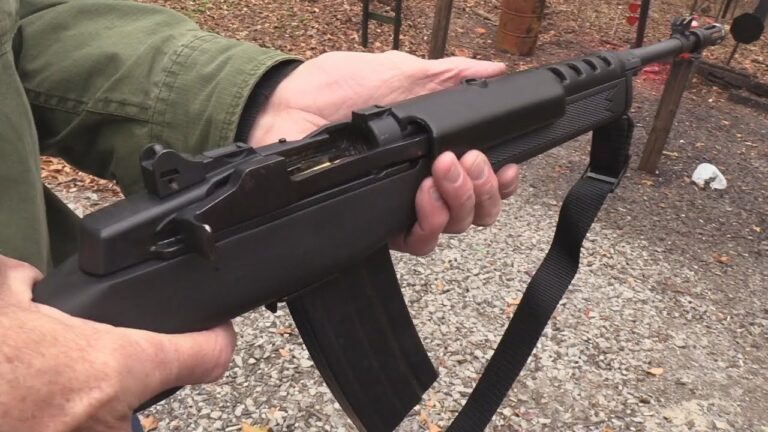
The Ruger Deerfield Carbine never became a mainstream favorite, but it made a lot of sense for the right hunter. A semi-auto .44 Magnum carbine with classic Ruger handling was perfect for close-range deer woods, hogs, and brush hunting. The problem was that not everyone saw it that way when it was still easier to find.
Now it has the kind of appeal that sneaks up on people. It’s compact, fast, and chambered for a cartridge that hits hard inside its real limits. It isn’t a long-range rifle, and it was never meant to be. That’s part of the charm. Owners who sold one often realize later that modern rifle racks don’t offer many guns that fill that same short-range, hard-hitting role.
Smith & Wesson Model 39-2

The Smith & Wesson Model 39-2 was easy to dismiss once higher-capacity pistols became the standard. It was a single-stack 9mm with older controls, modest capacity, and styling from a different era. A lot of shooters moved on to double-stacks, then polymer guns, without thinking much about what they were leaving behind.
The 39-2 deserves more respect than that. It was slim, comfortable, and had a quality feel that many newer pistols can’t quite copy. It carried nicely, pointed well, and represented a major step in American semi-auto pistol history. No, it doesn’t hold fifteen or seventeen rounds. That was never the point. It was a clean, shootable pistol with character, and those are getting harder to replace.
SIG Sauer P239
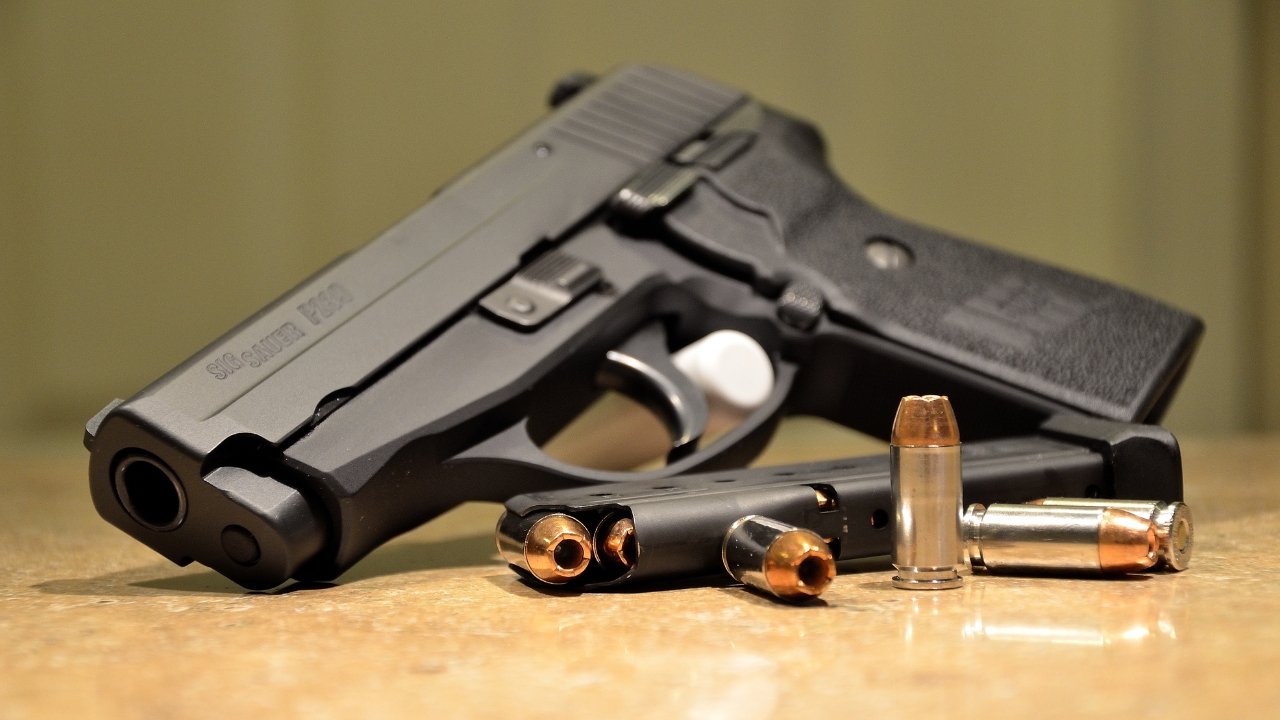
The SIG P239 was a victim of changing carry trends. It was heavier than the tiny polymer 9mms that followed, held fewer rounds than newer micro-compacts, and didn’t have the optics-ready features modern buyers now expect. When the concealed carry market shifted, some owners decided the P239 was no longer worth keeping.
That decision looks a little rough now. The P239 was slim, reliable, accurate, and built with the kind of SIG feel that made older hammer-fired pistols so easy to trust. It carried well for what it was and shot better than many smaller guns that replaced it. Capacity matters, but so does confidence. A lot of people who sold their P239s eventually learned that smaller and newer does not always mean better.
Like The Avid Outdoorsman’s content? Be sure to follow us.
Here’s more from us: