Photo credit: 704 TACTICAL/YouTube
New guns usually arrive with a lot of confidence behind them. The company knows exactly what to say: better ergonomics, smarter features, easier carry, improved accuracy, modern controls, and all the right buzz around the launch. On paper, it can sound like the gun is about to fix every complaint shooters had with the last generation.
Then people buy them, shoot them, carry them, clean them, and compare them to what they already own. That is where the excitement can fall apart. Some guns are not disasters. Some even work fine. But when the promise is bigger than the experience, shooters remember it. These are the newer guns that came in with a plan and still missed the mark.
Springfield Armory Echelon
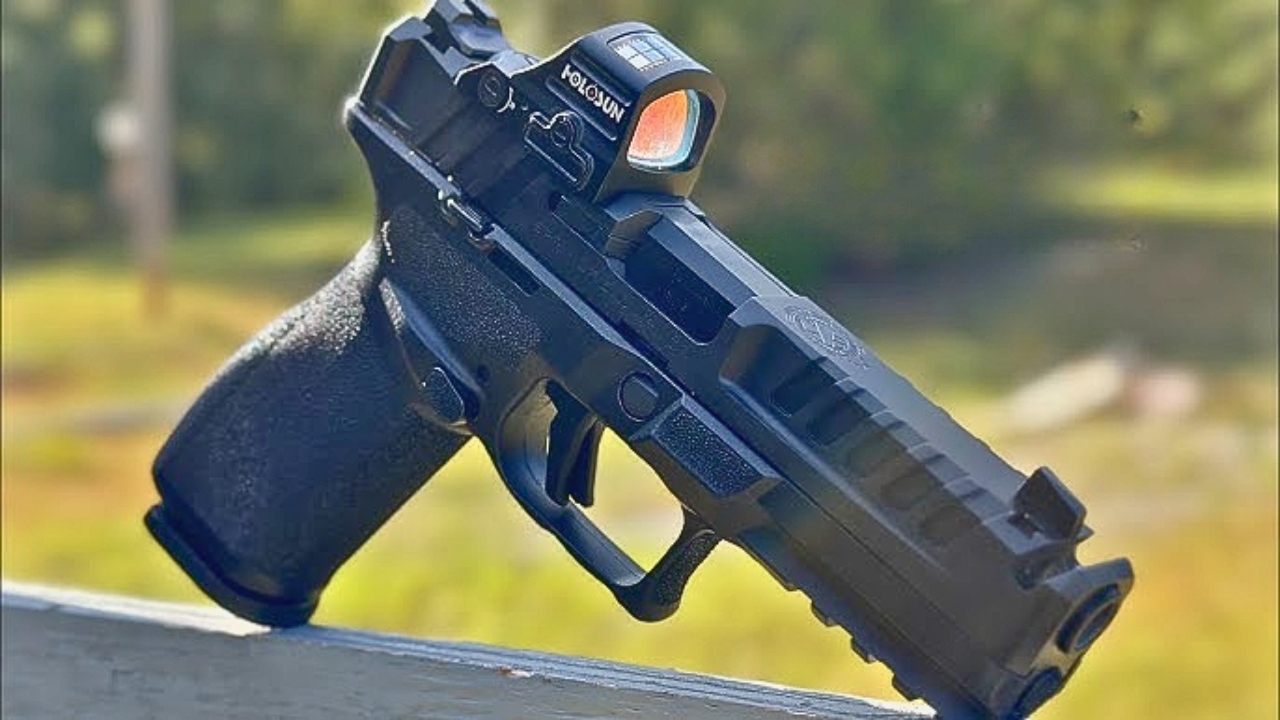
The Springfield Echelon had a strong launch because it looked like Springfield finally had a serious modern duty pistol built from the ground up. The optic mounting system was smart, the grip modules made sense, and the gun clearly aimed at the Glock, SIG, and M&P crowd. That is a tough group to challenge.
The Echelon shoots well, but it also entered a market where “pretty good” is not enough by itself. Some shooters liked the size, recoil control, and optics setup, while others felt it did not give them a strong enough reason to leave the pistol they already trusted. It was not a failure, but the hype made it sound like a category shaker. For a lot of buyers, it was more like a solid option in a crowded room.
Smith & Wesson Response
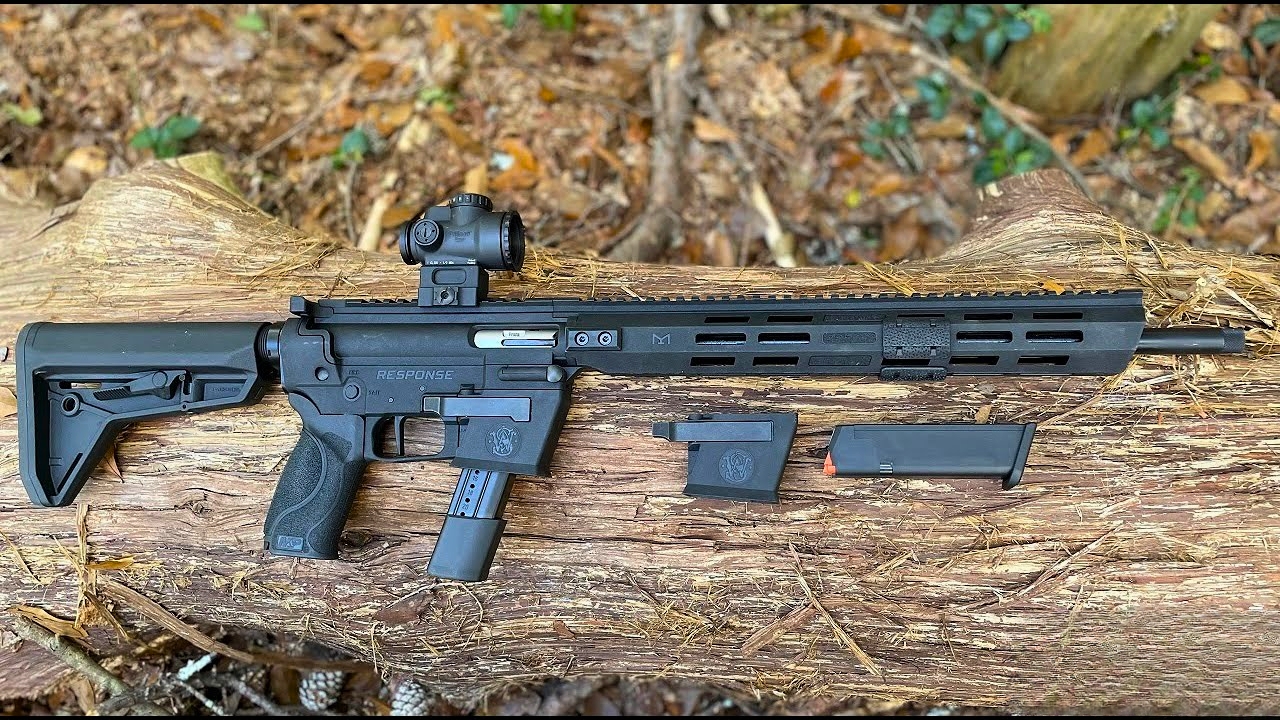
The Smith & Wesson Response looked like it should have been an easy win. A 9mm carbine from Smith & Wesson, with compatibility options and a familiar layout, should appeal to shooters who want a simple pistol-caliber carbine for range use, home defense, or general fun. The idea made sense.
The problem is that pistol-caliber carbines are already everywhere. Ruger, KelTec, CZ, SIG, and plenty of AR-pattern builds had already trained buyers to expect a lot. The Response did not feel exciting enough to pull people away from those options. It may run fine for many shooters, but it landed more like a late answer than a fresh one. Sometimes a gun misses the mark just by showing up after the market has moved.
Beretta 80X Cheetah
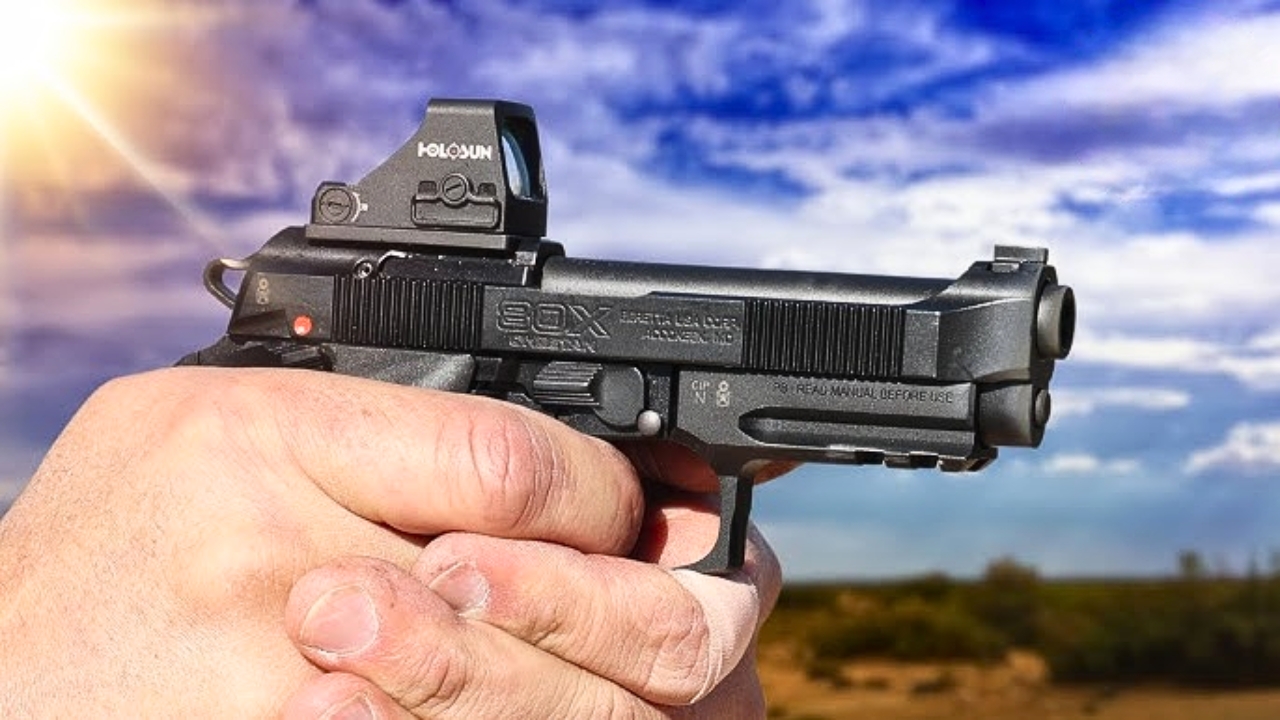
The Beretta 80X Cheetah had style working for it from day one. It brought back the Cheetah name with modern touches, an optics-ready option, better sights, and that classic Beretta look people still love. For shooters who like metal-frame pistols, it had plenty of charm.
But charm gets harder to defend when the price and role are both awkward. The 80X is bigger and more expensive than many people expect from a .380, while modern micro 9mms are smaller, cheaper, and more powerful. It is fun, attractive, and pleasant to shoot, but the practical argument is thin. A lot of buyers liked the idea more than the actual place it fit in their lineup.
FN Reflex
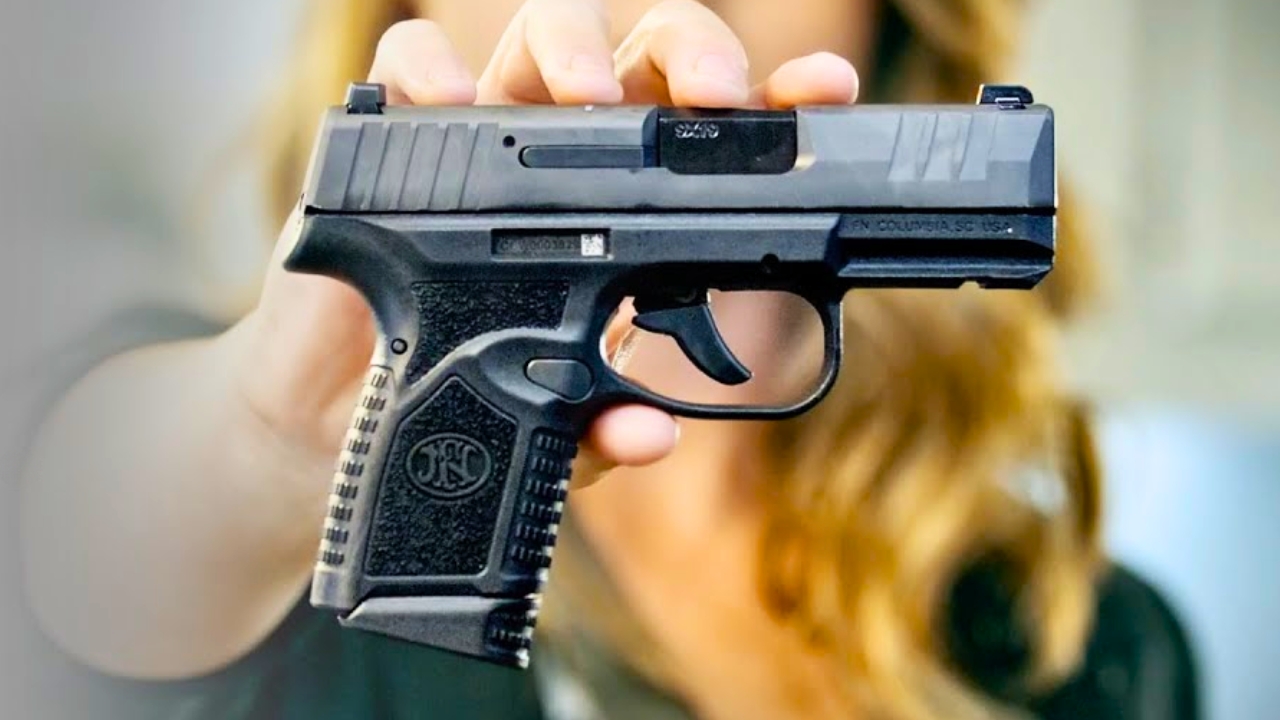
The FN Reflex sounded like a serious carry pistol on paper. FN brought a strong name, good capacity, a slim size, and an internal hammer-fired setup that made it stand apart from the usual striker-fired micro-compacts. It had enough features to get people curious.
Once it hit the range, the reaction was not universal. Some shooters liked it, but others found the recoil sharp, the trigger different in a way they did not love, or the overall feel less convincing than the P365, Shield Plus, Hellcat, and GX4-sized competition. The Reflex was not a bad idea. It just needed to be noticeably better to pull people away from carry guns they already trusted, and for many shooters, it did not quite do that.
Ruger LC Charger
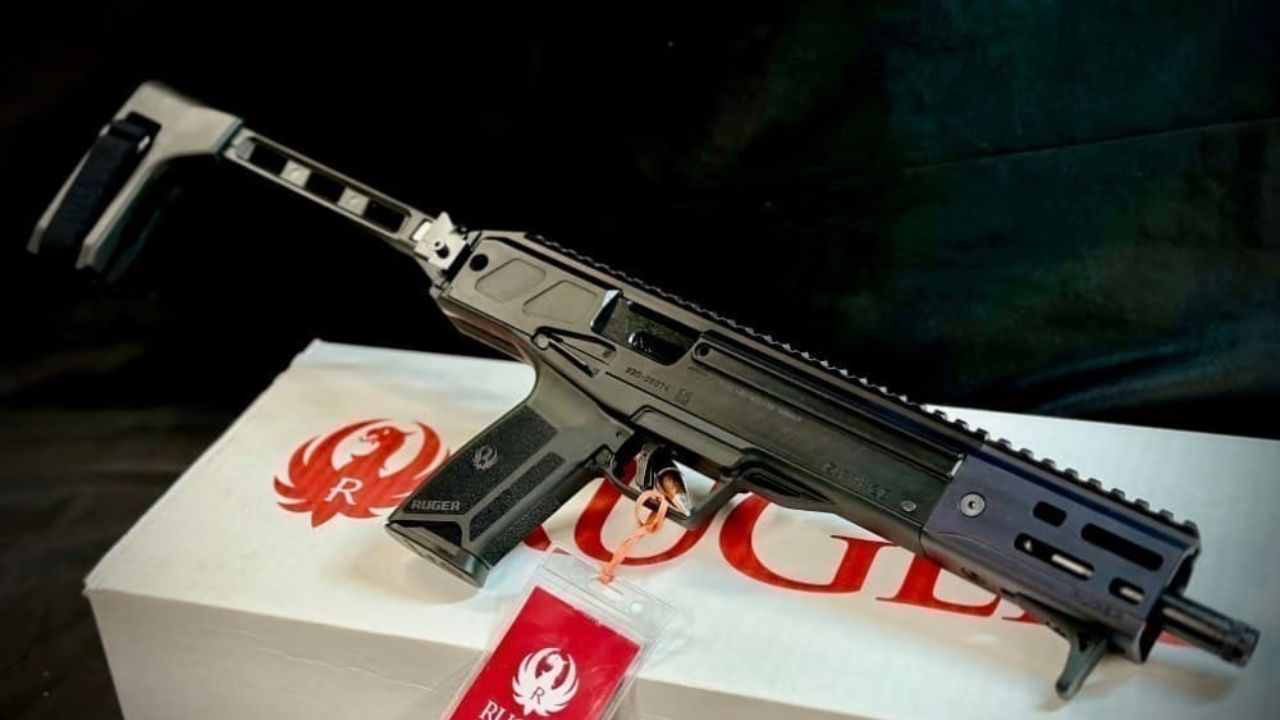
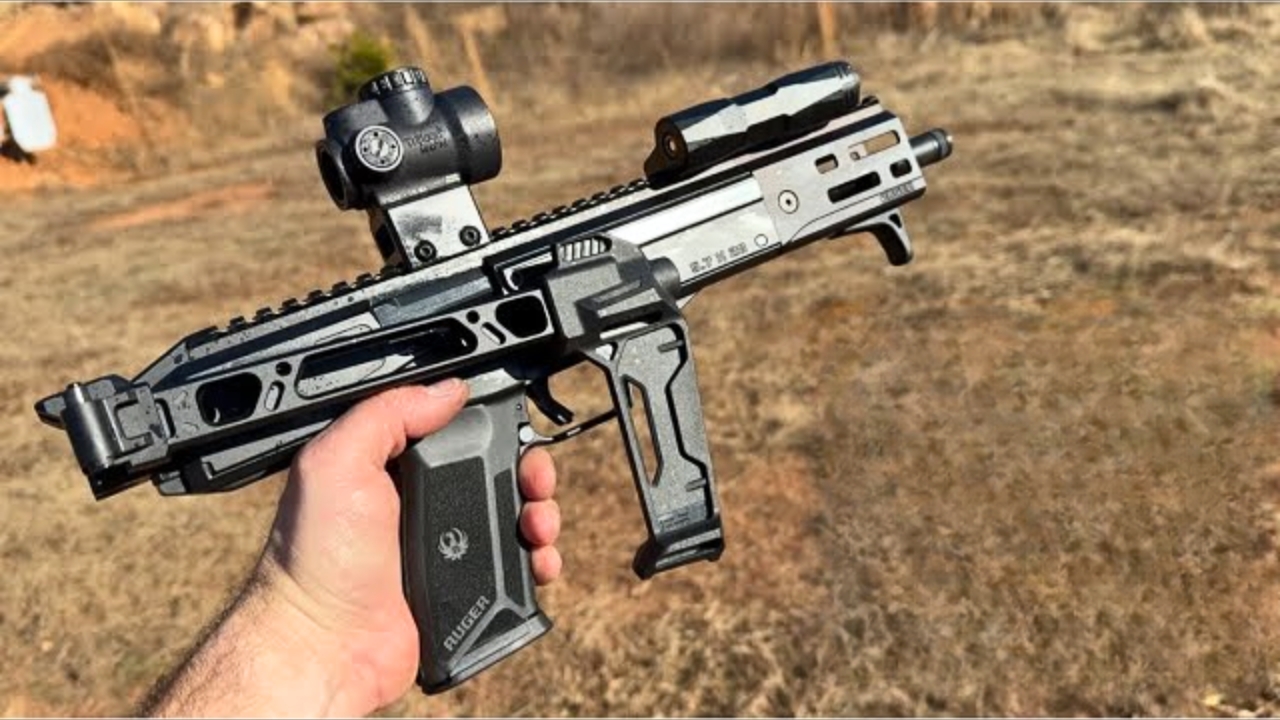
The Ruger LC Charger came out with a fun concept. Take the LC Carbine idea, shrink it into a braced-style pistol format, and give shooters a compact 5.7x28mm platform that looked different from the usual range toy. Ruger has done well with practical, oddball guns before, so the curiosity was real.
The issue is that the LC Charger sits in a strange lane. It is larger than a handgun, not as practical as a rifle, and tied to ammunition that still costs more than common pistol rounds. It can be fun, but fun is not always enough when storage, accessories, ammo price, and actual use come into play. For many buyers, it looked cooler than it felt necessary.
Savage Stance
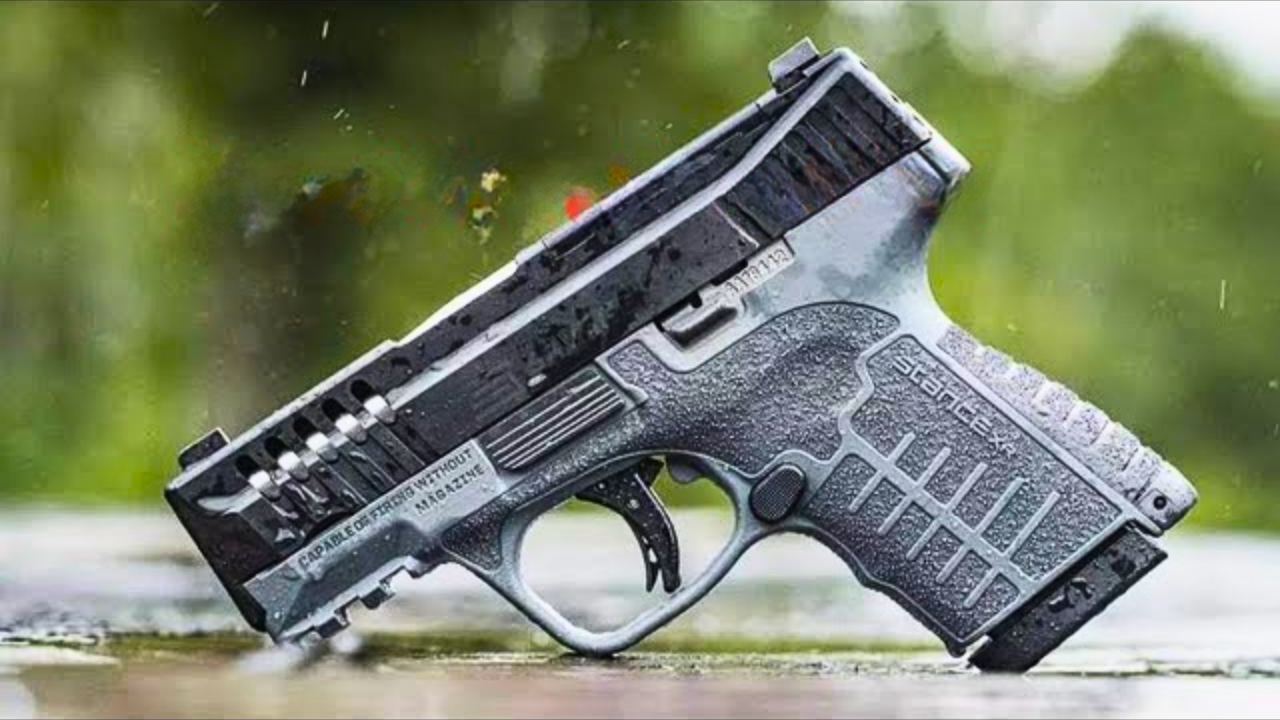
The Savage Stance had the advantage of a famous rifle maker stepping into modern concealed carry. That alone made shooters pay attention. A compact 9mm from Savage sounded like it might bring something fresh to a very crowded pistol category.
Instead, the Stance felt more ordinary than expected. The look was different, but the shooting experience did not separate it enough from the better-known carry pistols already sitting in gun cases. The trigger, grip feel, and overall personality did not create the kind of loyalty a new carry gun needs. It was not awful. It just arrived in a world where average compact pistols get forgotten quickly.
Mossberg Patriot LR Tactical
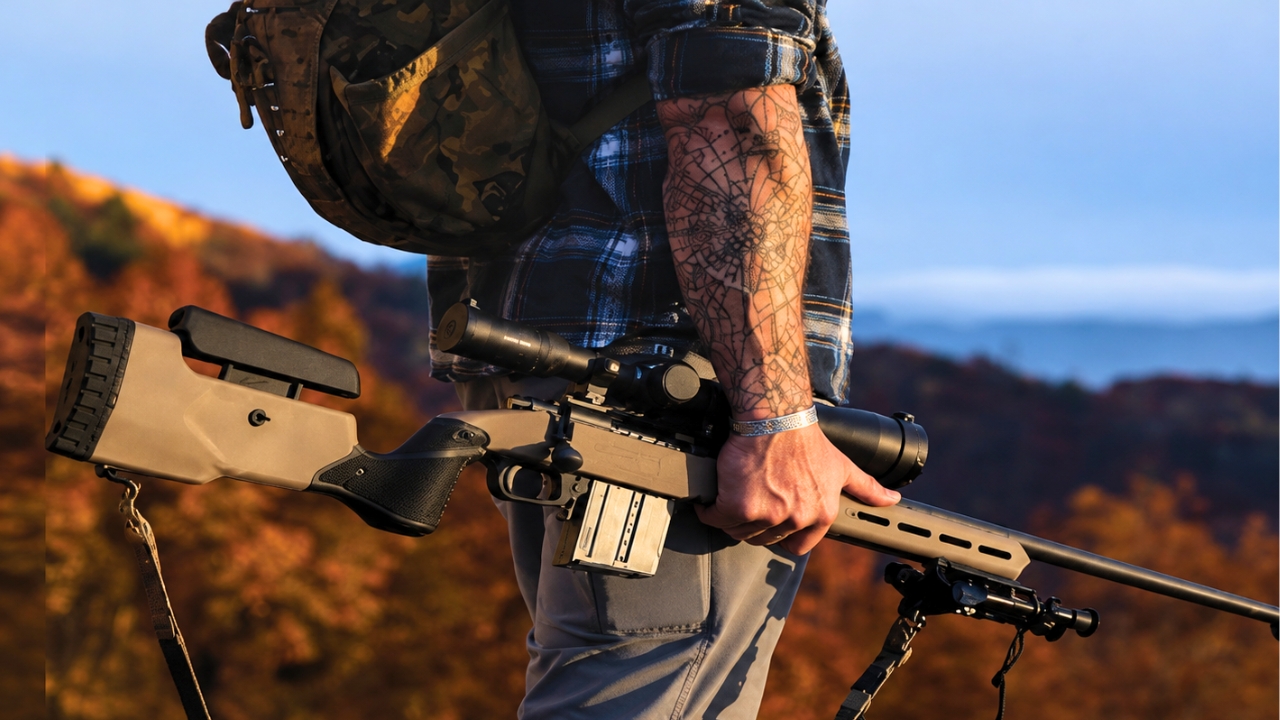
The Mossberg Patriot LR Tactical looked like a budget-friendly long-range rifle for shooters who wanted a heavier setup without spending premium money. It had the right visual cues: chassis-style stock, threaded barrel, detachable magazine, and chamberings that made sense for stretching distance.
Where it missed the mark was in refinement. A rifle can look tactical and still feel budget once you start running the bolt, loading magazines, and trying to settle into awkward positions. Some examples shoot fine, but the overall package does not always feel as polished as the marketing suggests. For hunters and range shooters who expected a cheaper shortcut into precision work, the experience could feel less impressive than the pictures.
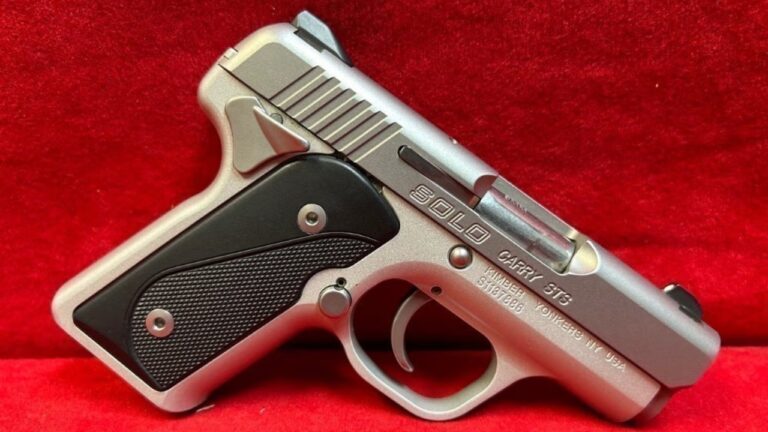
Kimber KDS9c

The Kimber KDS9c came in chasing the double-stack 1911-style carry market at a time when that space was getting hot. Shooters wanted thinner, classier, higher-capacity carry pistols that felt better than blocky polymer guns. Kimber had the name recognition to make people look.
But the KDS9c had to compete against some very strong options, including 2011-style pistols and compact carry guns with bigger aftermarket support. For the price, buyers expected a pistol that felt immediately convincing. Some liked it, but others questioned the value, capacity, controls, and role compared to established alternatives. It did not crash and burn. It just did not make enough people feel like they had found the obvious answer.
Taurus Expedition
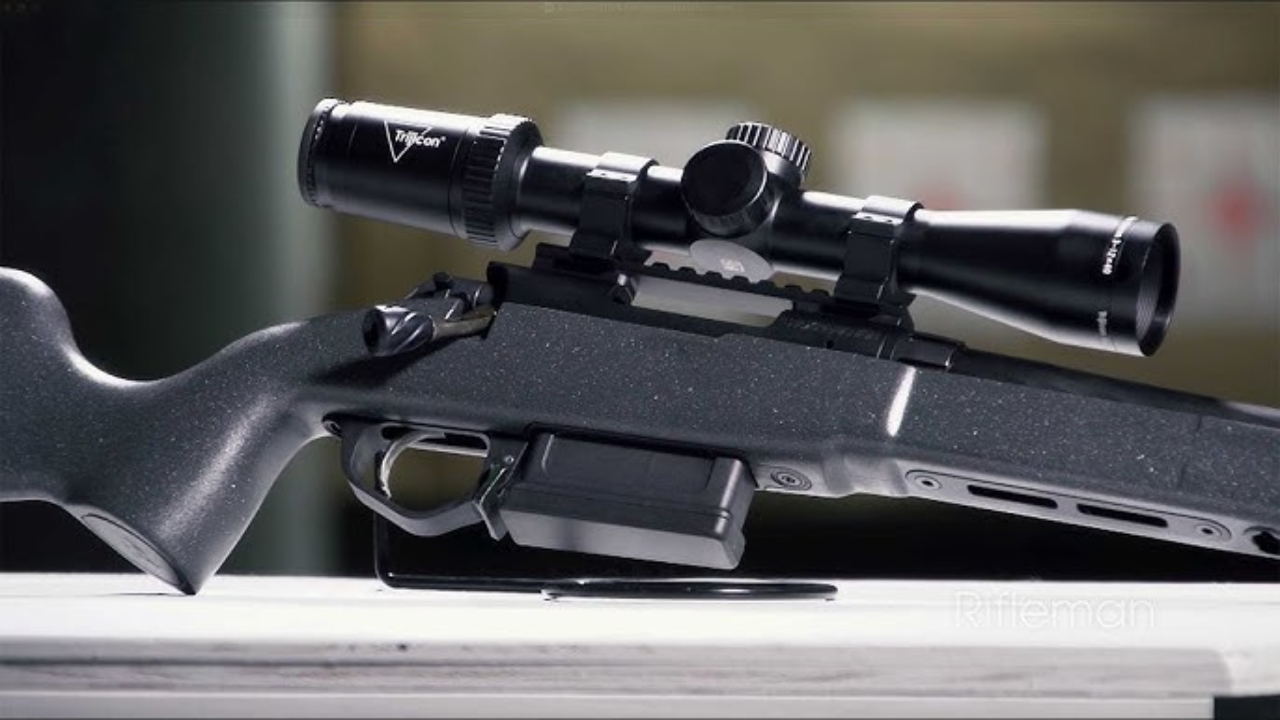
The Taurus Expedition surprised people because Taurus is not the first name most hunters think of for bolt-action rifles. A newer hunting rifle from Taurus was enough to make shooters curious, especially with modern features and a price that aimed at the value side of the market.
The problem is trust. Hunting rifles are judged harshly because they get carried for days and may only fire once when it matters. Even if the Expedition proves useful for some buyers, Taurus has to overcome years of mixed perception in long guns and handguns. The rifle needed to feel so good that hesitation disappeared. For many hunters, it landed as interesting but not convincing enough to replace a Ruger, Savage, Tikka, or Bergara.
Daniel Defense H9
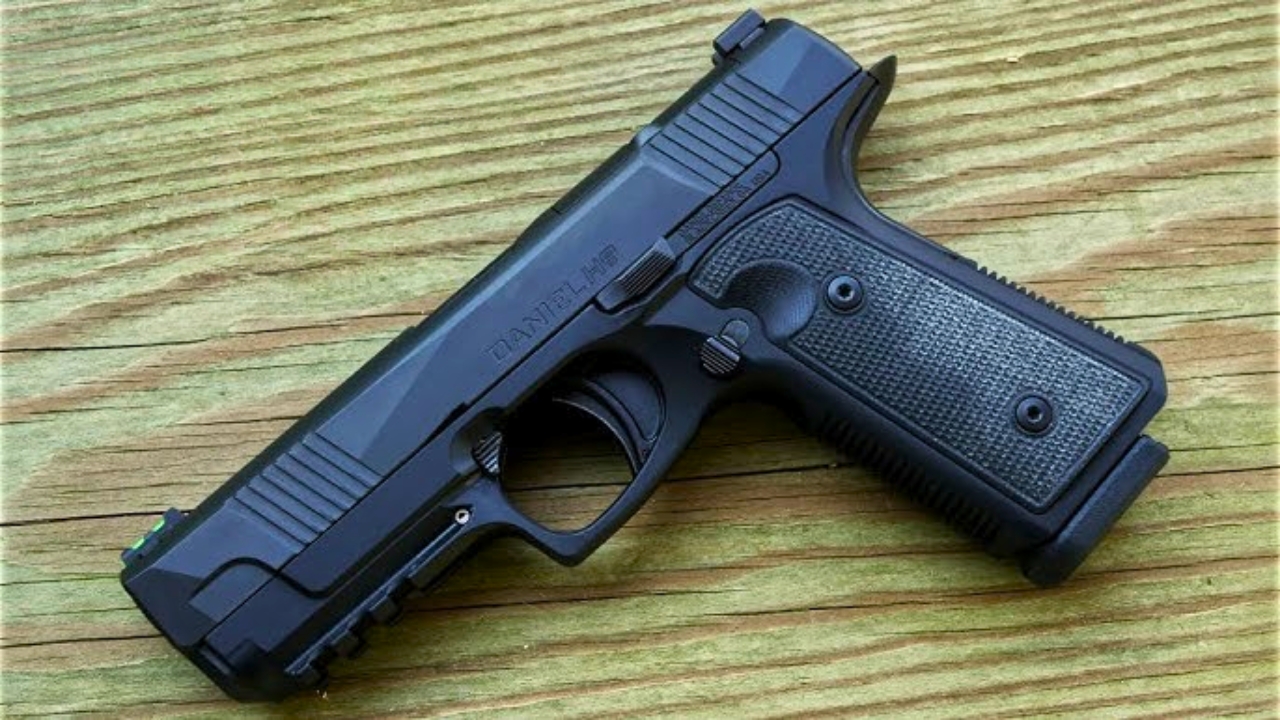
The Daniel Defense H9 had one of the more interesting setups in recent handgun launches. It brought back the Hudson H9 concept under a stronger brand, with a low bore axis, metal frame, and a shape that stood out immediately. Shooters who remembered the original wanted to see if Daniel Defense could finally make the idea stick.
The trouble is that unusual pistols have to shoot well enough to overcome every doubt. The H9 was expensive, different, and entering a market where reliable polymer and metal-frame options were already everywhere. Some shooters appreciated the engineering, but others questioned the trigger, price, and practical advantage. It felt like a gun built around an interesting idea that still had to prove why most people needed it.
Remington 700 Alpha 1
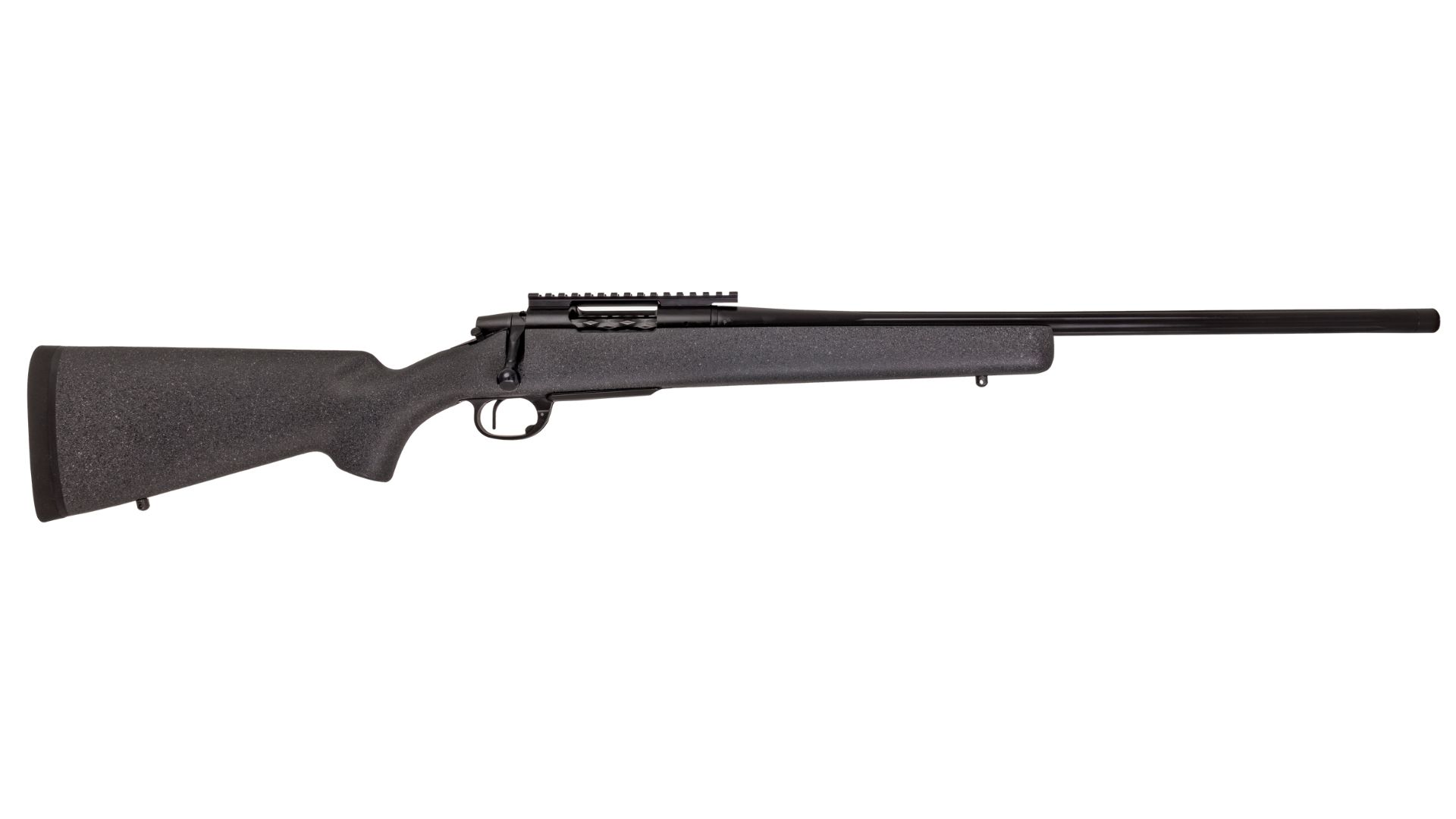
The Remington 700 Alpha 1 was meant to show that Remington could still matter in the modern hunting rifle market. It had updated features, a familiar action name, and a push to reconnect with hunters who grew up trusting the Model 700. That is a powerful name to work with.
But a powerful name also brings heavy baggage. After years of uneven confidence around the Remington brand, a new rifle has to do more than wear the 700 name. It has to feel clearly worth choosing over rifles from Tikka, Bergara, Weatherby, Savage, and Ruger. The Alpha 1 may be useful, but for some hunters, the price and trust gap made it a hard sell. Reputation can help launch a gun, but it cannot carry the whole load.
Bond Arms Stinger RS
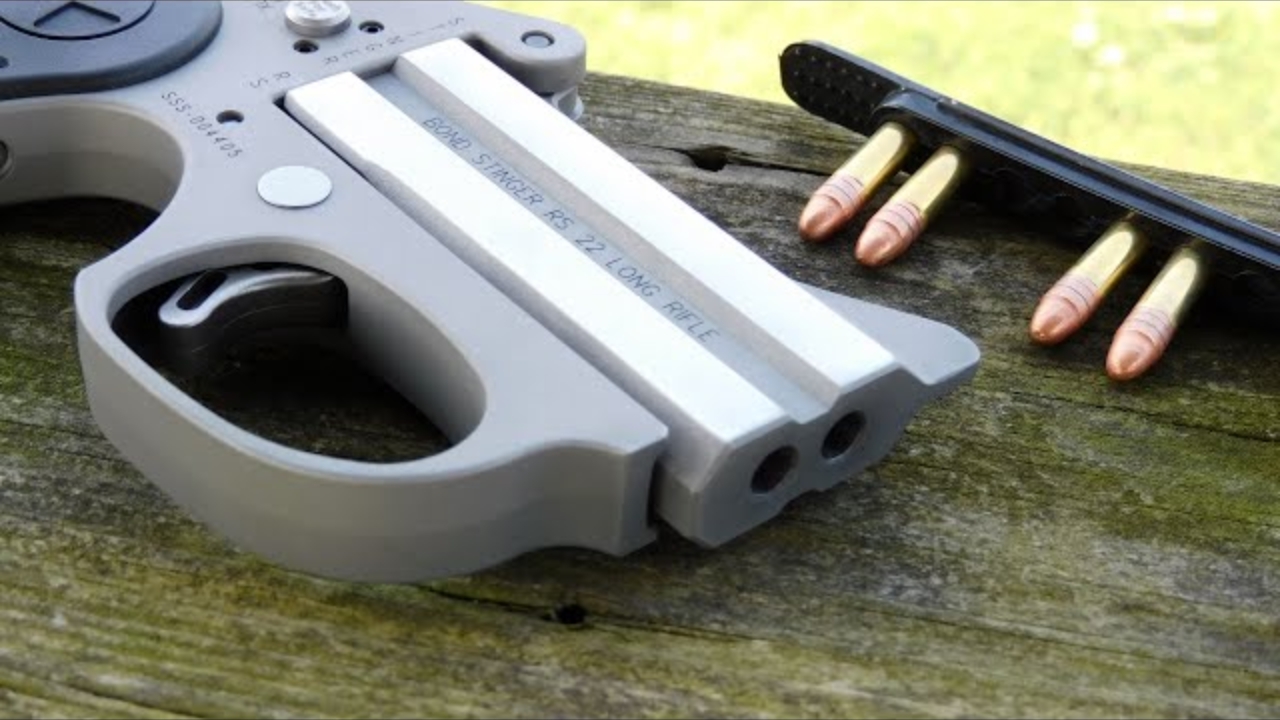
The Bond Arms Stinger RS looked like a more practical take on the derringer idea. It was thinner, lighter, and easier to carry than the chunky old-style models people associate with Bond Arms. For someone wanting a tiny backup gun, the concept made sense at first glance.
Then reality catches up. Derringers are still slow, low-capacity, and harder to shoot well than many small semi-autos or lightweight revolvers. The Stinger RS improved the format, but it did not solve the bigger problem with the format itself. It can work for a narrow role, but most shooters are better served by something with better sights, more rounds, and faster follow-up shots. It modernized an old idea without making it the best answer.
Henry Homesteader
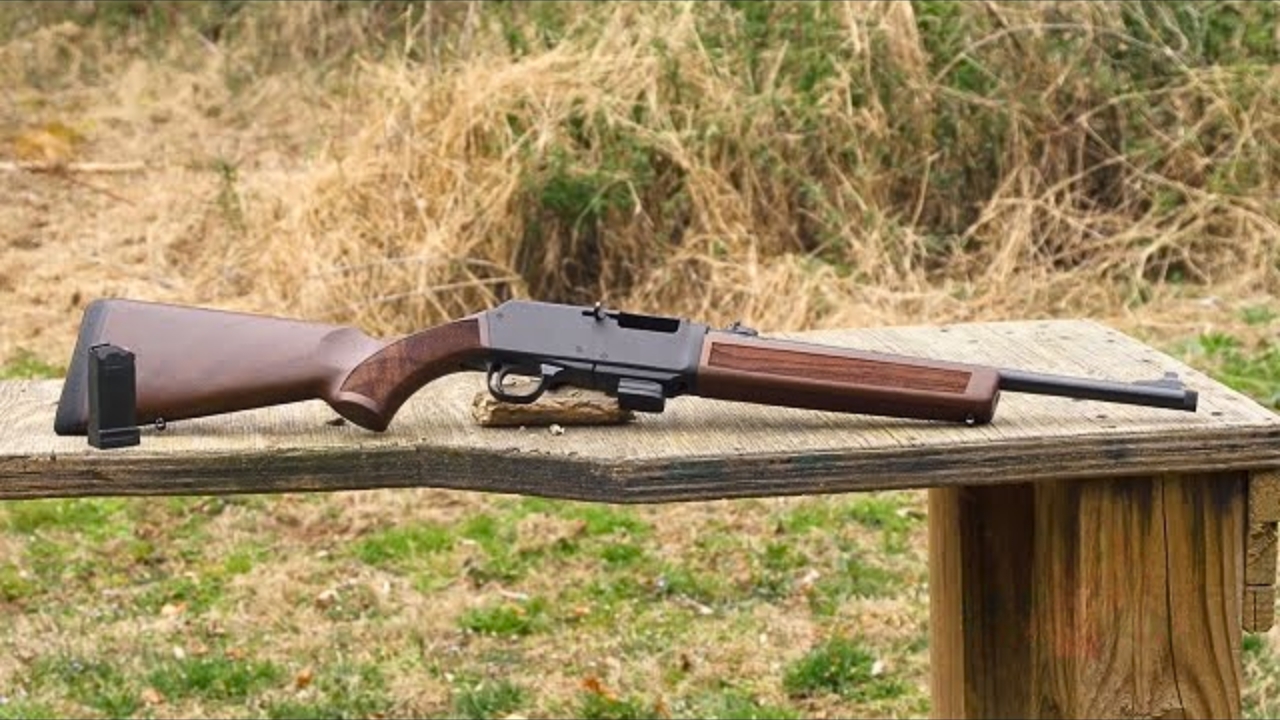
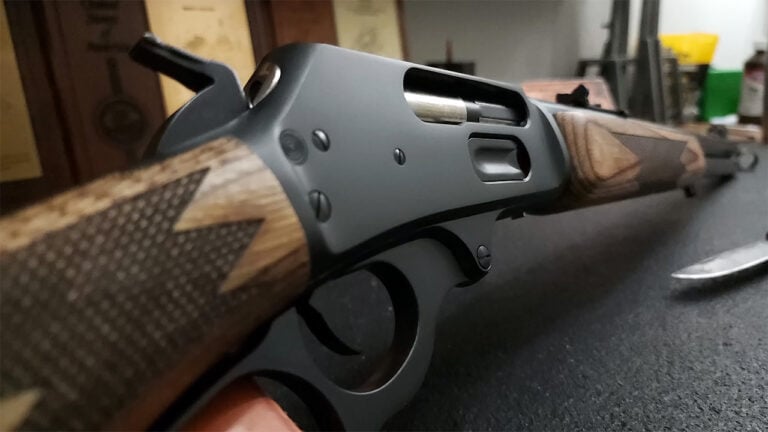
The Henry Homesteader arrived with a lot of goodwill. Henry has a loyal following, and a 9mm semi-auto carbine with wood furniture sounded like a refreshing break from black polymer pistol-caliber carbines. It looked friendly, practical, and different without trying too hard.
The issue is that looks and concept carried more excitement than the actual category fit. It is heavier and more expensive than some buyers expected, and the 9mm carbine market already has cheaper, lighter, more modular choices. The Homesteader has charm, but charm does not always win when shooters start comparing magazines, optics options, sling setup, and price. It missed the mark by being likeable without being the easiest choice.
Rock Island Armory 5.0

The Rock Island Armory 5.0 got attention because it was genuinely different. The recoil system, barrel setup, and futuristic styling made it stand out from the usual striker-fired pistols. It looked like Rock Island was trying to build something more ambitious than another basic handgun.
Ambition is not the same as broad appeal. The 5.0 was expensive enough that buyers compared it to established performance pistols, not budget guns. Its looks were polarizing, the aftermarket was limited, and the practical advantage was not obvious to everyone. Some shooters enjoyed it, but others saw a pistol that asked for too much trust before earning it. Different can get attention. It still has to make sense after the first magazine.
Stoeger STR-9MC
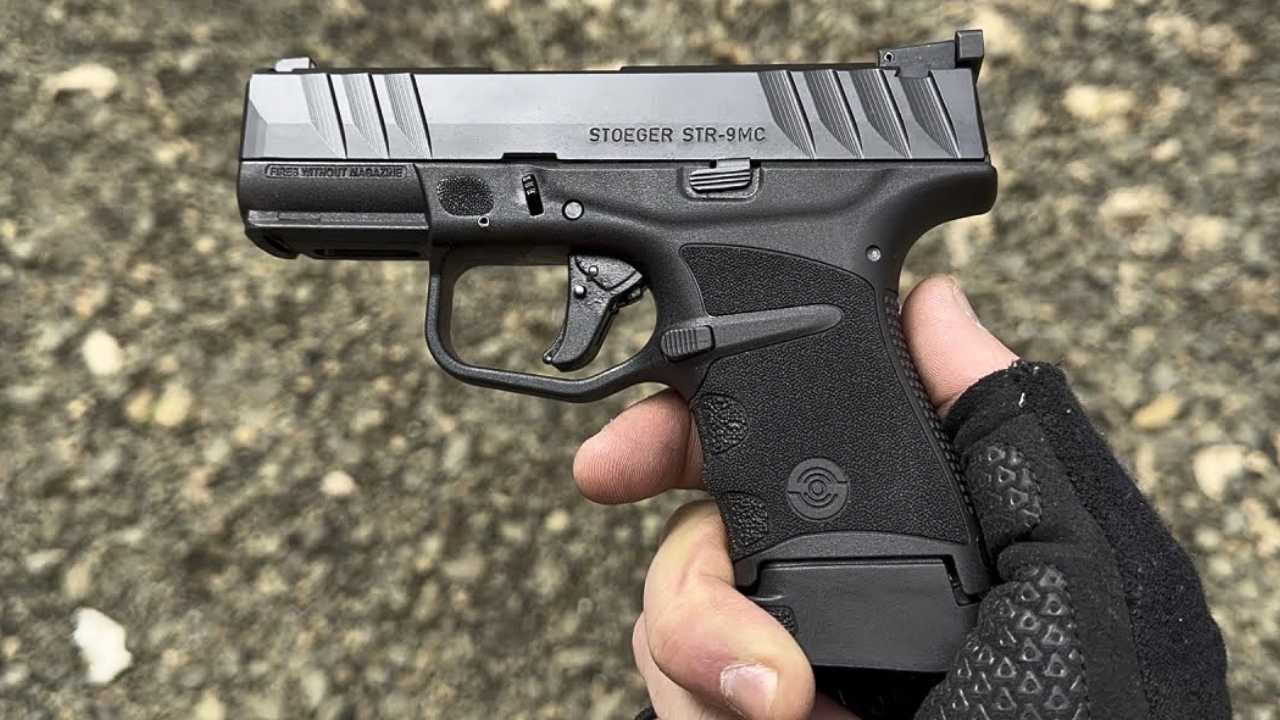
The Stoeger STR-9MC tried to bring Stoeger into the micro-compact 9mm fight with a practical, affordable carry pistol. That sounds reasonable until you remember how stacked that category already is. By the time it arrived, shooters had plenty of proven choices with strong holster support, magazine availability, optics options, and track records.
That made the STR-9MC feel like a gun without enough space to breathe. It may be serviceable, but buyers need a reason to choose it over the obvious names. In the carry world, “it seems fine” is not a strong argument. A defensive pistol has to win confidence quickly, and this one entered the fight without enough pull to make many shooters switch.
Like The Avid Outdoorsman’s content? Subscribe to our newsletter so you never miss an article.
Here’s more from us: