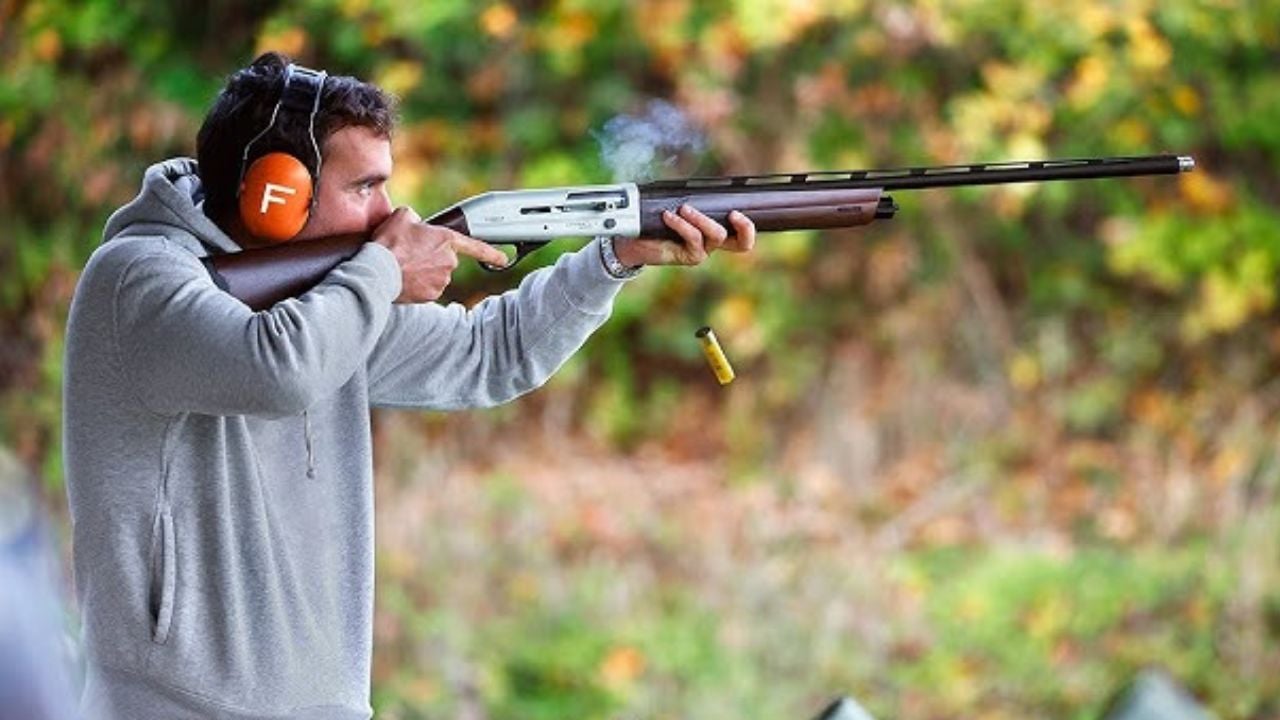
Photo credit: Franchi Feels Right/YouTube
Every shotgun has a story, and sometimes that story gets stuck in the wrong decade. A model launches with a rough batch of parts, a design that takes time to break in, or a price tag that makes folks expect too much. Then a few seasons go by, real hunters put rounds through them, and the gun quietly becomes a workhorse. The problem is the old talk never gets corrected. You still hear the same tired lines at the gun counter, even when the truth on the range and in the field is a whole lot different.
Here are 20 shotguns that took their lumps early and, for a lot of owners, ended up earning a better name than the internet remembers.
1. Remington 870 Express
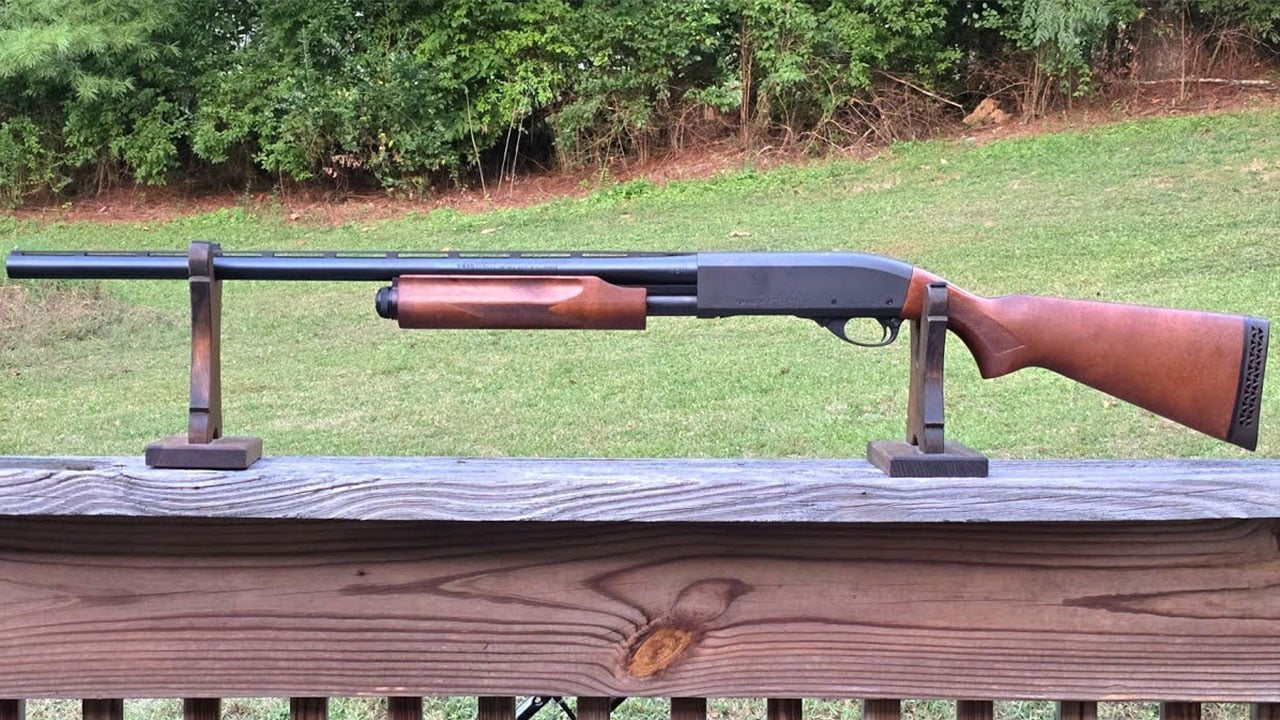
The Express line caught plenty of grief when finish quality dipped and rough chambers started showing up. If you had one that liked to hang onto cheap steel-based shells, you remember it. The word spread fast: “They ruined the 870.” That reputation stuck, even though a lot of those guns ran fine with decent ammo and a little attention to cleaning and lubrication.
What built the better reputation wasn’t hype, it was mileage. The 870 Express still points naturally, carries slim, and parts are everywhere. If you hunt hard—mud, rain, cold—simple matters, and an 870 with a smooth action bar and a decent extractor setup is still a very usable bird and deer gun. It’s not fancy, and the finish can be honest-to-goodness plain, but plenty of them just keep going.
2. Winchester SXP
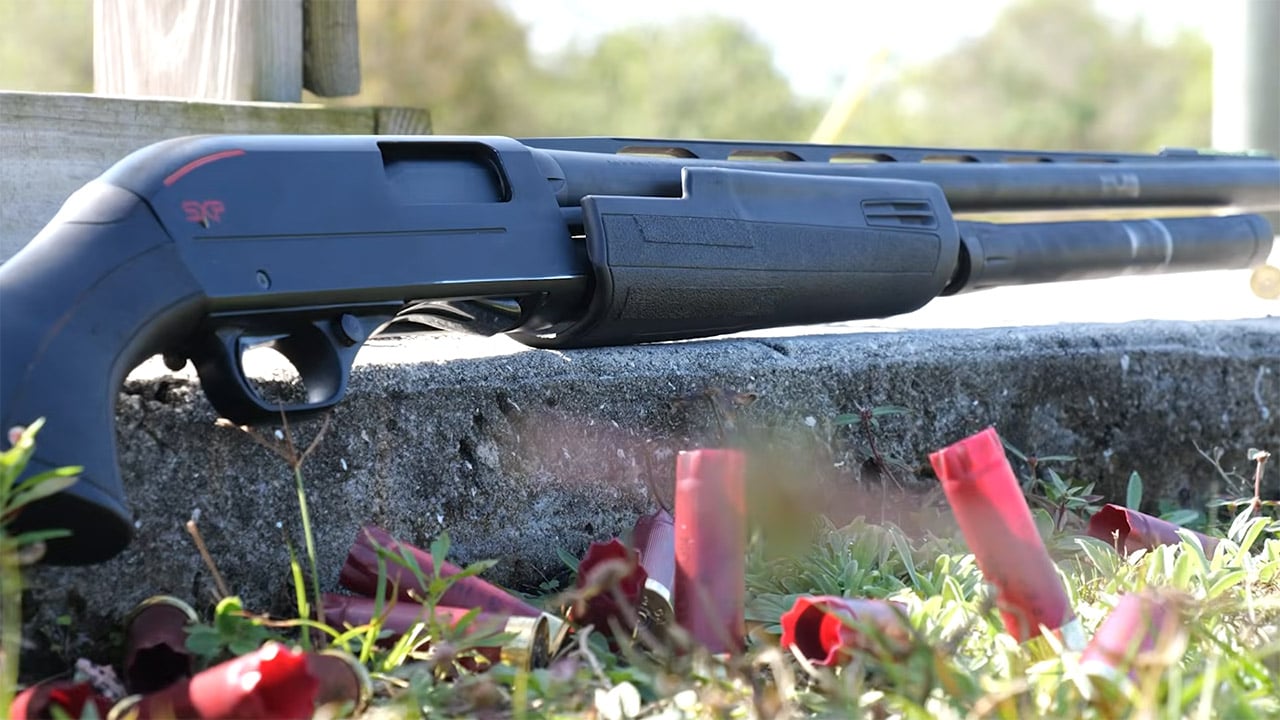
The SXP came out wearing the shadow of earlier budget Winchesters and the usual “made overseas” side-eye. Early chatter focused on it feeling a little light and “clacky,” like it wasn’t built for the long haul. If you shoulder one in a store, the fore-end can feel a bit hollow compared to a heavy old pump. That first impression is powerful.
Then folks started actually hunting with them. The SXP cycles fast, and that rotary bolt setup helps it unlock and run slick when you’re shooting quick on late-season roosters or a flock of teal that won’t commit. It’s also a pump that doesn’t mind living behind a truck seat if you wipe it down and don’t treat it like a shovel. For the price, it flat-out performs better than the reputation it got tagged with.
3. Benelli Nova
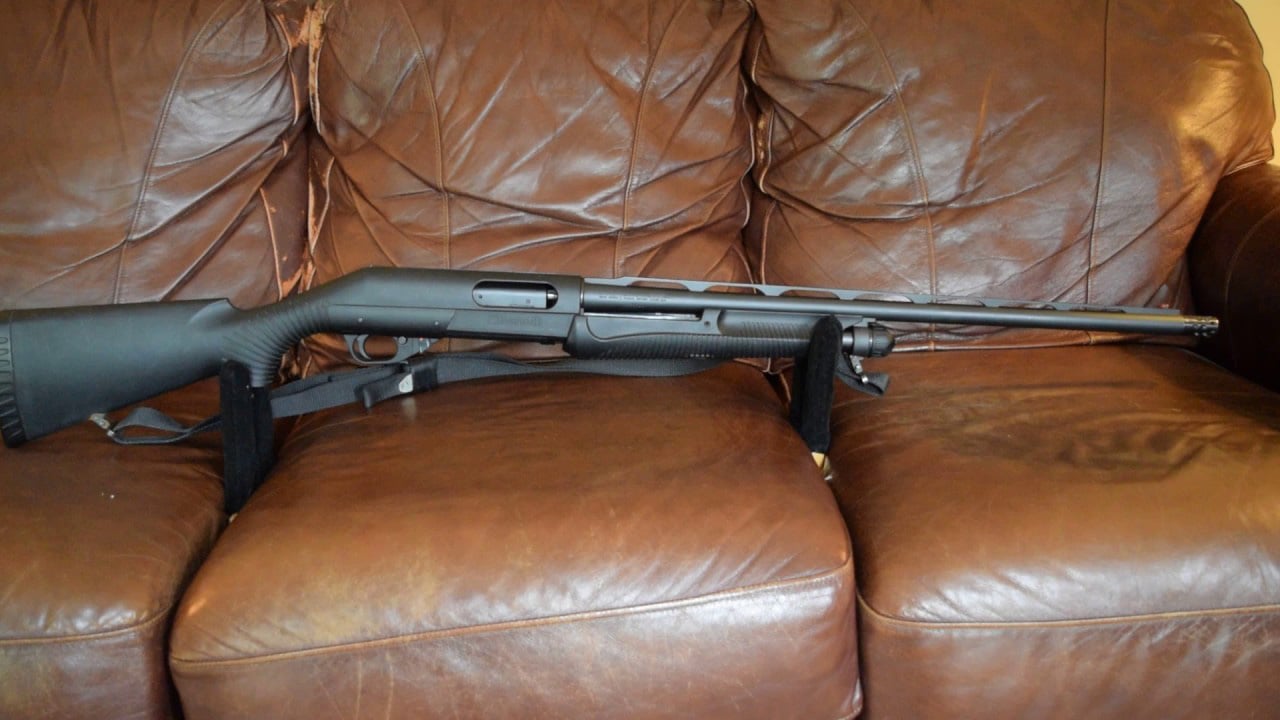
The Nova got labeled “ugly” and “cheap” the minute people saw that one-piece polymer-over-steel receiver and stock. Some couldn’t get past the looks, and others didn’t like the bulky feel through the hands. If you’re used to walnut and bluing, the Nova can feel like a boat paddle with a trigger. That kind of talk doesn’t die easily.
But in nasty weather, the Nova’s design starts making sense. It shrugs off rain, mud, and hard knocks, and it’s a pump that can go a long time without drama if you keep it reasonably clean. The forend stroke is long but positive, and it feeds and extracts well with a wide range of loads. There’s nothing delicate about it, and that’s kind of the point. A lot of duck hunters who swore they’d never own one ended up trusting it.
4. Benelli SuperNova
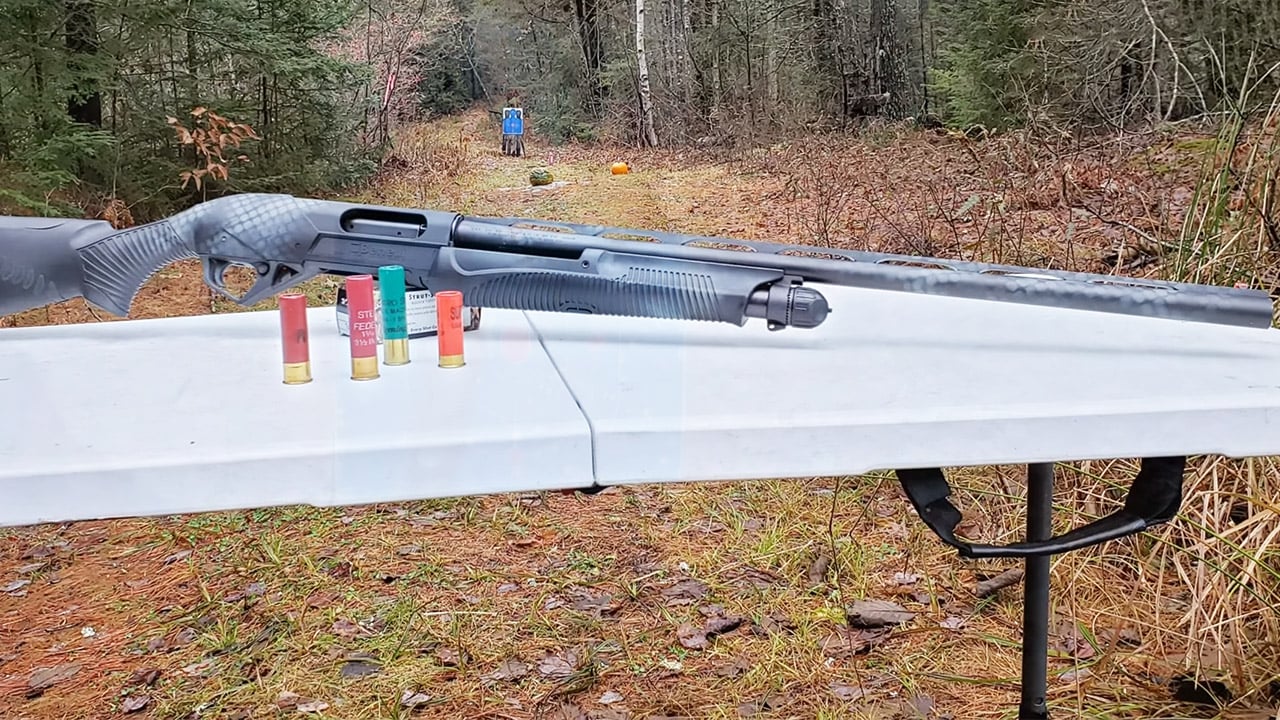
The SuperNova caught some of the same “plastic gun” criticism as the Nova, plus complaints about being front-heavy with certain barrel and choke setups. The ComfortTech stock looked gimmicky to some folks, like something made for marketing instead of hunting. I get it—when a gun looks different, people assume it’s solving a problem nobody had.
Then guys started putting them through long days in layout blinds and flooded timber. The SuperNova handles magnum loads without beating you up as badly as plenty of pumps, and that matters when you’re shooting 3 1/2-inch shells and layering clothes. The controls are big enough for gloves, and it runs when it’s wet. It’s not everyone’s favorite feel, but its “better reputation” was earned the old way: by not quitting when conditions are miserable.
5. Mossberg 930
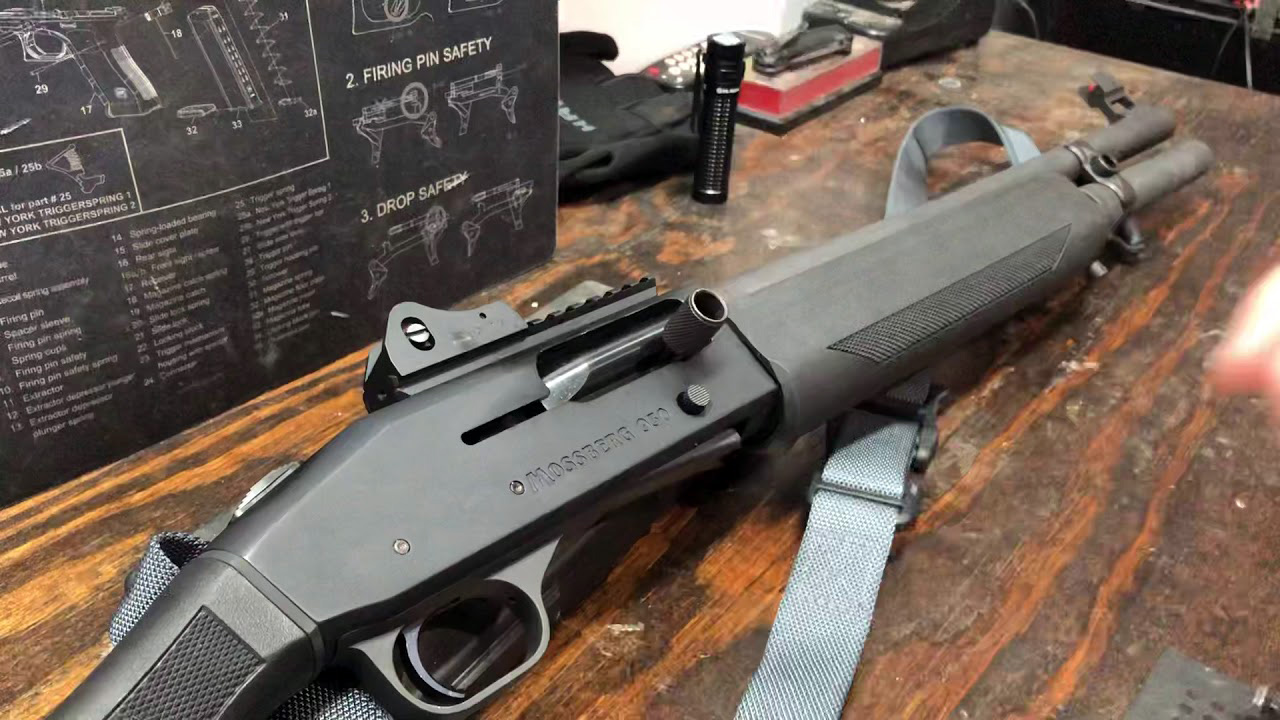
The 930 wore a reputation for being picky, especially when they were new or when folks tried to run bargain ammo without breaking them in. You’d hear about cycling issues and the idea that it was a “cheap semi-auto that acts like it.” Some of that came down to maintenance too—gas guns aren’t magic, and a dirty 930 can turn into a single-shot in a hurry.
What changed minds was the number of 930s that, once sorted and kept reasonably clean, ran season after season. They fit a lot of shooters well, recoil is manageable, and they’re usually a bargain compared to the Italian names. The 930 also became a common “one semi-auto that does everything” gun—clays, turkeys, ducks, even the occasional defensive role. It’s not perfect, but it deserved better than the blanket “unreliable” label it still gets.
6. Mossberg 935 Magnum
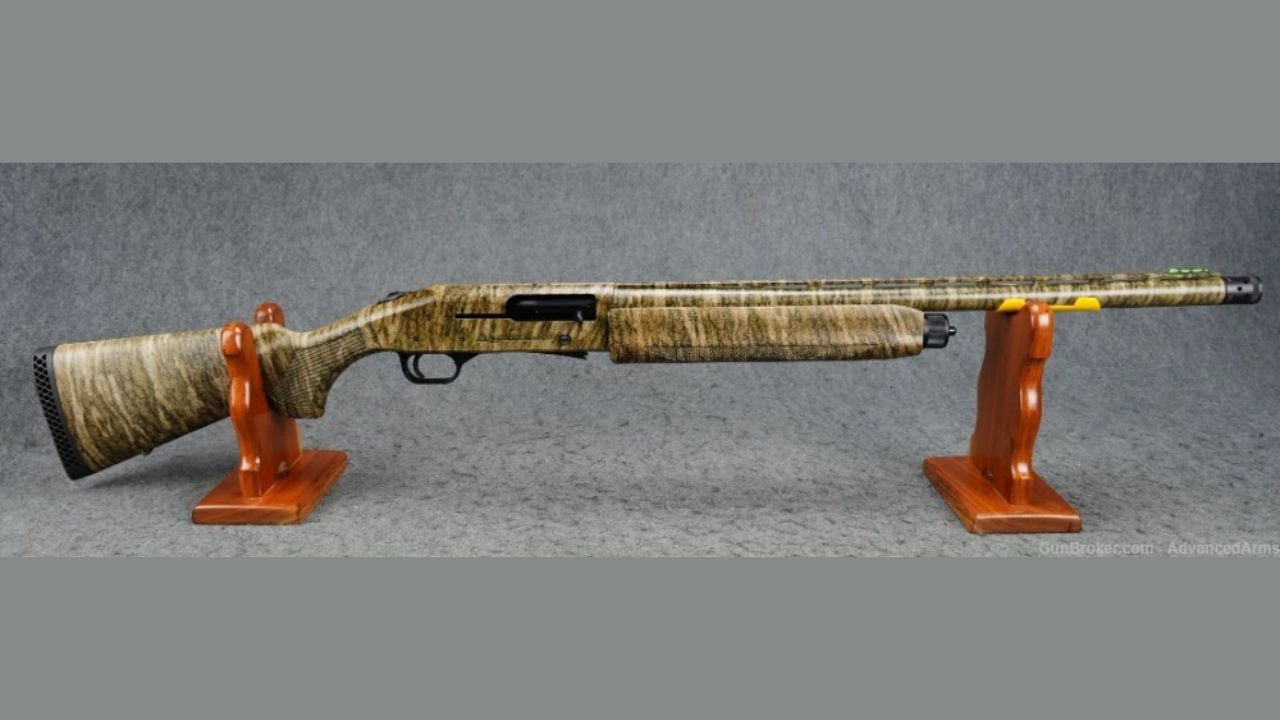
The 935 got hammered early for being finicky with light loads, and to be fair, that’s a real quirk. If a guy buys a 935 thinking it’ll happily run the same cheap 2 3/4-inch stuff his buddy shoots in a field gun, he might have a bad day. A lot of early complaints were basically a mismatch between expectations and what the gun was tuned for.
In its lane, though, the 935 is a workhorse. It was built around heavy waterfowl and turkey loads, and it tends to shine there. The gun is big, yes, but it soaks up recoil better than many lighter guns when you’re shooting hard-hitting shells. If you’re a dedicated goose hunter or you like reaching a little farther in the spring woods, the 935 has quietly earned trust. The internet just keeps repeating the “won’t run light loads” part like that’s the whole story.
7. Remington V3
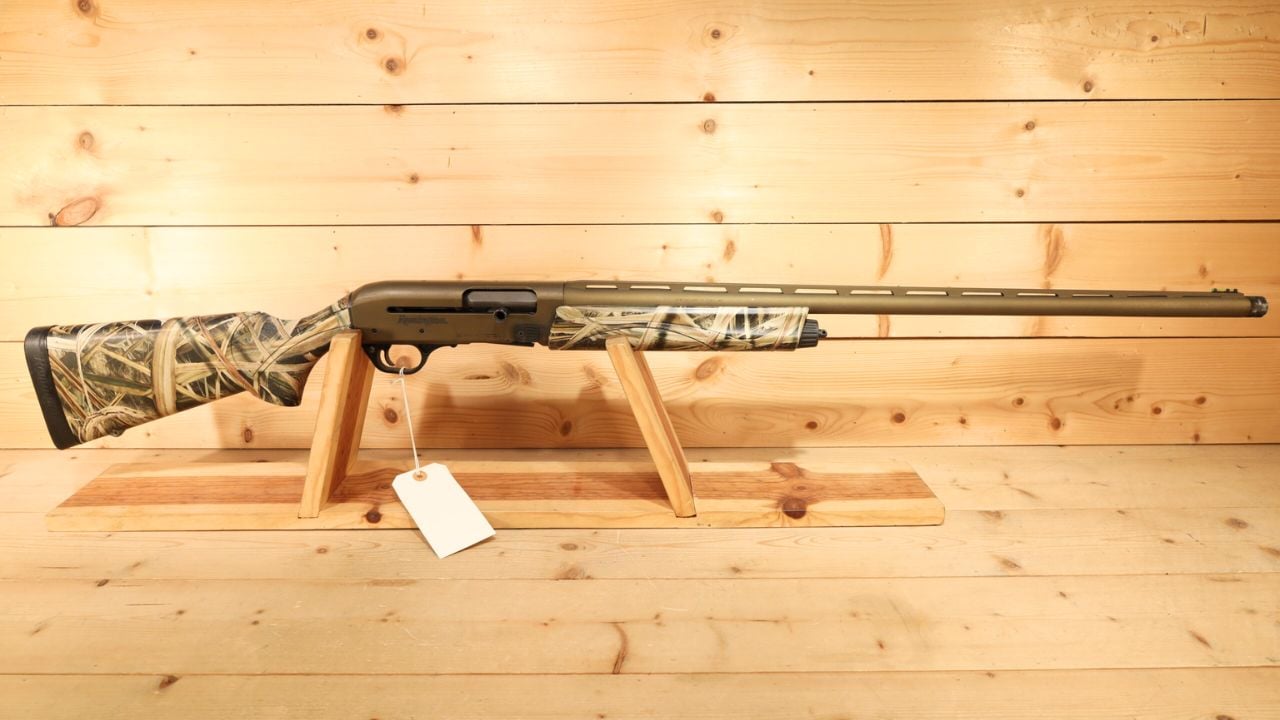
The V3 didn’t help itself by showing up when folks were already mad at Remington about other things. It got judged for problems it didn’t create. Add in the usual suspicion of any new gas system, and plenty of shooters wrote it off without giving it a fair shake. The V3 also isn’t a bargain-basement gun, so expectations were high.
On the range and in the field, a lot of V3s run soft and steady. They’re good-shooting guns that don’t punish you during high-volume dove hunts, and they handle a range of shells better than the early rumors suggested. The action feels smooth, and the gun balances nicely for a semi-auto. If you find one that fits you, it’s hard not to appreciate it. The reputation lagged behind the real-world performance, and it still does in some circles.
8. Remington Versa Max

The Versa Max got talked about like it was complicated for the sake of being complicated. More ports, more seals, more “stuff” meant more things to fail—at least, that was the story. Some hunters also didn’t like the size, especially compared to sleeker inertia guns. And again, it lived under that same era of Remington distrust.
But the Versa Max earned fans among waterfowl hunters who shoot a lot and want a gun that can eat different loads without constant tuning. Recoil is generally tame for a 3 1/2-inch-capable semi-auto, and the gun can be remarkably forgiving when you mix shells. It’s not the lightest, and it’s not the prettiest, but it can be a very steady, very shootable tool. If you’re the type who hunts hard and cleans later, it has proven itself more often than the old jokes admit.
9. Browning BPS
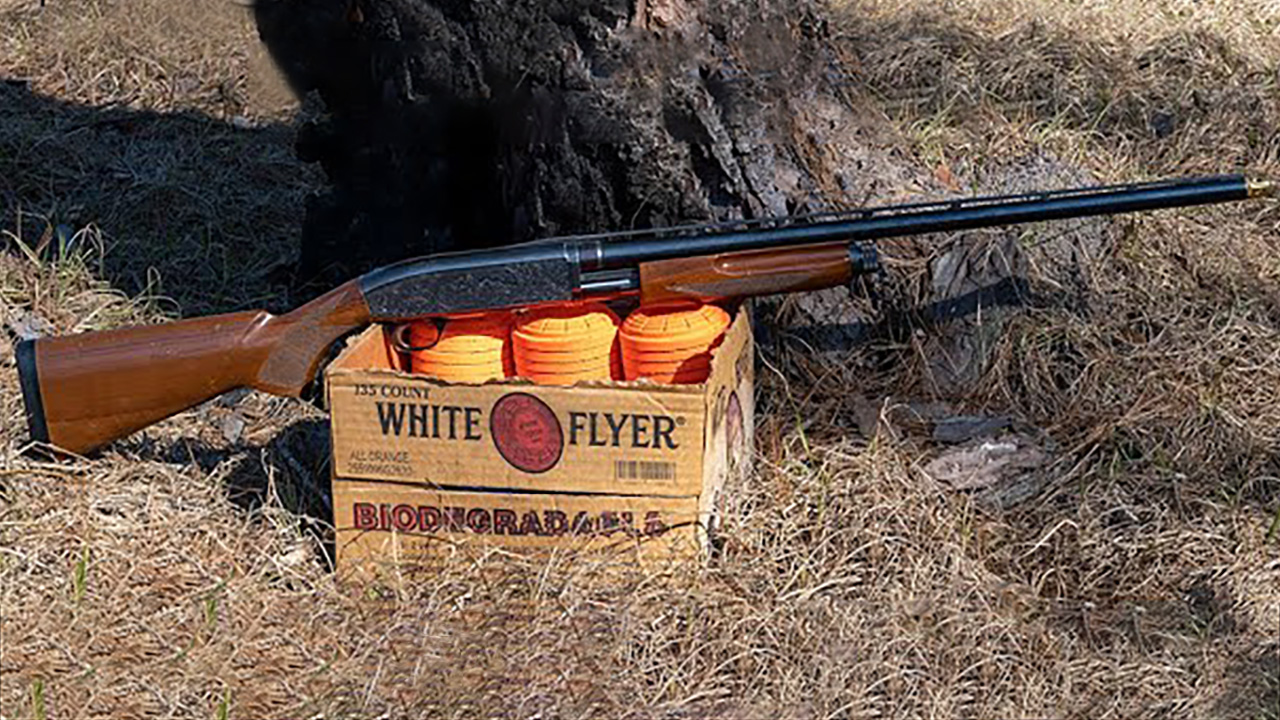
The BPS has always had one thing that turns some buyers off immediately: bottom ejection. That, plus the weight, led to a reputation of being “different” and “too heavy,” like it was meant for a niche crowd. Some folks also complained about the safety location if they were used to a cross-bolt behind the trigger. First impressions matter, and the BPS isn’t trying to copy anybody.
The better reputation comes from how it behaves in real hunting. Bottom ejection keeps hulls out of your buddy’s face and makes the gun truly left-hand friendly without special versions. The extra weight is not a curse when you’re swinging through a crossing pheasant or absorbing recoil on sporting clays. The action is typically smooth, and the fit and finish tends to be solid. The BPS won’t win the “lightest gun” contest, but it wins the “boring reliable companion” contest.
10. Ithaca Model 37 (later production years)
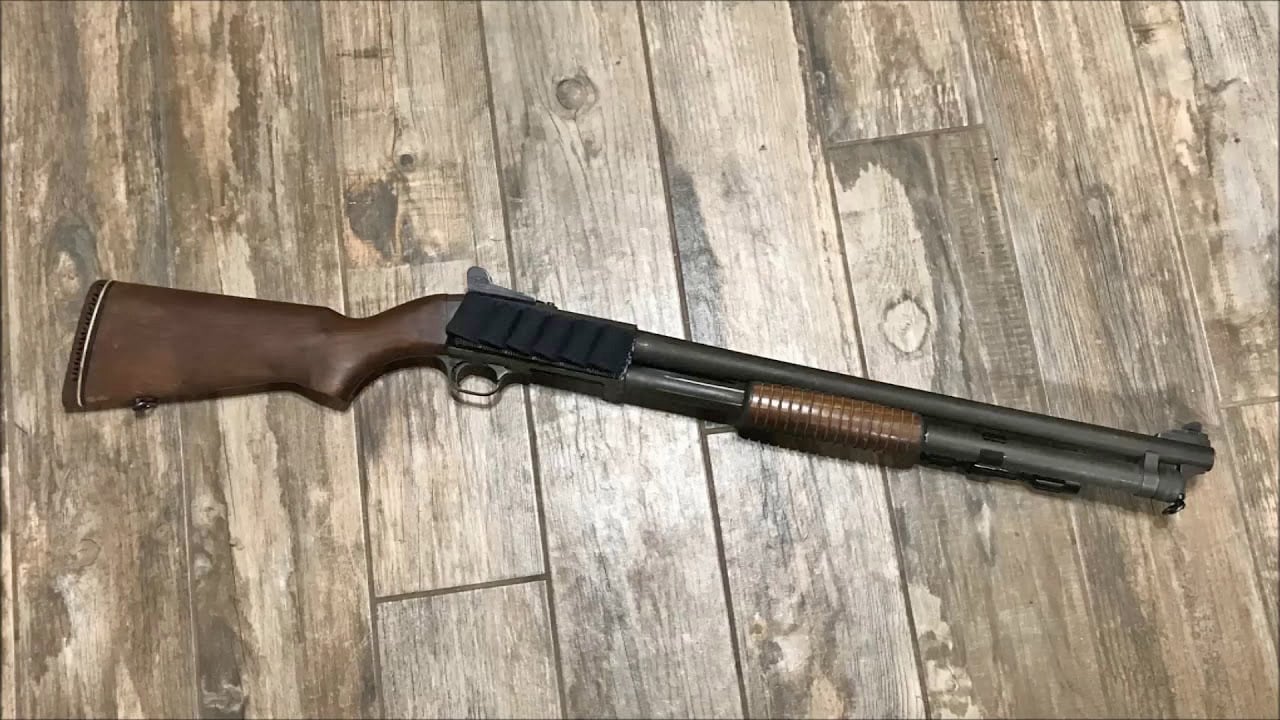
The Model 37 has legends behind it, but there were stretches where folks grumbled about consistency, parts availability, and who was making what under the Ithaca name at the time. When a brand changes hands and production shifts, the rumor mill gets fed. Some of the talk wasn’t completely made up, but it painted with a wide brush.
Still, plenty of Model 37s have been running for generations, and when you carry one all day you understand why people stay loyal. They’re trim, they point quick, and the bottom-eject design keeps debris out better than many realize. In the grouse woods, a slick Model 37 feels like it’s part of your arms. If you find a good one, it’s not just nostalgia—it’s a shotgun that handles the way a field gun should. The bad reputation years get mentioned; the good years just keep hunting.
11. Savage/Stevens 320
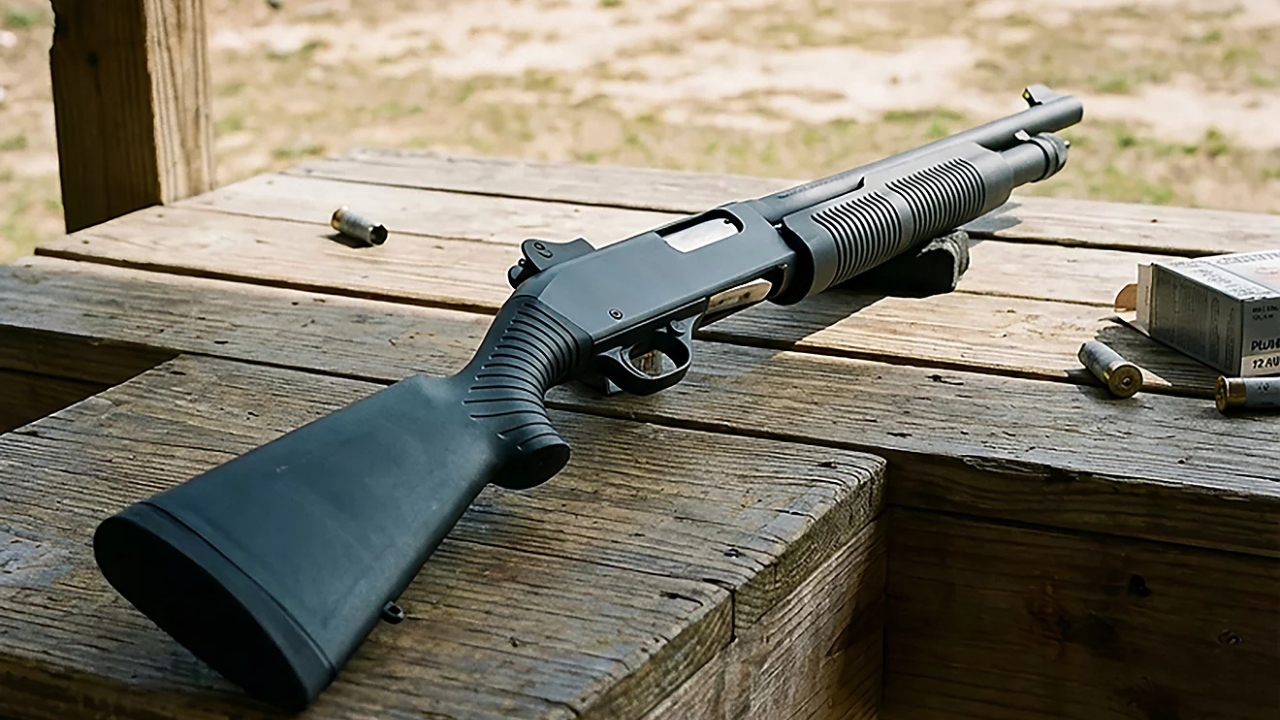
The Stevens 320 has taken plenty of “knockoff” comments because of its general layout and its price point. It got lumped into the category of bargain pumps that live hard and die early. The finish and furniture aren’t going to impress anybody, and the action can feel stiff in the store. That’s enough for some guys to walk away and never look back.
But a lot of these guns have turned into honest utility shotguns. They’ll ride behind a truck seat, handle the occasional coyote stand, and sit by the back door without anyone crying about a scratch. When you put a few boxes through them, many smooth out enough to be perfectly serviceable. The better reputation comes from owners who actually used them for what they are: an affordable tool. They’re not heirlooms, but they’re often better than the snobs claim.
12. Stoeger M3000
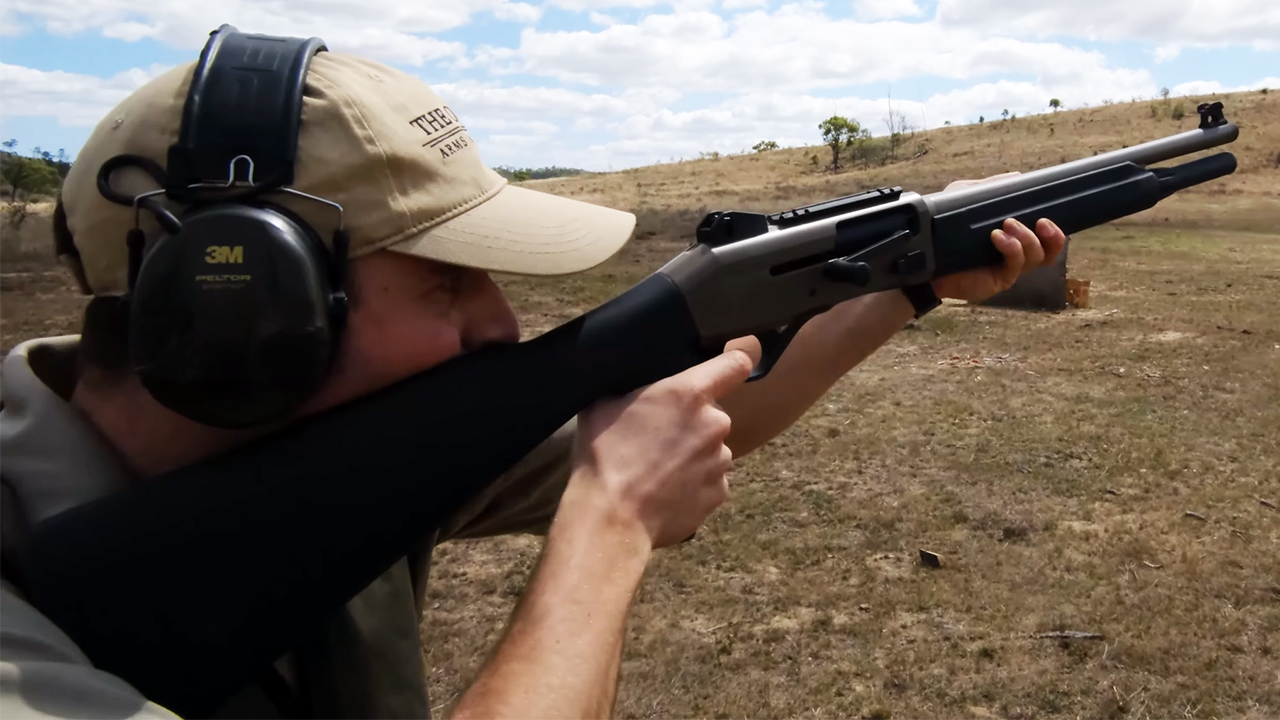
Stoeger inertia guns have always fought the “Benelli’s cheaper cousin” label, and the M3000 caught its share of early complaints about break-in and light loads. If a shooter bought one, ran the cheapest promo shells on day one, and it hiccuped, the story was written. “Stoegers jam.” That’s what got repeated, and it stuck.
Over time, the M3000 built a reputation as a strong value for waterfowl and general hunting, especially once owners learned what loads it likes and kept it reasonably maintained. It’s a little heavier than some expect, but that can help in recoil and swing. Magazine tubes, chokes, and small parts aren’t unicorn items, either, which matters when you actually hunt with a gun instead of babying it. No, it’s not a high-end Italian, but it doesn’t have to be to earn trust.
13. Stoeger M3500
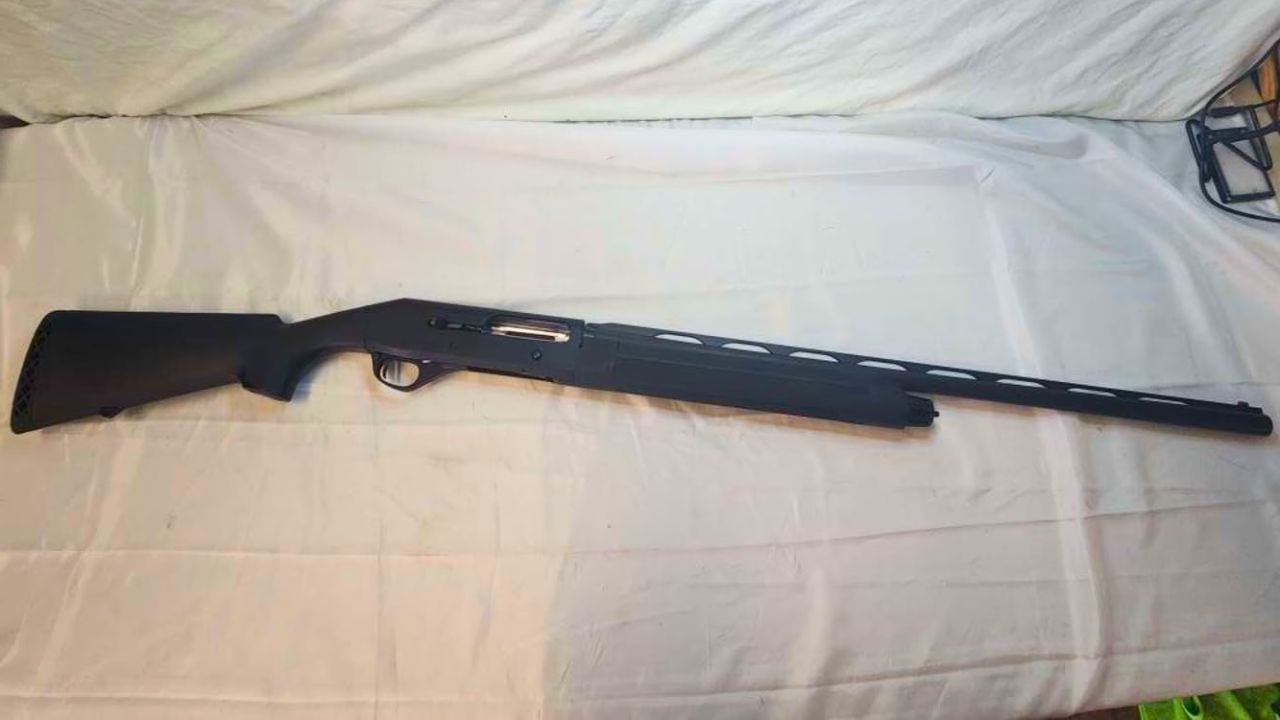
The M3500 got judged by the same standards as guns costing a lot more, and it also got hit with the “3 1/2-inch guns kick and are slow” complaints. Add in early reports of cycling quirks and you had a perfect recipe for a bad name online. A lot of folks never got past the idea that it was a budget magnum semi-auto, and therefore “a gamble.”
What improved its standing was hunters using it for exactly what it was built for—late-season geese, big ducks, and turkey loads—without expecting it to feel like a featherweight upland gun. When you run appropriate shells and keep the gun clean, many of them run hard. The gun is not dainty, but it’s capable. If you’re the guy who wants 3 1/2-inch capability without spending premium money, the M3500 has proven to be more than internet chatter suggests.
14. Beretta A300 Outlander
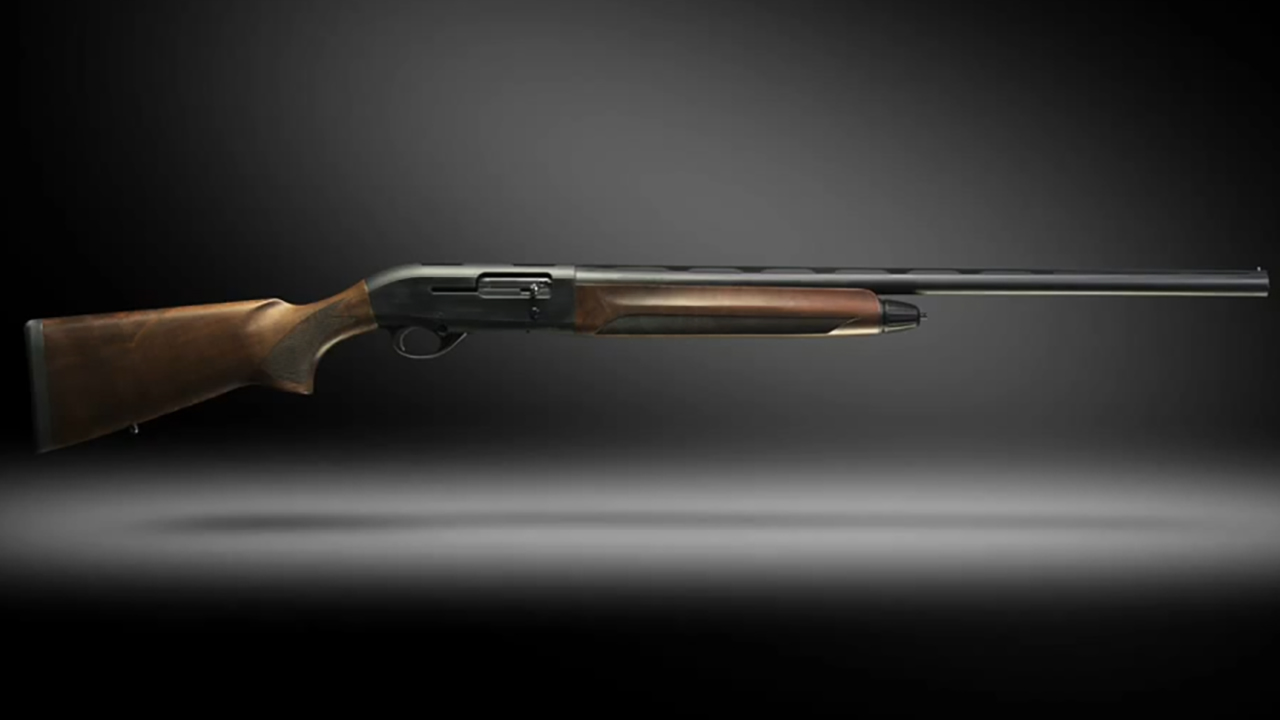
The A300 Outlander took heat from two directions: Beretta loyalists who wanted “more gun,” and budget shoppers who thought any semi-auto at that price should be flawless forever. Early talk often focused on it being the “cheap Beretta,” like that automatically meant corners were cut in the places that matter. It also wasn’t marketed with as much flash as some competitors, so it got overlooked.
Then people started putting cases of shells through them at dove fields and clays courses. The A300 tends to run cleanly for a gas gun, recoil is mild, and the overall feel is very manageable for average shooters. It points well, and it doesn’t feel like a two-by-four in the hands. If you’re a hunter who wants a simple semi-auto that just works without playing the accessory game, the A300 has quietly built a strong following. The old “cheap Beretta” jab doesn’t match what they do in the wild.
15. Beretta A350 Xtrema
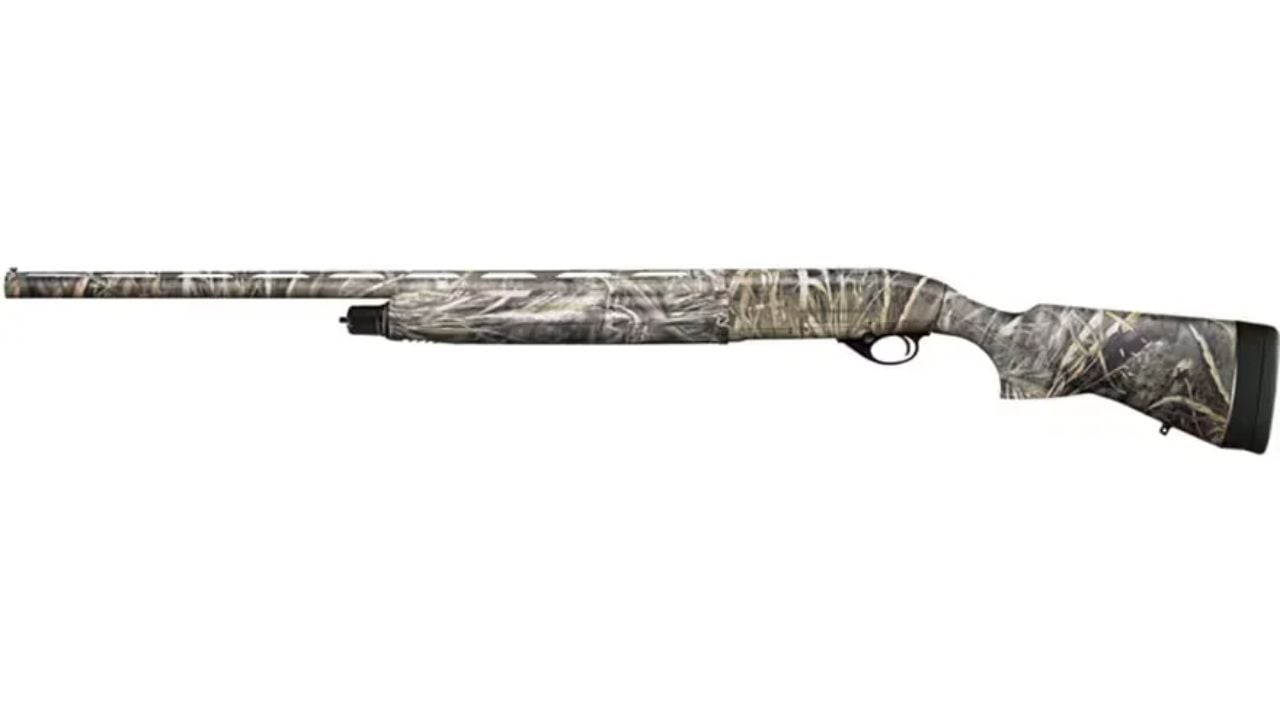
The A350 Xtrema showed up as a “more affordable 3 1/2-inch Beretta,” and that alone got it labeled as second-tier. Some shooters also didn’t love the bulk or the factory furniture, and there were the usual forum complaints about any semi-auto not running someone’s pet load right out of the box. It was easy for critics to lump it into “not a real Xtrema,” even though it was never pretending to be.
In actual waterfowl use, the A350 has earned respect as a tough, soft-shooting magnum-capable gun. It’s not the lightest, but it swings steady in wind and heavy clothing. The action, when kept reasonably clean, tends to be dependable, and it handles nasty weather like a hunting gun should. If you’re honest about what you need—reliability, manageable recoil, and a price that doesn’t sting as bad—the A350 is better than the reputation that still trails it.
16. Franchi Affinity

The Franchi name still gets treated like a “lesser Benelli” by guys who haven’t spent time behind one. Early on, the Affinity also had to fight the idea that it was a lightweight inertia gun that would be picky with lighter field loads. Some of that skepticism is fair with any inertia setup, but the Affinity got dismissed fast in some camps.
What built its better reputation is how well it carries and how naturally it points for a lot of shooters. In upland country, weight matters more than most folks admit, especially after a few miles and a few hills. The Affinity is slim, quick to the shoulder, and generally reliable with decent ammo once it’s broken in. It’s also not a safe queen type of shotgun—owners actually hunt with it, scratch it, and keep going. That kind of real use has a way of correcting old opinions.
17. Weatherby SA-08

The SA-08 didn’t get respect right away because it wasn’t wearing a “traditional” Weatherby image in a lot of minds. A Turkish-made semi-auto with a moderate price tag is an easy target for internet experts. Early talk often centered on it being “just another import” and therefore not worth bothering with. And to be fair, any gas gun in that range needs basic maintenance to stay happy.
But the SA-08 has turned into a sleeper for hunters who want a light, soft-shooting 20-gauge or a versatile 12 that doesn’t cost a fortune. They carry well in the uplands, recoil is friendly, and they tend to be straightforward to live with. If you keep the gas system reasonably clean and don’t ignore worn seals forever, many run for a long time. It’s not a prestige piece, but it’s a good hunting shotgun that got stuck with a lazy label.
18. CZ 1012
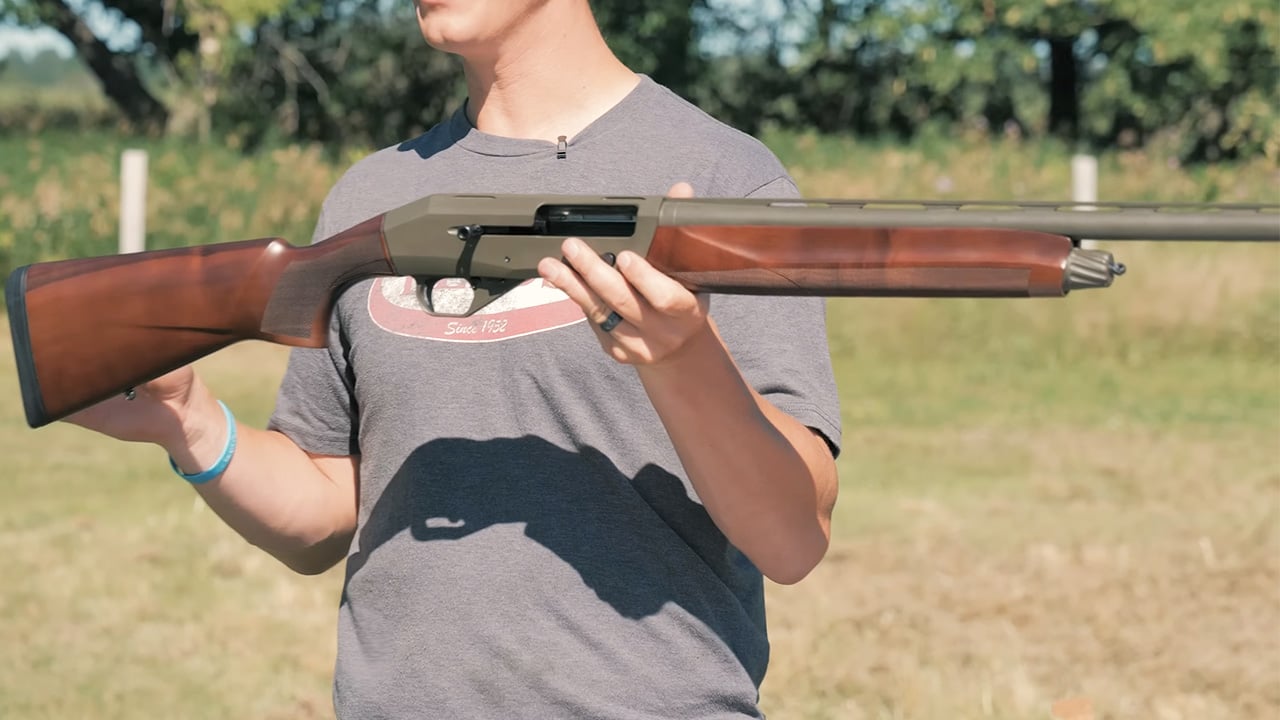
The CZ 1012 entered a market full of skepticism about “value” semi-autos, especially inertia guns at a lower price point. Early adopters always find the sharp edges, and the internet tends to treat every hiccup like a permanent design flaw. The 1012 also had to convince traditionalists that CZ could do a modern semi-auto without it being a science project.
What’s helped the 1012 is simple: a lot of them run, and they do it without asking for much. They’re typically easy to carry, they shoulder quickly, and they’ve ended up in dove fields where a gun either cycles or it doesn’t. Owners also like that chokes and basic support aren’t hard to find, which matters once the new-gun smell wears off. The 1012 isn’t the most refined thing on the rack, but the early “meh” reputation doesn’t match what plenty of hunters have experienced.
19. Winchester Model 1400
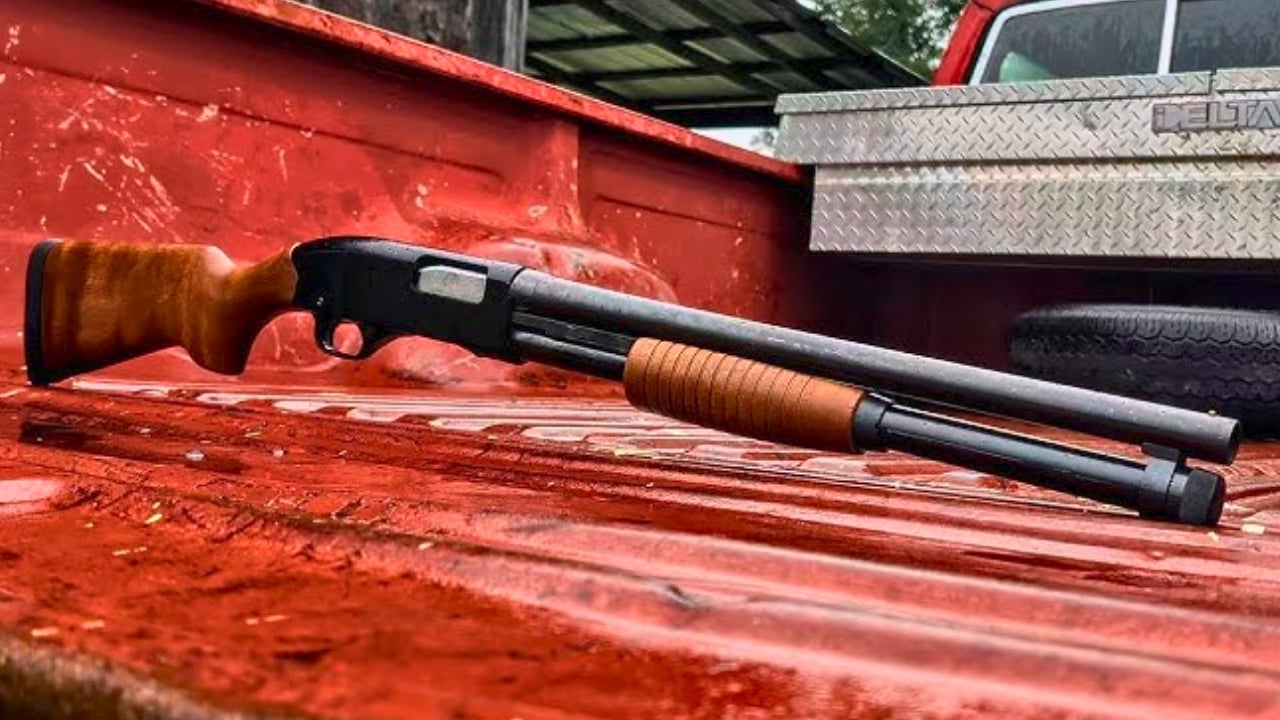
The Model 1400 is one of those older semi-autos that got a reputation for being “finicky” or “not worth fixing.” Some of that came from neglected guns with worn parts and owners who didn’t understand gas systems. When an old 1400 is dirty and under-sprung, it can act up. Then the story becomes that the whole model line is junk, and that’s the end of it.
But a well-kept 1400 can be a surprisingly pleasant shooter. They often shoulder nicely, recoil is mild, and they make great “knock-around” bird guns when you’re not worried about scuffing up a collectible. The better reputation comes from the guys who inherited one, cleaned it properly, ran decent ammo, and realized it still gets the job done. No, it’s not the easiest platform for endless upgrades, but as a field shotgun it can still earn its keep.
20. Remington 1100 (later “they don’t run” rumors)

The 1100 didn’t launch with a bad reputation, but it sure collected one later from folks dealing with worn O-rings, old seals, and guns that hadn’t been maintained in years. Then the chatter turned into “1100s are unreliable” as if the design was the problem instead of decades of hard use and ignored maintenance. Ask me how I know—more than one “broken” 1100 was just dirty and overdue.
When they’re set up right, the 1100 is still one of the smoothest-shooting shotguns ever made for the average hunter. They point well, they swing like a real field gun, and they make high-volume shooting enjoyable instead of punishing. Parts and barrels are still out there, and a lot of gunsmiths know them inside and out. The 1100’s improved reputation comes from shooters rediscovering that “old reliable” often just needs a little care, not a new owner.
If you’ve been around shotguns long enough, you learn to separate a real pattern of problems from a pile of repeated talk. Some of these models had rough spots, no doubt. But plenty of them grew into solid tools, and the hunting field has a way of telling the truth eventually. If you’re shopping, don’t just listen to the oldest opinion in the room. Shoulder the gun, run it if you can, and pay attention to what the owners who actually hunt with it are saying now.
Like The Avid Outdoorsman’s content? Subscribe to our newsletter so you never miss an article.
Here’s more from us: