Photo credit: izzet çakallı/Pexels.com
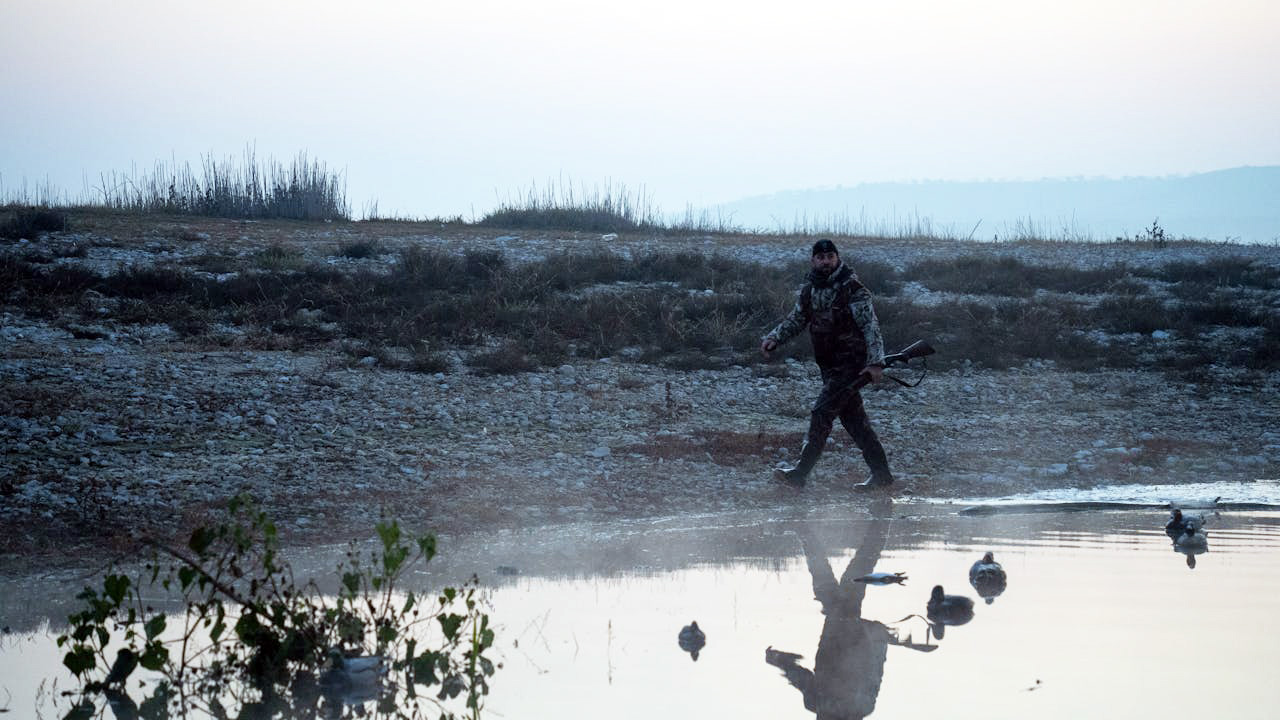
Waterfowl hunting is one of the few games where your “spot” can be perfect and still go dead overnight. Birds change with weather, water levels, crops, pressure, and migration timing—and that’s why the state you hunt in matters so much. The best ones have a mix of flyway traffic, real habitat, and enough access that a normal guy can still get on birds without paying a guide every weekend. Some states are early-season teal factories. Some are late-season mallard grinders. Others shine for divers, geese, or big public marsh systems. These are 15 states that consistently give waterfowl hunters the best shot at quality hunts, year after year, even when conditions get weird. (And yes—duck numbers and migrations do swing, so staying plugged into annual population and harvest reports still matters.)
Arkansas
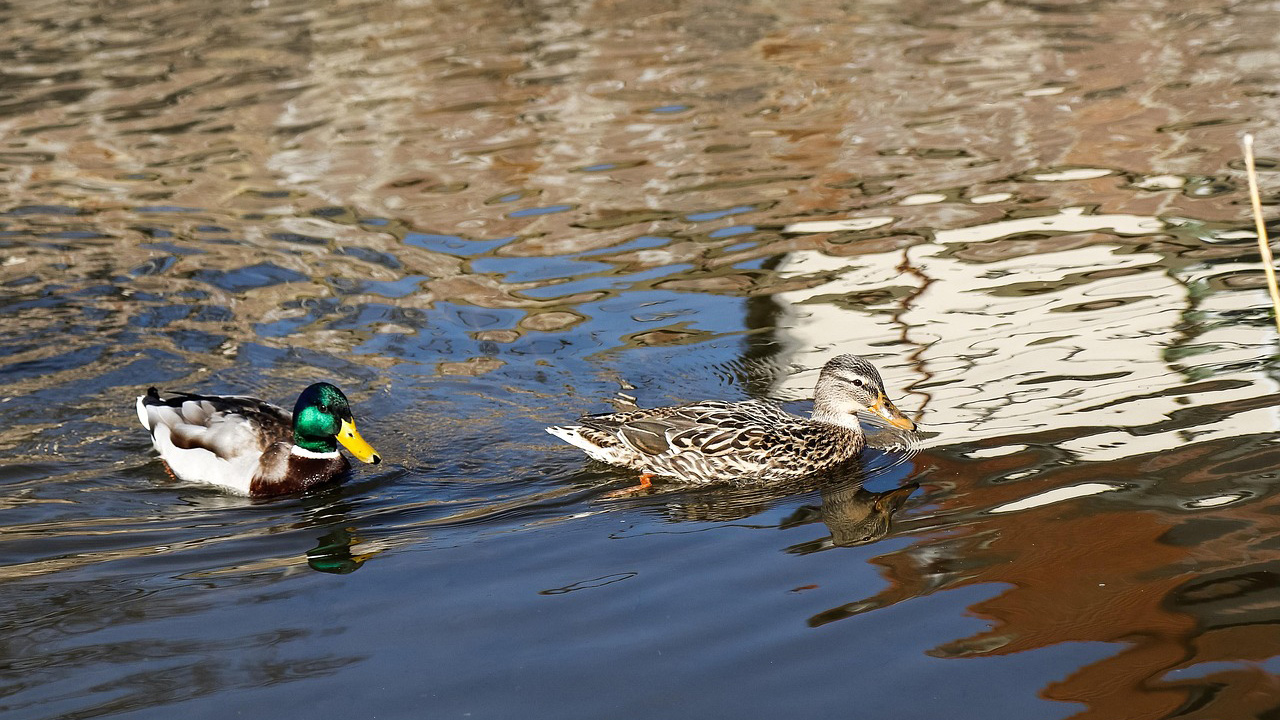
Arkansas is a straight-up waterfowl culture, and it’s earned. When the Mississippi Flyway gets rolling and cold weather starts pushing birds, Arkansas is one of the places that can stack ducks in a hurry—especially mallards and mixed-bag puddle ducks. The Delta habitat, flooded timber, rice fields, and managed public areas create the kind of “food + rest” combo that keeps birds in the state longer when water is right.
The reason Arkansas stays on this list is consistency. Even in years when migration timing is strange, the habitat options let hunters pivot—timber, fields, reservoirs, and big WMA systems. Pressure can be intense and birds get educated fast, but Arkansas is still one of the best bets for classic Mississippi Flyway duck hunting when the front edge of winter shows up. DU regularly highlights the Mississippi Flyway’s major river systems and habitat patterns that benefit states like Arkansas.
Louisiana
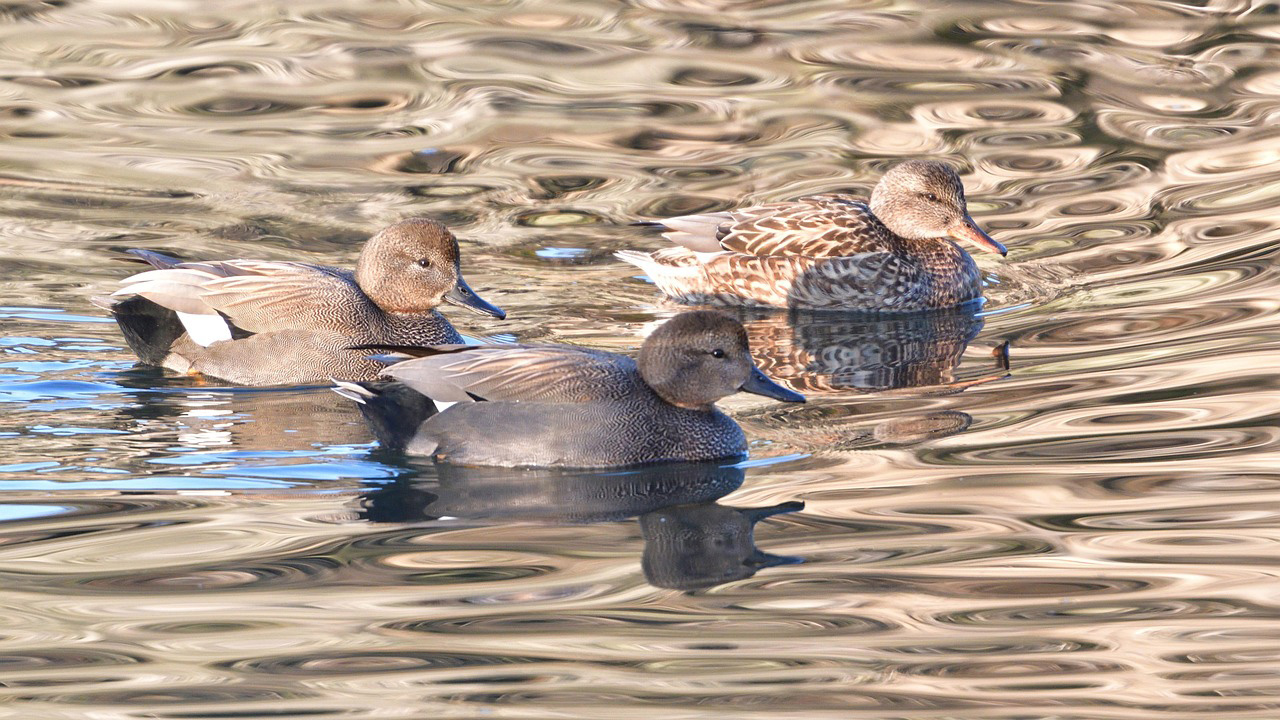
Louisiana can be unbelievable when conditions line up because it’s sitting at the bottom end of the Mississippi Flyway with huge coastal marsh systems, rice country, and wintering habitat that holds birds when the rest of the flyway locks up. It’s not just “go hunt a swamp.” You’ve got teal early, plenty of gadwall, pintails when the weather pushes them, and a strong history of mixed-bag hunting.
The challenge is that water conditions matter here more than almost anywhere. Salinity changes, hurricanes, drought, and marsh loss can shift where birds concentrate. But when there’s good water and food in the right places, Louisiana can crank. It’s also a state where you can hunt everything from big open marsh to tight bayous, which gives you options when birds get pressured. Annual harvest and activity reporting exists for all flyways—including states like Louisiana—so you can see the big picture trends.
Mississippi
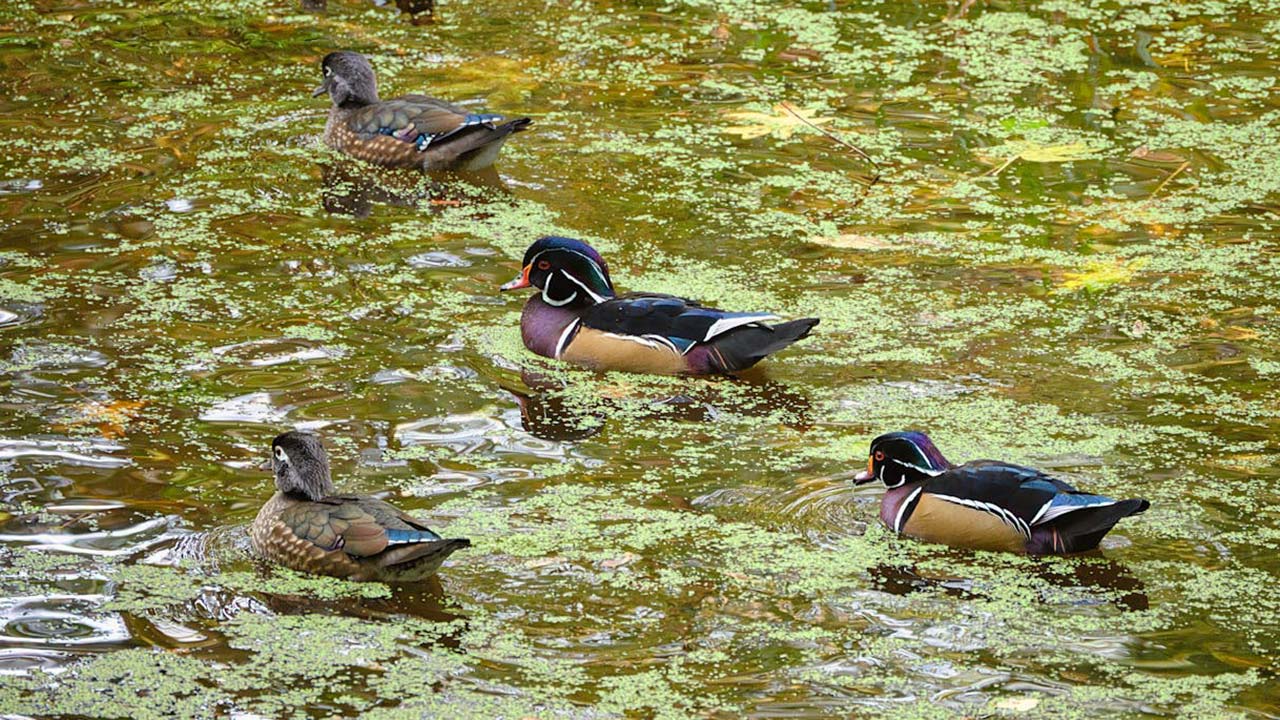
Mississippi is one of those states that doesn’t always get the hype Arkansas gets, but it quietly produces when flyway conditions are right. Between river systems, backwater habitat, agricultural fields, and managed areas, Mississippi gets a steady push of birds and holds a lot of wood ducks and other species that ride those big river corridors.
A big part of Mississippi’s strength is diversity. You’ve got wood duck action, you can hit flooded timber-style setups in the right places, and you can chase birds on rivers and oxbows when fields go dry. It’s also a state where local knowledge pays off because birds can shift quickly with water. DU points out how Mississippi Flyway habitat and riverine systems drive strong wood duck harvest patterns in states in this region.
Missouri
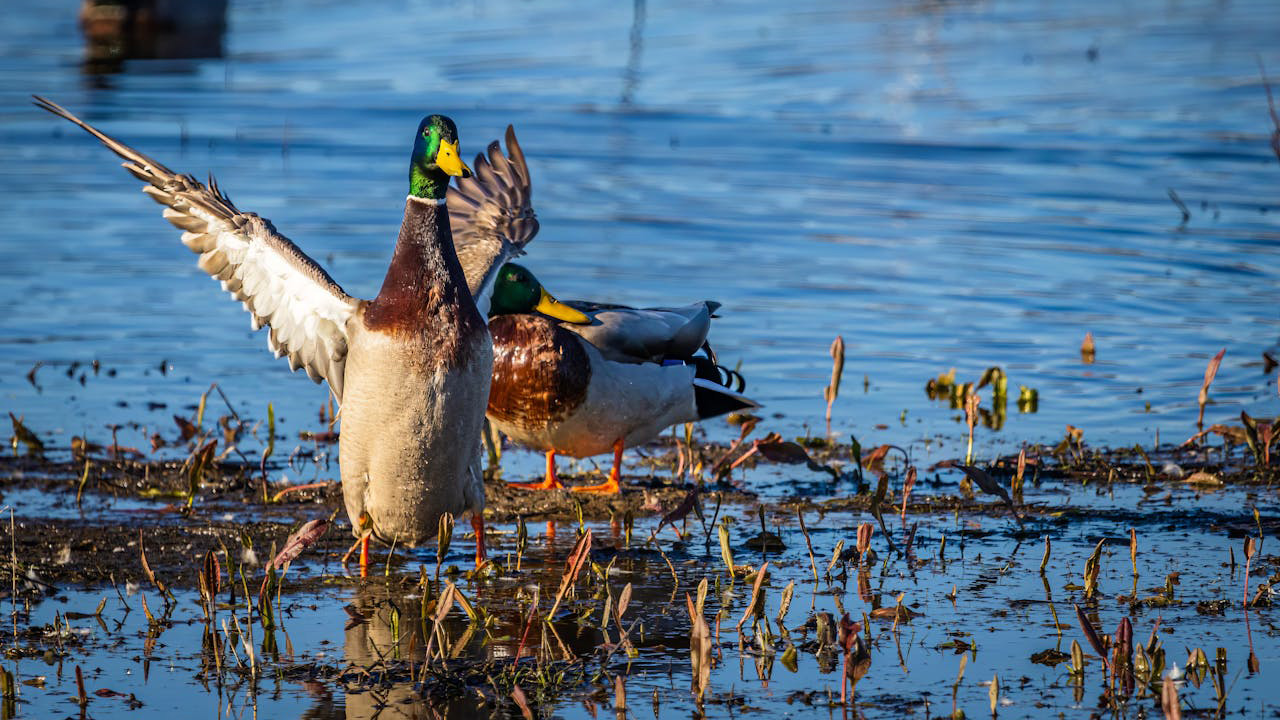
Missouri sits in a sweet spot where migration funnels through and birds stop to feed, rest, and stage—especially when weather up north finally flips the switch. If you talk to serious duck hunters, Missouri is always in the conversation because it can be a grinder one week and absolutely loaded the next. When the big pushes come, it’s one of the states where you can see the “flood of ducks” effect in real time.
Missouri’s also got a strong mix of habitat types—big river systems, managed wetlands, and agricultural ground that holds birds if it’s flooded at the right time. The pressure can be heavy, and you’ll need to stay mobile and adapt, but that’s the case in every top state now. As part of the Mississippi Flyway, Missouri benefits from the flyway’s overall share of U.S. duck harvest.
North Dakota
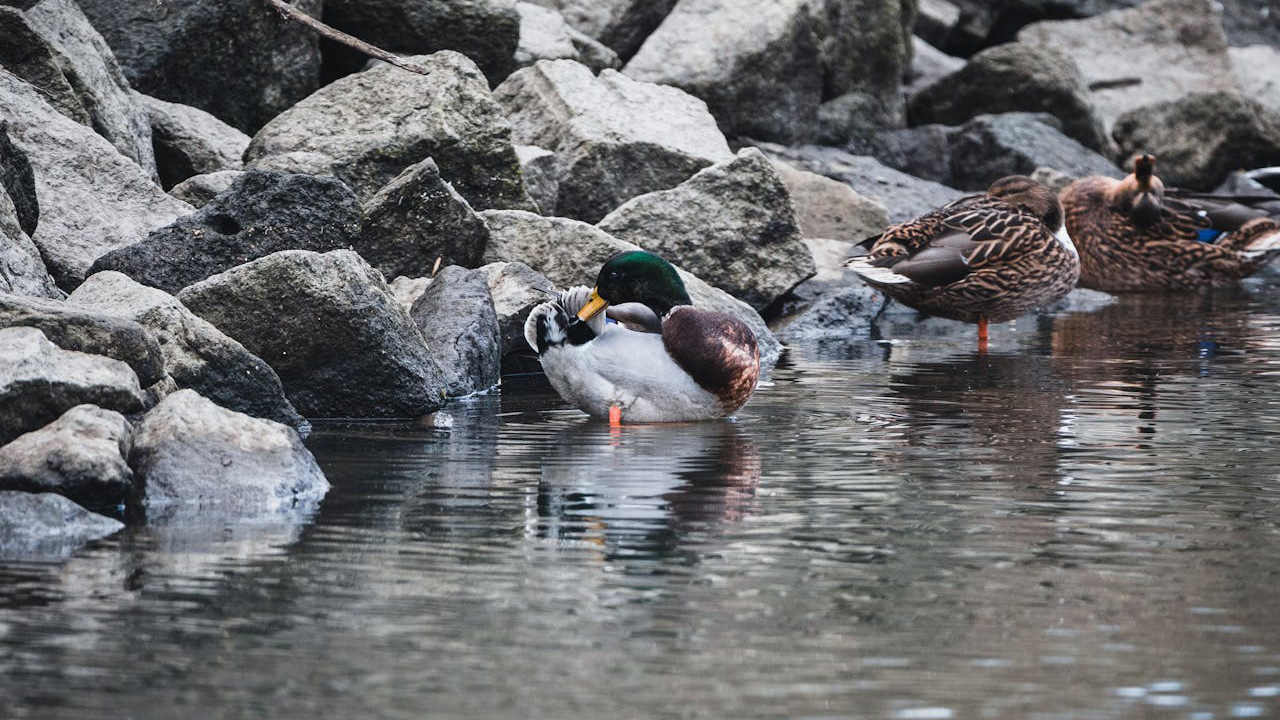
If you want to understand why ducks exist in the numbers they do, look at North Dakota. The Prairie Pothole Region is the engine room for a ton of North America’s breeding ducks, and North Dakota sits right in that world. That matters for hunting because early season can be excellent—local birds, staging birds, and a strong mix of species before migration really gets rolling.
North Dakota also gives you that “big sky” waterfowl feel—potholes, fields, and a lot of opportunity to hunt birds that haven’t been pressured for months. Weather can change everything fast, and drought years can shift water distribution, but when habitat is good, North Dakota is hard to beat. Annual waterfowl population status reporting tracks those breeding conditions and production signals that affect what hunters see later in the season.
South Dakota
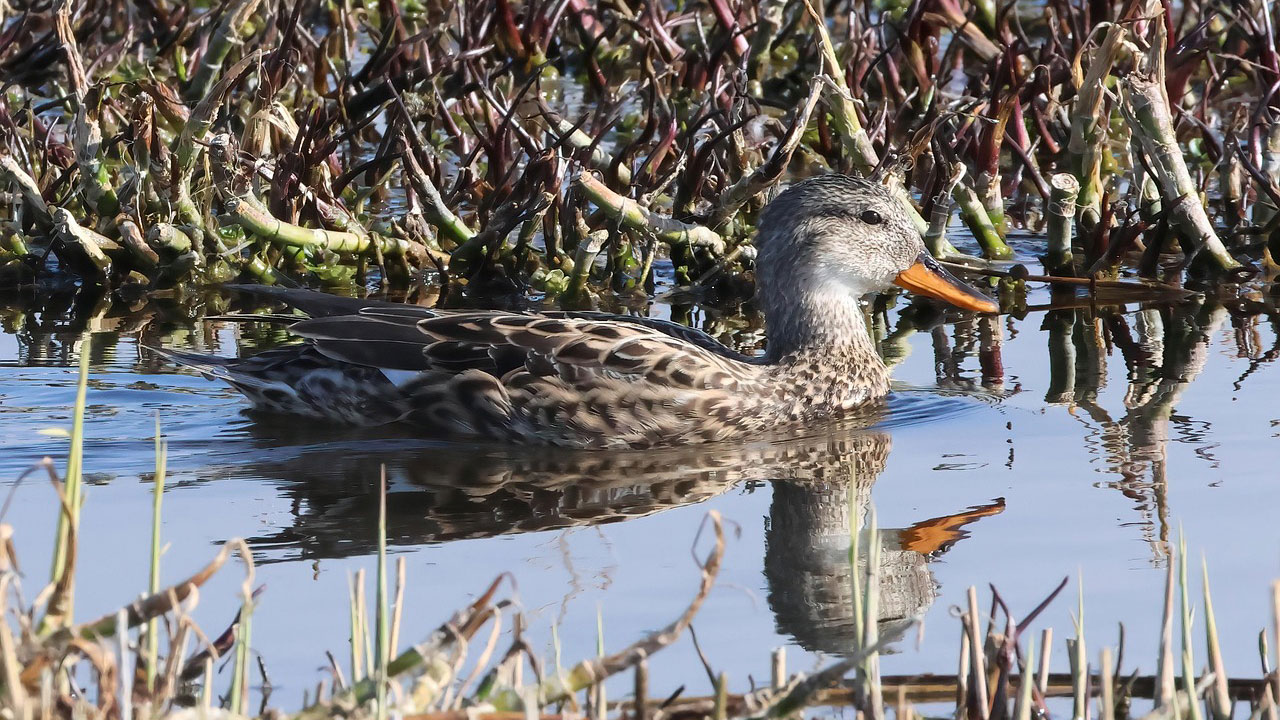
South Dakota is a workhorse state for waterfowl because it’s got the habitat mix that keeps birds around: potholes, river systems, crop fields, and a ton of “stopover country” that ducks and geese use during migration. Early season can be strong with local birds, and later season can shine when weather pushes birds down and they stage in big numbers.
South Dakota is also a sleeper for goose hunting in the right areas—big feeds and predictable travel lines if you can get permission or find solid public options. The reason it belongs on this list is consistency across years: even when one region is dry, another region often has water. If you’re willing to scout and not get married to one spot, South Dakota regularly produces the kind of hunts that keep people coming back.
Minnesota
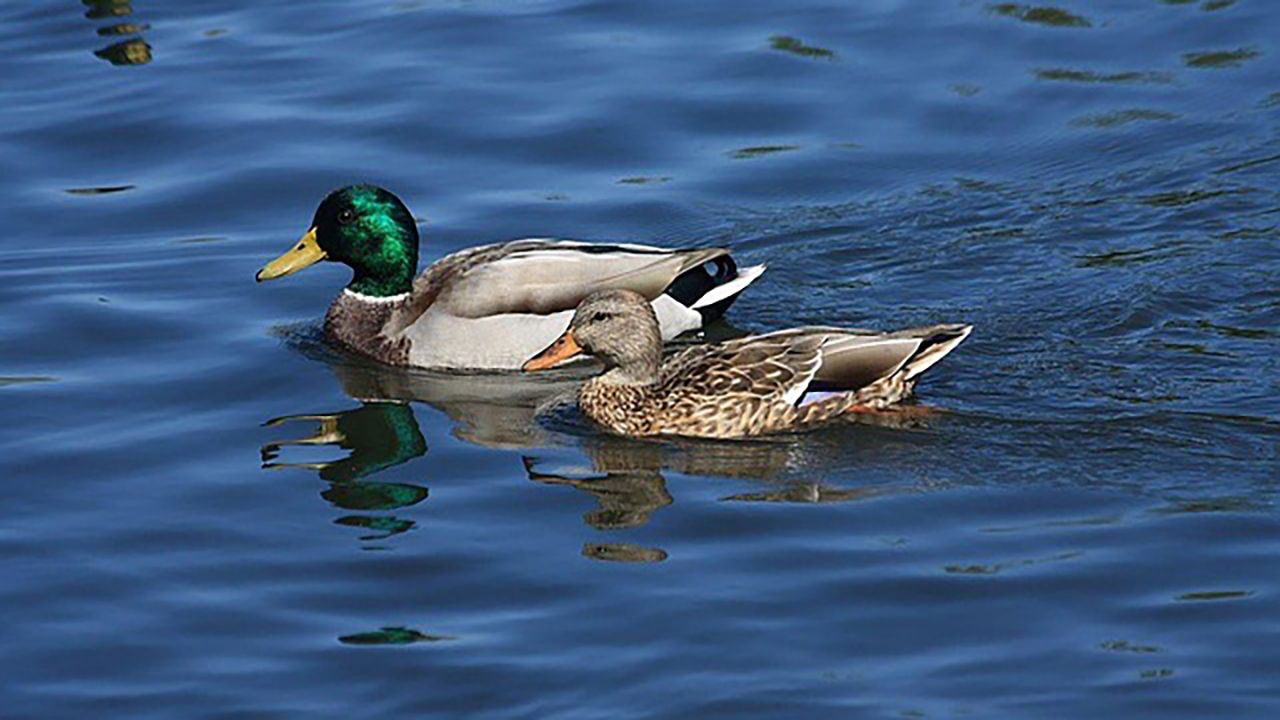
Minnesota is a real-deal duck state that doesn’t always get the national spotlight it deserves. It’s loaded with wetlands, timber, and water, and it sits in a position where it produces and holds a lot of birds—especially wood ducks early and through migration. If you hunt Minnesota, you learn fast that “local birds” can mean great hunting even before the big pushes.
Minnesota also benefits from river corridors and the northern habitat that stages birds as they move south. DU notes that Mississippi Flyway states like Minnesota have averaged some of the largest wood duck harvests over long time periods, which matches what hunters see on the ground. That doesn’t guarantee easy hunts—pressure is real—but Minnesota has enough water and cover that you can still find birds if you do the work.
Wisconsin
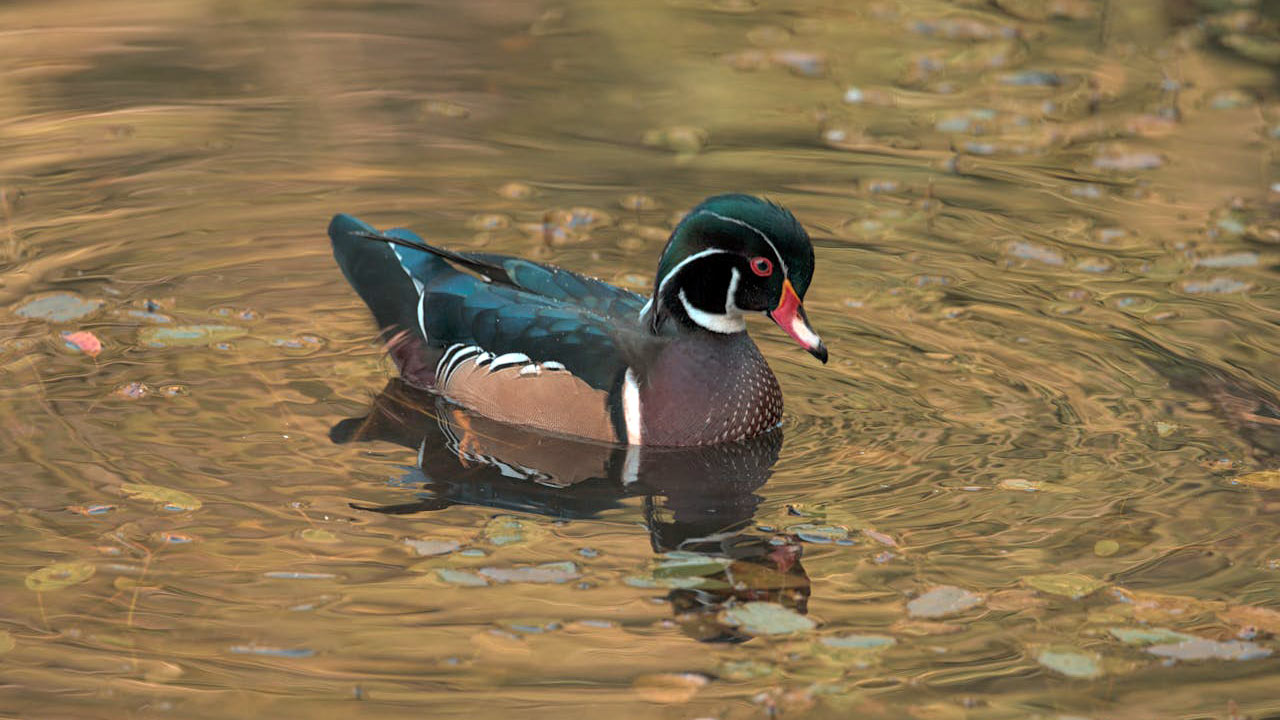
Wisconsin is another Mississippi Flyway state that consistently gets overlooked by people who only talk about the “famous” duck states. But Wisconsin has serious wetland habitat, timbered water, big river systems, and a strong wood duck story that shows up in harvest patterns year after year. It also sits in a location where birds stage and move through depending on freeze-up and weather timing.
A big part of Wisconsin’s strength is that it offers multiple styles of hunting—small marsh potholes, rivers, big water, and fields for geese. That variety matters when conditions change quickly. DU points out that Wisconsin has been among the states with the largest wood duck harvest averages over long spans, which tracks with how strong that early-to-mid season can be.
Texas
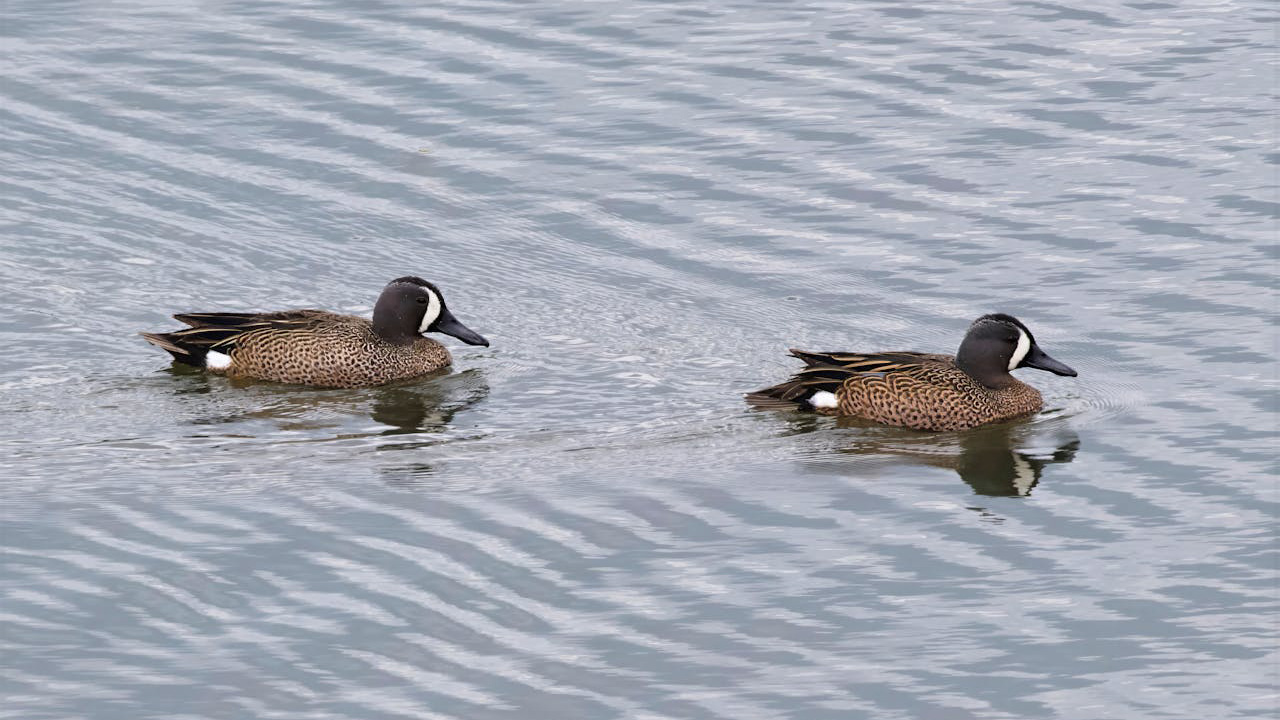
Texas is a waterfowl giant because it’s big, it’s diverse, and it can hold birds for a long stretch of the season when habitat is right. You’ve got the Gulf Coast, rice country, reservoirs, and wintering habitat that supports everything from teal to big ducks and geese. Texas also shines in early opportunities—especially teal—though seasons and lengths can adjust based on survey-driven frameworks and population signals.
The other reason Texas stays on the list is options. You can hunt coastal marsh, tanks and stock ponds, flooded ag, and big water. In dry years, you may have to hunt smarter and follow water, but that’s the game everywhere now. If you want a state where you can plan multiple trips with different styles of hunting and still be in the right flyway action, Texas belongs near the top.
California
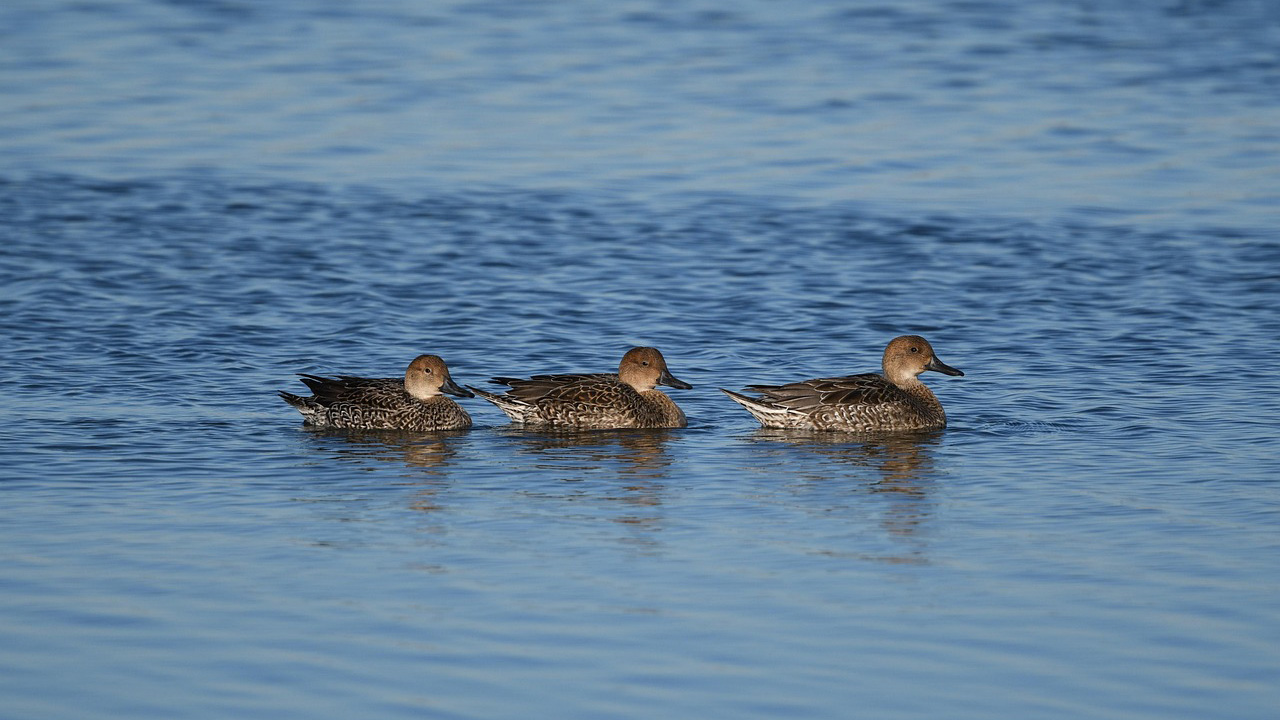
California is a Pacific Flyway heavyweight, and anyone who’s hunted the big refuge systems knows it can be lights-out when conditions line up. The Central Valley is one of the most important wintering areas on the flyway, and it pulls in huge numbers of ducks and geese when northern weather pushes birds down. If you like big mixed bags and strong migration pulses, California is a serious player.
The challenge is pressure and access. Some of the best hunting is tied to refuges, draw systems, clubs, and private ground. But even with those hurdles, California’s combination of flyway position and habitat still makes it one of the best duck states in the country. Pacific Flyway destination coverage regularly highlights California’s role alongside other West Coast harvest heavyweights.
Oregon
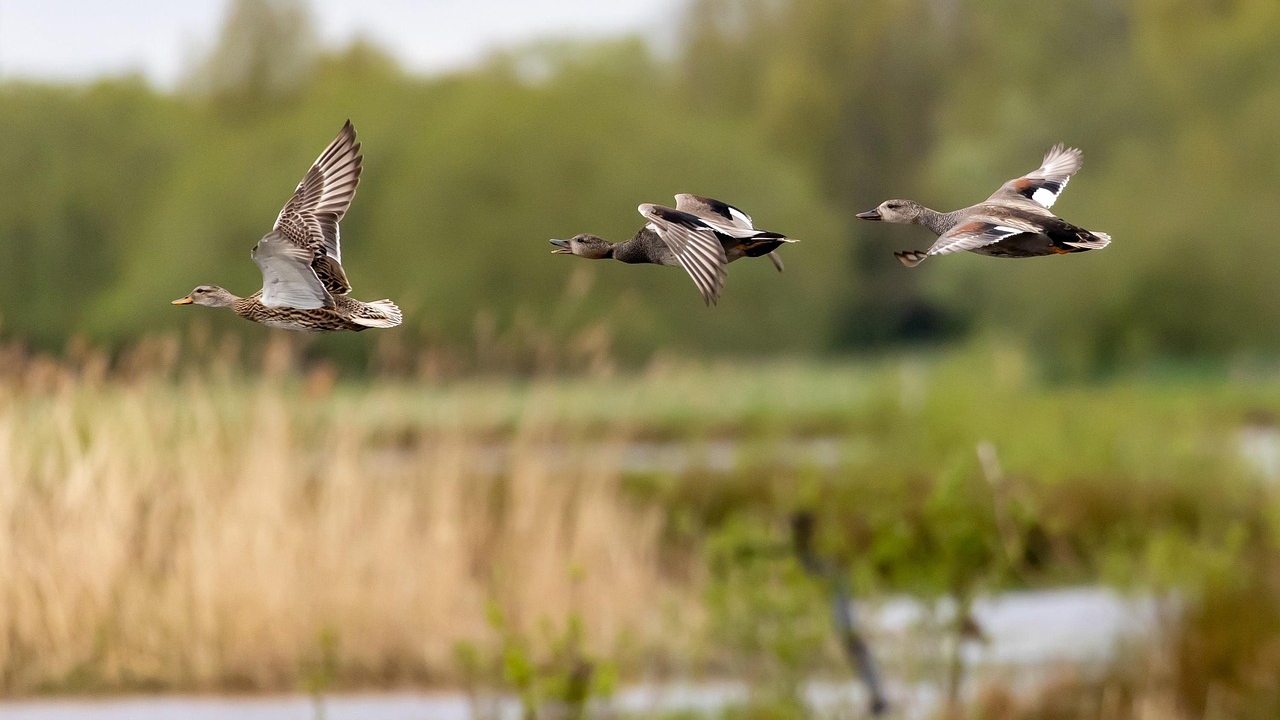
Oregon is one of those states that doesn’t get talked about enough until you actually hunt it. It sits between Washington and California—two big Pacific Flyway anchors—and it offers a strong mix of coastal bays, river systems, valley agriculture, and high desert water that can hold birds depending on weather and freeze-up patterns.
Oregon shines for hunters who like adapting. If the valley is slow, you can pivot. If coastal weather pushes birds, you can adjust. It’s also a state where you can build a season around geese and ducks without needing one perfect week. Pacific Flyway destination breakdowns regularly include Oregon regions as top places to hunt on that flyway, which matches how consistent the opportunity can be.
Washington
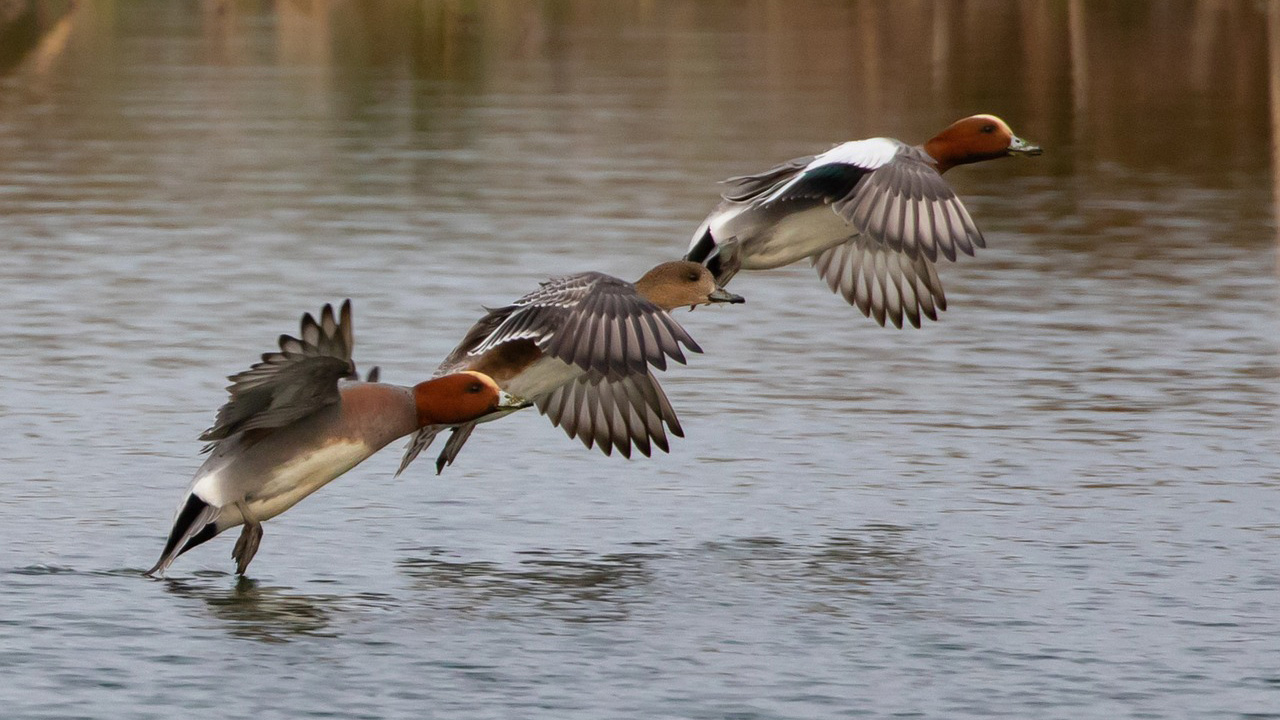
Washington is another Pacific Flyway state that produces more birds than many outsiders realize. From coastal water to eastern ag ground, Washington offers a mix of sea ducks and puddle ducks, plus strong goose opportunities in the right zones. It’s also positioned to catch birds moving down from British Columbia and the northern flyway regions when weather turns.
The variety is a big reason Washington makes the list. You can hunt big water, marsh, fields, and river systems depending on where you live and what you want to chase. The biggest obstacle is usually competition and learning the access puzzle, especially in popular public areas. But if you commit to scouting and you’re willing to move when birds shift, Washington can deliver serious Pacific Flyway hunts.
Idaho
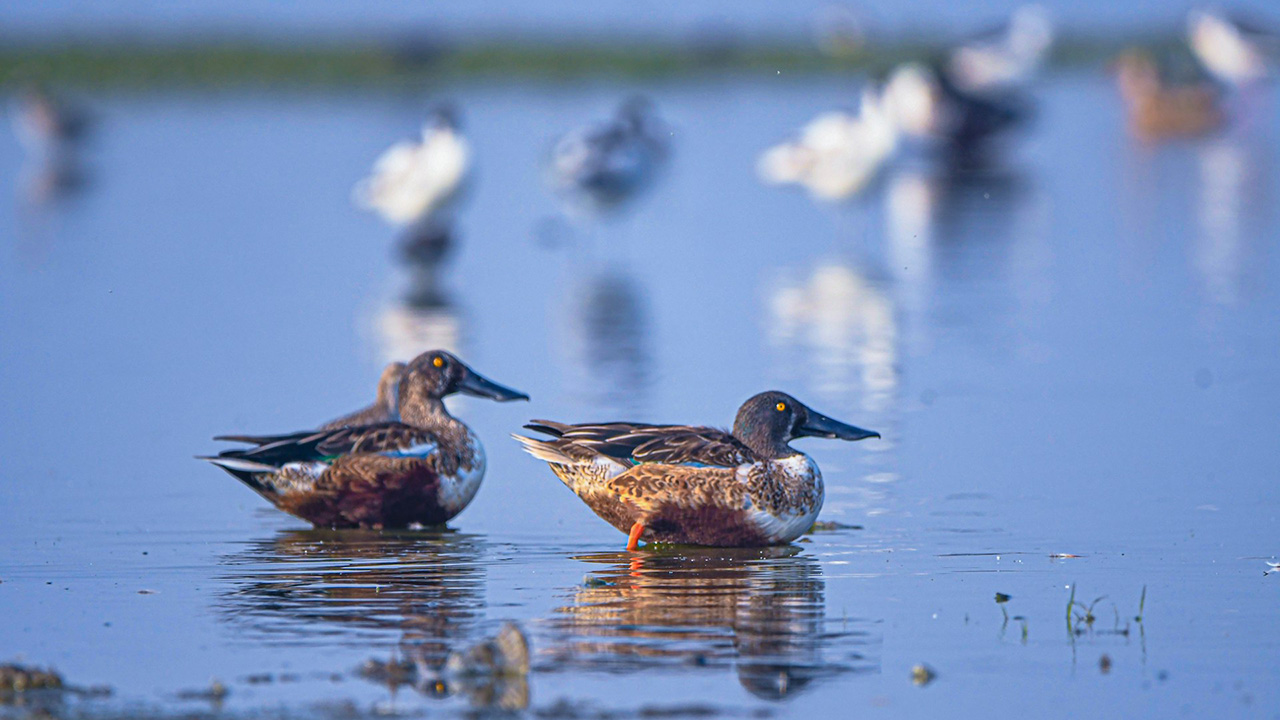
Idaho doesn’t get the same “duck destination” reputation as coastal states, but it’s a strong state for the hunter who wants space, less chaos, and solid migration movement. River corridors, reservoirs, and agricultural pockets can hold plenty of ducks and geese, and some areas can be surprisingly consistent when birds are moving.
Idaho is also a state where you can get away from crowds if you’re willing to explore. That matters because pressure ruins hunts faster than almost anything. If your style is scouting backwaters, hunting river bends, or setting up on a quiet feed, Idaho can be a really satisfying place to hunt. And because it’s tied into Pacific Flyway movement and interior migration patterns, you’re not just hunting locals—you can catch real pushes depending on weather.
Louisiana (Coastal teal emphasis)
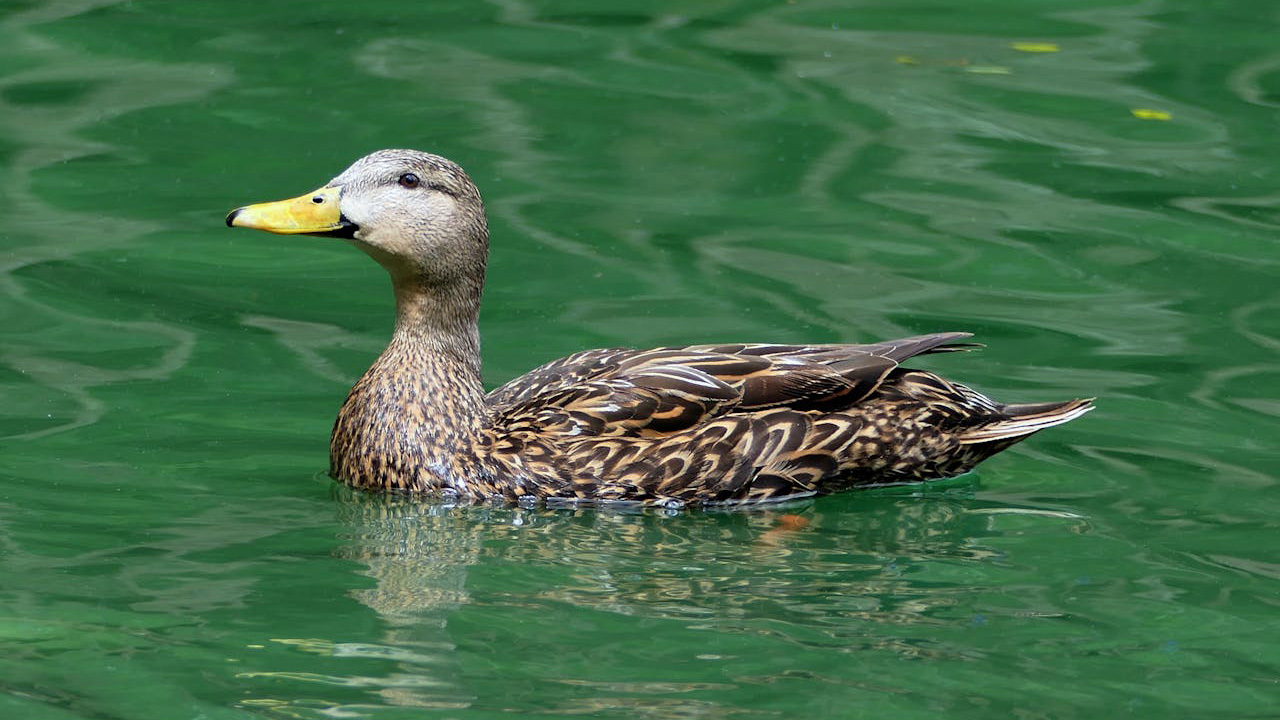
Yes, Louisiana already showed up, and I’m calling it out again for one specific reason: early season teal hunting can be flat-out special. When teal are moving and the marsh conditions are right, Louisiana can feel like the best waterfowl state in the country for that window. That early season action is a huge reason many hunters build an annual trip around the Gulf Coast.
Teal hunting is also one of the most weather-sensitive games there is—storms, wind direction, and water levels can change everything overnight. But the state’s habitat and location keep it relevant even when other places are still waiting on migration. Survey-driven regulation frameworks can impact season structure in flyways (and that’s worth tracking), but the Gulf Coast remains a major stage for early migrants.
Maryland
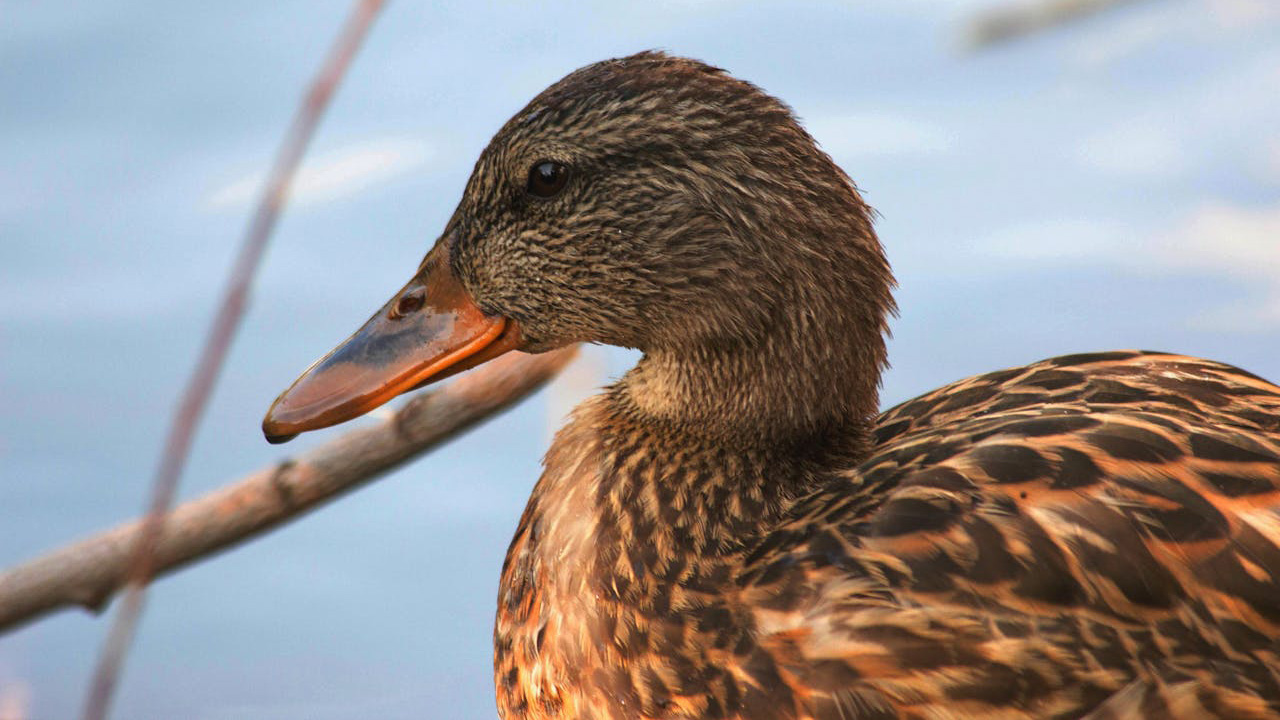
If you want Atlantic Flyway waterfowl heritage, Maryland is one of the first states you mention. The Chesapeake Bay region is famous for divers and sea ducks, and when conditions line up, Maryland can offer the kind of classic big-water hunting that’s a completely different animal from field hunts and flooded timber. You’re talking scoters, canvasbacks, and other birds that make people travel.
Maryland’s strength is also what makes it hard: big water demands gear, safety, and experience. But for hunters who are set up for it, the opportunities are real and the tradition is deep. Atlantic Flyway harvest reporting and broader destination coverage routinely treats the Chesapeake region as a cornerstone area for certain species and styles of hunting.
Like The Avid Outdoorsman’s content? Subscribe to our newsletter so you never miss an article.
Here’s more from us: