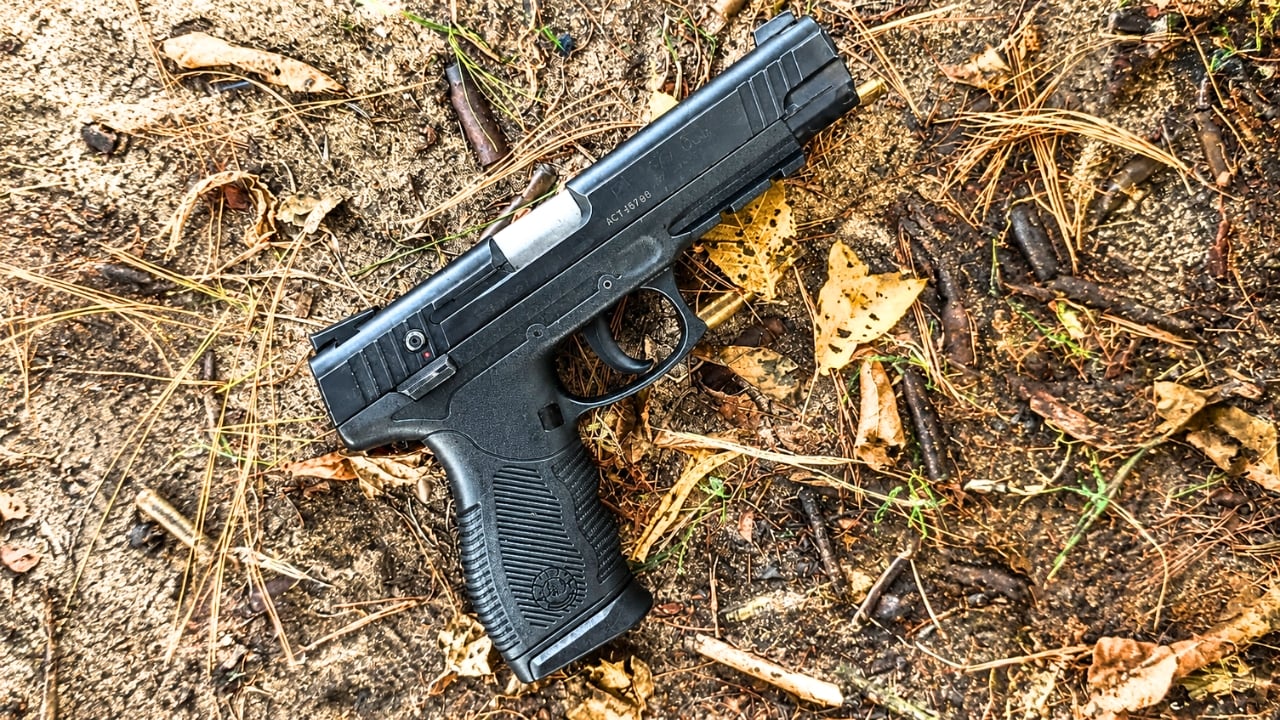
Photo credit: Military Arms Channel/YouTube
Some handguns look fine during the first range session. They pass the basic feel test, run a few magazines, and seem good enough to carry, issue, or recommend. The real truth usually shows up later, after training days, bad weather, duty holsters, cheap practice ammo, worn magazines, and thousands of draws.
That is where certain pistols start losing trust. Maybe they are too fragile, too finicky, too hard to shoot well, or too dependent on perfect maintenance. These are the handguns that can look promising at first, then start making serious users wonder why they ever trusted them.
SIG Sauer P320
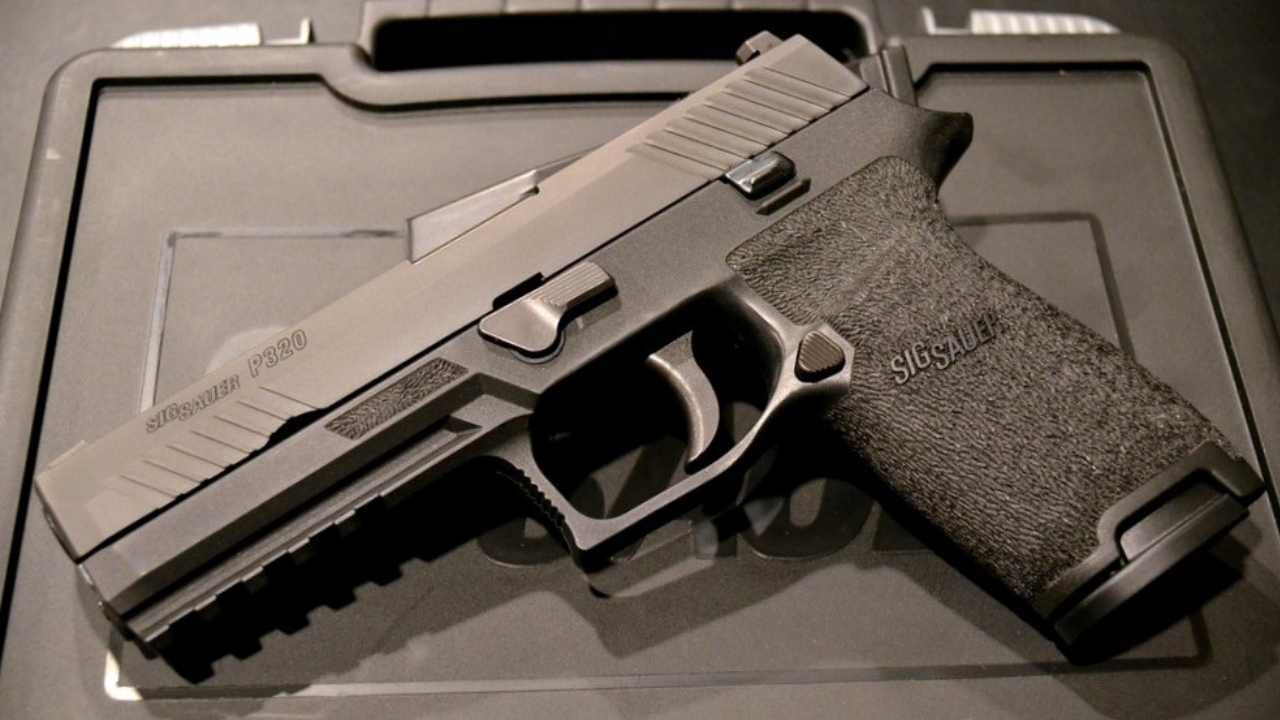
The SIG Sauer P320 is a major service pistol with plenty of fans, but it has also become one of the most debated modern handguns among serious users. Its modular fire-control-unit design, good capacity, and wide adoption made it look like a natural professional choice. For many shooters, it still works well.
The trust issue comes from the baggage around the platform. Drop-safety concerns from earlier years, ongoing controversy, holster-related concerns, and reports of unintended discharges have made some professionals cautious. Even when individual guns run fine, confidence matters. A pistol can be accurate and comfortable, but if users start second-guessing it, trust fades fast.
Springfield Armory XD-S

The Springfield XD-S had a strong following when slim single-stack carry pistols were hot. It gave shooters a small defensive handgun in serious calibers, and the grip safety made some buyers feel like they were getting an extra layer of security. For concealed carry, it looked like a practical option.
After real use, some professionals moved away from it because it was not especially easy to shoot fast or well. The grip safety, snappy recoil, limited capacity, and older single-stack format made it feel dated once better carry pistols arrived. It can still work, but it no longer feels like a pistol many serious users would choose first.
Remington R51
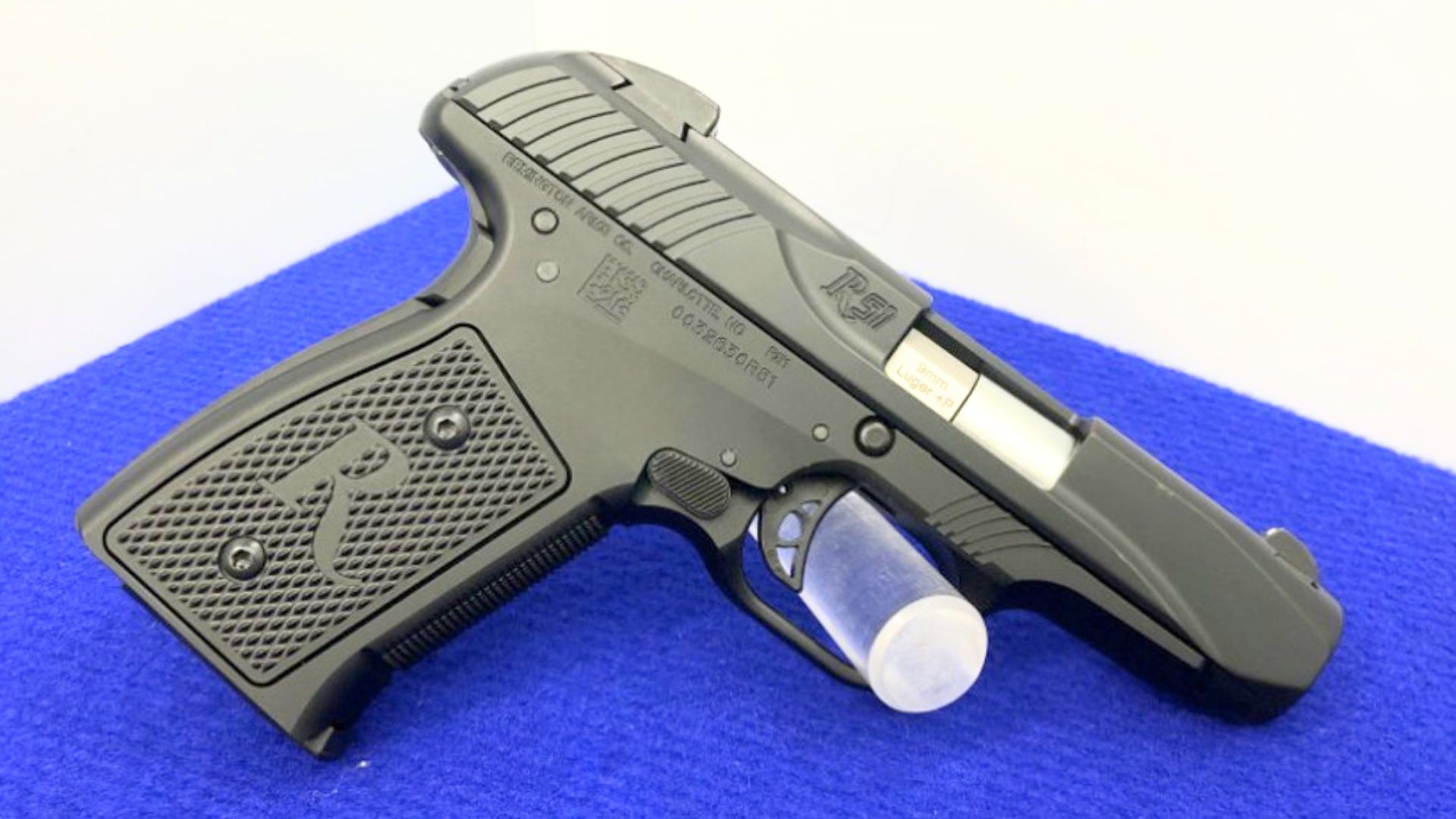
The Remington R51 is one of the clearest examples of a handgun that lost trust almost immediately. It had a cool look, an interesting Pedersen-style action, and the Remington name behind it. On paper, it seemed like a slim carry pistol with something different to offer.
Then the execution ruined it. Early guns developed a reputation for reliability problems, rough function, poor fit, and a general lack of confidence. Even later attempts to improve the pistol could not fully undo the damage. Professionals need boring dependability, and the R51 became the opposite of boring in the worst way.
Kimber Solo

The Kimber Solo looked like a premium micro 9mm before the modern micro-compact boom really took over. It was small, sleek, and had the kind of Kimber styling that made it feel more upscale than many pocket pistols. For carry, it seemed promising.
The problem was that it could be picky. Ammo sensitivity, sharp recoil, and limited shootability made it hard for serious users to fully trust. A defensive pistol that needs the perfect load and perfect conditions is not ideal. Once more reliable micro 9mms came along, the Solo became a gun many professionals were happy to leave behind.
Taurus 24/7
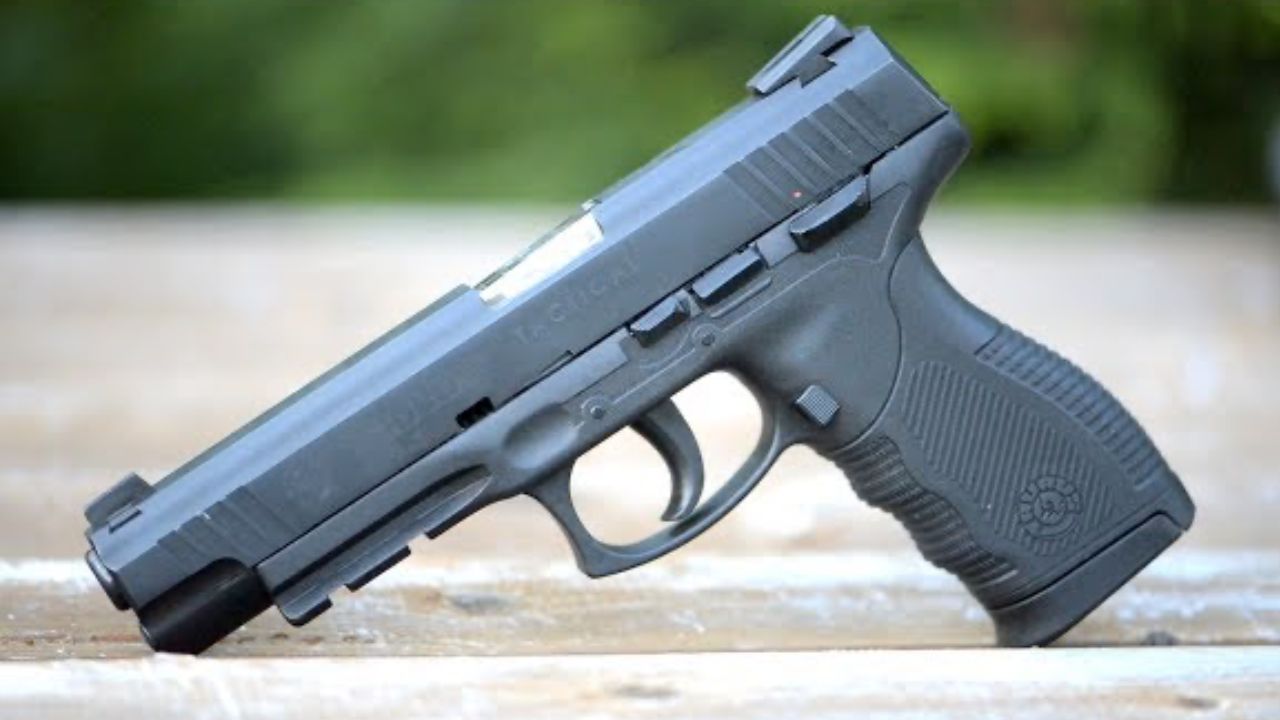
The Taurus 24/7 had the kind of features that made it look competitive during the early polymer duty-pistol wave. It offered good capacity, modern styling, and a price that made departments and budget-minded buyers take notice. At first glance, it seemed like a cheaper way into the striker-fired world.
The long-term confidence never matched the sales pitch. Trigger feel, durability concerns, recall history, and inconsistent quality control hurt its reputation badly. Professionals who need a gun to survive hard use usually do not stay loyal to a platform that raises doubts. The 24/7 is one of those pistols many people tried once and quietly moved away from.
Beretta APX Carry
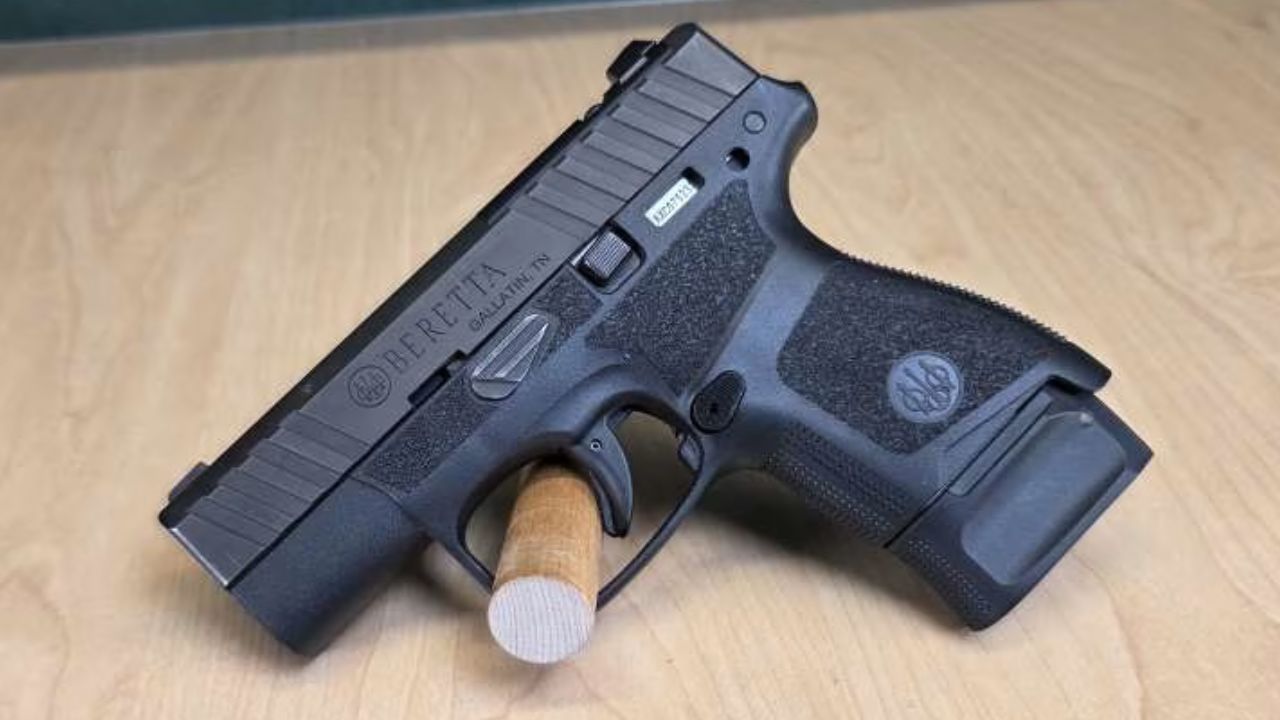
The Beretta APX Carry had the advantage of the Beretta name, but it never earned the same confidence as the company’s full-size service pistols. It was small, affordable, and meant to compete in the single-stack carry space. That should have been enough to give it a real chance.
The issue is that it felt like a compromise instead of a serious professional tool. The trigger, recoil feel, capacity, and overall refinement did not impress many experienced shooters. Beretta makes excellent pistols, but this one never felt like the gun serious users wanted to bet a season of daily carry on.
SIG Sauer P290RS

The SIG P290RS looked like a sturdy little carry pistol from a respected brand. It had a double-action-only trigger, compact dimensions, and the kind of chunky build that made some people think it would be a durable pocket 9mm. It seemed useful for concealed professionals.
Then shooters actually had to live with the trigger and size. It was heavy for what it was, not especially pleasant to shoot, and quickly overshadowed by better slim 9mm designs. The long pull may have appealed to some, but many serious users found it harder to shoot well than newer options. It faded for good reason.
SCCY CPX-2
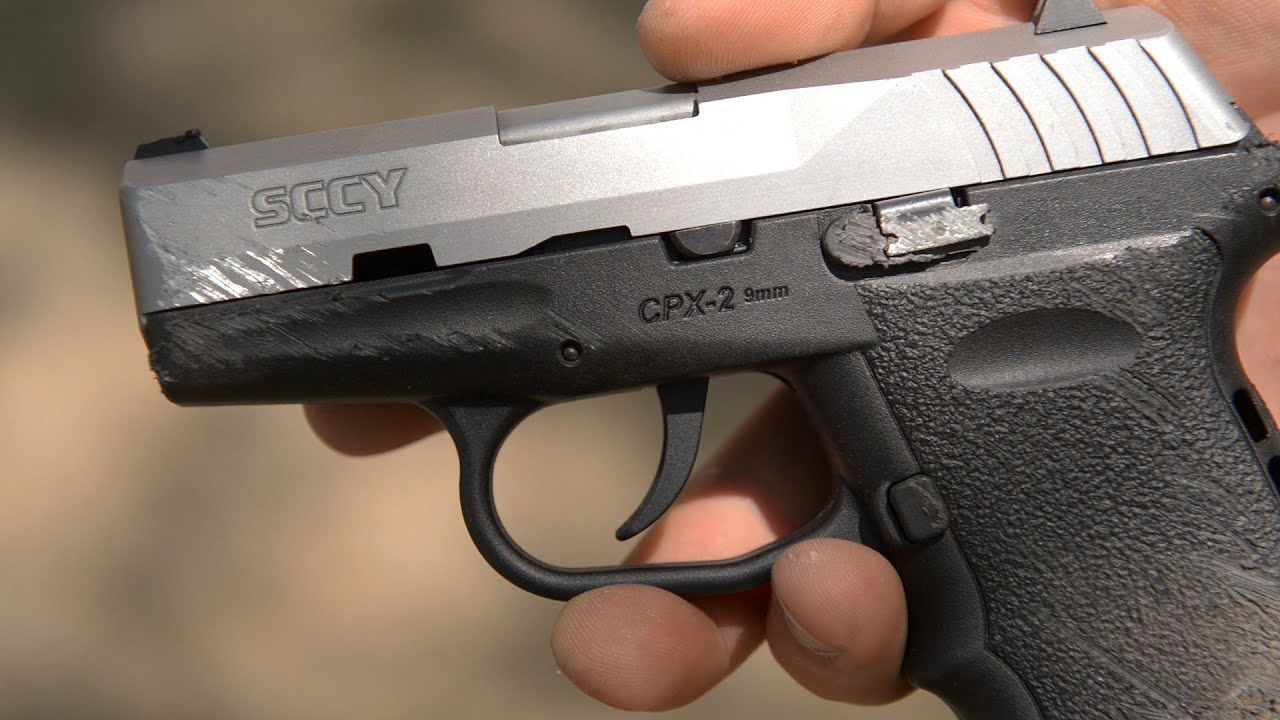
The SCCY CPX-2 is inexpensive, compact, and easy to find, which is why it gets recommended more than it probably should. For someone needing a budget 9mm, it looks like a simple answer. The lifetime warranty also gives buyers some comfort.
Professionals tend to want more than “cheap and covered by warranty.” The long heavy trigger, snappy recoil, rough feel, and inconsistent user confidence make it a poor fit for serious carry. It may serve as a low-budget option, but after real training, many shooters realize they would rather save for something more proven.
Diamondback DB9

The Diamondback DB9 is very small for a 9mm, and that is the main reason it attracted attention. A pistol that disappears in a pocket while firing a serious defensive cartridge sounds useful. Professionals who need deep concealment can understand the appeal.
The problem is that deep concealment comes with heavy tradeoffs. The DB9 is sharp to shoot, difficult to control at speed, and not the kind of pistol most people want to train with often. Some examples have also earned a reputation for being ammo-sensitive or less confidence-inspiring than larger guns. It is easy to carry, but hard to trust as a primary tool.
KelTec PF9

The KelTec PF9 was one of the early affordable thin 9mm carry pistols, and for its time, that mattered. It was light, flat, and inexpensive when many carry guns were either thicker or chambered in smaller calibers. It had a real niche.
But after a season of carry and training, the rough edges became obvious. The recoil was unpleasant, the trigger was not friendly, and long-term durability did not inspire the same confidence as better-built pistols. The PF9 helped show where the market was going, but serious users moved on once stronger options appeared.
Ruger LCP
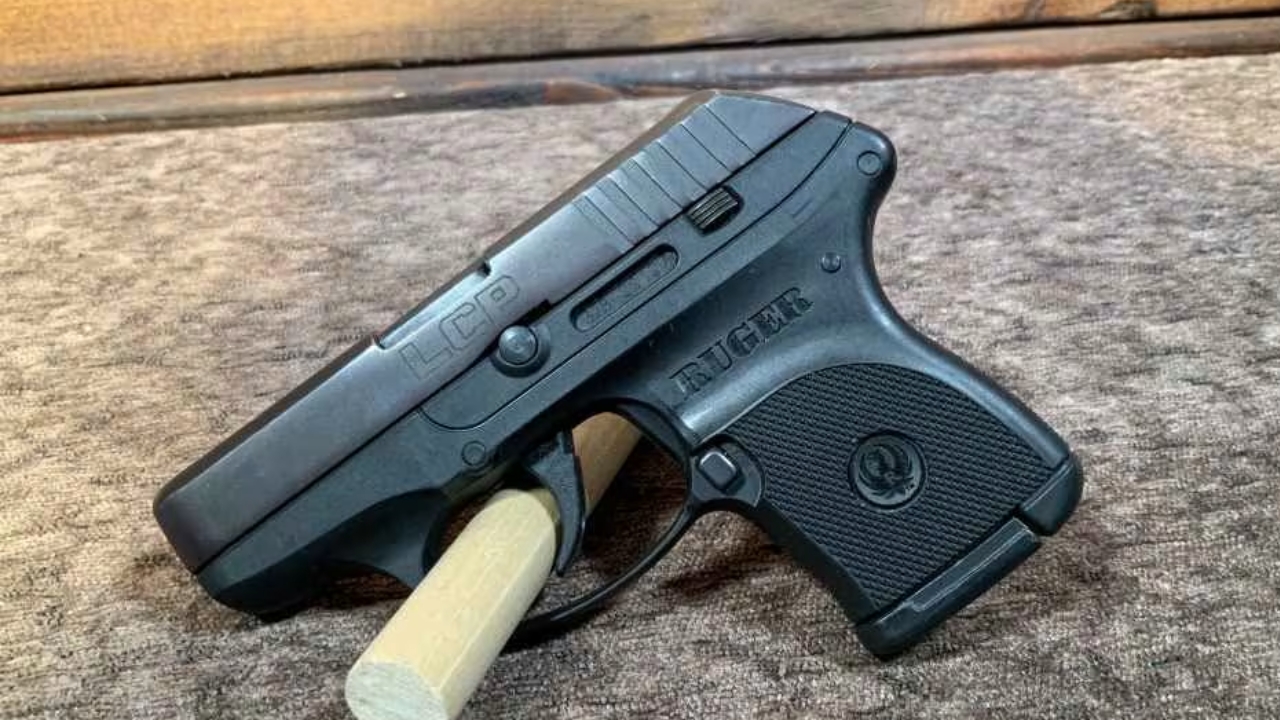
The Ruger LCP is not a bad gun, but professionals often stop trusting it as anything more than a last-ditch pocket pistol. It is tiny, light, and easy to carry when almost nothing else works. That is its strength.
Its weakness is everything that happens when shooting matters. The small grip, tiny sights, limited power, and tough practice experience make it hard to treat like a primary defensive handgun. Many professionals still respect it as a backup, but after a season of trying to use one seriously, plenty decide they want more gun.
Smith & Wesson Bodyguard 380

The Smith & Wesson Bodyguard 380 sells because it is pocketable, simple, and backed by a respected brand. It looks like a sensible backup pistol, especially for people who want something small and light. The built-in laser on older versions also made it seem more capable than it was.
The problem is the shooting experience. The trigger is long, the sights are small, and the pistol takes work to shoot well under pressure. As a backup, it can have a place. As a serious professional carry gun, it often loses trust once users compare it to better small 9mms or more shootable .380s.
Walther CCP

The Walther CCP had a lot of promise because it was designed to be softer shooting and easier to rack than many compact pistols. For people with weaker hands or recoil sensitivity, the gas-delayed system sounded like a smart idea. Walther also has a strong reputation for grip comfort.
The issue is that the CCP never felt as duty-tough as Walther’s better pistols. Early takedown complaints, heat buildup, and mixed reliability reputation made some serious users hesitant. It was comfortable, but comfort alone does not build professional trust. Many shooters who tried it eventually moved to simpler, more proven compact 9mms.
Honor Guard 9mm
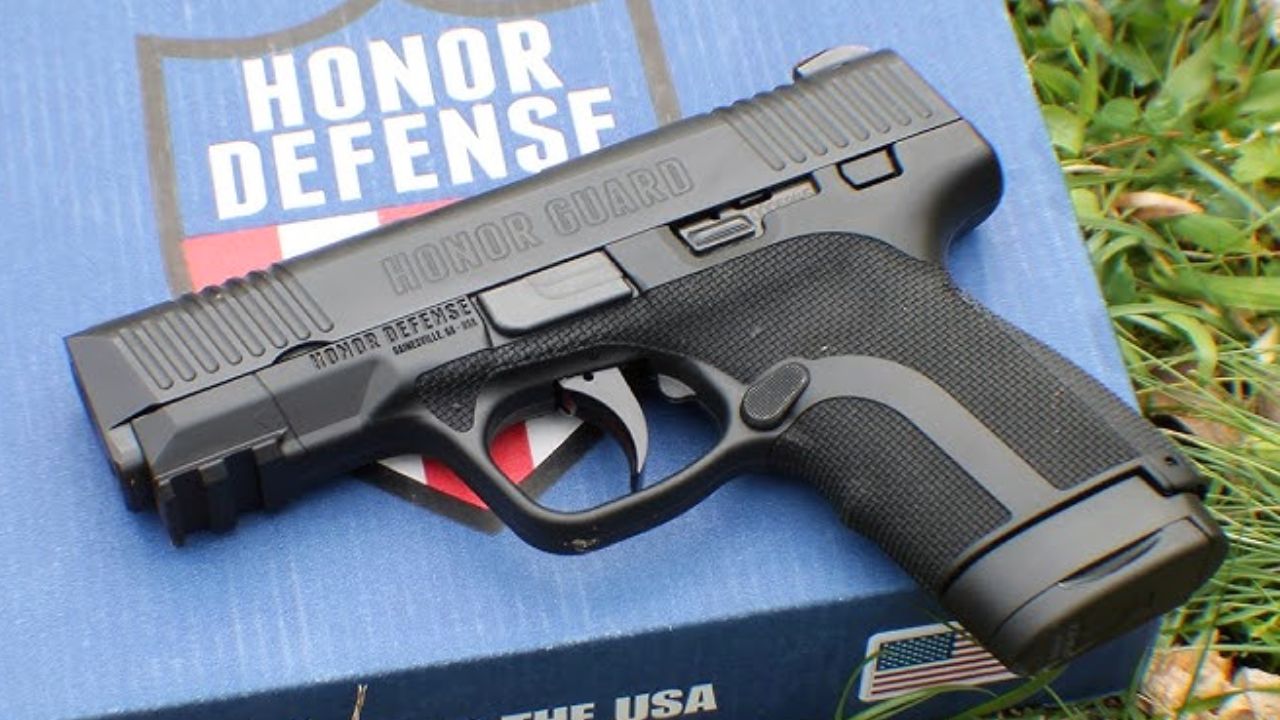
The Honor Guard 9mm appeared during the single-stack 9mm boom and tried to stand out with aggressive styling, ambidextrous controls, and American-made branding. It looked like a serious concealed-carry pistol for buyers who wanted something outside the usual crowd.
The market moved on quickly, and confidence never caught up. Parts support, company stability, and long-term track record matter to professionals. A carry gun is not just the pistol in your hand. It is magazines, holsters, service, and future support. Once that support looks uncertain, serious users stop trusting the platform no matter how good the spec sheet looked.
Kimber Micro 9

The Kimber Micro 9 looks great and carries easily. It has the familiar small-1911-style layout, metal-frame feel, and Kimber cosmetics that appeal to people who dislike plain polymer pistols. On the counter, it feels like a classy little carry gun.
After a season, some serious users decide it is too small, too capacity-limited, and too dependent on clean function to beat better modern options. Tiny single-action carry pistols demand practice, good holsters, and careful handling. When guns like the P365 and Shield Plus offer more capacity with simpler operation, the Micro 9 starts to feel more stylish than practical.
Springfield Armory 911

The Springfield 911 followed the same general small-metal-pistol idea. It looked like a refined pocket carry option with better sights and controls than many tiny pistols. For people who liked the 1911 manual of arms, it made sense at first.
The problem is that a tiny single-action .380 or 9mm-style pocket gun is a narrow tool. Capacity is limited, recoil can still be snappy, and the manual safety requires consistent training. Professionals who carried one for a while often learned that newer striker-fired micro-compacts gave them more capability with fewer quirks.
Beretta Nano

The Beretta Nano was once a serious entry in the slim 9mm carry market. It had a clean snag-free shape, modular chassis concept, and the Beretta name behind it. It seemed like a smart concealed-carry pistol when the category was still developing.
The issue is that it felt too early. The trigger was not especially loved, the grip shape was polarizing, and later pistols simply outclassed it. Capacity, shootability, optics support, and accessory support all moved forward. Professionals who tried the Nano often moved on once better compact carry guns became available.
Taurus Spectrum

The Taurus Spectrum looked like Taurus was trying to make a pocket pistol more modern and approachable. The soft-touch styling, color options, and rounded shape made it seem less harsh than older tiny .380s. It had shelf appeal.
The trust problem came from execution and reputation. A pocket pistol must be extremely reliable because it gives up so much already. The Spectrum never built the kind of confidence serious users want, and the trigger and handling did not help. After a season, many shooters would rather carry a more proven LCP Max, Glock 42, or small 9mm.
Remington RM380

The Remington RM380 was not as disastrous as the R51, but it still struggled to earn serious long-term trust. It was a small metal-frame .380 based on an older design, and it looked like a reasonable pocket gun for people who wanted something heavier than a polymer micro.
The problem was timing. By the time shooters were comparing pocket pistols, the RM380 did not offer enough to stand out. It had limited capacity, a small-gun trigger, and the Remington handgun reputation working against it. Professionals tend to choose guns with strong support and proven staying power. The RM380 never got there.
Colt Mustang Pocketlite

The Colt Mustang Pocketlite has charm, no doubt. It is light, small, and tied to the Colt name, which makes it attractive to people who like classic pocket pistols. It feels more refined than many bargain .380s.
But charm does not always equal trust. The single-action manual of arms, limited capacity, small controls, and age of the design make it less appealing for serious modern carry. Professionals who actually train hard often find that newer micro 9mms and modern .380s give them better capability with fewer compromises. The Mustang is neat, but not something everyone keeps trusting after daily use.
Like The Avid Outdoorsman’s content? Be sure to follow us.
Here’s more from us: