Photo credit: SPN Firearms/YouTube
Cheap handguns are tempting for obvious reasons. Not everyone has $700 to drop on a pistol, and plenty of buyers just want something that goes bang without draining the bank account. The problem is that “affordable” and “cheap” are not the same thing.
Some budget pistols are good values. Others teach new owners the hard way that saving money up front can cost them in reliability, shootability, confidence, resale value, and frustration. These are the handguns that often make buyers wish they had waited, saved a little longer, and bought something better.
SCCY CPX-2
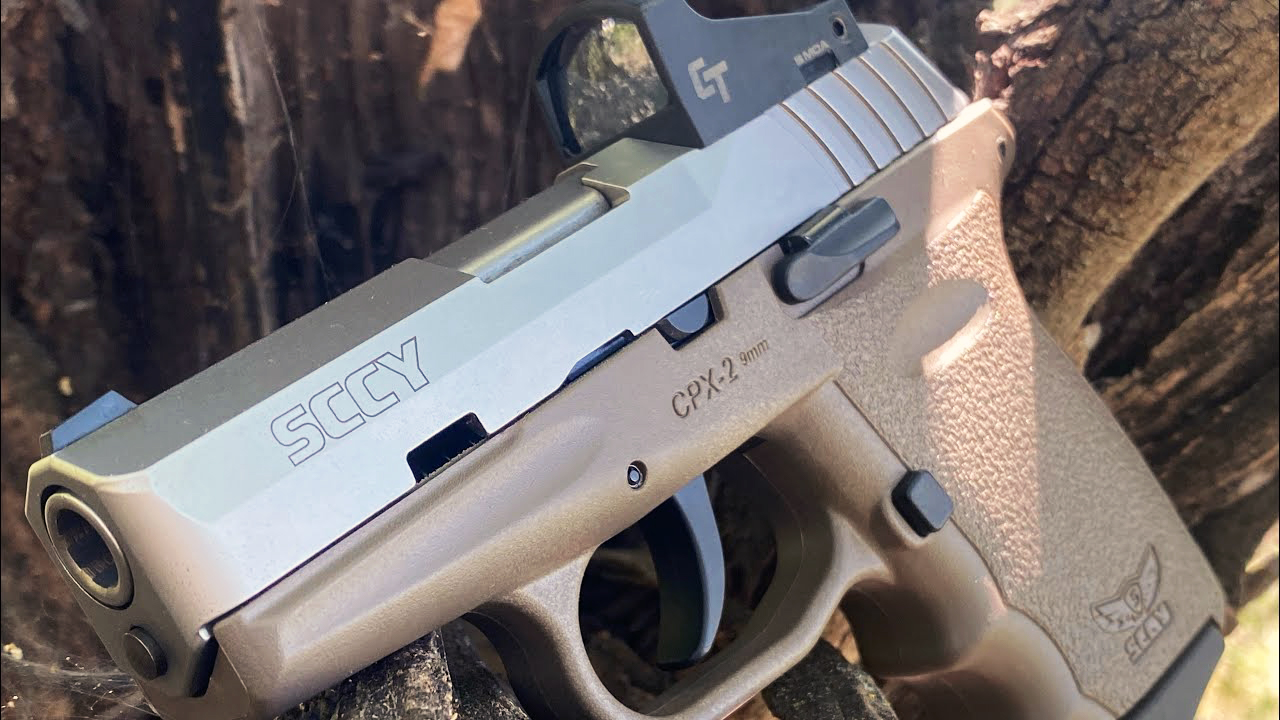
The SCCY CPX-2 pulls in new buyers because it is compact, chambered in 9mm, and usually priced low enough to feel like a smart defensive purchase. On paper, that sounds like a lot of gun for the money. For someone trying to buy their first carry pistol on a tight budget, it can look like an easy answer.
The regret usually starts with the trigger. The long, heavy pull makes accurate shooting harder than it needs to be, especially for beginners who are already working on grip, sight picture, and recoil control. Add snappy recoil, a rougher overall feel, and better budget pistols sitting not far above it in price, and the CPX-2 often feels like false savings.
SCCY DVG-1

The SCCY DVG-1 was supposed to fix some of the complaints about earlier SCCY pistols by giving buyers a striker-fired option with a different trigger feel. That sounds good, especially when the price still stays low. It looks like a budget carry gun with a more modern setup.
The problem is that a better trigger concept does not automatically turn the whole pistol into a winner. The DVG-1 still lacks the refinement, aftermarket support, and confidence level of stronger carry options. Many new owners discover that by the time they buy a holster, extra magazines, and enough ammo to test it, they would have been better off starting with a Ruger, Smith & Wesson, CZ, or Glock.
Taurus Spectrum
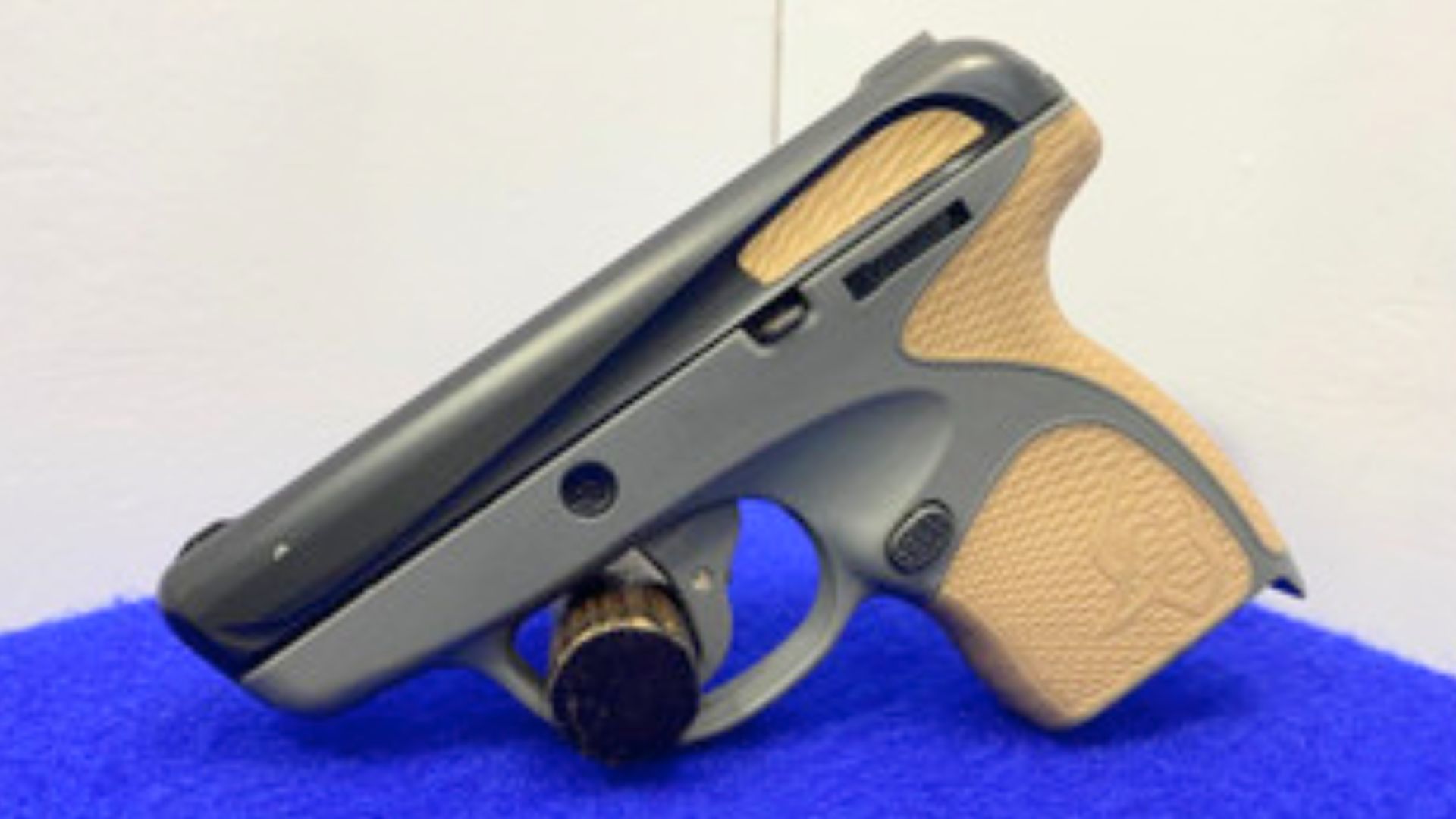
The Taurus Spectrum looked like a different kind of pocket pistol when it arrived. Rounded edges, soft-touch panels, and bright color options made it seem more approachable than the usual tiny .380. For a new owner who wanted something small and inexpensive, it had real shelf appeal.
The regret comes from the fact that a carry gun needs more than friendly styling. The trigger can feel strange, the gun is small enough to be hard to shoot well, and the platform never built the same trust as better pocket pistols. Many buyers wanted a bargain defensive gun and ended up with something they did not enjoy practicing with.
Taurus PT22
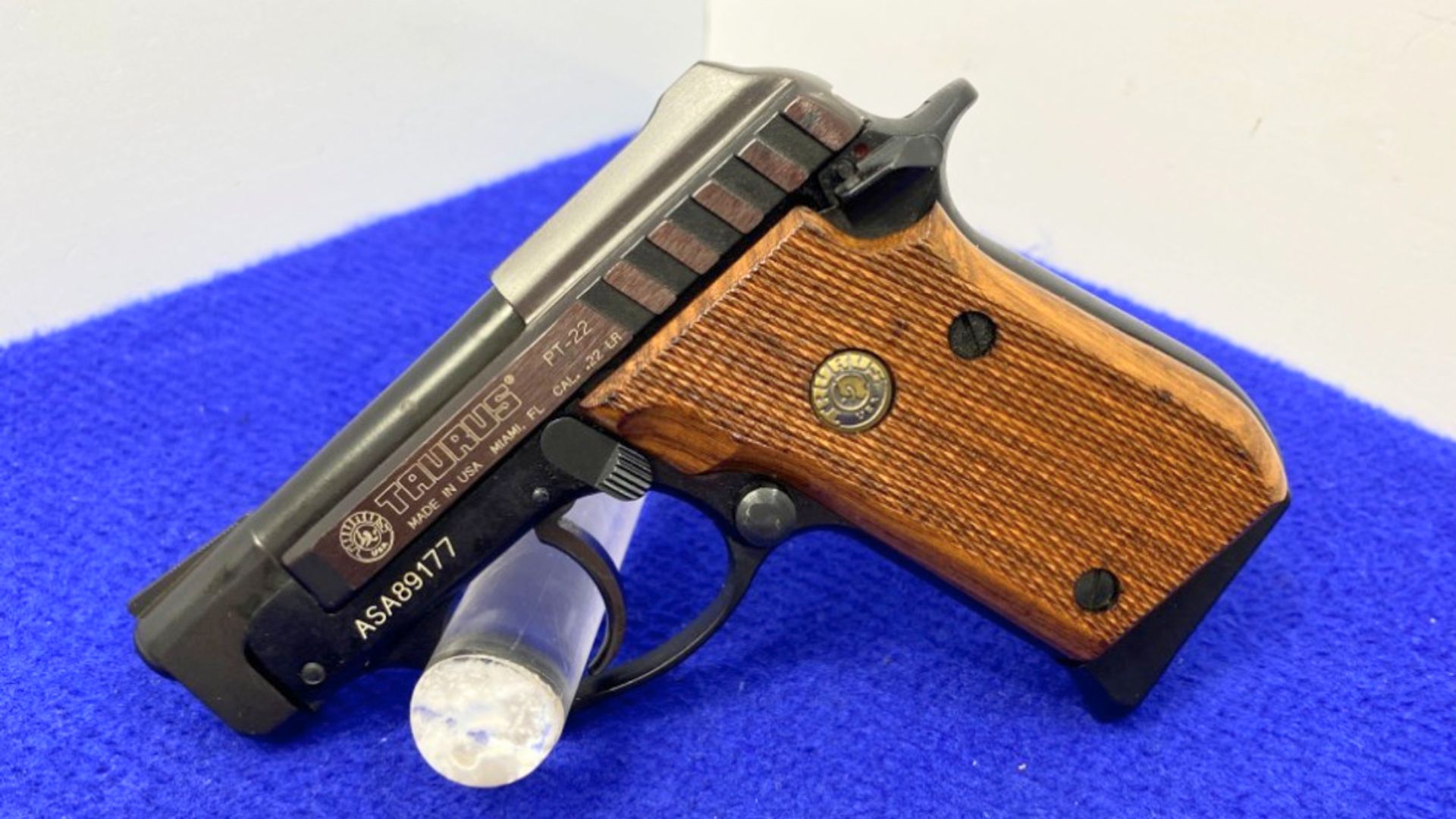
The Taurus PT22 can seem like a harmless little bargain. It is small, inexpensive, and chambered in .22 LR, which makes it look like a good starter pistol or casual pocket gun. The tip-up barrel also gives it an old-school charm that catches attention.
But new owners can quickly learn that tiny .22 pistols are not always beginner-friendly. The sights are small, the grip is cramped, the trigger is not exactly confidence-building, and rimfire ignition is not ideal for defensive trust. It may be fun as a curiosity, but as a first handgun, it often leaves buyers wishing they had gone with a larger, better rimfire or a proper centerfire pistol.
Cobra CA380
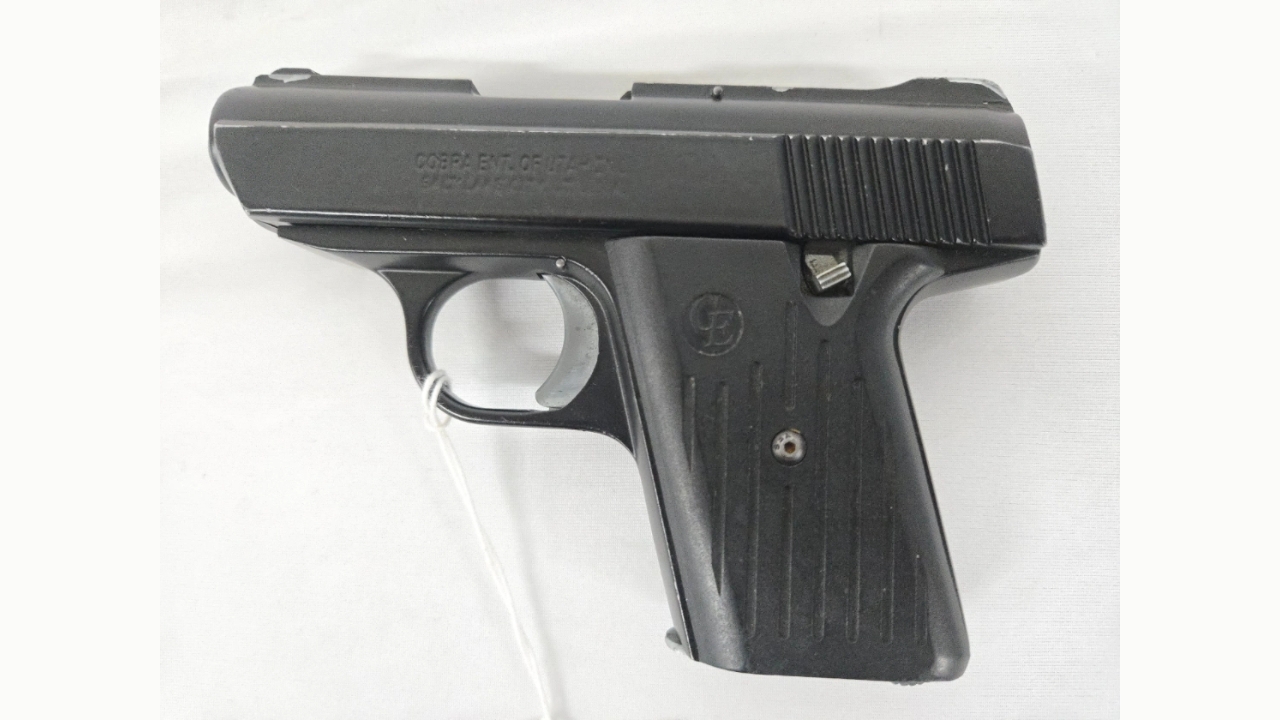
The Cobra CA380 is one of those guns that proves there is a difference between low-cost and good value. It is small, cheap, and chambered in .380 ACP, so a new buyer might think they are getting a simple defensive pistol without spending much money. That is the trap.
The shooting experience is where the regret sets in. The trigger is rough, the sights are poor, the gun feels crude, and it does not help new shooters build confidence. Even if it runs, it can make basic accuracy feel like a fight. A defensive handgun should make the owner trust it more with practice, not less.
Cobra FS380

The Cobra FS380 is a little larger than the tiny CA380, but it still carries the same basic problem. It exists mostly because it is inexpensive, not because it outperforms better handguns. New owners who buy one often do it because the price looks too easy to pass up.
Once they shoot it, the savings become harder to defend. The pistol feels bulky for what it offers, the trigger and controls are not impressive, and the overall fit does not inspire much confidence. When a gun is cheap but still not pleasant, compact, refined, or easy to shoot well, the buyer starts wondering what they actually saved.
Jimenez JA-380
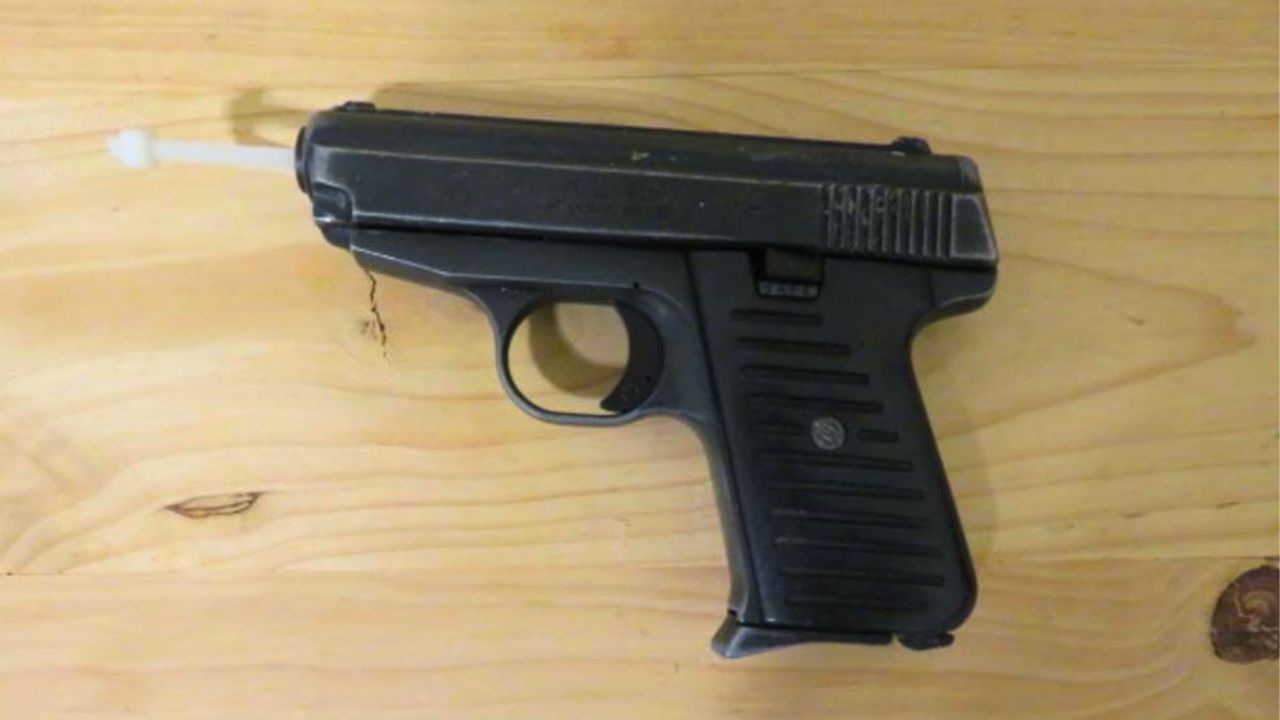
The Jimenez JA-380 is a classic example of a handgun that makes buyers regret shopping by price alone. It is inexpensive, compact, and easy to find in some used cases. For someone who just wants a small handgun quickly, it can look like a solution.
But a defensive pistol is not the place to chase the absolute bottom shelf. The JA-380 often feels crude, with a rough trigger, basic sights, and little about the shooting experience that builds confidence. New owners may save money on the gun, then lose confidence during the first range trip. That is not a bargain.
Jimenez JA-9
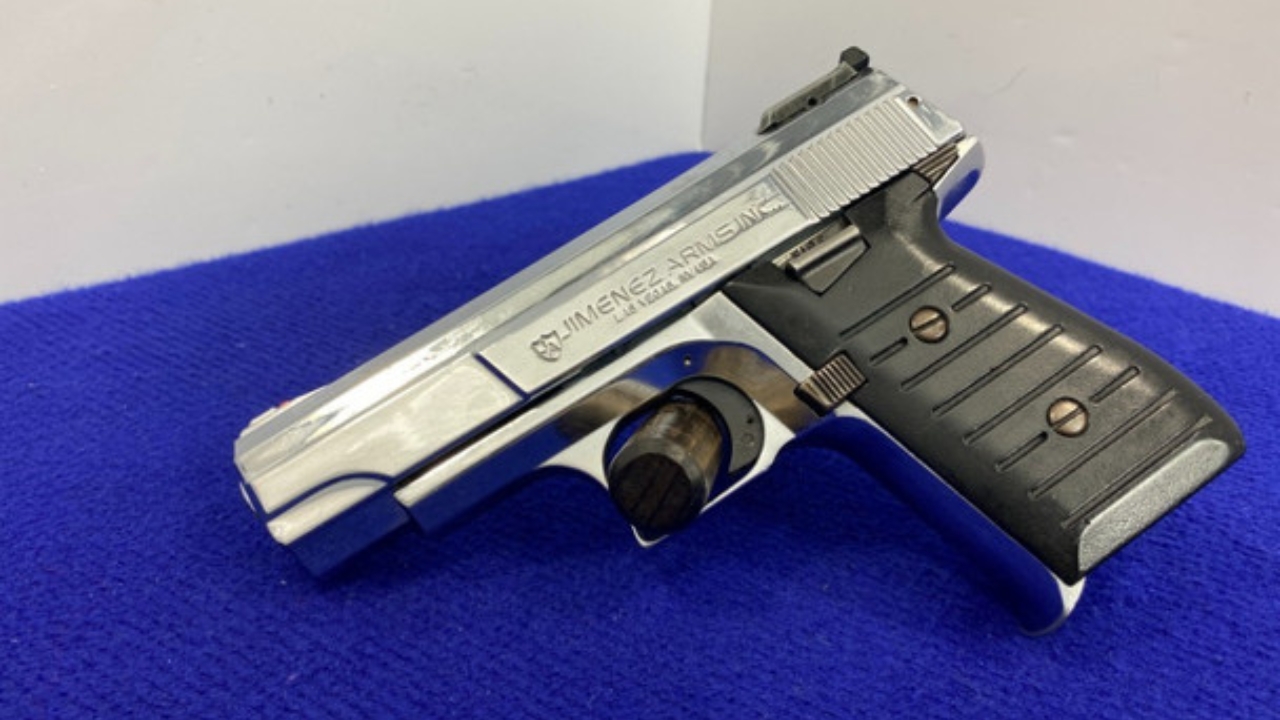
The Jimenez JA-9 gives buyers a cheap 9mm option, which sounds better than a cheap .380 on paper. More power, common ammo, and a low price can be persuasive when someone is buying their first handgun. It looks like a way to get into 9mm without spending real money.
The problem is that cheap 9mm pistols can be unforgiving. Size, weight, trigger feel, reliability concerns, and crude fit can all make the gun feel worse than the price tag suggested. New owners often realize they would rather have a used Glock, Smith & Wesson SD9, Ruger Security-9, or even a police trade-in than a bargain 9mm that feels questionable.
Phoenix Arms HP22A
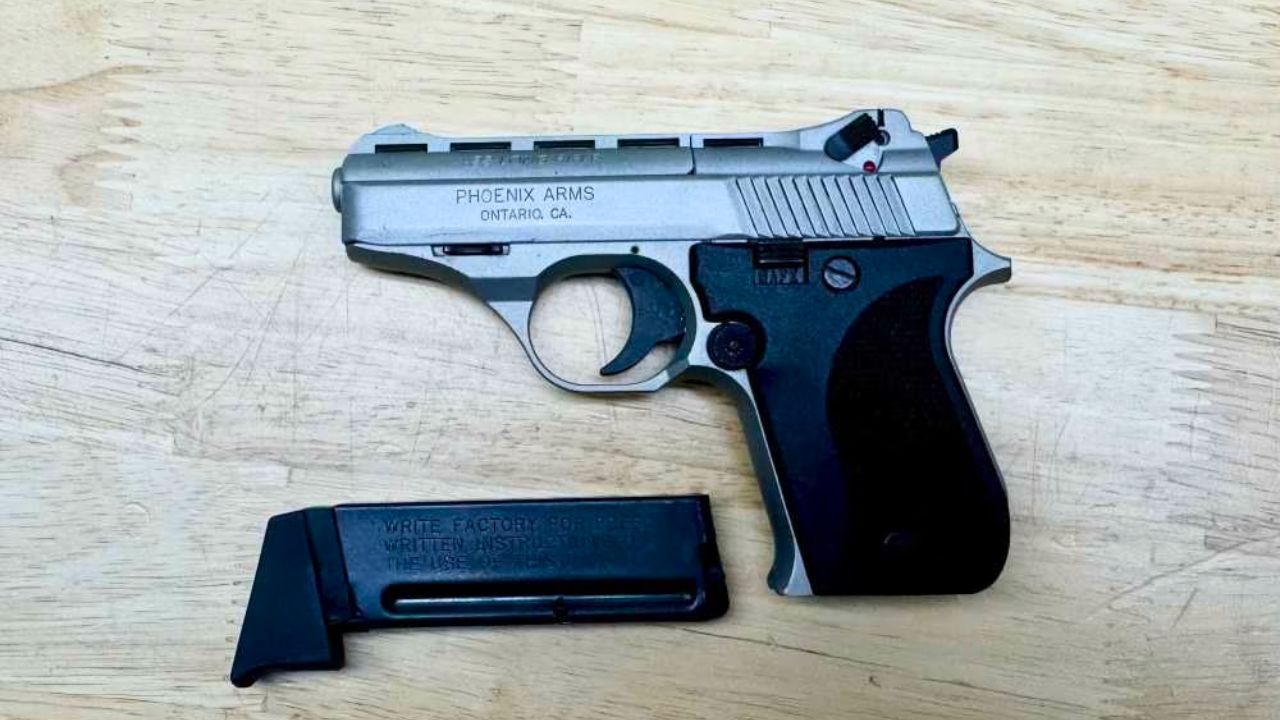
The Phoenix Arms HP22A has a following because it is cheap, small, and can be fun when it works well. As a casual plinker, it has some appeal. For a new owner staring at low prices, it can look like an easy way to get into handguns without spending much.
The frustration comes from the awkward controls, odd safety system, picky ammo behavior in some examples, and overall cheap feel. It is not the kind of pistol that teaches new shooters smooth, confident handgun skills. A Ruger Mark IV, Browning Buck Mark, Taurus TX22, or Smith & Wesson Victory costs more, but they are far better first rimfire pistols.
Hi-Point C9
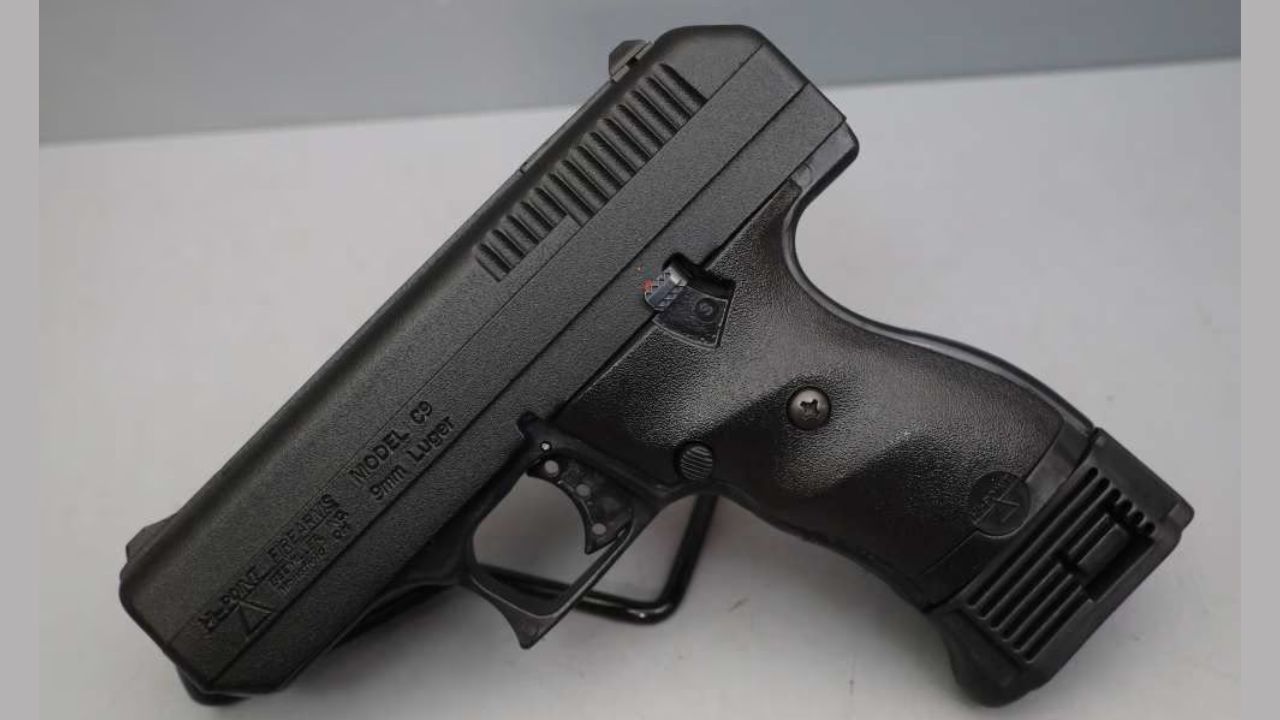
The Hi-Point C9 deserves credit for being affordable and often more functional than people expect. For someone with almost no budget, that matters. A working handgun at a low price has a place, and nobody should pretend every buyer has endless money.
Still, many new owners regret going this cheap once they compare it with better pistols. The C9 is bulky, heavy, low-capacity for its size, awkwardly balanced, and not exactly easy to carry. It may go bang, but it does not feel refined, confidence-inspiring, or efficient. For a little more money, there are much better used and new options.
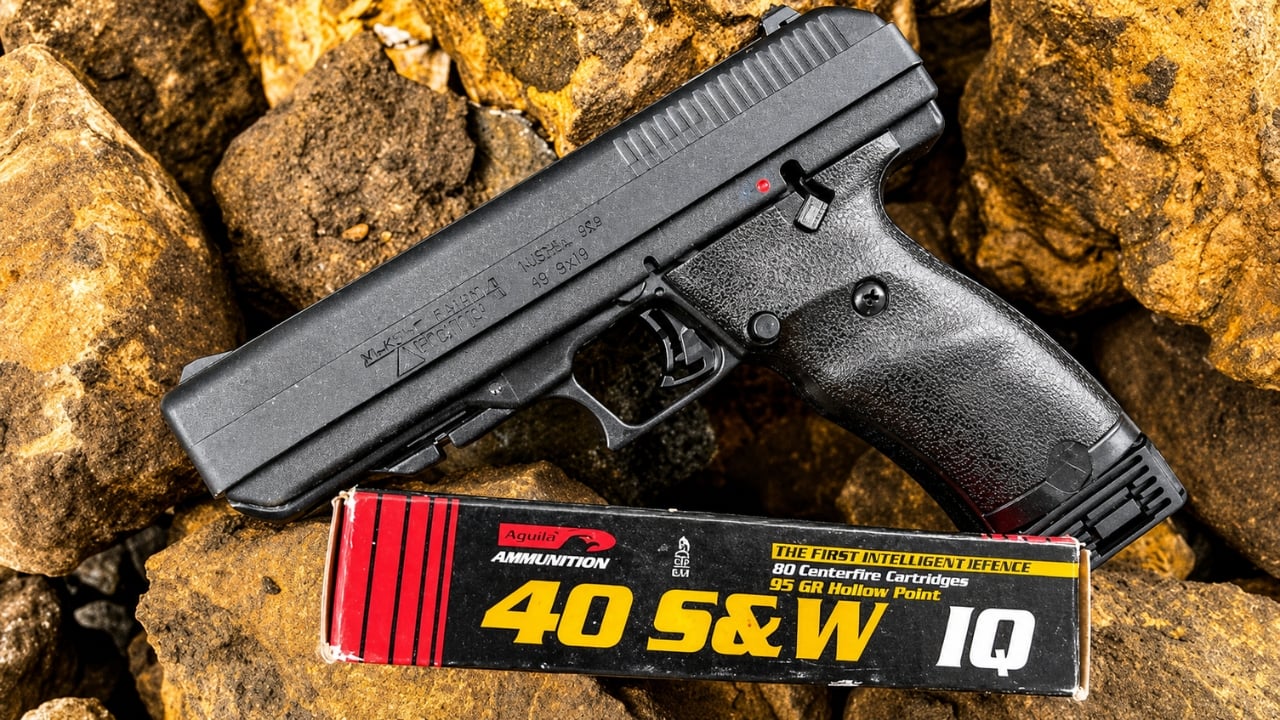
Hi-Point JCP .40
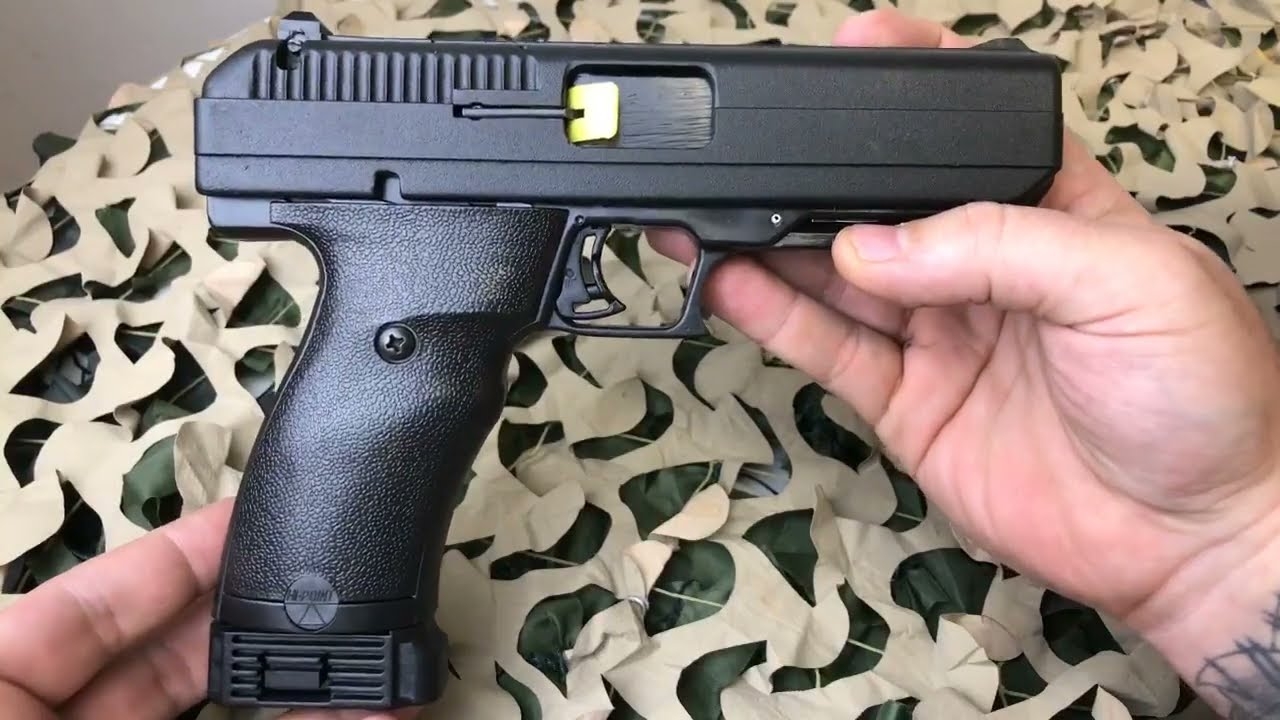
The Hi-Point JCP .40 takes the same basic Hi-Point formula and adds a snappier cartridge. That is not always a good trade. New buyers may see .40 S&W and think they are getting more defensive power for cheap, especially when used prices are low.
The regret often comes from the combination of bulk, recoil, and rough handling. The pistol is large and heavy, yet still not especially pleasant or refined. Ammo costs more than 9mm, and the shooting experience gives beginners no favors. If someone is already on a budget, a cheap .40 is usually not the best place to start.
Diamondback DB9

The Diamondback DB9 looks like a smart buy because it is tiny, thin, and chambered in 9mm. New owners often want the smallest gun possible, especially if they are thinking about concealed carry. A pocketable 9mm sounds perfect.
Then they shoot it. The DB9 is sharp, cramped, and not easy for beginners to control well. Small pistols magnify every weakness in grip and trigger control, and the DB9 gives very little room for error. Many new owners learn quickly that the gun they loved carrying is the gun they hate practicing with.
KelTec PF9

The KelTec PF9 was once a big deal because it offered a very thin, light 9mm at an affordable price. It helped point the market toward slim carry pistols before better options were everywhere. That history does not make it a great buy now.
New owners often regret it because the pistol is unpleasant to shoot, rough around the edges, and outclassed by newer designs. The trigger, recoil impulse, and overall feel can make practice feel like punishment. A carry gun should be something a shooter can train with often. The PF9 often makes people do the opposite.
KelTec P-3AT

The KelTec P-3AT helped create the modern pocket .380 wave, and it deserves credit for that. It is tiny, light, and easy to carry, which is exactly what made it popular. A new owner who wants a cheap pocket gun can still see the appeal.
But tiny, cheap, and defensive do not always mix well. The P-3AT is not fun to shoot, the sights are minimal, and the grip gives the shooter very little control. It is a gun people carry a lot and practice with too little. New owners often discover that spending more on a Ruger LCP Max, Glock 42, or slightly larger 9mm would have been smarter.
Beretta Pico
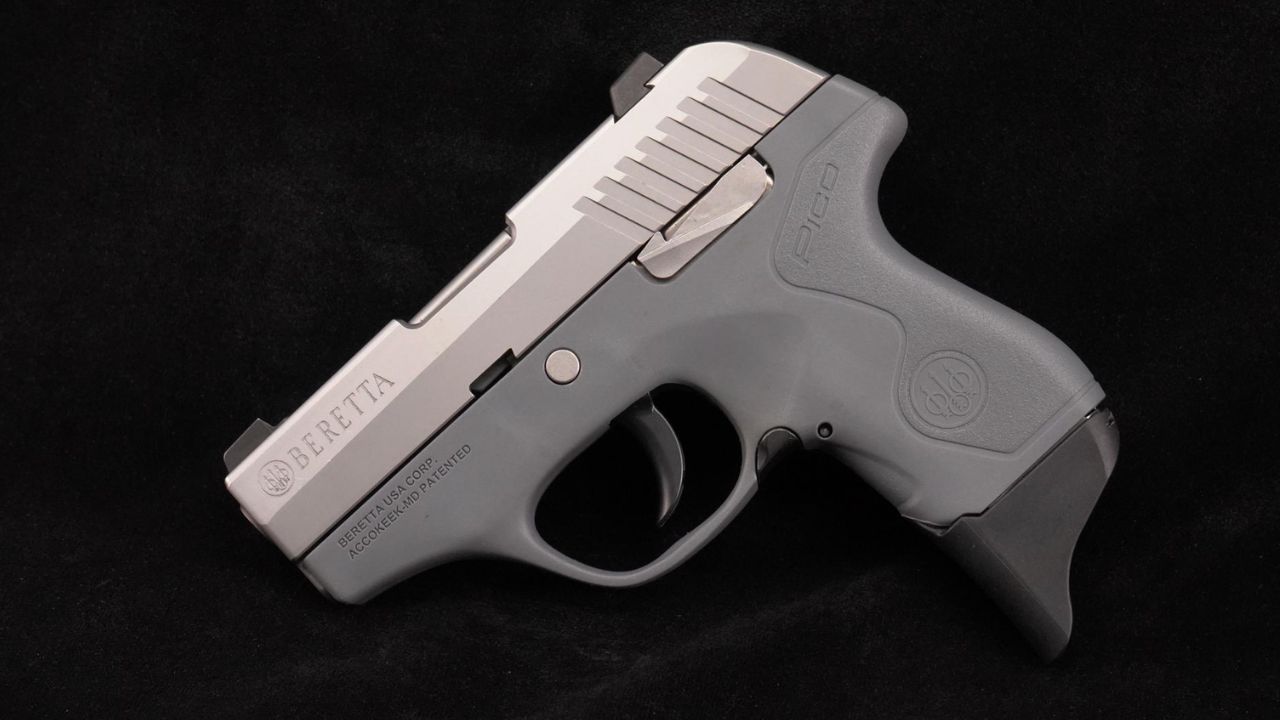
The Beretta Pico had the Beretta name and a very slim profile, which made it seem like a better pocket pistol than the cheaper no-name options. It looked clean, snag-free, and modern. For a new buyer, that brand confidence mattered.
The regret comes from how hard it can be to shoot well. The grip is thin, the trigger is not especially friendly, and the overall feel is more defensive tool than enjoyable training gun. It may be well made, but that does not mean it is a good first handgun. Plenty of new owners found out slim does not always mean shootable.
Remington RM380

The Remington RM380 looked like a solid little pocket pistol because it had a metal frame, simple shape, and a price that often became very tempting. It seemed more substantial than some polymer .380s, and that appealed to buyers wanting a cheap carry gun with a little weight.
But the RM380 landed in a crowded category and never gave shooters enough reason to love it. Capacity is limited, the trigger is not exciting, and the Remington handgun reputation did not help. New owners who bought one cheap often discovered that cheap was the main selling point, and that is rarely enough.
Walther P22
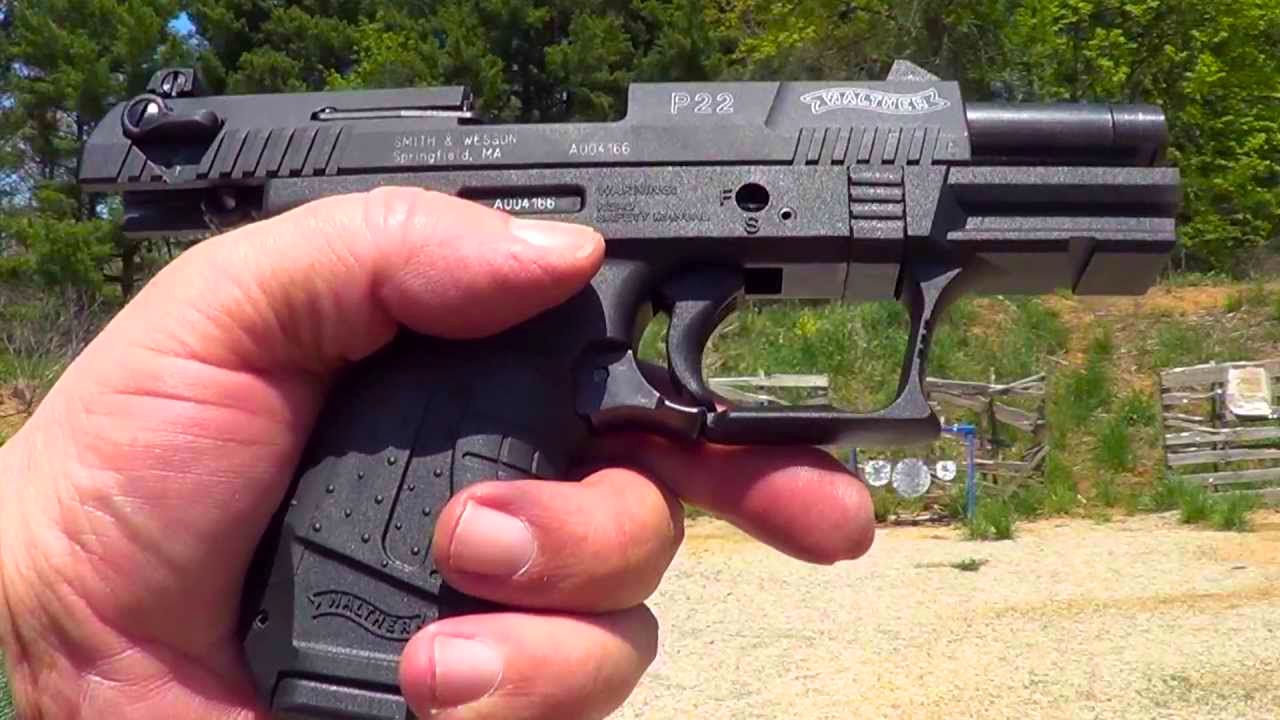
The Walther P22 looks like a fun, modern little rimfire pistol, and the Walther name gives it extra credibility. New shooters see the styling and expect a quality trainer that feels like a small defensive pistol. It is easy to want one.
The problem is that the P22 can be ammo-sensitive, and the shooting experience does not always match the way it looks. Some owners have good luck, but others spend too much time clearing malfunctions or chasing the right load. When a new shooter buys a .22 to learn, frustration is the last thing they need.
Sig Sauer Mosquito

The SIG Sauer Mosquito is discontinued, but it still shows up used and still tempts buyers who see the SIG name on the slide. It looks like a compact training pistol and feels more serious than many cheap rimfires. That makes it dangerous to buy on reputation alone.
The regret comes from its well-known picky nature. Many Mosquitos are ammunition-sensitive, and reliability can be frustrating if the gun does not like what you feed it. A new owner buying a cheap used Mosquito may think they scored a deal, then spend the first range trip learning why it was priced that way.
Taurus Curve
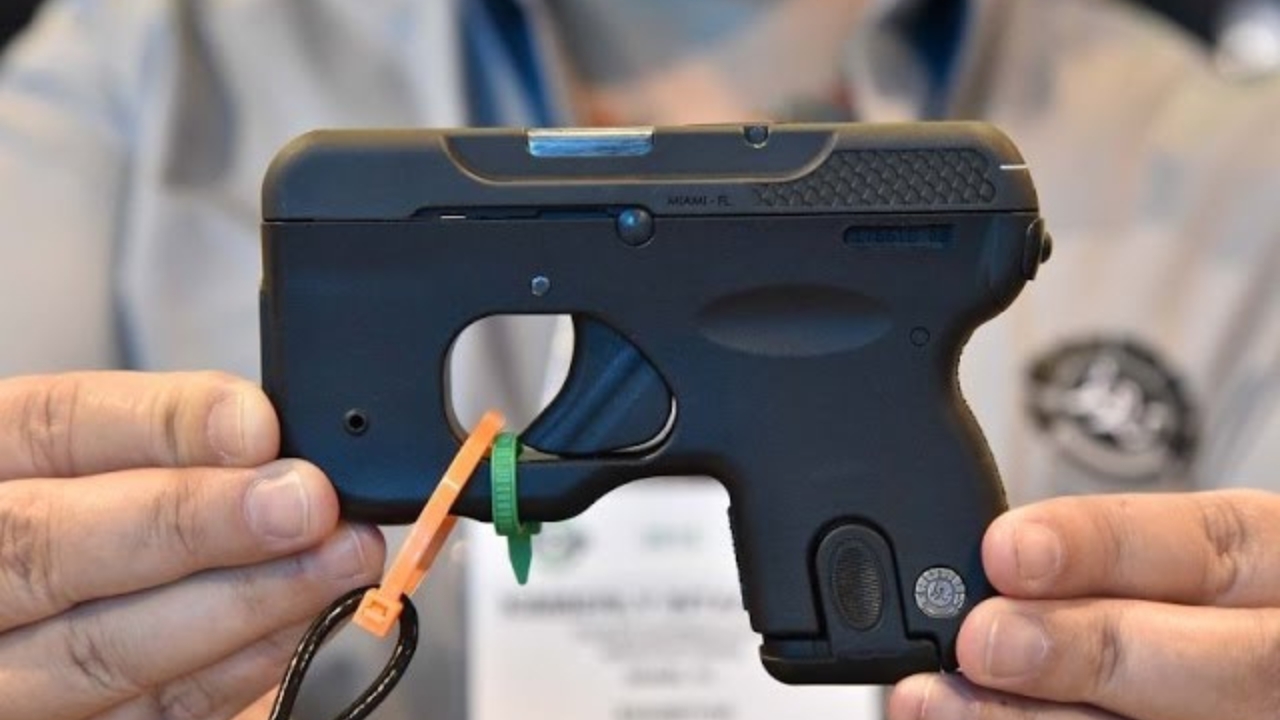
The Taurus Curve looked creative when it appeared, but creative is not always useful. Its curved frame, unusual profile, and pocket-carry concept made it stand out in a sea of ordinary pistols. A new owner might see it as a clever defensive solution.
The problem is that the weirdness gets old fast. The grip, aiming system, controls, and overall shooting experience are not friendly for building real skill. It is the kind of gun that sells because it is different, then disappoints because different did not mean better. Many owners eventually wish they had bought something normal.
Taurus 709 Slim
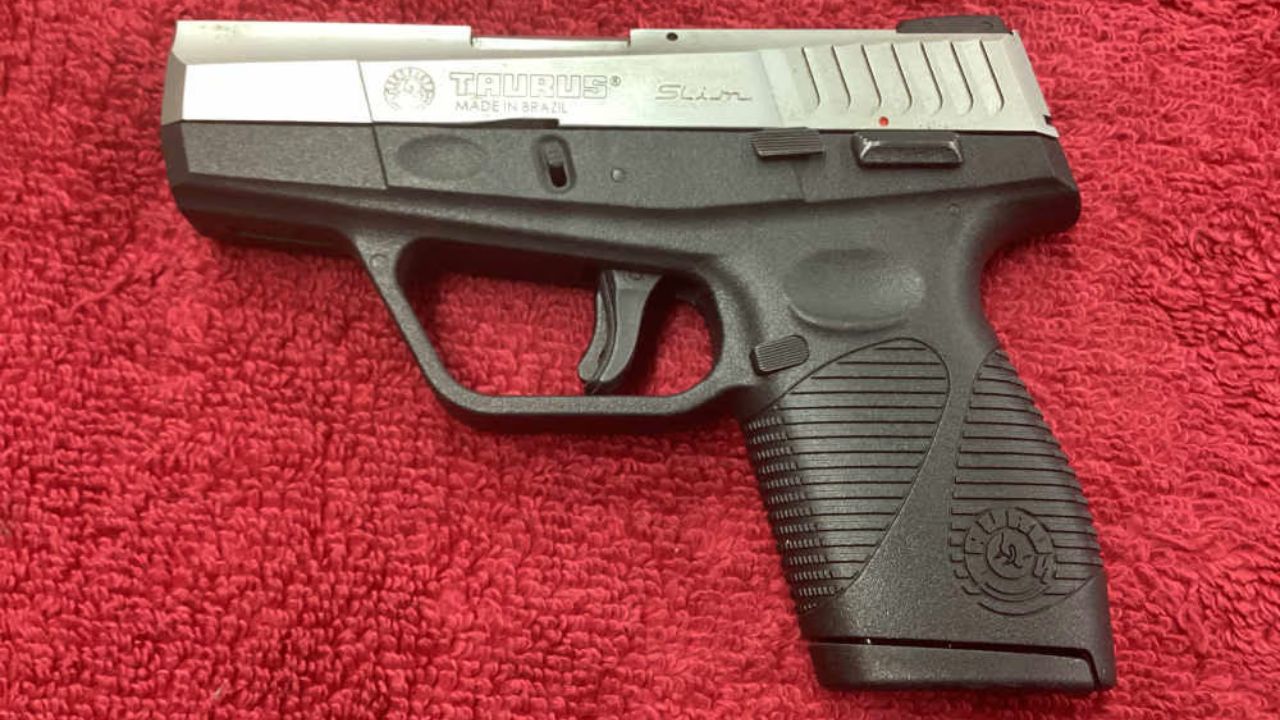
The Taurus 709 Slim seemed like a solid budget carry pistol when single-stack 9mms were still hot. It was thin, affordable, and chambered in 9mm, which checked the right boxes for concealed carry. New owners trying to save money could easily talk themselves into it.
The regret comes from comparing it with better pistols. The trigger, fit, reliability reputation, and overall shooting feel do not hold up as well against stronger carry guns. It may work for some people, but the used market is full of better slim 9mms. Cheap only feels good until the owner starts wishing they trusted the gun more.
Like The Avid Outdoorsman’s content? Be sure to follow us.
Here’s more from us: