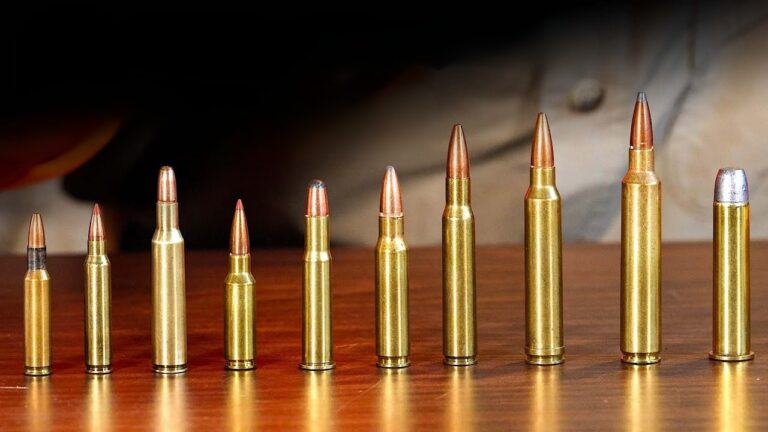
Photo credit: Lucky Gunner Ammo/YouTube
Hunters love trying new things. A flatter-shooting round shows up, a faster magnum gets hot, or some fresh favorite starts getting praised like it solved every problem in the woods. For a while, people move on. They convince themselves the older cartridges are yesterday’s news and that this time they’ve found the one that finally makes the old standbys feel unnecessary. Then enough seasons pass, enough tags get punched, and enough real-world shooting happens to bring the truth back into focus.
That truth is simple. The cartridges that keep coming back are usually the ones that never really stopped working in the first place. They feed well, hit hard enough, don’t ask for much drama, and still make sense in the actual places people hunt. These are the rounds hunters drift away from when the market gets noisy, then quietly return to when they want something proven, practical, and easy to trust again.
.30-06 Springfield

The .30-06 is probably the clearest example of a cartridge people keep trying to replace and then coming back to anyway. Every few years, some newer round shows up promising better efficiency, flatter trajectory, or less recoil for the same result. Hunters get curious, and some move on for a while. Then they remember the .30-06 already handles a huge range of bullet weights, has real reach, and works on a wide spread of game without asking for much explanation.
That is why it keeps surviving trend cycles. It is easy to find, easy to load for, and easy to trust when the moment matters. Deer, elk, black bear, and plenty beyond that have all fallen to it for generations. A hunter may drift away from it chasing something more modern, but the .30-06 has a way of reminding people why it stayed important in the first place.
.270 Winchester

The .270 Winchester gets left behind whenever hunters start talking themselves into heavier bullets, shorter actions, or whatever new long-range darling is having its moment. Then season starts, real shots happen, and a lot of those same hunters remember just how little there is to complain about with a good .270. It shoots flat, carries enough energy for deer and elk with the right loads, and is still pleasant enough to shoot that people tend to practice with it honestly.
That combination is hard to beat. A lot of cartridges may look better on paper in one category or another, but the .270 still feels balanced in the field. It does not have to dominate internet arguments to stay useful. Hunters keep coming back because it gives them what they actually need without a lot of fuss, and that kind of simplicity ages well.
.308 Winchester

The .308 Winchester is one of those cartridges hunters leave when they start thinking they need more speed or more specialized performance. Then they come back when they remember how easy it is to live with. It is accurate, common, manageable in recoil, and effective on a lot of game when paired with good bullets. That kind of practicality matters more over time than a lot of people expect.
It also helps that the .308 does not beat people up or burn through barrels the way some higher-velocity cartridges can. A hunter can shoot it more, know it better, and trust it more without turning the whole experience into a project. That is why it keeps pulling people back in. When somebody gets tired of chasing the next answer, the .308 still looks like one of the smartest choices on the shelf.
7mm Remington Magnum

The 7mm Remington Magnum gets abandoned by hunters who get tired of recoil, muzzle blast, or magnum theatrics, then rediscovered when they remember how well it actually works in open country. It still gives hunters real reach, strong bullet performance, and enough authority for deer, elk, and similar game without feeling quite as excessive as some larger magnums.
That is why it keeps hanging around camp. People may flirt with other cartridges that promise a little more efficiency or a little less recoil, but the 7mm Rem. Mag. keeps proving that it covers a lot of hunting ground very well. Once a hunter already owns one and knows it, coming back to it often feels easier than pretending the newer option really changed as much as the ads promised.
.243 Winchester

The .243 Winchester gets left behind when hunters convince themselves they need something bigger, heavier, or more dramatic to feel serious. Then a few seasons later they remember how mild it is to shoot, how accurate many rifles chambered for it are, and how well it handles varmints and deer-sized game with the right loads. That is often enough to bring people right back.
A lot of cartridges carry more power, but not all of them carry more usefulness for the average hunter. The .243 remains appealing because it is easy to shoot well, easy to build confidence with, and still capable of doing honest work. Hunters may wander off toward more aggressive options, but the .243 has a habit of staying in the family because it keeps making practical sense.
7mm-08 Remington

The 7mm-08 is one of those cartridges hunters often appreciate more after they have already spent time with flashier choices. It does not always get the loudest praise at the counter, but it keeps earning loyalty from people who want good bullet performance without punishing recoil. That makes it easy to leave behind when something more exciting comes along and just as easy to return to when the excitement fades.
It sits in a very useful place. It is efficient, accurate, and serious enough for deer, hogs, and elk within sane limits. Hunters who come back to it usually do so because they remember how little compromise it really asked of them. It is not trying to impress anyone with drama. It is trying to work, and that is exactly what many hunters eventually start valuing most.
.30-30 Winchester

The .30-30 gets left behind every time somebody decides all hunting needs to happen at longer ranges than most deer are actually shot. Then the season opens in thick woods, brushy edges, or normal eastern deer country, and the old lever-gun round starts looking smart again. It still handles practical hunting distances well and still drops deer cleanly when the shooter does his part.
That is why people keep coming back. The .30-30 fits the kind of hunting a lot of people still do, even when the culture around hunting starts acting like every rifle needs to be built for canyons and dial-up optics. A good .30-30 is still fast-handling, familiar, and plenty effective. Hunters leave it for bigger ideas and then return when they remember what real woods hunting feels like.
.280 Remington

The .280 Remington is one of those rounds hunters often drift away from simply because it never had the loudest marketing machine behind it. They move toward the .270, the .30-06, or some newer favorite and forget how well the .280 handled itself. Then somebody shoots one again, remembers the good bullet options and the balanced performance, and starts wondering why they ever walked away.
It really does cover a lot of ground well. It has enough versatility for deer and elk, enough reach to feel comfortable in open country, and enough sanity in recoil that people can still shoot it well. Hunters who come back to the .280 usually do so with a little more appreciation than they had the first time. That tends to happen with cartridges that quietly did their job all along.
.35 Remington
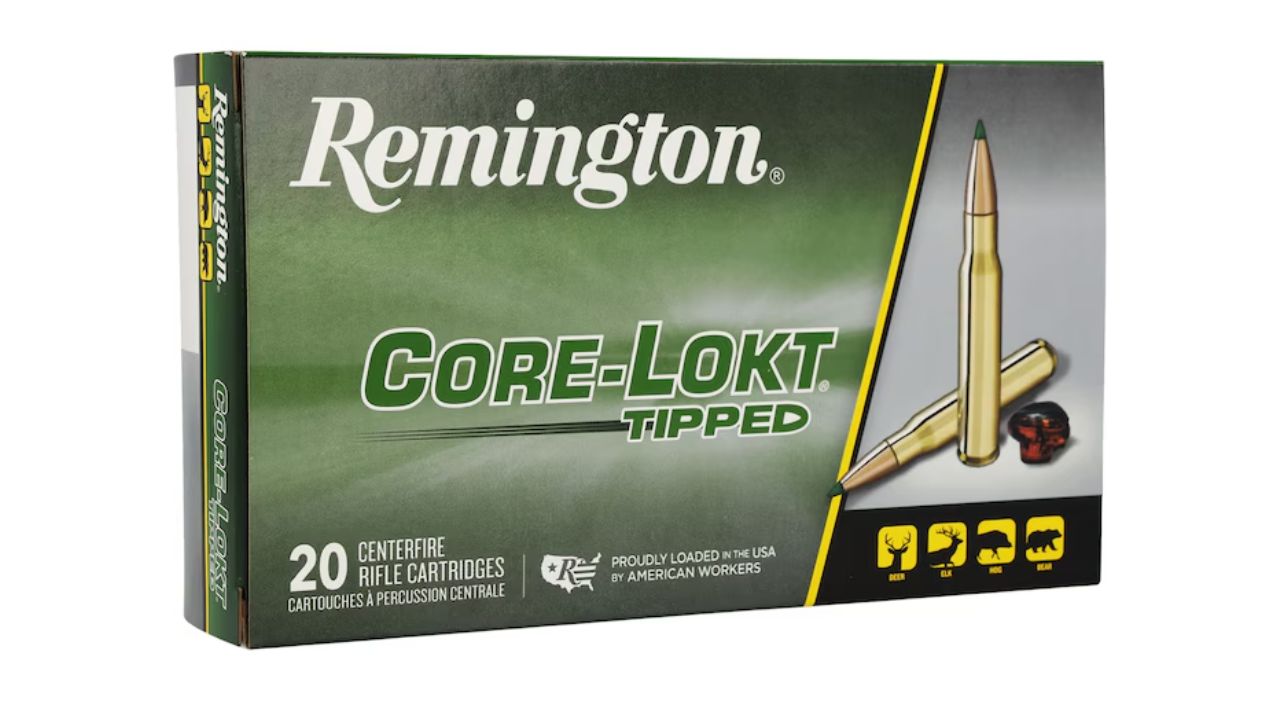
The .35 Remington gets left behind when people start thinking bigger numbers on paper automatically mean better hunting. Then they head back into the woods, remember what moderate-range deer and bear hunting actually looks like, and suddenly the old .35 starts making sense again. It carries a little more bullet weight, a little more thump, and a lot of practical usefulness inside the kind of distances where many shots still happen.
That is part of its lasting appeal. The .35 Remington never had to win a velocity contest to be effective. It just had to work in the kind of country where a lot of hunters grew up. Hunters return to it because it feels honest and capable, and because it reminds them not every good hunting cartridge needs to sound modern to stay useful.
.257 Roberts

The .257 Roberts is one of those cartridges people move away from because it feels easy to overlook in a louder market. Then enough time passes, and they remember how pleasant it is to shoot and how effective it can be on deer-sized game. That kind of rediscovery happens a lot with rounds that never really failed anybody but simply got drowned out by newer noise.
Hunters who come back to the Roberts usually appreciate its balance even more than they did the first time. It is not overly harsh, not needlessly flashy, and not difficult to trust inside its lane. A cartridge like that tends to age gracefully. It may not dominate sales talk, but it keeps finding its way back into the hands of hunters who value calm, proven performance over trend-driven excitement.
.45-70 Government

The .45-70 gets left behind when hunters start convincing themselves every rifle needs to shoot flatter and faster. Then somebody heads into thick cover, bear country, or a hunt where big bullets at sane distances still make a lot of sense, and the old cartridge suddenly looks very relevant again. It has been doing that for a long time.
Part of the reason hunters keep coming back is that they understand exactly what it is for. Nobody returns to the .45-70 because they expect it to become a laser beam. They come back because they want authority, simplicity, and a cartridge that still makes sense in the right rifle and the right terrain. When expectations are realistic, the .45-70 is very easy to respect.
.25-06 Remington

The .25-06 gets left behind because hunters sometimes treat it like a middle-child cartridge that does not shout loudly enough to stay top of mind. Then they shoot one again and remember how flat it can be, how pleasant it still feels compared to more aggressive rounds, and how effective it remains on deer and antelope. That usually starts the reunion.
It keeps pulling people back because it offers a very usable mix of speed and shootability. A hunter can carry it confidently in open country without feeling like he bought more recoil than he needed. Cartridges like that have a way of earning second chances. The .25-06 may not always be fashionable, but it remains one of those rounds hunters rediscover and quickly remember liking.
6.5×55 Swedish

The 6.5×55 Swedish is one of those cartridges hunters leave when they get distracted by newer 6.5 offerings that show up with more advertising behind them. Then they spend enough time around the shooting world to realize the old Swede was doing this kind of work long before the current trend got loud. That realization tends to bring a lot of respect back with it.
It is accurate, easy to shoot, and more than capable for deer-sized game and beyond within its sensible role. Hunters who return to it usually do so because they start caring less about what is currently fashionable and more about what actually feels good to carry and shoot. The 6.5×55 keeps benefiting from that shift because it still holds up remarkably well.
.300 Winchester Magnum

The .300 Win. Mag. gets left behind when hunters get tired of recoil, noise, and the general magnum experience, especially if their actual hunting does not call for that much cartridge. Then a western hunt, elk trip, or open-country season comes along, and suddenly that old magnum starts sounding like a very reasonable friend to have around again.
That is why people keep coming back. For hunters who genuinely need or want that extra reach and authority, the .300 Win. Mag. still solves a lot of problems in one familiar package. It is not for everybody, and it never was. But hunters who know when it makes sense have a way of returning to it because it still does what they remember it doing.
.270 WSM

The .270 WSM is a good example of a cartridge hunters leave behind because they assume the excitement is over. Then they remember why they liked it in the first place. It shoots flat, carries strong hunting performance, and gives a lot of practical reach for hunters who want something quicker than the standard .270 Winchester without stepping into a much bigger magnum conversation.
That return usually comes from real use, not hype. Hunters who liked what it did in the field often rediscover that the cartridge still performs just fine even after the industry has moved on to something else. That is a common pattern with good hunting rounds. They disappear from the headlines long before they stop being effective, and the .270 WSM fits that pattern well.
.338 Winchester Magnum

The .338 Winchester Magnum gets left behind when hunters decide they are done with recoil or that a lighter-hitting cartridge will cover everything they need. Then a serious elk hunt, moose trip, or big-country plan takes shape, and a lot of them start remembering why the .338 held such a loyal following for so long. It offers real authority, and experienced hunters do not forget that forever.
People come back to it because it still fills a role extremely well. It is not subtle, and it is not built for casual range fun, but when larger game and tougher conditions are part of the picture, the cartridge makes a lot of practical sense. Hunters may wander off looking for softer manners, but a lot of them still circle back when they want a round that feels unquestionably serious.
Like The Avid Outdoorsman’s content? Subscribe to our newsletter so you never miss an article.
Here’s more from us: