Photo credit: Documerica/Unsplash.com
Every hunter has done this: you pull up the map, see giant blocks of public land, start daydreaming about ridgelines and back basins… then you show up and realize the real fight is access. Not the hike. Not the wind. Parking. Limited pull-offs, full trailheads, gated forest roads, private checkerboard around the “best looking” parcels, and entire units that funnel into three legal entry points.
These are the states where parking headaches are a very real part of the hunt—especially if you’re DIY, public-land, and not rolling in on a Tuesday at noon.
Colorado
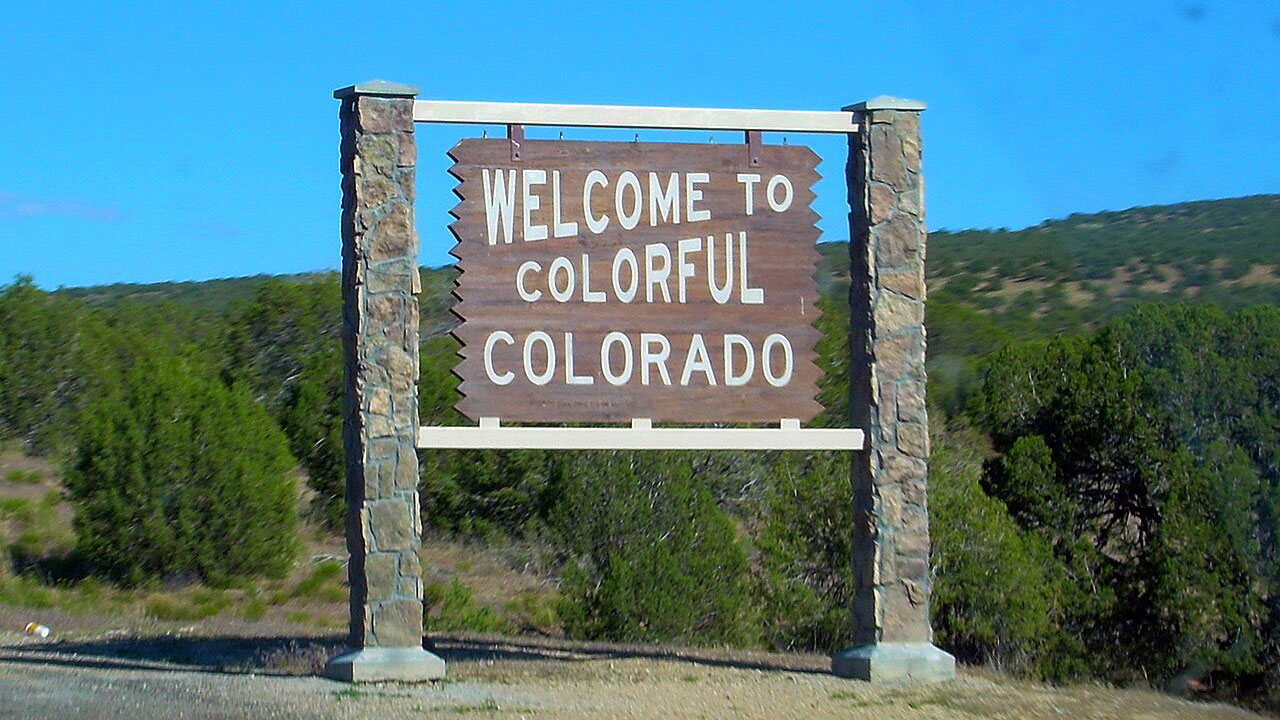
Colorado looks like heaven on a map, but parking is where it gets real. A lot of the most hunted country runs off the same trailheads and the same few Forest Service roads, so you get that “trucks lined like dominoes” situation at daylight. Add popular OTC and easy-draw opportunities and it’s not unusual to watch three groups step off the same trail within five minutes of each other. If you’re late, you’re not “a little behind”—you’re dealing with a full lot and nowhere legal to tuck a rig.
The other Colorado issue is closure/gate surprises. Roads that look open on a map can be seasonal, washed out, or gated for resource protection. That turns “park here and hike two miles” into “where do I even put my truck without blocking someone or getting towed.” In Colorado, a backup access plan is just as important as a backup calling plan.
Montana
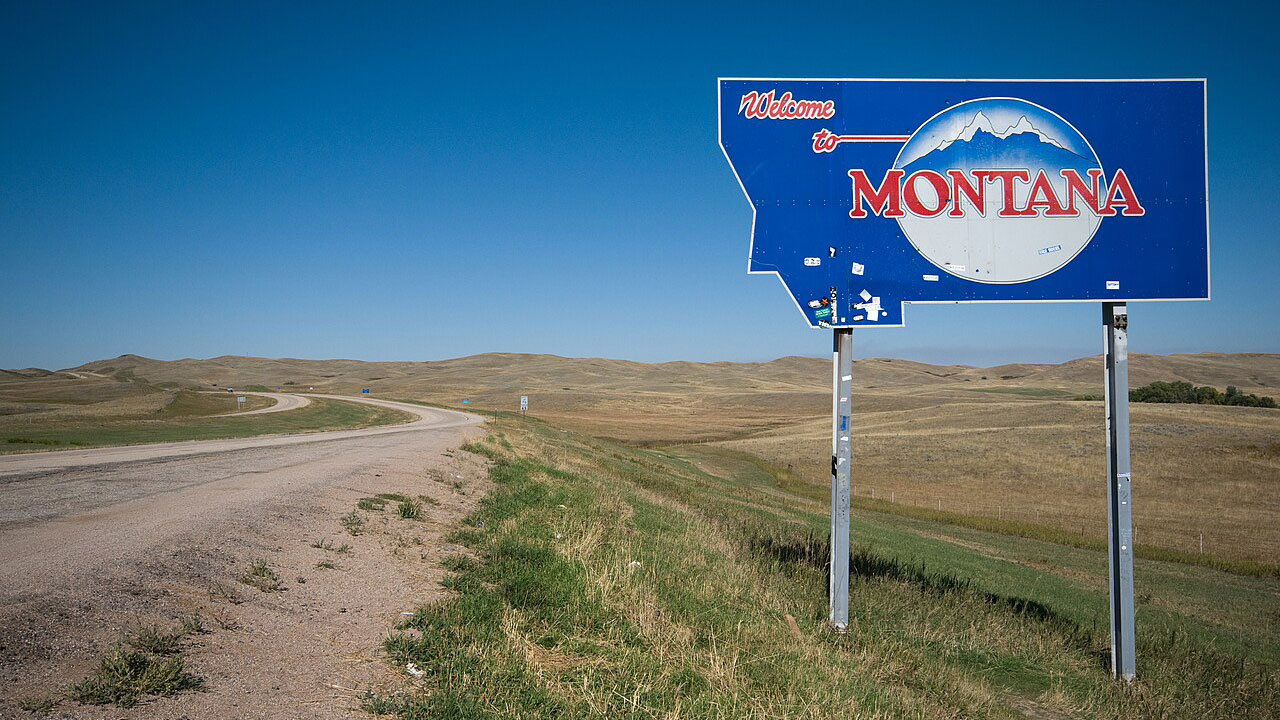
Montana has big country, but access is often a patchwork. Lots of great-looking public is wrapped in private, and the places you can legally enter can be limited to a few parking spots and a couple “everybody knows” crossings. When those fill up, it doesn’t matter how many acres are on the map—your hunt starts behind a line of tailgates. In certain regions, you’ll also see the same handful of trailheads take 80% of the pressure because they’re the only practical entry points.
Parking gets even tighter when weather hits. Mud, snow, and soft shoulders turn a wide-open pull-off into “one truck and you’re stuck.” And if you’ve ever watched a guy bury an axle at 4:30 a.m., you know how quickly that creates a traffic jam and a bad mood. Montana rewards the hunter who finds weird access, not the hunter who finds the prettiest basin.
Idaho

Idaho has a lot of land, but parking can be brutal because so much access is controlled by a small number of roads up steep drainages. Those roads are magnets. If a unit has three main trailheads, the entire season funnels into those three lots, and a lot of them weren’t built for today’s hunter numbers. Some mornings feel like you’re lining up for a concert instead of a hunt.
Idaho also has the “tiny pull-off” problem. You’ll see a spot on the map where a road crosses a creek and think, “Perfect.” Then you arrive and it’s a narrow shoulder with no turn-around, and if you park wrong you’re blocking locals, loggers, or emergency access. The fix is scouting parking like you scout glassing points—because in Idaho, parking can decide where you hunt before you ever lace your boots.
Wyoming

Wyoming looks wide open, but parking can be surprisingly tight because access concentrates where it’s legal and practical. Lots of great habitat sits next to private, and the public entry points can be limited—especially in areas with checkerboard ownership and locked gates. That means certain trailheads and public corners become pressure cookers, and the parking reflects it. If you didn’t arrive early, you’re not just “walking farther.” You might be driving 20 miles to the next legal entry.
Wyoming also has a long-distance travel culture. People drive in from out of state with a plan that’s been building for years, and they hunt hard. That translates into parked rigs everywhere the minute the season opens. It’s not personal—it’s math. The land is big, but the entry points that actually work can be small.
Utah

Utah can be a parking mess because a lot of hunting overlaps with heavy recreation, especially in mountain country. Trailheads that hunters depend on are also used by hikers, campers, bikers, and side-by-side traffic. When those worlds collide, you get packed lots, overflow parking along roads, and a whole bunch of people trying to squeeze into the same access points safely and legally.
Utah also has rugged terrain that forces choke points. If the only way into a canyon is one trailhead, that lot becomes the gatekeeper. And when roads are narrow and shoulders are soft, you can’t just “make your own spot.” Utah is a state where showing up an hour earlier can be the difference between hunting your plan and improvising all morning.
Arizona

Arizona parking trouble is a mix of two things: limited access corridors and high demand in the right units. In desert and foothill country, access often runs along a few main roads and washes. Everyone ends up parking at the same cattle guard, the same two-track start, the same “good glassing pullout.” Those spots fill fast, and once they’re full, the options get sketchy—parking on soft shoulder, blocking gates, or parking so far away you burn daylight hiking to your starting point.
Add the fact that Arizona hunters travel for specific hunts and you get committed crowds. People don’t casually roll into a unit they drew after years of applying. They’re there early, and they’re parked where you wanted to park. If you hunt Arizona, build your plan around alternate parking options, not just alternate calling setups.
New Mexico

New Mexico parking problems often come from the same issue: access is not evenly distributed. You can have tons of public land, but only a handful of clean entry points because of private boundaries and road layout. That creates parking clusters—little informal lots at the ends of roads, tight pull-offs near gates, and “everybody’s parked here for a reason” spots that become crowded fast.
New Mexico also punishes sloppy parking because roads can be narrow and conditions can turn ugly quickly. Mud, ruts, and soft edges will swallow a vehicle, and getting stuck blocks access for everyone behind you. In New Mexico, the smartest thing you can do is pre-scout access on the ground and treat parking like it’s part of your hunt plan, not an afterthought.
Nevada

Nevada has tons of BLM and open country, but parking can be deceptive because water, glassing points, and travel corridors funnel people. If there are only a few roads that actually let you reach a productive basin, everybody ends up using them. You’ll see trucks spaced along ridges at every good turnout, and the “best” pull-offs are taken before sunrise.
Nevada also has the “no shoulders” problem—some roads are narrow, rocky, and unforgiving. Pull over wrong and you’re either blocking traffic or risking a stuck situation. When parking options are limited, hunters end up clustered, and clustered hunters make animals shift patterns fast. Nevada looks like freedom until you realize you’re hunting the same access lanes as everyone else.
Oregon
Oregon parking can be brutal because of gated timber roads and heavy overlap with recreation. In a lot of places, the map shows a spiderweb of roads, but the reality is gates and closures that funnel everyone into the same open routes. That creates parking congestion at the ends of open roads and at the handful of legal entry points people can count on.
Oregon also has a strong “weekend surge” effect. If you’re hunting near population centers, trailheads and pull-offs fill up fast. And in timber country, there’s often nowhere safe to park except the obvious landings and wide spots. If you don’t plan around that, you spend your first hour just looking for a place to put your truck.
Washington

Washington has a lot of public land, but parking pressure stacks hard near the I-5 corridor and anywhere access is easy. Trailheads that look normal in the off-season can be slammed during hunting season because they’re also used by hikers and mountain bikers. You get full lots, cars parked along roads, and limited safe pull-offs in steep country.
On top of that, private timber and gated roads can concentrate hunters onto the same public access points. If your plan depends on “I’ll just drive in and find a spot,” Washington will humble you. The successful play is always: identify multiple entry points, show up early, and be willing to hike past the crowd.
California
California is a special kind of parking headache because access is often the real limiter. You can have public land on the map that’s hard to legally reach, and the public parcels that are accessible end up with heavy competition at the few trailheads and pull-offs that work. In some areas, you also run into road restrictions, closures, and seasonal access limitations that make parking a moving target.
California’s other problem is density—of people, regulations, and competing uses. Even when you find a legal parking spot, you may be sharing it with hikers, campers, and day users. The parking headache is often just the first sign that you’re hunting in a state where access requires extra planning and flexibility.
Pennsylvania

Pennsylvania is a parking-and-pressure state because hunting participation is huge and a lot of public land access is concentrated into known lots and pull-offs. On opening weekends, it’s not rare to see a line of vehicles at the same access road, and once those lots fill, people park in questionable places. That can get you ticketed, towed, or just blocked in by somebody who parked like they were the only person on earth.
PA also has lots of “small public parcels,” where parking is limited by design. One small lot can feed dozens of hunters into the same woods. Deer learn those access patterns fast, and the parking situation becomes a pressure indicator: if the lot is full, the woods are being hunted hard.
New York

New York has great hunting, but parking gets tight because so much public land is broken into parcels and access can be limited to a handful of entry points. In heavily populated regions, even decent-sized areas can feel small once parking fills. Add in winter conditions—snow banks, plowed berms, narrow shoulders—and suddenly the few safe spots disappear.
NY also has lots of shared-use access points where hunters and hikers collide. If you show up late on a Saturday, don’t be surprised if the lot is full and the “overflow” is a narrow roadside shoulder that you don’t want to risk. In New York, parking is often your first clue whether you’re hunting pressured ground.
New Jersey

New Jersey looks like it shouldn’t have this problem because it’s small, but that’s exactly why parking can be rough. Public parcels are often smaller, access is more controlled, and parking lots fill quickly—especially in prime seasons. Deer can be abundant, but the public land that’s actually huntable is limited, and that funnels hunters into the same lots.
NJ also has more “rules friction” than many states—setback requirements, strict access rules, and high general public presence. That means you can’t just park anywhere and walk in. Parking becomes a hard constraint, not a convenience.
Connecticut
Connecticut is similar: lots of deer in places you can’t hunt, and public access that concentrates pressure into fewer properties with limited parking. If you’re trying to hunt public land in CT, parking often determines whether you get a clean entry or you spend half the morning circling and hoping a spot opens up.
And because CT has more suburban overlap, you also deal with limited roadside parking, signage, and strict “don’t block anything” enforcement. The deer might be everywhere, but the legal parking options aren’t. In states like this, you plan your hunt around access like it’s a choke point—because it is.
Like The Avid Outdoorsman’s content? Subscribe to our newsletter so you never miss an article.
Here’s more from us: