Photo credit: Hoozeme/Pixabay.com
Some wild animals pass through a property once in a while and disappear again. Others decide the land works so well for them that they start using it like it is part of their territory. Once that happens, their movement becomes predictable. They know where the water is, where food shows up, and which corners stay quiet enough to move without being bothered.
This is when landowners start noticing the same animals again and again. Tracks show up in the same spots, trail cameras capture familiar shapes, and certain areas seem to draw activity every night. The animals below are some of the most likely to settle into a routine and begin acting like your property is simply part of their daily route.
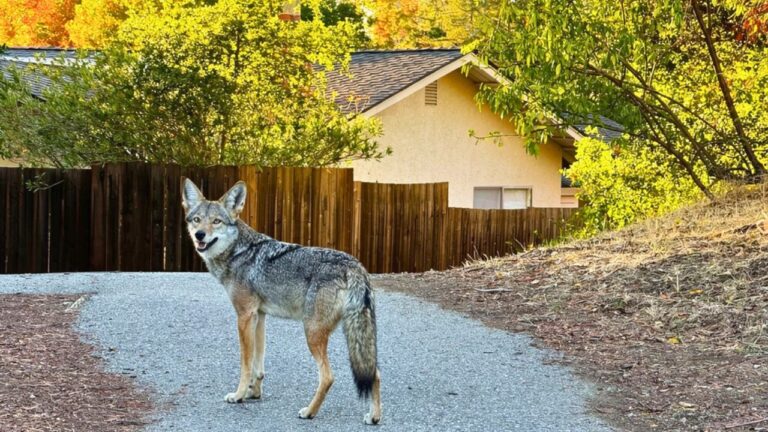
Coyotes
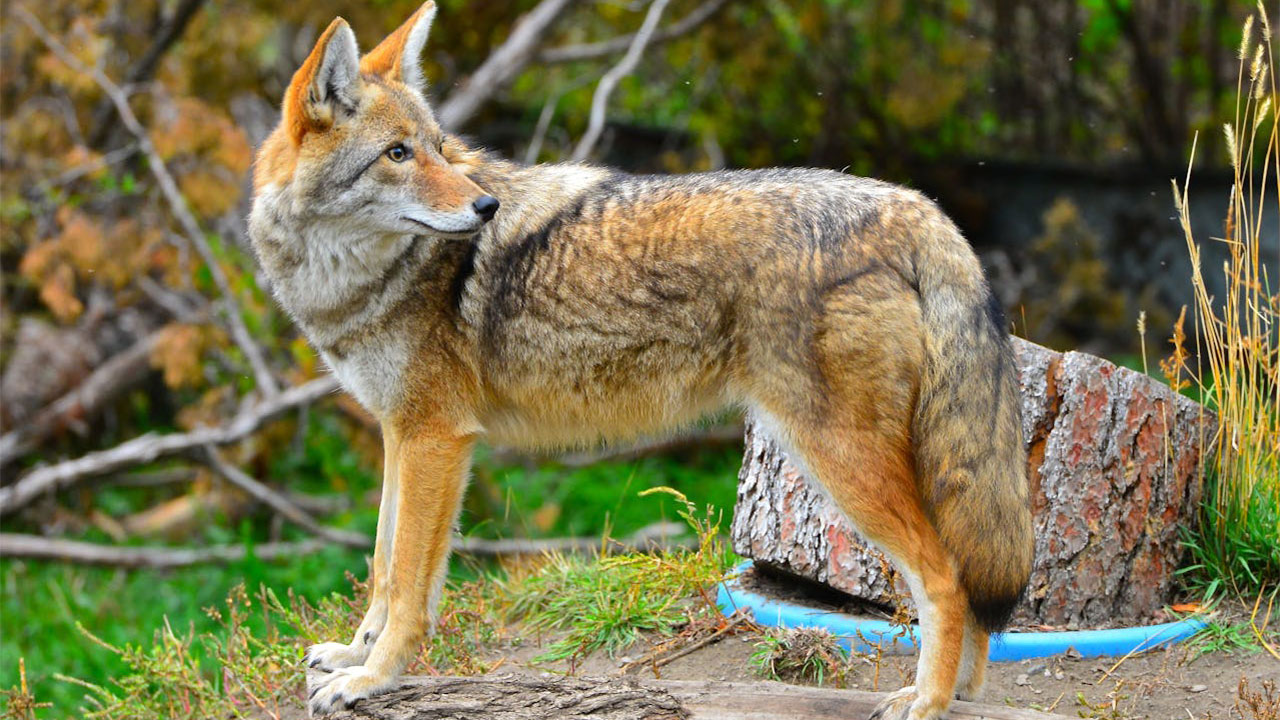
Coyotes are one of the quickest animals to adopt a property into their regular range. If the land offers rabbits, rodents, birds, or even the occasional easy meal from livestock or trash, coyotes will begin passing through on a schedule. They often work fence lines, field edges, and creek bottoms where movement stays hidden but food is still close.
Once coyotes learn a property, they can become extremely confident. The same individual may pass the same trail camera every few nights or cross the same field edge before dawn. Because they are adaptable and intelligent, they quickly figure out where pressure is low. When that happens, they start behaving like the land belongs to them.
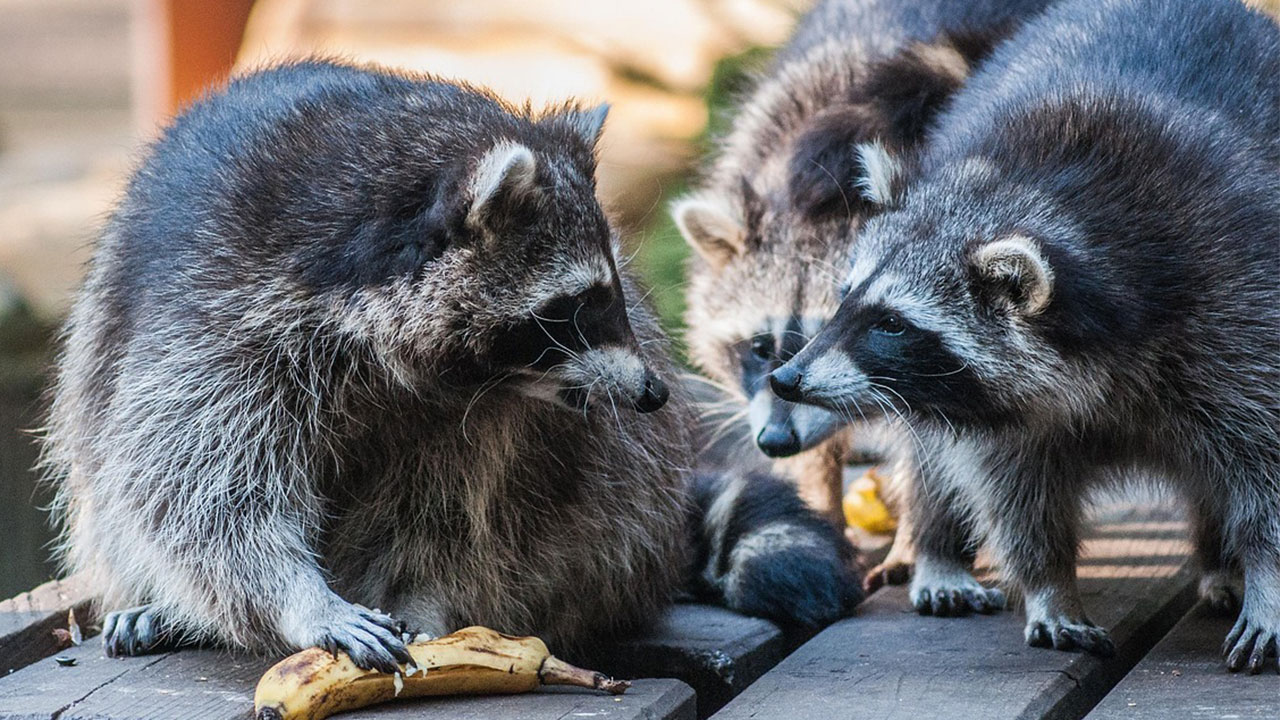
Raccoons
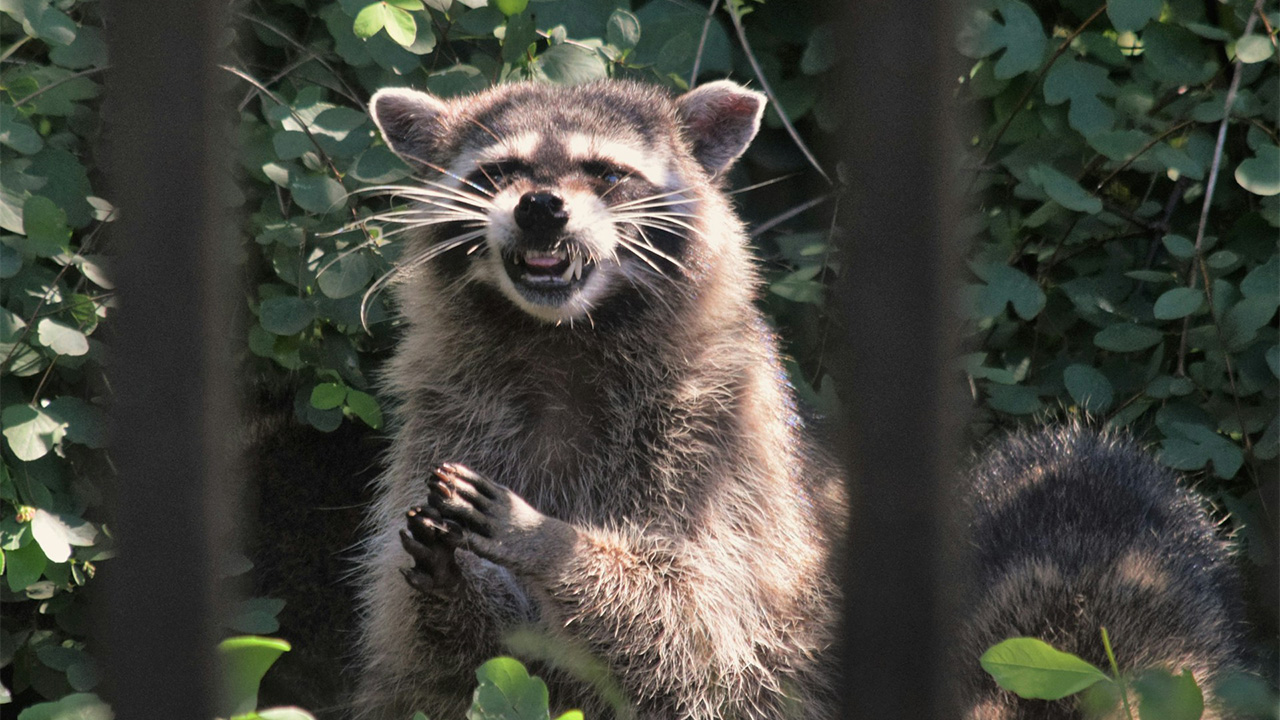
Raccoons are famous for settling into areas that provide steady food and shelter. If your property has ponds, barns, chicken coops, garbage cans, or fruit trees, raccoons may decide it is worth visiting almost every night. They are incredibly good at remembering food sources and will return repeatedly once they find something worthwhile.
What makes raccoons feel so comfortable is their ability to live close to human activity. They will den in hollow trees, sheds, or attics and travel the same paths after dark. Over time they begin to move around confidently because they know the layout of the property better than most people realize.
Feral hogs

Feral hogs do not just visit land—they often take it over. If they find reliable food or water, they will return again and again, rooting up soil and creating trails through brush or grass. Hogs are extremely opportunistic and can turn quiet land into their feeding ground in a surprisingly short time.
Once hogs feel comfortable on a property, they tend to move through it as a group. Entire sounders may show up at night to feed in fields, wallow near water, or dig for roots and insects. Their constant activity can quickly make it clear that they see the land as part of their territory.
Bobcats

Bobcats usually keep a lower profile than many predators, but they still adopt properties that support steady prey. Land with rabbits, rodents, and birds gives them plenty of reason to hunt the same ground repeatedly. A bobcat may travel wide distances, but it often checks productive spots on a regular schedule.
What makes bobcats interesting is how quietly they use the land. You may never see one directly, but trail cameras start capturing the same cat walking the same route every few days. Once a bobcat identifies reliable hunting ground, it treats that area as a dependable part of its territory.
Foxes

Foxes behave similarly to coyotes when it comes to routine. They quickly learn where rodents, insects, and small birds are easiest to find. Properties with tall grass, brush piles, and field edges often attract foxes because those spots hold the prey they prefer.
Once a fox starts hunting a piece of land regularly, it may continue visiting the same paths for months. Foxes are very comfortable working around human structures too, especially at night when everything is quiet. That confidence can make it seem like the animal simply considers the property its own hunting ground.
Deer
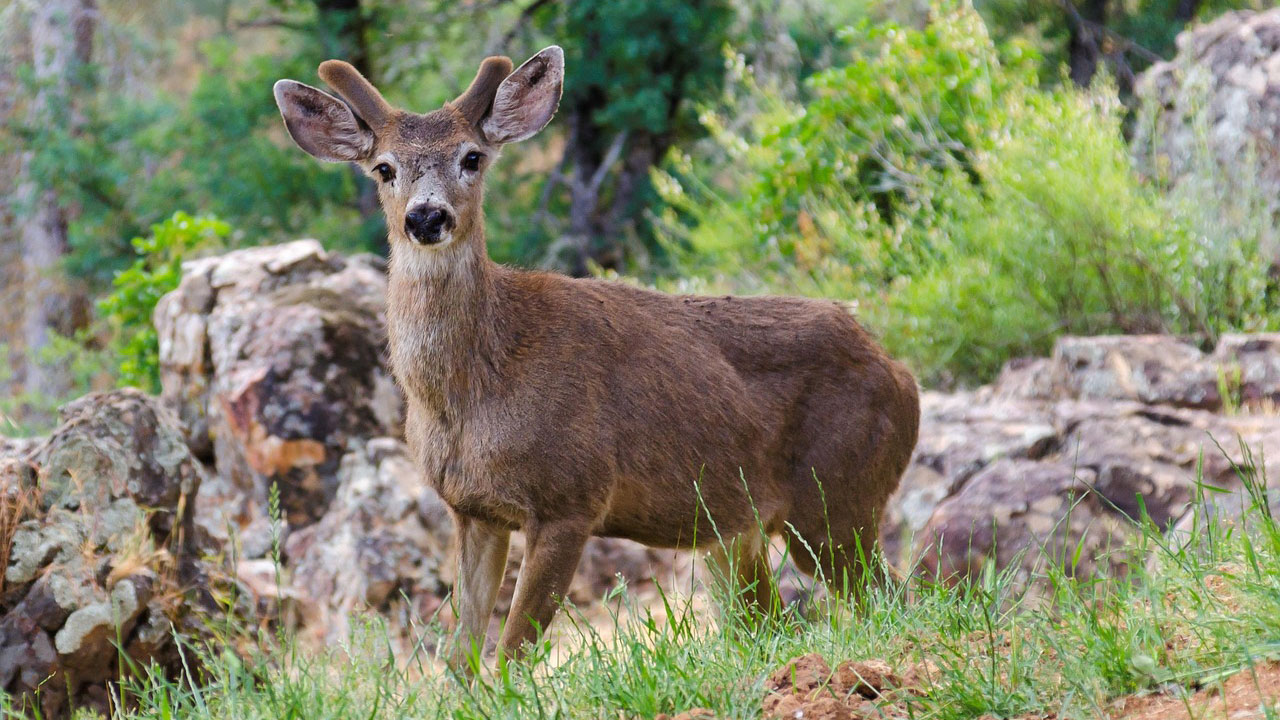
Deer are not predators, but they absolutely behave like regular residents once they find a property that meets their needs. If the land provides food plots, crops, or natural browse, deer will begin bedding nearby and feeding there consistently.
Over time, deer trails become worn paths through grass and woods as the same animals repeat their movement patterns. Many landowners eventually recognize specific deer by antlers or body shape because the animals use the property so often. When that happens, the land has clearly become part of their daily routine.
Wild turkeys

Wild turkeys also adopt properties that offer reliable food and safe roosting areas. Fields, open woods, and water sources attract them, and once they settle into a pattern they often return to the same spots year after year.
Turkeys may travel widely during the day, but they still treat familiar ground like home base. Roost trees, feeding areas, and travel routes remain surprisingly consistent. When turkeys feel secure in a place, they move around confidently and can seem almost like permanent residents.
Black bears
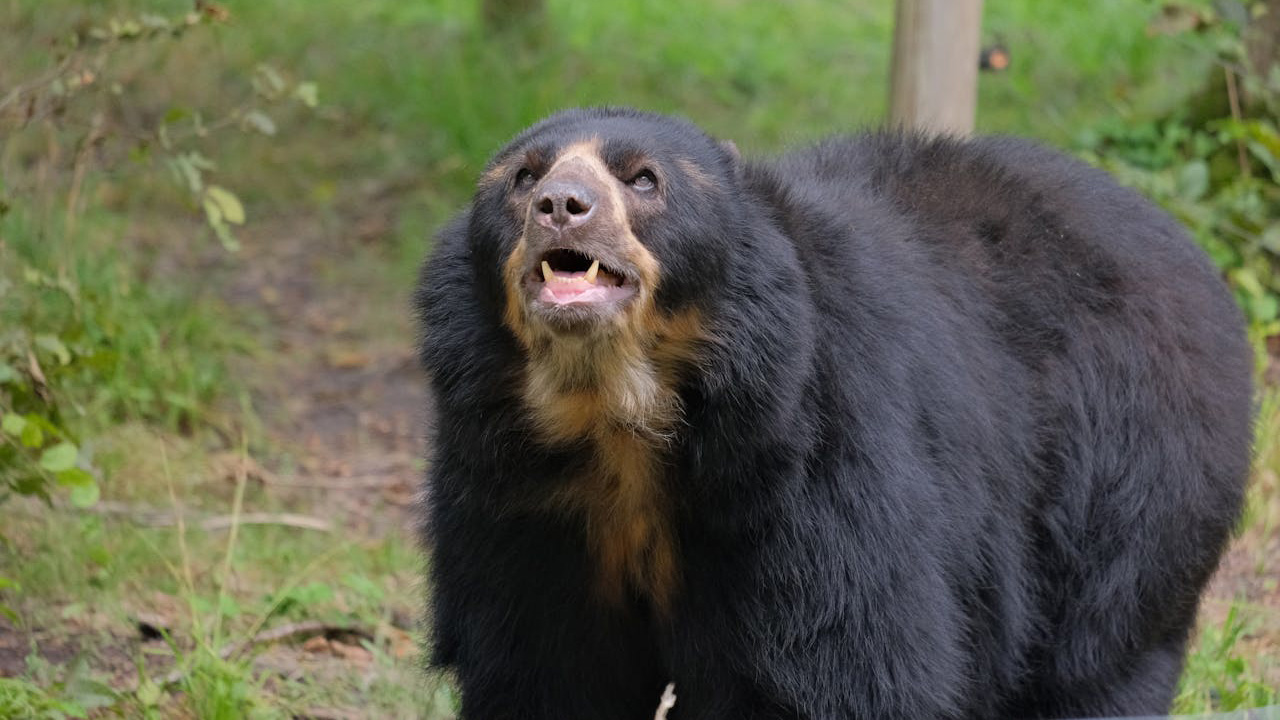
In areas where bears are present, they quickly learn which properties provide easy calories. Bird feeders, garbage, fruit trees, livestock feed, or crops can all draw bears repeatedly once they discover the food source.
A bear that begins visiting a property often returns frequently, especially during seasons when natural food is scarce. Bears are excellent at remembering locations that provide meals. If one starts showing up regularly, it may treat the area like a dependable stop along its route.
Skunks
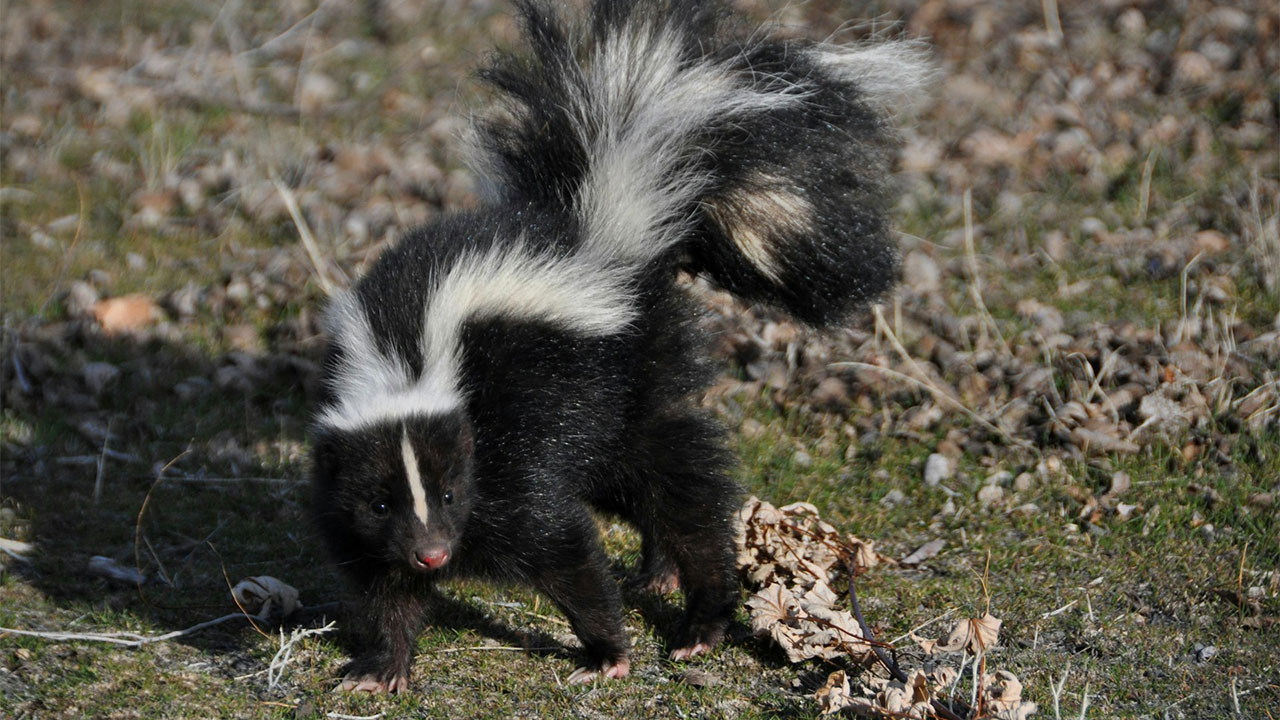
Skunks are another animal that becomes comfortable on a property once food is easy to find. They search for insects, grubs, and small animals in lawns, fields, and gardens. If the ground consistently provides food, skunks may return night after night.
Because skunks move slowly and quietly, many landowners never realize how often they are present. But repeated digging holes in lawns or gardens often reveal that skunks have been working the same area regularly.
Opossums
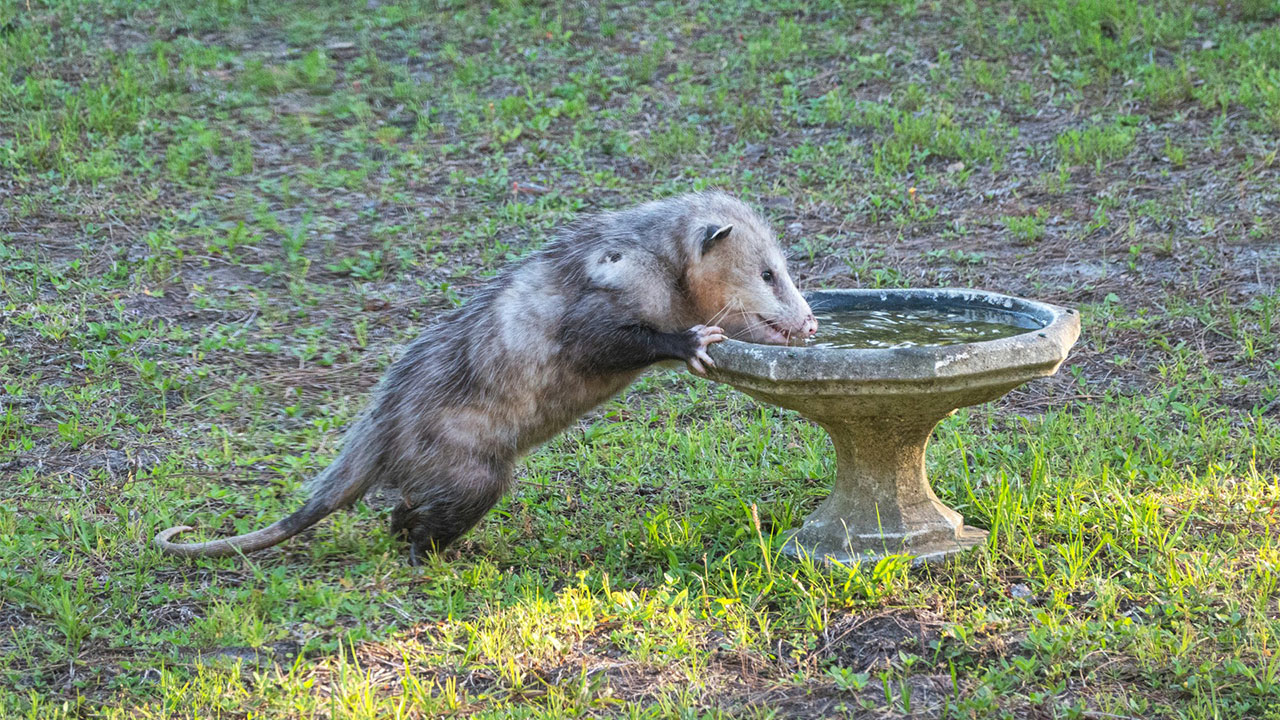
Opossums are highly adaptable scavengers that quickly learn where food scraps, pet food, or insects are available. They may den in sheds, woodpiles, or hollow logs close to human structures.
Once an opossum discovers a steady food supply, it often continues returning to the same place. Their slow movement and nocturnal habits mean they can spend weeks or months using the same property without being seen during daylight.
Beavers
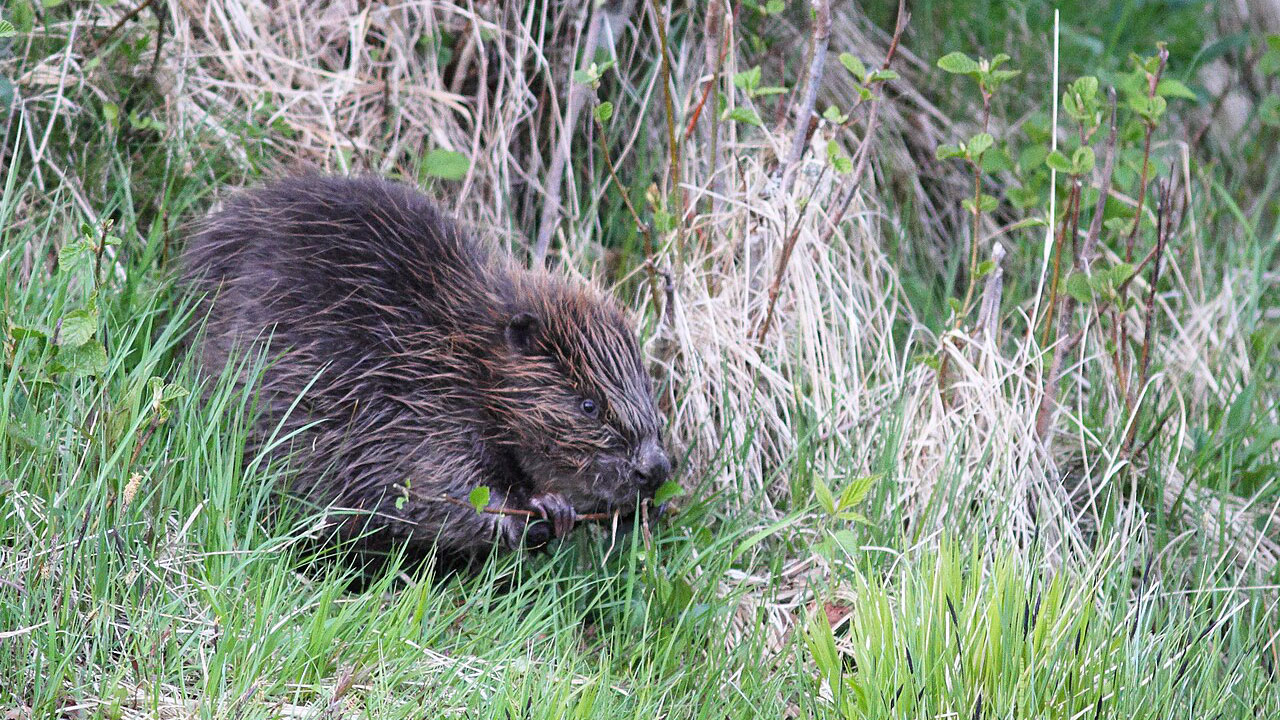
Beavers are another species that treats land like its own once it finds suitable water. If a pond, creek, or drainage ditch supports them, they may build lodges or dams and remain in that area for years.
Their presence becomes obvious through chewed trees, rising water levels, and dam construction. When beavers settle into a water source, they reshape the environment in ways that clearly show the land has become part of their territory.
River otters

River otters also develop regular routes along waterways. Ponds, rivers, and creeks that provide fish or amphibians can draw otters repeatedly. They travel long distances but often return to productive fishing spots.
Otters may leave slides along muddy banks where they enter and exit the water. Once these animals begin using a pond or creek regularly, the signs of their activity often appear in the same places.
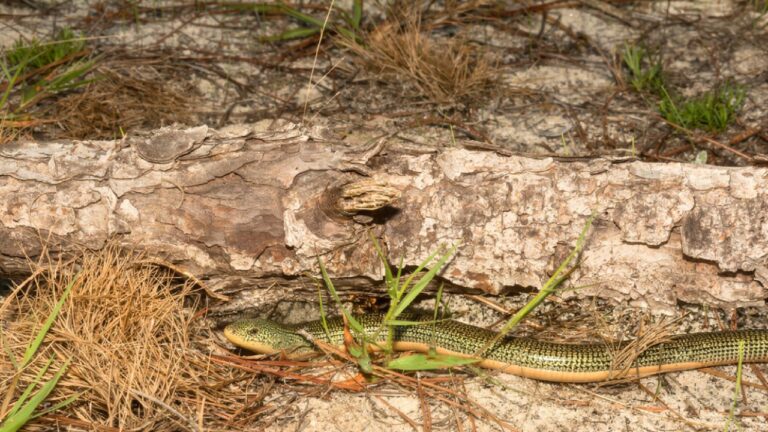
Snakes
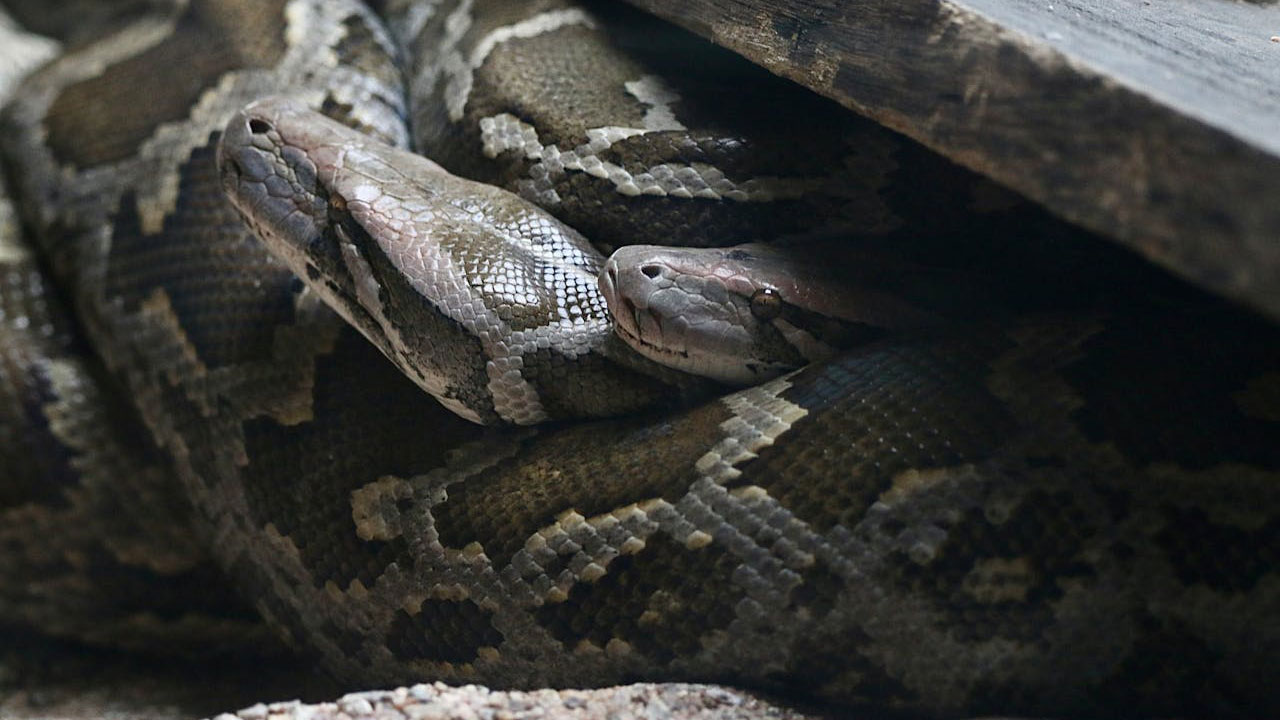
Many snake species adopt properties that offer shelter and prey. Brush piles, rock piles, barns, and woodpiles provide perfect hiding spots, while rodents supply a steady food source.
Once snakes find a location with both shelter and food, they may remain nearby for long periods. Copperheads, rat snakes, and other species often return to the same hiding areas repeatedly if conditions stay favorable.
Owls
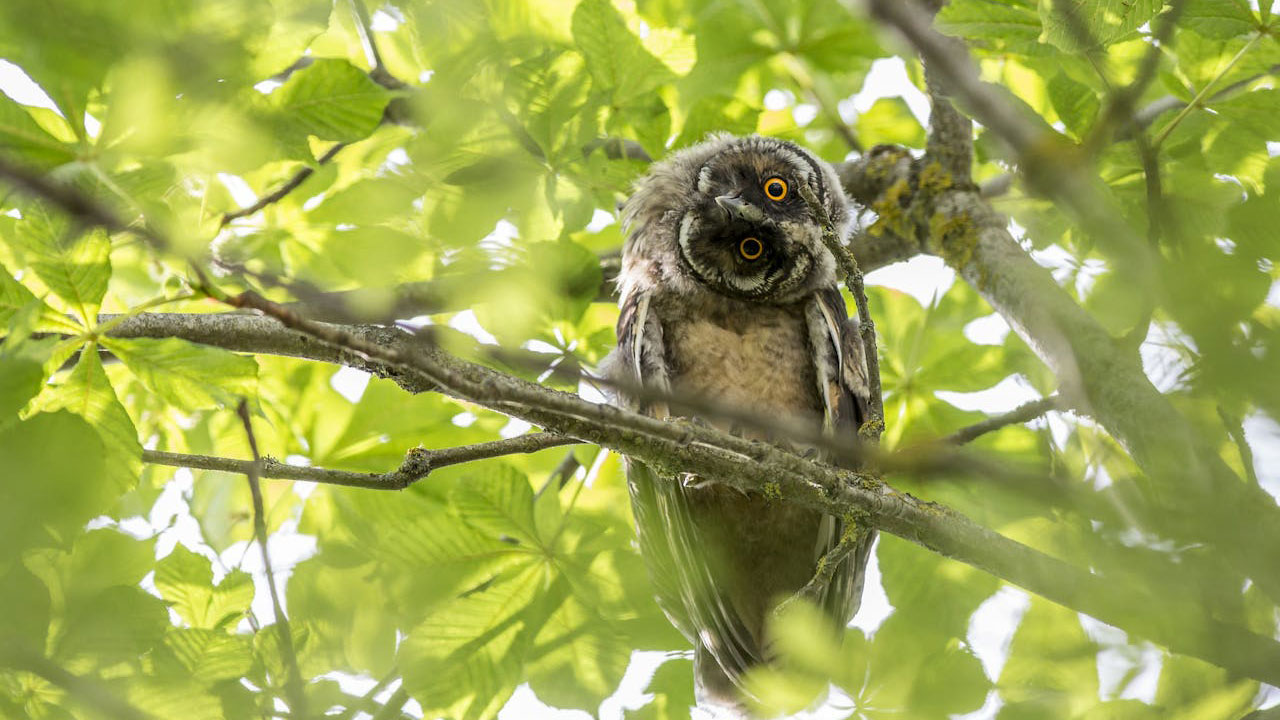
Owls treat good hunting ground the same way predators on the ground do. Fields, ponds, and wooded edges that hold rodents become reliable feeding areas. Owls often perch in the same trees or structures while hunting.
Once an owl begins working a property regularly, you may hear its calls at night or see it gliding across the same open ground. Their presence usually means the land supports plenty of prey.
Hawks
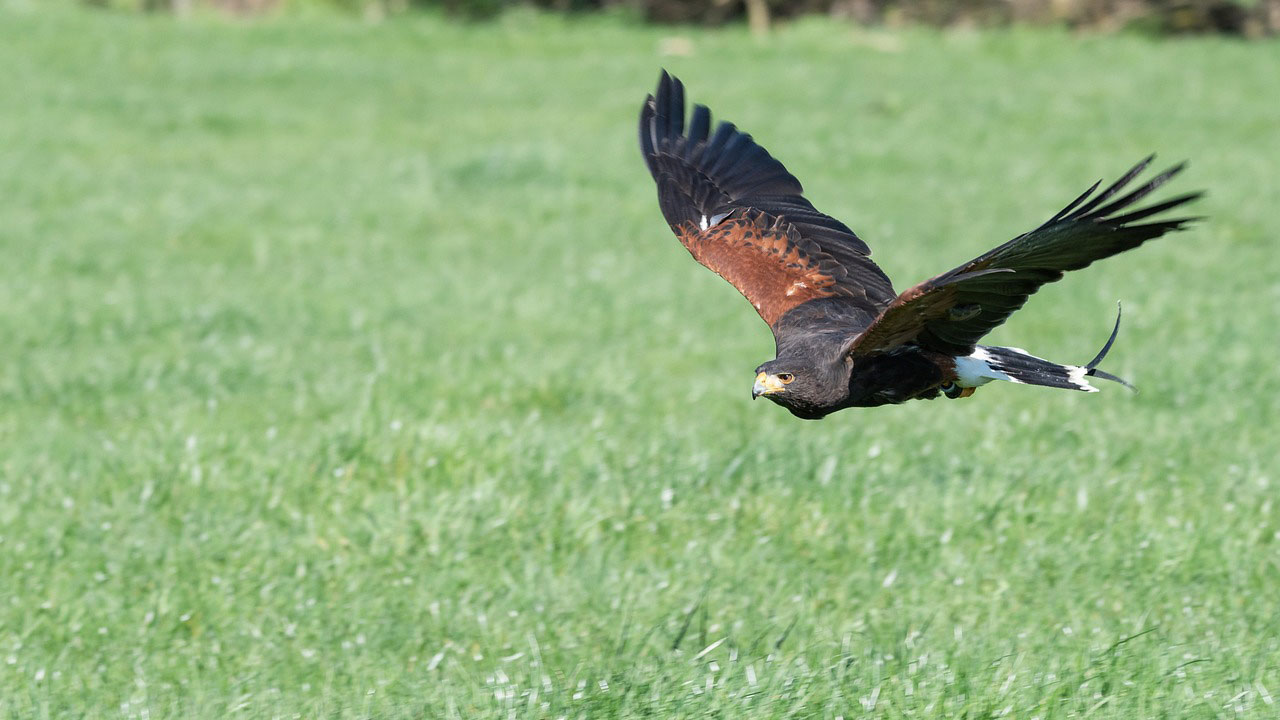
Hawks also become regular visitors if a property consistently produces food. Open fields, fence posts, and tall trees make perfect hunting stations where hawks can watch for rodents and small animals.
Some hawks may only pass through occasionally, but others return to the same territory repeatedly. When a hawk finds a place that consistently produces prey, it often patrols that ground like it belongs there.
Like The Avid Outdoorsman’s content? Subscribe to our newsletter so you never miss an article.
Here’s more from us: